Middle School Education

20 Anchor Activities for Middle School

Engaging middle school students in the learning process can be challenging. Anchor activities provide a solution to keep students focused and on-task while still providing meaningful learning experiences. These 20 anchor activities are designed specifically for middle school students to help maintain their attention and enrich their learning.

1.Vocabulary Bingo: Provide students with a bingo card containing relevant vocabulary words. As they encounter these words in their reading or lessons, they mark the corresponding squares until they get a bingo.

2.Daily Journaling: Encourage students to journal about their thoughts or experiences each day. This not only fosters self-reflection but also helps improve writing skills.

3.History Detective: Assign students historical events, people, or places to research. They then present their findings to the class, acting as a “history detective” who has uncovered hidden information.

4.Current Events Discussion: Have students choose current news articles to share with the class, followed by a group discussion where they analyze and discuss the events in depth.

5.Silent Reading: Provide an opportunity for independent silent reading time in a relaxed environment. This can be particularly helpful for building quiet focus and literacy skills.

6.Mathematical Puzzles: Provide students with math puzzles such as Sudoku, tangrams, or logic problems that challenge their problem-solving abilities.

7.Book Clubs: Divide the class into small groups and assign each group a book to read and discuss together over a set period.

8.Creative Writing Prompts: Offer creative writing prompts for students to practice their imaginative writing skills.

9.Art Projects: Encourage artistic exploration through various materials such as drawing, painting, collage, or sculpture.

10. Peer Review Sessions: Allow students to collaborate on assignments by offering opportunities for peer feedback sessions on written work or presentations.

11.Digital Storytelling: Teach students how to create engaging multimedia stories using digital tools like video editing software or online presentation platforms.

12.Interactive Timelines: Have students create interactive timelines that detail significant events in history, literature, or their own lives.

13.Debate Club: Students research and debate various topics, honing their critical thinking and communication skills.

14.Virtual Field Trips: Use online resources to take your students on virtual field trips to museums, historical sites, or other educational locations.

15.Collaborative Murals: Encourage teamwork by having students collaborate on the creation of a large-scale mural that reflects a specific theme or subject matter.

16.Podcast Club: Divide students into small groups and assign each group a podcast to listen to and discuss together over multiple sessions.

17.Science Experiments: Set up hands-on science experiments for students to explore various scientific concepts independently or in small groups.

18.Personal Growth Plans: Have students set personal growth goals related to subjects or skills they wish to develop further and provide activities tailored to these goals.

19.History Reenactments: Assign scenes from historical events for students to research, plan costumes and props, and perform for the class.

20.Board Game Club: Facilitate a club where students can play board games together while discussing strategies and improving social skills.

By incorporating these anchor activities into your middle school curriculum, you can promote an engaging atmosphere and provide opportunities for students to explore various areas of learning at their own pace.


20 Middle School Anxiety Activities For Kids

Introduction

Middle school can be a challenging time for kids, as they navigate new social dynamics, embrace academic responsibilities, and undergo various physical and emotional changes. To help kids manage anxiety during these formative years, here is a list of 20 anxiety-relief activities designed to ease them through the transition.

1.Breathing Exercises – Teach students to focus on their breath by inhaling deeply, holding for a few seconds, and exhaling slowly. Repeat this exercise multiple times to help calm the mind.

2.Progressive Muscle Relaxation – Teach kids to tense and relax their muscles in a pattern starting from the toes up to the face.

3.Guided Imagery – Encourage students to imagine themselves in a calming environment, such as a beach or forest scene.

4.Mindful Coloring – Provide coloring pages and colored pencils for students to focus on creating intricate designs.

5.Journaling – Allocate time each day for kids to write about their thoughts and feelings, helping them organize their emotions better.

6.Yoga – Introduce simple yoga poses during class breaks to encourage relaxation and mindfulness.

7.Visualization Techniques – Ask students to visualize positive outcomes in challenging situations, enabling them to build self-confidence.

8.Aromatherapy – Use essential oils like lavender or eucalyptus during work sessions to create a soothing atmosphere.

9.Grounding Techniques – Guide students in focusing on the present moment by asking them to describe everything they can see, hear, feel, taste, and touch around them.

10.Create a Worry Box – Encourage kids to write down their worries on small pieces of paper and store them in a dedicated container as a way of ‘letting them go.’

11.Mindful Listening – Cultivate active listening skills by having students pay close attention to various sounds around them for a set period.

12.Feeling Charades – Have kids act out emotions in a game format to help them recognize and express their own feelings.

13.Gratitude Journal – In a dedicated notebook, prompt students to list three things they are grateful for each day.

14.Outdoor Activities – Spend time outside in nature to foster relaxation and encourage students to connect with the natural world.

15.Physical Exercise – Incorporate physical activities during the school day, such as dancing or stretching, to lower stress levels.

16.Meditation and Mindfulness – Teach kids simple meditation techniques and ask them to practice regularly for a brief period.

17.Engaging in Hobbies – Encourage students to explore their interests and discover new hobbies that can act as stress relievers.

18.Identifying Stressors – Work with kids to identify their stress triggers and brainstorm coping strategies.

19.Social Support Groups – Organize regular meetings for students who can discuss their experiences, share tips, and offer emotional support.

20.Affirmation Cards – Provide students with colorful cards that have positive affirmations they can read silently or aloud when feeling overwhelmed.

Conclusion

By incorporating these activities into the middle school environment, educators and parents can empower children with tools to manage anxiety effectively. Remember, each child is unique; some of these activities may work better for certain individuals than others. However, honing these skills at an early age will ultimately equip students with lifelong coping mechanisms for managing anxiety and navigating future challenges successfully.

Fire Safety in the Early Years

Introduction

As the saying goes, “prevention is better than cure.” Fire safety in the early years is crucial in ensuring that our little ones are well-equipped with the knowledge and awareness they need to stay safe in case of a fire emergency. This article aims to provide a comprehensive guide for parents, caregivers, and educators on how to instill fire safety awareness and habits into children from an early age.

Why Fire Safety Education is Important

Fire emergencies can occur unexpectedly and spread uncontrollably within minutes. Teaching children about fire safety at an early age not only prepares them for potential emergencies but also helps prevent fires that may be caused accidentally. Research has shown that early education on fire safety significantly reduces the risk of child-related fire incidents.

Tips for Teaching Fire Safety

Here are some effective tips for teaching young children about fire safety:

1.Start with the basics: Explain how fires can start and spread so they understand the dangers involved. Teach them to recognize smoke alarms and ensure they know their purpose. Familiarize them with emergency numbers such as 911 (or your country’s equivalent emergency number).

2.Make it fun: Children learn best through play and hands-on experiences. Use games, puzzles, and storytelling as methods to communicate fire safety concepts simply and memorably.

3.Roleplay: Act out different scenarios with your child to practice evacuating safely during a fire emergency. This can include conversations about family meeting points, using exits, and checking doors for heat before opening them.

4.Introduce Stop, Drop, and Roll: Teach your child to stop, drop and roll if ever their clothes catch on fire. Have them practice regularly so it becomes second nature.

5.Inculcate good habits: Establish rules around hazards such as candles, matches, lighters, and electrical appliances. Emphasize their potential dangers and ensure children are aware of these risks.

6.Educate about smoke: Explain the dangers of smoke inhalation and teach them to crawl low when they see smoke, as this can help them avoid toxic fumes that accumulate at higher areas in a room.

7.Encourage regular home safety checks: Perform regular checks with your child to ensure that electrical outlets, appliances, and fire-prone materials like papers and fabrics are kept away from heat sources.

8.Visit local fire stations: Arrange trips to fire stations to expose children to firefighting equipment and meet firefighters. This exposure promotes a better understanding of their roles, which is essential for developing trust during an emergency.

9.Plan and practice an escape plan: Together with your child, design a home escape plan that includes two ways out of each room, and practice it regularly.

10.Involve educators: Encourage childcare providers and schools to incorporate fire safety education into early education programs and collaborate with them on reinforcing these messages at home.

Conclusion

Inculcating fire safety awareness from an early age is crucial in preparing our young ones for emergencies while minimizing the risk of accidents. By implementing basic fire safety concepts through engaging activities, practicing evacuation scenarios, forming good habits, and collaborating with educators, we can lay the foundation for lifelong safety practices that protect our families from the devastation caused by fires.

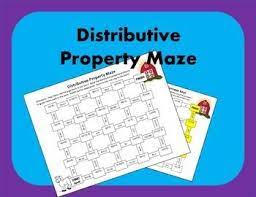
20 Hands-On Middle School Activities for Distributive Property Practice

Introduction:

The distributive property is a crucial math concept that middle school students need to master in order to excel at higher-level mathematics. It states that the product of a number and the sum of two other numbers remains the same after distributing the first number to each of the other numbers. To help students grasp this important concept, we’ve compiled a list of 20 hands-on activities that make learning the distributive property engaging and enjoyable.

1. Multiplication Arrays: Teach students how to use an array model for multiplication that demonstrates the distributive property visually.

2. Distributive Property Bingo: Create a fun game of bingo using problems that require the use of the distributive property to solve.

3. Algebra Tiles: Use algebra tiles to represent expressions and demonstrate how the distributive property can be applied.

4. Foldable Mini-Books: Have students create foldable mini-books explaining the steps for applying the distributive property.

5. Math Puzzles: Design math puzzles where students need to apply the distributive property to find missing factors or products.

6. Matching Game: Students match expressions involving the distributive property with their simplified forms.

7. Comic Strips: Assign students groups to create comic strips representing real-life examples of using the distributive property.

8. Fact Family Trees: Have students create fact family trees showing how multiple expressions are connected through the distributable property.

9. Distributive Property Relay Race: Organize relay races requiring teams to race to complete problems involving the distributable property correctly.

10. Distributive Property Scavenger Hunt: Hide problems around your classroom or school, and have students hunt for them and apply the distributable property to solve them.

11. Escape Room Challenge: Design an escape room-style activity where solving problems based on the distributable property helps unlock clues leading to escape.

12. Assorted Manipulatives: Utilize manipulative materials such as legos or playdough to represent and illustrate how the distributable property works.

13. Cooperative Learning Groups: Students work together in small groups to solve problems, discuss strategies and provide peer support in understanding the distributive property.

14. Skits or Role-Playing: Encourage students to create skits illustrating real-life scenarios that require using the distributive property.

15. I Have, Who Has: In this classic game, students are challenged with problems that require applying the distributive property and must answer them correctly to progress through the activity.

16. Math Journaling: Integrate writing into math class by having students journal about their experiences learning and applying the distributable property.

17. Distributive Property Charades: Turn lessons into a fun game of charades by having students act out expressions and problems using the distributable property.

18. Art Integration: Encourage students’ creativity by having them create visual representations of the distributive property with various art materials.

19. Interactive Whiteboard Activities: Make use of interactive digital tools for teaching and practicing the distributive property with dynamic on-screen manipulations.

20. Hands-On Equation Kits: Use specialized equation kits that physically demonstrate how distributive property works while solving algebraic expressions and equations.

Conclusion:

Incorporating hands-on activities into your middle school mathematics curriculum will help elevate your students’ understanding of the distributable property. By making learning fun, engaging, and interactive, you’ll create an environment conducive to mastering this essential math concept. Don’t forget to adapt these activities according to your students’ unique needs for an even more impactful experience!

15 Activities On Friendship For Middle School Learners

Introduction: Fostering friendship among middle school learners is essential to cultivate a positive learning environment, enhance social skills, and promote emotional well-being. Here is a list of 15 engaging and educational activities that can help encourage friendship among students.

1. Icebreaker Questions: Start with simple icebreaker questions that will initiate conversation between students and help them learn more about each other.

2. Team-Building Exercises: Organize team-building exercises and games that require cooperation, communication, and trust amongst peers.

3. Collaborative Art Projects: Encourage students to create art projects together to showcase their creativity and strengthen bonds.

4. Pen Pal Program: Partner with another classroom or school for a pen pal program, allowing students to forge new friendships through letter-writing.

5. Book Club: Form an after-school book club where students can discuss their favorite books and bond over shared interests.

6. Buddy System: Pair younger students with older ones to foster mentoring relationships while navigating the middle school experience.

7. Group Research Projects: Assign topics for students to research collectively, promoting collaboration, communication, and problem-solving skills.

8. Role-Play Scenarios: Facilitate role-play activities addressing various friendship scenarios, teaching conflict resolution and communication strategies.

9. Classroom Garden: Create a classroom garden where students care for plants as a team, nurturing responsibility and unity among them.

10. Volunteer Opportunities: Plan opportunities for volunteering within the community to encourage empathy, compassion, and strong connections between students.

11. Peer Tutoring: Encourage peer tutoring sessions so that students can assist one another academically while fostering friendships along the way.

12. Lunchtime Discussion Groups: Organize weekly lunchtime discussion groups covering various topics, offering an informal platform for building camaraderie among students.

13. Cultural Exchange Activities: Help students appreciate diversity by organizing cultural exchange activities that showcase their customs, traditions, and holidays.

14. Friendship Goals: Encourage students to set friendship goals and work towards them as a class; for instance, being kinder or more inclusive.

15. Recognition and Acknowledgment: Offer dedicated periods for students to share acts of kindness or praise qualities they admire in their peers, reinforcing positive behaviors.

Conclusion: By incorporating these 15 activities into your middle school environment, you can promote stronger relationships amongst learners, enhancing both individual development and overall classroom morale. Remember that fostering friendship takes time and effort but is certainly worth the investment in building a thriving school community.

20 Typing Activities for Middle School Students

Introduction:

In today’s digital age, typing proficiency is essential for success in school and beyond. Middle school students need to develop strong keyboarding skills to keep up with the demands of their education and future careers. Here are 20 engaging typing activities that middle school students can participate in to improve their keyboard skills.

1. Online Typing Games: Fun and interactive games like Typing.com, Nitro Type, and TypeRacer can make learning touch typing enjoyable for middle school students.

2. Timed Typing Drills: Students can challenge themselves by completing a series of timed typing drills to improve their speed and accuracy.

3. Keyboarding Challenge: Students can compete with one another in a friendly competition to see who has the fastest and most accurate typing skills.

4. Touch Typing Tutorials: Online tutorials like Mavis Beacon Teaches Typing offer step-by-step lessons on proper touch typing techniques.

5. Typing Club: Register for a free account on TypingClub.com, where middle school students can learn at their own pace through interactive lessons and games.

6. Journal Writing: Encourage daily journal writing to improve both typing speed and language skills.

7. Collaborative Storytelling: In groups, students can take turns adding sentences to an ongoing story while focusing on improving their typing abilities.

8. Create a Book Report/Summary: Have students work on longer projects like book reports or summaries of articles using proper touch typing methods.

9. Typing Speed Races: Students can race against the clock or each other to complete specific texts within a given time frame.

10. Codecademy Programming Lessons: For those interested in coding, Codecademy offers lessons that require considerable typing practice.

11. Rewriting a Paragraph with Eyes Closed: Improve accuracy by having students rewrite paragraphs without looking at the screen or keyboard.

12. Caption Videos: Students can practice typing while captioning short videos or clips from movies.

13. Type Out Favorite Quotes: Use typing practice as an opportunity to explore famous quotes and famous literature.

14. Create Typing Goals: Set individual goals for typing speed and accuracy, which can be tracked over time.

15. Blogging/Website Creation: Encourage students to create their own blogs or websites, where they can regularly practice typing while also building digital literacy skills.

16. Typing Relay Races: Create teams of students and have each member type a section of text before passing the computer to the next person.

17. Write a Letter: Students can write digital letters to friends, family members, pen pals, or even celebrities as touch typing practice.

18. Group Chat/Forum Participation: Engage students in online group discussions through a moderated chat or forum while using proper keyboarding techniques.

19. Short Story Submissions: Encourage students to write short stories and submit them to online literary magazines or contests for young writers.

20. Typing Progress Celebrations: Regularly celebrate milestones in individual typing progress to keep students motivated and excited about improving their keyboarding skills.

Conclusion:

By incorporating these 20 engaging activities into middle school curriculums, educators can help students improve their typing proficiency while simultaneously developing essential computer skills needed for future academic success. As they participate in these diverse activities, middle schoolers will be well-prepared for the increasingly digital world.

15 Anime Activities For Middle School

Introduction:

Anime, the unique and colorful style of animation originating from Japan, has become incredibly popular among middle school students worldwide. It’s a fantastic way to introduce young minds to a new culture and engage their creativity. If you’re looking for some exciting anime activities to engage middle school students, look no further! We have compiled a list of 15 amazing anime-related activities they’ll love.

1. Anime Drawing Club:

Organize an anime drawing club where students can learn basic anime drawing techniques andcharacter design elements. Encourage members to share tips and collaborate on group projects.

2. Origami Workshop:

Teach your students the traditional Japanese art of paper folding with an anime twist. Createorigami models of their favorite anime characters or items from the shows.

3. Cosplay Day:

Host a cosplay day where students can dress up as their favorite anime characters and participatein themed events like costume contests and photo booths.

4. Screen An Anime Movie:

Arrange a screening of a popular, age-appropriate anime film for students to enjoy after school orduring a special event.

5. Design Your Own Manga:

Encourage students to create their own manga stories using specialized computer software ortraditional pen and paper techniques, incorporating original characters and storylines.

6. Japanese Language Club:

Introduce your students to the fundamentals of the Japanese language through an anime-themedlanguage club, making use of familiar phrases and words from popular shows.

7. Anime Debate Club:

Establish an anime debate club where students can research, discuss, and analyze various aspectsand themes present in their favorite shows.

8. Anime Karaoke Night:

Organize a fun-filled karaoke night with popular anime theme songs for students to sing along to.

9. Create Your Own Anime Music Video (AMV):

Teach your students how to edit video clips from various anime series along with music tracks to create their very own anime music videos.

10. Japanese Snack Tasting Event:

Introduce your students to the world of Japanese snacks with an anime-themed snack tasting event, featuring popular treats like Pocky and Ramune.

11. Anime Trivia Night:

Put your students’ knowledge of anime to the test with an exciting trivia night, including questions related to popular series, characters, studios, and creators.

12. Anime Themed Crafts:

Provide materials and instructions for students to create anime-themed crafts like keychains, plushies, or phone cases.

13. Learn About Japanese Culture:

Include a lesson on various aspects of Japanese culture relevant to anime, such as traditions, customs, and locations featured in popular shows.

14. Host A Panel Discussion:

Invite local anime experts or older students with a deep knowledge of the subject to participate in a panel discussion about the impact of anime on pop culture.

15. Plan An Anime Field Trip:

Organize a trip for your class or club to visit a nearby anime convention, exhibit, or store where they can immerse themselves in the world of their favorite shows and characters.

Conclusion:

Anime offers numerous opportunities for engaging and educational activities suitable for middle school students. With the 15 ideas listed above, you’ll have no shortage of inspiration for incorporating this exciting form of entertainment into your curriculum or extracurricular programs.

26 Character-Building Activities for Middle School

As students prepare to transition from adolescence to adulthood, it’s crucial to engage them in character-building activities that foster personal growth and emotional development. Incorporating these exercises into middle school curriculum not only encourages students to develop positive traits but also helps them better navigate through life’s challenges.

In this article, we present 26 character-building activities for middle school students:

1. Role-Playing: Encourage students to act out real-life situations that require strong moral judgement, empathy, and interpersonal skills.

2. Volunteer Work: Organize service projects like helping at a local food bank, animal shelter, or nursing home, cultivating civic responsibility and empathy.

3. Peer Mediation: Teach students to resolve conflicts through active listening and effective communication.

4. Gratitude Journals: Provide opportunities for students to reflect on what they’re grateful for and why they appreciate it.

5. Emotional Intelligence Lessons: Help students understand, manage, and express their emotions effectively.

6. Team Building Exercises: Provide opportunities for group activities that foster collaboration and cooperation.

7. Goal Setting: Support students in setting personal, academic, and social goals while outlining steps to achieve them.

8. Mindfulness Techniques: Teach mindfulness practices that promote self-awareness and focus.

9. Ethics Debates: Encourage students to debate moral dilemmas and explore the consequences of various decisions.

10. Community Service Projects: Plan projects that address local issues or need while fostering teamwork and community engagement.

11. Kindness Challenges: Motivate pupils to perform random acts of kindness within their school or community.

12. Cultural Awareness Activities: Expose learners to diverse cultures by celebrating different holidays or exploring unique traditions from around the globe.

13. Public Speaking Opportunities: Prep kids for presenting in front of an audience by organizing essay contests or poetry readings.

14. Social Skills Training: Provide lessons on appropriate social behavior such as listening, feedback, and maintaining healthy relationships.

15. Empathy Exercises: Engage learners in activities that help them understand another’s perspective, such as reading about people from different backgrounds or participating in role play.

16. Time Management Skills: Equip students with strategies to prioritize tasks and efficiently manage their time.

17. Personal Finance Education: Introduce the basics of money management, including budgeting, saving, and investing.

18. Values Clarification Activities: Assist students in identifying and understanding their core values to guide decision-making.

19. Reflective Writing: Encourage journaling thoughts and feelings about various experiences or situations.

20. Storytelling: Foster creativity and self-expression by sharing personal stories or narratives inspired by prompts.

21. Healthy Living Habits: Teach the importance of proper nutrition, exercise, and sleep as a means to maintain physical and mental health.

22. Leadership Development: Cultivate leadership qualities through mentorship programs or student council participation.

23. Critical Thinking Exercises: Challenge pupils with problems that require logical reasoning, analytical thinking, and problem-solving skills.

24.Conflict Resolution Strategies: Teach students techniques for constructive communication and compromise in resolving disputes.

25.Self-Care Practices: Discuss ways to engage in stress-reducing activities such as deep breathing exercises or meditation sessions.

26.Open Dialogue Forums: Organize spaces for students to openly discuss sensitive topics or concerns, fostering empathy and understanding among peers.

By incorporating these character-building activities into middle school programming, educators can nurture well-rounded individuals prepared to handle life’s challenges with confidence and compassion.

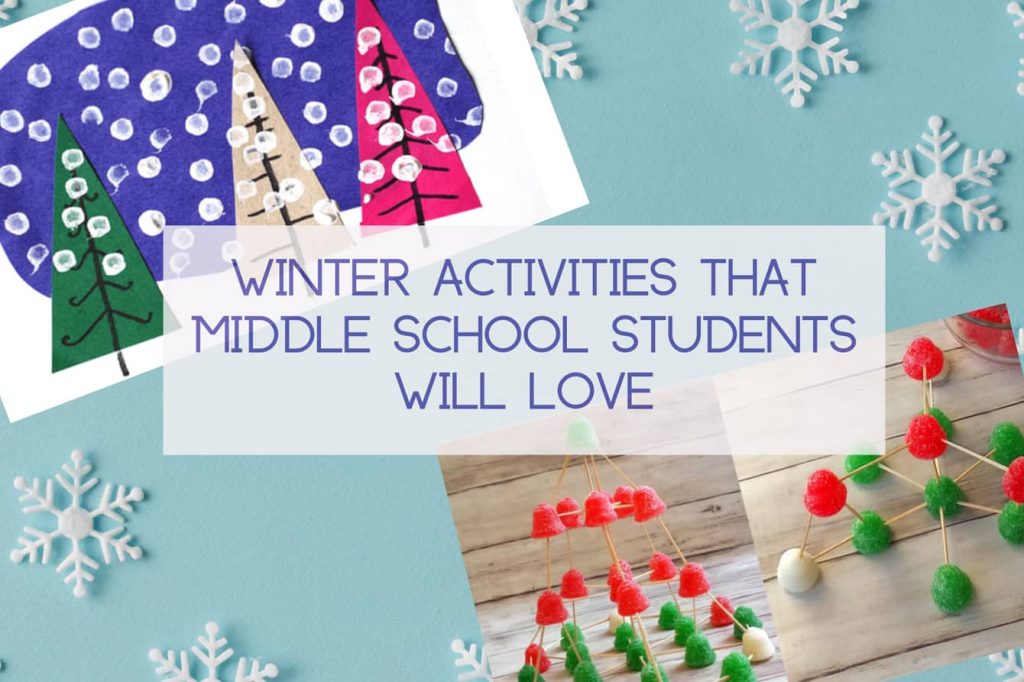
Winter Activities that Middle School Students Will Love

When the temperature drops and snow begins to fall, it’s time to start planning fun winter activities for middle school students. These young learners are at an age where they’re still excited about the wonders of the season but also ready for new challenges and experiences. Here are ten winter activities that are perfect for keeping middle school students engaged, entertained, and learning during the winter months.

1. Snow Sculpture Contest

Organize a snow sculpture contest among classmates or groups at school. Students can work in teams to create unique and imaginative snow sculptures. Encourage creativity by offering prizes or recognition for different categories, such as humor, abstract design, and most realistic portrayal.

2. Winter Nature Hike

Take advantage of your local park or nature reserve by organizing a winter nature hike. Students can learn about different plants, animals, and natural environments while embracing the beauty of the season.

3. Ice Skating

Arrange a trip to an ice rink so students can practice their ice skating skills or learn them from scratch. Ice skating is not only a fun winter activity but also teaches balance, coordination, and perseverance as students work to master their skills.

4. Winter Science Experiments

Bring science to life with hands-on winter experiments that capitalize on the chilly weather. For example, students can explore the effects of freezing temperatures on various substances or examine how snowflakes form.

5. Indoor Snowball Fight

Gather white socks or crumpled paper to create snowballs for an indoor snowball fight in your school gymnasium. This activity is a great way for kids to release energy while still enjoying a playful indoor version of a classic winter game.

6. Hot Cocoa Party

Celebrate the season with a hot cocoa party where students can mix their own creative concoctions using various toppings like marshmallows, whipped cream, cinnamon sticks, and sprinkles.

7. Winter Craft Projects

Get hands-on with arts and crafts, creating winter-themed projects like snow globes, snowflake collages, or paper snowflakes. This is an excellent opportunity for students to express their creativity and make unique keepsakes.

8. Winter Writing Prompts

Encourage students to practice their writing skills with creative winter-themed prompts. These can include anything from describing their favorite winter memory to reimagining a classic winter tale with a modern twist.

9. Winter Olympics

Organize a mini Winter Olympics at school with different events like ice cube relay races, snowman building competitions, and indoor skiing races using socks on hardwood floors. Students can represent different teams or countries for a friendly competition.

10. Winter Movie Marathon

Plan a cozy movie night or afternoon featuring winter-themed films that are age-appropriate for middle school students. This can be a great way to unwind after a busy week while enjoying the magic of the season through storytelling.

These ten activities offer an enjoyable mix of indoor and outdoor fun for middle school students during the winter season. By introducing new challenges, exciting adventures, and opportunities for creative expression, these activities will keep your middle schoolers entertained and looking forward to the magical time of year that winter brings.

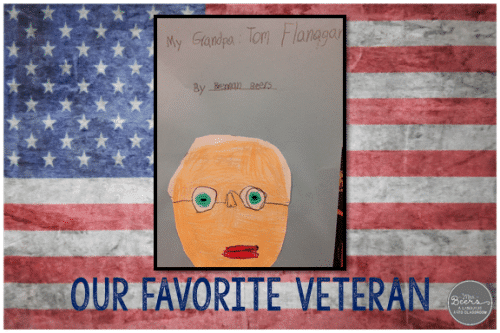
21 Meaningful Veterans Day Activities for Middle School

1. Classroom visit with a veteran: Invite a local veteran to share their experiences and stories with students.

2. Organize a pen pal program: Have students write letters to active military personnel, veterans, or military families to express their gratitude.

3. Create a Wall of Honor: Dedicate a wall in the school to display photos, names, and stories of veterans within the community.

4. Research veterans’ stories: Encourage students to interview family members who served in the military and present their stories to the class.

5. Host a flag raising ceremony: Teach students the proper protocol for raising the American flag and hold a special ceremony for Veterans Day.

6. Watch historical documentaries: Show students documentaries about major military events and discuss the importance of veterans’ sacrifices.

7. Write thank-you notes: Have students create personalized thank-you notes and deliver them to veterans at local VA hospitals or retirement homes.

8. Create a Veterans Day poetry anthology: Encourage students to write original poems honoring veterans and compile them into a collection for display or distribution.

9. Hold an essay contest: Invite students to write essays on the theme of “What Veterans Day means to me” and recognize the top submissions.

10. Organize a care package drive: Collect items like toiletries, snacks, or entertainment supplies, and have your class assemble care packages for deployed troops.

11. Design patriotic artwork: Have students create art pieces inspired by veterans or American pride and display them around the school.

12. Learn about the VA system: Teach students about Veterans Affairs services and benefits available for veterans as part of their social studies curriculum.

13. Study famous military leaders: Introduce students to important figures in American military history, such as George Washington or Dwight Eisenhower.

14. Plant commemorative trees: Plant trees on your school’s grounds as living tributes to veterans who have served our country.

15. Visit a local war memorial: Take a field trip to a nearby memorial and have a moment of silence to honor the veterans who have made the ultimate sacrifice.

16. Participate in a service project: Organize a community service project, such as cleaning up a war memorial or making care packages for veterans.

17. Analyze historical speeches: Have students read famous war-time addresses, like the Gettysburg Address, and analyze their themes and significance.

18. Create patriotic music playlists: Encourage students to craft playlists that celebrate American history and the sacrifices of veterans.

19. Attend a Veterans Day parade or ceremony: Bring your class to a local event honoring veterans and discuss the importance of recognizing their service.

20. Analyze symbols and artifacts: Teach students about the meaning behind military medals, ribbons, and other awards given to veterans.

21. Honor POW/MIA soldiers: Provide information about the POW/MIA flag and incorporate activities that promote awareness about this important issue within your curriculum.

By participating in these meaningful activities, middle school students will develop a deeper appreciation for the valor and sacrifices of our nation’s veterans on Veterans Day and beyond.