Professional Development

Free Staff Meeting Agenda: Developing School-Wide Rules

Introduction

Developing school-wide rules is an essential part of creating a positive learning environment for students. This process requires collaboration and agreement among the staff members of the school. In this article, we will discuss the importance of developing school-wide rules and provide a free staff meeting agenda to facilitate discussions and decision-making.

The Importance of School-Wide Rules

School-wide rules help ensure that all students are treated fairly and consistently throughout the school. They set clear expectations for appropriate behavior in various settings, such as classrooms, hallways, and common areas. When school-wide rules are effectively implemented and enforced, they can contribute to a safe, respectful, and productive learning environment for all students.

Free Staff Meeting Agenda for Developing School-Wide Rules

To help facilitate the development of effective and inclusive school-wide rules, we have provided a free staff meeting agenda below:

1. Welcome and Introductions

– Begin by welcoming all staff members to the meeting.

– Ask each participant to introduce themselves if necessary.

2. Objectives of the Meeting

– Clearly define the purpose of the meeting: to develop and agree upon school-wide rules.

– Emphasize that everyone’s input is valuable and critical for successful implementation.

3. Review Current Rules and Policies

– Discuss existing school rules and policies.

– Identify any areas where changes may be necessary or improvements could be made.

4. Brainstorm New Rules

– Divide participants into small groups.

– Encourage each group to brainstorm new rule ideas or suggestions based on their experiences in the school.

– After a given time, ask each group to share their ideas with the larger group.

5. Prioritize Suggested Rules

– Facilitate a discussion among participants to prioritize suggested rules based on several factors:

* Relevance to common student behavior issues.

* Alignment with school values and mission.

* Feasibility of implementation and enforcement.

– Encourage staff members to provide feedback on each suggestion.

6. Develop a Draft of School-Wide Rules

– Based on the previous discussions, develop a draft of the proposed school-wide rules.

– Make sure rules are clear, concise, specific, and easily understandable.

7. Solicit Feedback on Draft Rules

– Share the drafted rules among participants and solicit feedback.

– Allow for revisions as necessary to ensure each rule is well-defined and agreed upon.

8. Finalize School-Wide Rules

– Review all revisions and finalize the school-wide rules.

– Develop an actionable plan for communicating these new rules to students, parents, and other stakeholders.

9. Adjournment

– Congratulate participants on their hard work and collaboration during the staff meeting.

– Thank all staff members for their input and dedication to creating a positive learning environment.

Conclusion

Collaboration among staff members is key in developing effective, inclusive school-wide rules that promote a positive learning environment. Using this free staff meeting agenda can help guide discussions and consensus-building around this essential process. When implemented successfully, these rules will contribute to a safe, respectful, and productive experience for all students within the school community.

Don’t Miss This Free Seminar on Financial Literacy in the Classroom—San Francisco

In today’s rapidly changing economy, financial literacy has become an essential life skill that every individual must possess. To promote the importance of financial education and its integration into the school curriculum, a free seminar on Financial Literacy in the Classroom will be held in San Francisco.

The seminar aims to provide educators and school administrators with valuable resources, tools, and techniques for incorporating financial literacy into their classrooms effectively. You won’t want to miss this opportunity to learn from industry experts and fellow educators about the best practices for teaching your students critical financial skills that they’ll carry throughout their lives.

Hosted by the San Francisco Department of Education, this enlightening event will be held at the beautiful Marina Park Conference Center on June 24th and 25th. Attendees can expect a dynamic lineup of speakers, interactive workshops, networking opportunities, and other engaging activities to help you leave this seminar feeling inspired and ready to implement innovative strategies in your classroom. Plus, who wouldn’t enjoy a free opportunity to sharpen their teaching skills while enjoying scenic views of the Bay?

Renowned keynote speakers will share their expertise on various topics, such as budgeting, saving, credit management, investing, and retirement planning. By exploring these subjects through activities and discussions tailored for various grade levels (from elementary through high school), educators will acquire valuable lessons that they can seamlessly integrate into their current subject matter.

As an added bonus for attending this free seminar, participants can earn professional development credits while also gaining access to exclusive online resources available only to attendees. This event is designed with educators in mind; no prior experience in finance or economics is required.

Don’t let this one-of-a-kind learning opportunity pass you by. Clear your schedule now for June 24th and 25th and prepare for an unforgettable experience that will transform the way you teach financial literacy in your classroom.

Secure your spot today by registering at the Financial Literacy in the Classroom – San Francisco Seminar website. Remember, spaces are limited and available on a first-come, first-served basis, so act now. We hope to see you there as we work together to forge a brighter, more financially savvy future for our students.

8 Business Books Every Teacher Should Read

As a teacher, you are constantly looking for ways to improve your classroom, teaching methods, and student engagement. While many educators focus solely on education-specific resources, there is a wealth of knowledge to be found in an unexpected place: business books. By diving into these books, teachers can gain valuable insights and apply them to the educational setting.

Here are eight business books that every teacher should read to enhance their resilience and adaptability within the classroom:

1. ‘The 7 Habits of Highly Effective People’ by Stephen Covey

This classic book presents a framework for personal and professional effectiveness through developing habits that help you achieve your goals. Teachers can apply these habits to their own lives, as well as teaching their students about developing good habits for success in school.

2. ‘Good to Great’ by Jim Collins

Collins identifies the factors that turn good companies into great ones and how leaders can implement them effectively. Educators can utilize his concepts by understanding what it takes to move from a good teacher to a great one – creating lasting impacts on students and education as a whole.

3. ‘The Lean Startup’ by Eric Ries

Ries emphasizes the importance of experimentation, adaptation, and learning from failure in launching successful startups. Similarly, teachers can apply these principles when creating lesson plans or introducing new methods in their classrooms – adapt, refine and learn from failures to optimize student success continually.

4. ‘The One Thing’ by Gary Keller and Jay Papasan

This book reveals the secret behind successful individuals focusing on one priority at a time. Teachers can implement this idea by identifying the single essential skill or concept they want their students to grasp in each lesson – ensuring mastery before moving forward.

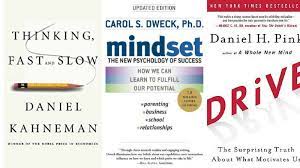
5. ‘Drive: The Surprising Truth About What Motivates Us’ by Daniel H. Pink

Pink explores motivation’s complexities and introduces self-determination theory (SDT) – the concept of intrinsic motivation, autonomy, and purpose. Teachers can apply these principles to create interactive and engaging learning experiences that genuinely motivate students to learn.

6. ‘The 4-Hour Workweek’ by Timothy Ferriss

While the idea of a 4-hour workweek may seem impossible for teachers, this book provides valuable insights into time management, productivity, and streamlining tasks. Educators can apply these strategies to reduce overwhelm and manage their time effectively – both in and out of the classroom.

7. ‘Mindset: The New Psychology of Success’ by Carol S. Dweck

Dweck’s groundbreaking research on the growth mindset – the belief that intelligence can be developed through effort – has significant implications for education. Teachers can foster this in themselves and their students, encouraging perseverance, resilience, and a love for learning.

8. ‘Crucial Conversations: Tools for Talking When Stakes Are High’ by Kerry Patterson, Joseph Grenny, Ron McMillan, and Al Switzler

Effective communication is at the heart of both business and education. This book offers practical tools to navigate difficult conversations while preserving relationships. Teachers can use these techniques to discuss expectations or address issues with students, parents, and colleagues – promoting an open dialogue that leads to positive outcomes.

In conclusion, teachers who read and apply lessons from business books can uncover new approaches to challenges in their classrooms – ultimately benefiting not only their own professional development but also students’ learning experiences.

Free Teacher Trip Is Both Foodie Heaven & Summer PD

Introduction:

Every educator knows the importance of professional development, but combining it with a passion for food? Sounds like a dream come true! The Free Teacher Trip is the perfect opportunity for teachers to grow professionally while indulging their culinary curiosities. Read on to learn more about this unique experience that expertly marries foodie culture and summer professional development.

Foodie Heaven:

At its core, the Free Teacher Trip focuses on providing a range of gastronomic experiences that fully embrace local and international cuisine. Participants can expect to embark on guided tours of artisan markets, attend farm-to-table workshops, and explore diverse culinary traditions. Alongside fellow educators, it’s an opportunity to network and share ideas while relishing new flavors and discovering signature dishes.

Professional Development Workshops:

Tailored specifically for teachers, the Free Teacher Trip’s professional development sessions offer valuable insights and practical strategies for incorporating food and cooking into your curriculum. From lesson plans and project ideas to using food as a tool to engage students in cultural exploration, these summer workshops provide educators with the resources they need.

Culinary Excursions:

With plenty of hands-on experiences, participants will have the chance to delve into regional cooking techniques by attending interactive classes led by renowned chefs. You’ll learn traditional recipes, sample mouth-watering dishes, and hone your skills in the kitchen. This added-expertise not only enhances your culinary abilities but serves as a catalyst when bringing food-related subjects to your classroom.

Cultural Immersion:

Diving into a new culture is an enriching journey that provides valuable perspective, both professionally and personally. Each trip destination offers a chance for teachers to experience different cultural practices, traditions, and viewpoints. From visiting historical sites to immersing yourself in the local cuisine – your increased understanding of global cultures can significantly contribute towards broadening your teaching scope.

Closing Thoughts:

The Free Teacher Trip is a one-of-a-kind experience that fuses professional development with a love for culinary art. Embrace your inner foodie on a journey filled with mouth-watering flavors, innovative teaching strategies, and the chance to form lasting connections with fellow educators. Treat yourself to this ultimate foodie escapade and elevate your teaching techniques as you embark on this delectable journey of self-discovery and growth.

12 Powerful Quotes From Professional Books That Made Us Say Wow!

Introduction:

Sometimes, all it takes is a single quote to transform our perspective and leave a lasting impact on our lives. The power of words can be seen in how they have the ability to inspire, motivate, and guide us. We have compiled a list of 12 powerful quotes from professional books that made us say “Wow!” and hope these help to ignite your passion and fuel your journey to success.

  1. “The only way to do great work is to love what you do.” – Steve Jobs, Walter Isaacson
  2. “Success is stumbling from failure to failure with no loss of enthusiasm.” – Winston S. Churchill, Richard Langworth
  3. “The greatest glory in living lies not in never falling, but in rising every time we fall.” – Nelson Mandela, Long Walk to Freedom
  4. “In the middle of difficulty lies opportunity.” – Albert Einstein, Cosmic Religion
  5. “The best way to predict the future is to invent it.” – Alan Kay, Forbes (quoted from his speech)
  6. “Your time is limited, don’t waste it living someone else’s life.” – Steve Jobs, Walter Isaacson
  7. “Either you run the day or the day runs you.” – Jim Rohn, Living an Inspired Life
  8. “Great things are done by a series of small things brought together.”- Vincent van Gogh; Jo van Gogh-Bonger (translated by Hulsker)
  9. “It does not matter how slowly you go as long as you do not stop.” – Confucius,” The Analects
  10. “The only limit to our realization of tomorrow will be our doubts of today.” – Franklin D. Roosevelt; Goodwin
  11. “What lies behind us and what lies before us are tiny matters compared to what lies within us.” – Ralph Waldo Emerson; Richardson & Myerson
  12. “You miss 100 percent of the shots you don’t take.” – Wayne Gretzky; Taylor

Conclusion:

These 12 powerful quotes serve as a reminder of the wealth of wisdom available to us in professional books. By recalling and embracing these words, we can find the inspiration to persevere through challenges, chase our passions, and ultimately shape our futures. Always remember that the most profound insights are often just a page away.

How Do I Better Coach a Splintered Professional Learning Community?

In the world of education, a unified professional learning community (PLC) can significantly impact student success and the overall school environment. However, occasionally, a PLC might splinter due to challenges, personal differences, or lack of organization. As a coach, it becomes your responsibility to help rebuild and strengthen the PLC. In this article, we will explore the steps that you can take to better coach a splintered professional learning community.

1. Identify the Root Cause

To resolve any issue within the PLC, start by identifying the root cause of the splinter. It could be due to a lack of strong leadership, conflicting opinions among team members, or external pressures the team is facing. By understanding the source of the problem, you can formulate a targeted plan to address it and rebuild your PLC.

2. Foster Open Communication

Create an environment where all members feel safe to share their thoughts and concerns without fear of judgment or retribution. Encourage openness and active listening among all team members and provide opportunities for constructive feedback. Remember that effective communication is key in remedying misunderstandings and bridging gaps among colleagues.

3. Establish Clear Goals and Expectations

One potential cause for a splintered PLC is confusion about its goals and priorities. To strengthen your learning community, establish clear goals and expectations for all team members. Make sure everyone understands their roles in achieving those goals and regularly revisit these objectives to ensure they stay relevant and attainable.

4. Nurture Positive Relationships

Relationships between PLC members play an essential role in promoting cooperation and collaboration within the group. Encourage team-building activities that foster positive relationships among colleagues, celebrate successes together as a team, and create opportunities for socialization outside the formal settings of meetings.

5. Provide Professional Development

Continuous learning is crucial in nurturing growth within your PLC and ensuring its long-term success. Offer professional development opportunities to educate your team on best practices, new strategies, and ways to respond to challenges and changes. Encouraging ongoing development is critical in invigorating the PLC and ensuring it evolves with the needs of your educators and students.

6. Involve School Leadership

To effectively support your PLC, involve key stakeholders such as administrators and school-wide instructional leaders. This additional support can provide needed resources, guidance, and influences to help your team overcome hurdles and become a cohesive unit.

7. Monitor Progress and Adjust

Treat your PLC as an ongoing journey that requires regular check-ins and reassessments. Continuously monitor the progress of your team, celebrate achievements, and address any obstacles that arise. Be open to making necessary adjustments in response to new information or shifting needs.

In conclusion, guiding a splintered professional learning community toward unity requires patience, consistent support, and effective leadership. By employing the steps outlined above, coaches can foster an environment of growth, collaboration, and success within their PLCs. Ultimately, these efforts will lead to better outcomes for both educators and their students.

How to Give Negative Feedback the Right Way – School Leaders Now

Introduction

As a school leader, giving feedback is a crucial aspect of improving your staff, fostering professional growth, and maintaining healthy working relationships within your school community. However, negative feedback can be challenging to deliver effectively and diplomatically. Here, we’ll explore tips on how to give negative feedback the right way and ensure that it is understood and well-received.

1. Start with a Positive Approach

Begin the conversation with something positive before addressing an area of improvement. This helps set a constructive tone and demonstrates that you appreciate their strengths as well as acknowledging areas where they may need support or guidance.

2. Be Specific and Factual

When providing negative feedback, get straight to the point and focus on factual, observable information. Avoid vague statements or opinions, and instead provide clear examples of the behavior or actions you are addressing.

3. Empathize

Put yourself in the other person’s shoes by understanding their emotions or challenges they may be facing in this situation. This empathetic mindset will help you convey kindness while still addressing the issue.

4. Offer Constructive Suggestions

Include practical suggestions for how the recipient can improve in the area you’ve identified. Giving guidance is key to ensuring that your feedback translates into tangible growth for your staff member.

5. Listen Actively and Encourage Reflection

Allow time for the individual to respond to your feedback by actively listening to their thoughts, concerns, or suggestions. Encourage reflection on both sides by asking open-ended questions that foster ongoing conversations about improvement.

6. Balance Personal and Professional Feedback

When discussing areas of growth, try to keep professional aspects separate from personal traits unless it directly affects work performance. If everything is bundled together, it can become more complicated, defensive conversations could arise.

7. Be Timely

Addressing issues in a timely manner shows that you are invested in your staff member’s development and demonstrates your commitment to improvement. Delaying feedback could make it appear that the issue is not important, or lead the individual to believe they are being punished.

8. Focus on Growth

Frame your feedback with a ‘growth mindset’ approach, reminding the individual that learning and development is an ongoing process. Highlight that both challenges and opportunities for improvement contribute to their professional growth.

9. Follow-up

Check in regularly to see how things are progressing or offer further support. This will emphasize your interest in their ongoing development and accountability.

Conclusion

Implementing these strategies when providing negative feedback will help foster a supportive learning environment for your staff, allowing them to flourish professionally. Taking time to deliver feedback thoughtfully and constructively will pay dividends in the long run, creating a culture of continuous growth and improvement within your school community.

What Educators Need to Know About Neuropsychological Testing

Introduction

Educators play a critical role in the development of the children they teach. One area that is gaining significant attention in education is neuropsychological testing. This form of assessment offers valuable insights into a child’s cognitive functioning, which can impact learning and social skills. In this article, we will explore neuropsychological testing and its importance for educators in enhancing their students’ educational experience.

Understanding Neuropsychological Testing

Neuropsychological testing is a comprehensive process that assesses various aspects of a child’s cognitive functioning, including memory, attention, problem-solving, and language skills. The tests are typically administered by a trained neuropsychologist and involve both standardized assessments and observation of behaviors. These assessments measure how well a child’s brain functions in these areas, which can help identify potential difficulties or challenges that may impact their learning.

Why It Matters for Educators

Educators should be aware of neuropsychological testing for several reasons:

1. Early Identification: Neuropsychological assessments can help identify learning disabilities or disorders early, allowing educators to intervene and provide necessary support.

2. Targeted Interventions: Understanding a child’s cognitive strengths and weaknesses can allow teachers to develop tailored interventions, which may significantly improve their academic performance.

3. Accommodations: Neuropsychologists can suggest specific accommodations for children based on their assessment results. These could include preferential seating arrangements, extended time on exams or assignments, or providing instructions both orally and in writing.

4. Enhanced Communication: By understanding the neuropsychological assessment results, educators can communicate more effectively with parents about their child’s strengths and weaknesses to create an optimal learning environment.

5. Improved Teaching Strategies: Neuropsychological testing can also inform educators about the most effective teaching techniques that cater to their students’ unique cognitive profiles.

Collaboration with Other Professionals

It is essential for educators to collaborate with other professionals involved in neuropsychological testing. Psychologists, speech therapists, and occupational therapists can all contribute to the development of interventions and strategies to best support a child’s learning based on test results.

Additionally, educators should work closely with school psychologists or other specialists who can help interpret and understand neuropsychological assessment results. This helps create a more comprehensive view of the child’s abilities, allowing for a more informed approach to their education.

Attending Professional Development Opportunities

Teachers should also consider attending professional development opportunities related to neuropsychology and its application in education. Workshops, conferences, and other training events can provide valuable insights into understanding and applying neuropsychological testing to improve student outcomes.

Conclusion

Neuropsychological testing is a vital tool for understanding the cognitive functioning of our students. As educators, being informed about these assessments and referring children when needed can greatly impact their success in the classroom. By collaborating with other professionals, implementing targeted interventions, and engaging in professional development opportunities, educators can utilize neuropsychological testing to enrich both their teaching practice and their students’ learning experience.

Free Professional Development Courses to Help You Navigate Online and Blended Learning

Introduction:

The recent shift to online and blended learning has forced educators and students to adapt quickly. To help with this transition, many organizations now offer free professional development courses. These courses can be invaluable for educators looking to hone their skills and improve the learning experience for their students. This article will discuss some of the best free professional development courses available to help you navigate online and blended learning.

1. Coursera: Online Learning

Coursera offers a vast array of courses on various topics that are helpful for educators. One of the best courses they offer for online and blended learning is “E-Learning Ecologies: Innovative Approaches to Teaching and Learning for the Digital Age.” This course explores seven principles that can be used to transform educational experiences in the digital era.

2. edX: BlendedX

The edX platform features a course called “Blended Learning: Personalizing Education for Students,” which is aimed at K-12 teachers, administrators, and instructional designers. This self-paced course will show you how blended learning techniques can be used to create a personalized learning environment that addresses the unique needs of each student.

3. Google for Education: Fundamentals Training

Google’s free educational course, “Fundamentals Training” is designed to equip teachers with the skills they need to effectively use Google tools in their classrooms. The online training includes self-paced modules focused on critical topics such as digital citizenship, accessibility, and blending Google tools into various curriculums.

4. Canvas Network: Becoming a Better Online Teacher

Canvas Network offers a course titled “Becoming a Better Online Teacher” which covers essential information educators need as they transition from traditional classrooms to remote teaching environments. By offering tips on effective course design, assessment strategies, student engagement, and more, this training helps teachers excel in their new virtual classroom settings.

5. FutureLearn: Blended Learning Essentials

FutureLearn’s “Blended Learning Essentials” is a series of three courses focused on using digital technologies effectively in various educational settings. The courses are designed to help educators tackle challenges associated with blended learning and introduce proven techniques for successful implementation.

Conclusion:

Adapting to online and blended learning can be challenging, but free professional development courses like those discussed above have emerged to help educators navigate these new educational landscapes. By investing time in expanding your knowledge and skillset, you can ensure your students continue to receive the highest quality of education possible, no matter the circumstances. So, don’t hesitate to explore these free resources and further enhance your online and blended teaching capabilities!

The Ultimate Teacher Tips, Tricks, and Tools Giveaway: Empowering Educators Everywhere

Introduction

Educators around the world face numerous challenges as they strive to inspire, engage, and support their students. To help teachers bring out the best in their classrooms and themselves, we bring you the Ultimate Teacher Tips, Tricks, and Tools Giveaway! This event offers an exciting opportunity for teachers to not only win amazing prizes but also gain access to invaluable resources that will enrich their educational practices.

The Benefits of Participating:

As a teacher, participating in this giveaway provides several advantages. Here are some of the top perks:

1. Incredible Prizes : Win state-of-the-art teaching tools, essential classroom supplies, and professional development resources to help you thrive as an educator.

2. Exclusive Teaching Tips and Tricks: Stay ahead of the game with expert insights on classroom management techniques, student engagement strategies, and more.

3. Networking Opportunities: Connect with fellow educators across different backgrounds and fields — such a priceless opportunity for collaboration and learning from each other.

4. Personal Growth: Sharpen your skills as an educator by staying updated on the latest trends in teaching techniques and tools through this giveaway.

Participation Details:

Joining this giveaway is simple! Just follow these easy steps:

1. Register Online: Sign up using a valid email address.

2. Follow Contest Rules: Strictly adhere to all contest requirements; make sure to read them thoroughly before participating.

3. Engage on Social Media: Follow us on social media to stay informed about exclusive updates and announcements regarding the giveaway event — Twitter, Facebook or Instagram.

4. Share Widely : Spread the word among friends and colleagues; any full-time or part-time educator is eligible to participate!

Winners Selection:

Winners will be chosen at random from among all qualified entries received during the giveaway period. Keep an eye on our social media pages for winner announcements soon after the giveaway concludes!

The Ultimate Teacher Tips, Tricks, and Tools Giveaway is a fantastic opportunity to secure new resources for your classroom and engage with educators worldwide. Don’t miss out on this chance to rediscover your passion for teaching, learn new strategies, and potentially win fantastic prizes! Register today and be part of this empowering event for teachers everywhere!