
Professional Development

How to Revamp Your Teacher Style

It’s a brand new school year, and you’re feeling inspired to change things up and revitalize your teaching style. There’s always room for improvement, and a little reinvention is always a good thing. Here are some tips on how to revamp your teaching style and elevate your performance in the classroom.

1. Reflect on past experiences

Take some time to think about what worked and what didn’t in previous years. What were your strengths and weaknesses? What areas could you improve on? This self-reflection will help you identify areas that need an update and establish which aspects of your teaching approach are worth keeping.

2. Seek feedback from colleagues

Your fellow teachers are valuable sources of inspiration and advice. Ask them for honest feedback regarding your teaching style, classroom management, and lesson plans. They can offer fresh perspectives and share alternative methods that have worked for them.

3. Attend professional development workshops

Continuing education is crucial to staying up-to-date with the latest trends and best practices in education. Attend workshops or conferences focused on new strategies, techniques, or subject-specific content. Learning from education experts can provide you with new ideas to incorporate into your classroom.

4. Implement research-based strategies

Familiarize yourself with the latest research on effective teaching strategies, such as differentiated instruction, cooperative learning, or project-based learning. Reviewing academic literature can help inform (and reform) your teaching methods, aligning them with best practices backed by evidence.

5. Update your lesson plans

To revamp your teacher style, consider starting with the backbone of your instruction: lesson plans. Assess if there’s a need for adjustments in terms of content sequencing or interactive activities inclusion, or whether you should incorporate more real-life examples to spark student interest.

6. Embrace technology

Incorporate technology into your lessons to enrich student learning experiences. Utilize educational apps or websites for interactive learning, create multimedia presentations, or engage your students with online discussions or group projects. Staying current with technological innovations can help you become a more effective and engaging teacher.

7. Cultivate a growth mindset

Model the importance of self-improvement, embracing challenges, and learning from mistakes by adopting a growth mindset both in yourself and your students. This mental approach will encourage you to remain open to change, be more resilient, and commit to refining your teaching skills continuously.

8. Foster positive relationships

Creating a welcoming and supportive classroom environment builds trust and encourages better engagement. Develop positive relationships with all students by showing empathy, fairness, respect, and genuine interest in their personal growth and academic success.

9. Adjust your classroom layout

Experiment with different classroom layouts to find the arrangement that best suits your teaching style and fosters a conducive environment for learning. This might mean swapping desks for collaborative tables or creating designated spaces for individual, group, or whole-class activities.

10. Assess your progress

Lastly, regularly assess how these changes are impacting your teaching effectiveness and student achievement. Gather feedback from students through surveys or informal conversations to evaluate which new strategies are working well – or not so well – so that you can continue refining your teaching style.

In conclusion, revamping your teaching style is an ongoing process that requires self-reflection, open-mindedness, and commitment to improvement. Embrace the opportunity for growth by utilizing these tips as guides on your journey to becoming an even more impactful educator.

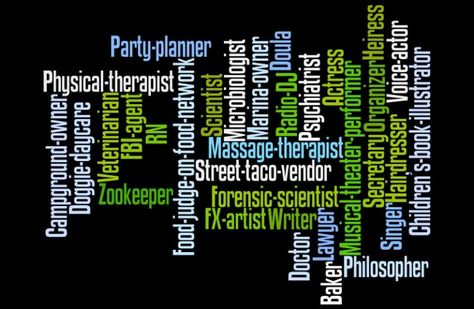
Educators Spill: If I Weren’t a Teacher, I’d Be…

Introduction

The world of education is undoubtedly a special one, with educators playing a vital role in shaping the lives of young minds. With a passion for knowledge and a heart for nurturing growth, these individuals have chosen to dedicate their time and expertise to helping students reach their full potential. But what would they be if they had never become teachers? We asked educators to spill the beans and reveal their alternative career paths. Here’s what they had to share.

1. Chef extraordinaire

For some teachers, the idea of working with different ingredients in the kitchen sparks just as much joy as teaching. If it weren’t for educating young minds, some believe they would have pursued a career as a chef or restaurateur, exploring numerous taste palates and cultures while orchestrating culinary masterpieces to delight food connoisseurs.

2. Globe-trotting travel blogger

Filled with wanderlust and an appreciation for new experiences, some educators ponder embarking on journeys as travel bloggers. Sharing inspiring stories from around the world, discovering hidden gems in foreign lands while engaging with diverse cultures, these educators-turned-writers would create captivating narratives that feed our souls and broaden our horizons.

3. Creative writer or poet

Many educators have a flair for the written word and consider pursuing careers as creative writers or poets. With vivid imaginations and a gift for storytelling, these talented individuals would craft captivating tales that mirror life’s intricacies, transporting readers into realms where reality intertwines with fiction.

4. Environmental activist

Driven by passion for the planet and motivated to make a real change, some teachers admit that they would explore careers as environmental activists if not for their commitment to education. Traversing between local communities and international arenas, these eco-warriors would campaign tirelessly to protect our environment and ensure a sustainable future for generations to come.

5. Musician or performer

Artists at heart, some educators harbor dreams of stepping onto the stage as musicians or performers. Whether it’s playing an instrument, singing, dancing, or acting, these passionate individuals would strive to communicate and connect with their audience through various art forms. The powerful effect of a moving performance is one that resonates deeply, touching the spirit much like how teaching impacts the lives of students.

Conclusion

Teaching may have been the career path chosen by these educators, but their diverse passions and interests reveal that there’s much more to them than meets the eye. Regardless of the alternative paths they might have taken, it’s undeniable that their contributions to education are invaluable and have positively impacted countless students’ lives. While we can’t help but wonder “what if,” we must also acknowledge and celebrate the immense difference these devoted educators make in shaping our world.

8 Ways Waitressing Helped Me Be a Better Teacher

It might sound surprising, but my experience as a waitress significantly contributed to my success as a teacher. Grateful for the skills I developed while waiting tables, I realized that many of these qualities naturally transfer to the classroom setting. Here are eight ways waitressing helped me become a better teacher.

1. Multitasking

Waitressing demands juggling tasks like taking orders, serving food, and refilling drinks – all while maintaining excellent customer service. Similarly, teaching requires multitasking, such as managing lesson plans, answering students’ questions, and grading papers. This ability to switch between tasks has enabled me to be more efficient in the classroom.

2. Patience

As a waitress, I had to maintain my composure and remain patient when dealing with various situations – from rude customers to kitchen mishaps. Patience is just as vital in teaching because students learn at different paces and often struggle with different subjects. Building patience as a waitress taught me to be more understanding and nurturing as a teacher.

3. Communication Skills

Effectively communicating with both coworkers and patrons was crucial during my time as a waitress. These strong communication skills have remained important in my teaching career because conveying information to my students is essential for their learning experience.

4. Active Listening

A good waitress listens patiently and attentively to customers’ requests or concerns and addresses them promptly. Active listening is equally significant in the classroom: it helps me identify areas where my students need assistance and tailor my instruction accordingly.

5. Ability to Read People

Dealing with diverse patron personalities taught me how to read people quickly: I had to determine whether they needed more attention or space based on their demeanor. As a teacher, this skill allows me to recognize the learning styles of my students and adjust instruction methods accordingly.

6. Teamwork

Working in a busy restaurant required collaborating with co-workers, such as cooks, to provide a satisfying dining experience. This experience has helped me work harmoniously with peers and administrators in the school setting, ultimately benefiting my students’ learning.

7. Adaptability

Rarely do things go exactly as planned in the restaurant industry. As a waitress, I learned to adapt quickly to changes or challenges, such as dealing with unforeseen events or unexpected rushes. Teaching also requires adaptability: lesson plans must be altered, and external factors may impact the class dynamic. These experiences have made me more flexible and resilient in the classroom.

8. Time Management

Efficient time management is essential for navigating busy shifts at the restaurant, ensuring that all tasks are completed promptly and gracefully. Similarly, time management is critical in teaching because it helps balance lesson planning, grading, and individual student attention.

In conclusion, my experience as a waitress was not only professionally valuable but also gave me insights that translated directly into my teaching career. The skills I acquired while waiting tables – such as multitasking, patience, communication, active listening, reading people’s behaviors, teamwork, adaptability, and time management – all contributed to my ability to be a better teacher and create a nurturing environment for my students.

Navigating the “Teacher from Hell” Situation: Should You Call Out a Parent on Social Media?

Introduction:

In today’s digital age, it’s all too easy for people to express their opinions and grievances online. As educators, protecting our professional reputation is essential—but how should we handle these situations? Recently, a teacher was called a “Teacher from Hell” on Facebook by a disgruntled parent. The question arises: should the teacher call her out or take a different approach? In this article, we’ll explore various strategies to address these challenges and maintain our professional integrity.

1. Reflect on your own actions first

Before addressing any concerns or negative comments, take some time for self-reflection. Consider if there is any truth in the criticism and if changes need to be made. Sometimes, the grievances may provide essential feedback to help us grow as educators.

2. Address the situation privately

If your impulse is to respond publicly in your defense, take a step back first. In most cases, calling someone out publicly can escalate issues and lead to further misunderstandings. Instead, try reaching out to the parent privately through email or phone call and inquire about their concerns in a polite and respectful manner.

3. Seek support from school administrators

If you feel unsafe or uncomfortable approaching the parent directly, engage your school administrators. They can provide guidance on handling these situations and offer mediation between you and the concerned parent.

4. Implement good social media practices

As a teacher, it’s crucial to exercise caution when engaging with parents or students on social media platforms. Be mindful of what you post, keep professional accounts separate from personal ones, and refrain from engaging in controversial discussions that could negatively impact your career.

5. Focus on building positive relationships with families

One negative comment should not define your entire teaching experience. Continue building strong relationships with all families by staying involved in school activities, maintaining an open line of communication, and being responsive to parents’ thoughts and concerns.

6. Maintain your professionalism

As an educator, it’s essential to maintain a calm and composed demeanor in the face of adversity. None of us is immune to criticism, but how we respond ultimately defines our character and professionalism.

Conclusion:

Navigating the situation as a “Teacher from Hell” can be challenging, but with the right approach, you can maintain your professional integrity. Addressing these situations privately, seeking support from administrators, and focusing on building positive relationships with families will help create a supportive environment where students can thrive. Remember that while social media has given everyone a voice, educators must continuously work to ensure their voice reflects their commitment and passion for teaching.

Teachers Are Sharing Their Biggest Insecurities, and We Want To Hug All of Them

Introduction:

Teaching is often considered a noble profession, but it’s not without its challenges. Teachers across the globe work tirelessly to educate future generations, often in less than ideal conditions and with minimal resources. As a result, many educators face pressure and insecurities in their careers. In this article, we take a closer look at some of the biggest insecurities shared by teachers worldwide to understand their struggles and offer support.

Top Insecurities Among Teachers:

1. Fear of Failing Their Students

One significant insecurity shared by many teachers is the fear of failing their students. Teachers take their responsibility to educate seriously and worry that they might not be providing their students with the best possible education. This could be due to various reasons such as inadequate resources, ineffective teaching methods, or poor classroom management.

2. A Changing Education Landscape

With rapid technological advances and growing global awareness, the world of education is continually changing. Many teachers feel insecure about keeping up with new teaching techniques and adapting to an increasingly diverse student body. Additionally, standardized testing has put an immense amount of pressure on educators, making them question if they can prepare their students adequately for these exams.

3. Work-Life Balance Struggles

Another major insecurity faced by teachers is maintaining a healthy work-life balance. Given the constant demands of lesson planning, grading papers, meetings with parents and administrative work, it can be challenging for teachers to find time for themselves, their families, and personal interests.

4. Job Security Concerns

Despite the vital role they play in society, many teachers find themselves in a precarious job situation due to budget cuts and an ever-changing political landscape. This can lead to feelings of anxiety about their future employment status.

5. Encouraging Positive Student-Tutor Interactions

Developing meaningful relationships with students is essential for effective teaching and learning; however, many teachers feel insecure about navigating these relationships to avoid overstepping professional boundaries. Teachers worry about finding the right balance between being a supportive mentor and maintaining an appropriate distance.

Conclusion:

Teaching is a complex and challenging occupation that involves much more than imparting knowledge to students. Recognizing and acknowledging the insecurities experienced by teachers can help address these concerns and offer support. By understanding the struggles they face, we can better appreciate their dedication and their countless sacrifices for the sake of education. Next time you come across a teacher, take a moment to thank them for their hard work and offer them a heartfelt hug.

5 Ways to Develop Compassionate Leaders for Your School

As educators, it’s our responsibility to nourish the growth of compassionate leaders capable of inspiring change and positivity in the world. By integrating compassionate leadership within our schools, we encourage students to develop empathy, kindness, and understanding. Here are five ways you can develop compassionate leaders in your educational institution:

1. Establish a Culture of Empathy

Promote a school-wide culture of empathy by fostering a safe learning environment where all students feel comfortable talking about their feelings, experiences, and understanding of others’ perspectives. Encourage open dialogue about inclusivity, foster supportive friendships, and prioritize emotional well-being.

2. Implement Social-Emotional Learning Programs (SEL)

Incorporate social-emotional learning programs that teach students essential life skills such as active listening, understanding emotions, and resolving conflicts respectfully. SEL programs enable empathetic problem-solving and promote a sense of interdependence among students.

3. Encourage Volunteering and Community Service

Encourage students to engage in acts of kindness by participating in volunteering activities or community service projects. This will help them experience first-hand the impact of their work, fostering compassion and understanding for the people they’re helping. Additionally, it will also help instill a sense of responsibility and purpose for making positive changes in the world.

4. Utilize Compassionate Communication Techniques

Teach effective communication skills by implementing compassionate communication techniques into your curriculum. Equip students with tools like active listening, empathic inquiry (asking open-ended questions that invite reflection), expressing gratitude, and apologizing when appropriate. By creating a safe space for sharing vulnerabilities and emotions, you empower students to become empathetic listeners who are genuinely interested in understanding others.

5. Incorporate Leadership Training

Start a leadership program or inclusion training for your school that focuses on developing compassion-based leadership skills. Such programs might include workshops about diversity and multicultural awareness or exercises on empathy-building. These leadership experiences enable students to demonstrate their compassionate understanding and embrace the potential role they can play as leaders in their community, classroom, and beyond.

In conclusion, fostering compassionate leadership begins with creating an environment of empathy, respect, and interdependence in our schools. By incorporating social-emotional learning programs, promoting volunteerism and community service, teaching communication skills through a compassionate lens, and providing opportunities for leadership development, we can contribute to the cultivation of compassionate leaders who have the potential to make a lasting impact in their communities and the world at large.

Education’s Secret Ingredient: PD for Digital Teaching

In the 21st century, nearly everything has become digital. Technology advancements have reshaped the way we approach daily tasks, communicate with one another, and even acquire knowledge. As a result, the education landscape has also adapted to these changes, leading to an increased need for Professional Development (PD) for educators in digital teaching.

Professional Development is vital for ensuring that teachers are equipped with the necessary skills and knowledge to provide high-quality education for their students. This article delves into the importance of PD for digital teaching and how it impacts modern learning.

The Emergence of Digital Teaching

Digital teaching is a manifestation of the rapid adoption and evolution of technology in education. It involves using technological tools and platforms to engage learners and facilitate instruction. Some popular examples include e-learning platforms, virtual classrooms, digital lesson plans, educational videos, simulations, online resources, and real-time feedback.

The Benefits of PD for Digital Teaching

1. Improved Competency: Professional development allows educators to understand, evaluate, and implement suitable digital tools and strategies effectively. This helps them provide a meaningful learning experience that meets the requirements of their digitally-savvy students.

2. Enhanced Creativity: As technology continuously evolves, so do pedagogical approaches to teaching. PD programs expose educators to innovative ways of consulting educational material to incorporate into their practice. This fosters creativity in designing engaging lesson plans that captivate students’ interest while achieving educational goals.

3. Expanded Collaboration: Digital platforms encourage increased collaboration between educators who can share resources and ideas on platforms such as social media or professional networks. By engaging in ongoing PD, they develop a better understanding of these tools and can expand their support network.

4. Timely Updating: Regular participation in PD ensures that teachers stay informed about emerging educational technologies and become acquainted with best practices in digital instruction.

Addressing Challenges through PD

Despite the numerous benefits of digital teaching, some challenges arise when integrating technology into the classroom. These challenges include lack of access to resources, digital literacy issues, privacy concerns, and difficulties in providing personalized learning experiences.

Professional Development can address these challenges by equipping educators with tools and techniques to handle them effectively. For instance, teachers can learn about open educational resources, understand how to manage data privacy, or develop strategies for catering to individual learning needs.

Supporting Teachers’ Professional Development

To maximize the potential of PD for digital teaching, stakeholders such as school administrators and policymakers need to provide support. This includes:

1. Offering easily accessible PD programs that cater to teachers’ specific needs and schedules.

2. Encouraging the development of Professional Learning Communities (PLCs) where educators can collaborate, share knowledge, and plan together.

3. Providing incentives and recognizing excellence in digital instruction to motivate teachers.

4. Establishing partnerships with edtech companies for regular training sessions on their platforms.

In Conclusion

Professional Development is the secret ingredient to the successful integration of digital teaching in today’s education landscape. By investing in effective PD programs, educators can stay current with the latest technology advancements while providing the enriching and engaging learning experience modern students need.

4 Professional Boundaries for Principals to Consider

Introduction

As a principal, establishing and maintaining professional boundaries is essential in creating a positive school environment. By setting clear expectations for one’s own conduct and fostering a culture of respect and accountability, principals can effectively manage their relationships with students, staff, and parents. In this article, we will discuss four crucial professional boundaries that principals should consider implementing in their schools.

1. Separating Personal and Professional Lives

One of the most important boundaries for principals to establish is the separation of personal and professional lives. While it is important for principals to build friendly relationships with staff members, it is crucial for these relationships to remain within the context of professionalism. To accomplish this separation, principals should avoid discussing intimate details of their personal lives with staff members and should refrain from forming close personal connections outside of work-related events.

2. Establishing Clear Communication Channels

Another key boundary involves maintaining open and direct communication channels with students, staff, parents, and community members. Principals should ensure that they are available for discussions through formal channels like scheduled meetings, emails, phone calls or video conferences. Setting office hours as regular opportunities for discussing concerns can provide a structured means to interact professionally while still remaining accessible.

3. Respecting Privacy and Confidentiality

The importance of respecting privacy and confidentiality cannot be understated when it comes to enforcing professional boundaries within a school setting. This includes adhering to personnel policies on sharing sensitive information and ensuring all staff members are informed on the appropriate procedures in dealing with confidential matters. In addition, maintaining students’ privacy by not disclosing their personal information outside the requisite legal or ethical boundaries is essential.

4. Modeling Appropriate Interactions

Finally, principals must lead by example in modeling appropriate interactions in all aspects of their professional behavior. This includes demonstrating respect towards all individuals, regardless of their role within the school community; maintaining physical boundaries in interactions with students or staff; and, refraining from engaging in inappropriate conversations, relationships, or actions that could potentially compromise the principal’s professional role.

Conclusion

In conclusion, by implementing these four professional boundaries – separating personal and professional lives, establishing clear communication channels, respecting privacy and confidentiality, and modeling appropriate interactions – principals can work towards fostering a safe, nurturing, and respectful learning environment. By adhering consistently to these boundaries, principals can guide their schools towards continued success and growth.

Flipping Your Faculty Meetings Helps You Walk Your Talk

In today’s fast-paced and ever-evolving educational landscape, it’s more important than ever for educators to remain at the forefront of innovative teaching practices. To truly implement successful, student-centered learning, administrators must model these strategies at every level – even within the walls of the teachers’ lounge. One powerful way to accomplish this is through the practice of flipping faculty meetings.

The flipped classroom has been a buzzword in education circles for several years, but have we considered all the ways that this powerful strategy can be leveraged for professional growth? By flipping faculty meetings, administrators can get staff to engage more deeply with topics and resources, encourage collaboration amongst colleagues, and demonstrate a commitment to implementing evidence-based practices.

Here are four key steps to help you lead by example and flip your faculty meetings.

1. Prepare pre-meeting materials

Just as with a flipped classroom, planning is essential. Ahead of the meeting, distribute pertinent articles, videos, or other resources for staff members to explore on their own time. These materials should align with the meeting’s objectives and foster reflection and conversation among colleagues.

2. Encourage open communication

Communication channels should be open both before and during the meeting. Encourage staff members to share their thoughts on the pre-meeting materials or bring their own related resources to light. Transparent communication allows collaborative processes to grow.

3. Set clear expectations for staff engagement

A significant advantage of flipped meetings is that educators can take ownership of their learning experiences – but this requires explicit expectations from administrators. Clearly communicating that all staff members are responsible for participating in discussions and contributing ideas can help ensure that everyone comes prepared.

4. Maximize in-meeting time for active collaboration

Instead of relying on traditional presentations or lengthy lectures during meetings, use this time for collaborative problem-solving or workshopping ideas in smaller groups based on shared challenges or interests. By employing a more hands-on approach, educators can address real-world issues affecting their classrooms and school community.

Flipping your faculty meetings can be a game-changer at every level in your school. It not only promotes teamwork among your educators but also fosters a culture of continuous learning and problem-solving. Keep in mind that as with any teaching strategy, change takes time, patience, and perseverance. But by flipping your faculty meetings, you’ll soon be walking the talk and leading by example – a key component to fostering the positive transformation of educational practices in your community.

Making the Most of Summer Professional Development

As the days grow warmer and the sun stays out longer, it’s time to start thinking about summer professional development opportunities. Whether you want to learn a new skill, catch up on industry trends or just generally improve yourself as a professional, investing in your development can help you stay ahead of the game and set yourself apart from your peers. In this article, we will discuss how you can best take advantage of professional development opportunities during the summer months.

1. Create a Plan

Start by setting specific goals for your summer learning. Identify areas where you would like to improve or subjects that interest you most. This might include enhancing skills directly related to your job or exploring something new that could have positive implications for your career trajectory. Once you’ve determined what you want to accomplish, create a timeline, and list the resources you’ll need to reach these goals.

2. Look for Relevant Courses and Workshops

Summer is an excellent time for institutions to offer short-term, intensive courses that cater to professionals looking to improve their skills quickly. Search online to find relevant programs, workshops or webinars in your area of interest. Local universities, industry associations, and online learning platforms often provide a variety of options.

3. Attend Conferences and Networking Events

Use the summer months to participate in conferences and networking events related to your field. These events present great opportunities for staying current with industry trends while also connecting with others who share similar interests.

4.Choose Online Learning Opportunities

If time constraints or other commitments prevent you from attending in-person events or courses, explore online resources such as self-guided courses on MOOC platforms (Coursera, edX), LinkedIn Learning modules, YouTube tutorials, and industry-specific podcasts. In addition to offering flexibility resource-wise, many online learning options are free or competitively priced compared to in-person classes.

5. Cultivate Personal Projects and Volunteering

Taking on a small project or volunteering your skills to help a nonprofit or community organization can provide you with valuable hands-on experience and growth opportunities. Plus, these pursuits look great on your resume!

6. Read Books and Articles

Widening your knowledge base by reading books, industry reports, and professional articles can help you stay informed and improve your thought leadership. Make a list of books you would like to read and allocate time for daily reading.

7. Seek Feedback and Mentorship

Identify someone in your professional network who can serve as a mentor or adviser. Having an experienced individual guide your development, provide feedback, and share insights can be invaluable to achieving your goals.

8. Reflect on Progress and Adjust Goals if Necessary

Throughout the summer, make sure to assess how well you are progressing toward your professional development goals. If needed, adjust your approach or add new goals based on your experiences.

In Conclusion

The laid-back atmosphere of summer offers an ideal opportunity to invest in your professional development. By following the strategies outlined above, you can make substantial progress towards reaching new heights in your career while continuing to enjoy the warm weather and sunshine.