Professional Development

CPD Support for Teacher’s Wellbeing and Self-Worth

Introduction

In recent years, there has been growing awareness surrounding the importance of teacher wellbeing and self-worth. As education demands continue to rise, educators are tasked with managing demanding workloads while maintaining their mental and emotional health. Continuous Professional Development (CPD) plays a crucial role in enhancing teachers’ wellbeing and self-worth by providing opportunities for ongoing learning, personal growth, and connection with others in the profession.

The Importance of Teacher Wellbeing and Self-Worth

Teacher wellbeing has a direct impact on the quality of education provided to students. When educators feel confident in their abilities and maintain a positive attitude towards their role, they create an engaging learning environment that fosters student success. Moreover, teachers with strong self-worth can better cope with the inevitable challenges that arise in the classroom while maintaining effective teaching strategies and practices.

CPD Support for Enhanced Wellbeing

To promote teacher wellbeing, CPD programs should be designed to address both personal and professional aspects of the educator’s life. These might include:

1.Mindfulness and stress management: Workshops that teach teachers mindfulness techniques such as meditation and deep breathing exercises can help alleviate stress, boost mental clarity, and improve emotional regulation.

2.Emotional intelligence training: Developing emotional intelligence allows teachers to better understand their own emotions as well as those of their students – leading to stronger connections within the classroom.

3.Resilience-building workshops: Programs that focus on developing adversity resilience can empower teachers to bounce back from challenging situations with confidence and determination.

4.Work-life balance strategies: Encouraging healthy boundaries between work and personal life not only improves overall wellbeing but also reduces teacher burnout rates over time.

Boosting Self-Worth through CPD Programs

CPD opportunities can also enhance a teacher’s sense of self-worth by building a foundation of professional competence. Some key aspects of CPD support for self-worth include:

1.Targeted skill development: Providing training in specific areas such as classroom management, differentiation techniques, or assessment strategies can foster teacher self-efficacy by promoting mastery in critical aspects of their profession.

2.Peer feedback and collaboration: Facilitating collaborative environments where peers can provide constructive feedback allows teachers to continuously refine their practice, gain new insights, and increase self-esteem.

3.Reflective practices: Encouraging teachers to engage in self-reflection promotes a growth mindset that embraces continuous improvement and innovation.

4.Recognizing accomplishments: Celebrating teachers’ achievements through awards or recognition programs can further reinforce their self-worth and motivation to succeed.

Conclusion

By prioritizing wellbeing and self-worth through comprehensive CPD programs, educational institutions can support their teachers in maintaining balance, growth, and resilience in an increasingly demanding profession. This holistic approach ultimately not only enhances the quality of education that students receive but also contributes to a more robust and adaptable teaching workforce.

The Truth About Getting Your Master’s Degree

In today’s competitive job market, many individuals consider pursuing higher education as a means to enhance their career prospects and increase earning potential. One popular option is obtaining a master’s degree. However, before committing to such a significant investment of both time and money, it is crucial to understand the truth about pursuing a master’s degree.

## Is a Master’s Degree Worth It?

The value of a master’s degree is subjective, depending largely on the individual’s goals, industry, and circumstances. Some fields tend to require or strongly encourage advanced degrees for career progression or higher pay. Examples include counseling, social work, education administration, and certain STEM fields.

However, in other industries, a master’s degree might provide little advantage or could even be detrimental due to overqualification. It is essential to research the requirements and expectations for your chosen field before deciding if pursuing a master’s degree aligns with your career goals.

## The Cost

One of the primary concerns for anyone considering a master’s degree is the cost of tuition and other related expenses. Depending on the program and location, costs can range anywhere from $15,000 to over $100,000 for tuition alone. While financial aid, scholarships, and grants can help offset some of these costs, many students still graduate with significant student loan debt.

It is vital to weigh the benefits of having an advanced degree against the financial burden you may incur. This consideration should encompass potential salary increase upon graduation and long-term loan repayment plans.

## Time Commitment

A full-time master’s program typically lasts two years; part-time programs may take three to four years or more. This period requires dedication to coursework and possibly research or an internship depending on your field of study.

Moreover, it may be challenging to balance work and personal commitments alongside academic obligations—many students opt to pursue their degrees part-time while working or even raising families simultaneously. Be prepared for the challenges involved in managing your time and priorities.

## The Job Market

Having a master’s degree does not necessarily guarantee a job after graduation, nor does it assure a significant salary increase. While advanced degrees may grant you a competitive edge in some industries, they do not necessarily equate to instant success. Networking, skill development, internships, and other avenues remain crucial in securing a job and advancing your career.

## Alternatives to a Master’s Degree

If you find that the costs, time commitment, or field-specific factors make obtaining a master’s degree unappealing or unnecessary, consider alternative options. Professional certifications, workshops, online learning platforms, or even pursuing a different type of advanced degree might be more suitable for those seeking to continue their education without committing to a traditional master’s program.

Ultimately, obtaining a master’s degree is highly dependent on individual goals and circumstances. Remember to research your field of interest thoroughly and weigh the pros and cons before deciding whether chasing this higher education level aligns with your future career aspirations.

Investors in People Standard: is it worth aiming for?

Introduction

The Investors in People (IIP) Standard is a mark of excellence awarded to the organizations that prioritize and invest in their employees. However, like any certification or accolade, there is often debate about whether it’s worth the time and effort to pursue. This article examines whether IIP accreditation offers tangible benefits to companies and, ultimately, evaluates whether it’s worth aiming for.

What is the Investors in People Standard?

Launched in 1991, the IIP Standard is an internationally-recognised framework aimed at fostering high performance through employee involvement, commitment and continuous improvement. In order to achieve accreditation, businesses must demonstrate best practices in people management and development. Accredited companies are awarded a unique IIP plaque and logo to showcase their success.

Benefits of Obtaining the IIP Standard

1. Enhanced employee engagement: By committing to the IIP Standard, companies demonstrate their intention to create a positive work environment that values employee contributions, offers growth opportunities, and maintains open lines of communication.

2. Lower staff turnover rates: Companies with strong people management practices often cultivate happier employees who are more likely to stay committed long term. This reduces costs associated with recruitment, training and knowledge loss due to attrition.

3. Improved business reputation: Achieving IIP accreditation sends a strong message to customers, partners and suppliers about the company’s commitment to quality service through well-managed teams. The IIP logo serves as an external recognition of solid management practices.

4. Talent attraction: Being an accredited Investors in People company makes it more likely for top talent to consider joining your organization. As job seekers become increasingly discerning about prospective employers’ company cultures, IIP accreditation can be an attractive selling point.

5. Access to expert support: Throughout the assessment process, businesses receive valuable guidance from experienced assessors who share best practice insights tailored specifically to individual company needs.

The Cost-Benefit Analysis

While there are costs involved in becoming an IIP accredited business, such as initial assessment and annual renewal fees, these expenses should be weighed against the potential benefits outlined above. In most cases, companies find the investment worthwhile as it leads to cost savings in the long run and boosts overall performance.

Conclusion

The Investors in People Standard has proven to be a valuable tool for companies looking to improve their people management practices. While the accreditation process can be resource-intensive, the benefits gained through enhanced employee engagement, reduced staff turnover, improved reputation, talent attraction and expert support often justify the investment. Ultimately, organizations that aim for IIP accreditation are likely to enjoy tangible benefits that contribute towards sustainable growth and success.

Interview questions – performance management

Introduction:

Performance management is a critical aspect of any organization, as it helps measure and improve the effectiveness and efficiency of employees. This process ensures that individual goals are aligned with organizational objectives. When hiring performance management experts, companies often seek candidates who can apply their skills and knowledge to evaluate, mentor, and optimize team performance. Here are some of the top interview questions that can help you gauge the potential fit for a performance management expert role in your organization:

1.Can you explain the importance of Key Performance Indicators (KPIs) in performance management? How do you develop them?

Probing into a candidate’s understanding of KPIs will help you gauge their ability to design and implement effective performance management frameworks.

2.How do you ensure that employee performance goals align with the overall objectives of the organization?

Evaluating a candidate’s ability to promote alignment between various levels of the organization is crucial to both short-term success and long-term growth.

3.How do you handle underperforming employees? Can you provide an example of a situation where you helped an employee improve their performance?

Understanding how a candidate approaches coaching underperforming employees can provide insight into their potential for improving overall team productivity.

4.Can you explain the difference between leading and lagging indicators? How might they influence performance management strategies?

An ideal candidate should understand these terms and be able to effectively apply their respective advantages within an organizational context.

5.What can make or break an effective employee evaluation process? What tactics do you use to ensure objectivity in assessing employee performance?

Evaluating an applicant’s approach to handling employee evaluations can help ascertain whether they are capable of fostering fair, unbiased assessments.

6.In what ways can individual employee performance impact team dynamics? How do you manage such situations?

A skilled candidate should be able to recognize these impacts and navigate volatile team situations prudently to ensure positive outcomes.

7.How do you create a culture of continuous improvement within an organization? What strategies do you use to motivate employees to perform at their best?

Assessing a candidate’s motivational techniques and promotion of continuous improvement can be beneficial for long-term organizational success.

8.Can you discuss a time when you had to realign performance goals or shift objectives due to changing business needs? How did you approach this situation?

The ability to adapt in the face of change is essential in today’s business environment, so gauging a candidate’s capacity for flexibility can help inform their overall fit for the role.

9.How do you ensure that performance management is integrated into an organization’s existing processes, rather than being viewed as a standalone program?

A skilled performance management expert should provide insights into their approach towards seamless integrations and avoiding bureaucratic burden.

10.What are some common challenges or pitfalls related to performance management, and how can these be mitigated or resolved?

Understanding how a candidate identifies potential obstacles and applies problem-solving methods is vital for the successful implementation of performance management initiatives.

Conclusion:

Asking these interview questions can provide valuable insights into how a candidate approaches performance management. By engaging them in discussions around real-life scenarios, aligning employee goals, and fostering continuous improvement, it becomes easier to identify top talent that will drive your organization forward.

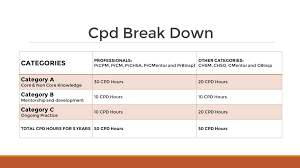
CPD: a breakdown

Introduction

Continuing Professional Development (CPD) is a fundamental element of professional growth and success. As industries evolve, it’s essential for professionals to remain competitive and abreast of new developments. This article presents a comprehensive breakdown of CPD, its importance, methods, and benefits.

What is CPD?

Continuing Professional Development (CPD) refers to continuous learning of skills and knowledge throughout one’s career. CPD aims to foster professional growth and improve work performance by staying current with industry advancements and maintaining up-to-date skills. It is applicable across various professional fields, including healthcare, education, law, and engineering.

Why is CPD Important?

1. Skill Enhancement: CPD programs help professionals acquire relevant skills that enable them to remain competent in their specific domain. By honing these skills, they become more effective in their roles.

2. Confidence Boost: By investing time in learning new skills or expanding existing knowledge, individuals develop a greater sense of self-confidence and self-esteem.

3. Career Growth: Acquiring new skills or enhancing existing ones can open up avenues for promotion, lateral moves, or venturing into new roles altogether.

4. Industry Recognition: Many professions require employees to engage in continuous learning to maintain licenses or certifications. Moreover, updated knowledge and skills contribute to better recognition from peers and industry bodies.

Methods of CPD

1. Formal Learning: This type of CPD encompasses structured courses and programs provided by educational institutions, professional organizations, or online learning platforms that typically result in a qualification or certification.

2. Informal Learning: Less structured forms of CPD include self-directed learning through reading articles, watching videos, attending webinars, participating in mentoring relationships, or reflecting on work experiences.

3. Networking: Attending industry events like conferences or workshops provides the opportunity to learn from peers and experts while fostering valuable connections that could lead to growth opportunities.

4. Volunteering: Taking part in volunteer activities or engaging in philanthropic work can provide learning experiences within various professional sectors.

Benefits of CPD

1. Improved performance: Implementing the knowledge and skills acquired through CPD enables professionals to enhance their performance at work, which may lead to recognition and new opportunities.

2. Increased adaptability: CPD promotes a fluid approach to learning and adapting to new situations, which is especially important in rapidly changing environments.

3. Staying current: Continual learning keeps professionals up-to-date with industry advancements; doing so helps them make informed decisions and provide better services.

4. Personal satisfaction: The ongoing process of personal growth and professional development can be a major source of motivation, satisfaction, and fulfillment for individuals who invest in CPD.

Conclusion

Continuing Professional Development (CPD) is crucial for maintaining a competitive edge in various industries. By engaging in continuous learning, professionals acquire relevant skills, bolster their confidence, advance their careers, and stay up-to-date with industry advancements. Fostering a lifelong mindset for learning and development empowers individuals to adapt to the ever-evolving professional landscape while finding personal satisfaction in their growth journey.

Let’s Face It, Many of Your Staff Meetings Could Probably Be Handled With an Email

Introduction:

In today’s fast-paced corporate world, the endless series of meetings often represents a significant challenge. While they are essential for communication, collaboration, and decision-making, it is undeniable that some meetings are simply inefficient and unnecessary. Instead of consuming valuable time and resources, many staff meetings could potentially be replaced by a simple, well-crafted email. This article will explore reasons why emails can sometimes be more efficient than organizing staff meetings.

1) Time Constraints:

When you consider the amount of time it takes to schedule, prepare, and conduct a meeting with multiple employees, it becomes apparent that valuable work hours are being lost. Meanwhile, drafting an email allows you to save time by avoiding travel and sharing your message quickly.

2) Information Overload:

During meetings, many details may be discussed in a relatively short period. Consequently, crucial information can easily be overlooked or forgotten. An email allows recipients to process the information at their own pace and refer back to the content on-demand.

3) Meeting Fatigue:

Frequent meetings can lead to employee burnout and overall decreased productivity. Conversely, emails allow employees to digest information in between tasks without disrupting their day-to-day routine.

4) Record-Keeping:

With verbal communication during meetings, important points may not be recorded accurately or consistently. Email correspondence creates an easily accessible digital paper-trail, providing a more comprehensive record of agreements and decisions.

5) Flexibility:

Meetings typically demand everyone’s presence at an appointed time and place. However, this may not be feasible considering varying schedules and commitments. Emails offer flexibility by allowing recipients to read and respond at their convenience.

6) Focus on Solutions:

Lengthy discussions during staff meetings often focus on problems rather than solutions. Replacing some meetings with emails that provide clear updates and actionable items enables employees to concentrate on resolving issues.

7) Cost-Effective:

When you factor in travel expenses, catering, and accommodation costs for offsite meetings, the expenditure could be significantly reduced by simply sending out an email instead.

Conclusion:

It’s vital to ensure that the time and resources devoted to meetings are used effectively. In some cases, utilizing emails as a means of communication can prevent wasted time, promote productivity and maintain a healthy work-life balance for employees. By reevaluating the necessity of certain staff meetings and embracing the efficacy of emails where appropriate, companies can pave the way towards becoming more agile and efficient in their operations.

4 Ways to Support Your Teachers’ Mental Health

Introduction:

As educators navigate new teaching methodologies, societal challenges, and the overwhelming demands of the classroom, prioritizing mental health support for teachers has become more necessary than ever. From stress management to fostering a healthy work-life balance, schools can take steps to promote teacher well-being that in turn benefits students. This article will discuss four ways to nurture fellow teachers’ mental health.

1. Encourage Open Communication and Emotional Expression

Creating a work environment that prioritizes open communication and emotional expression can help teachers manage stress and negative emotions. Regularly scheduled check-ins can provide opportunities for staff members to discuss any concerns, successes, or suggestions in a supportive setting. By encouraging vulnerability and understanding, administrators can demonstrate that they value their employees’ well-being.

2. Offer Stress-Reduction Resources

Despite the best efforts of educators, stress will inevitably be present in the day-to-day lives of teachers. To alleviate some of this burden, schools should provide resources such as mindfulness techniques, meditation exercises, or other relaxation practices that can help teachers find calm in hectic situations. Additionally, access to mental health professionals who specialize in stress management can be beneficial for staff members needing more targeted support.

3. Prioritize Self-Care and Work-Life Balance

Supporting a healthy work-life balance is essential for maintaining mental health. Administrators can aid this by actively modeling self-care behaviors and demonstrating how to prioritize responsibilities effectively. Offering professional development workshops focused on boundaries management can also aid teachers in balancing work with their personal lives. Additionally, encouraging breaks throughout the day and limiting unnecessary after-hours workloads can contribute significantly to reducing teacher burnout rates.

4. Create a Positive School Culture

A positive school culture centered on collaboration and support promotes emotional well-being for all staff members. By celebrating success stories within both teaching teams and students’ accomplishments, administrators can build a strong sense of community among teachers. Fostering a sense of belonging, recognition, and inclusion can help reduce feelings of isolation and promote overall mental health.

Conclusion:

Supporting the mental health of teachers is crucial not only for their well-being but also for the success of students, schools, and communities. Providing open communication and emotional expression opportunities, offering stress-reduction resources, prioritizing self-care and work-life balance, and creating a positive school culture are all effective ways to support teachers mentally. When schools put these measures into practice, they contribute to happier, healthier, and more effective educators.

5 Little Ways to Boost Teacher Morale and Get Big Results

Being a teacher comes with many responsibilities, so maintaining high morale is crucial for success in the classroom. Without strong motivation, teachers can experience burnout, leading to less productive students and a lower quality-of-life for educators. To address this problem, we present five little ways to boost teachers’ morale and get big results in the process.

1. Provide Continual Professional Development Opportunities

Offering professional development opportunities can help boost morale by allowing teachers to grow and improve their skills. These opportunities can include workshops, conferences, or access to new training materials. Skill enhancement not only boosts self-confidence but also keeps teachers engaged with cutting-edge teaching methodologies.

2. Celebrate Small Victories

A major key to boosting staff morale is bringing attention to the small victories in the day-to-day classroom life. This might include praising a teacher’s successful lesson plan execution, acknowledging a positive interaction with a student, or recognizing an educator’s unique teaching style. By showing appreciation for these achievements, teachers will feel recognized and valued.

3. Create a Collaborative Environment

Fostering a collaborative environment among colleagues promotes open communication, strengthens friendships, and helps teachers learn from each other. Meaningful communication contributes positively to overall morale while benefiting the school culture. Activities like peer-to-peer coaching, departmental meetings focused on curriculum discussions, or collaborative lesson planning sessions are excellent ways to support teamwork.

4. Encourage Work-Life Balance

Administrators should emphasize the importance of maintaining a healthy work-life balance by encouraging teachers to set boundaries between their professional responsibilities and personal lives. Possible strategies include allotting time for self-care, setting reasonable expectations regarding workload, or offering flex-hours where possible.

5. Show Genuine Appreciation

Finally, one of the most crucial factors in boosting teacher morale is showing genuine appreciation for their hard work. Administrators can organize events such as Teacher Appreciation Week or take time throughout the year to surprise teachers with small tokens of gratitude like handwritten notes, care packages, or meal deliveries.

Boosting teacher morale can have a significant impact on the overall atmosphere, productivity, and achievements of teachers and students alike. By implementing these five little ways to enhance teacher morale, administrators and school communities can foster a positive, supportive environment that appreciates collaboration and produces big results.

11 Ways to Keep Subs Happy and Make Them Want to Return to Your School

1. Clear Communication: Provide detailed lesson plans and clear instructions for substitutes. Set the expectations for both students and the substitute right from the beginning to ensure a smooth day.

2. Warm Welcome: Make substitutes feel like part of the school community by offering them a warm welcome on arrival. Introduce them to key staff members and help them get acquainted with the facilities.

3. Supportive Staff: Encourage teachers and staff to offer assistance and support to substitutes throughout their day. A helping hand or a word of encouragement goes a long way in making them feel valued.

4. Comfortable Environment: Offer a work area for substitutes, complete with necessary tools such as computers, Wi-Fi access, and school policies. Having a space designed specifically for them will make them feel respected and welcomed.

5. Maintain Discipline: Set high expectations for students’ behavior when there is a substitute teaching their class, ensuring that students understand the importance of showing respect to all school staff.

6. Student Accountability: Have students sign an agreement which establishes expectations around behavior when a substitute is present in the classroom. This way, you are holding the students accountable for their actions.

7. Feedback Opportunity: Provide substitutes with an opportunity to provide feedback on their experience, including any challenges they faced or highlights of their day. This will allow you to address any issues or improve on what’s already working well.

8. Competitive Pay: Offer fair and competitive pay rates for substitute teachers, ensuring that they feel adequately compensated for their work.

9. Training Opportunities: Provide substitute-specific trainings that offer tips for managing classrooms, handling difficult situations, and best practices in education. These learning opportunities will not only help them succeed but also demonstrate your school’s commitment to their professional development.

10. Recognition & Praise: Acknowledge and celebrate substitute teachers’ hard work by recognizing their contributions. Include them in staff meetings, highlight their exemplary efforts, and offer complimentary words of affirmation.

11. Building Relationships: Foster a sense of community by inviting substitutes to social events, encouraging staff to get to know them better. This way, they’ll feel emotionally invested in the school and want to keep coming back.

By implementing these 11 strategies, you’ll help keep substitute teachers feeling happy and valued at your school, ensuring that they are eager to return when their services are needed.

Win $50 to Boost Your Professional Development with Books

Introduction:

Are you looking to expand your knowledge and enhance your professional skills? Look no further! We are excited to announce an amazing opportunity for individuals looking to invest in their own growth – the chance to win a $50 voucher to buy professional development books. The world of professional development is vast, and this opportunity will enable you to choose from countless books that can help you elevate your career. Let’s explore the importance of professional development and how winning this voucher can set you on the path of continuous learning.

The Importance of Professional Development:

In today’s rapidly evolving world, consistent professional development is crucial for staying ahead in your field. It allows you to acquire new skills, keep up with industry trends, and foster personal growth. Some benefits of investing time and resources in professional development include:

1. Staying competitive in the job market

2. Enhancing your skill set

3. Boosting productivity and efficiency

4. Demonstrating commitment to your industry

5. Facilitating career advancement and job satisfaction

Professional Development Books:

Books can be an invaluable resource for self-directed learning and growth, covering various topics from leadership and management techniques to technology trends and personal productivity hacks. With a $50 voucher, you can explore different subject areas tailored to your unique interests and goals, such as:

1. Communication skills

2. Time management

3. Sales and marketing techniques

4. Emotional intelligence

5. Programming languages or software proficiency

How to Enter the Contest:

Winning the $50 voucher is simple – just follow these easy steps!

1. Share this article on your social media (Twitter, LinkedIn, or Facebook).

2. Tag us in your post and use the hashtag #ProfessionalDevelopmentGiveaway.

3. In a brief comment on your shared post, tell us which area of professional development interests you most.

Winners will be randomly chosen at the end of the contest period, and we will announce the lucky recipients on our social media channels.

Conclusion:

Don’t miss out on this great opportunity to advance your professional development! By entering our $50 voucher giveaway, you have the chance to select books that align with your career goals and aspirations, fostering a lifelong journey of learning and growth. Remember, success is not a destination – it’s an ongoing process. So, be proactive about your professional development and stay ahead in your chosen field!