Reading & Literacy

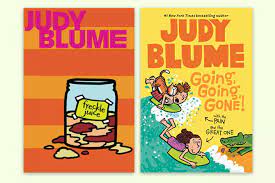
28 of the Best Judy Blume Books By Age!

Introduction:

Judy Blume is a beloved and celebrated author who has made a lasting impact on the world of children’s and young adult literature. With over 80 million copies of her books sold worldwide, Blume’s relatable stories have captivated generations of readers. In this article, we’ve compiled a list of 28 must-read Judy Blume books, sorted by age group, to guide you through her extensive collection.

Ages 6-8:

1. Freckle Juice

2. The One in the Middle Is the Green Kangaroo

3. The Pain and the Great One

Ages 9-12:

4. Tales of a Fourth Grade Nothing

5. Otherwise Known as Sheila the Great

6. Superfudge

7. Fudge-a-Mania

8. Double Fudge

9. Blubber

10. It’s Not the End of the World

11. Iggie’s House

12. Starring Sally J Freedman as Herself

Ages 13-15:

14. Are You There God? It’s Me, Margaret.

15. Deenie

16. Then Again, Maybe I Won’t

17. Just as Long as We’re Together

18. Here’s to You, Rachel Robinson

Ages 16+:

Forever…

19. Tiger Eyes

20. Summer Sisters

Anthologies:

21. Friends: Stories About New Friends, Old Friends, and Unexpectedly True Friends

22. Fearless: New Girls and Risk-Takers

Non-Fiction:

23. Places I Never Meant to Be: Original Stories by Censored Writers

24. Judy Blume’s Double Fudge Collection

25. The Letters to Judy: What Your Kids Wish They Could Tell You

Autobiographical:

26. Judy Blume Diaries

27. In the Unlikely Event

For Parents:

28. Everything I Needed to Know about Parenting I Learned in Judy Blume Books

Conclusion:

Judy Blume’s exceptionally engaging stories continue to resonate with readers of all ages. The list above offers a comprehensive guide for fans and new readers alike, showcasing her remarkable contributions to literature. The diverse topics, genuine character portrayals, and universal themes of friendship, growth, love, and family make Judy Blume books timeless and indispensable classics in every reader’s library.

25 Magical Books Like Magic Treehouse

The Magic Treehouse series by Mary Pope Osborne has captured the hearts and imaginations of readers young and old alike. The adventures of siblings Jack and Annie as they travel through time with the help of a magical treehouse has inspired generations to dive into the world of reading. If you love the Magic Treehouse series, here are 25 similar magical books that you’re sure to enjoy!

1. The Chronicles of Narnia by C.S. Lewis

2. Harry Potter series by J.K. Rowling

3. Percy Jackson and The Olympians series by Rick Riordan

4. Fablehaven series by Brandon Mull

5. The Spiderwick Chronicles by Holly Black and Tony DiTerlizzi

6. The Land of Stories series by Chris Colfer

7. His Dark Materials trilogy by Philip Pullman

8. A Wrinkle in Time by Madeleine L’Engle

9. Inkheart trilogy by Cornelia Funke

10. Charlie Bone series by Jenny Nimmo

11. The Neverending Story by Michael Ende

12. Five Children and It by E. Nesbit

13. Septimus Heap series by Angie Sage

14. The Secrets of Droon series by Tony Abbott

15. Half Magic series by Edward Eager

16. The Green Ember series by S.D. Smith

17. Dragon Rider by Cornelia Funke

18. Time Quintet series by Madeleine L’Engle

19. Children of the Lamp series by P.B. Kerr

20. Redwall series by Brian Jacques

21. Guardians of Ga’Hoole series by Kathryn Lasky

22. Howl’s Moving Castle by Diana Wynne Jones

23. Tuck Everlasting by Natalie Babbitt

24. Circle of Magic quartet/series by Tamora Pierce

25. The Black Cauldron (Chronicles of Prydain) by Lloyd Alexander

Each of these magical reads transports readers into enchanting worlds filled with adventure and unforgettable characters. Just like the Magic Treehouse series, they will have you eagerly turning page after page to see what happens next. So grab a book and curl up – you have fantastical worlds to explore!

40 of the Best Wordless Picture Books

Wordless picture books are unique and powerful tools that can help children develop important visual literacy skills, such as interpreting facial expressions, understanding storylines, and connecting with characters. Here, we’ve compiled a list of 40 of the best wordless picture books, which have captivated children and adults alike with their beautiful illustrations and storytelling prowess. In no particular order, here are our picks for the top 40 wordless picture books:

1. “Journey” by Aaron Becker

2. “Flotsam” by David Wiesner

3. “Pancakes for Breakfast” by Tomie dePaola

4. “The Snowman” by Raymond Briggs

5. “Good Dog, Carl” by Alexandra Day

6. “The Lion & the Mouse” by Jerry Pinkney

7. “A Ball for Daisy” by Chris Raschka

8. “Rainstorm” by Barbara Lehman

9. “Chalk” by Bill Thomson

10. “Wave” by Suzy Lee

11. “Tuesday” by David Wiesner

12. “Sidewalk Flowers” by JonArno Lawson and Sydney Smith

13. “The Red Book” by Barbara Lehman

14. “Anno’s Journey” by Mitsumasa Anno

15. “Where’s Walrus?” by Stephen Savage

16. “Zoom” by Istvan Banyai

17. “The Farmer and the Clown” by Marla Frazee

18. “Unspoken: A Story From the Underground Railroad” by Henry Cole

19. “Mirror” by Jeannie Baker

20. “Sector 7″by David Wiesner

21. “Fox’s Garden” by Princesse Camcam

22. “Pool” by JiHyeon Lee

23. “Migrant: The Journey of a Mexican Worker”by José Manuel Mateo and Javier Martínez Pedro

24. “Spot, the Cat” by Henry Cole

25. “The Typewriter” by Bill Thomson

26. “Beyond The Pond” by Joseph Kuefler

27. “The Whisper” by Pamela Zagarenski

28. “The Arrival” by Shaun Tan

29. ” Window”by Jeannie Baker

30. “Owly: The Way Home & The Bittersweet Summer” by Andy Runton

31. “The Girl and the Bicycle” by Mark Pett

32. “The Umbrella”by Ingrid & Dieter Schubert

33. “Islandborn”by Junot Díaz and Leo Espinosa

34. “Quest”by Aaron Becker

35. “Free Fall”by David Wiesner

36. “Fossil”by Bill Thomson

37. “One Gorilla: A Counting Book” by Anthony Browne

38. “Draw!”by Raúl Colón

39. “Flora and the Flamingo” by Molly Idle

40. “Mr. Wuffles!”by David Wiesner

These wordless picture books offer endless opportunities to explore storytelling, imagine new worlds, and practice empathy, all while enjoying beautiful illustrations. Whether you’re a teacher, parent, or simply someone who appreciates the power of wordless storytelling, these books are sure to delight and inspire readers of all ages.

We Love Reading! Enter This Exciting Book Giveaway From Random House Children’s Books

Are you a fan of books and stories that expand the imagination and transport you to exciting new worlds? So are we! That’s why we are thrilled to announce an incredible book giveaway, courtesy of Random House Children’s Books.

Random House Children’s Books, a renowned publisher in the realm of children’s literature, is conducting a special giveaway for all book lovers. The event aims to celebrate the love for reading and encourages children and adults alike to explore and enjoy the worlds created by amazing authors and illustrators.

To enter the giveaway, simply follow these steps:

1. Visit the official Random House Children’s Books website or their social media pages for information about the giveaway event.

2. Browse through the fantastic selection of books featured in the giveaway.

3. Select your favourite titles or choose those that are on your must-read list.

4. Fill out the entry form with all necessary details, such as your name, email address, postal address, and any additional information required.

5. Submit your entry before the deadline mentioned on the website, usually within a couple of weeks after the event goes live.

The lucky winners will receive an assortment of books, handpicked by the dedicated team at Random House Children’s Books. These titles include popular releases, award-winning novels, and highly anticipated new titles from beloved authors.

Participating in this book giveaway is not only an opportunity to win an exciting collection of books; it also encourages parents to introduce their kids to new genres and inspire lifelong reading habits in their lives. Reading can unlock creativity in children by stimulating their minds with vivid imagery and diverse characters.

So, don’t miss this amazing opportunity! Join fellow bibliophiles in celebrating our shared love for books with this delightful giveaway from Random House Children’s Books. Begin your adventures today by entering this fantastic contest – who knows what surprises await you within the pages of the prize-winning books!

Win a Tote of Favorite Children’s Books From Penguin Young Readers

Introduction:

Attention all book lovers and parents! Penguin Young Readers, a leading publisher of children’s literature, is offering an incredible opportunity for you to win a tote full of your favorite children’s books. Penguin Young Readers has a vast collection of classic and contemporary stories that have been capturing the hearts and minds of young readers for years. Don’t miss out on this fantastic chance to add a treasure trove of delightful stories to your library!

What You Can Win:

The lucky winner will receive a tote bag packed with a selection of top-quality children’s books, published by none other than Penguin Young Readers. These heart-warming tales will span an assortment of genres, styles, and age groups, ensuring that there’s something for everyone in your family.

How to Enter:

To participate in this exciting giveaway and stand a chance to win the coveted prize, follow these simple steps:

1. Visit the official website or social media page of Penguin Young Readers.

2. Sign up or log in to your Penguin Young Readers account.

3. Fill out the entry form with the required information such as your name, email address, contact number, and mailing address.

4. Agree to the terms and conditions before submitting the entry form.

5. Stay tuned for the announcement of the lucky winner!

Bonus Tip: Increase your chances of winning by sharing the giveaway on social media and referring friends for extra entries.

Why You Should Enter:

This amazing giveaway is not just about winning free books; it’s an opportunity to create lifetime memories with your loved ones through storytelling. The power of shared reading experiences can foster strong family bonds, promote early literacy skills, and encourage imaginative thinking in children.

Moreover, by adding this incredible collection to your home library, you’ll be enriching your children’s lives with diverse narratives that inspire curiosity and foster a love for reading.

Conclusion:

Don’t hesitate to participate in this once-in-a-lifetime opportunity from Penguin Young Readers and potentially win a tote full of enchanting children’s literature. Ignite your child’s passion for reading, create lasting family memories, and grow your home library with some of the finest stories in the world of children’s books. Hurry – enter the contest now and explore a whole new universe through captivating storytelling!

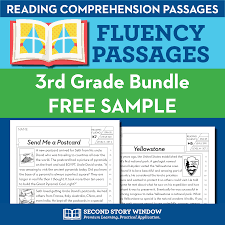
10 Free 3rd Grade Reading Fluency Passages

Introduction

Reading fluency is a critical skill for children to develop as they progress through the early stages of learning. As they move into the 3rd grade, their ability to read with accuracy, speed, and expression becomes increasingly important. To help your child improve their reading fluency, we have compiled a list of 10 free 3rd grade reading fluency passages. These passages not only support your child’s overall reading development but also make learning fun and engaging.

1. “The Curious Caterpillar”

This delightful story follows the journey of a curious caterpillar as it learns about its environment and undergoes a magical transformation. This passage will engage your young reader while helping them practice their skills in reading fluency.

2. “My New Tree House”

This engaging passage introduces readers to several characters who are working together to build a treehouse. Your child will enjoy following along with these friends while also improving their reading fluency and expression.

3. “Bobby’s Birthday Surprise”

In this passage, readers will follow Bobby on his quest to find out what his birthday surprise is. The suspenseful storyline will keep your child engaged while practicing their accuracy and speed in reading.

4. “The Great Oak Tree”

This passage tells the story of an ancient oak tree that has witnessed history. As readers learn about the tree’s importance in its community, they’ll be honing their reading fluency skills along the way.

5. “Sarah’s Secret Recipe”

Your child will enjoy following Sarah’s adventures in baking as she discovers her grandmother’s secret recipe in this charming passage. It’s an excellent way to develop reading fluency while also instilling a love for cooking.

6. “A Day at the Beach”

This light-hearted passage follows a group of friends on their fun-filled day at the beach. Your child will practice their reading fluency as they learn about the exciting activities and adventures of a day under the sun.

7. “The Magic Show”

Your child will be enthralled by the captivating world of magic as they journey through this passage. As they read about the incredible tricks performed by a talented magician, they will continue to develop their reading fluency.

8. “The Brave Knight”

This engaging passage transports readers to a medieval kingdom where they’ll follow a brave knight on his heroic quest. The exciting storyline offers an excellent opportunity for your child to practice reading fluency while also enhancing their vocabulary.

9. “Lucy’s Lost Puppy”

In this heartwarming story, readers join Lucy on her search for her lost puppy. The story encourages empathy and compassion while providing valuable practice in reading fluency.

10. “Meteor Shower Marvel”

This fascinating passage explores the wonder of meteor showers in the night sky. Your 3rd grader will love learning about these cosmic events while honing their reading skills along the way.

Conclusion

With these 10 free 3rd grade reading fluency passages, your child will have ample opportunities to develop and strengthen their reading abilities. Encourage your child to read through these enjoyable passages regularly to see marked improvements in their fluency, comprehension, and overall enjoyment of reading.

20 Independent Reading Activities for Middle School

1. Book Reports: Students choose a book and write a summary, detailing the plot, characters, setting, and themes. They can also include a personal reflection on the book.

2. Reading Journal: Encourage students to keep a journal, where they jot down thoughts and questions while reading.

3. Genre Bingo: Create a bingo card filled with different genres (mystery, biography, science fiction, etc.) and have students fill in the squares as they read books from each genre.

4. Vocabulary Building: Have students create flashcards for new vocabulary words they encounter in their reading.

5. Book Trailers: Ask students to create a short video trailer for a book they’ve read as if promoting it to other readers.

6. Visualization: Instruct students to draw a scene from the book they are reading to help build their visual comprehension skills.

7. Text Mapping: Have students map out the structure of the text (e.g., exposition, rising action, climax) and provide examples from the text.

8. Author Study: Allow students to research and learn about an author’s life, works, and themes.

9. Silent Sustained Reading (SSR): Set aside time during class for students to read independently without any specific tasks or expectations.

10. Reading Circles: Form groups where students take turns discussing and sharing insights about their chosen book.

11. Reader’s Theater: Encourage students to adapt scenes from their book into a short play or skit for classmates to perform.

12. Book Club: Create a student-led book club where students meet regularly to discuss their books of choice.

13. Book Speed Dating: Organize a “speed dating” session where students briefly share their favorite books with classmates and at the end of the activity, each student has a list of new books they’d like to read.

14. Reading Goal Setting: Help students set personal reading goals, such as a certain number of books or pages per week.

15. Book Reviews: Require students to write a book review for their peers, highlighting the strengths and weaknesses of the book they’ve read.

16. Book Talk Show: Organize a “talk show” activity where students take on the roles of host, author, and literary expert, discussing books in an engaging manner.

17. RAFT Writing Activity: Assign students a Role (R), Audience (A), Format (F), and Topic (T) related to their book, then have them create a piece of writing using these elements.

18. Literary Device Scavenger Hunt: Ask students to identify examples of literary devices (e.g., simile, metaphor, alliteration) from their reading and explain how these devices enhance the text.

19. Classroom Library Shelfies: Encourage students to take photos or create visual displays of books they’ve read, along with reflections or reviews, to share with classmates on classroom “Shelfie” bulletin boards.

20. Creative Connections: Have students make connections between their reading and another creative outlet, such as art, music, or technology, by creating something inspired by their chosen books.

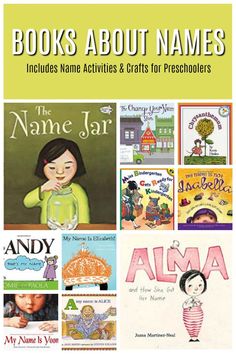
28 Brilliant Books About Names and Why They Matter

Introduction:

Names have always been a significant aspect of human culture, carrying meaning and history with them. The importance of names can’t be overstated as they often define someone’s identity and even shape their destiny. There are countless books about names, their origins, values, meanings, and symbolism. This article will discuss 28 brilliant books about names and why they matter.

1. ‘The Name Book’ by Dorothy Astoria

2. ‘The Secret Universe of Names’ by Roy Feinson

3. ‘Baby Names Made Easy’ by Amanda Elizabeth Barden

4. ‘Names for the Dawn’ by Maria McCarthy

5. ‘The Baby Name Wizard’ by Laura Wattenberg

6. ‘A Dictionary of First Names’ by Patrick Hanks and Flavia Hodges

7. ‘1,107 Baby Names That Stand the Test of Time’ by Jennifer Griffin

8. ‘The Magic of Names’ by Isabelle Allende

9. ‘Names on the Land: A Historical Account of Place-Naming in the United States’ by George R. Stewart

10. ‘Names and Their Meaning: A Name Lover’s Guide to Unusual Names’ by Colin Waters

11. ‘Alphabetical: How Every Letter Tells a Story’ by Michael Rosen

12. ‘A History of Names From Adam to Zorro!’ by Penelope Dunham

13. ‘ Cool Names for Babies’ by Pamela Redmond Satran and Linda Rosenkrantz

14. ‘ Name Lore: A Reference Guide to Lore-Based Naming Practices in Fantasy Literature’ by Ethan Goldberg

15.  ’Naming the World: Stories about Names and Their Meanings,’ edited by Lee Montpellier. 

16.  ’Name-Ology: How Culture Shapes the Sounds we Make and the Personalities we Build through our Name Choices,’ by Helen Peterson.

17.  ’The Art of Naming: Inventing Names for Celebrities, Fictional Characters, Brands & More’ by Travis Nichols

18. ‘Name that Flower: The Identification of Flowering Plants’ by I.K. Rutherford

19. ‘Your Name Matters: How Personal Names Shape People’s Lives’ by Jean Twenge

20. ‘The Power of Names: Naming and Un-naming in Ancient Rome,’ by T.P. Wiseman

21. ‘Proper Nouns: Curiosity and Constraint in Language Evolution,’ by Eve Clark

22. ‘The Name Therapist: How Growing Up with my Odd Name Taught Me Everything You Need to Know about Yours,’ by Duana Taha

23. ‘Namedropping: Fabled Names from Baby, Trademark, and Domain Name Disputes,’ by Jonathon Borden

24. ‘Sparkling Baby Names: Hundreds of Mystical and Beautiful Baby Names,’ By Pearl Kaplan.

25. ‘In the Name of Peace: Unity Through Linguistics,’ by Dr. Kymberly Ganesan

26. ‘Colorful Names – Why Nature’s Palette Matters,’ by Margaret Stanger

27. ‘ Wondrous Names of the Bible: A Beginners Exploration’ By Sam Freedman

28.  ’Name Codes – Creating a Unique Family History Through Naming Patterns’ By Lisa Louise Cooke

Conclusion:

These 28 brilliant books about names reflect the vast spectrum of knowledge and passion related to this essential component of human identity. Whether you’re looking for baby names, understanding their origins and meanings, or exploring the importance of names in history and literature, these books should equip you with the knowledge you need.

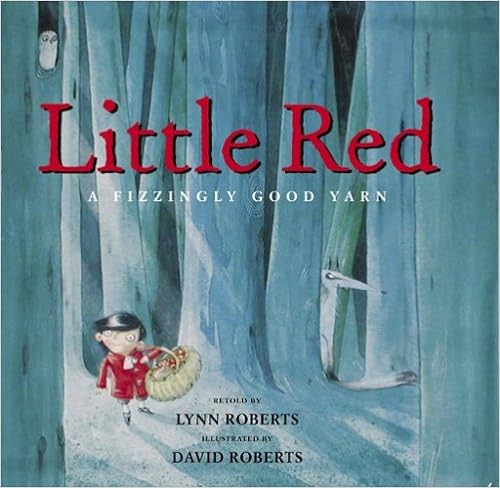
7 Little Red Riding Hood Fractured Fairy Tales We Love

Once upon a time, there was a popular fairy tale about a girl with a red cape, her grandmother, and a cunning wolf. We all know the story of Little Red Riding Hood, but what if we told you there are contemporary versions of this beloved classic that put a twist on the original? Welcome to the world of fractured fairy tales! Here are seven imaginative and captivating renditions of Little Red Riding Hood that we absolutely adore.

1. “Little Red Gliding Hood” by Tara Lazar

In this delightful take on the traditional story, Little Red needs a new pair of ice skates. To win them, she decides to enter an ice-skating competition with her friend the Gingerbread Man. A whimsical winter adventure ensues as familiar characters from other fairy tales make appearances along their journey.

2. “Ninja Red Riding Hood” by Corey Rosen Schwartz

“Everybody was kung-fu fighting…”- in this amusing spinoff! This martial arts-infused rendition has the Big Bad Wolf learning ninja skills to catch his prey–only to discover that Little Red is also a skilled ninja who has some tricks up her sleeve.

3. “The Little Red Wolf” by AmélieFléchais

This beautifully illustrated adaptation switches things up by featuring a little red wolf who must steal food from humans while avoiding Grandma’s house. However, when he reaches his destination, he finds kindness and friendship instead of danger in this unique version of the tale.

4. “Little Red Hot” by Eric A. Kimmel

Set in Texas, this spicy twist introduces us to Little Red Hot, who loves nothing more than eating hot peppers. When the sly coyote tries to take advantage of her grandmother’s absence, she challenges him to an epic battle involving chili peppers and plenty of bravado!

5. “Honestly, Red Riding Hood Was Rotten!” by Trisha Speed Shaskan

Told from the wolf’s perspective, this humorous retelling portrays Little Red as an obnoxious little girl who flaunts her beauty. In the end, the wolf wonders if there might be some benefits to eating her after all…

6. “Petite Rouge: A Cajun Red Riding Hood” by Mike Artell

Transported to the bayous of Louisiana, this colorful rendition boasts lively language and plays with local culture. The main character, Petite Rouge, must navigate the swamp while steering clear of the cunning alligator Claude to bring her sick “gran-mere” a batch of gumbo.

7. “Little Red and the Very Hungry Lion” by Alex T. Smith

In this African setting-inspired adaptation, Little Red outwits a very hungry lion intending to devour both her and her auntie who is suffering from a spotted fever. With just wit and courage on her side, Little Red teaches the lion a lesson that he’ll never forget.

These seven fractured fairy tales offer fresh takes on Little Red Riding Hood that will enchant readers of all ages. Ranging from whimsical to humorous, these versions challenge us to rethink familiar stories and introduce new magic into these timeless tales.

20 #OwnVoices Nonfiction Books for the Classroom

Incorporating diverse perspectives and experiences in the classroom is essential for fostering empathy, understanding, and respect among students. One way to achieve this is through #OwnVoices nonfiction books – books written by authors who share the same marginalization as the characters they write about. Here’s a list of 20 #OwnVoices nonfiction books that could be great additions to your classroom library.

  1. “Between the World and Me” by Ta-Nehisi Coates
  2. “The Autobiography of Malcolm X” by Malcolm X and Alex Haley
  3. “Becoming” by Michelle Obama
  4. “Persepolis” by Marjane Satrapi
  5. “I Am Malala: The Girl Who Stood Up for Education and Was Shot by the Taliban” by Malala Yousafzai
  6. “March” trilogy by John Lewis, Andrew Aydin, and Nate Powell
  7. “The 57 Bus: A True Story of Two Teenagers and the Crime That Changed Their Lives” by Dashka Slater
  8. “When Breath Becomes Air” by Paul Kalanithi
  9. “Born a Crime: Stories from a South African Childhood” by Trevor Noah
  10. “Educated: A Memoir” by Tara Westover
  11. “Hunger: A Memoir of (My) Body” by Roxane Gay
  12. “Just Mercy: A Story of Justice and Redemption” by Bryan Stevenson
  13. “The Glass Castle: A Memoir” by Jeannette Walls
  14. “Lab Girl” by Hope Jahren
  15. “We Were Eight Years in Power: An American Tragedy” by Ta-Nehisi Coates
  16. “The Heartbeat of Wounded Knee: Native America from 1890 to the Present” by David Treuer
  17. “In the Dream House: A Memoir” by Carmen Maria Machado
  18. “Know My Name: A Memoir” by Chanel Miller
  19. “The Line Becomes a River: Dispatches from the Border” by Francisco Cantú
  20. “The Collected Autobiographies of Maya Angelou” by Maya Angelou

These 20 #OwnVoices nonfiction books offer various points-of-view and experiences that can provoke meaningful discussions and enhance students’ understanding of different cultures and histories. Incorporating these titles into your classroom can promote inclusivity and diversity, and help in developing well-rounded and empathetic young learners.