Reading & Literacy

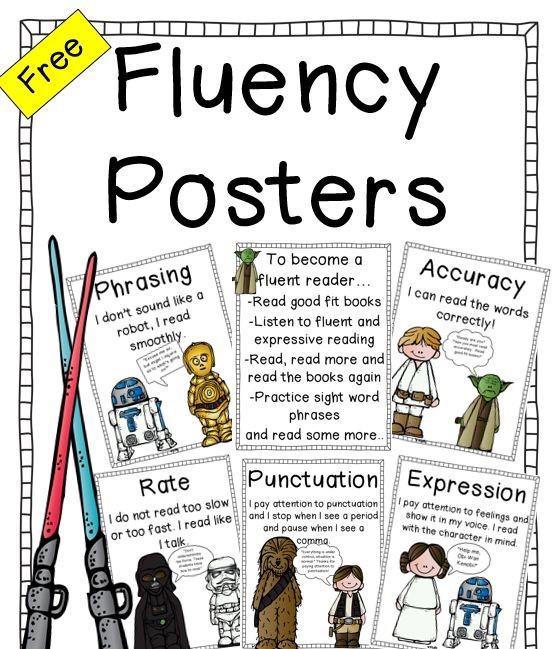
These Fluency Posters Will Help Students Understand What Goes Into Reading

Introduction:

Reading is a fundamental skill that every student needs to master. For young learners, understanding the process of reading can be a challenge. To help students grasp the concepts involved in reading, educators around the world are turning to fluency posters. These visually appealing and informative materials provide students with an easy-to-understand overview of the different aspects of reading. In this article, we’ll explore how fluency posters aid in the development of strong reading skills.

The Importance of Fluency:

Fluency refers to a person’s ability to read smoothly with accuracy, speed, and expression. A fluent reader not only understands the words on a page but can also comprehend the meaning behind those words. Fluency is crucial for student success because it allows them to absorb new information and improve their communication skills effectively.

Introducing Fluency Posters:

A fluency poster is a visual aid that breaks down the various components of reading fluency into simple, understandable terms. These posters often use engaging graphics and short explanations to illustrate essential concepts like accuracy, rate, expression, and comprehension. They may also include helpful strategies for students to practice these skills.

How Fluency Posters Benefit Students:

1. Enhance Comprehension:

By displaying the core aspects of reading fluency, these posters help students understand what it takes to become a proficient reader. By gaining an insight into this process, they can apply specific techniques to tackle challenges they encounter while reading.

2. Encourage Goal Setting:

Students can use the information on fluency posters as benchmarks to set personal goals for themselves. These goals may include improving their accuracy or increasing their reading speed.

3. Reinforce Learning Strategies:

Fluency posters often contain tips and strategies for developing each component of reading fluency. Merely having these posters visible in the classroom serves as a constant reminder for students to apply these techniques while reading.

4. Foster a Reading Culture:

By placing an emphasis on fluency, posters like these create a classroom environment that encourages literacy. They promote the importance of reading for personal growth and intellectual development.

5. Serve as a Teaching Tool for Educators:

Teachers can use fluency posters as an anchor for their lessons about reading skills. These resources provide a starting point for educators to build upon and offer valuable information to students about effective reading practices.

6. Aid in Parental Involvement:

Fluency posters are not only beneficial in the classroom but also at home. Parents can use these resources to understand their child’s reading progress and support their learning journey effectively.

Conclusion:

Fluency posters are a valuable tool in helping students grasp the intricate complexities of reading. By breaking down the process into easy-to-understand concepts, these visually appealing resources empower students to enhance their reading skills and foster a love for literature. With fluency posters adorning classroom walls, young learners are reminded daily of the importance of reading and are provided with the tools needed to achieve success in this vital skill.

Students Everywhere Are Taking the #NationalBookChallenge

Introduction:

The #NationalBookChallenge is a social media-driven literary adventure that has spread like wildfire among students across the nation. Born from the concept of empowering today’s youth to value the power of reading and engaging with literature, this movement is opening young minds to conversation, creativity, and personal growth. With hashtags like #NationalBookChallenge, students are feeling inspired to participate in the challenge themselves to reap the benefits of reading.

The Beginning:

The #NationalBookChallenge started as an initiative to promote reading culture among students. A few enthusiastic readers initiated this campaign on social media platforms like Instagram, Twitter, and Facebook. Within a matter of weeks, it gained momentum and became hugely popular among students across the nation. Schools and universities encouraged participation by offering incentives such as class credit or rewards for completing specific reading milestones.

How It Works:

To participate in the #NationalBookChallenge, students commit to read a certain number of books within a specified period (usually a month or semester). They choose from various genres, including fiction, non-fiction, autobiographies, and classic literature. Participants share their literary journey on social media using the hashtag #NationalBookChallenge, thus inspiring their peers and followers to join in on the reading adventure.

Benefits:

1. Improved Reading Skills: The more students read, the better their reading proficiency becomes. The #NationalBookChallenge encourages them to practice consistently and develop their comprehension and expression abilities.

2. Expanding Horizons: Reading various genres exposes students to unique ideas and perspectives they may have never encountered before. This broadened world view can spark curiosity and critical thinking in young minds.

3. Building Confidence: When students finish a book or complete their reading goal, they experience a sense of accomplishment which translates into boosted self-esteem.

4. Fostering Connections: The #NationalBookChallenge fosters connections between participants as they bond over favorite books, recommendations, and shared experiences, providing a positive space to engage in literary discussions.

5. Building Habits: By committing to reading consistently throughout the challenge, students establish habits that cultivate a lifelong passion for books.

Conclusion:

The #NationalBookChallenge is an innovative and inspiring movement that has taken the student community by storm. Participants are enjoying improved reading skills, expanded perspectives, boosted confidence, social connections, and lasting habits that will benefit them for years to come. As this challenge continues to grow in popularity, the future looks very bright for both students and literature enthusiasts alike. There’s never been a better time to pick up a book and join the #NationalBookChallenge!

10 Free and Affordable 4th Grade Reading Fluency Passages

Introduction:

Reading fluency is a critical skill for 4th-graders as they transition from learning to read to reading to learn. Ensuring that they have strong skills in this area will help set the stage for future success in all subject areas. To help you find the best resources, we have compiled a list of 10 free and affordable reading fluency passages perfect for 4th-grade students.

1. ReadWorks (Free)

ReadWorks offers a wide range of high-quality, leveled passages that allow educators to focus on building students’ reading fluency skills. With a free account, you can search for passages by grade level, topic, or lexile range.

Link: https://www.readworks.org/

2. CommonLit (Free)

CommonLit provides teachers and parents with engaging reading passages across various themes and topics appropriate for grades 3-12. Access their library of content for free by creating an account.

Link: https://www.commonlit.org/

3. Storyline Online (Free)

The SAG-AFTRA Foundation’s award-winning children’s literacy website offers free streaming videos of celebrities reading children’s books. With an extensive collection of videos, Storyline Online is a fantastic resource to boost student interest in reading.

Link: https://www.storylineonline.net/

4. Reading A-Z (Affordable)

Reading A-Z offers thousands of leveled readers and fluency passages for various grade levels, including fourth grade. While Reading A-Z does require a paid subscription, they offer a range of pricing options for both teachers and schools.

Link: https://www.readinga-z.com/

5. Scholastic News (Affordable)

Scholastic News provides current event articles tailored to students in grades 1-6. Every article includes multiple-choice questions, making this resource great for focusing on both fluency and comprehension. Scholastic News is available only through a paid subscription.

Link: https://classroommagazines.scholastic.com/support/learnathome.html

6. Epic! (Affordable)

Epic! is an online children’s digital library that offers a vast range of e-books, audiobooks, learning videos, and quizzes to help strengthen reading skills. While there is a fee for educational use, it remains an affordable option for parents and teachers.

Link: https://www.getepic.com/students

7. Raz-Kids (Affordable)

Raz-Kids offers online guided reading programs that include interactive eBooks, quizzes, and even the ability for students to listen and record themselves reading the passages. They offer a paid subscription but also provide a free 14-day trial.

Link: https://www.raz-kids.com/

8. ABCya! (Free)

ABCya! offers free educational games for kids in grades K-5, including passages to practice reading fluency. Their website features activities organized by grade level and subject area, making it easy to find what works best for your student.

Link: https://www.abcya.com/

9. Newsela (Free & Affordable options)

Newsela provides articles at various reading levels from world-class news publications tailored to individual reading levels. The platform offers both free access to content and additional features through paid subscriptions.

Link: https://newsela.com/

10. Tween Tribune (Free)

Tween Tribune is a free online newspaper managed by the Smithsonian Institution that offers daily news articles for K-12 students. Each article comes with a variety of activities designed to improve their fluency and comprehension.

Link: https://www.tweentribune.com/

Best New Halloween Books for Grades K-12: 2013 Edition

Introduction:

Halloween is just around the corner, and it’s time to embrace the spooky season by embarking on thrilling literary adventures. The best way to get students excited about this festive time of year is by stocking their shelves with captivating Halloween books that are perfect for their age group and interests. Here are the best new Halloween books for Grades K-12 in 2013 edition.

Grades K-2:

1. “Room on the Broom” by Julia Donaldson – This delightful tale revolves around a witch who keeps losing her belongings, but finds new friends along the way.

2. “The Monstore” by Tara Lazar – A boy goes to The Monstore to buy a monster but finds out that they don’t come with a return policy, leading to a fun and absurd adventure.

3. “Crankenstein” by Samantha Berger – A grumpy kid turns into Crankenstein during Halloween and experiences hilarious situations with his friends.

Grades 3-5:

1. “The Doll Bones” by Holly Black – A creepy doll made of real human bones takes three friends on a chilling journey filled with mystery and adventure.

2. “Ghosts” by Raina Telgemeier – This graphic novel tells the story of two sisters who move to a town where real ghosts roam, teaching them valuable life lessons about fear, embracing change, and cherishing family.

3. “Coraline” by Neil Gaiman – Coraline discovers an alternate world through a mysterious door in her home that leads her to face terrifying challenges in order to save her loved ones.

Grades 6-8:

1. “One for Sorrow” by Mary Downing Hahn – Set in 1918 during the Spanish flu pandemic, Annie discovers secrets from her school’s haunting past when she befriends a troubled spirit.

2. “The Diviners” by Libba Bray – Evie O’Neill moves to New York City in the 1920s, where she discovers her supernatural powers and embarks on a thrilling quest to solve a series of occult-based murders.

3. “Something Wicked This Way Comes” by Ray Bradbury – Two best friends confront an evil carnival and its sinister leader in this classic tale of mystery, suspense, and friendship.

Grades 9-12:

1. “Miss Peregrine’s Home for Peculiar Children” by Ransom Riggs – Jacob must uncover the truth about his grandfather’s past when he discovers a hidden home full of children with unique abilities.

2. “Anna Dressed in Blood” by Kendare Blake – A ghost hunter meets a deadly spirit named Anna while trying to solve his father’s murder case.

3. “The Coldest Girl in Coldtown” by Holly Black – Tana wakes up after a party to find herself surrounded by dead bodies and vampires, leading her on a dangerous journey into the world of the supernatural.

Conclusion:

These fantastic Halloween books will provide chills and thrills for students from kindergarten through high school, making it easy for teachers and parents to introduce festive reads that suit every child’s interests and age level. Bring some spookiness to your bookshelf with these best new Halloween books for Grades K-12: 2013 edition.

15 Terrific Charlotte’s Web Activities

Introduction:

Charlotte’s Web by E.B. White is a beloved children’s novel that tells the story of a young pig named Wilbur and his friendship with a clever barn spider named Charlotte. This heartwarming tale can be enjoyed even more with engaging activities that help bring the story to life. Here are 15 terrific Charlotte’s Web activities to enhance your reading experience.

1. Vocabulary word hunt: Have students search for new or interesting words in the text and create flashcards with definitions and usage examples.

2. Character analysis: Encourage students to analyze and compare the main characters using Venn diagrams, attributing traits such as appearance, behavior, and motivation.

3. Spiderweb art project: Using string or yarn, have students create their own spiderwebs and decorate them with words or phrases from the book.

4. Pen a letter: Invite students to write a letter from one character to another, discussing important plot points or sharing their feelings.

5. Act it out: Assign small groups to act out different scenes from the book, encouraging them to use props and costumes if desired.

6. Design a book cover: Have students create their own book covers for Charlotte’s Web, including unique illustrations and text that captures the essence of the story.

7. Barnyard field trip: If possible, arrange a visit to a local farm where students can observe animals similar to those featured in the story.

8. Newspaper article: Task students with writing a newspaper article from within the world of the book, reporting on an event such as Wilbur winning at the fair or Charlotte’s death.

9. Create a map: Ask students to draw a detailed map of all the locations visited in Charlotte’s Web – like the barnyard, fairgrounds, and Zuckerman’s farm.

10. Joining Charlotte’s campaign: Students should brainstorm creative ways to help Charlotte in her quest to save Wilbur, the pig.

11. Debate club: Hold a debate on whether Charlotte’s actions were justified in lying to save her friend Wilbur, discussing the ethics and consequences of her actions.

12. Comprehension game show: Arrange a trivia-style game show to test students’ knowledge of the book, offering prizes for the winners.

13. Mime it: Have students work in pairs or small groups to silently act out scenes from the book while others guess which part of the story they are portraying.

14. Build a diorama: Provide students with materials such as shoeboxes, construction paper, and craft supplies to create a 3D representation of their favorite scene from the story.

15. Rewriting the ending: Ask students to come up with an alternative ending for Charlotte’s Web, then share their versions with the class.

Conclusion:

These 15 terrific Charlotte’s Web activities will not only help students develop a better understanding of the novel but also foster discussions and reflections on its themes and messages. Engaging in these activities will ensure that E.B. White’s classic tale becomes a memorable experience for young readers.

Hooray! Our Favorite Who Was? Biographies Are Now Graphic Novels

Introduction:

If you love getting lost in biographies of famous historical figures, then clear some space on your bookshelf, because our favorite Who Was? Biographies are now being transformed into graphic novels!

Who HQ’s Renowned Series:

Who HQ’s famous “Who Was?” biography series celebrates the lives and achievements of significant people from all around the world. This unparalleled collection has captured the minds and hearts of millions with its engaging storytelling and informational content. By presenting these biographies in a graphic novel format, the experience is visually enriched and even more captivating to readers of all ages.

The Appeal of Graphic Novels:

Graphic novels combine the strengths of visually compelling illustrations with engaging written narrative to create a unique reading experience. They have been lauded for their capacity to bring stories to life, effectively breaking down complex subjects into easily digestible bites. The vibrant illustrations enable readers to become engrossed in the world being presented, helping them better understand the subject matter and highlighting its importance.

How the Graphic Novel Format Benefits Who Was? Biographies:

The adaptation of the Who Was? Biographies into graphic novels comes with numerous benefits. The captivating visuals make history feel more accessible and enthralling to children and adults alike. The combination of illustrations and written narrative will assist readers in better understanding complex concepts, timelines, and relationships as they delve into hours of exciting content.

The New Collection:

Several beloved titles are draped in vibrant illustrations within this new graphic novel collection, including:

1. “Who Was Anne Frank?” by Ann Abramson

2. “Who Was Leonardo da Vinci?” by Roberta Edwards

3. “Who Was Isaac Newton?” by Janet Pascal

4. “Who Was Frida Kahlo?” by Sarah Fabiny

5. “Who was Nelson Mandela?” by Pam Pollack and Meg Belviso

These volumes offer fresh portrayals with the same informative approach, making them ideal additions to readers’ bookshelves and libraries.

Conclusion:

The launch of the Who Was? Graphic biographies marks a momentous occasion for both avid collectors and newcomers to the series. This format expands the accessibility and appeal to a wider audience, allowing readers to immerse themselves in their favorite biographies with a renewed perspective. So, head on over to your nearest bookstore and embark on exciting journeys into the lives of these inspiring figures through these beautifully illustrated graphic novels!

20 Reading Fluency Activities to Help all Learners

Introduction:

Reading fluency is a critical skill for all learners as it lays the foundation for comprehension and academic success. It is the ability to read accurately, quickly, and naturally with appropriate expression. Many struggling readers often find it challenging to achieve fluency, but with the right strategies and activities, improvement is possible. In this article, we will explore 20 reading fluency activities that can benefit all learners.

1. Repeated readings: Encourage students to read the same text multiple times. This practice allows them to become more familiar with the text and improve their reading speed and accuracy.

2. Choral reading: In this group activity, students read together in unison. This can help boost their confidence and develop better pacing.

3. Timed reading: Set a timer for a short interval (e.g., 1 minute) and have students read as many words as they can during that time. Repeat this process several times with various texts to monitor progress.

4. Reader’s theater: Assign roles from a script or play to the students and have them practice reading their lines out loud with appropriate intonation and expression.

5. Echo reading: Read a sentence or paragraph out loud, then have the student repeat it back to you while mimicking your tone, pace, and expression.

6. Buddy reading: Pair up students of similar reading levels and have them take turns reading aloud to each other.

7. Sightword games: Play games like bingo or memory using high-frequency sight words to help improve instant word recognition.

8. Phrase-cued texts: Break sentences into meaningful phrases or units with slash marks (/) to encourage proper phrasing and expression while reading.

9. Previewing vocabulary: Introduce new or challenging vocabulary before beginning a text so that students are more prepared when encountering unfamiliar words.

10. Audio-assisted reading: Provide audiobooks or read-along texts so that students can follow along with the spoken word while reading the text.

11. Interactive story writing: Allow students to create their own stories on a shared space (like an interactive whiteboard) so that all learners can contribute and practice their reading skills collectively.

12. Word-building games: Play word-building games like Scrabble, Boggle, or Bananagrams to reinforce letter-sound relationships and blending skills.

13. Poetry readings: Assign poems that require different intonations, pacing or emotions, and have students read them out loud while focusing on these elements.

14. Newspaper articles: Encourage students to read age-appropriate newspaper articles or magazine pieces out loud to improve their reading fluency in non-fiction materials.

15. Role-playing: Give students various roles, such as a news reporter or a character from a novel, and have them read related materials with appropriate expression.

16. Fluency charts: Track students’ progress by plotting their words per minute on a chart; this can not only serve as motivation but also help in setting individual goals for improvement.

17. Self-monitoring and reflection: Teach students methods to monitor their own fluency while reading, such as using tally marks for each error they notice and then reflecting on the errors to learn from them.

18. Video recordings: Have students record themselves reading aloud, then watch the footage together and provide feedback on areas they can improve upon.

19. Paired sentence writing: Two students work together to create sentences with high-frequency words, taking turns to write each word.

20. Reading races: Conduct friendly competitions among small groups of students where they read aloud in a race against time or compete for the best expression and phrasing of a given text.

16 Creative Ways to Get Kids to Read More

Introduction:

Reading provides numerous benefits for children, including improved vocabulary, increased concentration, and enhanced critical thinking skills. Getting kids excited about reading can sometimes be a challenge, but with some creativity and effort, you can help motivate them to develop a genuine love for books. Here are 16 creative ways to get your child to read more:

1. Create a cozy reading space: Designate a comfortable spot in your home where your child can curl up with their favorite book.

2. Set a reading routine: Establish a regular time each day dedicated to reading.

3. Encourage variety: Introduce different genres of books to prevent boredom with the same materials.

4. Personalize books: Customize storybooks with your child’s name and interests to engage their attention.

5. Visit the library: Make trips to the library fun by allowing your child to participate in library activities or select new books to read.

6. Find book-based movies/TV shows: Encourage your child to read the book before watching its movie or TV adaptation, sparking interest through anticipation.

7. Use audiobooks: Supplement their reading activities with audiobook versions of stories, providing an alternative way of engaging with literature.

8. Organize book swaps: Arrange book exchanges with friends or classmates as an interactive way for kids to share their favorite stories.

9. Set up reading challenges: Develop age-appropriate goals for your child to meet and offer rewards for completing them.

10. Read together: Spend quality time reading aloud with your child to foster their interest in books.

11. Choose relatable stories: Select books featuring characters or situations similar to those in your child’s own life so they can identify with the experiences portrayed.

12. Host a book-themed party: Plan a fun event centered around a favorite book or series, incorporating elements from those stories into costumes, decorations, and games.

13. Promote reading as a gift: Build anticipation and excitement for a new book by giving it as a special present wrapped in eye-catching packaging.

14. Encourage creative writing: Inspire your child’s storytelling skills by having them write their own stories or fanfiction based on their favorite books.

15. Use technology: Leverage digital apps and platforms that offer interactive reading experiences and gamify learning to keep them engaged.

16. Lead by example: Show your child the importance of reading by making it a regular activity in your own life.

Conclusion:

By employing some creativity and persistence, you can help your child develop a love for reading that lasts a lifetime. Try out these 16 enjoyable ideas to encourage your child to read more, unlocking the countless benefits that come with a lifelong passion for literature.

If We Motivate Kids to Do Just One Thing This Summer, Let’s Make It Reading

Introduction:

Summer is a time when kids love to be outside, playing games, swimming, and enjoying the freedom that the season brings. However, with the hustle and bustle of activities, there’s one thing we should definitely make a priority for our children this summer – reading.

The Importance of Reading:

Reading is essential for kids not only because it enhances their vocabulary and cognitive abilities but also because it expands their imagination and creativity. A good book can transport a child into a different world or show them different perspectives throughout various cultures and time periods.

Benefits of Summer Reading:

  1. Combating the “Summer Slide”: Research has shown that students who continue to read during the summer months are more successful in academics when they return to school in the fall. By committing to a regular reading routine over summer vacation, parents can help ensure their kids avoid the dreaded “summer slide.”
  2. Building Empathy and Emotional Intelligence: Books provide a window into other people’s lives and experiences. Children who read books with diverse characters can better understand different emotions, develop empathy, and learn conflict resolution skills.
  3. Encouraging Critical Thinking: Reading challenges young minds by taking them through twists and turns in complex storylines or introducing them to mysterious elements. This encourages critical thinking skills and improves problem-solving abilities.
  4. Fostering Independence: By promoting reading as a fun activity that kids choose to do on their own, parents are encouraging their children’s sense of independence and self-reliance.

How to Motivate Kids to Read This Summer:

  1. Set an Example: Children are more likely to engage in an activity if they see their parents enjoying it themselves. Set aside time each day for reading as a family.
  2. Provide Choices: Allow your child to choose books that interest them instead of forcing specific titles upon them. This will help create a positive association with reading.
  3. Offer Fun Incentives: Reward children with praise, stickers, or small treats for reaching their reading goals. Incentives can make reading more fun and motivate them to continue.
  4. Create a Cozy Reading Space: Designate a quiet and comfortable area in your home where your child can relax with a good book.
  5. Join a Summer Reading Program: Many libraries offer summer reading programs which include incentives, themed activities, and book recommendations to encourage children’s participation.

Conclusion:

Reading is an essential skill that children must continue to develop throughout their lives. As parents, we have the power to inspire our kids to not only read but enjoy it as well. If there’s just one thing we can encourage our kids to do this summer, let’s make it reading!

8 Picture Books About Sadness That Comfort and Open up Conversations

Introduction:

Sadness is an emotion that every child will experience at some point in their lives. It’s essential for parents and caregivers to understand how to address this feeling with gentle guidance, empathy, and support. Picture books can be a wonderful tool to create an open and comforting conversation about sadness with your child. In this article, we will discuss eight must-have picture books that address the theme of sadness, geared toward helping children learn about their emotions and develop healthy ways to express them.

1. The Rabbit Listened by Cori Doerrfeld

In this sweet, tender story, a young child named Taylor experiences a sad moment when his magnificent building creation is suddenly destroyed. Various animals offer their advice on how to handle the sadness, but ultimately it’s the quiet, compassionate listening of a rabbit that brings solace to Taylor’s heart.

2. The Invisible String by Patrice Karst

The Invisible String is an uplifting and comforting book that tells the story of two siblings learning about the invisible string that connects them to everyone they love – even those who are far away or have passed on. This heartwarming story explores the powerful tie of love that binds us together through sad times and happy times alike.

3. When Sadness is at Your Door by Eva Eland

In this gentle and insightful book, sadness is personified as a visitor who shows up unannounced at a child’s door. With soft illustrations and simple text, When Sadness is at Your Door helps children understand that it’s okay to embrace their emotions, even if it’s sadness, and find ways to cope with them.

4. A Terrible Thing Happened by Margaret M Holmes

This sensitive book discusses trauma and the recovery process in an age-appropriate way for children who have witnessed violence or endured other traumatizing situations. By following Sherman Smith, who saw a terrible thing and learns to heal through talking about his feelings, the book provides reassurance and comfort to young readers who may be processing their own emotions.

5. The Goodbye Book by Todd Parr

With its colorful illustrations and simple text, The Goodbye Book addresses the feeling of loss experienced when saying goodbye to someone or something close. Written from the perspective of a pet fish who has lost its companion, this touching story helps children understand that it’s okay to feel sad and offers ways to find comfort.

6. The Feelings Book by Todd Parr

Another wonderful book by Todd Parr, The Feelings Book allows children to explore a range of emotions – from sadness to joy, embarrassment to pride – in a fun and accessible way. With humorous illustrations and reassuring messages, this book acts as a conversation starter for parents and children alike.

7. When I’m Feeling Sad by Trace Moroney

This endearing book presents sadness as an emotion experienced by everyone at times through the eyes of a little rabbit. It offers helpful tips for coping with sadness while validating that it’s normal and encouraging children that things will get better.

8. Cry, Heart, but Never Break by Glenn Ringtved

This touching, award-winning picture book beautifully addresses grief and loss through the story of four siblings who lose their beloved grandmother. By personifying death as a gentle but inevitable part of life, Cry, Heart, but Never Break opens up an honest conversation about sorrow and the importance of cherishing moments together.

Conclusion:

Picture books can be a powerful resource for helping children understand and process their feelings of sadness. Selecting books like these eight titles can open up conversations between parents and their children so that they feel comfortable discussing their emotions in a safe environment. These compassionate narratives can not only offer comfort but also foster emotional development and