STEM

Unleash the Engineer in Your Students – Free Classroom Poster

Introduction

A classroom learning experience can vary immensely based on its environment. One way to stimulate the innovative minds of students is by adorning the walls of the learning space with inspirational, educational, and visually appealing materials. This particularly holds true when it comes to nurturing the engineering mindset. Introducing a free classroom poster – “Think Like an Engineer!”. This poster will pull your students into the fascinating world of engineering, and inspire them to think and solve problems like an engineer.

Think Like an Engineer! – The Poster

The free “Think Like an Engineer!” poster is a creative and interactive tool that encourages students to tap into their curiosity, knowledge, and skills. It works as a visual reminder for them to approach each learning opportunity with an engineer’s mindset—giving that extra nudge needed for students to dive into problem-solving and critical thinking exercises.

Featuring colorful graphics and clear, concise language, the poster consists of essential engineering practices that will motivate your students:

  1. Identify and define problems – Engineers begin their work by understanding the challenges they face.
  2. Develop multiple solutions – Creativity thrives on experimentation and trying out different approaches.
  3. Collaborate with others – Engineering projects often require teamwork; sharing ideas leads to better solutions.
  4. Test and iterate your design – Once a solution is devised, engineers test it rigorously; they then make improvements based on their findings.
  5. Reflect on results – Engineers analyze outcomes, draw conclusions, and learn from their experience.

How to Use This Poster

Here are a few suggestions on how you can effectively use this free poster in your classroom:

  1. Display it prominently in your classroom – Hang it where your students can easily see it.
  2. Incorporate it in lesson plans – Use it to guide discussions or activities about problem-solving or collaborative teamwork.
  3. Encourage students to reference it – Allow them to frequently refer to the poster when solving problems and encourage them to discuss their thought process.
  4. Implement classroom challenges – Organize activities in which students can practice applying an engineer’s mindset to solve tasks.

Where to Get the Free Poster

To accelerate your students’ journey towards thinking like engineers, download the free “Think Like an Engineer!” poster [INSERT DOWNLOAD LINK HERE]. Once downloaded, print it out and hang it proudly in your classroom to instill engineering curiosity in your students!

Conclusion

The “Think Like an Engineer!” poster sparks a desire to think critically and embrace creativity by laying out characteristics of successful engineers. Download this free poster today and watch as it effortlessly enriches your teaching environment, leading your students down the path of innovative excellence.


The Best Volcano Videos for Kids

Introduction

Volcanoes are some of nature’s most fascinating and powerful phenomena. Their eruptions can be explosive and awe-inspiring, and they hold a mysterious allure for people of all ages, especially kids. To help your little ones learn about volcanoes in a fun and engaging way, we’ve compiled a list of the best volcano videos available online that are catered to a younger audience. These videos provide exciting visuals and easy-to-understand explanations that will keep kids entertained while they learn about these intriguing geological occurrences.

1. National Geographic Kids: All About Volcanoes

National Geographic’s volcano video for children is an excellent place to start for youngsters looking to learn about the basics of volcanic activity. This short yet informative video provides captivating images and animations to explain what volcanoes are, showcasing different types around the world, and highlighting the reasons behind their eruptions.

YouTube Link: https://youtu.be/YGej3stM96c

2. SciShow Kids: How Do Volcanoes Work?

SciShow Kids take an in-depth look at how volcanoes work and what happens during an eruption in this entertaining and educational video. With its colorful graphics, clear explanation, and interesting tidbits like “volcanic lightning,” this video will pique your child’s curiosity on these incredible structures.

YouTube Link: https://youtu.be/-cUkP9q_cik

3. Bill Nye The Science Guy on Volcanoes

No list of educational videos would be complete without Bill Nye! In this episode, Bill Nye focuses on everything related to volcanoes – from how they’re formed to mankind’s historical relationship with them. His fun experiments, classic humor, and engaging teaching style make learning about volcanoes both enjoyable and memorable.

YouTube Link: https://youtu.be/uNaAhvInHkg

4. TED-Ed: The Different Types of Volcanoes

TED-Ed offers an informative and visually appealing video that explains the different types of volcanoes, categorized by their eruption styles. This video covers the features of each type, including composite, shield, and cinder cone volcanoes. It also discusses the dynamics of underground magma chambers and the forces that lead to volcanic eruptions.

YouTube Link: https://youtu.be/oXhezuNaVik

5. FreeSchool: Volcanoes for Kids

This comprehensive video from FreeSchool provides young learners with a detailed overview of volcanoes, covering topics such as the Earth’s crust, plate tectonics, and the different forms of volcanic activity. Appropriate for children in primary and lower-secondary grades, this video serves as an excellent supplement to classroom learning or homeschooling.

YouTube Link: https://youtu.be/qWgfiBn53WQ

Conclusion

Allow your kids to embark on an exciting journey and explore the world of volcanoes through these entertaining and educational videos. With their vivid imagery and clear explanations tailored specifically for younger audiences, these videos will inspire a sense of wonder in your child while providing them with valuable knowledge about these awe-inspiring natural phenomena.

How to Use a Desktop 3D Printer in School

Introduction:

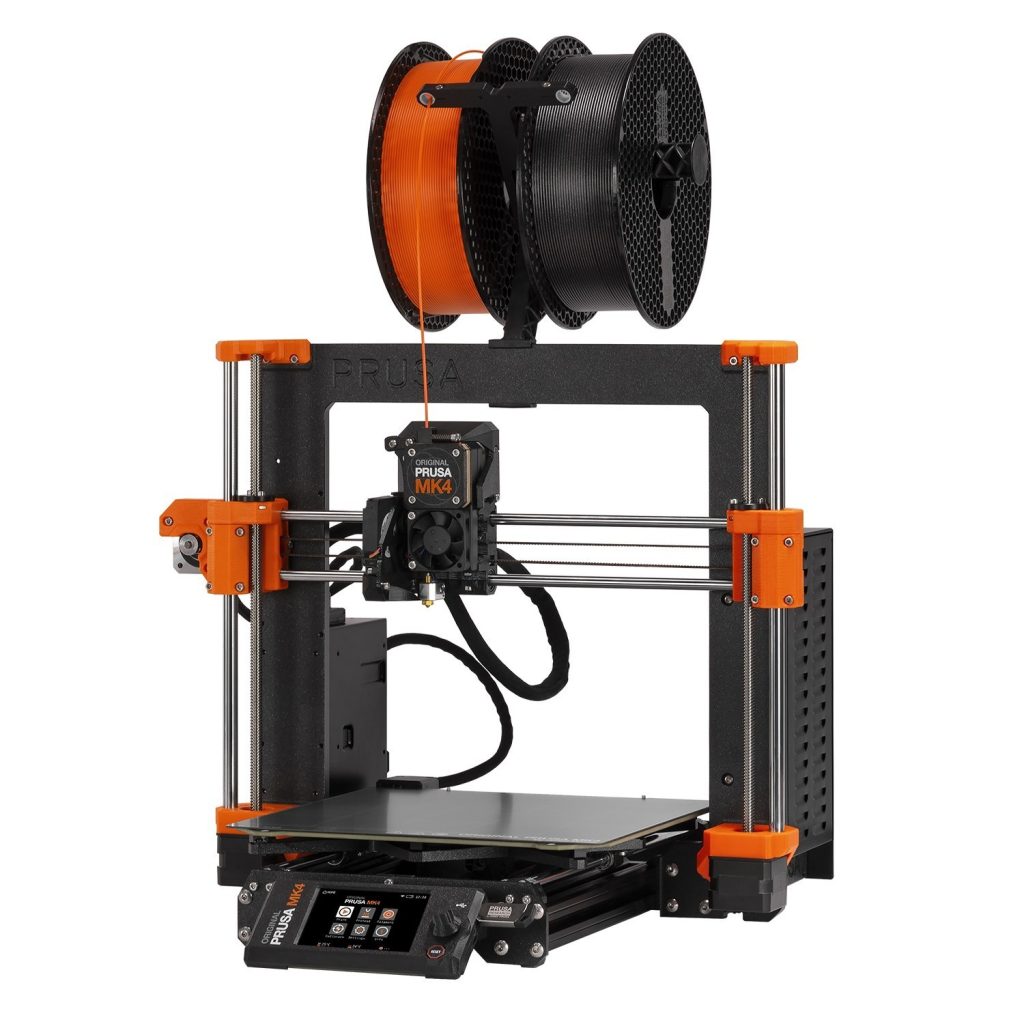
As technology continues to advance, 3D printers have become more accessible and affordable for educational institutions. These devices enable teachers and students to design and create three-dimensional objects, bringing concepts to life and enriching the learning experience. This article aims to guide you on how to use a desktop 3D printer in school effectively.

1. Choose the right 3D printer for your classroom

To start, it’s crucial to select a 3D printer suitable for your classroom needs. Consider factors like cost, ease of use, size, and compatibility with the software you’ll be using. It’s highly recommended to opt for a user-friendly 3D printer with excellent customer support and reliable safety features.

2. Set up your workspace

Ensure that you have a dedicated workspace in your classroom for the 3D printer. This area should be well-ventilated, spacious enough for multiple users, and equipped with adequate power supply points.

3. Provide training for teachers and students

Effective utilization of a 3D printer requires adequate knowledge and skills. Teachers should be well-versed in using the device and the accompanying software before introducing it to students. Schools could arrange workshops or training sessions where teachers can learn how to operate and maintain the device properly.

4. Incorporate 3D printing into lesson plans

Seamlessly integrate 3D printing into your curriculum by aligning it with subjects like mathematics, science, art, or engineering. For instance, students can design and create prototypes of mechanical parts during an engineering class or print out scale models of historical monuments in social studies lessons.

5. Encourage creativity among students

Allow students to explore their creative instincts by designing their own projects and encouraging group work to foster teamwork and collaboration. Offer guidance when necessary but also give them room for experimentation.

6. Monitor safety precautions

Safety should be a top priority when using a 3D printer in school. Ensure students are aware of the appropriate safety guidelines and are supervised while operating the device. Check that the printer is regularly maintained to prevent any potential hazards.

7. Evaluate student progress

Assess student progress by evaluating their designs, printed objects, and how well they’ve applied the concepts taught in the classroom. This will help identify areas where students need additional assistance or guidance.

8. Share your success stories

If your school has successfully incorporated 3D printing into its curriculum, consider sharing your experiences with fellow educators through blogs, conferences, or social media platforms. This could inspire other schools to adopt similar programs.

Conclusion:

Integrating 3D printers into the educational environment can greatly enhance the learning experience for both teachers and students. By following these steps, you can ensure that this powerful tool is utilized effectively and safely in your school’s classrooms. Foster creativity, encourage collaboration, and watch as your students engage more deeply with their subjects through hands-on experiences with desktop 3D printing technology.

STEM Supplies Shopping List Basics for Your School

As schools continue to emphasize Science, Technology, Engineering, and Mathematics (STEM) education, it is essential to have the proper supplies on hand for effective learning. This article offers a shopping list of fundamental STEM supplies that every school should have in their inventory.

1. Lab Equipment and Safety Gear

– Beakers

– Test tubes

– Graduated cylinders

– Flasks

– Glass stirring rods

– Safety goggles

– Lab coats

– Gloves

2. Measurement Tools

– Rulers

– Protractors

– Calipers

– Scales/balances

– Thermometers

– Compasses

3. Robotics and Coding Supplies

– Robotics kits (e.g., LEGO Mindstorms, VEX Robotics)

– Microcontrollers (e.g., Arduino, Raspberry Pi)

– Coding platforms (e.g., Scratch, Code.org)

– Sensors and components (e.g., motion sensors, LEDs)

4. Construction and Building Materials

– LEGO sets or building blocks

– K’nex or Tinkertoys sets

– Snap Circuits kits

– Wooden dowels and craft sticks

– Cardboard sheets and tubes

5. Art Supplies for Creative STEM Projects

– Colored pencils and markers

– Poster boards and presentation materials

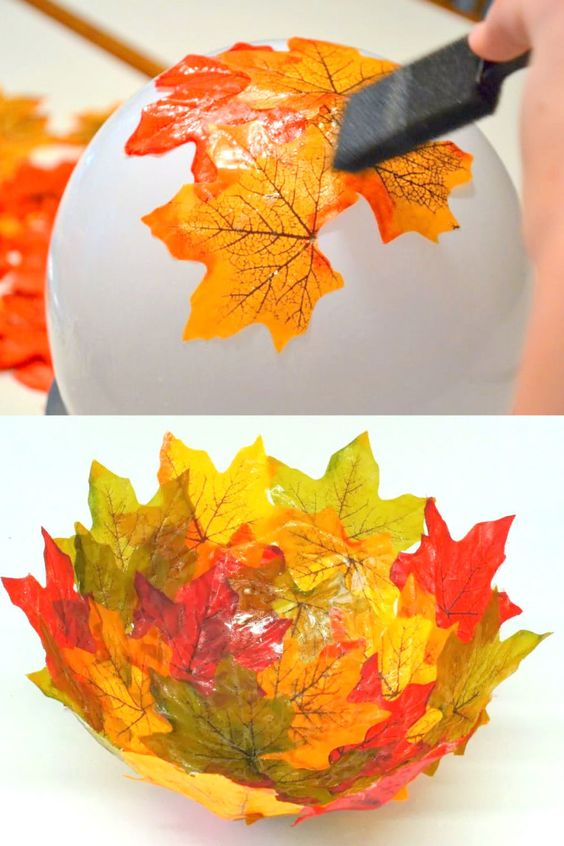
– Pipe cleaners and craft pom-poms

– Glue sticks and hot glue guns

-Tape (e.g., masking tape, double-sided tape)

6. Science Kits and Learning Materials

-Methods to demonstrate concepts like erosion or models for solar system.

-Learning materials like books, posters or digital resources.

7. Advanced STEM Resources (for older students)

-Chemical reagents for experiments;

-Electronic components like resistors;

-Soldering station;

-Specialty tools like 3D printers or laser cutters.

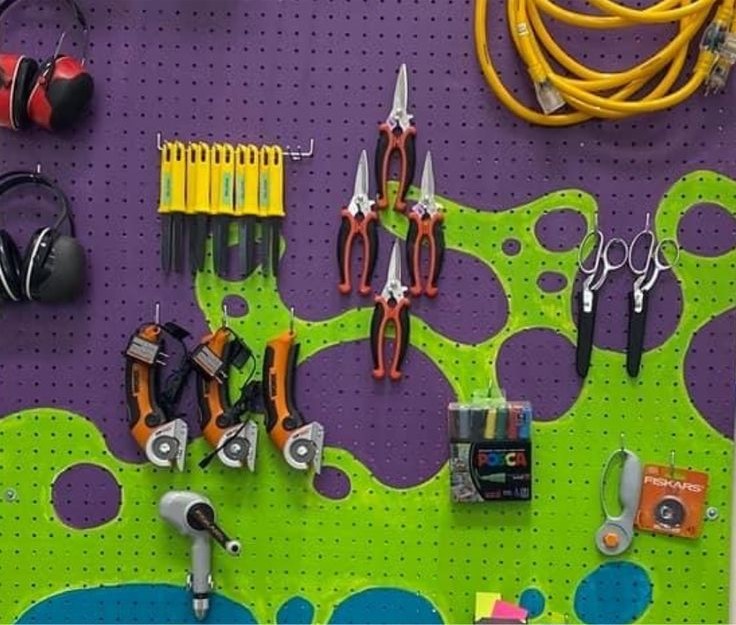
By making sure your school is well-stocked with these STEM basics supplies, you’ll have confident educators and eager students poised for success in science, technology, engineering, and mathematics. Remember, the key is to offer a variety of materials that cater to different age groups, disciplines, and interests. With a comprehensive list like this one, you can be sure that you’re providing an engaging and hands-on experience for all students.

10 Data Science Jobs Your Students Should Know About

The world is moving swiftly towards a data-driven era. With the massive amount of data generated every day, it’s no surprise that Data Science has become one of the most in-demand fields. As a result, there is a vast range of career paths emerging for aspiring data scientists. If your students are eager to dive into the world of data science, here are ten exciting job opportunities they should know about:

1. Data Analyst: This role focuses on collecting, cleaning, and organizing raw data to analyze trends and extract insights. A data analyst uses various software and techniques such as SQL, Excel, and Tableau to manipulate and visualize data.

2. Data Scientist: One of the hottest job titles in the field, a data scientist utilizes machine learning algorithms, statistical modeling, and programming languages like Python or R to create models that provide actionable insights from large datasets.

3. Machine Learning Engineer: This highly specialized role involves building and maintaining machine learning models to make predictions or automate tasks through artificial intelligence. Machine Learning Engineers often use programming languages like Python or Java and work with deep learning frameworks such as TensorFlow or PyTorch.

4. Big Data Engineer: Big Data Engineers manage large datasets by building scalable infrastructures to store and process substantial amounts of information using tools such as Hadoop, Spark, and NoSQL databases.

5. Business Intelligence Analyst: These professionals are responsible for designing and implementing solutions that can reveal valuable insights for businesses through the analysis of company data sets. Business Intelligence Analysts usually work with SQL queries, Power BI, Tableau, or Looker.

6. Quantitative Analyst: Usually employed within the finance industry, Quantitative Analysts use mathematical models to predict trends in financial markets and create strategies for risk management or investment portfolios.

7. Data Visualization Specialist: By using visual elements like charts, graphs, or interactive dashboards, a Data Visualization Specialist makes complex data sets understandable and engaging for a wider audience. These professionals use tools such as Tableau, D3.js, and Power BI.

8. Data Engineer: Exploring the overlap between software engineering and data science, Data Engineers ensure that data flows smoothly across systems and pipelines while maintaining the integrity of information. They work with tools like Apache Kafka, Hadoop, or Amazon Web Services (AWS).

9. Geospatial Analyst: This specialized role involves processing satellite, drone, or aerial imagery data to analyze geospatial patterns and trends. Geospatial Analysts often work in areas like environmental monitoring, urban planning, or disaster response.

10. Statistician: With a deep understanding of statistical methods and modeling techniques, Statisticians work across a wide variety of industries to analyze data and predict future trends or make informed decisions based on their findings.

The world of data science is vast and full of possibilities for your students. By exploring these 10 career paths and developing their skills in this exciting field, they can pave the way towards successful and rewarding careers in data science.

The 10 Best K-5 Science Projects for Learning About Germs

1. Glitter Germs

A simple and fun activity to demonstrate how germs can spread through touch. Using glitter as a stand-in for germs, students will observe how easily the glitter (germs) can transfer from one person to another and onto surfaces.

2. Bread Mould Experiment

This hands-on experiment helps students visualize the growth of mould on bread, teaching them how germs multiply in various conditions. They can compare the growth of mould on bread kept in different environments, such as dry, moist, and dark places.

3. Grow Your Own Bacteria

By swabbing various surfaces and then transferring the collected bacteria onto agar-filled Petri dishes, students can observe the growth of colonies of bacteria. They will learn about different types of bacteria and understand that some germs are present even if they can’t see them.

4. Handwashing Race

A timed activity where students compete against each other to see who can clean their hands the fastest using proper handwashing techniques. This encourages good hygiene practices and effective handwashing to prevent germ transmission.

5. Glo Germ Powder Demonstration

Using a special powder that glows under UV light, students are shown how well they wash their hands by revealing traces of the powder (representing germs) left behind after washing. This visual representation highlights the importance of proper handwashing in removing germs.

6. Germ Invasion Game

An interactive game where students represent different types of germs trying to invade the body. The game teaches them about the immune system’s defense mechanisms and emphasizes practicing healthy habits to decrease their chances of getting sick.

7. Create A Germ Creature

Utilizing arts and crafts materials, students create their own germ creatures based on real-life microbes. This encourages creativity while promoting understanding of different germ shapes, structures, and functionalities.

8. Microbe Zoo

Students research various microbes and create informative displays to showcase their findings. The “Microbe Zoo” exhibition can be shared with other classes for a fun, interactive learning experience that integrates science and creativity.

9. Virus vs. Bacteria

Allow students to explore the differences between viruses and bacteria by creating models of each using various craft materials. Afterwards, discuss their similarities, differences, and the importance of understanding the distinction between the two.

10. Germ Isolation Experiment

In this experiment, students discover the effectiveness of various methods of preventing germ transmission – including handwashing, disinfecting wipes, and face masks – by observing which method keeps a selected “test germ” from spreading during a group activity.

These K-5 science projects provide engaging and informative ways to teach students about germs while promoting good hygiene habits that will help keep them healthy in the long run.

Take a Virtual Field Trip to This STEM Fair Featuring 30 Amazing Middle School Students

Introduction

Are you ready for an exciting adventure? Today, we invite you to join us on a virtual field trip to an extraordinary STEM Fair that showcases the brilliant talents and projects of 30 amazing middle school students! These young minds have spent months researching, developing, and perfecting their projects, so let’s dive in and explore their innovations!

The STEM Fair: A Showcase of Innovation

The STEM Fair is an annual event dedicated to encouraging middle school students to discover science, technology, engineering, and mathematics (STEM) by inspiring them to think critically and solve real-world problems. With more than 30 students participating in this year’s event, it’s clear that the future is bright for these up-and-coming minds.

Exploring the Projects

Let’s take a look at some of the fascinating projects these students have developed over the past few months:

1. Solar-Powered Water Purification System

Anna, a 7th-grade student, has designed a cost-effective solar-powered water purification system that can remove harmful contaminants from water sources. Her innovative project aims to provide clean drinking water for communities in developing countries.

2. Motion-Sensor Wildlife Camera

Max, an 8th-grade student who loves exploring nature, has built a motion-sensor wildlife camera using affordable materials. This camera would allow researchers to monitor wildlife populations without disturbing their natural habitat or spending excessive resources.

3. Biodegradable Plant-Based Plastics

Hailey, a curious 6th-grader, has developed biodegradable plastic products made from plant materials. Her project aims at reducing the pollution created by single-use plastics, paving the way for environmentally friendly disposables.

4. Robot-Assisted Physical Therapy

Tyler’s creation – an ingenious robot-assisted physical therapy device – promises to revolutionize rehabilitation for patients with motor impairments. This 8th-grader’s device strives to make patient-specific treatments more accessible and effective.

And those are just a few examples! The fair features many more extraordinary projects that span various STEM disciplines, such as programming, environmental science, chemistry, and material sciences.

Wrap-Up: A Virtual Round of Applause

As we conclude our virtual field trip, let’s take a moment to admire the hard work and dedication of these middle school students. Their creativity and determination highlight the importance of supporting STEM education – fostering a promising future for generations to come.

Be sure to follow developments in the world of STEM and encourage the young minds around you to participate in similar fairs. Who knows? You might just be nurturing the next Einstein or Tesla!

Teaching STEM Means Teaching Differently

Introduction: Embracing a New Approach to STEM Education

STEM (Science, Technology, Engineering, and Mathematics) subjects have been making quite the buzz in the world of education. As technology continues to advance and plays an increasingly significant role in our lives, it becomes more vital for students to develop skills in these fields. However, traditional teaching methods may not necessarily be the most effective way to impart these skills; this is where our eBook entitled “Teaching STEM Means Teaching Differently” comes into play. This comprehensive guide will shed light on new approaches and innovative techniques that can revolutionize your teaching methods and improve learning outcomes for your students.

Chapter 1: Understanding the Importance of STEM Education

Our eBook starts by diving deep into the significance of STEM education. We outline the driving forces behind this increased emphasis on these subjects and explain why we need to teach STEM differently in order to meet current challenges.

Chapter 2: Addressing Different Learning Needs

Every student’s learning needs are unique. This chapter offers insights on different learning styles and demonstrates methods for adapting your teaching style to suit individual needs. By being flexible and adopting a diverse range of techniques, this eBook can help you better understand your students’ requirements.

Chapter 3: Implementing Project-Based Learning

One of the main elements that differentiate successful STEM programs is their emphasis on project-based learning (PBL). In this section, we explain how PBL is an engaging approach that fosters critical thinking, problem-solving, and collaboration skills while helping students develop a deeper understanding of STEM concepts.

Chapter 4: Encouraging Inquiry-Based Learning

Inquiry-based learning encourages students to explore topics through their curiosity while also fostering their analytical skills. This chapter provides you with tips on how to guide students in asking meaningful questions and shows you how combining inquiry-based learning with other techniques can produce tremendous results.

Chapter 5: Using Technology to Enhance the STEM Experience

Our eBook also focuses on how educators can make the most of technological advancements while teaching STEM subjects. This chapter offers advice on how to integrate technology in the classroom effectively and discusses brand-new tools that can further enhance your students’ learning experience.

Chapter 6: Promoting Collaboration and Teamwork

Collaboration and teamwork are essential components of STEM education. In this section, we talk about strategies to promote a collaborative environment in your classroom, including setting up group tasks, using digital platforms for communication, and encouraging students to persevere amidst challenges.

Chapter 7: Nurturing Creativity and Innovation

Innovation is at the heart of STEM education. This final chapter highlights the importance of cultivating creativity in students and introduces methods to inspire innovation that will help drive future advancements in each field.

Conclusion: Transforming STEM Education Through Innovative Teaching Methods

“Teaching STEM Means Teaching Differently” will serve as a valuable resource for educators looking to embrace novel approaches in their classrooms. With our eBook’s guidance, you will be better equipped to cultivate essential skills and knowledge in your students, preparing them for a bright future where they can fully harness the power of STEM subjects.

Why I Use Hockey to Teach STEM

The world of sports and the world of science may seem like two completely different realms, but in reality, they are interconnected and complement each other beautifully. One sport that stands out in bridging the gap between these two worlds is hockey. As an educator, I have found that utilizing hockey as a teaching tool for STEM (Science, Technology, Engineering, and Mathematics) concepts is highly effective and motivating for students.

1. Physics in Motion

Hockey is a fast-paced, high-energy game filled with action happening every second. This makes it a perfect platform to teach various principles of physics. When we discuss concepts like force, motion, acceleration, and friction, students can easily visualize how these principles play out on the ice rink. For instance, when players push off from the ice or make sudden stops while skating at full speed, they are demonstrating Newton’s laws of motion.

2. Energy Transformation

The transfer of energy during a hockey game occurs constantly – from the player’s body into their stick, from their stick into the puck, and from the puck into the goal. Students can witness firsthand how energy transforms between different forms (potential to kinetic), which helps them grasp this fundamental concept.

3. Engineering Marvels

From designing sophisticated equipment like skates and sticks to analyzing rink dimensions that optimize playing conditions, hockey showcases engineering marvels. Encouraging students to explore and understand these structures allows them to apply their creativity and problem-solving skills based on basic engineering principles.

4. Math Everywhere

Hockey is rife with mathematical applications ranging from simple arithmetic operations used in determining scores to sophisticated statistical analysis for player performance comparisons and league standings. Students also learn about probability and odds calculation as they delve deeper into analyzing game strategies.

5. Technology Advancements

Technology has transformed sports like hockey in a big way – from using video analysis software for identifying team strengths and weaknesses to devising individualized training programs based on biometric data. Integrating these technology advancements into STEM education enables students to appreciate the transformative role of technology in everyday life.

6. Teamwork and Communication

On a more holistic level, hockey teaches the value of teamwork and communication, which are vital soft skills needed in STEM fields. Students learn to work together and appreciate diverse perspectives while solving problems and working toward a common objective.

In conclusion, using hockey as a conduit to teach STEM concepts is an innovative, engaging, and effective way to expose students to real-world applications of science, technology, engineering, and math principles. Implementing this method also serves as a fun tool that helps students retain information better while nurturing their curiosity and love for learning.

22 Free STEM Posters for Your Classroom

Introduction:

STEM education has become increasingly important in recent years, focusing on Science, Technology, Engineering, and Mathematics. By integrating these subjects into the learning experience, we are nurturing the next generation of innovators and problem solvers. One way to inspire students is by using eye-catching and informative posters on your classroom walls. Here are 22 free STEM posters that you can download and print for your classroom.

1. NASA Space Posters:

Astrobiology, Mars explorations, and amazing astronomy visuals – these high-quality space posters from NASA will ignite curiosities in your young scientists. Find them at https://www.nasa.gov/offices/education/about/posters.html.

2. The Engineering Place – Engineering Careers:

Highlight 12 diverse engineering careers and their descriptions with The Engineering Place’s posters. Download them at https://www.engr.ncsu.edu/posters/.

3. Women in Science:

Celebrate female scientists who have made significant contributions to various fields with this collection of illustrated women in science posters. Access these inspiring designs at https://www.massivesci.com/women-in-science-posters/.

4. Pi Day Poster:

Created by the National Council of Teachers of Mathematics (NCTM), this poster explores the exciting world of Pi and its uses in math lessons. Download it at https://www.nctm.org/pi-poster/.

5. National Institute of Environmental Health Sciences (NIEHS) Kids Posters:

These colorful poster presentations cover a variety of environmental health subjects such as air pollution, climate change, and recycling. Access them at https://kids.niehs.nih.gov/resources/posters/index.htm.

6. Energy Saver Classroom Materials:

Teach your students about energy efficiency with these informative posters provided by the US Department of Energy: https://www.energy.gov/eere/education/downloads/energy-saver-classroom-materials-poster.

7. STEM Role Models:

Inspire students with stories of real-life STEM professionals who come from diverse backgrounds. Access these posters at https://equal2030.org/resource/stem-role-model-posters/.

8. The Bebras Computing Challenge Posters:

Motivate your students to learn computational thinking and problem-solving skills through these colorful posters promoting the Bebras Challenge: https://challenge.bebras.uk/index.php?action=UserInterest.AdviceForTeachers.

9. World Wildlife Fund Educational Resources:

The World Wildlife Fund offers a range of free educational resources, including posters about endangered species and ecosystems. Find them at https://www.wwf.org.uk/get-involved/schools/resources.

10. The Royal Geographical Society Free Classroom Materials:

Explore geographical concepts with this extensive library of free educational resources, including posters on calculus, ecosystems, and more: https://www.rgs.org/schools/teaching-resources.

11 – 22. 12 Cool Science Facts Posters by Compound Interest:

Compound Interest’s collection of visually striking posters are designed to intrigue and educate students about various science facts, from the elements in the human body to chemical structures of everyday objects: https://www.compoundchem.com/scienceposters/.

Conclusion:

With these 22 free STEM posters, you can create a vibrant and engaging learning environment for your students. By showcasing the wonders of science, technology, engineering, and mathematics through eye-catching visuals and informative content, you’ll inspire curiosity and encourage young learners to explore these critical fields further.