

“`html
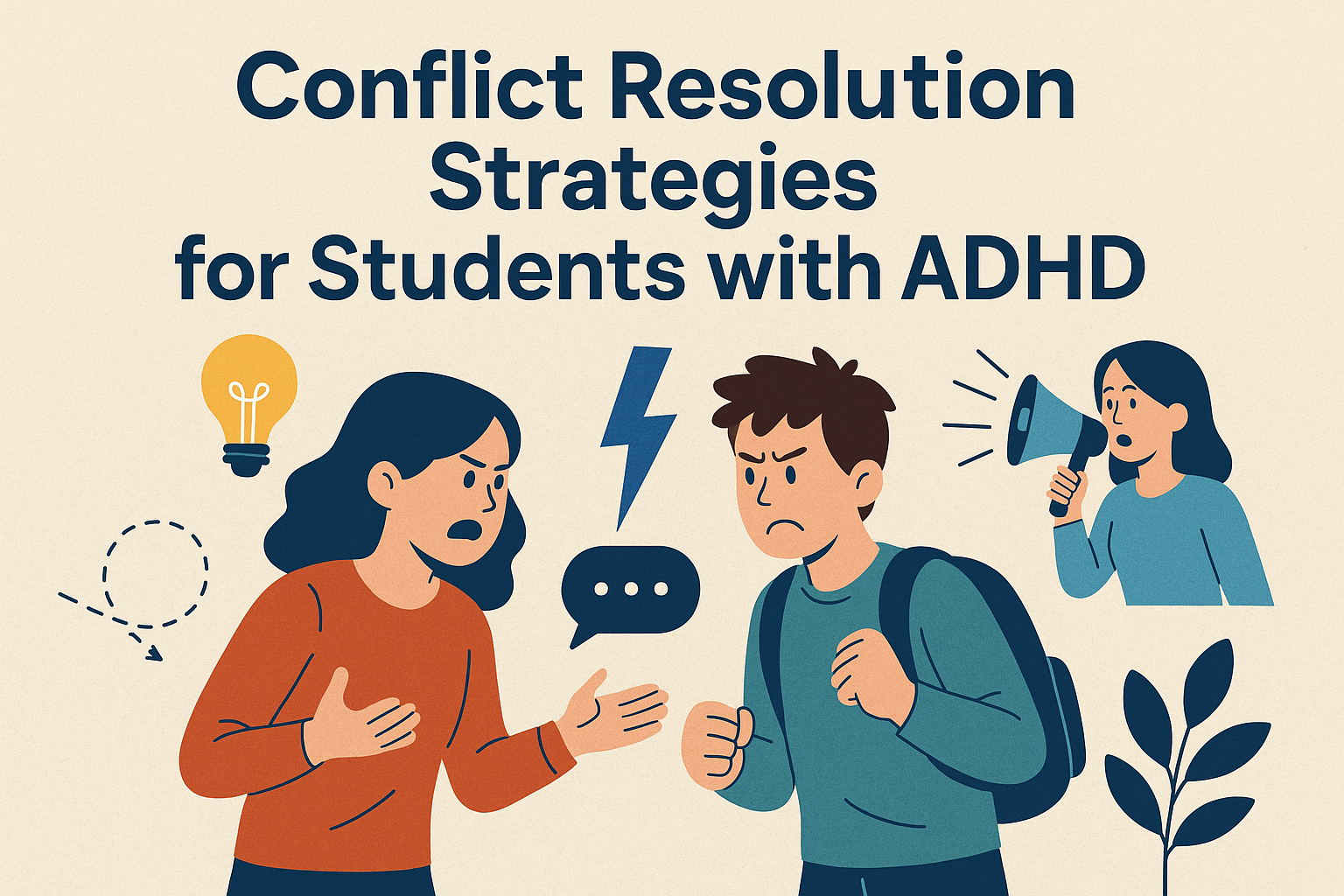
Conflict is a part of life, especially in the dynamic environment of schools where students interact daily. For students with Attention Deficit Hyperactivity Disorder (ADHD), these conflicts can be more pronounced due to impulsivity, emotional dysregulation, and challenges in social communication. Understanding and implementing effective ADHD conflict resolution strategies is crucial not only for students with ADHD but also for their peers, teachers, and caregivers. This article delves into practical, research-backed strategies to aid students in managing conflict, fostering better relationships, and promoting a harmonious school environment.
Understanding ADHD and Its Impact on Conflict
ADHD is a neurodevelopmental disorder affecting millions of children and often continuing into adulthood. Characterized by inattentiveness, hyperactivity, and impulsivity, ADHD manifests differently in each individual. These symptoms can lead to misunderstandings and conflicts with peers, teachers, and family members. For example:
- Impulsivity: Students with ADHD may react quickly without considering consequences, leading to conflicts.
- Difficulty in Emotional Regulation: Emotional outbursts can result from frustration or misunderstandings.
- Social Skills Challenges: Difficulty understanding social cues can lead to misinterpretations in interactions.
These factors highlight the importance of tailored conflict resolution strategies that equip students with the skills they need to navigate their social landscapes.
Key ADHD Conflict Resolution Strategies
Implementing effective ADHD conflict resolution strategies requires a multi-faceted approach. Here are seven strategies that can help students resolve conflicts constructively:
1. Active Listening Techniques
Active listening is crucial in resolving conflicts. For students with ADHD, specifically, it can help them focus on the speaker, minimizing distractions. Techniques include:
- Focusing on the Speaker: Encourage students to maintain eye contact and nod to show understanding.
- Rephrasing: Students should repeat what they heard in their own words to confirm understanding.
- Asking Clarifying Questions: This encourages deeper understanding and shows engagement.
Practicing active listening can transform how students perceive and react to conflicts, allowing for more thoughtful responses.
2. Emotional Regulation Skills
Students with ADHD often struggle with emotional dysregulation. Teaching them how to manage their emotions can prevent conflicts from escalating. Some strategies include:
- Mindfulness Exercises: Practices such as deep breathing or visualization can help students calm down before engaging in a conflict.
- Identifying Triggers: Students should learn to recognize situations that provoke strong emotions and plan how to handle them.
- Using ‘I’ Statements: Encourage students to express their feelings without blaming others. For example, saying “I feel upset when…” can reduce defensiveness.
By learning to regulate their emotions, students are less likely to react impulsively in conflicts and more likely to communicate effectively.
3. Problem-Solving Skills
Conflict often arises from unmet needs or disagreements. Equipping students with problem-solving skills allows them to tackle conflicts head-on. This can involve:
- Identifying the Problem: Help students clearly define the issue at hand. What is the disagreement about?
- Generating Solutions: Encourage brainstorming multiple solutions without judgment. This fosters creativity and collaboration.
- Evaluating Solutions: Students should consider the potential outcomes of each solution before deciding on the best course of action.
This structured approach not only helps in resolving conflicts but also improves critical thinking skills. (See: Facts about ADHD from CDC.)
4. Role-Playing Scenarios
Role-playing is an engaging way to practice conflict resolution strategies. It allows students to explore different perspectives and responses in a controlled environment. Teachers can facilitate role-playing by:
- Creating Realistic Scenarios: Develop scenarios relevant to students’ experiences, such as disagreements over group projects.
- Encouraging Empathy: Ask students to switch roles and express their feelings as the opposing party. This builds empathy and understanding.
- Debriefing: Discuss what worked and what didn’t after the role-play, reinforcing learning.
Through role-playing, students can practice their skills and build confidence in handling real-life conflicts.
5. Seeking Mediation
Sometimes, conflicts become too challenging for students to resolve on their own. In such cases, seeking mediation from an adult—like a teacher or counselor—can be beneficial. Reasons include:
- Neutral Perspective: An adult can provide an unbiased viewpoint, helping to clarify misunderstandings.
- Structured Environment: Mediation creates a safe space for students to express their concerns without fear of retaliation.
- Conflict Resolution Framework: Adults can guide students through the resolution process, ensuring all voices are heard.
Encouraging students to seek help when needed empowers them and reinforces the idea that it’s okay to ask for support.
6. Building Self-Esteem
Low self-esteem is common among students with ADHD, which can exacerbate conflicts. Building self-esteem can lead to better conflict resolution outcomes. Strategies include:
- Positive Reinforcement: Acknowledge students’ efforts and successes, no matter how small.
- Fostering Strengths: Encourage participation in activities where the student excels. This boosts confidence and social skills.
- Setting Achievable Goals: Help students set realistic goals and celebrate their achievements, promoting a sense of accomplishment.
When students feel good about themselves, they’re more likely to engage positively with peers and resolve conflicts constructively.
The Role of Educators and Parents
Educators and parents play a crucial role in supporting students with ADHD as they navigate conflicts. Their involvement can significantly influence the effectiveness of the ADHD conflict resolution strategies implemented. Here’s how they can help:
1. Creating a Supportive Environment
Both teachers and parents should cultivate a supportive environment that encourages open communication. This includes:
- Establishing Trust: Students should feel safe expressing their feelings and concerns without fear of judgment.
- Modeling Conflict Resolution: Adults should demonstrate healthy conflict resolution in their interactions, providing students with a real-life framework to emulate.
- Encouraging Collaboration: Foster opportunities for collaborative projects, allowing students to practice teamwork and conflict resolution skills.
A supportive environment nurtures students’ abilities to manage conflicts effectively and develop social skills.
2. Collaborating with Specialists
In some cases, it may be beneficial to collaborate with mental health professionals or ADHD specialists. Their expertise can provide additional strategies tailored to the unique needs of students. Collaboration might include: (See: Understanding ADHD from NIH.)
- Developing Individualized Education Plans (IEPs): For students with significant challenges, IEPs can outline specific conflict resolution strategies and support systems.
- Workshops and Training: Attend workshops on ADHD and conflict resolution to equip parents and educators with effective techniques.
- Regular Check-Ins: Establish a routine of check-ins to discuss progress and any ongoing conflicts.
Collaboration with specialists ensures that students receive the most effective support in managing conflicts.
Current Trends and Considerations
As society becomes increasingly aware of ADHD and its implications, new trends in conflict resolution strategies are emerging. Some noteworthy considerations include:
1. Emphasis on Social-Emotional Learning (SEL)
Social-emotional learning programs are gaining traction in schools, integrating conflict resolution strategies into the curriculum. These programs focus on teaching emotional intelligence, empathy, and communication skills. The incorporation of SEL can:
- Foster Inclusivity: Create a classroom culture where all students feel valued and understood.
- Enhance Academic Performance: A positive emotional environment correlates with better academic outcomes.
- Reduce Behavioral Issues: By equipping students with the tools to resolve conflicts, schools can decrease the frequency of disruptive behaviors.
As SEL becomes more standard, students with ADHD will benefit from these frameworks that promote healthy relationships and conflict resolution.
2. Digital Tools and Resources
With the rise of technology, various digital tools are emerging to assist students with ADHD in conflict resolution. Apps and online resources can help students practice skills like emotional regulation and communication. Notable resources include:
- Mindfulness Apps: Tools like Headspace or Calm provide guided meditations and breathing exercises.
- Communication Platforms: Platforms designed for students to express feelings and concerns in a safe, anonymous way can help alleviate anxiety before conflicts arise.
- Educational Games: Interactive games that teach social skills and problem-solving can engage students while providing essential skills.
By integrating technology into conflict resolution strategies, students with ADHD can find innovative ways to manage their emotions and relationships. This builds on modifications for ADHD students.
Frequently Asked Questions (FAQ)
What are the signs that a student with ADHD might be struggling with conflict resolution?
Signs can include frequent misunderstandings with peers, emotional outbursts during disagreements, difficulty maintaining friendships, or consistently blaming others for conflicts. Teachers and parents should pay attention to these behaviors as indicators that the student may benefit from conflict resolution strategies.
How can teachers help students with ADHD develop conflict resolution skills?
Teachers can help by integrating conflict resolution discussions into the classroom, providing structured opportunities for students to practice these skills through role-playing, and modeling effective conflict resolution techniques during interactions. Establishing a clear framework for conflict resolution can also guide students through the process.
Are there specific resources available for parents of children with ADHD?
Yes, many resources cater to parents, including books, online forums, and local support groups. Organizations like CHADD (Children and Adults with Attention-Deficit/Hyperactivity Disorder) offer extensive resources, training sessions, and workshops specifically designed to help parents support their children effectively.
What role does self-awareness play in conflict resolution for students with ADHD?
Self-awareness is critical as it helps students recognize their own triggers and emotional responses during conflicts. When students understand their feelings and behaviors, they can better manage their impulses and communicate more effectively. Teaching self-awareness can lead to improved decision-making and conflict management.
How can parents support their child’s use of conflict resolution strategies at home?
Parents can support their children by encouraging open communication, practicing active listening, and discussing conflicts that arise. They should also model appropriate conflict resolution behaviors and reinforce the strategies their child is learning at school, creating a consistent approach between home and school.
Additional Strategies for Conflict Resolution
In addition to the previously mentioned strategies, here are a few more that can enhance conflict resolution skills for students with ADHD:
1. Journaling for Reflection
Encouraging students to maintain a journal can help them process their thoughts and feelings after a conflict. Writing about their experiences can promote self-reflection, allowing them to understand their emotions better and identify patterns in their behavior. Over time, this practice can lead to improved emotional regulation and conflict management.
2. Teaching Negotiation Skills
Negotiation is a crucial aspect of conflict resolution. Students can benefit from learning how to negotiate effectively, which includes understanding both their needs and those of their peers. Techniques such as finding common ground or offering compromises can lead to more amicable resolutions and help develop collaborative skills.
3. Utilizing Visual Aids
Visual aids, like charts or infographics, can help students understand the steps involved in conflict resolution. When they can see a clear visual representation of the process, it may be easier for them to follow through. For example, a flowchart outlining steps like identifying the issue, discussing feelings, and brainstorming potential solutions can serve as a handy reference during conflicts.
Conclusion
Conflict resolution is a vital skill for all students, but it holds particular importance for those with ADHD. By understanding and implementing effective ADHD conflict resolution strategies, students can enhance their interpersonal skills, reduce stress, and build healthier relationships. Armed with practical techniques—like active listening, emotional regulation, and problem-solving—students can face conflicts with confidence. Support from educators and parents further underscores the importance of a collaborative approach in fostering a nurturing environment. As we continue to develop new strategies and tools, it’s crucial to remain adaptive and responsive to the unique needs of students with ADHD, ensuring that they can thrive socially and academically.
“`
Trending Now
Frequently Asked Questions
What are effective conflict resolution strategies for students with ADHD?
Effective conflict resolution strategies for students with ADHD include active listening techniques, emotional regulation practices, role-playing scenarios, and social skills training. These approaches help students manage impulsivity and improve their interactions with peers, ultimately fostering a more harmonious school environment.
How does ADHD affect conflict resolution in students?
ADHD can impact conflict resolution by causing impulsivity, emotional dysregulation, and difficulties in understanding social cues. These challenges may lead to misunderstandings and conflicts, making it essential to implement tailored strategies that help students navigate their interactions more effectively.
What role does emotional regulation play in resolving conflicts for ADHD students?
Emotional regulation is crucial for students with ADHD as it helps them manage their emotional responses during conflicts. By learning to recognize and control their feelings, students can respond more thoughtfully rather than impulsively, leading to more constructive conflict resolution.
How can active listening improve conflict resolution for ADHD students?
Active listening improves conflict resolution for ADHD students by helping them focus on the speaker and reducing distractions. This technique encourages better understanding and communication, allowing students to process information more effectively and respond appropriately in conflict situations.
What social skills strategies can help students with ADHD resolve conflicts?
Social skills strategies for students with ADHD include practicing empathy, learning to recognize social cues, and engaging in role-playing exercises. These strategies enhance their ability to interpret interactions, reducing misunderstandings and promoting healthier relationships with peers.
Agree or disagree? Drop a comment and tell us what you think.



