

“`html
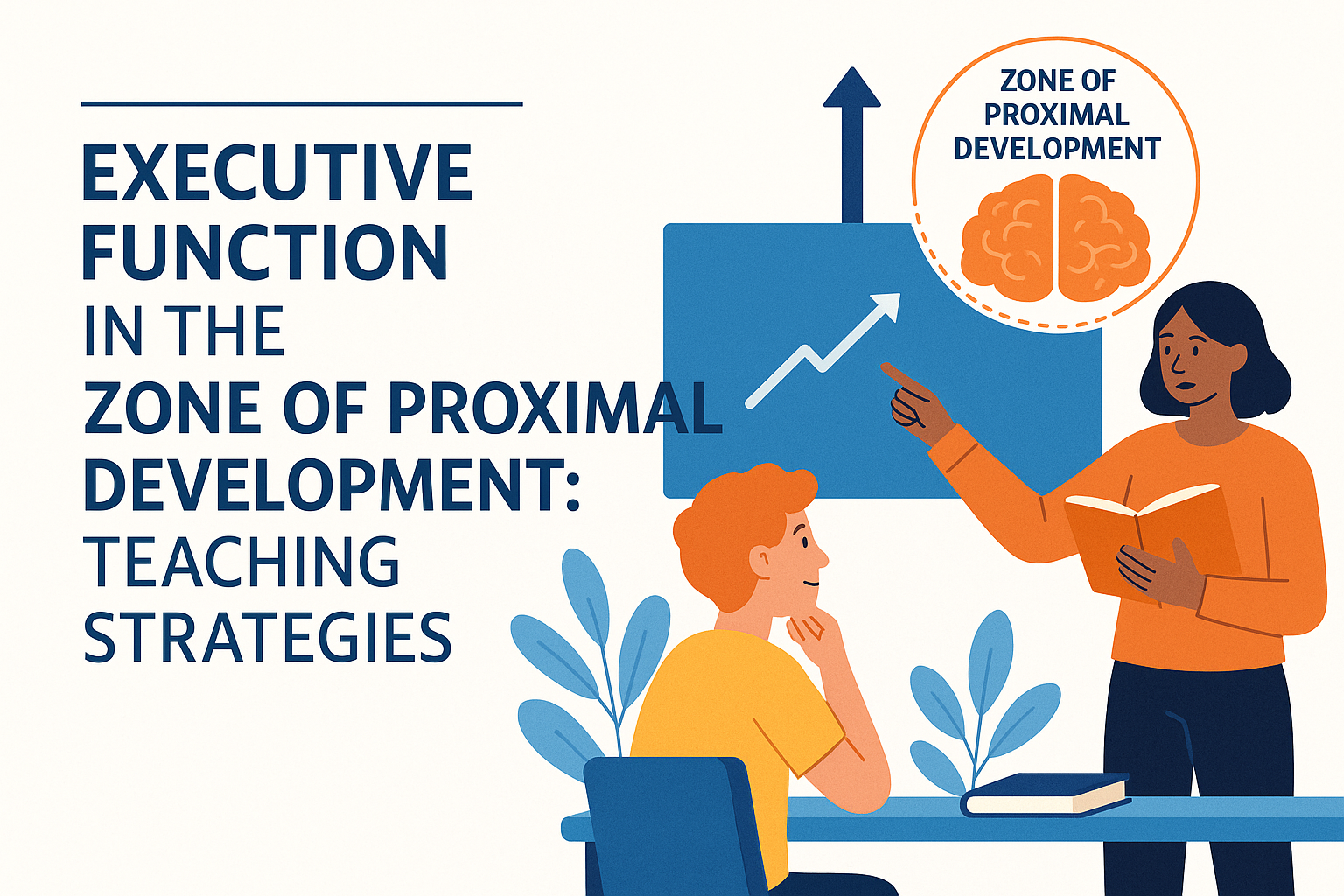
Understanding executive function is crucial for educators looking to enhance their teaching methodologies. It’s not just about what students learn; it’s about how they learn, and executive functions play a key role in this process. Rooted in cognitive neuroscience, executive functions refer to a set of mental skills that include working memory, cognitive flexibility, and inhibitory control. These functions enable students to plan, focus attention, remember instructions, and juggle multiple tasks successfully. To harness these skills in the classroom, it’s vital to recognize their relationship with the Zone of Proximal Development (ZPD), a concept introduced by psychologist Lev Vygotsky. In this article, we’ll explore executive function teaching strategies that can effectively bridge the gap between what students can do independently and what they can achieve with guidance.
Defining Executive Function and Its Importance
Executive function is not a single skill but a cluster of cognitive processes that are essential for achieving goals. These include:
- Working Memory: The ability to hold and manipulate information in mind.
- Cognitive Flexibility: The capacity to switch between thinking about two different concepts or to think about multiple concepts simultaneously.
- Inhibitory Control: The skill to suppress impulsive responses and control one’s attention.
These skills are foundational for academic success, influencing everything from reading comprehension to problem-solving abilities. Students with strong executive functioning can manage their time effectively, stay organized, and approach tasks strategically. Conversely, difficulties in these areas can lead to challenges in school and life, including issues with attention, emotional regulation, and social interactions.
The Zone of Proximal Development Explained
The ZPD is a central idea in Vygotsky’s theories of cognitive development. It describes the range of tasks that a learner can perform with the help of a more knowledgeable other (e.g., a teacher, peer, or mentor) but cannot yet accomplish independently. This concept encourages educators to identify the sweet spot where they can offer support tailored to the student’s current level of understanding, allowing them to progress toward greater independence.
By aligning executive function teaching strategies within the ZPD, educators can create a supportive environment that fosters skill development. For instance, if a student struggles with organizing their thoughts for an essay, a teacher can scaffold the process by providing graphic organizers or modeling how to outline their ideas before writing.
Effective Executive Function Teaching Strategies
To support students in developing their executive functions within the ZPD, educators can implement several strategies that promote engagement, self-regulation, and critical thinking.
1. Scaffolding and Structured Support
Scaffolding involves breaking down tasks into manageable steps while providing guidance and support at each stage. This approach helps students gradually take on more responsibility for their learning. For instance, when introducing a complex project, a teacher might:
- Model the task: Demonstrate how to approach the project, including brainstorming, outlining, and drafting.
- Provide templates: Offer graphic organizers or checklists to help students structure their work effectively.
- Use guided practice: Allow students to work in pairs or small groups to discuss their ideas and receive feedback before completing the task independently.
By scaffolding instruction, students can build confidence in their abilities and gradually develop their executive function skills. (See: Wikipedia on Executive Function.)
2. Incorporating Technology Wisely
With the rise of digital tools in education, technology can be a double-edged sword. While it offers numerous resources to support learning, it can also be a source of distraction. To leverage technology effectively, educators should:
- Select appropriate tools: Use apps and programs designed to enhance executive function, such as task management tools, calendars, and note-taking applications.
- Limit distractions: Set clear guidelines for technology use during class activities to maintain focus and minimize off-task behavior.
- Encourage self-monitoring: Teach students to use technology to track their progress and set reminders for tasks, helping them develop self-regulation skills.
When used thoughtfully, technology can enhance executive function teaching strategies and empower students to take charge of their learning. (scaffolding in reading)
3. Promoting Self-Regulation through Mindfulness
Self-regulation is a critical component of executive function. Mindfulness practices can support students in developing this skill by teaching them to focus their attention and manage their emotions. Educators can integrate mindfulness into the classroom through:
- Mindful moments: Start or end the day with a few minutes of deep breathing or guided meditation to help students center themselves.
- Reflection activities: Encourage students to reflect on their learning and emotions through journaling or group discussions.
- Stress management techniques: Teach coping strategies, such as visualization or positive self-talk, to help students navigate challenging situations.
By fostering self-regulation through mindfulness, educators create a more conducive learning environment and enhance students’ executive function capabilities.
Real-World Applications of Executive Function Teaching Strategies
Implementing executive function teaching strategies in the classroom is not just theoretical; there are numerous real-world applications that demonstrate their effectiveness. Schools have found innovative ways to integrate these strategies into curricula, leading to improved student outcomes.
For example, a middle school in Chicago implemented a program focused on executive function skills. By incorporating structured routines, such as daily planners and goal-setting sessions, teachers noticed a marked improvement in students’ organizational skills and overall academic performance. This approach not only enhanced classroom behavior but also empowered students to take ownership of their learning.
Similarly, many high schools are utilizing project-based learning (PBL) to foster executive function skills. PBL requires students to plan, execute, and reflect on their projects, thus engaging multiple executive functions simultaneously. By working in groups, students can also strengthen their collaboration and communication skills, further enhancing their learning experience.
Current Relevance: The Impact of Executive Function on Diverse Learners
In today’s diverse classrooms, understanding and addressing executive function is more critical than ever. Students come with a wide array of backgrounds and experiences, which can influence their executive function skills. For instance, learners with attention disorders like ADHD often struggle with executive functioning, making tailored teaching strategies essential.
Research indicates that specific interventions can boost executive function in these learners. Programs that emphasize explicit instruction, frequent feedback, and personalized support have shown positive effects on student engagement and achievement. Furthermore, educators must recognize cultural and socioeconomic factors that may affect executive function development, ensuring that all students receive equitable opportunities to succeed. (See: CDC on Executive Function and Learning.)
Partnering with Families to Strengthen Executive Function Skills
Collaboration between educators and families can significantly enhance the effectiveness of executive function teaching strategies. By engaging families in the learning process, teachers can create a more supportive network for students. Here are a few ways to foster this partnership:
- Communicate regularly: Keep parents informed about their child’s progress and offer suggestions for how they can support executive function skills at home.
- Host workshops: Organize sessions that educate families about executive function and provide practical strategies for reinforcement.
- Encourage goal-setting: Involve families in helping students set realistic academic and personal goals, promoting accountability and motivation.
When families are actively involved, students are more likely to practice executive function skills consistently and see positive results in their academic journeys.
Practical Tips for Implementing Executive Function Teaching Strategies
As you start to incorporate these executive function teaching strategies, here are some practical tips to help you along the way:
- Start Small: Begin with one or two strategies that resonate most with your teaching style. Gradually introduce more as you become comfortable.
- Be Consistent: Consistency is key in teaching executive function skills. Regularly reinforce the strategies you implement, providing students with the opportunity to practice and refine their skills.
- Adjust as Needed: Every classroom is unique. Be open to adjusting your strategies based on what works best for your students. Solicit feedback from them to understand what they find helpful or challenging.
- Celebrate Progress: Acknowledge and celebrate small successes. This encourages students to continue practicing and developing their executive function skills.
Common Challenges in Executive Functioning and Solutions
Despite the importance of executive function skills, many students face challenges in developing them. Here are some common hurdles along with potential solutions:
- Procrastination: Many students struggle with starting tasks. Encourage the use of timers and breaks. Setting small goals for each session can also help them beat procrastination.
- Organization Issues: Students often find it hard to keep track of materials and assignments. Implementing a clear organizational system, such as color-coded folders, can simplify this process.
- Difficulty in Emotional Regulation: Some students may react emotionally to setbacks. Teaching calming techniques, like deep breathing or counting to ten, can provide them with tools to manage their responses effectively.
FAQs about Executive Function Teaching Strategies
What age can executive function skills start to be taught?
Executive function skills can begin developing in early childhood. However, explicit teaching of these skills is most beneficial during elementary and middle school years as students encounter more complex tasks and responsibilities.
Can executive function skills improve with practice?
Absolutely! Just like any other skill, executive function abilities can improve with consistent practice and reinforcement. Structured teaching strategies and regular opportunities to apply these skills can lead to significant growth.
How can I assess a student’s executive function skills?
Assessment can be done through observations, checklists, and performance tasks. Tools such as the Behavior Rating Inventory of Executive Function (BRIEF) can provide valuable insights into a student’s executive function abilities.
Are there specific resources for teaching executive function skills?
Yes, there are many resources available including books, online courses, and toolkits designed for educators. Websites like Understood.org provide excellent insights and strategies for teaching executive function skills. (See: NIH on Executive Function in Learning.)
Strategies for Different Learning Environments
It’s essential to adapt executive function teaching strategies to suit various learning environments. Whether you’re in a traditional classroom, a virtual setting, or a hybrid model, flexibility is key. For instance:
- In-person classrooms: Utilize physical tools such as color-coded folders or visual schedules that students can interact with directly.
- Virtual learning: Use digital platforms that allow for real-time collaboration and feedback. Tools like Google Docs can facilitate group work and keep everyone accountable.
- Hybrid models: Create a blend of both in-person and online strategies. Encourage students to use physical organizers at home while implementing digital tools in the classroom.
This adaptability not only fosters executive function but also prepares students for a variety of future environments.
Expert Insights on Executive Function Development
Experts in cognitive psychology and education emphasize the importance of nurturing executive function skills. Dr. Adele Diamond, a leading researcher in the field, highlights that “executive functions are highly trainable.” She advocates for play-based learning as an effective way to develop these skills in young children. Similarly, Dr. Philip Zelazo underscores the significance of emotional and social factors in executive function development, suggesting that emotional support from educators can enhance students’ ability to focus and regulate their behavior.
Listening to experts and applying their research can help educators refine their strategies and better support students in developing executive functions.
Conclusion: The Path Forward
Incorporating executive function teaching strategies within the Zone of Proximal Development offers a rich opportunity for educators to foster student growth. By understanding the intricacies of executive function, employing effective teaching techniques, and collaborating with families, educators can nurture the essential skills that students need to succeed. The outcomes are promising: improved academic performance, enhanced self-regulation, and increased confidence. As we move forward in the ever-changing landscape of education, let’s commit to prioritizing executive function in our teaching practices and empowering all learners to reach their full potential. For more on this, see working memory activities.
“`
Trending Now
Frequently Asked Questions
What is executive function in education?
Executive function in education refers to a set of cognitive processes, including working memory, cognitive flexibility, and inhibitory control, essential for learning. These skills help students plan, focus, remember instructions, and manage multiple tasks, significantly impacting their academic success.
How does executive function relate to the Zone of Proximal Development?
Executive function is closely related to the Zone of Proximal Development (ZPD) as it influences how students can learn with support. Understanding and enhancing executive functions allows educators to effectively bridge the gap between what students can do independently and what they can achieve with guidance.
What are strategies to improve executive function in students?
Strategies to improve executive function include teaching organizational skills, using visual aids, breaking tasks into manageable steps, and providing opportunities for practice and feedback. These approaches help students develop crucial cognitive skills necessary for academic success.
Why is executive function important for academic success?
Executive function is vital for academic success as it enables students to manage their time, stay organized, and approach tasks strategically. Strong executive functioning skills enhance reading comprehension, problem-solving abilities, and overall learning outcomes.
What are the components of executive function?
The components of executive function include working memory, which allows for holding and manipulating information; cognitive flexibility, enabling the switching of thoughts between concepts; and inhibitory control, which helps suppress impulsive responses and maintain focus.
What’s your take on this? Share your thoughts in the comments below — we read every one.



