
“`html
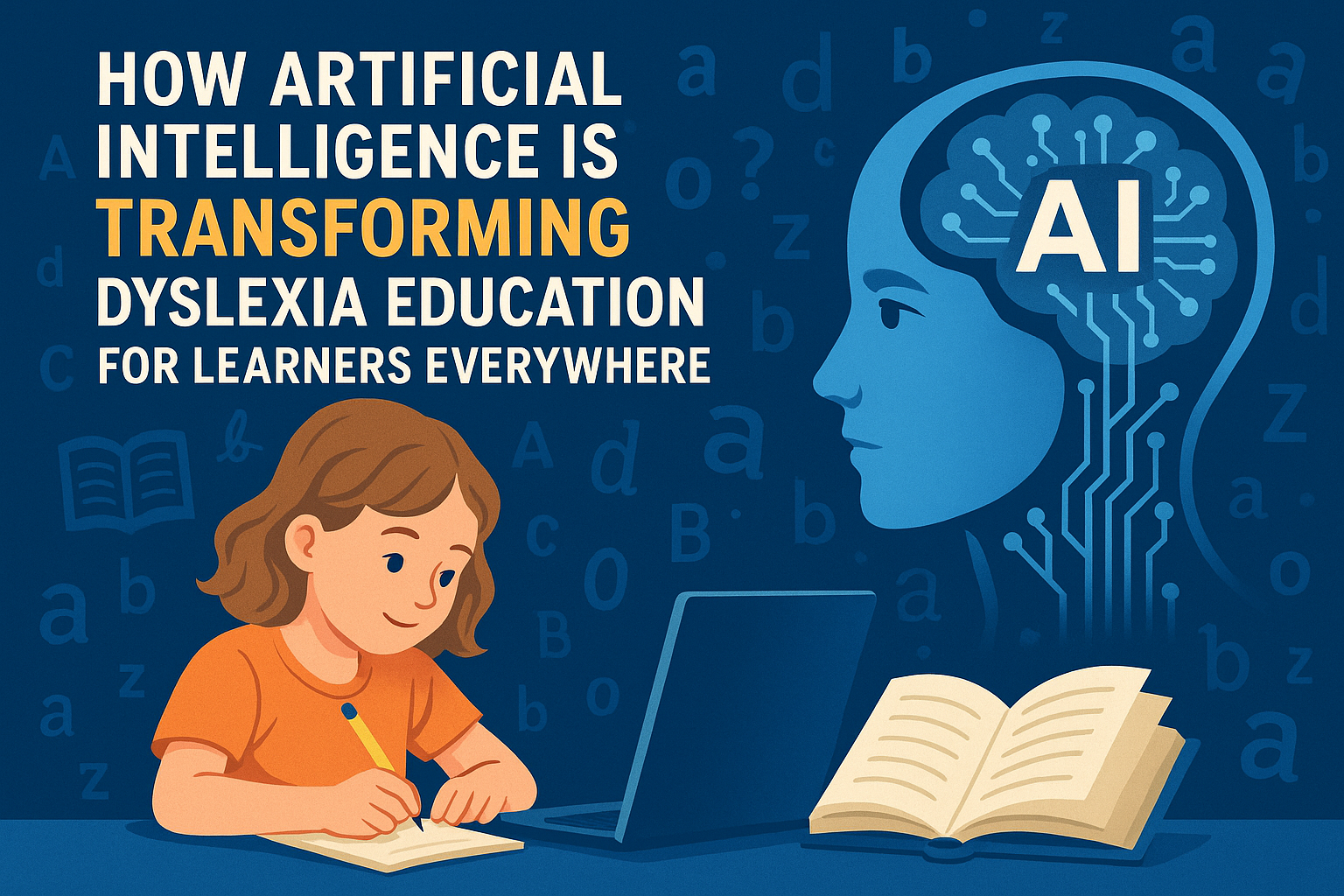
In recent years, artificial intelligence (AI) has leaped from the realm of science fiction into our everyday lives, and its impact is being felt in various fields, including education. For learners with dyslexia and other reading challenges, AI offers a promising avenue for support and improvement. This article explores how artificial intelligence dyslexia education is reshaping learning experiences, addresses the tools available, and raises essential questions about effectiveness and equity in the classroom.
The Rise of AI in Education
The integration of artificial intelligence in education reflects a broader trend towards personalized learning. AI tools analyze student performance and tailor educational content to meet individual needs. For students with dyslexia, this is particularly significant, as traditional teaching methods often overlook the unique challenges they face. These advanced technologies can enhance reading comprehension, speed, and overall academic performance.
AI’s role in education is not just a passing trend. According to a report by the World Economic Forum, almost 50% of jobs will require reskilling by 2025, accentuating the need for educational systems to adapt swiftly. Tools that leverage artificial intelligence can help students acquire skills necessary for the future job market, especially those who struggle with conventional learning methods.
Understanding Dyslexia and Its Challenges
Dyslexia is a common learning difficulty that primarily affects reading and language processing. It can lead to challenges in reading fluency, decoding words, and comprehending written text. Children with dyslexia often experience frustration and low self-esteem due to their struggles in the classroom. Traditional educational models may not adequately address their needs, leading to a significant gap in learning opportunities.
The International Dyslexia Association estimates that dyslexia affects approximately 15-20% of the population. Given this prevalence, it’s essential to develop effective instructional strategies that cater to diverse learning preferences. Here, AI can be a game-changer, providing tools that help bridge the educational divide.
AI Tools for Supporting Dyslexic Learners
Several AI-powered tools are emerging to assist students with dyslexia. These technologies focus on making reading and writing more accessible and engaging. Notable examples include:
- Text-to-Speech (TTS) Software: Tools like Read&Write and NaturalReader convert written text into spoken words, enabling students to hear rather than read the material. This auditory support can enhance comprehension.
- Speech Recognition Software: Programs such as Dragon NaturallySpeaking allow students to dictate their thoughts, which the software then transcribes into written text. This feature is particularly useful for those who struggle with writing due to dyslexia.
- AI-Powered Learning Platforms: Adaptive learning technologies like Lexia and Orton-Gillingham-based programs adjust their content based on student performance, presenting material at a level that matches each learner’s needs.
- Interactive E-Books: These tools offer multimedia support, such as audio narration alongside text, which can help students grasp complex vocabulary and concepts.
- Gamified Learning Experiences: Platforms like Kahoot! and Quizlet incorporate game elements into learning, fostering engagement and motivation, which can be particularly beneficial for dyslexic students.
These tools not only help reduce barriers but also foster independence among learners. By providing multiple avenues for engagement and comprehension, AI effectively supports the unique learning styles of students with dyslexia.
Personalized Learning Through AI
One of the most significant advantages of using artificial intelligence in dyslexia education is the ability to personalize learning. Through data analytics and machine learning algorithms, AI can tailor educational content to meet individual student needs. This personalization is crucial for those with dyslexia, as it can lead to more effective learning experiences.
For instance, AI can track a student’s progress over time, identifying specific areas where they struggle and adjusting lesson plans accordingly. This dynamic feedback loop allows educators to focus on targeted interventions, providing support where it’s needed most. (See: Understanding dyslexia and its challenges.)
Research shows that students who receive personalized instruction show higher levels of engagement and improved academic outcomes. A study published in The Journal of Educational Psychology found that adaptive learning technologies can lead to a significant increase in reading performance among dyslexic students, illustrating the potential of AI-driven educational strategies.
The Equity Question in AI Education
While the promise of artificial intelligence in dyslexia education is immense, it raises important questions about equity and access. Not all schools have the resources to implement advanced AI tools, which can lead to disparities in educational support for students with dyslexia.
The digital divide is a critical concern: students in low-income areas may lack access to the necessary technology, which can further exacerbate existing inequities in education. The importance of equity in education cannot be overstated. As AI tools continue to develop, it’s vital to ensure that all students, regardless of background, have access to these resources.
Furthermore, the implementation of AI tools must be accompanied by teacher training and supportive policies. Educators need to understand how to effectively use these technologies to create inclusive classrooms. Schools should invest in professional development that equips teachers with the skills to integrate AI into their teaching practices effectively.
Balancing Automation and Human Support
As artificial intelligence continues to evolve, an important consideration is the balance between automated support and human interaction. While AI tools can significantly enhance learning experiences, they shouldn’t replace the essential role of teachers and support staff.
The relationship between educators and students is invaluable, particularly for those with learning differences. Teachers provide emotional support, encouragement, and mentorship that AI simply cannot replicate. Therefore, it’s crucial to strike a balance where AI serves as a complementary tool rather than a substitute for human connection.
For example, while a student may use AI to assist with reading, the teacher can still offer personalized feedback and encouragement, fostering a holistic learning environment. This synergy can enhance the educational experience for dyslexic learners, making it more effective and rewarding.
The Future of AI in Dyslexia Education
The future of artificial intelligence dyslexia education is undoubtedly promising, but it requires ongoing research, development, and collaboration among educators, technologists, and policymakers. Advances in natural language processing and machine learning hold the potential to create even more sophisticated tools that cater to diverse learning needs.
Moreover, as society becomes increasingly aware of the challenges faced by individuals with dyslexia, there will be a greater push for inclusive education systems. Policymakers should work alongside technology developers to ensure that AI tools are designed with accessibility in mind and are available to all students.
In the coming years, we can expect to see more innovative solutions that leverage AI to support not only dyslexic learners but also those with other learning differences. By focusing on collaboration and inclusivity, we can create educational environments where every student has the opportunity to thrive. (See: Facts about dyslexia from the CDC.)
As AI continues to develop, parents, teachers, and students alike must stay informed about the latest tools and techniques. Engaging with these technologies can help mitigate learning barriers and improve educational outcomes.
In this rapidly changing landscape, it’s crucial to remain open to new possibilities while also advocating for equitable access to technology and resources. By doing so, we can harness the power of artificial intelligence to foster an education system that truly supports every learner.
Enhancing Teacher Training with AI
For AI technologies to be effectively integrated into the classroom, teacher training needs to adapt alongside these innovations. While many educators are already familiar with traditional instructional methods, AI presents a new frontier that requires specific training. Professional development programs should encompass the functionalities of various AI tools, allowing teachers to confidently incorporate them into their lesson plans.
For instance, workshops that delve into how to use text-to-speech applications effectively can help teachers demonstrate these tools to students. Additionally, ongoing support is crucial. Teachers should have access to a community of practice, where they can share experiences and strategies for utilizing AI to enhance literacy education for dyslexic learners. Schools that prioritize this kind of training may see greater success in implementing AI-supported learning.
Success Stories of AI in Dyslexia Education
Several case studies highlight the success of AI in supporting dyslexic learners. One compelling example comes from a middle school in California that implemented an AI-based reading program. The school reported a 30% increase in reading fluency among participating students within just one semester. This program utilized adaptive learning algorithms to customize reading materials based on each student’s reading level, making it more engaging and accessible.
Another success story comes from a nonprofit organization that partnered with local schools to introduce speech recognition technology. Students who previously struggled with writing found greater ease in expressing their thoughts, with many reporting increased confidence in their abilities. These narratives underscore the transformative potential of AI tools when applied thoughtfully in educational contexts.
FAQs About Artificial Intelligence in Dyslexia Education
What is dyslexia?
Dyslexia is a specific learning disability that affects the ability to read. It is characterized by difficulties with accurate and/or fluent word recognition and by poor spelling and decoding abilities. These difficulties typically result from a deficit in the phonological component of language.
How can AI help students with dyslexia?
AI can provide personalized learning experiences, offering tools such as text-to-speech and speech recognition software that cater specifically to the needs of dyslexic learners. These technologies can enhance reading comprehension and writing skills, making learning more accessible.
Are AI tools effective for all learners?
While AI tools have shown promise in assisting students with dyslexia, their effectiveness can vary based on individual needs and learning styles. It’s important to assess each student’s unique challenges and use AI tools as part of a broader support strategy.
How can I support my child with dyslexia at home?
Parents can support their children by fostering a positive reading environment, utilizing resources such as audiobooks, and encouraging the use of technology that assists with reading and writing. Open communication with teachers about available tools and strategies can also be beneficial.
What is the future of AI in education?
The future of AI in education looks promising, with continuous advancements likely leading to more sophisticated tools that further personalize learning. As more educators become trained in using AI technologies, we can anticipate a more inclusive educational landscape for all learners, particularly those with dyslexia.
Challenges and Limitations of AI in Dyslexia Education
While the benefits of AI in dyslexia education are substantial, there are challenges and limitations that must be acknowledged. The development of AI tools is often driven by data, and if the data used lacks diversity or is not representative of all learners, the tools might not effectively address the needs of every student. Additionally, there’s the risk of over-reliance on technology, which could undermine important traditional learning methods and interpersonal skills that are developed through face-to-face interactions.
Another concern is the potential for privacy issues surrounding student data. As more educational technologies collect data to personalize learning experiences, safeguarding that information becomes increasingly vital. Parents and educators must advocate for transparency and security in how data is used and stored.
How Parents Can Get Involved
Parents play a crucial role in the success of their children’s education, especially for those with dyslexia. Being informed about artificial intelligence tools and how they work can empower parents to be advocates for their children. Attending workshops and seminars on AI in education can help parents understand the best resources available and how to implement them at home.
Moreover, parents should foster an open dialogue with teachers and school administrators about the tools being used in the classroom. Collaborating with educators to tailor the use of AI tools can help create a supportive environment that addresses each child’s unique challenges. Family involvement can make a significant difference in ensuring that students with dyslexia receive the support they need to succeed.
“`
Trending Now
Frequently Asked Questions
How is artificial intelligence used in dyslexia education?
Artificial intelligence is used in dyslexia education by analyzing student performance and tailoring educational content to meet individual needs. AI tools enhance reading comprehension, speed, and overall academic performance, addressing the unique challenges faced by learners with dyslexia.
What are the benefits of AI for students with dyslexia?
The benefits of AI for students with dyslexia include personalized learning experiences, improved reading fluency, and enhanced comprehension. AI tools can adapt to each student's pace and learning style, providing targeted support that traditional methods may overlook.
What challenges do students with dyslexia face in traditional education?
Students with dyslexia often face challenges such as difficulties in reading fluency, decoding words, and comprehending written text. Traditional educational models may not adequately address these needs, leading to frustration and a significant gap in learning opportunities.
What percentage of the population is affected by dyslexia?
According to the International Dyslexia Association, dyslexia affects approximately 15-20% of the population, highlighting the importance of effective educational strategies and tools to support those learners.
How can AI improve learning outcomes for dyslexic students?
AI can improve learning outcomes for dyslexic students by providing customized learning experiences, enhancing their reading skills, and helping them build confidence. These tools adapt to individual progress, ensuring that students receive the necessary support to succeed academically.
Have you experienced this yourself? We’d love to hear your story in the comments.