
“`html
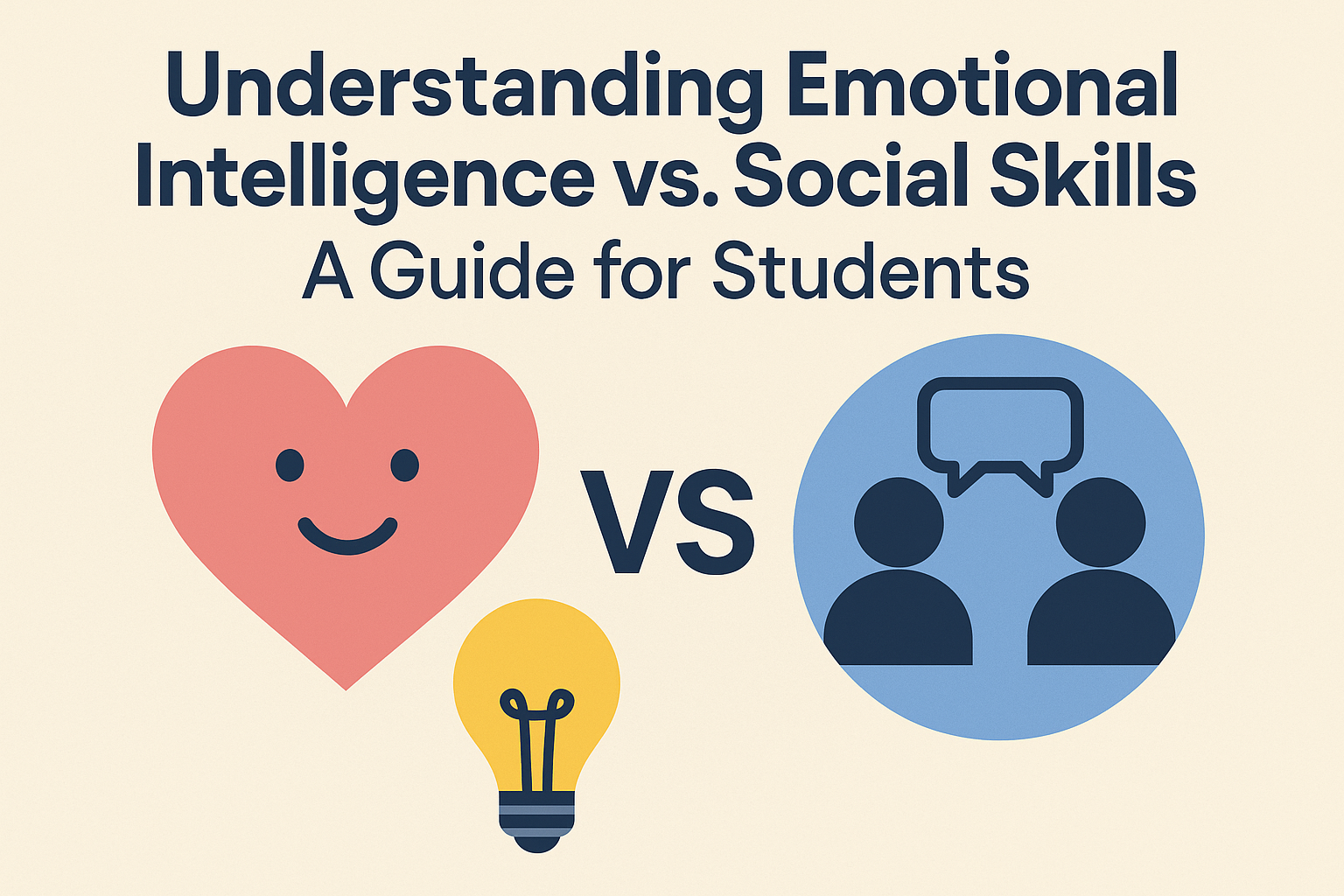
In today’s educational landscape, the concepts of emotional intelligence and social skills have become increasingly important for students. The ability to navigate social interactions and manage one’s emotions is not only crucial for personal development but also for academic success and future career prospects. But what exactly is the difference between emotional intelligence and social skills? In this article, we’ll explore the nuances of emotional intelligence vs social skills and why understanding both can benefit students in profound ways.
1. Defining Emotional Intelligence
Emotional intelligence (EI) refers to the ability to identify, understand, and manage one’s own emotions as well as the emotions of others. According to psychologist Daniel Goleman, who popularized the term in the 1990s, emotional intelligence encompasses five key components: self-awareness, self-regulation, motivation, empathy, and social skills. For students, this means being able to cope with stress, communicate effectively, and empathize with peers.
One of the critical aspects of emotional intelligence is self-awareness. It allows students to recognize their emotional triggers and understand how their feelings affect their behavior and interactions with others. Self-regulation goes hand-in-hand with this; it helps students control their emotional responses, especially in challenging situations. This capability is vital, as it promotes resilience, which is particularly important during the ups and downs of academic life.
2. Understanding Social Skills
On the other hand, social skills are the tools we use to communicate and interact with others effectively. This includes verbal communication, non-verbal cues, active listening, and the ability to work collaboratively. Unlike emotional intelligence, which focuses on understanding and managing emotions, social skills are more about how we express ourselves socially.
For students, strong social skills can lead to better peer relationships, improved teamwork, and enhanced overall learning experiences. They learn to interpret social cues, engage in meaningful conversations, and establish connections with classmates and teachers. The ability to work well in a group, resolve conflicts amicably, and build rapport can significantly enrich a student’s educational journey.
3. Key Differences Between Emotional Intelligence and Social Skills
While emotional intelligence and social skills often overlap, it’s essential to recognize their differences. Emotional intelligence is more about inner awareness and regulation of emotions, while social skills lean toward outward expression and interaction. You can think of emotional intelligence as the foundation—understanding oneself and others emotionally—and social skills as the structure built on that foundation, facilitating effective communication and interaction.
For example, a student with high emotional intelligence might recognize their anxiety before an exam and use self-regulation techniques to calm down. In contrast, a student with excellent social skills might approach their classmates to form a study group, leveraging their ability to communicate and collaborate. While both qualities are interconnected and beneficial, they serve different purposes and require different types of development.
4. Why Both Are Important for Students
The interplay between emotional intelligence and social skills is critical for student success. Schools increasingly emphasize these two areas as they correlate with positive academic outcomes, enhanced peer relationships, and better mental health. In a study published by the Collaborative for Academic, Social, and Emotional Learning (CASEL), students who received social and emotional learning (SEL) training showed improved academic performance, better classroom behavior, and reduced emotional distress. (See: Emotional intelligence on Wikipedia.)
Moreover, emotional intelligence equips students to handle stress and navigate the emotional demands of school life. When they combine this with strong social skills, they can create a supportive network around them. This synergy leads to better collaboration on projects, more constructive feedback, and a shared sense of community, all of which are vital in a school setting.
5. Developing Emotional Intelligence in Students
Fostering emotional intelligence in students can be achieved through various methods, such as mindfulness practices, emotional regulation training, and empathy exercises. Mindfulness, for example, helps students become more aware of their thoughts and feelings, allowing them to process their emotions better. Schools can introduce activities that encourage students to reflect on their emotional states, such as keeping a feelings journal or engaging in guided discussions about emotional experiences.
Additionally, role-playing scenarios can illustrate emotional responses in different situations, providing students with the opportunity to practice empathy and self-regulation in a safe environment. Teachers can facilitate discussions about emotional responses to various situations, helping students articulate their feelings and learn how to respond appropriately.
6. Enhancing Social Skills in Educational Settings
To strengthen social skills among students, collaborative learning activities present an excellent opportunity. Group projects, peer tutoring, and team sports foster an environment where students must communicate, cooperate, and resolve conflicts. Moreover, these activities develop crucial skills like negotiation and compromise, essential for future interactions in both personal and professional contexts.
Schools can also host workshops focused on communication styles, active listening techniques, and conflict resolution strategies. By teaching students how to engage effectively with others, educators provide them with essential tools that will serve them well beyond the classroom. Social skill development is not limited to formal education; informal settings such as clubs and extracurricular activities also offer valuable experiences for honing interpersonal abilities.
7. The Role of Teachers and Parents
Teachers and parents play a vital role in nurturing both emotional intelligence and social skills. Educators can model emotional intelligence in their interactions, demonstrating how to manage emotions under pressure, communicate effectively, and empathize with students. By creating a classroom culture that values emotional awareness and social interaction, teachers lay the groundwork for students to develop these essential skills.
Parents, too, can contribute by encouraging open discussions about feelings and social dynamics at home. Activities like family game nights can enhance both emotional intelligence and social skills. It provides an excellent opportunity for family members to practice communication and problem-solving together in a relaxed setting. By fostering a supportive environment, parents can help their children navigate the complexities of emotional intelligence vs social skills.
8. The Current Relevance of Emotional Intelligence and Social Skills
As we move further into the 21st century, the importance of emotional intelligence and social skills continues to grow. In a job market that increasingly values soft skills, the ability to understand and manage emotions, as well as interact professionally with others, is paramount. Employers are now prioritizing candidates who excel in these areas, recognizing that technical skills alone are not enough for workplace success.
Furthermore, the rise of remote learning and virtual communication during the COVID-19 pandemic has highlighted the need for both emotional intelligence and social skills. Students who can adeptly navigate online interactions and manage the emotional challenges of isolation are better positioned to thrive in today’s educational and professional environments. (See: CDC resources on emotional health.)
In conclusion, while emotional intelligence and social skills may serve different functions, both are essential for students’ overall development. By recognizing the importance of both areas and taking steps to cultivate them, educators and parents can empower students to succeed academically, socially, and emotionally.
9. Real-Life Examples of Emotional Intelligence and Social Skills in Action
To fully appreciate the differences and connections between emotional intelligence and social skills, we can look at some real-life scenarios. Consider a high school student named Sarah who struggles with anxiety during presentations. Her emotional intelligence allows her to recognize her anxiety, understand that it’s normal, and regulate her breathing to calm herself before speaking. However, her social skills kick in when she engages her audience with eye contact and active listening, making her presentation interactive.
Similarly, take the case of a college group project. John, a student with high emotional intelligence, notices that one of his team members, Lisa, seems disengaged. Instead of ignoring it, he uses empathy to understand her feelings, prompting him to ask if she needs help or if there’s something personal affecting her focus. This approach not only aids Lisa but also improves group dynamics, showcasing how emotional intelligence complements social skills for better outcomes.
10. Statistics on Emotional Intelligence and Social Skills
Research indicates that students with high emotional intelligence tend to perform better academically. A study by the University of Illinois found that students with higher EI scores had GPAs that were, on average, 0.6 points higher than their peers with lower EI scores. Similarly, according to a report from the World Economic Forum, emotional intelligence will be among the top 10 job skills by 2025, underscoring its growing importance in education and the workforce.
On the social skills front, a survey conducted by the National Center for Education Statistics revealed that students who engage in teamwork and collaborative projects report 75% more satisfaction in their learning experience compared to those who work independently. This highlights how fostering communication and interpersonal interactions can significantly enhance educational experiences.
11. FAQs: Emotional Intelligence vs Social Skills
What is the primary difference between emotional intelligence and social skills?
Emotional intelligence focuses on understanding and managing emotions, while social skills pertain to how we interact and communicate with others. In essence, EI is about internal processes, and social skills are about external interactions.
Can you improve emotional intelligence and social skills simultaneously?
Yes! Programs that focus on social and emotional learning (SEL) simultaneously address both areas, providing students with the tools they need to develop emotional awareness and effective communication skills together.
How can schools integrate emotional intelligence and social skills training into their curriculum?
Schools can incorporate SEL into their curriculum through workshops, interactive activities, and cross-disciplinary projects that emphasize both emotional understanding and social collaboration. Classes focusing on psychology, ethics, and communication can serve as platforms for this integration.
Are emotional intelligence and social skills equally important in the workplace?
Absolutely. Employers increasingly value both emotional intelligence and social skills as key components for team dynamics, leadership, and overall workplace success. A balance of both can lead to better workplace relationships and enhanced productivity.
What role does practice play in developing emotional intelligence and social skills?
Practice is crucial. Engaging in real-world interactions, participating in group activities, and reflecting on emotional experiences can help students strengthen their emotional intelligence and social skills over time, leading to more proficient handling of social situations.
12. Practical Tips for Students to Enhance Emotional Intelligence and Social Skills
Students can take several practical steps to enhance their emotional intelligence and social skills. One effective way is to engage in reflective practices, like journaling about daily interactions. This can help students analyze their emotions and responses, promoting self-awareness.
Another strategy involves seeking feedback from peers and teachers about social interactions. Constructive criticism can provide insights into areas for improvement, such as listening skills or how to express oneself more clearly. Additionally, students should practice empathy by volunteering or participating in community service. Helping others can significantly boost emotional awareness and social skills by exposing students to varying perspectives and experiences.
13. Future Prospects of Emotional Intelligence and Social Skills in Education
The future of education will likely see an even greater emphasis on emotional intelligence and social skills. With advancements in technology and a rapidly changing job market, educators are recognizing the need to prepare students for collaboration in diverse environments. Schools may implement more comprehensive SEL programs, integrating emotional and social development across all subjects. As educators adapt to new teaching methods and technologies, fostering these competencies will become even more essential for cultivating well-rounded individuals equipped for life’s challenges.
“`
Trending Now
- our breakdown of join the land geek as head of sales education: empower others through land investing
- read the full story
- How Attachment Theory Shapes Childhood Resilience:…
- this guide on 7 powerful strategies to build academic resilience in students who struggle
- this guide on 7 proven strategies for fostering student resilience during exam season
Frequently Asked Questions
What is the difference between emotional intelligence and social skills?
Emotional intelligence (EI) refers to the ability to identify and manage one's own emotions and those of others, encompassing self-awareness, self-regulation, motivation, empathy, and social skills. In contrast, social skills focus on effective communication and interaction with others, including verbal and non-verbal cues, active listening, and collaboration.
Why is emotional intelligence important for students?
Emotional intelligence is crucial for students as it helps them cope with stress, communicate effectively, and empathize with peers. By developing EI, students can enhance their resilience, manage emotional responses, and improve their overall academic and social experiences.
How can social skills benefit students?
Strong social skills enable students to communicate effectively, work collaboratively, and build positive relationships. These skills can enhance their academic performance and prepare them for future career opportunities, as they facilitate better interactions in both educational and professional settings.
What are the components of emotional intelligence?
The five key components of emotional intelligence, as defined by psychologist Daniel Goleman, are self-awareness, self-regulation, motivation, empathy, and social skills. Together, these components help individuals understand and manage their emotions and the emotions of others.
Can emotional intelligence be developed in students?
Yes, emotional intelligence can be developed through practice and education. Students can enhance their EI by engaging in activities that promote self-awareness, emotional regulation, and empathy, ultimately leading to better social interactions and academic success.
What did we miss? Let us know in the comments and join the conversation.