

“`html
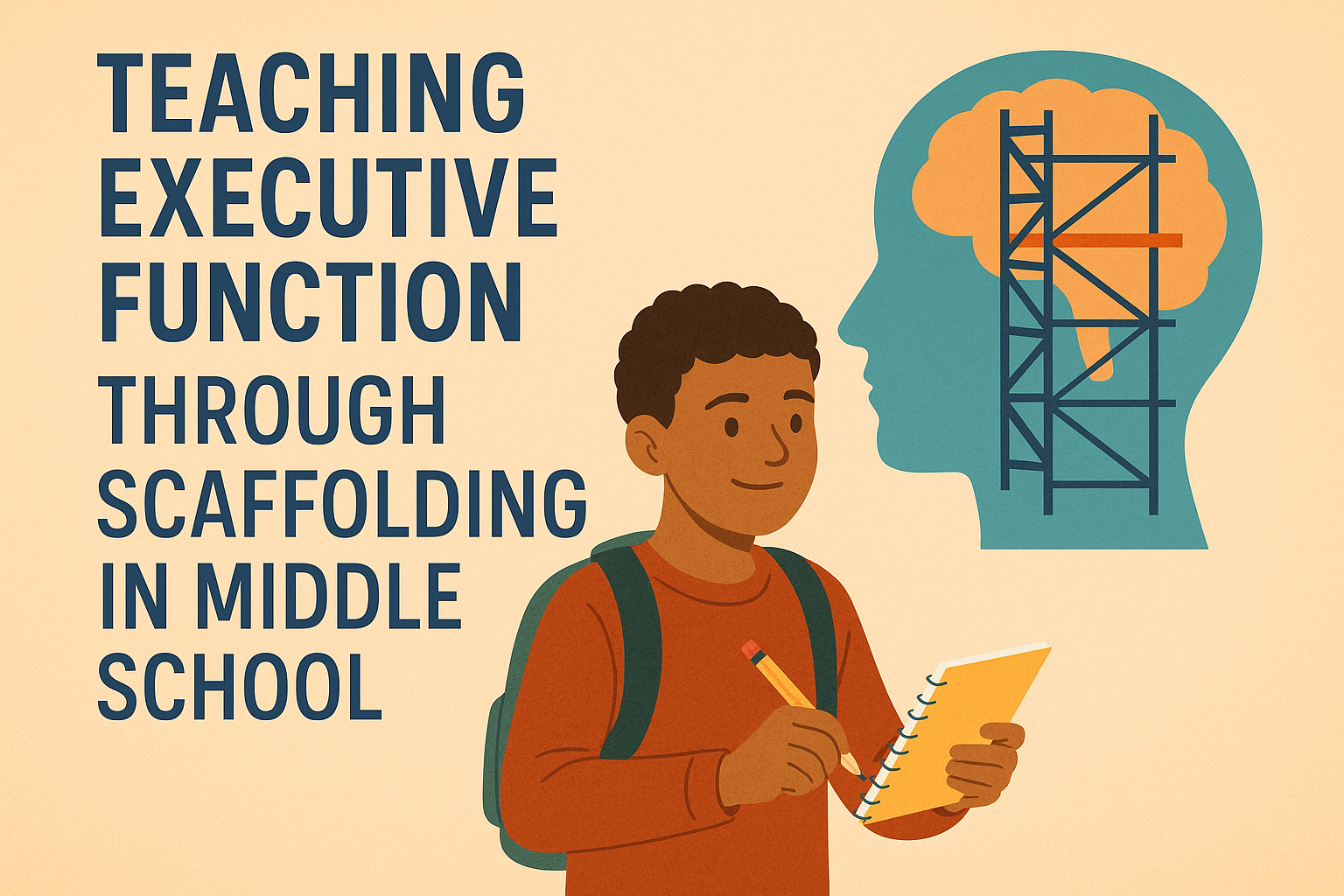
As students transition into middle school, they encounter a myriad of challenges that demand increased independence and responsibility. Among these challenges, developing strong executive function skills is paramount. Executive function scaffolding in middle school serves as a crucial framework for teachers to support adolescents in honing these essential skills. But what exactly does this entail, and how can educators effectively implement these strategies? Let’s explore the significance of executive function, the role of scaffolding, and practical insights for classroom applications.
Understanding Executive Function: A Crucial Skill Set
Before diving into scaffolding techniques, it’s vital to understand what executive function entails. Executive function encompasses a range of cognitive processes including working memory, cognitive flexibility, and inhibitory control. These skills allow students to plan, focus attention, remember instructions, and juggle multiple tasks effectively. In essence, executive function is the mental framework that enables individuals to manage their thoughts and behaviors in pursuit of goals.
Research indicates that students with well-developed executive function skills perform better academically and socially. They tend to have higher grades, better attendance records, and more positive relationships with peers and teachers. Thus, fostering these skills during the middle school years is not just beneficial but essential for students as they prepare for high school and beyond.
The Concept of Scaffolding: Building Support for Learning
Scaffolding is a teaching method that involves providing temporary support to students as they engage in new tasks and concepts. This support is gradually removed as students gain independence and confidence in their abilities. The concept, originally rooted in Vygotsky’s sociocultural theory, emphasizes the importance of social interactions and guided learning.
In the context of executive function, scaffolding can take various forms. It can be tailored to meet the individual needs of students, addressing specific areas where they may struggle. For example, if a student has difficulty with organization, a teacher might help them develop a structured planner, guiding them in how to prioritize tasks and manage their time effectively.
Why Scaffolding Executive Function is Vital in Middle School
Middle school is a time of significant developmental change. As students grow older, the demands on their executive function skills increase. They are expected to manage more complex assignments, collaborate with peers, and assume greater responsibility for their learning. This transition can be overwhelming, particularly for students who may already struggle with executive function skills.
By incorporating executive function scaffolding into the curriculum, educators can help students develop the skills they need to succeed. This scaffolding not only supports academic achievement but also promotes self-regulation, critical thinking, and emotional intelligence. Moreover, students who receive targeted support in developing their executive function skills are better equipped to face the challenges of adolescence and beyond, leading to more positive life outcomes.
Practical Strategies for Implementing Executive Function Scaffolding
Here are seven effective strategies for teaching executive function through scaffolding in middle school. Each of these methods can be integrated into daily lesson plans, ensuring that students receive consistent support.
1. Explicit Instruction on Executive Function Skills
Many students are unaware of what executive function skills are or how they impact their daily lives. Providing explicit instruction about these skills can demystify the concepts and empower students. Educators can present lessons focused on specific skills such as organization, time management, or goal-setting. (See: Link between health and academic success.)
For example, a teacher might conduct a workshop where students learn about working memory by engaging in memory games that require them to retain and recall information. This playful approach not only makes learning enjoyable but also reinforces the practical applications of executive function skills in their academic and personal lives.
2. Utilize Visual Aids and Organizational Tools
Visual aids are powerful tools in scaffolding executive function. They provide students with concrete representations of abstract concepts, helping them retain and apply information more effectively. Tools like graphic organizers, checklists, and planners can significantly aid students in organizing their thoughts and tasks.
For instance, a teacher can introduce a color-coded planner that allows students to categorize assignments by urgency and subject. This visual structure not only helps students stay organized but also fosters independence as they learn to track their responsibilities.
3. Model and Teach Self-Monitoring Techniques
Self-monitoring is a critical executive function skill that enables students to evaluate their progress toward goals and adjust their strategies accordingly. Teachers can model self-monitoring techniques by regularly checking in on their own goals and reflecting on their progress in front of students.
Additionally, educators can introduce self-reflection journals where students regularly assess their performance and set new goals. Teaching students to ask questions like “What worked well?” and “What can I improve on next time?” encourages an ongoing dialogue about self-improvement and accountability.
4. Foster a Growth Mindset
A growth mindset—the belief that abilities can be developed through dedication and hard work—plays a significant role in the development of executive function skills. Teachers can create a classroom culture that emphasizes effort, resilience, and the value of learning from mistakes.
Incorporating discussions about famous figures who overcame obstacles through perseverance can inspire students. Celebrating failures as learning opportunities rather than setbacks can help students better understand that executive function skills can be developed over time with practice.
5. Implement Collaborative Learning Opportunities
Working collaboratively with peers provides students with opportunities to practice executive function skills in real-time. Collaborative learning nurtures skills such as communication, problem-solving, and negotiation, which are all components of executive function.
Group projects can be structured with clear roles and responsibilities, guiding students in planning and executing tasks together. For example, a science project can have designated roles such as researcher, designer, and presenter, encouraging students to rely on one another while practicing organization and task management.
6. Create a Structured Classroom Environment
The physical environment can significantly impact a student’s ability to focus and utilize their executive function skills. A well-structured classroom with designated areas for different activities can help students feel organized and reduce distractions.
For instance, creating a quiet corner for focused work, a collaborative space for group activities, and a resource area with essential supplies can empower students to choose the right setting for different tasks. Encouraging students to keep their workspace organized teaches them valuable skills in maintaining an orderly environment. (See: Executive function and learning.) strategies for scaffolding learning offers useful background here.
7. Gradually Release Responsibility
One of the key aspects of effective scaffolding is the gradual release of responsibility. Initially, teachers might take a hands-on approach, closely guiding students through tasks. As students gain confidence and competence, educators can begin to step back, allowing them to take greater ownership of their learning.
This approach not only builds self-efficacy but also reinforces the idea that students are capable of managing their executive function skills independently. For instance, after teaching a specific study strategy, a teacher might initially work through the process with the class before allowing students to apply it on their own in future assignments.
Implementing Executive Function Scaffolding in Today’s Classroom
The importance of executive function scaffolding in middle school cannot be overstated. As educational demands become increasingly rigorous, equipping students with the necessary skills to succeed is crucial. Teachers play a vital role in facilitating this development, utilizing practical strategies to support students in mastering executive function.
A study published in the journal Educational Psychology in Practice found that students who received scaffolding support showed significant improvements in their executive function skills compared to those who did not. These findings underscore the effectiveness of such approaches and highlight the need for educators to consistently implement scaffolding techniques.
Case Studies: Success Stories of Executive Function Scaffolding
To further illustrate the impact of executive function scaffolding, consider the following case studies from various middle schools that have implemented these strategies successfully:
Case Study 1: The Integrated Approach
A middle school in California adopted an integrated approach to executive function scaffolding by incorporating training sessions for teachers. They provided workshops on executive function principles and how to incorporate them into regular lessons. As a result, teachers reported a 30% improvement in student organization and task completion rates over the academic year.
Case Study 2: Peer Mentoring Program
In another example, a school in New York established a peer mentoring program where older students helped younger ones develop executive function skills. This collaborative effort not only improved the mentees’ performance but also enhanced the mentors’ leadership and personal organization skills. Feedback from participants indicated that peer support made learning about executive function engaging and relevant.
Expert Perspectives on Executive Function Scaffolding
Education experts emphasize the importance of scaffolding in developing executive function. Dr. Sarah Johnson, an educational psychologist, notes, “Scaffolding isn’t just about giving students the tools they need; it’s about teaching them how to use those tools effectively. This is especially important in middle school when they are beginning to navigate more complex academic challenges.” Her research indicates that schools embracing this methodology see enhanced student motivation and engagement.
Statistics on Executive Function Development
Recent statistics highlight the significance of fostering executive function skills in middle school. According to a report by the National Center for Learning Disabilities, nearly 1 in 5 students struggle with executive function skills. However, schools that implement structured scaffolding techniques report a remarkable 50% reduction in executive function-related challenges among students.
Frequently Asked Questions (FAQ)
What are executive function skills?
Executive function skills include cognitive processes such as working memory, flexible thinking, and self-control. These skills are essential for planning, organizing, and managing tasks effectively.
How can parents support executive function development at home?
Parents can support executive function development by creating structured routines, encouraging goal-setting, and discussing the importance of organization and time management. Involving children in planning family activities can also provide practical experience.
What are some signs that a student may struggle with executive function skills?
Common signs include difficulty organizing tasks, trouble following multi-step instructions, frequent forgetfulness, and problems managing time effectively. Observing how a student approaches homework and projects can provide insight into their executive function skills. See also activities for better working memory.
Can executive function skills be improved with practice?
Yes! Executive function skills can improve with intentional practice and support. Activities that encourage planning, problem-solving, and self-reflection can help strengthen these skills over time.
Conclusion: The Path Forward for Educators
Incorporating executive function scaffolding into middle school education is not just a beneficial addition; it is an essential component of helping students thrive. By understanding executive function, implementing effective scaffolding strategies, and fostering a supportive learning environment, educators can create a pathway to success for their students.
As we move forward in an increasingly complex educational landscape, prioritizing executive function skills will empower students to manage their learning effectively, paving the way for lifelong success. Together, we can build the foundation for a generation of resilient, self-directed learners.
“`
Trending Now
Frequently Asked Questions
What are executive function skills in middle school?
Executive function skills in middle school include cognitive processes such as working memory, cognitive flexibility, and inhibitory control. These skills help students plan, focus attention, remember instructions, and manage multiple tasks, which are crucial for academic success and social interactions.
How does scaffolding support learning in middle school?
Scaffolding supports learning by providing temporary assistance to students as they tackle new tasks. This method helps build confidence and independence as educators gradually remove the support, allowing students to become more self-sufficient in their learning processes.
Why is developing executive function skills important for students?
Developing executive function skills is essential for students as it significantly impacts their academic performance and social relationships. Students with strong executive function tend to achieve higher grades, maintain better attendance, and foster positive interactions with peers and teachers.
What strategies can teachers use to implement scaffolding?
Teachers can implement scaffolding strategies by breaking tasks into manageable steps, providing guided practice, using visual aids, and encouraging collaborative learning. These methods help students gradually build the skills needed for independent task completion.
How can executive function skills be taught in the classroom?
Executive function skills can be taught in the classroom through targeted activities that promote planning, organization, and self-regulation. Incorporating games, project-based learning, and reflective practices can help students develop these crucial skills effectively.
Have you experienced this yourself? We’d love to hear your story in the comments.



