
In the complex world of education, academic success doesn’t hinge solely on intelligence or hard work. Rather, executive function plays a critical role in determining how students perform in school. This collection of cognitive processes includes skills such as working memory, cognitive flexibility, and inhibitory control, all of which are essential for learning and achieving high grades. In this article, we will explore the connection between executive function and academic success, particularly how it influences GPA, along with practical insights for students, educators, and parents.
Understanding Executive Function
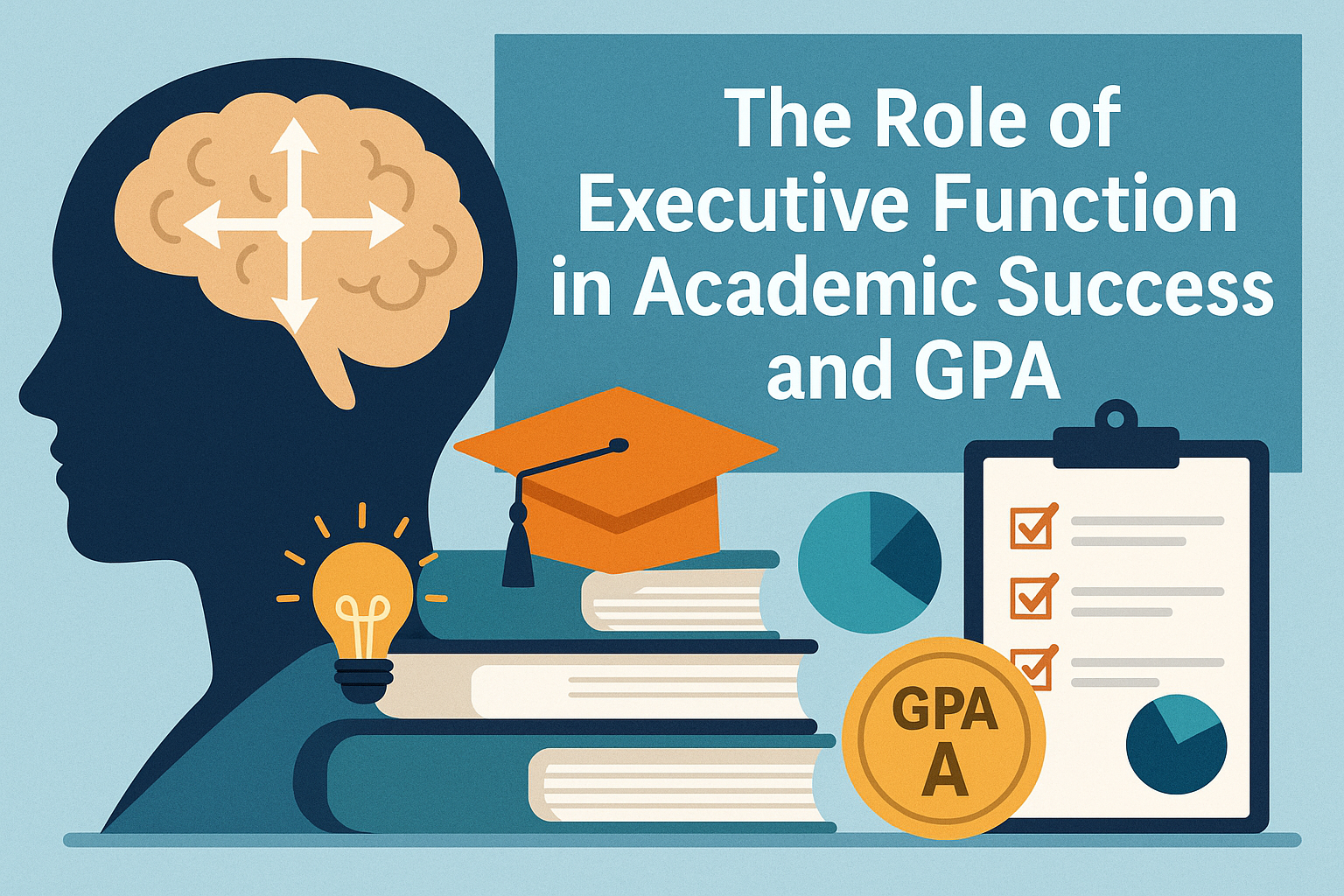
To appreciate the importance of executive function in academic success, we first need to understand what it encompasses. These are the mental skills that help individuals manage their thoughts, actions, and emotions. Think of executive function as the brain’s air traffic control system, guiding you through tasks, prioritizing activities, and managing resources effectively.
Key components of executive function include:
- Working Memory: The ability to hold and manipulate information in your mind over short periods. For example, solving a math problem often requires you to remember numbers while also performing calculations.
- Cognitive Flexibility: The capacity to switch between thinking about different concepts or to think about multiple concepts simultaneously. This is crucial for adapting to new learning environments or changes in tasks.
- Inhibitory Control: The ability to suppress impulsive responses and distractions, allowing for focused attention on tasks at hand.
Research has shown that these executive function skills are not only vital for academic tasks but also for social interactions and emotional regulation, which further influence a student’s overall school experience.
The Link Between Executive Function and Academic Success
Studies consistently reveal a strong correlation between executive function and academic performance. One pivotal piece of research conducted by the National Institute for Learning Outcomes Assessment found that students with high executive function skills perform better academically, often reflected in higher GPAs.
For instance, a study published in the Journal of Educational Psychology showed that working memory is a strong predictor of mathematical skills and reading comprehension. Students who struggle with working memory may find it challenging to keep track of information and can easily become overwhelmed, leading to lower grades.
Moreover, cognitive flexibility allows students to approach problems from different angles, enhancing their problem-solving abilities. When students can shift their thinking efficiently, they can tackle complex tasks more adeptly, leading to better academic outcomes.
Inhibitory control is equally critical; it helps students resist distractions in the classroom and maintain focus on their studies. In today’s technology-driven environment, where notifications and social media can interrupt learning, the ability to exert self-control is more important than ever.
Identifying Struggles with Executive Function
Recognizing when a student is struggling with executive function can be pivotal in providing the right support. Some indicators include: (See: Connection between health and academic success.)
- Difficulty organizing tasks and materials
- Challenges in completing assignments on time
- Frequent forgetfulness or loss of items
- Inability to follow multi-step instructions
- Tendency to procrastinate
Teachers and parents can observe these behaviors and take proactive steps to help students develop their executive function skills. By doing so, they can create an environment that fosters academic success.
Practical Strategies to Enhance Executive Function Skills
Improving executive function can be a game-changer for students struggling academically. Here are several practical strategies that can be implemented:
1. Establish Routines
Creating consistent daily routines can help students develop better organizational skills and time management. When students know what to expect, they can plan their tasks more effectively. For example, having a designated time each day for homework can instill discipline and predictability into their study habits.
2. Break Tasks into Smaller Steps
Large assignments can be overwhelming, particularly for students with executive function difficulties. Breaking tasks into manageable steps can help reduce anxiety and improve focus. This not only makes the task seem less daunting but also allows students to celebrate small victories along the way, which can boost their motivation.
3. Use Visual Aids
Visual aids such as charts, planners, and checklists can significantly enhance students’ ability to manage their responsibilities. For example, a color-coded planner can help them identify different subjects and prioritize tasks, leading to improved organizational skills.
4. Practice Mindfulness and Self-Regulation
Mindfulness exercises can improve inhibitory control and help students stay focused. Simple techniques like deep breathing or short meditation sessions can teach students to regulate their emotions and maintain concentration, which is particularly useful in high-pressure situations like exams.
5. Provide Supportive Feedback
Encouragement and constructive feedback from teachers and parents can reinforce positive behaviors. Recognizing when a student successfully demonstrates executive function skills can enhance their confidence and encourage them to continue practicing these skills.
Current Relevance: The Impact of Remote Learning
The recent shift to remote learning has underscored the importance of executive function in academic settings. Many students have had to adapt to online classes, which require a different set of skills compared to traditional classroom learning.
With the absence of physical structure and routine found in schools, students with weak executive function may struggle even more. The increased reliance on technology can lead to distractions, making it crucial for students to develop their self-regulation skills to succeed in virtual environments.
Educational institutions are increasingly recognizing the importance of teaching executive function skills explicitly. For example, some schools have begun to incorporate executive function training into their curriculums, aiming to equip students with the tools they need to thrive in both academic and personal contexts. (See: Executive function and learning.)
Comparative Analysis: Executive Function Skills Across Different Age Groups
Understanding how executive function manifests at different developmental stages can inform tailored strategies for academic success. For example, young children might show executive function skills through play, like following rules in games or taking turns. As children grow into adolescents, these skills evolve and become more complex, involving multitasking and critical thinking in academic settings.
In early childhood education, enhancing executive function can be achieved through structured play and activities that promote self-control and working memory, such as ‘Simon Says’ or memory games. In contrast, high school students may benefit more from strategies that emphasize planning and organization, such as using digital tools for scheduling assignments and deadlines.
Research indicates that executive function develops steadily during childhood but can plateau or even regress without proper support. A study by the University of Pennsylvania revealed that students with structured support in executive function training showed marked improvements in GPA by up to 20% over a semester compared to their peers who did not receive such help.
Expert Perspectives on Executive Function and Learning
Experts in child psychology and education have emphasized the vital role of executive function in academic success. Dr. Adele Diamond, a leading researcher in developmental psychology, stresses that executive function is as crucial as IQ for success in school and life. She argues that nurturing these skills can lead to improvements not only in academic performance but also in social behaviors and emotional well-being.
Another expert, Dr. Tara West, has pointed out that integrating executive function training into the curriculum prepares students for real-world challenges. She advocates for teaching these skills explicitly, as they are often assumed to be innate but can be developed through practice and support.
FAQ: Common Questions About Executive Function and Academic Success
What exactly is executive function?
Executive function refers to a set of cognitive processes that help individuals manage their thoughts, actions, and emotions effectively. It includes skills like working memory, cognitive flexibility, and inhibitory control.
How does executive function impact academic success?
Executive function is linked to academic success as it allows students to organize tasks, manage their time effectively, and maintain focus on their studies. Strong executive function skills can lead to higher GPAs and better overall performance in school.
Can executive function skills be improved?
Yes, executive function skills can be enhanced through targeted training and strategies. Implementing routines, breaking tasks into smaller steps, and using visual aids are some effective ways to develop these skills.
Are executive function difficulties common?
Many students experience challenges with executive function skills at some point, especially during transitions or when facing new academic demands. Recognizing these struggles early can help in providing appropriate support.
What role do teachers play in developing executive function in students?
Teachers play a crucial role as they can create structured learning environments that promote executive function development. By incorporating strategies that foster organization, planning, and self-regulation, teachers can support students in enhancing these essential skills.
The Future of Executive Function Development in Education
As we look to the future, the integration of technology in education presents both challenges and opportunities for enhancing executive function skills. For instance, educational apps and programs designed to track student progress can incorporate features that promote the development of executive function. These tools can remind students of deadlines, help them break tasks into manageable parts, and offer strategies for staying focused.
Additionally, there’s a growing trend toward personalized learning, which tailors education to fit each student’s unique needs. This approach can be particularly beneficial for students struggling with executive function, as it allows for more individualized support and strategies that cater to their strengths and weaknesses.
Moreover, educators are increasingly collaborating with psychologists and neuroscientists to develop effective curricula aimed at nurturing executive function skills. Research shows that early interventions can lead to significant gains in academic performance. For example, a program developed at Stanford University focuses on teaching self-regulation strategies to pre-schoolers, demonstrating remarkable success in improving their executive function skills.
Conclusion: A Call to Action for Educators and Parents
Executive function is undeniably a key component of academic success, and its influence on GPA cannot be overstated. As educators and parents, understanding the role of these cognitive processes is crucial in supporting students’ learning journeys.
By identifying struggles with executive function, implementing practical strategies to boost these skills, and adapting to the current educational landscape, we can help students maximize their potential. In doing so, we not only contribute to their academic achievements but also prepare them for lifelong success in whatever endeavors they pursue.
Trending Now
Frequently Asked Questions
What is executive function and why is it important for students?
Executive function refers to a set of cognitive processes that help manage thoughts, actions, and emotions. It is crucial for students as it encompasses skills like working memory, cognitive flexibility, and inhibitory control, which are essential for effective learning and academic performance.
How does executive function influence academic success?
Executive function significantly impacts academic success by enabling students to manage their cognitive resources, prioritize tasks, and adapt to new learning situations. Strong executive function skills lead to better concentration, problem-solving, and overall academic performance, thereby influencing grades and GPA.
What are the key components of executive function?
The key components of executive function include working memory, cognitive flexibility, and inhibitory control. Working memory allows for holding and manipulating information, cognitive flexibility enables shifting between tasks, and inhibitory control helps suppress distractions and impulsive responses.
Can executive function skills be improved in students?
Yes, executive function skills can be improved through targeted strategies and practice. Techniques such as setting specific goals, using organizational tools, and engaging in activities that promote cognitive flexibility can enhance these skills, leading to better academic outcomes.
What role does inhibitory control play in academic performance?
Inhibitory control is vital for academic performance as it allows students to focus on tasks by suppressing distractions and impulsive behaviors. This skill helps maintain attention and increases the ability to complete assignments and participate effectively in classroom activities.
Have you experienced this yourself? We’d love to hear your story in the comments.