
“`html
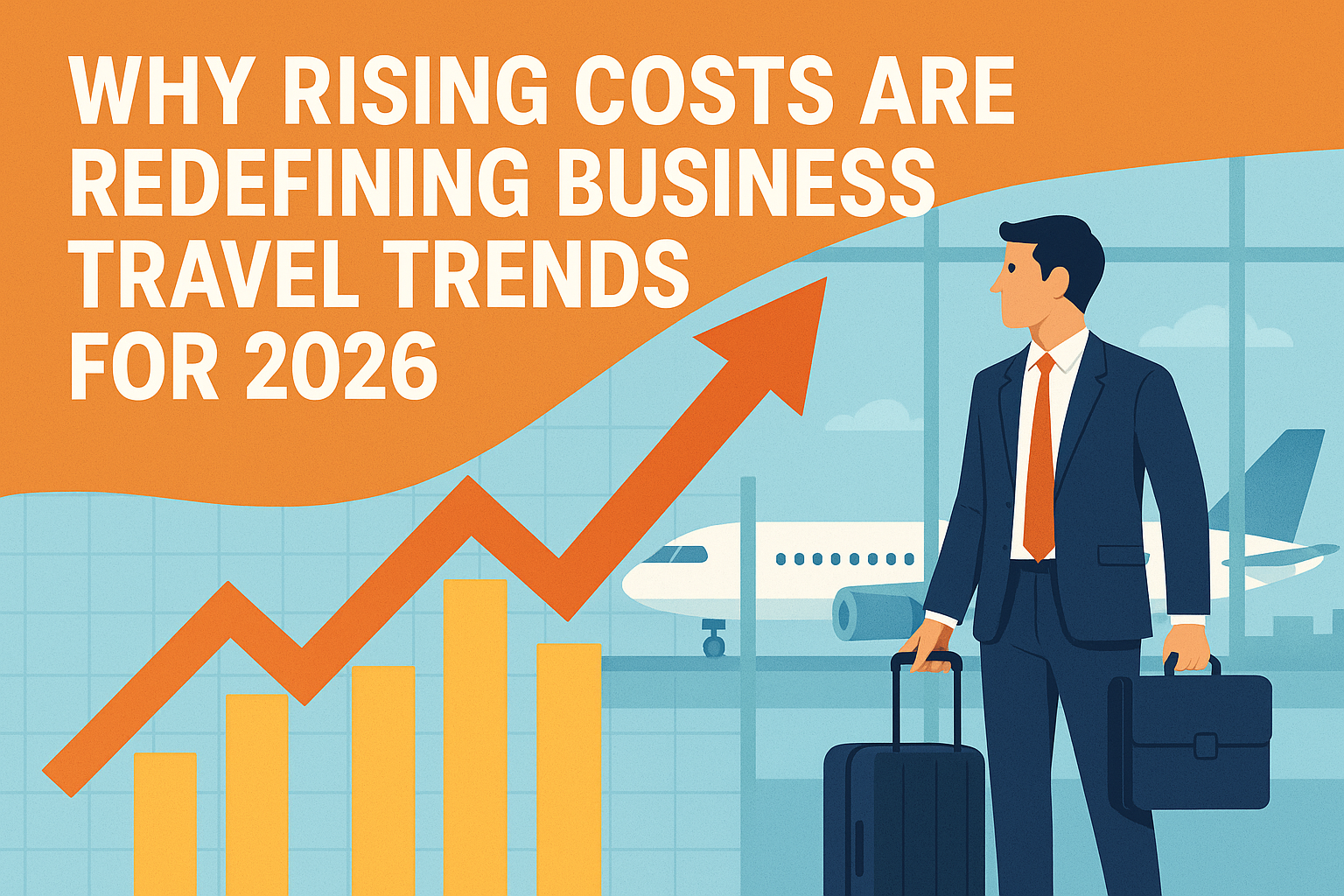
The landscape of business travel is shifting dramatically as we approach 2026. If you’re involved in corporate travel planning or even just a frequent flyer, brace yourself for some staggering changes. Recently released data reveals that the average cost of a business trip has soared to $1,128, reflecting a striking 35% increase from just $834 in 2024. This article dives deep into the latest business travel trends, exploring how these rising costs are reshaping the industry and what it means for travelers and corporations alike.
Understanding the Numbers: How Costs Are Rising
To fully grasp the impact of these rising expenses, let’s break down the numbers further. The cost of U.S. domestic trips is currently averaging $1,293. In comparison, international trips are significantly higher, sitting at around $2,600. This disparity indicates that international travel costs are approximately double that of domestic travel, a trend that has implications for corporate budgets and travel strategies.
But what’s driving this increase? A closer look reveals that airfare, while projected to stabilize around $708 in 2026, is only part of the equation. In fact, the more staggering increase is seen in hotel rates, which continue to escalate by 4% to 6% annually. With accommodations making up a significant portion of travel budgets, this persistent rise in hotel costs is particularly alarming for companies trying to manage their travel expenses.
Airfare Trends: What Lies Ahead?
As we look toward 2026, the forecast for airfare suggests a period of stabilization. Currently projected to settle around $708, this figure might seem reassuring at first glance. However, it’s essential to consider that this stability comes after a series of spikes that have left many travelers feeling the pinch. In recent years, fluctuations in fuel prices, geopolitical tensions, and evolving demand patterns have all contributed to unpredictable airfare trends.
Despite the stabilization forecast, travelers should remain vigilant. Airlines are known for variable pricing strategies, and sudden demand upticks can trigger price hikes at any moment. It’s worth noting that early booking often yields better rates, and utilizing technology and tools for price monitoring can help travelers secure the best deals.
Hotel Costs: A Closer Look at the Climb
While airfare may stabilize, hotel rates tell a different story. With annual increases projected at 4% to 6%, the hotel sector is becoming increasingly expensive. Factors driving this rise include heightened operational costs, increased demand for travel, and a growing trend of travelers seeking premium accommodations. For businesses, this means that budgeting for travel will require a more aggressive approach.
Companies should consider negotiating corporate rates with hotels to mitigate costs. Additionally, encouraging employees to book accommodations well in advance can also help in managing expenses. As hotel prices continue to rise, the importance of flexibility in travel policies becomes clear. Implementing a system that allows for last-minute changes or adjustments can save significant costs down the line.
The Broader Implications for Corporate Travel Policies
With these shifts in costs, businesses must rethink their travel policies. It’s no longer sufficient to rely on historical data to forecast travel budgets. Instead, organizations should analyze the latest business travel trends and adjust their policies accordingly. This might include reevaluating preferred airlines or hotel partners, considering alternative travel options, or even investing in technology that streamlines travel planning. (See: impact of rising travel costs.)
One practical strategy is to adopt a more dynamic budgeting approach that reflects the real-time costs of travel. By staying informed about industry changes and engaging employees in the budgeting process, companies can foster greater accountability and reduce costs. Transparency about travel expenses can also lead to smarter travel decisions on an individual level.
Adapting to Change: Flexible Travel Options
As costs climb, the need for flexibility in travel arrangements becomes paramount. Businesses can no longer afford to operate on a rigid travel itinerary. Instead, offering employees the freedom to adjust their travel plans, whether by choosing alternative transportation methods or accommodations, can lead to significant savings.
For instance, consider promoting the use of ride-sharing services over traditional taxis or encouraging team members to explore budget-friendly hotel options. By fostering a culture of cost-awareness, companies can help employees make informed choices that benefit both the individual and the organization.
Leveraging Technology to Enhance Travel Efficiency
In this new era of business travel, technology plays a crucial role in managing costs and enhancing efficiency. Travel management platforms are not just about booking flights and hotels; they also provide valuable insights into spending patterns, traveler preferences, and potential savings opportunities.
Utilizing data analytics can help organizations identify trends in employee travel behavior, allowing them to tailor their travel programs to better meet the needs of their workforce while also keeping budgets in check. Investing in user-friendly apps that enable easy booking and streamlined expense reporting can further enhance the travel experience. These tools can give employees control over their travel plans while allowing companies to monitor expenditures effectively.
Preparing for the Future: What Travelers Need to Know
For business travelers, understanding these trends is vital for making informed decisions. As we move toward 2026, being proactive about travel planning is more important than ever. Staying updated on cost trends, leveraging technology, and being open to flexible travel options can all make a significant difference in personal and corporate travel budgets.
Travelers should also be aware of their rights and benefits as consumers, especially as costs continue to rise. Many companies offer travel insurance options that can help mitigate unexpected expenses, and being informed about these choices can save both time and money.
In conclusion, the shifting landscape of business travel—characterized by rising costs and changing traveler expectations—demands adaptability and strategic planning. Whether you’re a travel manager or an executive making travel decisions, staying ahead of these business travel trends will be crucial in navigating the complexities of corporate travel in the coming years.
Emerging Business Travel Trends to Watch
As we look ahead, several emerging trends are beginning to shape the future of business travel. Understanding these shifts will be essential for companies aiming to navigate the evolving landscape effectively. (See: guidelines for business travel.)
1. Sustainability in Travel
Increasingly, companies are recognizing the importance of sustainable travel. From choosing eco-friendly hotels that prioritize green practices to utilizing airlines that offset their carbon emissions, businesses are looking for ways to minimize their environmental impact. According to a recent survey, 70% of business travelers reported they would prefer companies that prioritize sustainability in their travel policies. This trend not only reflects a moral responsibility but also aligns with younger generations’ values who prioritize sustainability when making choices.
2. The Rise of Bleisure Travel
Combining business and leisure travel, known as “bleisure,” is gaining popularity. Many employees are extending their business trips to explore new destinations. In fact, a report indicated that 60% of business travelers planned to add leisure days to their work trips. Companies can capitalize on this trend by providing flexible travel policies that allow employees to book additional days at a reduced rate, creating a win-win situation that enhances employee satisfaction and promotes work-life balance.
3. Virtual Reality and Augmented Reality in Travel
Technological advancements are also infiltrating the business travel sector. Virtual reality (VR) and augmented reality (AR) are being integrated into travel planning and experiences. Businesses are beginning to use VR for virtual site inspections or meetings, which can significantly reduce travel costs and time. As these technologies evolve, they hold the potential to change the way companies approach business travel, making it more efficient and cost-effective.
Frequently Asked Questions About Business Travel Trends
What are the main factors driving the increase in business travel costs?
Several factors contribute to the rising costs of business travel, including increased demand, operational costs, and fluctuating fuel prices. Additionally, post-pandemic recovery has led to a surge in travel demand, putting further pressure on prices.
How can companies mitigate rising travel expenses?
Companies can adopt various strategies to manage travel costs, such as negotiating corporate rates with hotels and airlines, encouraging early bookings, and implementing flexible travel policies. Utilizing travel management tools can also provide insights into spending patterns and identify opportunities for savings.
Is sustainable travel becoming a priority for businesses?
Absolutely. As awareness of environmental issues grows, many businesses are prioritizing sustainability in their travel policies. This includes choosing eco-friendly accommodations, carbon offsetting programs, and promoting more sustainable modes of transportation.
What role does technology play in business travel?
Technology is essential in managing travel efficiently. Tools such as travel management platforms, expense reporting apps, and data analytics can streamline the booking process, provide insights into spending, and enhance the overall traveler experience.
How can business travelers prepare for upcoming travel trends?
To prepare for upcoming trends, business travelers should stay informed about changing costs, be open to flexible travel arrangements, and leverage technology for better planning. Understanding company travel policies and maximizing potential benefits, such as travel insurance and loyalty programs, can also enhance their travel experience. (See: recent trends in business travel.)
Understanding the Impact of Remote Work on Business Travel
With remote work becoming more prevalent, the dynamics of business travel are changing. Many companies are reassessing the necessity of face-to-face meetings versus virtual interactions. A study found that 47% of employees believe remote work reduces the need for business travel, which could lead to lower travel expenses as organizations prioritize virtual meetings over in-person gatherings.
However, some experts argue that physical presence still holds significant value in building relationships and closing deals. Companies may shift their focus from frequent travel to more strategic trips that combine business needs with personal connections. This hybrid approach allows organizations to remain efficient while still fostering essential relationships.
The Future of Business Travel: Predictions and Insights
Looking ahead, several predictions can be made about the future of business travel. First, we can expect to see an increase in demand for personalization. Business travelers are seeking tailored experiences rather than one-size-fits-all solutions. This could involve customizable travel packages that allow employees to choose specific accommodations or transportation methods that suit their preferences.
Additionally, as companies continue to navigate the post-pandemic landscape, we might see a renewed emphasis on health and safety. More stringent safety protocols in travel policies could become standard practice, with businesses prioritizing traveler wellbeing. This trend not only protects employees but also serves to reassure clients and partners about the company’s commitment to safety.
Lastly, as the travel industry evolves, we may witness the emergence of new forms of travel, such as “slow travel,” where business trips are extended to allow for more immersive experiences in local cultures, leading to a richer and more meaningful travel experience.
“`
Trending Now
Frequently Asked Questions
What are the current trends in business travel costs?
Business travel costs are experiencing significant increases, with the average cost of a trip rising to $1,128 in 2026, a 35% jump from 2024. Domestic trips average $1,293, while international trips can reach around $2,600, highlighting the growing financial burden on corporate travel budgets.
How much does airfare affect business travel expenses?
Airfare is a crucial component of business travel expenses, currently projected to stabilize at around $708 by 2026. However, this stability follows years of volatility due to factors like fuel prices and demand fluctuations, impacting overall travel budgets significantly.
Why are hotel rates increasing for business travelers?
Hotel rates are rising at an alarming rate of 4% to 6% annually, contributing to the overall increase in business travel costs. As accommodations account for a large portion of travel budgets, this trend poses challenges for companies attempting to manage expenses effectively.
What implications do rising travel costs have for corporations?
Rising travel costs force corporations to reevaluate their travel strategies and budgets. With domestic and international trips becoming increasingly expensive, companies must find ways to optimize travel expenses while maintaining employee mobility and satisfaction.
What should travelers expect in business travel for 2026?
Travelers can expect a transformed business travel landscape in 2026, characterized by higher costs and a need for strategic planning. As prices for flights and accommodations rise, both corporations and individual travelers will need to adapt to these new financial realities.
Agree or disagree? Drop a comment and tell us what you think.