
“`html
Introduction to Emotional Intelligence in Education
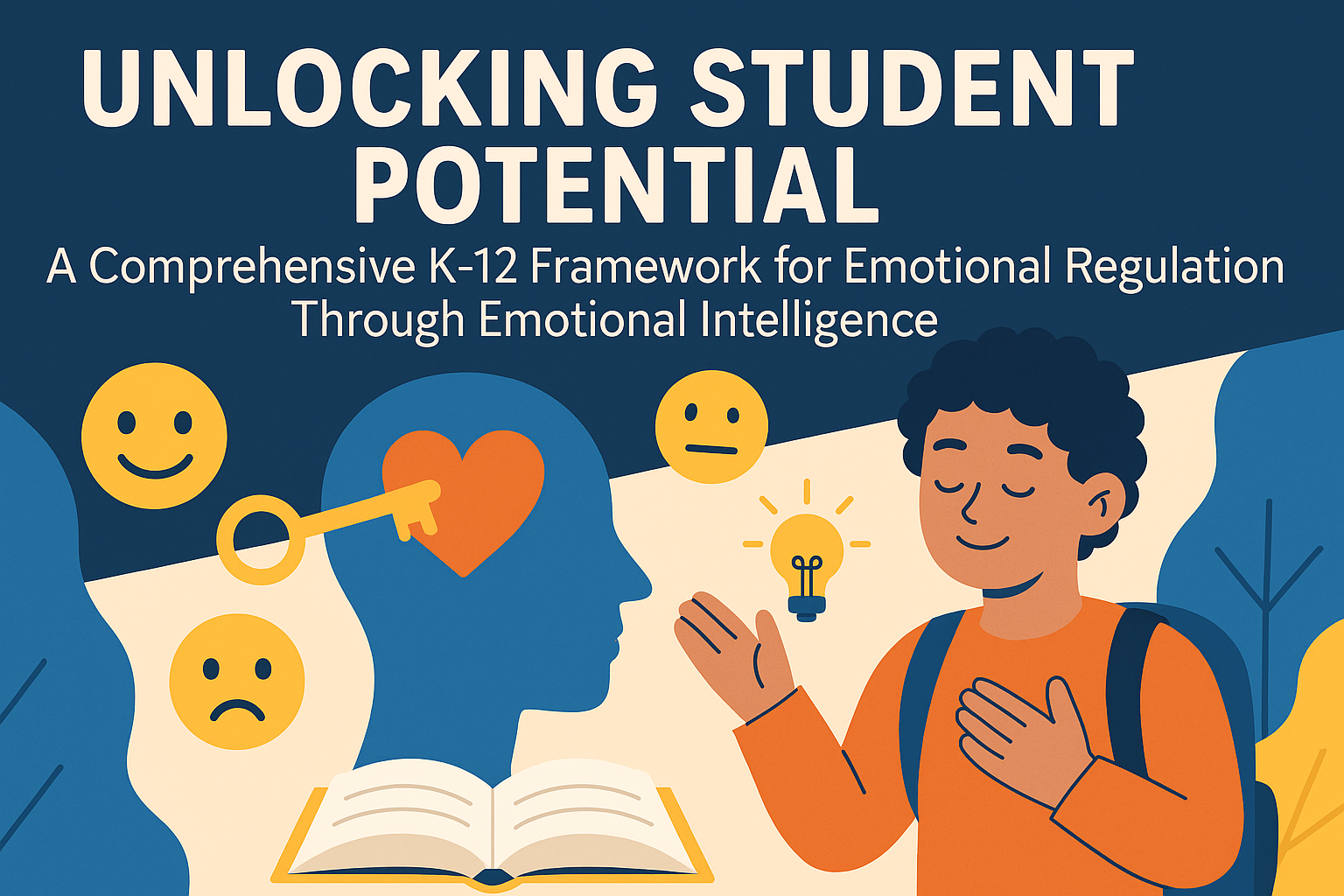
Emotional intelligence (EI) is more than just a buzzword making its rounds in educational circles; it’s a pivotal skill that shapes how students navigate their academic and personal lives. Defined as the ability to recognize, understand, and manage one’s emotions while also empathizing with others, emotional intelligence plays a crucial role in fostering a positive learning environment. This article will delve into how teaching emotional regulation through an emotional intelligence framework can transform K-12 education, ultimately equipping students with the skills they need to succeed in and out of the classroom.
The Importance of Emotional Regulation
Emotional regulation is the process of managing and responding to emotional experiences, which can significantly impact a student’s learning and behavior. Children and adolescents often experience intense emotions, and without effective strategies for managing these feelings, they may struggle academically and socially. This struggle, in turn, can lead to behavioral issues, poor academic performance, and mental health challenges.
Research indicates that students who possess strong emotional regulation skills are better equipped to handle stress, resolve conflicts, and maintain healthier relationships. A study published in the Journal of School Psychology found a direct correlation between emotional regulation and academic achievement. This underscores the need for schools to prioritize emotional intelligence in education, particularly through structured emotional regulation programs.
Integrating Emotional Intelligence into the Curriculum
Incorporating emotional intelligence into the K-12 curriculum isn’t just an add-on; it’s a necessary shift towards holistic education. Schools can utilize various strategies to weave EI into existing subjects. For instance, teachers can integrate discussions about emotions into literature classes, encouraging students to analyze characters’ feelings and motivations. In science classes, discussions about emotional responses to environmental changes can foster empathy for the planet.
Moreover, implementing dedicated emotional intelligence programs can yield significant benefits. Programs like the RULER Approach, developed by the Yale Center for Emotional Intelligence, focus on five key skills: Recognizing, Understanding, Labeling, Expressing, and Regulating emotions. By teaching students these skills, schools can help them develop the ability to manage their own emotions and understand those of others, leading to a more empathetic classroom atmosphere.
Practical Insights and Strategies for Educators
For educators looking to foster emotional intelligence in education, several practical strategies can be employed:
- Model Emotional Awareness: Teachers should model emotional intelligence by openly discussing their feelings and how they cope with them. This sets a precedent for students to do the same.
- Create Safe Spaces: Establish environments where students feel safe expressing their emotions. Regular check-ins and emotional reflection sessions can facilitate this.
- Teach Mindfulness: Introducing mindfulness practices, such as meditation or breathing exercises, can help students learn to regulate their emotions effectively.
- Use Role-Playing: Engaging students in role-playing scenarios allows them to practice empathy and emotional regulation in a controlled setting.
The Role of Parents and Community
Emotional intelligence doesn’t develop in isolation; it’s nurtured through community and family support. Engaging parents through workshops or informational sessions about emotional intelligence can reinforce what students learn at school. For example, schools can host seminars that guide parents on how to promote emotional awareness at home. (See: Emotional Regulation and Youth.)
Partnerships with local organizations can also enhance the emotional intelligence framework. Community-based programs that focus on emotional well-being can provide students with additional resources and support systems. By fostering a collaborative approach, schools can create a comprehensive network that promotes emotional regulation and intelligence among students.
Current Relevance and Future Implications
The relevance of emotional intelligence in education is more apparent than ever. In the wake of the COVID-19 pandemic, students have faced unprecedented emotional challenges, from anxiety and trauma to isolation. As schools gradually return to normalcy, there’s an urgent need to address the emotional fallout experienced by many students.
By prioritizing emotional regulation and intelligence in education, schools can create resilient learners ready to face the complexities of modern life. The long-term implications are profound; students who learn to regulate their emotions are more likely to experience academic success, maintain positive relationships, and contribute positively to society.
Deeper Analysis: The Science Behind Emotional Intelligence
Emotional intelligence is rooted in a blend of psychological theories, but one of the most influential is Daniel Goleman’s model, which breaks EI down into five core competencies: self-awareness, self-regulation, social awareness, empathy, and relationship management. Each component plays a distinct role in how students interact with themselves and the world around them.
Self-awareness allows students to recognize their emotions as they occur, granting them the ability to assess their emotional responses. Self-regulation involves managing those emotions, ensuring that they do not negatively affect one’s actions. Social awareness leads to understanding the emotions of others, which is vital for teamwork and collaboration. Empathy builds upon this, helping students connect with peers on an emotional level. Finally, relationship management encompasses the skills necessary to cultivate healthy, respectful interactions.
Studies have shown that students who develop these competencies tend to excel academically and socially. A report from the Collaborative for Academic, Social, and Emotional Learning (CASEL) indicates that schools implementing social-emotional learning (SEL) programs, which include emotional intelligence training, have seen an average increase of 11 percentile points in academic achievement.
Statistics That Matter: The Impact of Emotional Intelligence in Education
Understanding the quantifiable benefits of emotional intelligence can help schools justify the integration of EI into curricula. Here are some compelling statistics:
- Performance Boost: According to a meta-analysis of 213 studies, students participating in SEL programs showed an 11% improvement in academic performance compared to those who did not.
- Behavioral Improvements: Schools that adopted emotional intelligence frameworks reported a 20-30% decrease in disciplinary actions, showcasing improved student behavior.
- Mental Health Benefits: Research indicates that emotional intelligence can reduce the incidence of anxiety and depression in students by as much as 30%, directly linking EI to improved mental health outcomes.
- Long-term Success: A longitudinal study found that students with higher emotional intelligence are 75% more likely to graduate from high school and pursue higher education.
Expert Perspectives on Emotional Intelligence in Education
Educational leaders and psychologists alike recognize the importance of emotional intelligence in the learning environment. Dr. Marc Brackett, the director of the Yale Center for Emotional Intelligence, emphasizes that “emotional intelligence is not just about being nice; it’s about being smart.” His research advocates for embedding emotional learning into the fabric of education, arguing that when students learn to manage their emotions, they also perform better academically. (See: Managing Emotional Experiences.)
Another notable voice is Dr. Linda Lantieri, co-founder of the Collaborative for Academic, Social, and Emotional Learning (CASEL). She states, “We’re raising a generation of students who are not only academically proficient but also emotionally intelligent. This combination is essential for thriving in the 21st century.” Her insights reflect a growing consensus: emotional intelligence is a cornerstone of a well-rounded education.
Common Challenges and Solutions
While the benefits of emotional intelligence in education are clear, several challenges can impede its integration. Here are a few common obstacles and potential solutions:
- Lack of Training: Many teachers may not feel equipped to teach emotional intelligence. To address this, schools can offer professional development workshops that focus on emotional intelligence strategies.
- Curriculum Overload: Teachers often struggle with crowded curriculums. Integrating emotional intelligence into existing subjects can help mitigate this issue, as it encourages holistic learning instead of adding extra content.
- Resistance to Change: Some educators may resist implementing emotional intelligence programs. Fostering an open dialogue about the benefits and providing evidence from successful case studies can help ease this transition.
Frequently Asked Questions about Emotional Intelligence in Education
What is emotional intelligence?
Emotional intelligence is the ability to recognize, understand, and manage our own emotions while also being able to understand the emotions of others. It encompasses skills like self-awareness, self-regulation, empathy, and interpersonal skills.
Why is emotional intelligence important in education?
Emotional intelligence is crucial in education because it helps students develop essential life skills that contribute to academic success, positive relationships, and mental well-being. It prepares them to manage stress and navigate social complexities effectively.
How can teachers incorporate emotional intelligence in their classrooms?
Teachers can incorporate emotional intelligence by modeling emotional awareness, creating safe spaces for emotional expression, using role-playing activities, and integrating emotional discussions into existing subjects.
Are there specific programs for teaching emotional intelligence?
Yes, various programs focus on emotional intelligence, such as the RULER Approach, Social and Emotional Learning (SEL) frameworks, and the PATHS program. These programs provide structured methods for teaching emotional skills.
What role do parents play in developing emotional intelligence?
Parents can reinforce emotional intelligence by modeling emotional regulation at home, discussing feelings openly, and participating in school workshops that focus on emotional well-being.
Exploring Case Studies of Successful EI Implementation
Real-world case studies provide compelling evidence of the positive impact of emotional intelligence programs. For example, at a middle school in Chicago, a pilot program implemented by the Collaborative for Academic, Social, and Emotional Learning (CASEL) reported a 25% increase in student engagement after introducing targeted emotional intelligence training. This included structured lesson plans focusing on self-regulation and relationship management, which were integrated into the regular curriculum.
Another notable case comes from a school district in California, which adopted the RULER Approach across its schools. After three years, they noted a significant decline in bullying incidents and a 50% reduction in suspensions. Teachers reported that students were more willing to discuss their emotions and resolve conflicts amicably, underscoring the effectiveness of emotional intelligence in creating a supportive school culture.
The Global Perspective on Emotional Intelligence in Education
While the emphasis on emotional intelligence in education is prominent in the United States, other countries are also recognizing its significance. For instance, Finland, known for its progressive education system, has integrated emotional learning into their national curriculum. Finnish educators focus on developing students’ emotional skills alongside their academic achievements, fostering a more well-rounded educational experience.
In Asia, countries like Singapore have initiated programs that focus on social and emotional learning in schools, resulting in enhanced student well-being and academic performance. The global trend indicates a shift towards understanding that success in education involves more than just cognitive achievements; it requires emotional literacy as well.
Conclusion: Paving the Way for an Emotionally Intelligent Future
Incorporating emotional intelligence into the K-12 framework isn’t just about teaching students to manage their feelings; it’s about setting them up for a lifetime of success. Schools that prioritize emotional regulation through emotional intelligence empower students to become self-aware, empathetic, and resilient individuals. As we look to the future, it’s vital for educators, parents, and communities to unite in fostering emotional intelligence in education, ensuring that our children grow into well-rounded adults capable of navigating life’s challenges with grace and understanding.
“`
Trending Now
Frequently Asked Questions
What is emotional intelligence in education?
Emotional intelligence (EI) in education refers to the ability of students to recognize, understand, and manage their emotions, as well as empathize with others. It is essential for fostering a positive learning environment and helps students navigate their academic and personal lives effectively.
Why is emotional regulation important for students?
Emotional regulation is crucial for students as it enables them to manage their emotional experiences, which significantly impacts their learning and behavior. Students with strong emotional regulation skills can handle stress better, resolve conflicts, and build healthier relationships, leading to improved academic performance.
How can emotional intelligence be integrated into the K-12 curriculum?
Integrating emotional intelligence into the K-12 curriculum involves incorporating discussions about emotions into various subjects. For example, literature classes can include explorations of characters' emotions, while teachers can implement structured emotional regulation programs to enhance students' EI skills.
What are the benefits of teaching emotional intelligence in schools?
Teaching emotional intelligence in schools benefits students by equipping them with essential skills for personal and academic success. Research shows that students with strong EI are better at managing stress, resolving conflicts, and maintaining relationships, which can lead to improved academic achievement and mental health.
How does emotional intelligence affect academic performance?
Emotional intelligence positively affects academic performance by enabling students to manage their emotions and stress effectively. Studies, such as those published in the Journal of School Psychology, indicate a direct correlation between emotional regulation skills and higher academic achievement, demonstrating the importance of EI in education.
What did we miss? Let us know in the comments and join the conversation.