
Writing can be a daunting task for many middle school students, particularly those with learning disabilities. As they attempt to express their thoughts and ideas, challenges such as difficulty in organizing their thoughts, spelling, and grammar can hinder their ability to communicate effectively. One approach that has gained traction in recent years is scaffolding writing instruction, a method that provides structured support to help students build their writing skills gradually. This article explores the significance of scaffolding writing instruction for middle school students with learning disabilities and offers practical insights for educators.
Understanding Scaffolding in Writing Instruction
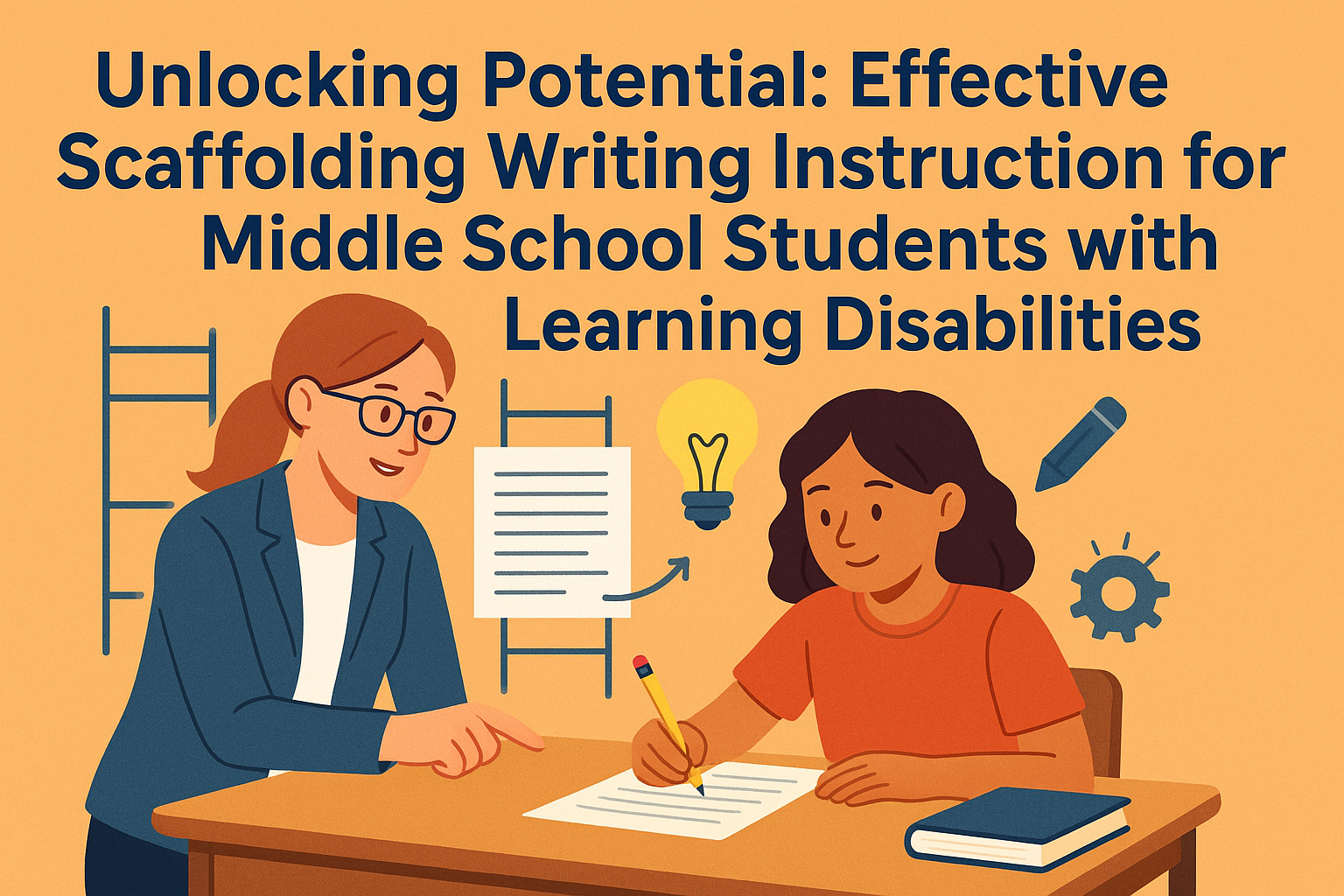
Scaffolding can be defined as a teaching approach that provides temporary support to students as they learn new skills. The concept is rooted in the idea that learners need assistance while they build their understanding and abilities. In writing instruction, scaffolding involves breaking down the writing process into manageable steps and offering guidance at each stage. This method encourages autonomy as students gain confidence in their writing abilities.
For middle school students with learning disabilities, scaffolding writing instruction can be particularly beneficial. Research indicates that these students often struggle with the cognitive demands of writing, which can include idea generation, organization, and revision. By breaking down the writing process and offering targeted support, educators can help these students succeed. For instance, instead of expecting a fully polished essay from the start, teachers can guide students through brainstorming, outlining, drafting, and revising stages, allowing them to focus on one component at a time.
The Importance of Scaffolding for Students with Learning Disabilities
Students with learning disabilities often face unique challenges that can make writing especially difficult. According to the National Center for Learning Disabilities, approximately 1 in 5 students in the United States has a learning disability, impacting how they process information and learn new skills. Common issues include difficulty with memory, concentration, and organization.
Implementing scaffolding writing instruction can lead to several positive outcomes:
- Enhanced Engagement: When provided with structured guidance, students may feel more motivated to participate in writing activities. They can tackle smaller, achievable tasks rather than feeling overwhelmed by the idea of producing a complete piece of writing.
- Improved Writing Skills: By focusing on specific components of writing, such as thesis statements or paragraph structure, learners can develop essential skills incrementally. This focused practice can lead to noticeable improvements in overall writing competence.
- Boosted Confidence: Scaffolding fosters a sense of accomplishment. As students successfully navigate the writing process with support, they build confidence in their abilities, which can translate to more positive attitudes toward writing in the future.
Key Strategies for Scaffolding Writing Instruction
Implementing scaffolding writing instruction involves specific strategies that cater to the needs of students with learning disabilities. Here are some effective methods:
1. Graphic Organizers
Graphic organizers are visual tools that help students organize their thoughts and ideas before they begin writing. These can include concept maps, Venn diagrams, or storyboards. For example, a simple outline helps students break down their essays into manageable parts, allowing them to focus on one section at a time. Research shows that using graphic organizers can significantly enhance the writing process for students with learning disabilities, leading to better organization and clarity in their writing.
2. Modeling and Think-Alouds
Modeling is a powerful instructional strategy in which teachers demonstrate the writing process. By thinking aloud while composing a piece of writing, educators can share their thought processes, decision-making, and problem-solving strategies with students. This not only helps students understand how to approach writing tasks but also demystifies the writing process itself. For instance, a teacher might narrate their thought process when developing a thesis statement, helping students grasp the importance of a clear argument.
3. Step-by-Step Instructions
Providing clear, step-by-step instructions is essential when scaffolding writing instruction. Use simple, concise language and break down tasks into smaller, manageable steps. For example, instead of giving students a broad assignment to write an essay, provide specific instructions such as:
- Brainstorm three ideas related to the topic.
- Create an outline based on those ideas.
- Write a rough draft focusing on one paragraph at a time.
- Revise and edit based on feedback.
By following these clear steps, students can focus on one aspect of writing at a time, making the process feel less overwhelming. (See: Learning disabilities treatment options.)
4. Peer Collaboration
Encouraging peer collaboration can be an effective way to scaffold writing instruction. Pairing students with and without learning disabilities allows them to learn from one another. For instance, students can share their drafts and provide constructive feedback. This not only helps students improve their writing but also fosters a sense of community and support within the classroom. Moreover, discussing their writing with peers can help students articulate their ideas more clearly.
Utilizing Technology in Scaffolding Writing Instruction
In today’s digital age, technology can play a significant role in scaffolding writing instruction for middle school students. Various tools and applications are designed to support students with learning disabilities, making writing more accessible and engaging.
1. Word Processors
Simple word processing programs allow students to type their thoughts without the challenges associated with handwriting. Many of these programs offer spell-check and grammar-check features, which can assist students in producing more polished drafts. Additionally, the ability to easily move paragraphs and sections around can help students with organization.
2. Speech-to-Text Software
For students who struggle with writing due to fine motor difficulties or other challenges, speech-to-text software can be a game-changer. This technology allows students to dictate their thoughts verbally, enabling them to focus on the content of their writing rather than the mechanics of typing. Programs like Google Docs and Microsoft Word have built-in voice typing features that can significantly enhance the writing experience.
3. Writing Apps
Numerous writing apps are designed specifically for students with learning disabilities. Tools like Co:Writer and Grammarly offer features that assist with spelling, grammar, and organization, providing real-time feedback as students write. These apps can help demystify the writing process and make it less intimidating.
Assessing Progress in Scaffolding Writing Instruction
Assessment plays a crucial role in determining the effectiveness of scaffolding writing instruction. Educators need to employ various assessment strategies to gauge student progress and make necessary adjustments to their teaching methods.
1. Formative Assessments
Formative assessments, which are conducted during the learning process, are invaluable for tracking student progress. These can include informal checks such as observing students during writing activities, reviewing drafts, and providing timely feedback. This ongoing assessment helps educators identify areas where students may be struggling and adjust their scaffolding techniques accordingly.
2. Self-Assessment
Encouraging students to engage in self-assessment can foster metacognitive skills. Providing clear criteria for success and guiding students in reflecting on their writing can help them recognize their strengths and areas for improvement. Self-assessment empowers students, making them active participants in their learning journey.
Current Relevance and Future Directions
As educators continue to explore effective teaching methods for students with learning disabilities, the relevance of scaffolding writing instruction remains paramount. With the growing emphasis on inclusive education, it’s crucial to adapt instruction to meet diverse learners’ needs. Research supports the effectiveness of scaffolding, suggesting that as students receive targeted support, they achieve more significant writing outcomes.
The future of scaffolding writing instruction may also incorporate more advanced technology, offering tailored support that adapts to individual students’ needs. For example, artificial intelligence could provide personalized feedback on writing assignments, further enhancing the learning experience. (See: Writing support for students.)
Ultimately, educators must stay informed about best practices and continually refine their scaffolding techniques to support middle school students with learning disabilities effectively. By investing time and effort into understanding these strategies, teachers can foster a more inclusive and supportive writing environment that empowers all students to succeed.
Common Challenges in Scaffolding Writing Instruction
While scaffolding writing instruction is effective, educators may encounter several challenges when implementing this approach. Understanding these potential hurdles can help teachers prepare and adapt their strategies accordingly.
1. Differentiating Instruction
One of the primary challenges is differentiating instruction to meet the diverse needs of students within the same classroom. Each student may have different strengths and weaknesses, making it essential to tailor scaffolding techniques. Teachers need to assess individual students’ abilities to provide the right level of support without overwhelming them or making tasks too easy.
2. Time Constraints
Another challenge is the time required to effectively scaffold writing instruction. Creating individualized materials, planning lessons, and providing feedback can be time-consuming. Educators often juggle multiple responsibilities, so finding the time to implement scaffolding strategies can feel daunting. However, by integrating these strategies into existing lesson plans and collaborating with colleagues, teachers can streamline the process.
3. Resistance from Students
Some students may resist scaffolding efforts, preferring to work independently or feeling embarrassed about needing support. Educators need to foster a classroom culture that emphasizes growth and collaboration while reassuring students that asking for help is a sign of strength. Building strong relationships with students can facilitate a more open dialogue about their writing struggles.
Real-World Examples of Scaffolding Writing Instruction
Looking at successful implementations of scaffolding writing instruction can provide valuable insights for educators. Here are a few examples that highlight effective practices:
1. Collaborative Writing Assignments
One middle school implemented a collaborative writing project where students worked in pairs to create a shared story. The teacher provided graphic organizers to help outline their ideas and guided them through drafting and revising together. This approach not only allowed peer support but also promoted social interaction, which helped build confidence in writing.
2. Interactive Technology Tools
A school district incorporated technology by using online platforms that offered scaffolding features. For instance, students used a writing app that provided prompts and suggestions based on their input. The app’s feedback mechanism helped students recognize mistakes and learn from them, creating a more engaging writing process.
3. Writing Workshops
In another example, a school organized writing workshops where students could receive direct feedback from teachers and peers. The workshops focused on specific writing skills, such as persuasive writing or narrative techniques. This targeted approach allowed students to hone their skills in a supportive environment, reinforcing the scaffolding process. (See: Scaffolding in writing instruction.)
FAQ about Scaffolding Writing Instruction
To further assist educators and parents in understanding scaffolding writing instruction, here are some frequently asked questions:
What is the primary goal of scaffolding in writing instruction?
The primary goal is to provide students with the support they need to develop their writing skills. By breaking down the writing process into manageable parts, students can gradually build their abilities while gaining confidence.
How can I assess student progress in scaffolding writing instruction?
Formative assessments, self-assessments, and peer feedback can all be effective ways to assess progress. These methods allow teachers to identify areas where students excel or need additional help and adjust instruction accordingly.
What types of graphic organizers are most effective?
Different types can be effective depending on the task. For instance, a story map may work well for narrative writing, while a Venn diagram can help compare and contrast ideas. It’s essential to choose an organizer that matches the writing assignment.
Can scaffolding writing instruction be used in high school?
Absolutely! Scaffolding writing instruction is beneficial at all educational levels. While the strategies may be adapted to fit more advanced writing tasks, the fundamental principles of providing support and gradually removing it apply across age groups.
How do I encourage reluctant writers to participate in scaffolding activities?
Start by integrating fun and engaging activities, such as collaborative writing or technology tools, which can make the process feel less intimidating. Celebrating small successes and creating a supportive environment are also crucial to fostering participation.
By addressing these challenges and utilizing effective strategies, educators can create an inclusive learning environment that supports all students, particularly those with learning disabilities, in their writing endeavors.
Trending Now
- our breakdown of unlocking student potential: a comprehensive k-12 framework for emotional regulation through emotional intelligence
- this guide on how adhd shapes emotional intelligence in children: what you need to know
- Unlocking Student Potential: Essential Emotional Intelligence…
- this guide on exploring scaffolding in education: effective strategies for every grade level
- Unlocking Success: Essential Scaffolding Techniques for…
Frequently Asked Questions
What is scaffolding in writing instruction?
Scaffolding in writing instruction is a teaching method that provides temporary support to students as they learn new writing skills. It involves breaking down the writing process into manageable steps and offering guidance at each stage, helping students gradually build their confidence and abilities.
How can scaffolding benefit students with learning disabilities?
Scaffolding benefits students with learning disabilities by breaking down the writing process into smaller, manageable tasks. This approach helps these students navigate challenges in idea generation, organization, and revision, allowing them to focus on one component at a time and ultimately improving their writing skills.
What challenges do middle school students with learning disabilities face in writing?
Middle school students with learning disabilities often struggle with organizing their thoughts, spelling, and grammar. These cognitive demands can hinder their ability to express ideas effectively, making writing a particularly daunting task for them.
What are some effective strategies for scaffolding writing instruction?
Effective strategies for scaffolding writing instruction include guiding students through brainstorming, outlining, drafting, and revising stages. By providing structured support at each step, educators can help students build their writing skills and confidence over time.
Why is scaffolding important for middle school writing instruction?
Scaffolding is important for middle school writing instruction because it offers structured support to students, particularly those with learning disabilities. It helps them manage the complexities of writing by focusing on one component at a time, fostering autonomy and confidence in their writing abilities.
What’s your take on this? Share your thoughts in the comments below — we read every one.