
“`html
As classrooms become increasingly diverse, educators are tasked with meeting the needs of students from various linguistic backgrounds. English Language Learners (ELLs) face unique challenges in mastering a new language while keeping up with the curriculum. This is where scaffolding techniques for English language learners become crucial. By providing structured support, teachers can help these students build their language skills progressively and effectively.
Understanding Scaffolding Techniques
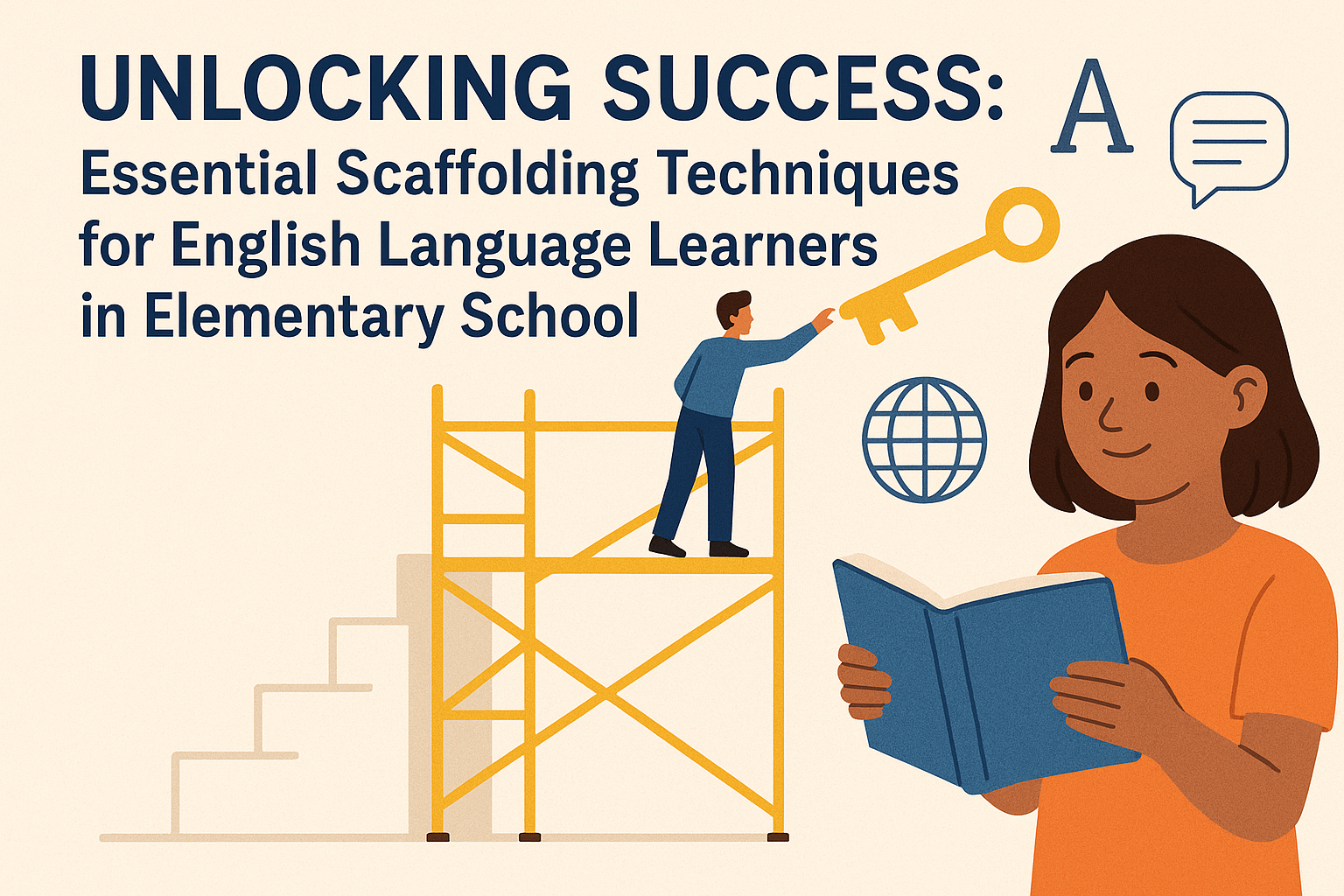
Scaffolding refers to a variety of instructional methods that support students in achieving a specific goal, particularly when they are learning new concepts or skills. In the context of teaching ELLs, scaffolding techniques are designed to bridge the gap between what learners already know and what they need to know. This structured assistance allows students to engage in learning tasks that would otherwise be too complex.
There are several key principles behind effective scaffolding. These include:
- Gradual Release of Responsibility: Initially, the teacher provides substantial support and gradually decreases assistance as students become more proficient.
- Collaboration: Encouraging peer interactions enhances language learning through social engagement and shared knowledge.
- Interactive Learning: Utilizing hands-on activities and technology can facilitate deeper understanding and retention of new language skills.
The Importance of Scaffolding for ELLs
Why is scaffolding so essential for English language learners? For many ELLs, language acquisition is intertwined with academic learning. They must not only understand the content but also grasp the language in which it is delivered. According to the National Center for Education Statistics, the number of ELLs in public schools has grown significantly, highlighting the need for effective teaching strategies tailored to this demographic.
Scaffolding techniques allow ELLs to access the curriculum more easily. They help reduce anxiety by breaking down complex tasks into manageable steps, making learning more approachable. Moreover, these strategies foster a supportive learning environment that encourages risk-taking and exploration, essential components of language learning.
Key Scaffolding Techniques for ELLs
There are numerous scaffolding techniques for English language learners that educators can implement in the classroom. Here are some of the most effective methods:
1. Visual Supports
Using visual aids is one of the most effective scaffolding techniques. Visual supports like charts, graphs, images, and videos can help ELLs connect new vocabulary with familiar concepts. For instance, incorporating pictures into lessons can provide context clues that enhance comprehension.
Additionally, interactive whiteboards and projectors can display images and videos that appeal to different learning styles. When discussing a topic, such as ecosystems, showing pictures of various habitats can help students better understand the vocabulary associated with them.
2. Think-Alouds
Think-alouds are a powerful technique where teachers verbalize their thought processes while completing a task. This strategy not only models critical thinking but also demonstrates how to approach problem-solving in English. For ELLs, hearing a fluent speaker navigate language intricacies can be invaluable.
Teachers can use think-alouds during reading sessions, particularly when encountering complex texts. By articulating their thoughts about predictions, questions, and connections, educators provide students with a framework for their own language processing.
3. Collaborative Learning
Pairing ELLs with proficient English speakers fosters a collaborative learning environment. In mixed-language groups, ELLs can practice language skills in a low-pressure setting. This interaction not only improves language fluency but also builds social skills and confidence. (See: Scaffolding techniques in education.)
Teachers can facilitate collaborative learning through group projects, discussions, or peer tutoring. Such environments encourage students to express their thoughts and ideas, helping them practice using English in meaningful contexts.
4. Sentence Frames and Starters
Providing sentence frames or starters can greatly assist ELLs in structuring their thoughts when speaking or writing. These templates guide students in constructing grammatically correct sentences and promote language use in various contexts.
For example, if students are discussing a book, a sentence starter like “I think the main character feels ____ because ____” can help them articulate their ideas clearly. This technique not only aids expression but also enriches vocabulary usage.
5. Scaffolding with Technology
Technology plays a vital role in modern education, and ELLs can benefit significantly from digital tools. Language learning apps, educational games, and online resources provide interactive ways for students to enhance their language skills.
For instance, platforms such as Duolingo or Quizlet allow students to practice vocabulary and grammar at their own pace. Teachers can also incorporate educational videos that provide visual and auditory language exposure, further supporting comprehension.
6. Culturally Responsive Teaching
Understanding and embracing students’ cultural backgrounds is a key element of scaffolding. Culturally responsive teaching involves integrating students’ cultural references into the curriculum, making lessons more relatable and accessible.
Teachers can invite students to share their experiences or relate content to their cultures, creating a sense of belonging and relevance. This approach not only aids in language acquisition but also fosters an inclusive classroom environment.
Challenges and Considerations
While scaffolding techniques are highly effective, they are not without challenges. For one, teachers must be aware of the varying levels of proficiency among ELLs. A one-size-fits-all approach rarely works; educators must tailor their scaffolding strategies to meet individual needs.
Additionally, some teachers may feel overwhelmed by the need to adapt their instructional methods. It’s essential for schools to provide professional development opportunities that equip educators with the necessary skills and resources. Collaboration among teachers can also foster a community of practice, where sharing experiences and strategies becomes the norm.
The Role of Assessment in Scaffolding
Assessment plays a crucial role in effective scaffolding for ELLs. Ongoing assessments allow teachers to monitor student progress and adjust their instructional strategies accordingly. Formative assessments can help identify areas where students may need more support, enabling targeted interventions.
Moreover, assessments should be culturally and linguistically appropriate. Using assessments that take into account ELLs’ language proficiency ensures a fair evaluation of their understanding and skills. Teachers can use various assessment forms, including portfolios, projects, and oral presentations, to gauge comprehension beyond traditional testing methods.
Current Relevance and Future Directions
In the wake of the COVID-19 pandemic, the need for effective scaffolding techniques has become even more pressing. Many ELLs have faced significant learning loss due to remote learning environments that lacked the necessary scaffolding support. Educators must now work harder than ever to catch these students up while also building their language skills. (See: Understanding scaffolding in learning.)
Looking ahead, the integration of technology into scaffolding practices is likely to increase. As online platforms continue to evolve, they will provide more opportunities for personalized learning. Additionally, a growing emphasis on social-emotional learning will further support ELLs in developing the confidence and resilience needed to succeed.
Ultimately, implementing effective scaffolding techniques for English language learners not only enhances language acquisition but also promotes academic achievement and personal growth. By fostering an inclusive and supportive learning environment, educators can empower ELLs to thrive in their educational journeys.
New Scaffolding Techniques to Consider
Beyond the commonly used scaffolding methods, there are innovative strategies educators can explore to further enhance the learning experience for ELLs. Here are a few emerging techniques that show promise:
1. Use of Graphic Organizers
Graphic organizers help students visually represent information, making complex concepts easier to understand. Tools like mind maps, Venn diagrams, and flowcharts can guide ELLs in organizing their thoughts and connecting ideas. For example, when studying a new topic, a graphic organizer can help ELLs categorize key vocabulary and concepts, making it easier to recall information later.
2. Interactive Journals
Interactive journals allow students to express their thoughts and reflections in a structured yet creative format. Teachers can prompt students with questions or topics and encourage them to respond in writing, drawings, or even collages. This technique not only practices language use but also fosters self-expression and critical thinking.
3. Role-Playing Activities
Role-playing can be an effective way to immerse ELLs in real-life scenarios where they must use English. By simulating situations such as ordering food at a restaurant or conducting a job interview, students can practice language skills in a practical context. This method also helps build confidence as they become more accustomed to using English in everyday conversations.
4. Peer Teaching
Encouraging ELLs to teach their peers can reinforce their understanding and boost their confidence. When students explain concepts to others, they solidify their own knowledge and gain valuable speaking practice. This strategy also promotes collaboration and builds a supportive classroom community.
Statistical Insights on ELLs
Understanding the demographics of ELLs is essential for tailoring effective scaffolding techniques. According to the National Center for Education Statistics (NCES), over 5 million students in the U.S. were classified as ELLs during the 2019-2020 school year, representing about 10% of the total student population. This number is expected to rise, emphasizing the importance of effective teaching strategies.
Additionally, a report by the Migration Policy Institute indicates that ELLs often come from diverse linguistic backgrounds, with over 400 different languages spoken among them. This diversity highlights the need for culturally responsive scaffolding techniques that can cater to the unique needs of various groups.
Expert Perspectives
Many educational experts emphasize the importance of scaffolding for ELLs. Dr. Patricia Kuhl, co-director of the Institute for Learning and Brain Sciences at the University of Washington, notes, “Language learning is about more than just words; it’s about understanding context, culture, and communication. Scaffolding provides the necessary support for ELLs to navigate these complexities.” (See: Research on scaffolding in language learning.)
Dr. Jim Cummins, an influential researcher in bilingual education, advocates for the significance of building on students’ prior knowledge: “Effective scaffolding techniques help bridge the gap between students’ native languages and English, allowing them to leverage their existing knowledge as they learn.”
Frequently Asked Questions (FAQ)
Q: What is the best way to assess ELLs?
A: It’s important to use varied assessment methods that consider language proficiency. Formative assessments, projects, and oral presentations can provide a more accurate picture of ELLs’ understanding.
Q: How can I promote a sense of belonging for ELLs in the classroom?
A: Integrating culturally responsive teaching practices, such as allowing students to share their cultural backgrounds and experiences, can create a more inclusive environment.
Q: How can I support ELLs who are reluctant to speak?
A: Implementing low-pressure activities like pair work or role-playing can encourage participation. Providing sentence frames can also help them feel more comfortable expressing their thoughts.
Q: What resources are available for teachers looking to improve their scaffolding techniques?
A: Many organizations offer professional development workshops, online courses, and resources specifically focused on teaching ELLs. Websites like Colorín Colorado and TESOL International Association provide valuable materials and support.
Q: How can technology enhance scaffolding for ELLs?
A: Technology can provide interactive experiences through language learning apps, online forums, and multimedia resources that cater to different learning styles. Incorporating these tools can enhance language acquisition in engaging ways.
By exploring these new techniques and considering the diverse needs of ELLs, educators can create a more supportive and effective learning environment. The commitment to utilizing effective scaffolding techniques for English language learners will ultimately lead to greater success in language acquisition and academic achievement for all students.
“`
Trending Now
Frequently Asked Questions
What are scaffolding techniques for English language learners?
Scaffolding techniques are instructional methods designed to support English language learners (ELLs) in mastering new concepts. These techniques provide structured assistance, helping students bridge the gap between their existing knowledge and new material, enabling them to engage with complex tasks effectively.
Why is scaffolding important for ELL students?
Scaffolding is crucial for ELL students as it facilitates language acquisition alongside academic learning. It helps them understand content while simultaneously grasping the language of instruction, ensuring they can keep up with their peers and succeed in their studies.
How can teachers implement scaffolding in the classroom?
Teachers can implement scaffolding by gradually releasing responsibility to students, encouraging collaboration through peer interactions, and utilizing interactive learning activities. These strategies help ELLs build language skills progressively while engaging meaningfully with the curriculum.
What are some examples of scaffolding techniques?
Examples of scaffolding techniques include modeling language use, using visual aids, providing sentence frames, and integrating technology. These methods help ELLs understand and retain new language skills by making learning more accessible and interactive.
What is the gradual release of responsibility in scaffolding?
The gradual release of responsibility is a key principle in scaffolding where teachers initially provide substantial support to students and then slowly decrease assistance as they gain proficiency. This approach fosters independence and confidence in ELLs as they master new language skills.
What’s your take on this? Share your thoughts in the comments below — we read every one.