
“`html
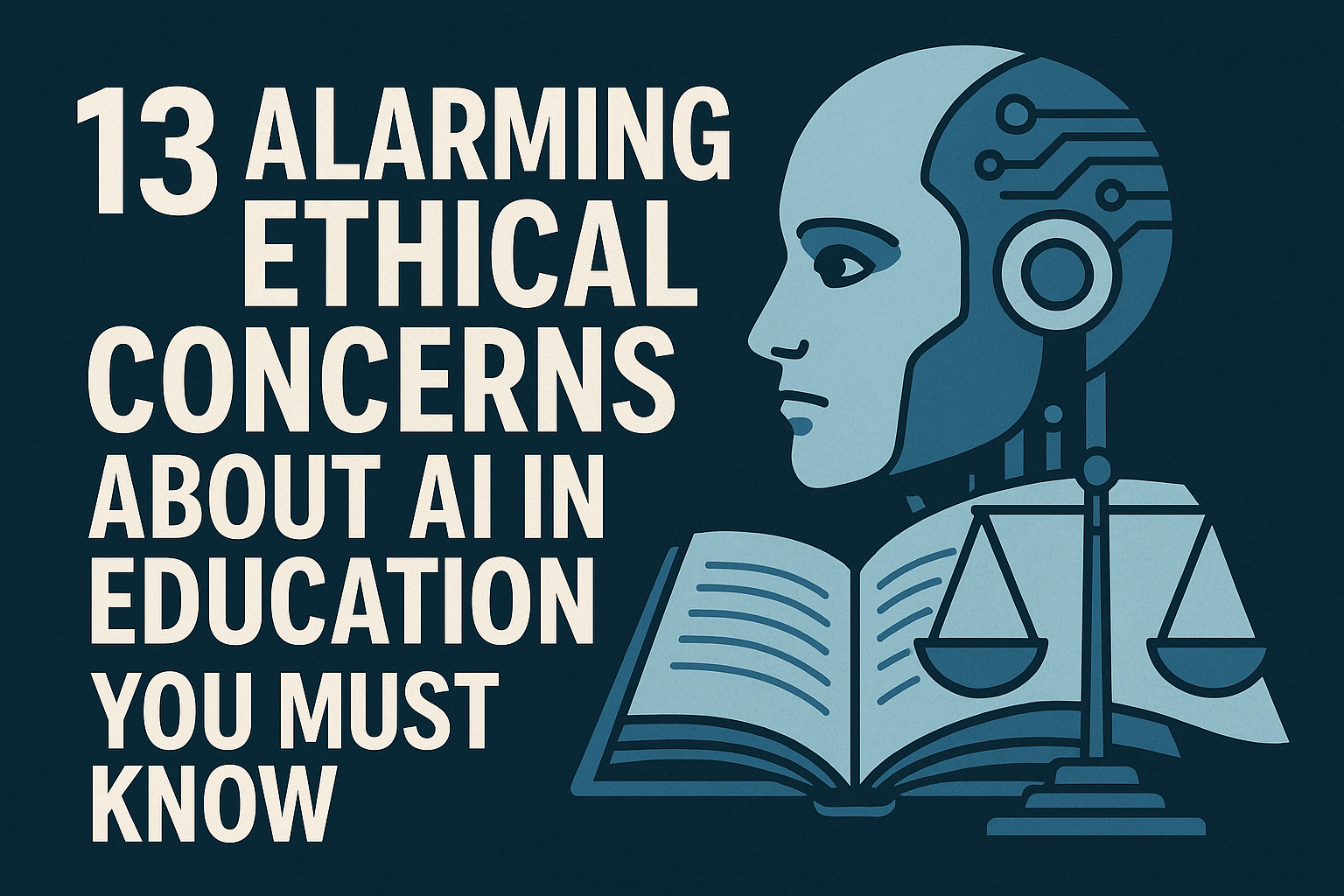
Artificial Intelligence (AI) is rapidly becoming a part of our everyday lives, and education is no exception. The integration of AI tools in classrooms is already reshaping how teachers instruct and how students learn. However, this revolutionary technology comes with its own set of ethical dilemmas and social concerns. A recent viral discussion highlighted 13 critical issues regarding the AI in education ethics, sparking massive engagement among educators, parents, and policymakers. As schools increasingly adopt AI without clear ethical guidelines, these concerns are becoming urgent for all involved.
The Privacy Paradox: Data Concerns in Education
At the forefront of the ethical issues surrounding AI in education is the question of data privacy and security. With AI tools collecting vast amounts of data on students, educators, and parents, the potential for exploitation looms large. One troubling statistic indicates that over 80% of educators believe that privacy risks could compromise student trust.
The data collected ranges from academic performance and behavioral patterns to personal information, which raises several questions: Who owns this data? How is it being stored? How secure is it from breaches? Parents are understandably concerned about their children’s information being mishandled or sold to third parties, leading to a growing demand for transparency in how educational AI systems operate. Without strong regulations and clear ethical guidelines, students could become unwitting targets for data exploitation.
AI’s Impact on Human Teaching Roles
Another significant concern is the potential erosion of human teaching roles. While AI is marketed as a tool to assist educators, many worry it may eventually replace them. A survey conducted across various school districts revealed that 65% of teachers expressed concerns about becoming obsolete due to AI. This anxiety isn’t unfounded; as AI tools become more sophisticated, the line between teaching and automation blurs.
Teachers play a crucial role in fostering emotional intelligence, critical thinking, and social skills—attributes that AI cannot replicate. The fear of AI replacing educators could lead to a loss of valuable human interaction in the classroom, which is vital for a child’s development. Parents and educators alike stress the importance of maintaining human connections in education, making it essential to find a balance between AI assistance and teacher involvement.
Equity Concerns: The Digital Divide
The rise of AI in education also shines a light on existing inequalities. The digital divide—the gap between those with easy access to digital technology and those without—poses a significant ethical dilemma. Many students in underprivileged areas lack access to reliable internet and modern devices, putting them at a disadvantage compared to their peers in affluent communities.
When AI tools are introduced into the classroom, they can inadvertently widen this gap. If educational institutions rely heavily on technology without ensuring equal access for all students, it could exacerbate existing inequalities. A recent report highlighted that students in low-income households are 25% less likely to have access to computers compared to their affluent counterparts. Addressing these disparities is crucial for ensuring that AI in education benefits all students, not just a select few.
Bias and Discrimination in AI Algorithms
AI systems are only as unbiased as the data they are trained on. Unfortunately, historical biases can seep into these algorithms, leading to discriminatory outcomes. In the context of education, biased AI tools may unfairly target or misjudge certain groups of students based on race, gender, or socioeconomic status. (See: data privacy concerns in education.)
A concerning analysis found that AI grading systems disproportionately penalized students from marginalized backgrounds, leading to lower grades and fewer opportunities. This raises critical questions about fairness and accountability in the educational system. The stakes are high; if AI exacerbates existing biases, it could undermine the very purpose of education: to provide equitable opportunities for learning and growth.
The Role of Educators in AI Implementation
As schools begin to adopt AI technologies, the role of educators becomes even more pivotal. Teachers must not only integrate these tools into their existing curricula but also navigate the ethical implications that come with them. Unfortunately, many educators feel underprepared to address these challenges. A recent study found that 70% of teachers reported receiving insufficient training on how to use AI responsibly in the classroom.
Professional development focused on AI ethics in education is crucial. Schools should prioritize training programs that equip educators with the knowledge and tools necessary to implement AI ethically. By involving teachers in the decision-making process regarding technology adoption, we can foster a culture of ethical awareness and responsibility.
Transparency and Accountability in AI Tools
Another pressing concern is the lack of transparency in how AI systems function. Many educators and parents find it difficult to understand how AI algorithms operate, making it challenging to hold these systems accountable for their decisions. For example, if an AI tool unjustly flags a student as a behavioral risk, parents may struggle to understand the rationale behind such a determination.
Without transparency, trust in these AI systems diminishes, and the potential for misuse increases. Schools must advocate for clear standards and protocols from AI developers to ensure that users can understand the workings of these tools. This will not only promote accountability but also foster a collaborative environment where educators and AI systems can work together effectively.
The Need for Regulations and Ethical Guidelines
As AI in education becomes more prevalent, the need for comprehensive regulations and ethical guidelines becomes increasingly urgent. Currently, there are few established standards governing the use of AI in educational settings. This lack of oversight can result in unethical practices that jeopardize student welfare.
Various stakeholders—including educators, parents, and policymakers—must collaborate to create a framework that prioritizes ethical considerations in AI usage. Organizations focused on educational technology should actively engage in discussions around AI ethics to develop industry standards. By establishing clear guidelines, we can help ensure that AI tools enhance teaching and learning without compromising values.
Expert Perspectives on AI in Education Ethics
To deepen our understanding of AI in education ethics, it’s important to consider insights from experts in the field. Dr. Jane Holloway, a researcher in educational technology, points out that “AI should be seen as an augmentation of a teacher’s capabilities, not a replacement. The unique human experiences and insights that educators bring into the classroom are irreplaceable.” She emphasizes that the development of AI tools should focus on enhancing human-teacher interactions rather than substituting them. (See: AI and privacy in education.)
Another leading voice, Professor Mark Reyes, advocates for a cautious approach to AI in educational settings. “We need to ensure that the algorithms we use are trained on diverse datasets to avoid perpetuating bias,” he states. “Training AI systems responsibly, with attention to various perspectives, is essential for achieving equity in education.” These perspectives underscore the importance of ethical considerations being at the forefront of AI integration in classrooms.
Comparative Analysis: Global Guidelines on AI in Education
Different countries are approaching the ethics of AI in education in various ways, reflecting their unique educational philosophies and governance structures. For instance, the European Union has developed guidelines emphasizing respect for privacy and data protection under the General Data Protection Regulation (GDPR). This framework requires educational institutions to have explicit consent from parents and guardians before collecting data from minors.
Conversely, the United States has not yet established a comprehensive regulatory framework, leading to a patchwork of state-level policies. The lack of unified guidance often leaves educators and institutions uncertain about best practices. A report from the Brookings Institution highlights that a cohesive set of guidelines could mitigate risks associated with data privacy while promoting ethical AI use in classrooms.
Practical Examples of Ethical AI Implementation
Several educational institutions are taking proactive steps to implement AI ethically. For instance, the New York City Department of Education has partnered with tech companies to develop AI tools that prioritize equity and transparency. They’ve established a committee that includes educators, parents, and technologists to oversee AI tool evaluations and implementations, ensuring that all voices are heard.
In another example, a school district in California implemented a pilot program where AI tutoring systems were used to complement in-person teaching rather than replace it. This approach not only addressed the fear of obsolescence among teachers but also provided additional support for students struggling with specific subjects. Feedback from teachers indicated that the AI tools enhanced their teaching rather than detracted from it, reinforcing the idea that AI can coexist with human educators effectively.
FAQ about AI in Education Ethics
What ethical considerations should be taken into account when implementing AI in education?
When implementing AI in education, it’s crucial to consider data privacy, algorithmic bias, transparency, and the impact on human teaching roles. Stakeholders should ensure that AI tools are used to enhance learning without compromising ethical standards.
How can schools ensure equitable access to AI tools?
Schools can ensure equitable access by investing in infrastructure, providing devices to underprivileged students, and fostering partnerships with tech companies to secure affordable technology solutions for all students. (See: ethical implications of AI in education.)
What role do parents play in the ethical use of AI in education?
Parents can advocate for transparency and accountability in the use of AI tools within schools. By participating in discussions and decision-making processes, they can help shape policies that prioritize ethical considerations.
Are there any successful examples of AI applications in education?
Yes! Many schools have successfully integrated AI applications that provide personalized learning experiences, such as adaptive learning platforms that adjust to the pace and learning preferences of individual students. Programs that offer AI-driven tutoring have also shown positive results in enhancing student performance.
What are some potential risks of AI in education?
Potential risks of AI in education include data breaches, perpetuation of biases, and the risk of reducing the role of human educators. There’s also a concern that reliance on AI tools could lead to diminished critical thinking and problem-solving skills among students if not used responsibly.
Conclusion: A Call to Action for Educators and Policymakers
The integration of AI in education presents both exciting opportunities and alarming challenges. From data privacy concerns to issues of bias and equity, the ethical landscape is complex and often fraught with dilemmas. Educators, parents, and policymakers must remain vigilant as AI tools become embedded in educational practices.
This is not just a technical issue; it’s a moral one. Our responsibility lies in ensuring that these advancements serve to elevate educational integrity rather than undermine it. By fostering discussions around AI in education ethics, we can advocate for a future where technology enhances learning while upholding the principles of equity, transparency, and human connection. Together, let’s create an educational environment where both AI and educators can thrive, ensuring that every student receives the quality education they deserve.
“`
Trending Now
Frequently Asked Questions
What are the ethical concerns of AI in education?
The integration of AI in education raises several ethical concerns, including data privacy issues, potential exploitation of student information, and the risk of diminishing human teaching roles. As AI tools collect vast amounts of data on students, the need for transparency and strong regulations becomes critical to protect student trust and ensure ethical use.
How does AI affect student privacy in education?
AI tools in education collect extensive data on students, raising significant privacy concerns. Many educators worry that this data could be compromised or misused, leading to a loss of trust among students and parents. Transparency in data handling and strong regulations are essential to mitigate these risks.
Will AI replace teachers in the classroom?
While AI is intended to assist educators, there are growing concerns that it may eventually replace some teaching roles. A survey indicated that 65% of teachers fear obsolescence due to AI advancements. This highlights the need for a balanced approach that values human interaction in education.
What data does AI collect in education?
AI in education collects various types of data, including academic performance, behavioral patterns, and personal information. This raises questions about data ownership, storage security, and the potential for exploitation, making it crucial for educational institutions to establish clear ethical guidelines.
Why is transparency important in AI education tools?
Transparency in AI education tools is vital to ensure that parents and students understand how their data is used and protected. As concerns about data privacy and exploitation grow, clear communication and ethical guidelines are necessary to foster trust and safeguard student information.
Agree or disagree? Drop a comment and tell us what you think.