
“`html
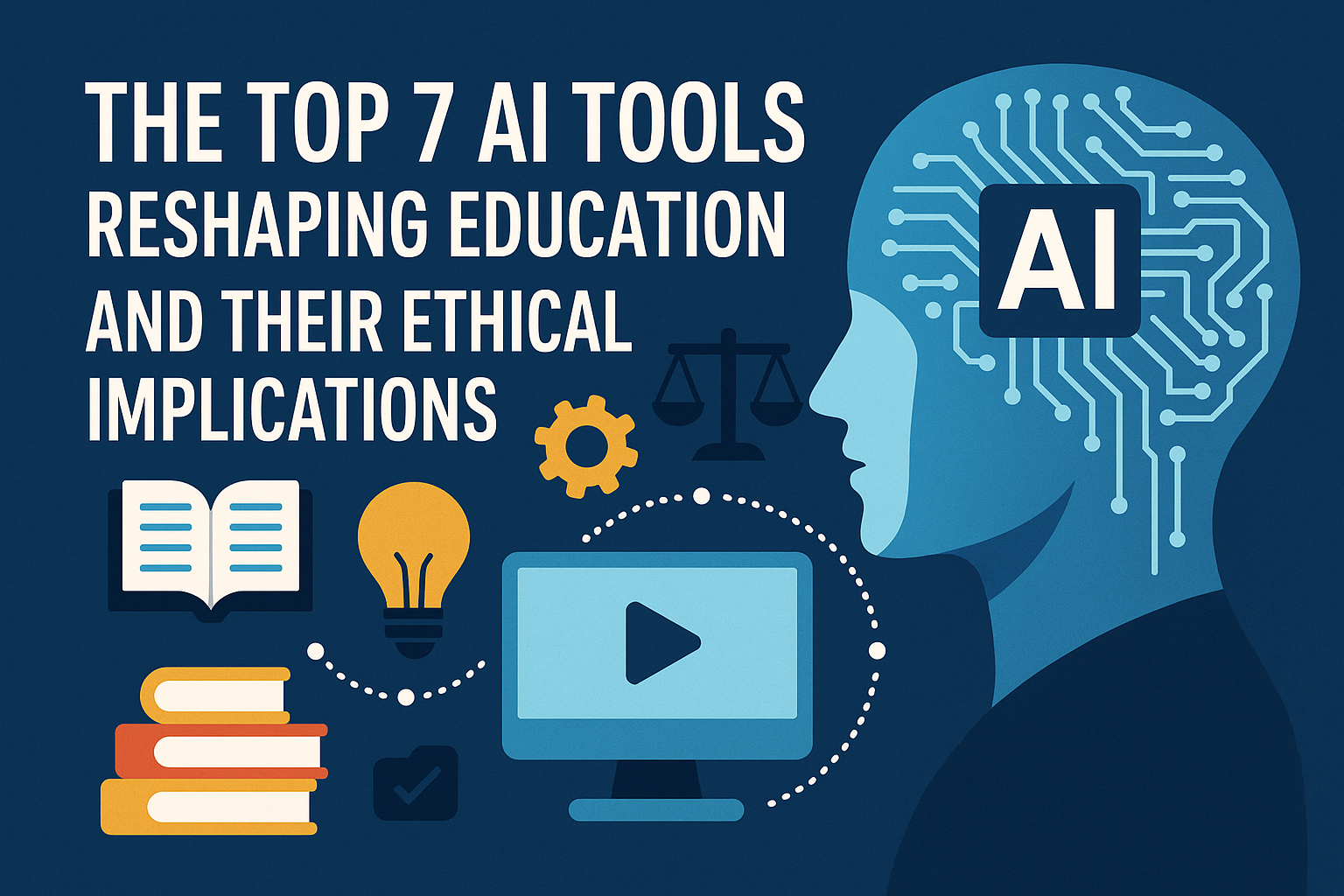
Artificial Intelligence (AI) is making waves in education, with a myriad of tools designed to facilitate learning. However, while many educators and institutions are embracing these technological advancements, it’s crucial to understand the best AI tools in education ethical implications that come with them. This article takes a closer look at seven prominent AI tools in educational settings, their benefits, and the pressing ethical concerns surrounding their use.
1. Chatbots for Student Support
Chatbots have gained traction in educational institutions as a means of providing on-demand support to students. They can answer questions, offer resources, and even guide students through administrative processes. Chatbots like Woebot and Jasper are being used to assist students in navigating the complexities of academic life, offering 24/7 assistance.
However, the ethical implications of using chatbots are significant. Privacy concerns arise, particularly regarding the data gathered from conversations. Many chatbots require collecting personal information to customize responses, which can result in data privacy issues if not managed appropriately. Furthermore, there’s a risk that students may rely too heavily on these AI-driven services, undermining the vital human element of emotional support traditionally provided by educators.
2. Adaptive Learning Platforms
Adaptive learning platforms like Knewton and DreamBox tailor educational content to individual student needs, utilizing algorithms to assess learning styles and progress. By adapting materials in real time, these tools can enhance learning experiences, providing personalized pathways for students.
The ethical implications of these platforms cannot be overlooked. One major concern is the potential for algorithmic bias, where the data used to train the models may inadvertently reflect societal inequalities. This could perpetuate existing gaps in education rather than close them. Moreover, there’s a risk that reliance on adaptive learning tools might diminish the role of educators, raising fears about the devaluation of teaching as a profession.
3. AI-Powered Grading Systems
AI grading systems, like Gradescope and Turnitin, are revolutionizing assessment by providing quick feedback on assignments and tests. By automating the grading process, these tools allow educators to allocate more time to instruction rather than administrative tasks.
Despite their advantages, the ethical implications of AI grading systems raise a host of concerns. For one, automated grading can lack the nuanced understanding an educator provides, particularly in subjective assessments like essays. Furthermore, issues surrounding data security are paramount, as these systems often handle sensitive student information. If such data were to be compromised, it would have devastating implications for student privacy.
4. Learning Analytics and Data Tracking
Learning analytics tools, such as Blackboard Analytics and Brightspace, gather and analyze student data to provide insights into learning behaviors and outcomes. With this data, educators can identify at-risk students and adjust teaching strategies accordingly.
However, the ethical implications surrounding data tracking are significant. The collection of extensive student data raises serious privacy concerns, especially if the data is shared with third parties or used without student consent. Additionally, the risk of surveillance becomes a looming threat, where students might feel monitored, potentially stifling their willingness to engage in open learning environments. (See: U.S. Department of Education.)
5. Language Translation Tools
AI-driven language translation tools, such as Google Translate and Microsoft Translator, facilitate communication and comprehension for non-native speakers in diverse classrooms. These tools can enhance inclusivity, allowing students from various linguistic backgrounds to participate fully in learning activities.
Yet, the ethical implications of reliance on these translation tools warrant scrutiny. Accuracy can vary widely, leading to potential miscommunications that could affect learning outcomes. Additionally, there’s the risk of displacing language teachers, as schools may prioritize technology over human instructors who bring invaluable cultural context to language education.
6. Virtual Reality (VR) Learning Environments
Virtual Reality is pushing the boundaries of traditional learning environments by creating immersive experiences that can enhance understanding of complex subjects. Tools like Google Expeditions allow students to explore historical sites or distant planets, broadening their educational horizons.
Conversely, the ethical implications of VR in education include accessibility issues. Not all students may have access to the required hardware or internet connectivity to benefit from these technologies, potentially exacerbating existing inequalities. Furthermore, there’s a concern regarding the data collected from VR experiences, which could pose significant privacy risks if not handled correctly.
7. AI Content Creation Tools
AI content creation tools, such as Copy.ai and Grammarly, empower students to enhance their writing and comprehension skills. These platforms provide instant feedback, suggesting improvements and helping students develop their writing capabilities.
However, the ethical implications of using AI in content creation can be profound. Students might become overly reliant on these tools, stunting their ability to think critically and express themselves authentically. Moreover, the concern about plagiarism rises, as students may use AI-generated content without fully understanding the line between inspiration and copying.
In the Balance: Navigating AI in Education
The integration of AI tools in education presents a double-edged sword. On one hand, these technologies can enhance learning experiences, personalize education, and improve efficiency. On the other hand, the best AI tools in education ethical implications beg for a careful examination. Concerns about data privacy, educator roles, and the potential erosion of human interaction are all pressing issues that need to be addressed.
As schools and educators increasingly adopt these tools, it becomes vital to engage in discussions about the ethical frameworks that guide their use. Policymakers, educators, and parents must work together to establish guidelines that protect student privacy while still leveraging the benefits of AI in the classroom. Only then can we ensure that technology serves as a facilitator of learning, rather than a hindrance to educational integrity.
Ethical Considerations in AI Integration
The ethical implications of AI tools in education extend beyond privacy concerns. The potential for bias in AI algorithms can have far-reaching impacts on student outcomes. For instance, if an adaptive learning platform is trained on data that lacks diversity, it may fail to adequately support students from various backgrounds. This could lead to a widening achievement gap rather than closing it. Educational institutions must rigorously evaluate the datasets used to train AI systems and prioritize inclusivity in technology design.
Case Studies: Real-World Impact of AI Tools
Several schools have begun implementing AI tools with varying degrees of success, highlighting both advantages and ethical pitfalls. For example, a district in California adopted an AI grading system that significantly improved turnaround time for assessments. However, teachers reported feeling sidelined, as students began to rely heavily on the automated feedback without understanding the underlying concepts. This scenario emphasizes the importance of maintaining a balance where AI enhances, rather than replaces, the educator’s role. (See: New York Times on AI in Education.)
Another case is the incorporation of language translation tools in a diverse New York City classroom. Initially praised for aiding communication, the teachers soon discovered that the tools sometimes misinterpreted cultural nuances, leading to misunderstandings. This highlighted the necessity for human oversight when utilizing AI tools that intersect with sensitive areas like language and culture.
Statistics on AI Tools in Education
Recent studies reveal intriguing statistics about the adoption of AI in educational settings. According to a 2023 report by the International Society for Technology in Education, nearly 80% of educators believe that AI tools enhance learning outcomes. However, a survey conducted by the Education Week Research Center found that 65% of teachers are concerned about the ethical implications of these technologies, particularly regarding student data privacy.
Furthermore, a report from McKinsey & Company indicates that AI’s influence on education could potentially lead to efficiency gains of up to 30%, allowing educators to focus more on personalized teaching. This juxtaposition of perceived benefits against ethical concerns forms a complex landscape for educational stakeholders.
Expert Perspectives on AI in Education
Experts in education technology often emphasize the importance of a balanced approach to AI integration. Dr. Amy Wilkins, a leading researcher in educational equity, argues, “While AI can provide personalized learning experiences, we must remain vigilant about the potential biases that algorithms can introduce. Ensuring equity in education means critically evaluating the technology we use.”
Conversely, Dr. Robert Kahn, an advocate for educational technology, highlights the possibilities: “AI can open doors to personalized learning that traditional methods simply cannot. The key is to implement these tools thoughtfully, ensuring they complement the existing educational framework instead of undermining it.”
Frequently Asked Questions (FAQ)
What are the most effective AI tools currently used in education?
Some of the most effective AI tools include adaptive learning platforms like Knewton, grading systems such as Gradescope, and chatbots like Woebot. Each of these tools addresses specific educational needs while also raising ethical considerations.
How can schools ensure student data privacy when using AI tools?
Schools can ensure student data privacy by implementing strict data governance policies, using anonymized data when possible, obtaining consent from students and parents, and regularly auditing AI systems for compliance with privacy laws.
Are there training programs for educators to understand AI tools better?
Yes, many organizations offer training programs that help educators understand AI tools. These programs often include workshops, online courses, and resource materials focused on the ethical implications and practical uses of AI in the classroom. (See: WHO on mental health support.)
What steps can educators take to maintain a human element in AI-driven education?
Educators can maintain a human element by using AI tools as supplementary resources rather than replacements. Incorporating regular interactions with students, fostering discussions, and providing emotional support are essential to preserving the teacher-student relationship.
How can parents get involved in discussions about AI tools in their child’s education?
Parents can engage by attending school board meetings, advocating for transparency regarding AI tool usage, and discussing the implications of these tools with educators to ensure that their children’s educational needs are met ethically.
Future Trends in AI in Education
As the landscape of education continues to evolve, several trends are emerging regarding the use of AI tools. One notable trend is the growth of personalized learning experiences. AI is set to enhance this personalization further by utilizing data analytics to create tailored curriculum and assessments for students, ensuring they progress at their own pace.
Additionally, there’s an increasing focus on ethical AI development. Education technology companies are being urged to adopt ethical guidelines during the design phase of their products to mitigate biases and enhance data privacy. These developments could lead to a new generation of AI tools that prioritize ethical considerations without sacrificing effectiveness in learning.
Community Engagement and AI Ethics
Engaging the community in discussions about AI in education is increasingly vital. Town hall meetings, workshops, and forums can serve as platforms where teachers, parents, and students voice their concerns and ideas regarding AI tools. This community engagement not only fosters a shared understanding but also empowers stakeholders to contribute to ethical frameworks that govern AI use.
Moreover, educational institutions can form partnerships with tech companies to ensure that ethical considerations are at the forefront of AI tool implementation. By collaborating, both sectors can benefit from each other’s insights, leading to the development of tools that are both effective and ethically sound.
“`
Trending Now
Frequently Asked Questions
What are the top AI tools in education?
The top AI tools reshaping education include chatbots for student support, adaptive learning platforms, and more. These tools enhance learning experiences by providing personalized support and resources tailored to individual student needs.
How do chatbots impact student support in education?
Chatbots like Woebot and Jasper offer 24/7 support by answering questions and guiding students through academic processes. However, they raise ethical concerns regarding data privacy and the potential over-reliance on AI for emotional support.
What are the ethical implications of using AI in education?
The ethical implications include privacy concerns related to data collection, the risk of algorithmic bias in adaptive learning platforms, and the potential undermining of human interaction in educational settings.
What is adaptive learning in education?
Adaptive learning refers to educational platforms that customize content based on individual learning styles and progress. Tools like Knewton and DreamBox utilize algorithms to create personalized learning pathways for students.
Can AI tools in education perpetuate inequality?
Yes, AI tools can perpetuate inequality if they are trained on biased data. This can lead to algorithmic bias, which may reinforce existing educational disparities rather than address them.
Agree or disagree? Drop a comment and tell us what you think.