
“`html
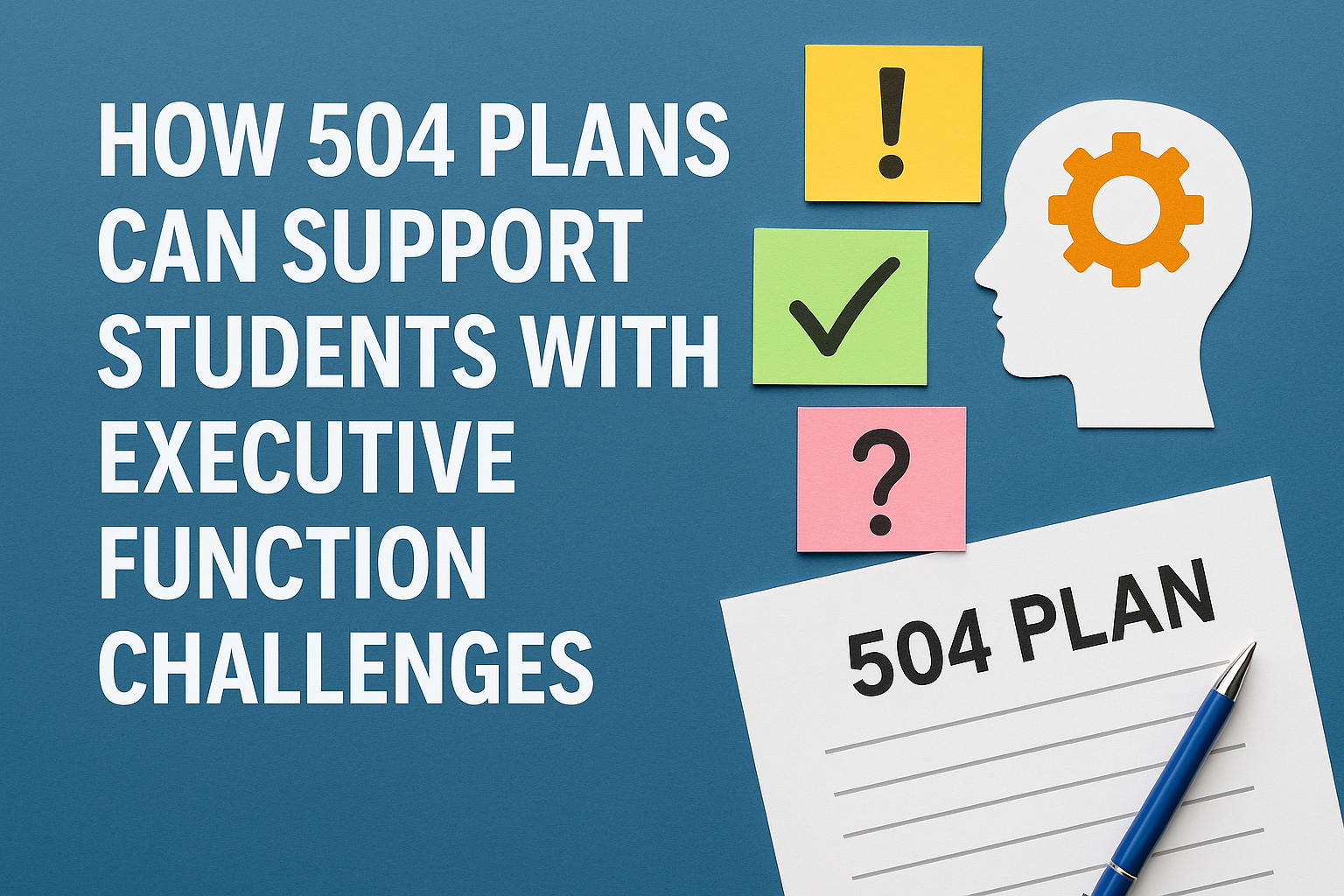
In today’s educational landscape, students face a myriad of challenges, particularly those with executive function difficulties. Executive function encompasses a range of cognitive processes that are crucial for managing tasks, problem-solving, and regulating behavior. For students grappling with these challenges, a 504 plan can provide invaluable support. In this article, we’ll explore how 504 plans for executive function challenges serve as essential tools, helping students thrive academically and socially.
Understanding Executive Function Challenges
What exactly are executive function challenges? At their core, these challenges involve difficulties with processes that help individuals plan, focus attention, remember instructions, and juggle multiple tasks. Essentially, executive functions help us manage our lives effectively. For students, this could manifest as trouble organizing their schoolwork, remembering due dates, or even following through on multi-step instructions.
Research indicates that executive function issues are particularly prevalent among students with ADHD (Attention-Deficit/Hyperactivity Disorder), learning disabilities, and certain emotional and behavioral disorders. According to the National Center for Learning Disabilities, as many as 1 in 5 children face these types of difficulties, making it crucial for educators and parents to understand how to best support these students.
What Is a 504 Plan?
A 504 plan is designed to ensure that students with disabilities, including those with executive function challenges, receive the necessary accommodations to succeed in the classroom. Named after Section 504 of the Rehabilitation Act of 1973, these plans mandate that public schools provide equal access to education for students with disabilities.
The essence of a 504 plan is to outline specific accommodations tailored to meet the unique needs of a student. This could range from modifications in the classroom environment to adjustments in how assignments are given and assessed. Unlike IEPs (Individualized Education Programs), which are more comprehensive and involve special education services, 504 plans focus primarily on accommodations to support learning.
The Importance of 504 Plans for Executive Function Challenges
For students with executive function challenges, a 504 plan can be a game-changer. Here are several ways these plans can provide much-needed support:
- Structured Environment: Students with executive function difficulties often thrive in structured environments. A 504 plan can outline specific classroom arrangements that minimize distractions and enhance focus.
- Time Management Support: Many students struggle with time management. A 504 plan can allow for extended time on tests or assignments, helping students demonstrate their true capabilities without the pressure of tight deadlines.
- Organizational Tools: Implementing organizational tools, such as planners or color-coded materials, can be part of a 504 plan. These tools help students keep track of assignments and deadlines, which is crucial for those who struggle with organization.
- Instructional Modifications: Teachers can modify instruction methods to suit students’ needs. This could involve breaking tasks into smaller, manageable steps or using visual aids to reinforce understanding.
- Behavioral Supports: Some students may benefit from behavioral interventions. A 504 plan can include strategies that promote positive behavior and minimize disruptions, enabling students to engage more fully in their education.
Developing an Effective 504 Plan
Creating a 504 plan is a collaborative process that involves parents, teachers, and school administrators. Here’s how to ensure the development of an effective plan:
1. Gather Comprehensive Documentation: Start by collecting assessment results, teacher observations, and any relevant medical or psychological evaluations. This information is critical for understanding the student’s specific challenges. (See: National Institute of Health on 504 Plans.)
2. Schedule a Meeting: Request a formal meeting with school officials to discuss the student’s needs. This meeting should include teachers, school counselors, and any other relevant staff who can contribute insights into the student’s educational experience.
3. Identify Needs and Accommodations: Based on the gathered documentation and discussions, collaboratively identify the specific accommodations that will best support the student. Be precise; the more specific the accommodations, the easier it is for teachers to implement them.
4. Set Clear Goals: Establish measurable goals that align with the accommodations. This helps track the student’s progress and ensures that the 504 plan is effectively addressing their needs.
5. Review Regularly: A 504 plan is not a one-time document; it should be reviewed and updated regularly to reflect the student’s changing needs. Annual meetings are a good practice to ensure that the plan remains relevant.
Practical Strategies for Implementation
Once a 504 plan is in place, it’s essential to implement it effectively. Here are some practical strategies that can help educators and parents:
1. Educate Staff: Ensure all staff members who interact with the student understand the 504 plan and the specific accommodations it includes. This will provide a consistent approach across different classes.
2. Use Visual Supports: Visual aids such as charts, diagrams, and calendars can help reinforce instructions and deadlines. For instance, a visual schedule can assist students in managing their time and understanding what to expect throughout the day.
3. Break Tasks into Steps: Encourage teachers to break assignments into smaller, more manageable steps. This helps students with executive function challenges avoid feeling overwhelmed and allows for a clearer path to completion.
4. Foster Communication: Maintain open lines of communication between teachers, parents, and the student. Regular check-ins can help monitor progress and address any emerging challenges.
5. Celebrate Successes: Recognize and celebrate the student’s accomplishments, no matter how small. Positive reinforcement can boost confidence and motivation, which is particularly important for students facing executive function challenges. (See: Understanding ADHD and Executive Function.)
Current Relevance and Future Implications
As educational settings continue to evolve, the relevance of 504 plans for executive function challenges has never been more critical. The COVID-19 pandemic has exacerbated disparities in education, and students with executive function difficulties often faced additional challenges during remote learning. Schools are increasingly recognizing the importance of proactive measures to support these students.
Looking ahead, it is vital for schools to not only implement 504 plans effectively but also to advocate for ongoing training for educators regarding executive function challenges. Providing teachers with tools and resources to understand and address these issues can lead to more inclusive and supportive learning environments.
Expert Perspectives on 504 Plans and Executive Function
Experts in education and psychology emphasize the significance of tailoring 504 plans to individual students’ needs. Dr. Sarah Johnson, an educational psychologist, states, “Understanding a child’s unique executive function challenges allows for more targeted interventions. A well-crafted 504 plan does more than offer accommodations; it empowers students to take ownership of their learning.” This insight reinforces the necessity of collaboration among educators, parents, and medical professionals in crafting effective plans.
Additionally, Dr. Mark Thompson, a special education consultant, notes, “Schools must be proactive in recognizing executive function issues early on. Early identification can greatly affect a student’s ability to succeed in school, so having a 504 plan in place can level the playing field for many.” This perspective highlights the urgent need for schools to adopt a proactive approach to identifying and supporting students with executive function difficulties.
Statistics on Executive Function and Education
Understanding the impact of executive function challenges on student performance is crucial. According to a study by the National Center for Learning Disabilities, students with executive function difficulties are 50% more likely to experience academic failure compared to their peers without such challenges. Furthermore, the same study found that these students are often at a higher risk for dropping out of school. These statistics underscore the importance of implementing effective 504 plans in providing the necessary support to help these students succeed.
Common Accommodations Included in 504 Plans
When developing a 504 plan, it can be beneficial to understand the range of accommodations that can be included. Here are some commonly used accommodations for students with executive function challenges:
- Alternative assessment methods: Allowing students to demonstrate their knowledge through projects or presentations instead of standard tests can alleviate pressure and showcase their strengths.
- Access to technology: Providing tablets or laptops can help students stay organized with digital planners and reminder apps, which can be more effective than traditional methods.
- Flexible deadlines: Offering flexibility with deadlines can reduce anxiety and allow students to manage their time effectively without the fear of failing to meet strict timelines.
- Frequent check-ins with teachers: Regular check-ins can help students stay on track and ensure they are managing their tasks effectively, providing them with the support they need to succeed.
FAQ about 504 Plans for Executive Function Challenges
What is the difference between a 504 plan and an IEP?
A 504 plan is focused on providing accommodations to ensure accessibility in education, while an IEP is designed for students who require specialized instruction and services due to more severe disabilities. Both serve different needs but aim to support students in their educational journey.
How do I know if my child needs a 504 plan?
If your child struggles with organization, time management, or following multi-step instructions, they may benefit from a 504 plan. Observations from teachers, testing results, and discussions with school counselors can help determine if a plan is necessary.
Can a 504 plan be modified after it’s created?
Yes, a 504 plan can and should be modified as needed. Regular reviews and discussions with all parties involved can help adapt the plan to the student’s changing needs and challenges.
What role can parents play in the 504 plan process?
Parents are vital collaborators in the 504 plan process. They can provide insights about their child’s strengths, weaknesses, and needs, ensuring that the plan is tailored effectively to promote their child’s success.
Building a Supportive Community
Creating a supportive community around students with executive function challenges is as critical as the accommodations in a 504 plan. Schools should foster an environment where students feel safe to express their challenges and successes. Peer support groups can be valuable in allowing students to share experiences and strategies. Involving the community, including parents and local organizations, can also provide resources that enhance the learning environment.
Long-term Impacts of 504 Plans
The implementation of effective 504 plans can have lasting impacts beyond immediate academic success. Studies show that students who receive proper support during their formative years are more likely to pursue higher education and have better job prospects. By addressing executive function challenges early through tailored plans, schools not only help students succeed in school but also equip them with essential skills for adulthood. These skills can include time management, organization, and self-advocacy, which are instrumental in navigating both personal and professional lives.
Conclusion: Empowering Students
In summary, 504 plans for executive function challenges are essential in promoting equitable educational opportunities for students. By understanding the nuances of executive function difficulties and developing tailored support plans, educators and parents can work together to unlock the potential of these students. Through collaboration, empathy, and a commitment to creating supportive environments, we can ensure that every student has the opportunity to succeed and thrive.
“`
Trending Now
Frequently Asked Questions
What are executive function challenges?
Executive function challenges refer to difficulties in cognitive processes that help individuals plan, focus attention, remember instructions, and manage multiple tasks. These challenges can affect students' ability to organize schoolwork, remember due dates, and follow multi-step instructions, significantly impacting their academic performance.
How do 504 plans help students with executive function issues?
504 plans provide necessary accommodations for students with executive function challenges, ensuring they receive equal access to education. These plans outline specific modifications tailored to the student's needs, such as adjustments in the classroom environment and support for task management.
Who is eligible for a 504 plan?
Students with disabilities, including those facing executive function challenges, are eligible for a 504 plan. This includes individuals with ADHD, learning disabilities, and certain emotional or behavioral disorders, as these conditions can hinder their academic success.
What accommodations can be included in a 504 plan?
Accommodations in a 504 plan can vary widely and may include extended time on tests, organizational support, modified assignments, or changes in the classroom setup. These adjustments are tailored to help students manage their executive function challenges effectively.
Why are 504 plans important for students?
504 plans are crucial because they ensure that students with disabilities receive the support they need to thrive academically and socially. By providing tailored accommodations, these plans help level the playing field, allowing students to succeed in their educational environments.
What’s your take on this? Share your thoughts in the comments below — we read every one.