
“`html
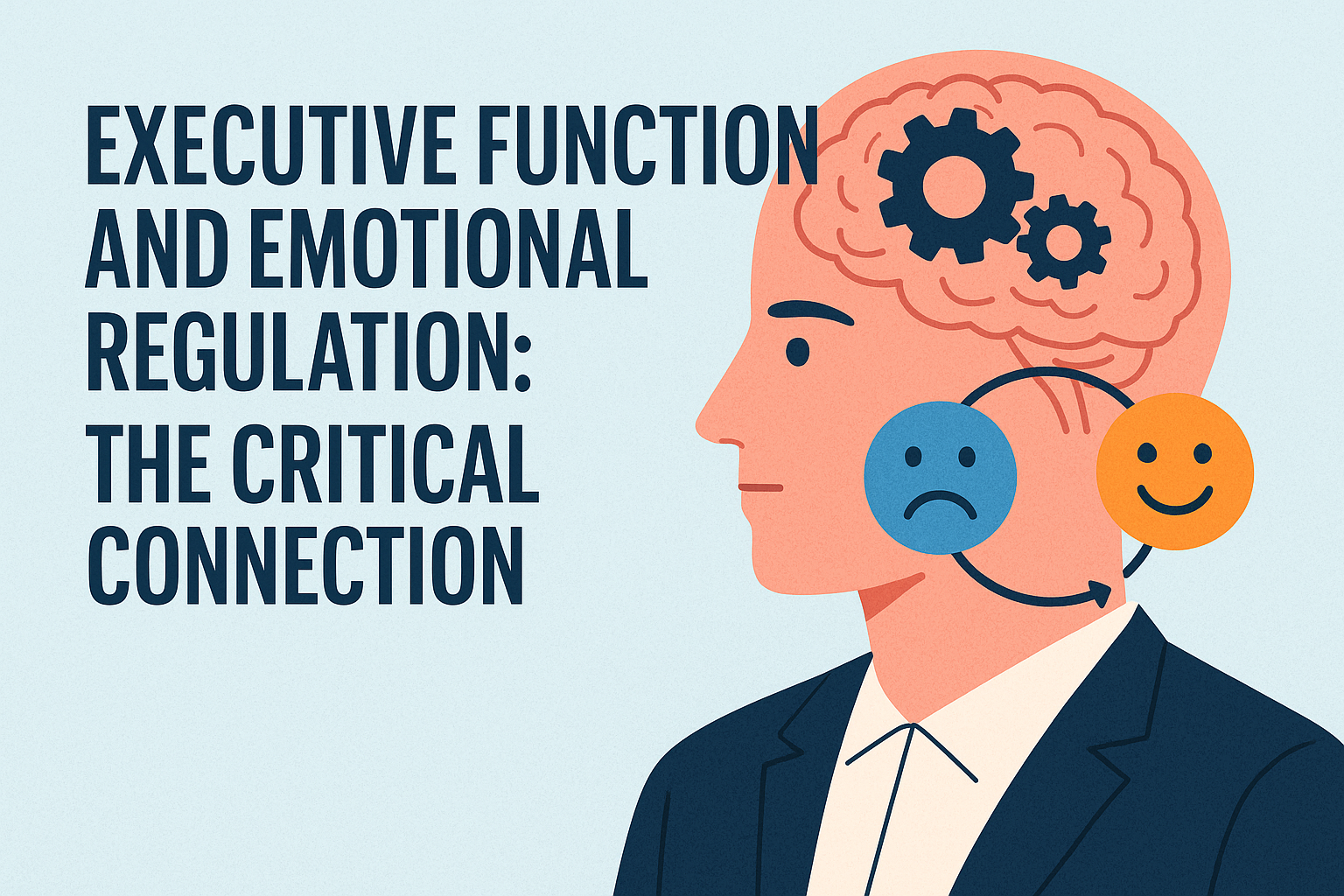
Understanding the intricate dance between executive function and emotional regulation is vital for anyone interested in improving their mental health and cognitive performance. Recent research has shown that these two cognitive processes are not just related—they’re deeply interwoven. But how do they influence each other, and why should you care? Let’s explore the critical connection between executive function and emotional regulation, examining their definitions, roles in everyday life, and practical implications.
What is Executive Function?
Executive function refers to a set of cognitive processes that are essential for controlling behavior and managing tasks. These skills include:
- Working Memory: The ability to hold and manipulate information temporarily.
- Inhibitory Control: The capacity to suppress impulses and distractions.
- Cognitive Flexibility: The skill to adapt thinking in response to changing demands or new information.
- Task Management: The capability to plan, organize, and prioritize tasks effectively.
Each of these components plays a crucial role in daily life. For example, working memory is necessary when trying to remember a phone number long enough to dial it, while inhibitory control helps you resist the urge to eat that extra slice of cake.
Understanding Emotional Regulation
Emotional regulation involves the processes by which individuals influence their own emotional experiences. This includes:
- Awareness: Recognizing and understanding your emotions.
- Acceptance: Allowing oneself to feel emotions without immediate judgment.
- Modification: Adjusting emotional responses according to the context.
Effective emotional regulation allows individuals to respond to situations in a balanced manner rather than reacting impulsively. For instance, someone who is upset about a missed deadline may practice emotional regulation by acknowledging their feelings but choosing to focus on solutions instead of spiraling into frustration.
The Interconnection Between Executive Function and Emotional Regulation
At first glance, executive function and emotional regulation might seem like separate entities. However, they are interdependent. Research indicates that strong executive function skills can lead to better emotional regulation, while difficulties with executive function can lead to emotional dysregulation.
For instance, an individual with robust working memory can better manage their emotions during stressful situations. They might recall past experiences where they successfully navigated similar challenges and apply effective coping strategies. Conversely, someone with weak inhibitory control may lash out in anger during frustration rather than taking a step back to evaluate the situation calmly.
The duality of these processes is evident in children. Those with strong executive function skills often exhibit better emotional control, leading to enhanced social interactions and academic performance. In contrast, children struggling with executive function are more likely to demonstrate emotional outbursts and behavioral issues, which can hinder their development.
Practical Insights: Strengthening Executive Function and Emotional Regulation
Improving both executive function and emotional regulation is possible through targeted strategies. Here’s a look at practical techniques that can help boost both areas:
1. Mindfulness Practices
Mindfulness meditation has been shown to enhance several aspects of executive function and emotional regulation. By cultivating awareness of your thoughts and feelings, you can improve your ability to manage emotional responses without immediate reactions.
2. Cognitive Behavioral Techniques
Engaging in cognitive behavioral therapy (CBT) can help individuals identify and alter negative thinking patterns that contribute to emotional dysregulation. CBT emphasizes the link between thoughts, emotions, and behaviors, thereby directly addressing both executive function and emotional regulation. (See: Executive function and cognitive processes.)
3. Physical Exercise
Numerous studies have established a connection between physical exercise and improved cognitive function. Regular physical activity enhances neuroplasticity, which can bolster executive function skills and emotional resilience. Activities like yoga are particularly beneficial as they combine physical exertion with mindfulness.
4. Structured Routines
Creating and sticking to a structured daily routine enhances planning and organization skills. For both children and adults, clear expectations and predictable schedules can reduce anxiety and improve emotional regulation.
5. Quality Sleep
Sleep is crucial for cognitive function and emotional well-being. Lack of sleep can impair executive function, making it more challenging to manage emotions effectively. Prioritizing good sleep hygiene can lead to improvements in both areas.
6. Positive Social Interactions
Building strong social networks and engaging in positive interactions with others can enhance emotional regulation. Supportive relationships provide an outlet for sharing feelings, which can alleviate emotional stress and enhance executive functioning skills through collaborative problem-solving.
Current Relevance and Research Developments
The connection between executive function and emotional regulation has profound implications in various fields, including education, psychology, and clinical practice. For educators, understanding this relationship can help in developing tailored teaching strategies that foster both areas in students.
In clinical psychology, practitioners are increasingly aware of how deficiencies in executive function can lead to various mental health issues, including anxiety and depression. Research has shown that interventions aimed at enhancing executive function can have a positive impact on emotional regulation and overall mental health outcomes.
Moreover, ongoing studies are exploring the neurological underpinnings of this connection. Neuroimaging techniques have provided insights into how the prefrontal cortex, which plays a significant role in executive function, is also involved in emotional processing. This emerging research could pave the way for innovative therapies targeting both cognitive and emotional challenges.
Implications for Different Age Groups
Understanding the interplay between executive function and emotional regulation is vital across different life stages. Consider how this connection manifests in children, adolescents, and adults:
Children
In early childhood, executive function skills are still developing. Children often lack the ability to regulate their emotions effectively, which can result in tantrums or disruptive behavior. Teaching them techniques like deep breathing or counting to ten can create a foundation for emotional regulation while simultaneously enhancing executive function.
Adolescents
During adolescence, the brain undergoes significant changes, impacting both executive function and emotional regulation. Teenagers are navigating complex social dynamics, and their ability to manage emotions can significantly influence their relationships and academic success. Programs that integrate social-emotional learning can support both areas, equipping adolescents with the tools they need to thrive.
Adults
For adults, the implications of executive function emotional regulation become evident in both personal and professional settings. Those who struggle with these skills may find it challenging to manage stress or make effective decisions. Ongoing training in these areas can lead to improved career performance and better personal relationships.
Real-World Applications of Executive Function and Emotional Regulation
Understanding executive function and emotional regulation goes beyond theoretical knowledge; it has practical applications in various fields. Here are some areas where this understanding can be transformative: (See: Mental health and cognitive performance.)
Education
Educators are beginning to incorporate lessons on emotional regulation and executive function into their curricula. Programs that teach children how to manage their emotions can lead to better academic outcomes. For example, schools implementing social-emotional learning (SEL) curricula have reported improvements in student behavior and academic performance. The Collaborative for Academic, Social, and Emotional Learning (CASEL) has found that effective SEL programs can boost students’ emotional intelligence and enhance their executive functioning skills.
Workplace Performance
In the corporate world, companies are recognizing the importance of emotional intelligence. Training programs that focus on enhancing emotional regulation and executive function can lead to improved teamwork, communication, and productivity. Research from the TalentSmart company shows that emotional intelligence is responsible for 58% of job performance across various industries. This reveals that emotional regulation isn’t just personal; it’s a crucial asset in professional settings.
Therapeutic Settings
In therapy, understanding the link between executive function and emotional regulation allows therapists to tailor interventions. For instance, cognitive-behavioral strategies can be employed to help clients restructure their thinking patterns, which in turn can improve emotional responses. Therapists may also use activities that enhance executive function, like organizing tasks or improving time management, to support emotional stability.
Challenges and Barriers
Despite the benefits of enhancing executive function and emotional regulation, there are challenges to consider:
Mental Health Disorders
Conditions like ADHD, anxiety, and depression can impede both executive function and emotional regulation. Individuals with ADHD may struggle with impulse control and organization, while those with anxiety may find it difficult to manage their emotions effectively. Tailored interventions are necessary to address these challenges.
Environmental Factors
Social and environmental factors, such as unstable home situations or high-stress workplaces, can hinder the development of executive function and emotional regulation. Support systems must be in place to help individuals navigate these barriers and foster their cognitive and emotional skills.
Frequently Asked Questions (FAQs)
1. What is the difference between executive function and emotional regulation?
Executive function refers to cognitive processes that help manage tasks and behaviors, while emotional regulation is about managing emotional experiences. Both processes are interrelated and impact each other significantly.
2. How can parents help children improve their executive function and emotional regulation?
Parents can model emotional regulation, establish routines, and engage in activities that promote cognitive skills, such as games that require planning or problem-solving.
3. Can executive function be improved in adults?
Yes, adults can enhance executive function through various strategies, including mindfulness practices, regular physical exercise, and cognitive training programs.
4. What role does stress play in executive function and emotional regulation?
High levels of stress can impair both executive function and emotional regulation, making it difficult to focus, plan, and manage emotions. Stress management strategies are crucial in improving both areas.
5. Are there specific exercises for improving executive function?
Yes, activities such as puzzles, memory games, and tasks that require multi-tasking can effectively enhance executive function skills.
Executive Function and Emotional Regulation in the Digital Age
In our increasingly digital world, the dynamics of executive function and emotional regulation have taken on new dimensions. With constant access to information and social media, individuals face challenges that can complicate their cognitive and emotional processes. Research indicates that excessive screen time can impair attention and working memory, two crucial components of executive function. This can lead to difficulties with emotional regulation, as distractions may prevent individuals from effectively processing their feelings.
On the flip side, digital tools can also support the development of these skills. There are numerous apps designed to promote mindfulness, improve organization, and enhance emotional awareness. For example, applications that encourage journaling or meditation can help users build emotional regulation strategies and improve self-awareness.
Community and Support Systems
Creating a supportive community is essential for promoting strong executive function and emotional regulation skills. Engaging in community activities can provide individuals with social support, which is vital for emotional resilience. Programs that foster teamwork and collaboration, such as group sports or volunteer initiatives, can enhance both cognitive and emotional skills.
Additionally, community resources like mentoring programs can help individuals develop better coping mechanisms and problem-solving skills. These programs can connect individuals with mentors who have successfully navigated similar challenges, providing guidance and support.
Final Thoughts: Why This Connection Matters
The relationship between executive function and emotional regulation is not just an academic curiosity; it has real-world implications for personal development, mental health, and overall well-being. By recognizing how these two components interact, you can take actionable steps to improve both your cognitive and emotional skills.
Investing in your executive function and emotional regulation can lead to enhanced relationships, greater success in your career, and improved mental health. Whether through mindfulness practices, structured routines, or engaging in supportive social networks, the path to better emotional regulation and executive function is within reach. The journey starts with understanding this critical connection and making conscious efforts toward improvement.
“`
Trending Now
Frequently Asked Questions
What is the relationship between executive function and emotional regulation?
Executive function and emotional regulation are deeply interwoven cognitive processes. Executive function involves skills like working memory and inhibitory control, which help in managing tasks and behaviors, while emotional regulation allows individuals to influence their emotional experiences. Together, they enable better decision-making and adaptive responses to challenges.
How can executive function improve emotional regulation?
Improved executive function can enhance emotional regulation by providing individuals with the cognitive tools needed to manage their emotions effectively. Skills like inhibitory control help suppress impulsive reactions, while cognitive flexibility allows for adapting emotional responses based on the context, leading to healthier emotional management.
What are the components of executive function?
The components of executive function include working memory, inhibitory control, cognitive flexibility, and task management. These skills are crucial for controlling behavior, managing tasks, and adapting to new information, ultimately influencing how individuals navigate daily challenges.
Why is emotional regulation important?
Emotional regulation is important because it enables individuals to respond to situations in a balanced manner rather than reacting impulsively. By recognizing, accepting, and modifying emotional responses, individuals can improve their mental health and decision-making, leading to better personal and professional outcomes.
How can I improve my executive function skills?
Improving executive function skills can be achieved through various strategies such as practicing mindfulness, engaging in cognitive training exercises, breaking tasks into smaller steps, and using organizational tools. These practices enhance working memory, inhibitory control, and cognitive flexibility, ultimately benefiting emotional regulation.
What’s your take on this? Share your thoughts in the comments below — we read every one.