
“`html
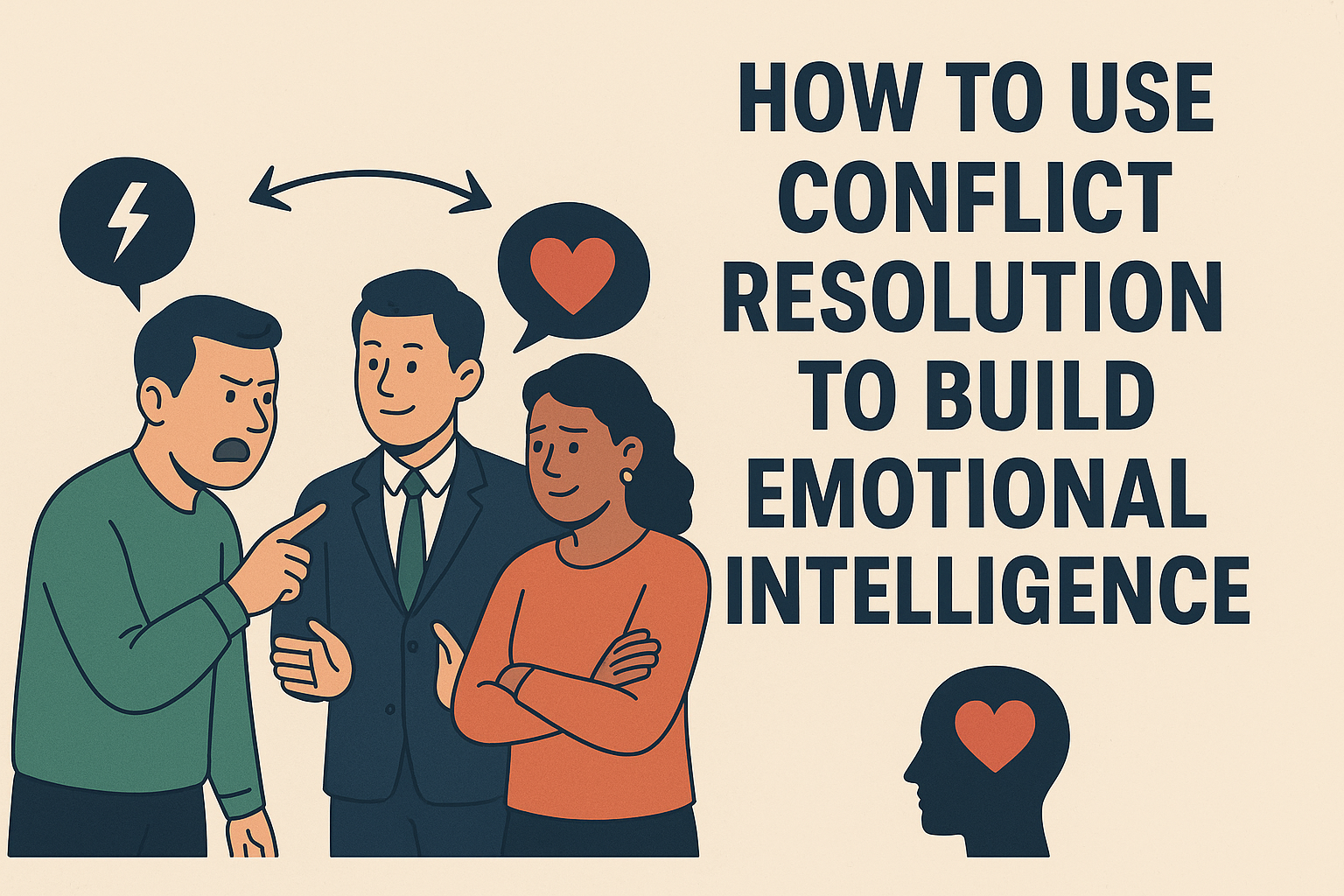
In our interconnected world, emotional intelligence has emerged as a critical skill for personal and professional success. The ability to understand and manage your emotions, as well as those of others, can significantly influence your relationships and decision-making processes. One of the most effective ways to develop this skill is through conflict resolution. By mastering conflict resolution emotional intelligence, you can not only navigate disputes more effectively but also foster stronger connections with those around you. Let’s explore eight powerful techniques that can help you build emotional intelligence through conflict resolution.
1. Recognize Your Emotions
The first step in conflict resolution emotional intelligence is to become aware of your own emotions. When conflicts arise, it’s easy to react impulsively without considering your feelings. Take a moment to step back and identify what you are feeling. Are you angry, frustrated, or anxious? Recognizing your emotions allows you to manage them better, leading to a more constructive approach in the face of conflict.
For example, if you find yourself arguing with a coworker over project responsibilities, pause to reflect on your feelings. By acknowledging your frustration, you can better articulate your concerns without resorting to aggression or defensiveness. This self-awareness not only helps in resolving the conflict but also enhances your emotional intelligence as you learn to understand your emotional triggers.
2. Practice Active Listening
Conflict resolution is not just about expressing your own views; it’s equally about understanding the perspectives of others. Active listening is a crucial skill in this regard. It involves fully concentrating on what the other person is saying rather than preparing your response while they speak. By practicing active listening, you show respect and empathy, which can defuse tension and lead to a more productive dialogue.
When you listen actively, you can pick up on underlying feelings and needs that may not be explicitly stated. For instance, during a disagreement with a friend about plans for the weekend, if you truly listen to their concerns about not wanting to go out, you might discover they’re feeling overwhelmed and need some downtime. This understanding can lead to a resolution that respects both your desires and their needs, ultimately strengthening your relationship.
3. Empathy: Walk in Their Shoes
Building emotional intelligence through conflict resolution requires a strong sense of empathy. Empathy goes beyond simply understanding someone else’s perspective; it’s about feeling with them. When you approach a conflict with empathy, you’re more likely to find common ground and create solutions that satisfy everyone involved.
To practice empathy, try to visualize yourself in the other person’s situation. For example, if a team member is resistant to feedback on their work, consider their previous experiences and how they might be feeling vulnerable. Approaching the situation with empathy allows you to address their emotional state, making it easier to communicate your feedback constructively, thus enhancing both the resolution process and your emotional intelligence.
4. Stay Calm Under Pressure
Conflicts can often lead to heightened emotions and stress. Maintaining your composure is vital for effective conflict resolution and emotional intelligence. When you stay calm, you are better equipped to think clearly and make rational decisions rather than react out of frustration or anger. (See: Conflict Resolution and Emotional Intelligence.)
To develop this skill, practice mindfulness techniques such as deep breathing or meditation. When faced with a conflict, taking a few deep breaths can help center your thoughts and emotions. For instance, if you receive critical feedback from a manager, instead of immediately becoming defensive, take a moment to breathe and collect your thoughts. This calm approach not only aids in resolving the conflict but also demonstrates your emotional maturity.
5. Communicate Clearly and Assertively
Effective communication is key in conflict resolution emotional intelligence. It’s essential to express your thoughts and feelings clearly and assertively without being aggressive. Assertive communication allows you to state your needs and boundaries while respecting those of others.
When discussing a conflict, use “I” statements to avoid sounding accusatory. For example, instead of saying, “You never listen to me,” you could say, “I feel unheard when my suggestions aren’t acknowledged.” This shift in language encourages open dialogue, making it easier for the other person to engage with you without feeling attacked. As you practice this form of communication, your emotional intelligence will grow, facilitating healthier interactions.
6. Focus on Solutions, Not Blame
In any conflict, it’s easy to fall into a blame game. However, focusing on solutions is a hallmark of conflict resolution emotional intelligence. When you shift your focus from assigning blame to collaboratively finding solutions, you foster a sense of teamwork and mutual respect.
During a team meeting to discuss a project setback, rather than pointing fingers at who made a mistake, encourage a brainstorming session on how to move forward. Highlighting solutions not only resolves the current issue but also builds a culture of collaboration and trust among your team members. This constructive mindset is pivotal in enhancing your emotional intelligence, as it encourages you to think beyond personal grievances and work towards collective success.
7. Reflect on the Conflict and Your Reactions
After a conflict has been resolved, take the time to reflect on the situation and your responses. What worked well, and what could have been handled differently? This reflective practice helps you gain insights into your emotional patterns and responses, which is essential for developing emotional intelligence.
For example, if you notice that you often become defensive during conflicts, this awareness can prompt you to work on that behavior in future interactions. Keeping a journal where you document conflicts and your reactions can provide valuable insights over time. The more you reflect, the more adept you become at managing your emotions and improving your conflict resolution skills.
8. Seek Feedback and Learn from Others
Finally, don’t underestimate the power of seeking feedback from others regarding your conflict resolution skills. Engaging trusted colleagues, friends, or mentors can provide you with different perspectives on your emotional intelligence and conflict management strategies. This feedback can help you identify areas for improvement and reinforce positive behaviors.
Consider holding regular discussions with your team about how conflicts are handled within the group. This openness promotes a culture of learning and accountability. As you gather feedback and adjust your approaches, your emotional intelligence will grow, equipping you with the necessary tools to handle conflicts with grace and understanding.
9. The Role of Emotional Intelligence in Professional Settings
In a professional environment, emotional intelligence plays a crucial role in conflict resolution. Research has shown that teams led by emotionally intelligent leaders tend to experience fewer conflicts and higher levels of engagement. According to a study by the Consortium for Research on Emotional Intelligence in Organizations, organizations that prioritize emotional intelligence training often see a marked improvement in employee satisfaction and decreased turnover rates.
For example, a company that incorporates emotional intelligence training in its onboarding process may find that new hires adapt more quickly and foster better relationships with their colleagues. Additionally, leaders who demonstrate high emotional intelligence can navigate team dynamics more effectively, set a collaborative tone, and mediate disputes with greater ease.
10. Statistics on Emotional Intelligence and Conflict Resolution
Emotional intelligence not only affects personal relationships but also has significant implications in the workplace. Various studies have shown that individuals with high emotional intelligence are more adept at resolving conflicts. A study published in the Journal of Organizational Behavior found that employees with high emotional intelligence were 60% more likely to have positive interactions with colleagues during conflicts. Furthermore, organizations that foster a culture of emotional intelligence report an increase in productivity by up to 30%.
These statistics highlight the importance of developing emotional intelligence, particularly in conflict resolution scenarios. By investing in emotional intelligence training, companies can create a more harmonious work environment and reduce the costs associated with unresolved disputes.
11. Expert Perspectives on Emotional Intelligence in Conflict Resolution
Experts in psychology and organizational behavior emphasize the importance of emotional intelligence in conflict resolution. Daniel Goleman, a psychologist and science journalist, argues that emotional intelligence is a direct predictor of professional success. He suggests that individuals who cultivate emotional intelligence are not only better at handling conflicts but also possess stronger leadership qualities.
Another expert, Dr. Travis Bradberry, co-author of “Emotional Intelligence 2.0,” states that emotional intelligence is critical for building trust and rapport among team members. He emphasizes that leaders who employ emotional intelligence principles are more successful in creating a positive workplace culture, which in turn minimizes workplace conflicts.
12. Frequently Asked Questions (FAQ)
Q1: How can I start developing my emotional intelligence for conflict resolution?
A1: Begin by practicing self-awareness. Keep a journal of your emotions and reactions during conflicts to identify patterns and triggers. Engage in mindfulness practices, and seek feedback from others about your communication style and conflict resolution approaches.
Q2: Are there specific techniques to improve my active listening skills?
A2: Yes! Focus completely on the speaker, avoid interrupting, and paraphrase what they’ve said to ensure understanding. Ask clarifying questions to demonstrate engagement and commitment to resolving the conflict.
Q3: How can I help others improve their emotional intelligence in conflicts?
A3: Encourage open discussions about emotions and provide constructive feedback. Share your experiences and techniques that have worked for you. Model emotionally intelligent behaviors and promote a supportive environment where everyone feels comfortable expressing themselves.
Q4: What should I do if the other party is not receptive to conflict resolution efforts?
A4: If the other party is unwilling to engage, assess your approach. Sometimes giving them space can be beneficial. Approach them later with a clear, calm message that emphasizes your desire to find a resolution, focusing on mutual benefits.
Q5: How does emotional intelligence affect team dynamics during conflicts?
A5: Teams with high emotional intelligence are generally more cohesive. Members are better equipped to handle conflicts constructively, leading to improved collaboration and trust. This dynamic creates a more positive work atmosphere and encourages open communication.
Incorporating these eight techniques into your interactions can significantly enhance your conflict resolution emotional intelligence. By recognizing your emotions, practicing active listening, and focusing on collaborative solutions, you can transform conflicts into opportunities for personal and professional growth. Remember, the ability to navigate conflicts with emotional intelligence is not only beneficial for you but also for the relationships you cherish. So, get started on this journey of self-improvement and watch your emotional intelligence soar.
“`
Trending Now
Frequently Asked Questions
How does conflict resolution improve emotional intelligence?
Conflict resolution enhances emotional intelligence by helping individuals recognize and manage their own emotions while also understanding the feelings of others. This process fosters self-awareness, empathy, and effective communication, all of which are essential components of emotional intelligence.
What are the key techniques for resolving conflicts?
Key techniques for resolving conflicts include recognizing your emotions, practicing active listening, and maintaining a constructive dialogue. These strategies help individuals navigate disputes more effectively and foster stronger interpersonal connections.
Why is active listening important in conflict resolution?
Active listening is vital in conflict resolution as it demonstrates respect and empathy towards the other person's perspective. By fully concentrating on what is being said, individuals can defuse tension and promote a more productive and collaborative discussion.
How can I manage my emotions during a conflict?
To manage your emotions during a conflict, first recognize and acknowledge what you are feeling. Take a moment to reflect before responding, which allows you to articulate your concerns constructively and reduces impulsive reactions.
Can emotional intelligence be developed through practice?
Yes, emotional intelligence can be developed through practice, particularly by engaging in conflict resolution. By applying techniques such as self-awareness and active listening in real-life situations, individuals can enhance their emotional intelligence over time.
What’s your take on this? Share your thoughts in the comments below — we read every one.