
“`html
Conflict is an inevitable part of human interaction. From the playground to the classroom, children will inevitably clash with one another, making effective conflict resolution in preschool a crucial skill to develop from an early age. Teaching toddlers how to solve problems not only helps them manage disputes but also fosters their emotional intelligence and social skills. This article explores the importance of conflict resolution in preschool and presents seven effective strategies for educators and parents to instill these vital skills.
Understanding the Importance of Conflict Resolution in Early Childhood
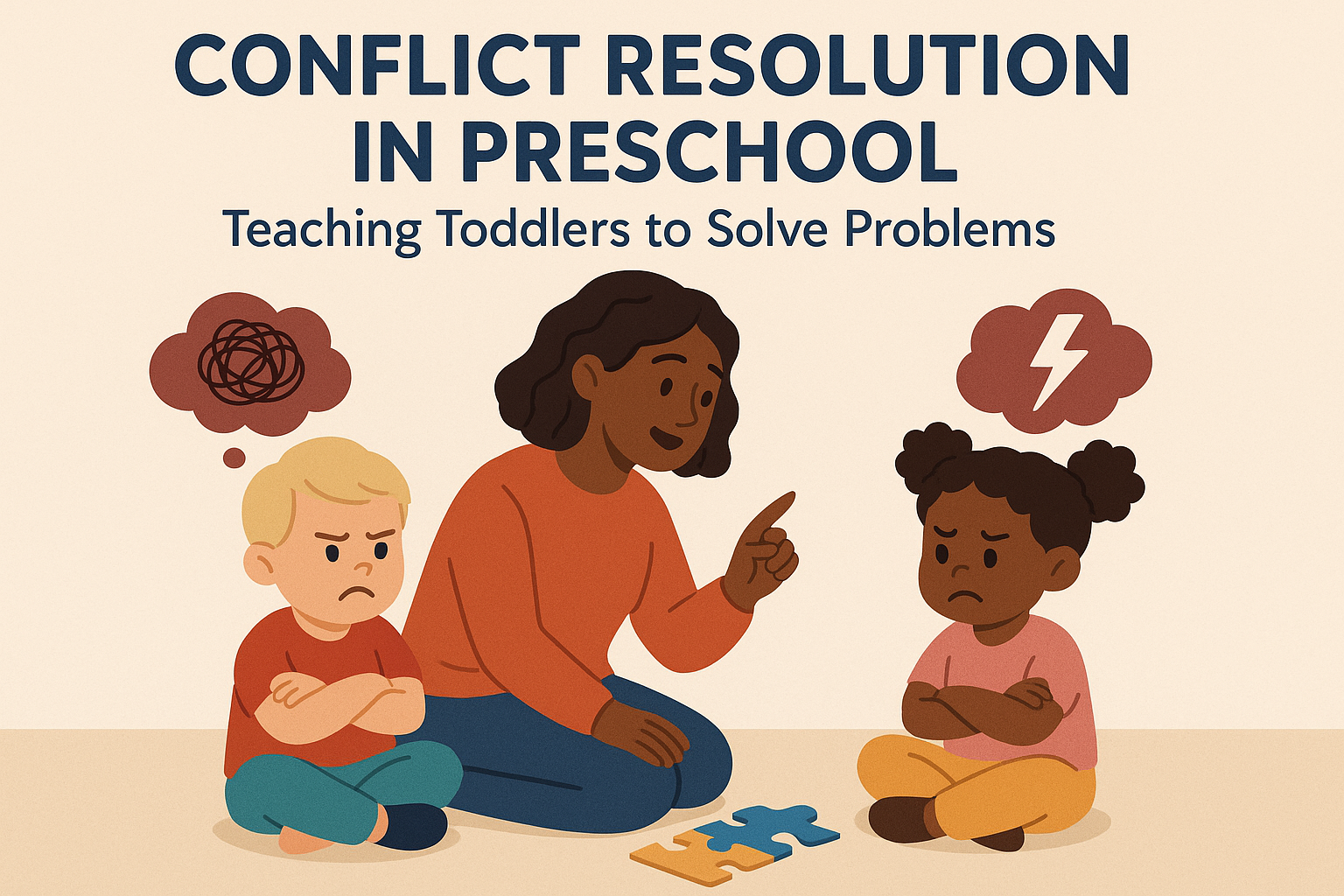
Conflict resolution is the process of resolving disagreements or disputes between individuals. In the context of preschool, this involves helping young children learn to navigate their emotions, understand different perspectives, and develop interpersonal skills. Conflict often arises in early childhood settings due to limited resources, differing desires, or misunderstandings. As toddlers are still learning to articulate their feelings and thoughts, these conflicts can escalate quickly if not managed effectively.
Teaching conflict resolution at a young age is essential for several reasons:
- Emotional Development: Learning to manage conflicts helps children recognize and express their emotions appropriately, leading to better emotional regulation.
- Social Skills: Children who can resolve conflicts are more likely to build and maintain friendships, enhancing their social interactions.
- Academic Success: Early conflict resolution skills can lead to better classroom behavior, allowing children to focus on learning rather than fighting over toys or space.
- Long-term Benefits: Developing these skills early on can lead to better outcomes in adulthood, including improved relationships and conflict management abilities in future scenarios.
Seven Strategies for Teaching Conflict Resolution in Preschool
Fostering an environment where conflict resolution can thrive requires intentional strategies. Below, we explore seven effective methods that educators and parents can implement to guide toddlers through the process of problem-solving.
1. Model Appropriate Conflict Resolution
One of the most powerful ways to teach conflict resolution is through modeling. Children learn by observing the behaviors of adults. When adults handle disagreements calmly and respectfully, children are more likely to mimic these behaviors. Use real-life situations to demonstrate how to express feelings, listen to others, and reach agreements. For example, if a disagreement arises between adults in front of children, take the opportunity to model constructive conflict resolution by discussing the issue openly and respectfully.
Incorporate role-playing activities where adults can act out conflict scenarios with children. This not only provides a safe space for children to see how to resolve issues but also encourages them to practice these skills themselves.
2. Create a Safe Environment for Expression
A key component of conflict resolution in preschool involves providing children with a safe space to express their feelings. Establishing an emotionally supportive environment allows children to feel secure enough to share their thoughts and frustrations. To foster this safe space, educators can:
- Encourage open communication by regularly checking in with children about their feelings and experiences.
- Teach children to use “I” statements, such as “I feel sad when you take my toy,” which can help them articulate their emotions without blaming others.
- Validate their emotions by acknowledging their feelings and assuring them that it’s okay to feel upset or angry.
When children feel supported in expressing their emotions, they are more likely to approach conflict with a constructive mindset. (See: Early childhood mental health resources.)
3. Teach Conflict Resolution Vocabulary
Introducing children to specific vocabulary related to conflict resolution is crucial for effective communication. By teaching them words associated with feelings, problem-solving, and negotiation, children can articulate their thoughts more clearly. Some vocabulary words to consider include:
- Feelings (happy, sad, angry, frustrated)
- Actions (share, take turns, help, apologize)
- Strategies (discuss, listen, agree, disagree)
Engage children in activities that incorporate this vocabulary, such as storytelling or games that require them to express their feelings and opinions. This not only enhances their language skills but also equips them with the tools to engage in conflict resolution.
4. Encourage Problem-Solving Skills
Conflict resolution is fundamentally about problem-solving. When conflicts arise, encourage children to identify the problem and brainstorm potential solutions. Implement structured activities where children can practice these skills, such as:
- Group discussions: When a conflict occurs, gather the children to discuss the issue as a group. Allow each child to share their perspective and encourage them to come up with possible solutions together.
- Games: Use cooperative games that require teamwork to reach a common goal. These activities can help children learn the importance of collaboration and problem-solving.
- Conflict resolution scenarios: Create scenarios where children can role-play different conflicts and work together to resolve them.
Encouraging children to actively participate in finding solutions empowers them and reinforces the idea that they can resolve conflicts independently.
5. Focus on Empathy and Understanding
Empathy is a vital component of conflict resolution. Helping children understand and appreciate the feelings of others fosters compassion and reduces the likelihood of conflict escalation. Teachers and caregivers can promote empathy by:
- Discussing feelings: Use stories or real-life situations to discuss how others might feel in specific scenarios. Ask children how they would feel and how they think others might feel.
- Encouraging perspective-taking: Teach children to consider situations from multiple viewpoints. This can be done through role-playing or asking them to imagine how a friend would feel in a given situation.
- Recognizing positive behaviors: Acknowledge and praise empathetic behaviors when children show understanding towards others, reinforcing the importance of this skill.
When children develop empathy, they are more likely to approach conflicts with a mindset focused on understanding rather than confrontation.
6. Emphasize the Importance of Apologies and Forgiveness
Apologies and forgiveness play a significant role in conflict resolution. Teaching children the value of taking responsibility for their actions and extending forgiveness when necessary can help mend relationships and foster a sense of community. Educators can instill these values by:
- Role-playing apologies: Create scenarios where children can practice giving sincere apologies and accepting them from others.
- Discussing the impact of hurtful actions: Help children understand how their actions can affect others and the importance of making amends.
- Modeling forgiveness: Demonstrate how to forgive others when they make mistakes, emphasizing that everyone makes errors.
By incorporating apologies and forgiveness into conflict resolution, children learn that repairing relationships is possible and valuable. (See: Behavioral development in children.)
7. Celebrate Conflict Resolution Successes
Recognizing and celebrating successful conflict resolution can motivate children to continue developing these skills. Acknowledging their efforts fosters a sense of accomplishment and encourages them to apply what they have learned in the future. To celebrate successes, educators can:
- Share success stories: Highlight instances where children successfully resolved conflicts, showcasing their skills to the entire class.
- Create a positive reinforcement system: Implement a reward system for children who demonstrate conflict resolution skills in action.
- Encourage peer support: Promote a culture of support where children can praise their classmates for resolving conflicts and working together.
By making conflict resolution a celebrated achievement, you reinforce its importance and encourage children to embrace these skills actively.
The Current Relevance of Conflict Resolution Skills
In our increasingly polarized society, the ability to resolve conflicts peacefully and effectively is more important than ever. Teaching children conflict resolution skills in preschool is not only beneficial for their immediate social interactions but also has lasting implications for their future. Children who learn these skills early on are better equipped to handle disagreements constructively as they grow older.
As educators, parents, and caregivers, it’s essential to prioritize conflict resolution in preschool settings. By integrating these strategies into daily interactions and curricula, we can help shape a generation of empathetic, understanding, and resilient individuals who can navigate the complexities of human relationships with confidence and grace.
Deepening the Understanding of Conflict Dynamics
To truly grasp the essence of conflict resolution, it’s crucial to understand the underlying dynamics of conflicts among preschoolers. Conflicts typically arise from a few key scenarios: competition for toys or attention, differences in play styles, or misunderstandings due to language limitations. For example, two children may both want the same toy but fail to articulate their desire effectively, leading to frustration and conflict. Understanding these triggers can help educators and parents anticipate conflicts before they escalate and intervene more effectively.
Statistics on Childhood Conflicts
Research indicates that children in preschool settings experience conflicts multiple times a day. A study found that children in preschool encounter an average of 3 to 5 conflicts daily. Educators who utilize conflict resolution strategies not only see a decrease in these conflicts but also notice improved communication and collaboration among children. The same study noted that classrooms implementing structured conflict resolution programs reported a 40% reduction in conflict-related incidents over a semester.
Expert Insights on Conflict Resolution
Experts in child development emphasize the importance of conflict resolution as a fundamental skill. Dr. Susan W. Smith, a child psychologist, states, “Conflict resolution is not just about ending disputes; it’s about teaching children to understand their own emotions and those of others. This understanding builds the foundation for healthy relationships later in life.” Such insights highlight that the practice of resolving conflicts is a gateway to broader emotional and social learning.
Examples of Conflict Resolution Activities
To put the strategies discussed into practice, here are some engaging conflict resolution activities designed for preschoolers:
- The Sharing Circle: Gather children in a circle and present a conflict scenario, such as two friends wanting the same toy. Ask children to share their feelings and suggest solutions, promoting empathy and dialogue.
- Emotion Charades: Play a game where children act out different emotions and have others guess what they are. This helps children become more aware of their own emotions and those of their peers.
- Conflict Resolution Storytime: Read stories that involve conflict and resolution. Afterward, discuss the characters’ feelings and alternative solutions to the conflicts presented.
Frequently Asked Questions About Conflict Resolution in Preschool
What age should conflict resolution skills start being taught?
Conflict resolution skills can start being taught as early as age three. At this age, children can begin to understand basic emotions and the concept of sharing.
How can parents reinforce conflict resolution skills at home?
Parents can reinforce these skills by modeling calm communication, encouraging children to express their feelings, and discussing conflicts that arise in daily life. Role-playing different scenarios can also be a fun way to practice.
What if my child struggles with conflict resolution?
It’s normal for some children to struggle with resolving conflicts. Encourage them to express their feelings and reassure them that it’s okay to ask for help from adults or peers. Practice scenarios together, and be patient as they learn these skills.
Are there specific books that help teach conflict resolution?
Yes, many children’s books address themes of conflict and resolution. Titles like “The Recess Queen” by Alexis O’Neill or “David Goes to School” by David Shannon highlight conflict situations and offer resolutions that can spark discussions with children.
Final Thoughts on Nurturing Conflict Resolution Skills
Teaching conflict resolution in preschool is a vital investment in children’s future. By emphasizing strategies such as empathy, active listening, and problem-solving, we equip our youngest learners with the tools they need for lifelong success. As educators, caregivers, and parents, let’s commit to creating environments that not only mitigate conflict but also celebrate the skills necessary to resolve it. Embracing these practices today will undoubtedly cultivate a generation capable of fostering understanding and cooperation in an increasingly complex world.
“`
Trending Now
- our breakdown of 20 phonemic awareness activities for kindergarten teachers
- Phonemic Awareness vs. Phonological Awareness: What’s…
- this guide on assessing pragmatic language skills in elementary school students
- this guide on how pragmatics affects conflict resolution skills in children
- this guide on pragmatic language disorders: signs to watch for in kindergarten
Frequently Asked Questions
Why is conflict resolution important in preschool?
Conflict resolution is crucial in preschool as it helps children manage their emotions, develop social skills, and improve academic success. Learning to resolve disputes fosters emotional intelligence, enabling toddlers to build friendships and focus on learning rather than conflicts.
What are some effective strategies for teaching toddlers to resolve conflicts?
Effective strategies for teaching conflict resolution to toddlers include modeling appropriate behavior, encouraging communication, promoting empathy, setting clear rules, using role-play, providing guidance during conflicts, and reinforcing positive outcomes. These methods help children navigate disagreements constructively.
How can conflict resolution skills benefit children in the long term?
Conflict resolution skills developed in early childhood can lead to better interpersonal relationships, improved emotional regulation, and enhanced problem-solving abilities in adulthood. These skills contribute to healthier relationships and effective conflict management in future scenarios.
What role do parents play in teaching conflict resolution?
Parents play a vital role in teaching conflict resolution by modeling appropriate behaviors, discussing emotions, and guiding children through conflicts. Engaging in open conversations about feelings and providing support during disagreements helps reinforce these essential skills at home.
How can teachers create an environment for conflict resolution in preschool?
Teachers can create an environment conducive to conflict resolution by establishing clear rules, encouraging open communication, and fostering a culture of empathy. Providing structured activities that promote teamwork and conflict resolution practice can also help children learn to navigate disputes effectively.
Have you experienced this yourself? We’d love to hear your story in the comments.