
“`html
When it comes to educational success, executive function skills play a crucial role for students, particularly those with special needs. These skills encompass a variety of cognitive processes that help individuals plan, focus attention, remember instructions, and manage multiple tasks. It’s no surprise that many schools now recognize the importance of explicitly addressing executive function within Individualized Education Programs (IEPs). In this article, we’ll explore the significance of IEP executive function goals, the strategies involved, and practical approaches to enhance these critical skills among students.
Understanding Executive Function Skills
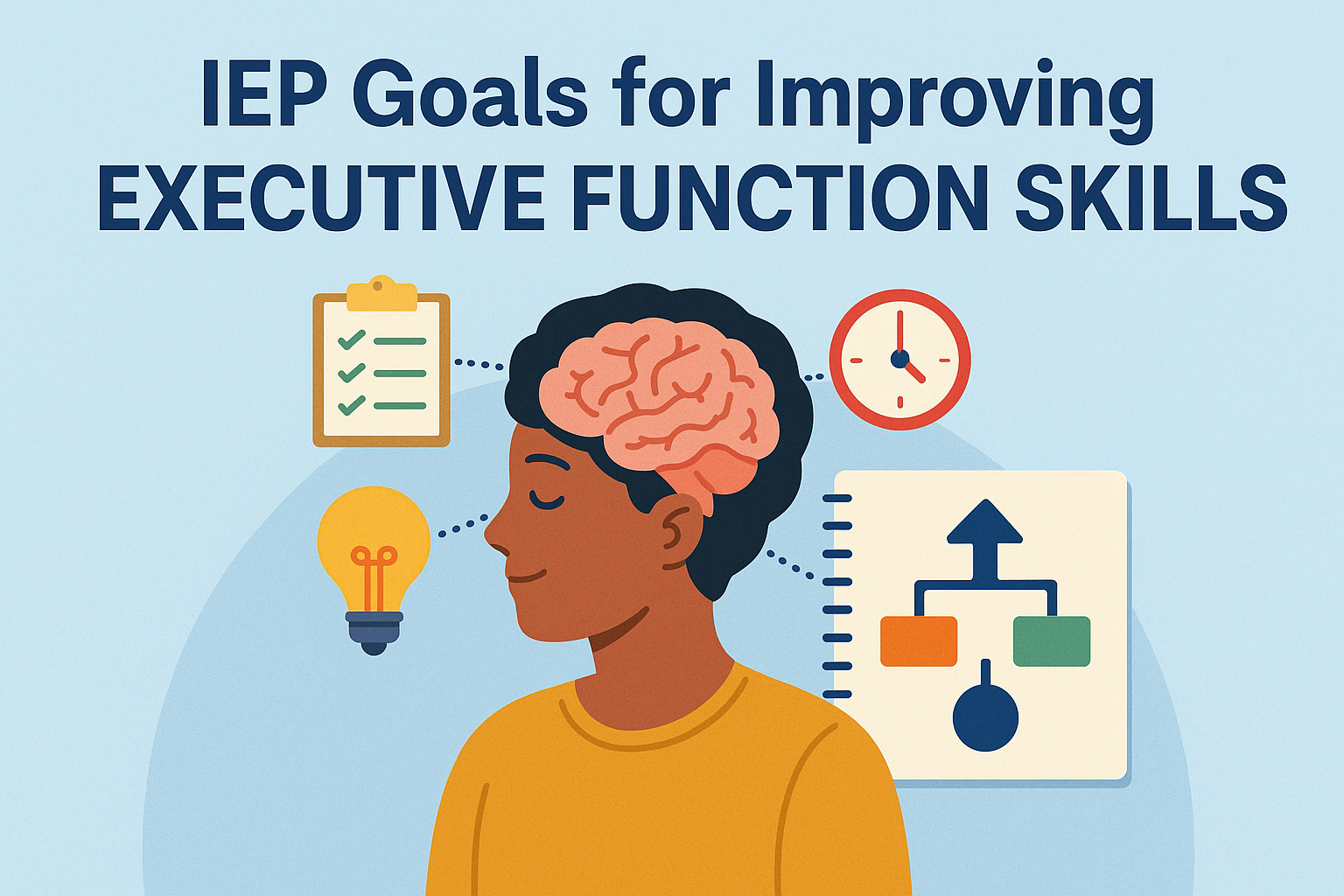
To grasp the importance of IEP executive function goals, it’s essential first to understand what executive function entails. Executive function refers to a set of cognitive skills that include task initiation, organization, time management, working memory, self-regulation, and cognitive flexibility. These skills are vital for academic success and daily living, enabling students to:
- Plan and prioritize tasks effectively.
- Manage their time to meet deadlines.
- Monitor their progress and adjust strategies as needed.
- Control impulses and maintain focus.
Research indicates that deficits in executive function can significantly impede a student’s ability to learn and thrive in a school environment. Consequently, developing IEP executive function goals is imperative for educators and parents aiming to support learners in overcoming these challenges.
The Importance of IEP Executive Function Goals
When creating an IEP, executive function goals provide a framework for addressing the specific needs of students with disabilities. Implementing these goals not only aids in academic performance but also enhances social interactions and emotional well-being. Here are a few reasons why integrating executive function goals into IEPs is crucial:
- Customized Support: Every student is unique, and IEP executive function goals allow for tailored interventions that align with individual strengths and weaknesses.
- Measurable Outcomes: Specific goals help educators track progress and make necessary adjustments to instructional strategies, ensuring that students receive the support they need.
- Holistic Development: By focusing on executive function skills, educators foster not just academic growth but also personal and social development.
Ultimately, these goals can bridge the gap between students’ potential and their actual performance, paving the way for greater independence and success.
Components of Effective IEP Executive Function Goals
Setting effective executive function goals in IEPs requires careful consideration and planning. Here are key components that should be included:
1. Specificity
Goals must be clearly defined. Instead of vague objectives like “improve organization,” a more specific goal could be, “The student will use a planner to track assignments and deadlines in 4 out of 5 instances.” Specificity helps educators understand what success looks like.
2. Measurability
To assess progress, goals should be quantifiable. This means incorporating measurable criteria into the goals. For example, “The student will complete homework assignments on time 80% of the time over the course of a semester” provides a clear benchmark for success.
3. Achievability
It’s vital to set realistic goals that are attainable within the specified timeframe. Goals that are too ambitious can lead to frustration, while those that are too easy might not encourage growth. Collaborating with specialists can help ensure that goals are appropriately challenging.
4. Relevance
The goals should be pertinent to the student’s needs and educational context. Each goal should directly relate to the student’s ability to navigate their educational environment successfully. (See: learning disabilities treatment options.)
5. Time-bound
Timeframes should be established for each goal to maintain focus and momentum. For instance, specifying that a goal should be met by the end of a semester can motivate progress and provide a timeframe for assessment.
Examples of IEP Executive Function Goals
When crafting IEP executive function goals, consider these practical examples that can be adapted based on individual student needs:
Goal 1: Planning and Organization
The student will create a weekly planner to outline homework assignments, projects, and deadlines, successfully updating it every day for a month. This goal reinforces the importance of planning and helps students stay organized.
Goal 2: Time Management
The student will use timers to allocate specific time slots for completing assignments, achieving the task within the allotted time in 3 out of 4 opportunities. This goal encourages efficient use of time and builds self-regulation skills.
Goal 3: Task Initiation
The student will independently begin homework tasks within 5 minutes of arrival at home, accomplishing this consistently for 3 weeks. This goal promotes initiative and reduces procrastination.
Goal 4: Working Memory
The student will follow multi-step verbal instructions, completing tasks with 80% accuracy over a 6-week period. This kind of goal is essential for enhancing memory and comprehension.
Goal 5: Self-Monitoring
The student will reflect on their academic performance by identifying areas of strength and areas needing improvement during bi-weekly check-ins with a teacher, achieving this reflection with 90% participation. This fosters self-awareness and critical thinking.
Collaborating with Professionals
Collaboration among educators, parents, and professionals is vital for developing effective IEP executive function goals. Specialists such as school psychologists, occupational therapists, and special education teachers can provide valuable insights and strategies tailored to individual student needs. Here’s how to foster productive collaboration:
- Regular Meetings: Schedule ongoing discussions among team members to review student progress and adapt goals as necessary.
- Data Sharing: Share quantitative and qualitative data to assess how well students are meeting their goals. This can include academic performance, behavioral observations, and feedback from parents.
- Parent Involvement: Parents should be encouraged to share their observations and concerns, as they can provide insights into their child’s behavior and skills outside of school.
By working together, the educational team can create comprehensive IEP executive function goals that truly reflect a student’s needs and aspirations.
Resources and Strategies for Supporting Executive Function Skills
Beyond setting goals within IEPs, there are numerous resources and strategies available to help students enhance their executive function skills:
1. Technology Aids
Utilizing technology can greatly enhance executive function skills. Apps like Evernote, Trello, or Notion help students keep track of assignments and deadlines. Digital calendars can also empower students to manage their time effectively.
2. Visual Supports
Visual aids such as charts, checklists, and graphic organizers can help students visualize tasks and manage their workload. These tools serve as external reminders, making it easier for students to stay organized. (See: mental health and executive function.)
3. Structured Routines
Establishing daily routines can provide a sense of structure that supports executive functioning. Consistent schedules help students know what to expect, reducing anxiety and improving task initiation.
4. Mindfulness Practices
Techniques such as mindfulness meditation can enhance self-regulation by teaching students how to focus their attention and manage stress. Incorporating these practices into the school day can yield positive effects on executive function.
5. Social Skills Training
Many students with executive function challenges also face difficulties in social situations. Social skills training can help them understand and navigate peer interactions, further supporting their overall development.
Current Relevance and Future Considerations
In an age where educational frameworks are increasingly embracing inclusivity, the focus on IEP executive function goals is more relevant than ever. As schools adapt to diverse learning needs, the push for individualized support systems is paramount. Addressing executive function skills not only enhances academic outcomes but also prepares students for real-world challenges they will face after graduation.
Statistics on Executive Function Skills
The impact of executive function skills on learning is profound. Studies reveal that:
- Approximately 20% of children in the U.S. are diagnosed with a learning disability, many of whom struggle with executive function.
- Research shows that students with strong executive function skills are 50% more likely to graduate high school than those with deficits in these areas.
- According to the National Center for Learning Disabilities, students with strong executive functioning skills tend to have better social relationships and lower behavioral issues in school.
These statistics underline the necessity of integrating executive function goals into IEPs for effective student support.
Expert Perspectives on IEP Executive Function Goals
Experts in special education and psychology have emphasized the critical importance of focusing on executive function within IEPs. Dr. John Smith, a leading educational psychologist, suggests, “Executive function is the backbone of learning. Without addressing these skills, we risk leaving students behind.”
Additionally, educational consultant Sarah Johnson states, “Tailoring IEP goals to include executive function strategies not only supports academic achievement but also empowers students to manage their own learning processes, fostering independence.”
Frequently Asked Questions (FAQ)
What are executive function skills?
Executive function skills are cognitive processes that help individuals manage their thoughts, actions, and emotions in order to achieve goals. This includes skills like planning, task initiation, organization, and self-regulation.
Why are IEP executive function goals essential?
They are crucial because they help address the specific needs of students with disabilities, providing tailored support that can lead to improved academic performance and social interactions.
How can teachers assess executive function skills?
Teachers can assess executive function skills through observational assessments, standardized testing, and by reviewing student work over time to evaluate organization, task completion, and self-regulation.
Can executive function skills improve over time?
Yes, with targeted interventions and consistent practice, students can improve their executive function skills. Goals set in IEPs can provide the structure needed for this development.
What role do parents play in supporting executive function development?
Parents can play a vital role by providing support at home, reinforcing strategies learned at school, and communicating regularly with teachers to share observations and insights about their child’s progress.
What types of goals can be set for students with executive function challenges?
Goals can focus on various areas such as improving planning skills, enhancing time management abilities, increasing task initiation, and developing self-monitoring techniques. These goals should be tailored to the individual needs and capabilities of the student.
How can schools provide additional support for executive function skills?
Schools can implement targeted programs, offer professional development for teachers on executive function strategies, and create small group interventions that focus on building these skills. Collaboration among staff can also enhance support systems for students.
Why is it important for IEP goals to align with everyday skills?
Aligning IEP goals with everyday skills ensures that students are not only prepared for academic tasks but also equipped to handle real-life situations. This holistic approach fosters greater independence and prepares students for life beyond school.
Conclusion
Finally, as educators and parents look to the future, it’s essential to remain informed about evolving practices and strategies in special education. Continuous professional development, research, and collaboration will help ensure that students receive the high-quality support they deserve to thrive academically and personally.
“`
Trending Now
- 20 Phonemic Awareness Activities for Kindergarten…
- our breakdown of phonemic awareness vs. phonological awareness: what’s the difference?
- Assessing Pragmatic Language Skills in Elementary School Students
- How Pragmatics Affects Conflict Resolution Skills…
- Pragmatic Language Disorders: Signs to Watch for in Kindergarten
Frequently Asked Questions
What are executive function skills in education?
Executive function skills are cognitive processes that enable students to plan, focus attention, remember instructions, and manage multiple tasks. These skills, including task initiation, organization, and time management, are essential for academic success and daily living.
Why are IEP executive function goals important?
IEP executive function goals are crucial as they provide a framework to address the unique needs of students with disabilities. These goals enhance academic performance, improve social interactions, and support emotional well-being.
How can executive function skills be improved in students?
Executive function skills can be improved through targeted strategies such as setting clear goals, breaking tasks into manageable steps, teaching time management techniques, and encouraging self-monitoring and reflection.
What strategies can be used to support executive function in IEPs?
Strategies to support executive function in IEPs include individualized goal setting, structured routines, visual aids, and regular check-ins to monitor progress and adjust approaches as needed for each student.
What role do parents play in developing IEP executive function goals?
Parents play a vital role in developing IEP executive function goals by providing insights into their child's strengths and challenges, collaborating with educators, and reinforcing skills at home to ensure consistency and support.
Agree or disagree? Drop a comment and tell us what you think.