Art Education

25 Creative and Fun Hygiene Activities for Kids

Introduction

Teaching children about hygiene is essential for their overall health and wellbeing. Incorporating creative and fun hygiene activities can make learning about cleanliness enjoyable and easier to remember for kids. Here are 25 ideas to help you inspire your little ones to adopt good hygiene practices.

1.Handwashing Race: Make handwashing a game by setting a timer and having kids race to see who can wash their hands the fastest while still following proper hygiene guidelines

2.Germ Transfer Experiment: Show how germs spread by using glitter or washable paint.

3.Toothbrush Tag: Turn brushing teeth into a fun competition by having kids try to “tag” each other with their toothbrushes while brushing properly.

4.Soap Sculpture: Encourage creativity by providing soap bars and tools for kids to create their own soap sculptures.

5.Hygiene Charades: Play charades with different hygiene-related actions, such as washing hands, brushing teeth, and taking a shower.

6.Sing-along Songs: Create catchy songs about hygiene routines to help children remember them.

7.DIY Bath Bombs: Teach kids how to make colorful bath bombs for a fun and educational bath experience.

8.Mask Decorating Contest: Encourage mask-wearing by holding a contest where children can design their own masks creatively.

9.Hand Sanitizer Station Art: Have kids decorate hand sanitizer stations or bottles to make them more appealing to use.

10.Sensory Shower Time: Add scent, music, or soft sponges to make shower time an exciting sensory experience for children.

11.Chore Chart Rewards: Create a reward system for maintaining hygiene routines, like gold stars for brushing teeth or cleaning up after meals.

12.Skits and Roleplay: Have kids act out scenarios where good hygiene is necessary, such as preparing food or playing sports.

13.DIY Soap: Teach kids how to make homemade soap using natural ingredients.

14.Personalized Towels: Encourage children to take responsibility for their personal hygiene items by providing personalized towels and washcloths.

15.Storytime: Read books or create stories about characters who practice good hygiene habits.

16.Bath Toy Cleaning Day: Make cleaning bath toys a regular and fun activity for children.

17.Puzzles: Create puzzles with different hygiene themes, such as identifying germs or proper handwashing techniques.

18.Hygiene Bingo: Create bingo cards featuring different hygiene actions for kids to mark off as they complete them.

19.Brushing Teeth Timer: Use a sand timer or cute kitchen timer to encourage proper teeth brushing time.

20.Health and Hygiene Quiz Game: Test kids’ knowledge on hygiene topics through an interactive quiz game.

21.Toothpaste Art: Allow children to create artwork using toothpaste on paper plates, emphasizing the importance of using just the right amount of toothpaste when brushing their teeth.

22.Germ-themed Snacks: Prepare snacks resembling germs, like green grapes, raisins, or gummy worms, as a creative reminder of the importance of cleanliness.

23.Dress-up Day: Encourage kids to dress up as different types of healthcare professionals, such as dentists or doctors, to spark conversations about hygiene and health.

24.DIY Handwashing Posters: Have children create fun instructional posters on handwashing techniques to display at home or in the classroom.

25.Tooth Fairy Visit: Plan a surprise visit from the “Tooth Fairy” to leave little gifts for children who have been attentive to their dental hygiene.

Conclusion

By incorporating these 25 creative and fun hygiene activities into your child’s routine, you can help establish lifelong habits that promote health and well-being. Mix it up and keep it exciting.

Win Hands-on Resources for Math, Reading, and STEM

Introduction

In today’s age of technology, it has never been more important to provide students with hands-on learning experiences. From math and reading, to science and technology, engaging materials and activities allow young learners to explore concepts more deeply and build essential skills. In this article, we will discuss some of the best hands-on resources available for math, reading, and STEM education that can help make learning fun and effective.

Math Resources

1. Manipulatives: Manipulatives are physical objects that students can use to visualize and understand mathematical concepts. They come in various forms such as counting cubes, fraction tiles, base-ten blocks, and geometric shapes. These tactile tools not only capture students’ attention but also allow them to develop problem-solving skills actively.

2. Math Games: Board games like “Make 7,” “Math War,” or “Equations” are excellent tools for reinforcing math skills in an entertaining way. Many of these games can be adapted for different age groups and abilities. They encourage children to practice mental arithmetic, problem-solving techniques, and critical thinking.

Reading Resources

1. Phonics-Based Material: Phonics-based materials utilize methods that teach children to read based on the sounds that letters and letter combinations make. Programs like “Hooked on Phonics” provide interactive resources catered to different grade levels. With engaging workbooks, videos, and apps, children can start their journey towards becoming proficient readers.

2. Guided Reading Libraries: Having access to various leveled books at home or in the classroom provides a means for children to engage with stories appropriate for their reading ability. For example, Scholastic provides an extensive guided reading library with texts suitable for kids from pre-kindergarten through middle school.

STEM Resources

1. Robotics Kits: Introduce your students or children to the world of robotics by using robotics kits like LEGO Mindstorms, Ozobot, or Sphero. These kits allow students to learn about engineering, programming, and problem-solving in a hands-on way. Many provide curricula and lesson plans to integrate these tools into existing STEM programs.

2. Science Experiment Kits: Encourage the budding scientist in your child by exploring science experiment kits. Options like Little Passports Science Expeditions, National Geographic’s Earth Science Kit, or Circuit Explorer are designed to explore chemistry, physics, geology, and more through hands-on experimentation.

Conclusion

Incorporating hands-on resources in math, reading, and STEM education allows children to develop essential skills in an engaging and practical manner. By investing in these fantastic resources, we ensure that our kids acquire a strong foundation for their future success. After all, learning is a lifelong process – let’s make it fun!

16 Clown Art Projects & Activities For Kids

Introduction:

Clown art projects and activities are a fun and creative way to engage your children in hands-on learning while encouraging their imagination and artistic skills. Here are 16 entertaining and colorful clown art projects and activities that your kids will love!

1.Paper Plate Clown Faces

Using paper plates, markers, and yarn, have your kids design their own clown faces. Help them cut out shapes for the eyes, nose, and mouth, and use yarn to create fun hair designs.

2.Clown Hat Craft

Create clown hats using large sheets of construction paper, tape or glue, and decorative items like pom-poms, stickers, or glitter.

3.DIY Balloon Animals

Teach your children how to make simple balloon animals like dogs and birds using a set of colorful balloons.

4.Clown-themed Coloring Pages

Print out a variety of clown-themed coloring pages for your kids to enjoy.

5.Sock Puppet Clowns

Use old socks to create unique clown sock puppet designs. Attach googly eyes, yarn for hair, and fabric scraps for clothing.

6.Finger-painted Clown Faces

Set out paint in various colors and have your kids use their fingers to create clown faces on paper.

7-8. Clay & Play-dough Clown Sculptures

Provide your children with different types of clay or play-dough so they can create their own clown sculptures.

9.Funny Face Collages

Give your kids a selection of magazines or newspapers with photographs of people’s faces. Have them cut out facial features such as noses, eyes, mouths, and arrange them on paper to make creative clown faces.

10-11. Cotton Ball & Button Clowns

Have your kids glue cotton balls onto construction paper for the body of a clown figure. They can use buttons for the eyes and mouth.

12.Clown Handprint Painting

Help your kids dip their hands in paint and press them onto paper to create clown faces or colorful handprint designs.

13.Juggling Ball Craft

Assist your children in making their own juggling balls using balloons and rice or beans.

14.Silly Clown Mask

Guide your kids through the process of creating a paper mask of a silly clown face. They can use markers, stickers, glitter, and other materials to make it unique.

15.Clown Peg Dolls

Provide wooden pegs and paints so that your kids can create detailed clown peg doll characters.

16.Circus-themed Story Writing

Encourage your children to write short stories with a circus theme, focusing on fun characters such as clowns, acrobats, or animals.

With these 16 clown art projects and activities, you’ll keep your kids entertained and engaged in creative play for hours. Enjoy the laughter and imagination these projects inspire while developing your child’s artistic skills!

18 Fun Family History Activity Ideas for Students

Introduction:

Family history is an essential tool in understanding our roots and connections. It helps students learn about their ancestors and cultural heritage, fostering a sense of identity and belonging. Below are 18 fun family history activity ideas that students can engage in to explore their genealogy and embrace their unique cultural backgrounds.

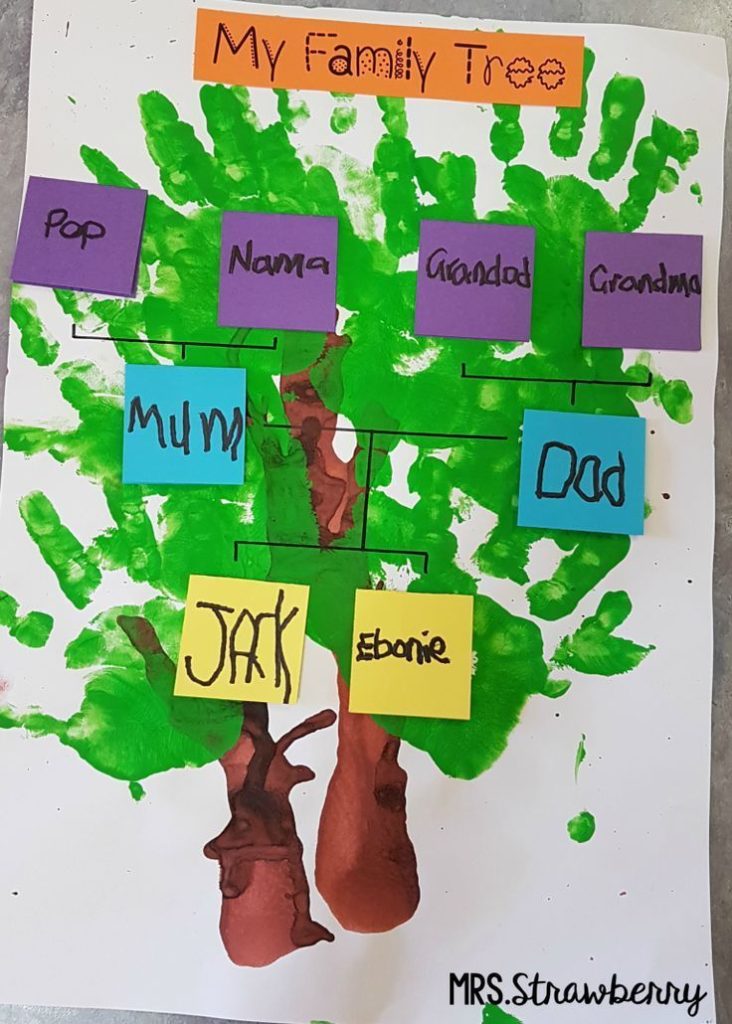
1.Create a Family Tree

Discover the structure of your family by creating a visually appealing family tree using paper, digital tools, or online platforms.

2.Interview Elder Family Members

Take time to interview grandparents, great-aunts, uncles, or any older family members to get firsthand accounts of their stories and experiences.

3.Compile a Family Cookbook

Gather traditional recipes from your family members and put them together in a beautiful cookbook illustrating your culinary heritage.

4.Design a Family Crest

Encourage artistic skills by designing a symbolic family crest that represents your lineage.

5.Host a Cultural Celebration

Organize a celebration of your cultural heritage, including traditional food, music, clothing, and customs.

6.Explore Online Genealogical Resources

Make use of online databases such as Ancestry.com or MyHeritage.com to trace your lineage further back in history.

7.Write Letters or Emails to Distant Relatives

Reconnect with distant relatives by writing letters or emails sharing experiences and information about your common ancestry.

8.Digitize Old Family Photos

Scan and preserve old family photos or convert film negatives into digital format for easy archiving and accessibility for future generations.

9.Make an Ancestor Timeline

Create a timeline representing significant life events for different generations within your family lineage.

10.Research Cultural Clothing

Learn about traditional clothing from your ancestry and consider sewing or purchasing outfits representative of these styles for special events.

11.Visit Local Archives or Libraries

Explore public archives and libraries’ resources on local history that might provide valuable information about your family’s background.

12.Document Family Heirlooms

Catalog family heirlooms, preserving their stories and significances for future generations.

13.Create a Family Documentary

Use video editing software to combine interviews, photos, and narrations to create a documentary showcasing your family history.

14.Explore Your Genetic Ancestry

Take a DNA test to gain insights into your genetic ancestry, ethnic background, and possible distant relatives.

15.Plan a Family Trip to Your Ancestors’ Homeland

Visit ancestral homelands to experience your history firsthand and enrich your understanding of your cultural past.

16.Teach Children About Their Ancestors

Educate younger generations about their forefathers through bedtime stories, short presentations or illustrated storybooks.

17.Map Your Ancestor’s Migration Routes

Trace the paths your ancestors took as they immigrated to different areas of the world using maps and geographical records.

18.Preserve Your Family’s Traditions

Keep your family’s unique traditions alive by teaching them to younger generations and occasionally practicing them together as a family.

Conclusion:

These 18 fun family history activity ideas will help students learn about their ancestors in an engaging and interactive manner. Providing opportunities to explore their genealogical roots not only fosters knowledge of the past but also instills pride in their own cultural heritage and identity.

How This Unique Music Program Changed the Lives of Three Students

Music has always been an integral part of our lives, touching the hearts and minds of people around the world. For three students from different walks of life, a unique music program became a transformative experience that not only changed their lives but also inspired them to reach for new heights.

The Harmony Institute, based in New York City, aims to provide students with a platform to express themselves through music. The organization’s mission is to nurture the talent of young musicians and help them turn their passion into careers. This institute has become a sanctuary for those seeking solace in the enchanting power of music.

One such student touched by this program is Sarah. Growing up in a low-income family, Sarah constantly faced financial struggles. She had limited access to formal music lessons, but her passion for music kept her driven. When she joined the Harmony Institute on a scholarship, she found herself immersed in an environment filled with likeminded individuals who encouraged her growth. Her natural talent flourished under the guidance of skilled mentors. Today, she is studying at a prestigious conservatory and hopes to change lives through her performances and compositions.

Another student positively affected by the program is Jason, who struggled with social anxiety and shyness throughout his childhood. Jason found solace in playing piano, but he lacked the means to further his education in music. The Harmony Institute offered him flexible classes that allowed him to feel more comfortable in group settings and an environment wherein he could hone his skills at his own pace. Over time, he gained confidence by sharing his gift with others and has since become an accomplished pianist who performs publicly.

Lastly, there’s Ramón, who comes from a family that viewed music as merely a hobby rather than a viable career choice. Despite facing cultural pressures and expectations from his parents to pursue a more traditional path, joining the Harmony Institute ignited Ramón’s dreams of becoming a professional musician. The encouragement and support he received from his peers and instructors boosted his confidence, opening the door to new opportunities and connections in the industry. Ramón now enjoys a successful career as a composer and performer, inspiring other young musicians from similar backgrounds to follow their passions.

The powerful impact of the Harmony Institute on these three students serves as a testament to the transformative power of music and its ability to shape lives. It grants its participants opportunities they might never have had otherwise and empowers them with the skills, toolkit, and mindset to pursue careers in the ever-evolving world of music.

By providing such a vibrant and creative environment for young aspiring musicians, the Harmony Institute has not only changed the lives of these three worthy students but also contributed significantly to nurturing a new generation of musical talent.

7 Teacher-Tested Secrets to a Successful School Stage Show

Staging a successful school stage show requires creativity, planning, and teamwork. With these seven teacher-tested secrets, you can ensure that your students’ performance is engaging, entertaining, and memorable.

1. Plan Your Production Wisely

Choose a script or play that is age-appropriate and captures the interest of your student performers. Consider your available resources and facilities when selecting your production. Make sure to allocate enough time for rehearsals, set design, and prop acquisition.

2. Assign Roles According to Students’ Strengths

When casting your students, take into account their strengths and weaknesses. Don’t merely assign lead roles to the most talented students; give everyone a chance to shine. Keep in mind that some students may excel in non-acting roles such as stage management or lighting design.

3. Encourage Teamwork

One of the most important aspects of a successful school stage show is teamwork. Encourage collaboration by assigning group tasks, implementing teambuilding activities, and fostering an environment where all opinions are valued. Communication is key!

4. Provide Clear Direction

Give your students clear instructions on their roles and responsibilities. Encourage them to ask questions when they are uncertain and provide constructive feedback throughout the rehearsal process. Offer guidance in character development, stage blocking, and proper vocal techniques.

5. Get Creative with Sets & Props

Developing elaborate sets or acquiring expensive props may not be within your budget; however, creativity can make up for monetary constraints! Utilize materials found around the school or improvise with inexpensive items sourced from local thrift stores or garage sales. Encourage students to contribute ideas for set designs and props as well.

6. Showcase Students’ Talents

A rewarding aspect of a school stage show is the opportunity for students to showcase their unique talents. Highlight singers during musical numbers or give skilled dancers a chance to dazzle with choreography. The more you can celebrate each student’s abilities, the more invested they will be in the production.

7. Involve Parents & The Community

Enlist the support of parents and the local community to make your school stage show a success. Recruit parent volunteers to help with tasks such as costume creation, set construction, and performance promotion. Secure sponsorships from local businesses and advertise the show within your community to generate excitement and boost ticket sales.

By implementing these seven teacher-tested secrets, you can create a successful school stage show that entertains audiences, develops students’ skills, and fosters a lasting sense of accomplishment for all involved.

21 Push Pin Activity Ideas to Try Today

Are you looking for a way to flex your creative muscles with some versatile and low-cost materials? Look no further than push pins! There are countless ways to use these small but mighty office supplies in various activities. Here are 21 push pin activity ideas that you can try today.

1.DIY Bulletin Board: Create a personalized bulletin board by using push pins to hang photos, notes, and reminders.

2.Wall Art: Use different colored push pins to make unique designs on a foam poster board.

3.Geography Lesson: Use a map and push pins to mark locations of interest or places you’ve been.

4.Push Pin Maze: Draw a maze on cardboard and use push pins as obstacles. Create multiple mazes for an added challenge.

5.Color Matching Game: Place colored push pins on a piece of paper or cardstock, and have children match them to their corresponding colored circles.

6.Letter Recognition: Write letters on index cards and use push pins to trace the letters, improving fine motor skills and letter recognition.

7.Push Pin Puzzles: Cut out intricate shapes from cardstock or foam, then punch holes along the edges using push pins. Reassemble the pieces to create a unique puzzle.

8.Sight Word Practice: Write sight words on sticky notes, then attach them to a board with push pins for students to practice reading aloud.

9.Clothespin Drop Game: Attach a cup or container at one end of a piece of string, then hang the string between two points using push pins. Using clothespins, have children attempt to drop them into the cup/container from various distances.

10.DIY Constellations: Use black construction paper and create constellation designs using white or glow-in-the-dark push pins as stars.

11.Push Pin Portraits: Create self-portraits or images of famous people by punching holes in pictures and following the outlines with push pins.

12.Memory Match Game: On index cards, draw matching pairs of images or symbols. Attach cards to a foam board with push pins and have players flip the cards over to find matching pairs.

13.Push Pin Weaving: Using push pins, create a weaving loom on a foam board. Thread yarn through the pins to create intricate patterns and designs.

14.DIY Calendar: Use push pins to attach sticky notes or pre-printed dates to a foam board or poster for a customizable calendar.

15.Push Pin Sudoku: Create a Sudoku grid on a piece of paper, and use push pins in various colors as game pieces.

16.Collaborative Poetry Board: Write individual words on small pieces of paper, then use push pins to attach them to a cork board for guests or students to create collaborative poems or stories.

17.Environmental Awareness: On a map, use different colored push pins to indicate areas affected by pollution or other environmental issues.

18.Sequencing Activity: On a long strip of paper, place numbered sticky notes using push pins, and have children arrange objects or events in sequential order.

19.Push Pin Dominos: Stick push pins into foam shapes, then line them up and watch them topple like dominos!

20.DIY Mobiles: String together lightweight objects such as paper shapes or small toys, then hang them from the ceiling using push pins as anchors.

21.Goal Tracking Chart: Using a large piece of poster board and push pins, create an incentivizing chart for tracking progress in personal goals, academic achievements, or fitness milestones.

There you have it – 21 fun and creative ways to make use of push pins in your daily life! Whether you’re an educator seeking engaging learning activities or simply someone looking for budget-friendly home décor ideas.

25 SEL Activities to Build Social Skills for Different Age Groups

Introduction:

Social and emotional learning (SEL) is a crucial aspect of a child’s development, as it teaches valuable skills such as empathy, self-awareness, and effective communication. These skills help children build relationships, resolve conflicts, and become resilient individuals. Here are 25 SEL activities that can be adapted for different age groups to foster social skills development.

1.Emotion Charades: Children act out various emotions while others guess the feelings being portrayed.

2.The Kindness Jar: Encourage kids to write down acts of kindness they witness or participate in and store them in a jar.

3.Compliment Circles: Sit in a circle and take turns giving compliments to the person on the right.

4.Feeling Collage: Make collages with pictures representing various emotions. Discuss how these images make us feel.

5.Gratitude Journals: Keep daily gratitude journals, encouraging children to note things they are grateful for.

6.Empathy Role Play: Set up scenarios for children to role-play. They must express empathy towards one another.

7.Self-Reflection Sheets: Have children complete self-reflection sheets to encourage self-awareness about their actions and feelings.

8.Communication Blocks: In pairs, one child describes an image or object while the other attempts to recreate it from the description.

9.Storytelling: Children create stories based on specific themes and characters while expressing their emotions.

10.Listening Exercises: Read short stories or poems aloud; discuss emotions felt within the context of these readings.

11.Feelings Bingo: Create Bingo cards with feelings instead of numbers; have children match situations with the appropriate emotions.

12.Cooperative Games: Encourage team-building through games that require cooperation and communication.

13.Conflict Resolution Roleplay: Act out scenarios involving conflict resolution among friends or classmates.

14.Goal Setting Activity: Have children set goals for personal growth, including social skills development.

15.Expressing Emotions with Music: Teach children to express their feelings through various musical styles and instruments.

16.Inspirational Quote Discussions: Choose quotes related to SEL themes and lead discussions on how they apply in daily life.

17.Circle Time Sharing: Provide a safe space for children to share their emotions and experiences.

18.Peer Buddy System: Older students mentor younger students, teaching valuable social skills while strengthening relationships.

19.Emotional Vocabulary: Teach age-appropriate emotional vocabulary to build understanding and expression of feelings.

20.Observing Body Language: Encourage children to observe nonverbal cues in videos or real-life situations and discuss the emotions being conveyed.

21.Group Art Projects: Collaborate on art projects that allow group members to express their emotions, thoughts, and ideas.

22.Moods and Emotions Flashcards: Use flashcards with different moods or emotions for children to identify and practice naming their feelings.

23.Social Script Rehearsal: Teach children scripts that can navigate them through socially challenging situations, such as meeting new peers or resolving conflicts.

24.Perspective-Taking Exercises: Encourage children to consider others’ points of view by reading stories and discussing characters’ perspectives.

25.Coping Mechanism Toolbox: Teach students to develop coping methods for challenging situations and emotions, such as deep breathing or talking to an adult.

Conclusion:

SEL activities are essential for bolstering the social skills necessary for success throughout life’s various stages. By incorporating these 25 activities into your curriculum or daily routine, you can foster social growth in a supportive environment that engages learners across different age groups.

27 Engaging Emoji Crafts & Activity Ideas For All Ages

Emojis have taken the world by storm, infiltrating our daily lives and countless forms of communication. It’s no wonder many people are seeking out emoji-themed crafts and activities to share their love of these expressive icons with friends and family. Regardless of age or skill level, there’s an emoji activity for everyone. Here are 27 engaging emoji crafts and activity ideas that will entertain and inspire people of all ages:

1.Emoji Slime: Combine glue, baking soda, contact lens solution, and food coloring to create vibrant emoji-inspired slime. Add googly eyes to make fun emoji faces.

2.Emoji Stress Balls: Fill balloons with flour or rice, draw emoji faces on them, and use them as squeezable stress relievers.

3.Emoji Hand Puppets: Create adorable hand puppets by sewing felt fabric into your favorite emojis.

4.Customized Emoji T-shirts: Design personalized T-shirts using fabric markers and paint to draw emoji faces and symbols.

5.Emoji Rocks: Paint rocks with various emojis for a fun garden decoration or paperweight.

6.Emoji Memory Game: Print out pairs of emojis on cardstock, cut them out, then challenge your friends to find the matching sets.

7.Emoji Mosaics: Arrange different colored tiles into popular emoji patterns for wall art or coasters.

8.DIY Emoji Pillows: Sew plush pillows in the shape of your favorite emojis for decorative and cuddly comfort.

9.Emoji Bookmark Craft: Create bookmarks using popsicle sticks painted with an assortment of vibrant emoji inspired designs.

10.Emoji Piñata: Design a fun piñata in the shape of an emoji for festive occasions.

11.Edible Emoji Cookies: Bake smiley-faced sugar cookies decorated with frosting and showcase popular emoji expressions.

12.Painted Emoji Flower Pots: Add personality to your plants with painted emoji expressions on terracotta pots.

13.Emoji Photobooth Props: Create cardboard cutouts of emojis and bring delight to events with a custom photo booth experience.

14.Emoji Keychains: Use Perler beads and iron together colorful emoji patterns before attaching key rings to create eye-catching keychains.

15.Emoji Matching Socks: Design pairs of socks featuring matching emojis for a quirky fashion statement.

16.Emoji Charades: Act out various emojis for a modern twist on the classic game of charades.

17.DIY Emoji Ornaments: Craft festive ornaments shaped like popular emojis for an amusing touch to holiday decorations.

18.Emoji Crossword Puzzle: Create and solve custom crossword puzzles featuring clues inspired by popular emojis and their meanings.

19.Homemade Emoji Soap: Melt glycerin soap base, pour into emoji molds, and add color and fragrance to make delightful soaps.

20.Emoji Pom-Pom Rug: Craft a quirky, colorful rug using yarn pom-poms created in the likeness of different emojis.

21.String Art Emojis: Design intricate string art patterns in the shapes of popular emojis for thoughtful gifts or wall decorations.

22.Crocheted Emojis: Express your love for emojis by crocheting patterns for plush emoji friends.

23.DIY Emoji Cards: Create handcrafted greeting cards adorned with sparkly emoji-themed designs for special occasions.

24.Emoji Bath Bombs: Combine citric acid, baking soda, Epsom salts, plus color, fragrance, and adorable emoji molds for fun bath time entertainment.

25.Origami Emojis: Utilize folding techniques to shape colorful paper into amusing origami friends reminiscent of well-loved emojis.

26.Magnetic Emoji Faces Board: Display your current mood by arranging magnetic facial features on a fun emoji expression board!

27.Crocheted Emojis: Express your love for emojis by crocheting patterns for plush emoji friends.

The Continents

Introduction

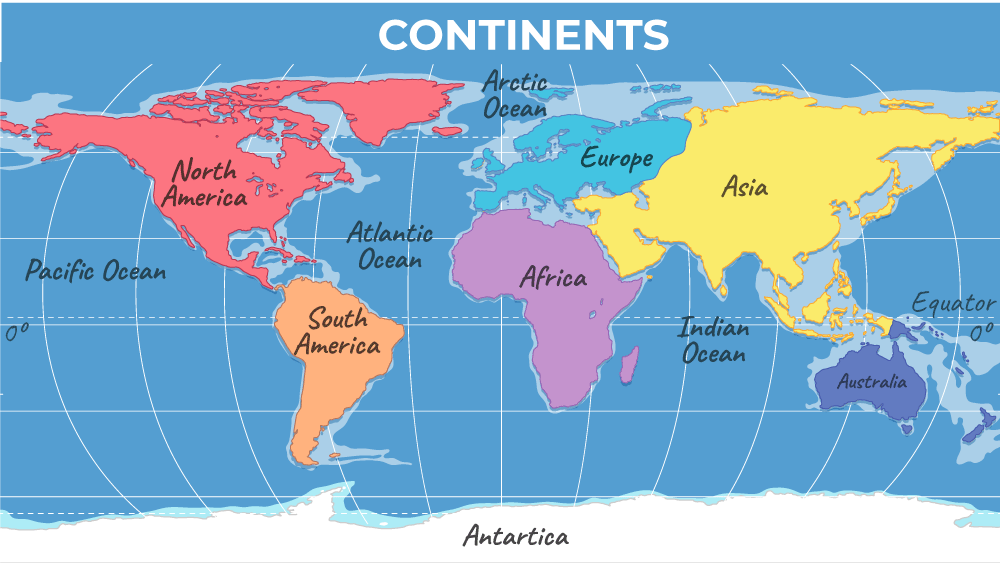
The beautiful and diverse planet we call home is divided into seven continents, each boasting its own unique treasures. These landmasses have played host to human history, shaping the globe’s numerous civilizations, cultures, and natural wonders. This article sheds light on the fascinating aspects of each continent and their distinct characteristics.

1. Africa: Rich in Heritage and Natural Beauty

Africa is the world’s second-largest continent and the birthplace of humanity itself. This vast land is home to ancient civilizations like Egypt and Ethiopia, as well as an astounding array of wildlife found in its diverse biomes – from savannas to rainforests. The Serengeti plains, Mount Kilimanjaro, and Victoria Falls are just a sample of Africa’s breathtaking natural beauty.

2. Antarctica: The Coldest Wilderness

Antarctica stands out as the coldest, driest, and windiest continent, shrouded in ice sheets that account for 90% of Earth’s freshwater. Despite harsh conditions, Antarctica houses unique ecosystems that include resilient animal species such as penguins and seals. Explorers and scientists flock to this remote landscape for invaluable research on climate change.

3. Asia: A Melting Pot of Cultures

As the largest continent both by area and population, Asia hosts a mixture of cultures that make it an incredibly diverse region. It serves as the origin of numerous ancient civilizations–and religious philosophies–like China, India, Japan, and Persia (now Iran). Asia also houses some of the highest peaks on Earth; notably Mount Everest—the tallest mountain in the world—located in Nepal.

4. Europe: Old Meets New in Diverse Society

Europe is known for its remarkable history and architectural marvels, from iconic structures like the Eiffel Tower to famous landmarks such as the Colosseum in Rome. European countries have made significant contributions to human culture, spanning numerous fields like arts, science, and philosophy. Europe’s integration fosters an ideal environment for travelers to explore the beauty of its diversity.

5. North America: The Land of Opportunity

North America is home to diverse geographical features, climates, and cultures that range from the Arctic tundra of Canada to tropical rainforests in Central America. The United States serves as a hub of technological innovation and cultural exports like Hollywood films and various music genres. The continent also offers scenic landscapes including the Grand Canyon, Niagara Falls, and the dense Amazon rainforest.

6. Australia: The Island Adventure

Australia is the world’s smallest continent and a unique island country awash with diverse flora and fauna found nowhere else on Earth. From vibrant coral reefs in the Great Barrier Reef to breathtaking landscapes such as Uluru, the Australian Outback presents a multitude of natural wonders. Its rich aboriginal culture adds another layer to Australia’s captivating charm.

7. South America: The Gem of Latin Culture

South America is noted for its distinct Latin influences, which manifest through music, literature, food, and history across nations like Brazil, Argentina, Colombia, and Peru. Its biodiversity is unmatched due to ecosystems such as the Amazon rainforest—home to a vast array of plants and wildlife species—and incredible landmarks like Machu Picchu in Peru or Angel Falls in Venezuela.

Conclusion

Each continent possesses remarkable attributes that contribute to our planet’s beautiful harmony; from rich histories teeming with culture to impressive geological formations and breathtaking vistas. As we continue exploring this incredible world we inhabit together, let us remember to both appreciate these unique qualities and also reconcile our shared responsibility in preserving Earth for future generations to enjoy.