Art Education

We’ve Never Seen A School Rock Halloween Like This

Halloween is a much-awaited holiday for students and teachers alike, offering a brief respite from the daily grind of school life. Colorful costumes, spooky decorations, and entertaining activities – what’s not to love about this celebration? However, this year, a small town has taken the festivities to another level with its extraordinary school rock Halloween event that nobody has ever witnessed before. Let’s dive into the details of this fantastic celebration that has everyone talking.

A month prior to Halloween, the creative minds behind the event began preparations to transform an ordinary school celebration into a one-of-a-kind rock-inspired extravaganza. The concept was simple yet captivating: combine the thrill of Halloween with the electrifying energy of a live rock concert.

The school gym served as the venue, adorned with spectacular decorations that would make even professional stage designers envious. Fog machines shrouded the room in an eerie haze, while multicolored strobe lights danced across the walls. Cobwebs, skeletons, and other spooky elements added to the gothic atmosphere.

But it wasn’t just about creating an unforgettable backdrop for this event; it was also about involving every student in this unique experience. Every student had an active role—from impersonating iconic rock stars and joining a rock band for an unforgettable performance to helping with light and sound design.

To add authenticity to their acts, students meticulously researched their chosen rock legends—learning about their personality traits, singing styles, and even their famous moves. For weeks leading up to the event, talented students practiced playing guitars, drums, keyboards, and other instruments typically found on stage at a rock concert.

The big day arrived and parents flooded into the gym-turned-concert-arena for an evening filled with adrenaline-pumping music and eye-catching costumes. Each band was dressed as legendary horror icons and hard rock musicians like Alice Cooper, Ozzy Osbourne, KISS, and Rob Zombie. They performed note-perfect renditions of classic hits, accompanied by elaborate choreographies that paid homage to their inspirations.

Faculty members, on the other hand, served as emcees, judges or even jumped in as surprise members of some bands to the delight of both parents and students. The event also incorporated a costume contest where attendees flaunted their best horror and rock-inspired outfits while competing for first place.

The school rock Halloween event didn’t only break the mold but also allowed the students and teachers to bond outside of the classroom while showcasing their artistic abilities and passions. It gave the audience an entertaining evening while demonstrating that when it comes to celebrating holidays at school, it’s possible to push boundaries and leave everyone with unforgettable memories. As the curtain closed on this remarkable extravaganza, one thing was clear: we’ve never seen a school rock Halloween quite like this before.


How Art Class Can Benefit the Brain in a Big Way

Introduction

Art classes have long been hailed as a crucial component of a well-rounded education. While some may consider them merely as a way to teach children and adults creative expression and aesthetics, research has shown that engaging in artistic activities can significantly benefit brain development and cognitive function. In this article, we’ll explore the various ways that art class can impact the brain in a big way.

1. Boosting Creativity and Imagination

At the core of art class is the practice of creativity and imagination. When students engage in painting, sketching, sculpting, or other forms of art, their minds are actively involved in generating new ideas and concepts. This ongoing creative exercise helps to stimulate neural connections and foster the growth of gray matter in the brain, which is responsible for processing information.

2. Enhancing Fine Motor Skills

Art class provides an opportunity for individuals to work on their fine motor skills. For example, holding a paintbrush or moving clay around with your fingers requires precision, focus, and dexterity. These activities help strengthen hand-eye coordination and muscular control, contributing to overall brain development.

3. Developing Problem-Solving Abilities

Through activities like planning compositions or deciding how to mix colors properly, art students learn how to think critically and solve problems creatively. This process involves using both left-brain analytical skills and right-brain intuition, which helps develop a more balanced cognitive approach to problem-solving.

4. Improving Concentration and Focus

Engaging in art projects often requires lengthy periods of concentration and focus. This practice supports the ability to sustain attention on a task without being easily distracted – which can transfer into improved academic performance across all subjects.

5. Encouraging Emotional Expression and Self-Reflection

Creating art involves tapping into one’s emotions and expressing them through visual language. This process not only helps individuals better understand their feelings but also offers a safe space for self-reflection. By encouraging emotional intelligence and self-awareness, art class contributes to overall mental wellbeing and resilience.

6. Fostering Social Skills and Collaboration

Art classes offer opportunities for students to work together on collaborative projects, share ideas, and critique each other’s work. These interactions help develop essential social skills like communication, cooperation, and constructive criticism – all of which can strengthen relationships and contribute to a sense of community.

7. Promoting Open-Mindedness and Flexibility

The practice of creating art nurtures open-mindedness and the ability to adapt to new or unexpected circumstances. As students explore different artistic techniques, styles, and mediums, they broaden their perspectives and become more flexible in their thinking.

Conclusion

The benefits that stem from engaging in art class stretch far beyond the ability to create visually stunning pieces. By participating in these creative activities, individuals can experience major cognitive boosts that impact every facet of their lives. From improved problem-solving abilities to enhanced emotional intelligence – it’s clear that art class plays a pivotal role in shaping well-rounded individuals primed for success both inside and outside the classroom.

Free Poster: Negative Student Behaviors Aren’t Always What They Seem

Introduction

Dealing with negative student behaviors is an inevitable challenge for teachers and educators. On the surface, it may seem like there is a simple answer to address the unruly actions, but often, these behaviors aren’t always what they seem. It’s essential to recognize that the root cause might be hidden beneath the apparent act of disobedience or disruption. This article will explore various dimensions of negative student behavior, highlighting potential misconceptions and possible strategies for understanding and addressing these behaviors more effectively.

Misconceptions About Negative Student Behavior

1. Disruptive behavior is a sign of defiance: While it may appear that a student is trying to defy authority or disrupt the classroom environment intentionally, their behavior could be an expression of frustration, anxiety, or other underlying issues that prevent them from comprehending or following instructions.

2. Poor academic performance is due to a lack of effort: Some students struggle academically, not because they aren’t trying hard enough but because they face learning disabilities or other factors that make grasping certain concepts difficult.

3. Fidgeting indicates lack of interest: Fidgety students can be easily misinterpreted as uninterested or disengaged in class material. However, studies have shown that fidgeting can sometimes help students with attention deficits to better concentrate and absorb information.

Understanding the Hidden Causes

To address negative student behavior more effectively, educators should consider potential underlying factors contributing to those actions:

1. Anxiety and stress: Emotional turbulence can lead students to exhibit symptoms such as aggression, social withdrawal, or disruptive behavior in class.

2. Learning disabilities: Students with learning disabilities like ADHD, dyslexia or autism may display unconventional behaviors due to challenges in understanding and processing information.

3. Environmental factors: Students’ home lives may bear significant impact on their classroom conduct. Divorce, abuse, poverty or other troubling situations outside the classroom can lead to negative behavior.

4. Communication difficulties: Some students may have trouble expressing themselves verbally or nonverbally, which can result in frustration and eventual misbehavior.

Strategies for Addressing Negative Behaviors

1. Adopt a proactive approach: Creating an inclusive, supportive, and positive classroom environment is crucial to prevent disruptive behaviors before they manifest. Establish clear expectations and rules, and communicate them effectively to your students from the outset.

2. Know your students: Building strong relationships with your students can help you better understand the contributing factors to any negative behavior patterns. Show empathy, be attentive, and listen to their concerns to build trust and mutual respect.

3. Individualize behavioral interventions: Tailoring specific interventions to individual circumstances can yield more meaningful results. For instance, students who struggle academically might benefit from targeted extra support or accommodations in class assignments or tests.

4. Engage in open communication: Encourage open discussions with parents or guardians of students exhibiting negative behaviors. Work collaboratively with families to develop strategies for supporting student growth both inside and outside the classroom.

Conclusion

Negative student behaviors often have deeper causes than what is visible on the surface. By identifying these hidden factors and employing thoughtful strategies, educators can help these students find better ways to cope with underlying issues that may present themselves as disruptive conduct in their learning environment. Investing time and effort in understanding the complexities of student behavior can foster healthier school communities and create long-lasting positive change in students’ lives.

An Introverted Student Is a Gift

As educators, we often encounter a vast array of personalities in our classrooms. One such personality type often overlooked is the introverted student. Introverts can be seen as shy, reserved, or hard to connect with, but it is vital to remember that they bring unique gifts and strengths to the educational environment. Embracing and nurturing introverted students can lead to benefits not only for the individuals but also for the entire class community.

Understanding Introversion

Introversion is often misunderstood as merely being shy or wallflowers in social situations. While introverts may exhibit these traits, this definition fails to capture the full spectrum of their personalities. In truth, introverted individuals tend to focus more on their inner thoughts, feelings, and ideas rather than external stimuli.

Appreciating their Unique Contributions

Introverted students are a gift to the classroom for various reasons:

1. Deep Thinkers: Introverts often possess critical thinking skills and are deeply reflective. They ponder complex ideas thoroughly before forming opinions or sharing their thoughts with others. These thought processes can enhance classroom discussions by bringing forth well-thought-out perspectives.

2. Attentive Listeners: Introverts are natural listeners; they tend to take in information from their surroundings rather than vying for attention in conversations or class settings. Consequently, introverted students tend to process knowledge accurately and retain lessons more effectively.

3. Empathy and Sensitivity: Introverted students frequently exhibit empathy and sensitivity towards their classmates, making them excellent peers. They often excel in group activities requiring cooperation and understanding of others because of this character trait.

4. Composure under Pressure: Due to their innate preference for solitude and quiet environments, introverted students are often better at handling stressful situations or obstacles. They work calmly when faced with challenges, facilitating a sense of serenity that can be beneficial both academically and socially.

Supporting the Introverted Student

To ensure introverted students thrive, educators must recognize their unique needs and support their growth:

1. Provide Quiet Spaces: Create opportunities for quiet time either in the classroom or on campus that allow introverted students to recharge.

2. Foster Inclusivity: Encourage class participation from all students, making sure that introverts have the time and space to contribute to discussions without being overshadowed or rushed.

3. Employ Varied Instruction Techniques: Offer a mix of group activities and independent work, ensuring both extroverted and introverted students have opportunities to excel.

4. Be Patient: Some introverted students may take longer to process information or participate in class discussions; be patient and supportive, even if they do not speak up as often as others.

In conclusion, understanding the unique qualities of an introverted student allows educators to create an environment that harnesses their potential while benefiting every student in the classroom. With patience and understanding, the gift of introversion will enrich our educational spaces, contributing significantly towards achieving a well-rounded and inclusive learning community.

10 Things Instagram Made Me Buy for My Classroom

With the rise of social media, teachers are finding inspiration and resources for their classrooms through platforms like Instagram. The educational community on Instagram is vast, and it’s not surprising that teachers often fall in love with creative ideas they discover. In the spirit of sharing, here are 10 things Instagram made me buy for my classroom.

1. Flexible seating options

Flexible seating is all about giving students the option to choose where they sit and how they learn best in the classroom. From wobble stools to floor cushions, I was inspired to create an inviting space for diverse learning styles.

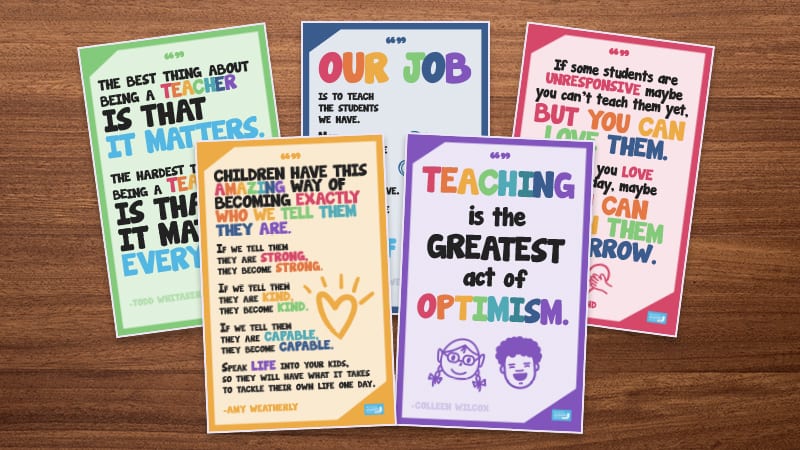
2. Inspirational posters

Instagram is full of motivational quotes and thought-provoking reminders. I found a plethora of beautiful posters with powerful words that I knew would resonate with my students, creating a positive atmosphere in the room.

3. Interactive bulletin boards

Why settle for ordinary when you can make your bulletin boards interactive? Instagram exposed me to various ways to engage my students using everything from felt boards to magnetized displays.

4. Dry erase wall decals

Another fantastic idea I discovered was using dry erase wall decals. They provide an additional space for collaboration and creativity without taking up too much room or investing in bulky whiteboards.

5. Colorful storage solutions

Staying organized is crucial, and it doesn’t need to be dull. I’ve enhanced my classroom’s aesthetic by incorporating colorful storage bins, magazine holders, and bookshelves that made organization fun and visually appealing.

6. Book leveling stickers

To help my students find books at their reading level easily, I purchased book leveling stickers after seeing them used effectively on Instagram by other teachers.

7. Classroom library décor

As a passionate advocate of reading, I wanted my classroom library to be an enchanting place where students feel encouraged to explore literature. Instagram provided limitless ideas—from cozy nooks with fairy lights to eye-catching bookshelf displays.

8. STEM kits

Instagram opened my eyes to the world of STEM education, inspiring me to incorporate science, technology, engineering, and math activities into my curriculum. I bought various hands-on STEM kits that my students could use during free time or as part of our lessons.

9. Mindfulness tools

Promoting mindfulness in the classroom has become increasingly popular, and Instagram introduced me to various tools such as stress balls, fidget spinners, and calming jars that aid in student focus and relaxation.

10. Customized teacher planner

Finally, I invested in a customized teacher planner featuring inspirational quotes inside after seeing countless Instagram posts about their value in keeping lesson plans organized and staying on track throughout the year.

In conclusion, Instagram has proven to be an invaluable resource for discovering new ideas and implementing exciting changes within my classroom. The platform has not only made me a better teacher but has also fostered a community connected by a shared passion for learning.

16 Step-by-Step Drawing Videos for Your Budding Artists

Art is a powerful way for children to express themselves and develop their creativity. With the advent of technology, learning to draw has never been more accessible. Your aspiring artist can now hone their skills with step-by-step drawing videos available online. So, let’s dive into 16 exciting drawing tutorials that your budding artist will surely love!

1. How to Draw a Cartoon Character

Featuring an engaging drawing style, this video will teach your little artist how to create a cartoon character from scratch.

2. Drawing Animals for Kids

Let your child’s imagination run wild as they learn to draw a range of lovable animals through these detailed videos.

3. Learn to Draw Objects

From a pencil to a house, this video series covers multiple objects that children encounter in their daily lives.

4. Drawing Scenery for Kids

Introduce your child to landscape art and teach them how to capture stunning sceneries on paper.

5. Superheroes Made Easy

For all comic book fans out there, this video tutorial offers step-by-step instructions on drawing their favorite superheroes.

6. Fun and Funky Letters

Help your child learn lettering techniques with these creative videos that teach kids how to combine letters in fun and artistic ways.

7. Delightful Doodles

Bring out your child’s inner doodler and teach them how to add intricate details to their drawings with these captivating videos.

8. How to Draw Vehicles

Fuel your child’s fascination for machines as they learn how to draw cars, airplanes, boats, and more!

9. Fantasy World Creations

Inspire their creativity with these mesmerizing tutorials on drawing fairies, mermaids, dragons, and other mythical creatures.

10. Animated Food Drawings

Give lessons in drawing yummy treats and cute food illustrations that will make anyone’s mouth water.

11. Learn to Draw Popular Cartoon Faces

Let your kid become a pro at drawing popular cartoon characters like SpongeBob SquarePants, Dora the Explorer, and more!

12. Step-by-Step Nature Drawings

Encourage a love for nature with these tutorials on drawing trees, flowers, clouds, and other outdoor elements.

13. Fashion Design Made Easy

For aspiring fashion designers, these videos provide easy-to-follow fashion sketching guides.

14. Realistic Portraits

Introduce your child to tips and tricks for accurately drawing human faces and expressions.

15. Fingerpainting Fun

Incorporate the joy of finger painting into your child’s art with these unique videos that feature interactive activities.

16. Draw Your Own Story

Combine arts and storytelling with tutorials on illustrating original comics or stories created by your budding artist.

These 16 step-by-step drawing video tutorials will not only help nurture your child’s artistic talent but will also ensure they have great fun honing their skills! Happy drawing!

5 Posters to Brighten Up Your Front Office (or Spread Cheer Virtually)

Introduction:

The front office is where your clients and visitors first experience your business. It’s essential that this space reflects a welcoming and positive vibe. One simple way to create an uplifting atmosphere is by using eye-catching and inspiring posters. Whether you’re looking to spruce up your physical office or bring some cheer to your virtual workspace, here are five posters that’ll undoubtedly brighten up any environment.

1. Motivational Quotes Poster

A motivational quotes poster can inspire and uplift anyone who enters your front office. Choose a design with bold typography or elegant handwritten script, featuring famous encouraging quotes from successful leaders or powerful affirmations. These posters remind us to believe in ourselves, persevere through challenges, and stay positive.

2. Vibrant Nature Posters

Nature has a natural calming effect on the mind. A colorful nature poster can immediately bring life and serenity into your workspace. Choose images of sunsets, forests, waterfalls, or even close-up shots of flowers in full bloom. The vivid colors will not only beautify the space but also promote relaxation among staff and visitors.

3. Inspirational Teamwork Poster

Collaboration is key when it comes to achieving success in a business environment. A teamwork poster featuring an engaging visual metaphor—like a team of rowers navigating rough waters together—will emphasize the importance of working together towards common goals.

4. Travel Destinations Poster

Transporting your clients and visitors to exotic locales can be a fun way to escape daily stressors for a brief moment. A travel destinations poster featuring awe-inspiring photos of famous landmarks or breathtaking landscapes will be sure to captivate attention and spark conversations.

5. Artistic Illustration Poster

Adding an artistic touch to your front office can showcase creativity and flair. An illustration poster with beautiful designs or intricate patterns will provide visual interest and a unique talking point for visitors. From modern abstract art to whimsical landscapes, you can find a style that complements your office aesthetic.

Conclusion:

These five posters offer diverse options to suit any front office design or virtual workspace background. By incorporating one or more of these vibrant, motivational, and engaging posters into your space, you’ll surely spread cheer and create a more inviting atmosphere for both your team members and clients.

Interactive Book Murals

Introduction

Over the years, art has taken on many forms and styles, constantly evolving to engage viewers with innovative ideas. In recent years, interactive book murals have emerged as a fascinating new concept that brings together the realm of literature and visual art. These installations not only transform public spaces but also give a fresh perspective to storytelling. In this article, we will explore interactive book murals and their impact on both artists and audiences.

The Concept of Interactive Book Murals

Interactive book murals are large-scale artistic creations that depict scenes or concepts inspired by literary works. While they are often painted directly onto walls or structures, sometimes they incorporate sculptural elements or other multimedia components. What sets these artworks apart is their emphasis on audience engagement and interaction—viewers are often encouraged to become a part of the story by touching, moving, or deliberately altering the mural in some way.

The Role of Technology

With the advent of technology, many interactive book murals have begun to integrate digital elements into their designs. Artists now use projectors, augmented reality technology, or apps to bring their artwork to life by animating scenes or incorporating virtual elements that viewers can manipulate with their phones or other devices. The result is an immersive experience that blurs the lines between literature, art, and technology.

Benefits for Artists and Communities

Interactive book murals provide various advantages for both artists and the localities in which they are installed. For creators, they offer an opportunity to explore new techniques and push their artistic boundaries. Collaborations between artists and authors allow for creative cross-pollination between different disciplines.

Meanwhile, communities benefit from the transformation of public spaces into vibrant works of art that encourage conversation and interaction among residents while promoting cultural appreciation and literacy. Additionally, such murals can boost tourism and local economies by attracting visitors eager to engage with these unique creations.

Notable Examples

Some outstanding instances of interactive book murals across the globe include:

1. The ‘Leake Street Arches’ in London, where artists have spray-painted comic book and graphic novel excerpts directly onto walls, inviting visitors to explore these immersive installations.

2. The ‘Les Murs Parlent Quebequois’ project in Quebec, Canada—a series of murals depicting scenes and characters from celebrated local literature alongside QR codes that visitors can scan to access further information.

3. The ‘Poe Returning Home’ mural in Baltimore, USA, which utilizes artificial intelligence technology to animate an illustrated story based on the life of Edgar Allan Poe.

Conclusion

Interactive book murals represent a captivating intersection of art and literature for the 21st century. Through their innovative designs, these installations foster deeper connections with literary works while encouraging participation from viewers. As technology progresses, we can look forward to even more exciting developments in this thrilling new art form.

This Teacher Is Petitioning Target to Make Cat & Jack Shirts in Adult Sizes

A dedicated teacher has recently initiated a petition to encourage popular retail chain Target to widen their range and make Cat & Jack shirts available in adult sizes. Recognizing the popularity of the brand among children and teens, this teacher believes that expanding the size options will cater to a broader audience, as well as spreading positivity and joy through their creative designs.

Cat & Jack, an in-house label by Target, is one of the favorite choices by both kids and parents alike for its fashionable yet affordable clothing line. Known for comfort, durability, and unique, eye-catching designs, it’s no surprise that the clothing brand has attracted a strong following.

The person behind the petition is an elementary school teacher who has observed their students’ love for Cat & Jack shirts over the years. Seeing how happy and confident her students felt while wearing these shirts inspired the teacher to spread this positivity amongst adults who appreciate quirky and comfortable clothing. The solicitor remains anonymous but gathers support rapidly.

So why has this demand garnered so much attention? Many adult shoppers have expressed interest in wearing similar styles, particularly those who work with children daily. Fun and offbeat clothing tend to make excellent conversation starters and can aid teachers and caregivers in building rapport with children. Moreover, dressing in colorful prints can enhance creativity, establish a feeling of inclusiveness by matching with younger wearers, and bring a vibrant touch to their wardrobe.

The petition has quickly gained traction on social media platforms, where supporters hail from different walks of life—all united by their love for the fun and cozy Cat & Jack shirts. It is evident that demand exists for expanded sizing options in Target’s clothing range to include adult customers who are fans of youthful styles.

As yet, Target has not issued an official response regarding the petition or future plans of expanding the size range under Cat & Jack label. However, considering consumers’ enthusiastic response and increasing demand, it wouldn’t be surprising if the retail giant decides to heed the request.

In conclusion, this teacher-led petition for adult-sized Cat & Jack shirts at Target highlights the desire for light-hearted, creative fashion among adults. If successful, this movement could indeed bring about an inclusive and fun clothing experience for both younger and older fans of Cat & Jack.

Bring Theater To Your Classroom (Virtually!)

Introduction:

Theater has always played a significant role in education, allowing students to develop skills like creativity, teamwork, and communication. With the rise of virtual classrooms due to the COVID-19 pandemic, many educators are exploring ways to incorporate theater into their online teaching. This article will discuss various methods and strategies for bringing theater into your virtual classroom while engaging and inspiring your students.

1. Implement Online Play Readings

Choose an age-appropriate play for your students to read and assign each student a character or role. Schedule a day for a virtual reading on your preferred video conferencing platform. During the reading, encourage students to get into character as they read their lines, using appropriate accents, emotions, and gestures.

2. Create Virtual Tableau Vivants

Tableau vivants are living depictions of scenes in which actors pose in specific positions without speaking or moving. Divide your class into small groups and assign each group a scene from a play or a famous painting to recreate virtually. Students can use their surroundings, costumes, and props from home or create digital backgrounds using photo editing apps. After completing their tableaus, showcase them in class or create an online gallery.

3. Encourage Audio Drama Projects

Audio dramas are an excellent alternative for engaging students who may feel camera shy or have limited access to technology. Assign students different roles and responsibilities like scriptwriting, narration, sound effects, music composition, and editing audio files. Over several classes or weeks, collaborate with the students as they create an immersive audio drama that can be shared with their peers.

4. Organize Virtual Improv Sessions

Improv is a fantastic way to develop spontaneity and creativity among your students while building their confidence. Schedule regular virtual improv sessions where students participate in fun games and exercises that encourage quick thinking and active listening. Project prompts and themes so that everyone can see them and give students time to practice in breakout rooms.

5. Host Online Theater Workshops

Invite local actors, directors, or theater enthusiasts to conduct virtual workshops on various aspects of theater, such as character development, set design, or stage management. This provides students with an opportunity to learn from professionals and gain a deeper understanding of the craft.

Conclusion

Although adapting theater activities for a virtual environment can be challenging, it offers a unique opportunity for educators to explore innovative methods that engage their students and foster essential life skills. With dedication and creativity, teachers can continue incorporating theater into the curriculum while providing enriching and engaging experiences for their students.