Art Education

21 Amazing Teacher Nail Designs You’ll Want to Try ASAP

As a teacher, you know that the classroom is not just about learning the subject but also about expressing your own style and creativity. Teachers spend countless hours preparing their classrooms with colorful decorations and innovative materials to inspire their students. Why not bring the same level of creativity and expression to your fingertips with 21 amazing teacher nail designs you’ll want to try ASAP? These designs are perfect for showing off your personality and profession in a fun and stylish way.

1. Apple Accents: A classic symbol of teachers is the apple. Paint tiny red apples on a white base coat, adding green leaves for a fresh and adorable manicure.

2. Chalkboard Chic: Create a chalkboard-inspired nail design by using a matte black polish as the base and drawing white doodles mimicking chalk drawings on top.

3. Bookworm Beauty: Show your love for reading with book-inspired nail art. Paint stacks of books on each finger or depict the cover of your favorite novel.

4. Pencil Perfection: Design nails resembling sharpened pencils, complete with wood grain details, eraser, and lead tip.

5. Colorful Crayons: Demonstrating support for arts education has never been more stylish! Paint each nail as a different colored crayon, complete with black wrapper details.

6. ABC Adoration: Paint each finger with a different letter of the alphabet in various fonts, styles, and colors.

7. Ruler Radiance: Create faux ruler markings along one edge of each nail to create an artistic measuring tool look.

8. Equation Elegance: Showcase your love for math with nails decorated in equations or mathematical symbols.

9. Star Students: Celebrate the stars of your classroom by painting different sized gold or silver stars on a dark blue base coat to create a twinkling night sky effect.

10. Art Attack: Express your passion for art with nails painted to resemble famous paintings or abstract designs.

11. Geography Genius: Paint small images of different continents, countries, or state maps on each nail.

12. Music Master: Compose a symphony of style by painting music notes, treble clefs, and other musical symbols on your nails.

13. Chemistry Chic: Showcase your favorite elements from the Periodic Table with abbreviations in eye-catching colors.

14. Solar System Sensation: Explore the cosmos with a solar system-themed manicure featuring planets on each nail.

15. Science Swirls: Create a dynamic look by swirling together various lab beaker-inspired colors for an exciting chemical reaction design.

16. Biology Beauty: Add floral designs or animal prints to highlight your passion for biology and life sciences.

17. History Hero: Pay homage to historical figures or events with detailed nail portraits or themed designs.

18. Lit Love: Express your appreciation for literature by creating nails inspired by popular quotes or text passages from beloved books.

19. World Language Wonder: Spell out different words in languages you teach or have studied, like “bonjour” or “hola.”

20. Pi(e) Day Delight: Celebrate Pi Day (March 14) in style with pi-symbol adorned nails or cute little pie slices to show off your enthusiasm for this mathematical holiday!

21. School Spirit Sensation: Show off your school pride with nails painted in your school colors, mascot, and even sports themes!

These amazing teacher nail designs help you display your love for teaching while adding a touch of style and creativity to your everyday look. Mix and match these designs to create new and unique combinations that represent you and your teaching style. Don’t be surprised if they inspire not only your students but also fellow teachers to up their nail game!


Shackets Are the New Teacher Cardigan and We’re Here for It

The fashion world is constantly evolving, and even in the realm of education, teachers are not immune to the winds of change. Gone are the days when the quintessential teacher cardigan reigned supreme in classroom attire. Enter the ‘shacket’ – a hybrid between a shirt and a jacket. This stylish trend has won the hearts of many educators, making it the new must-have wardrobe staple for teachers everywhere.

So, what exactly is a shacket, you ask? Combining the practicality of a shirt with the warmth and structure of a jacket, these versatile pieces redefine comfort and style for teachers needing to adapt to different classroom environments. From casual to more formal settings, shackets offer educators an effortlessly chic way of dressing up or down without sacrificing function.

The rise of shackets in teacher fashion can be attributed to its flexible yet functional design. These adaptable layers provide necessary warmth during colder months but are easily removed or adjusted in warmer temperatures. As educators juggle various responsibilities throughout their day, from parent meetings to student discussions and classroom instruction, the ability to adapt their attire according to situational needs is invaluable.

Shackets come in an array of colors, styles, and materials, so there’s something to suit every teacher’s personal taste and individual style. From cozy flannels and plaids reminiscent of autumn apple picking trips, to crisp neutrals ideal for year-round wear, teachers have no shortage of options when it comes to incorporating shackets into their wardrobes.

The popularity of these versatile garments also owes much to their practicality. With roomy pockets perfect for stashing pens, markers or even a small notebook, shackets prove once again that they’re not just fashionable but functional as well. Additionally, they are often crafted from durable materials that can withstand repeated washing – an essential feature for educators who may find their clothing subjected to accidental stains or spills.

Moreover, embracing the shacket revolution allows teachers to project a more approachable and relatable image in the eyes of their students. Gone are the days of stuffy, formal attire that served as a barrier between educator and pupil. Shackets send a positive message, breaking down traditional hierarchies and fostering an environment of open communication between teachers and students.

In conclusion, the rise of shackets as the new teacher cardigan is both a nod to evolving fashion trends and a reflection of a more relaxed, practical approach to classroom style. The ideal combination of warmth, versatility, and functionality makes for a classroom-ready piece that adds a touch of chicness to any teacher’s wardrobe. Come autumn or spring, we’ll certainly be seeing more of these fabulous shackets on the shoulders of educators – and we’re wholeheartedly here for it.

World Language Classrooms That Are Instagram-Worthy

Introduction:

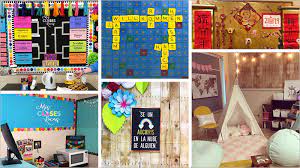
Language learning has never been more exciting, thanks in part to the innovative and inspiring world language classrooms that are popping up on Instagram. These visually stunning spaces can amp up any student’s motivation to study. Let us journey through some of the most Instagram-worthy world language classrooms, where teachers merge creativity and learning into eye-catching educational environments.

1. The Travel-Inspired Classroom

This charming classroom brings a taste of the world into it by featuring decorations inspired by top travel destinations. Maps adorn the walls alongside colorful images, celebratory banners, and unique cultural artifacts from various countries. To take things up a notch, this teacher has created budget-friendly DIY seating cards with illustrations of famous landmarks for each desk – allowing students to feel as if they’re studying at the Eiffel Tower or the Colosseum. This creative approach encourages a sense of wanderlust while simultaneously inspiring students to learn more about various world languages.

2. The Monochromatic Minimalist Classroom

Simple yet elegant, this monochromatic minimalist classroom focuses on clean lines and organization. The black-and-white color palette is accented with pops of color, such as flags from different countries, maps, or the occasional motivational quote in a striking font. The minimalist atmosphere offers students a distraction-free environment to concentrate on their language studies.

3. The Vibrant Cultural Immersion Classroom

What better way to soak up a foreign language than stepping into a space filled with native cultural elements? From indigenous artwork and cultural symbols to literature and traditional clothing items, this classroom provides an artistic space where students can immerse themselves in the culture of the language they’re studying. Walls might display traditional calligraphy or paintings to depict scenes from daily life in target cultures.

4. The Interactive Tech-Savvy Classroom

With technology playing an increasingly crucial role in our lives and education, it’s no surprise that many world language classrooms are incorporating cutting-edge tech tools. This classroom features an interactive whiteboard, virtual reality headsets, and other gadgets to facilitate language learning. Such an approach fuels student enthusiasm while enabling them to practice their listening and speaking skills in engaging ways.

5. The Upcycled Literature-Based Classroom

In this eco-friendly classroom, teachers make use of classic novels, magazines, newspapers, and even discarded encyclopedia volumes to create a literature-based, immersive language-learning experience. Wallpaper made from book pages, unique furniture pieces comprised of bound books, and shelves brimming with titles add a vintage flair to the space. Communal reading spaces full of pillows help foster the love for reading while promoting language learning in a serene environment.

Conclusion:

These five Instagram-worthy world language classrooms demonstrate how educators can blend creativity with effective teaching methods to inspire their students. Each space offers a unique combination of visuals, cultural elements, technology, and literature that fosters an immersive language-learning experience – making any student eager to learn and share their surroundings with their social media circles.

What to Do With Your Teacher Mug Collection

As a teacher, you’re no stranger to the thoughtful gifts that come your way each year, and chances are you’ve amassed quite the collection of mugs. While an abundance of teacher mugs can bring a smile to your face, finding ways to display and repurpose them may eventually become an overwhelming task.

Worry not! Here are some innovative and creative ideas for making use of your cherished teacher mug collection:

1. Create a Mug Wall Display: Dedicate a spot in your home or workspace for a wall display with hooks or shelves to showcase your lovely mug collection. Transform it into a little corner of memories where you can remember each student and story behind every piece.

2. Organize your Desk Supplies: Put your teacher mugs to work by using them as organizers for pens, pencils, markers, scissors, and more. Not only will they help tidy up your desk space, but they’ll also add a personal touch.

3. Planters for Small Plants: Turn your mugs into charming planters for small plants like succulents, herbs, or air plants. These green additions will breathe new life into your space and serve as daily reminders of the growth happening around you.

4. Share the Love: Gift some of your excess mugs to friends, family members or new teachers who could use a little encouragement. Spread the love by passing these tokens on to others who might appreciate them just as much as you do.

5. Make Mug Candles: Get crafty by turning unused mugs into unique homemade candles! Look up how-to guides on creating candles with soy wax and essential oils to combine functionality with relaxation.

6. Create Seasonal Decorations: Rotating mugs based on seasons or occasions can create an ever-changing home display. Consider using themed mugs during holidays like Halloween or Christmas as table centerpieces or mantle decorations.

7. Donate to a Good Cause: If you still have mugs left over after trying out all these ideas, consider donating them to a local thrift store or charity. Somebody else might find joy in your teacher mug collection, and you’ll be supporting a worthy cause.

In conclusion, there’s no reason for your teacher mug collection to simply collect dust in a cabinet. With these tips, you can repurpose and proudly showcase the thoughtful gifts you’ve received from your beloved students.

Win a Cricut Explore Air 2 Machine Bundle for Your Classroom!

Introduction:

Attention, educators! Are you searching for innovative ways to enhance your classroom experience and inspire creativity in your students? We’ve got some exciting news for you! Enter our giveaway for a chance to win a Cricut Explore Air 2 Machine Bundle that will completely transform crafting in your classroom.

Unlock Endless Creative Possibilities:

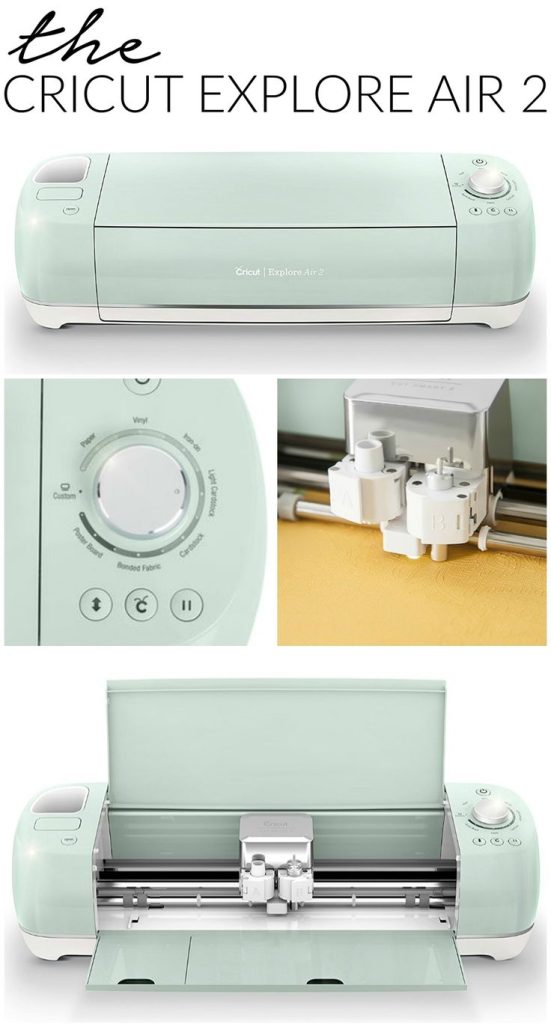
The Cricut Explore Air 2 is an incredibly versatile cutting machine that can help you and your students create astonishing projects with ease. Unleash your students’ inner artists as they design and cut a wide range of materials like paper, vinyl, cardstock, fabric, and more. The possibilities are truly endless – from creating personalized cards and school decorations to designing intricate art projects or unique clothing items.

How Does It Work?

The machine uses state-of-the-art technology to accurately cut intricate patterns and designs with impressive precision. Simply choose a design from the vast Cricut library or upload your own, adjust the cutting settings according to the material being used, and let the machine work its magic. In a matter of minutes, you’ll have your beautiful custom creation ready to be assembled.

The Bundle:

Winning this bundle provides you with everything required to get started:

1. A Cricut Explore Air 2 cutting machine

2. Various materials such as vinyl, cardstock, iron-on fabric, and more

3. Essential tools including a trimmer tool, scraper tool, scissors, and tweezers

4. A one-year subscription to Cricut Access – granting access to hundreds of thousands of images, fonts, ready-to-make projects, and more

How to Enter:

Participating in this giveaway is simple. Follow these steps to enter:

1. Complete the online entry form on our giveaway website (link provided)

2. Follow our social media pages: Facebook, Instagram, and Twitter

3. Share or retweet one of our giveaway posts for an increased chance to win

The contest deadline is [DATE], so be sure to enter soon. The winner will be selected randomly, and the lucky recipient will be announced on our social media channels.

Conclusion:

Don’t miss this fantastic opportunity to win a Cricut Explore Air 2 Machine Bundle for your classroom. The world of crafting and hands-on education will open up to inspire both you and your students, fostering creativity and enhancing learning experiences. Good luck, and happy crafting!

17 Amazing Art Activities For Preschoolers

Art is an essential part of a child’s growth and development. Engaging in creative activities helps preschoolers enhance their fine motor skills, boost cognitive abilities, and foster self-expression. Here are 17 amazing art activities to captivate the imaginations of your little ones and set them on the path of artistic exploration.

1. Finger Painting: One of the most enjoyable tactile experiences for young children is playing with finger paint. It’s a wonderful sensory activity that encourages creativity and improves fine motor skills.

2. Collage Art: Provide your preschoolers with various materials like colored paper, magazines, fabric, and glue to create their collages. It enhances decision-making skills and stimulates imagination.

3. Stamping: Using fruit or vegetable stamps allows children to explore different shapes, patterns, and colors while working on their hand-eye coordination.

4. String Painting: Dip strings or yarn pieces in paint and drape them onto paper for unique abstract art creations. This activity challenges kids to work with unconventional tools and helps build their creativity.

5. Paper Mache: Teach children about recycling by sculpting paper mache artwork out of old newspapers, glue, and water. This activity nurtures patience as they wait for their projects to dry before painting them.

6. Salt Dough Sculptures: Combine salt, flour, and water to create a dough that can be molded into various shapes, then baked to harden. Children learn about different textures as they knead the dough and shape it into masterpieces.

7. Bubble Wrap Painting: Recycle bubble wrap by using it as a painting tool for interesting textures on their artwork.

8. Chalk Drawing: Give kids colorful sidewalk chalk to draw or write; this not only encourages creativity but also improves gross motor skills during outdoor play.

9. Leaf Rubbings: Collect leaves from your backyard or local park and have children rub crayons against one side, revealing unique patterns and textures.

10. Pasta Jewelry: Painting and threading pasta onto strings make for a fun activity that develops fine motor skills while creating wearable art.

11. Mask Making: Provide your preschoolers with paper plates and decorations to create their masks, encouraging imaginative play and storytelling.

12. Puppet Making: Crafting puppets out of socks, paper bags, or popsicle sticks is a fantastic way to engage children in creative play and improve their communication skills.

13. Clay: Playing with clay is ideal for improving hand strength, building fine motor skills, and encouraging creativity.

14. Crayon Melting Art: Melt old or broken crayons on wax paper to create beautiful stain glass-like designs.

15. Watercolor Resist Painting: Use white crayons or oil pastels to draw a hidden picture on paper before painting over it with watercolors – watching the image reappear surprises kids and delights their curiosity!

16. Sponge Painting: Cut sponges into interesting shapes and dip them in paint for a fun way to explore texture and patterns.

17. Tape Resist Art: Place painter’s tape in geometric patterns on paper, have children paint over it, then remove the tape after the paint dries to reveal eye-catching designs.

With these 17 amazing art activities, your preschoolers will be well on their way to discovering their inner artists and flourishing both creatively and developmentally.

10 Holiday Gifts Kids Can Make

The holiday season is a time for giving, and what could be more meaningful than a gift made with love by a child? If you’re looking for unique and budget-friendly ideas, here are ten holiday gifts that kids can make for their friends and family.

1. DIY Holiday Ornaments

With some clear, plastic ornaments and craft supplies like glitter, paint, or holiday-themed stickers, kids can create personalized decorations to adorn any tree.

2. Handmade Christmas Cards

Help your child unleash their inner artist by making homemade Christmas cards using construction paper, scissors, glue, and an array of colorful art supplies. Don’t forget to add a heartfelt message inside!

3. Festive Mason Jar Candles

Decorate mason jars with paint, ribbons, or drawings on the outside. Then let your child pour in some melted candle wax and insert a wick to create festive candles that can light up any room.

4. Cookies in a Jar

Layer the dry ingredients for a cookie recipe inside a mason jar. Have your child create a customized label with baking instructions and decorate the jar with ribbons or holiday-themed stickers.

5. Hand-Printed Aprons

Kids can express their creativity while making functional gifts with hand-printed aprons. Use fabric paint and have them press their hands onto plain aprons to create unique designs their loved ones will cherish.

6. Felt Phone Cases

Cut out rectangles of felt in coordinating colors slightly larger than the recipient’s phone. Allow your child to embellish the cases with fabric markers or sewn-on designs before stitching them together for added protection.

7. Photo Coasters

Use mod podge to adhere printed photos to plain tiles, then seal the top with an additional layer of mod podge. Attach felt pads to the bottom to create personalized photo coasters that any recipient will appreciate.

8. Custom Painted Mugs

Grab some plain ceramic mugs and have your child use oil-based paint markers to create one-of-a-kind designs. Bake the mugs in the oven according to paint manufacturer’s instructions to seal the decorations.

9. Memory Jars

Encourage your child to fill a decorative jar with notes about their favorite memories spent with the recipient. Their loved one will treasure this gift of sentiments for years to come.

10. Beaded Jewelry

Older kids may enjoy stringing together colorful beads to create bracelets, necklaces, or keychains. Allow them to customize their accessories for each recipient by choosing specific colors, patterns, or charms.

These ten holiday gifts not only offer kids a chance to express their creativity but also allow them to create memorable presents that friends and family will cherish. Happy crafting!

20 Wonderful Weaving Activities For All Ages

Introduction:

Weaving is an ancient art form that has been practiced for centuries across many cultures. Through weaving, people have created beautiful textile pieces such as clothing, rugs, and home decor items. Weaving can also be a fun and educational activity for all ages. In this article, we will explore 20 wonderful weaving activities that cater to all ages, from young children to the elderly.

1. Cardboard Loom Weaving: Create a simple loom using cardboard, yarn, and a weaving needle. This is an easy and affordable project for beginners of all ages.

2. Twig Frame Weaving: Collect twigs from the outdoors to create nature-inspired frames for your woven masterpieces.

3. Straw Weaving: Practice weaving with colored straws to create vibrant and unique patterns.

4. Macrame Bracelets: Learn basic macrame knots to create stylish, woven bracelets.

5. Woven Placemats: Create your own beautiful placemats for your dining table using a variety of weaving techniques and materials.

6. Plastic Bag Weaves: Reuse plastic shopping bags by cutting them into strips and weaving them into durable tote bags or floor mats.

7. Hula Hoop Rug: Use an old hula hoop as a loom to weave colorful yarn into round rugs.

8. Paper Basket Weaving: Learn basic basketweaving techniques using strips of paper for an eco-friendly alternative to traditional materials.

9. God’s Eye Craft: Create decorative wall hangings by weaving yarn around two crossed sticks in a traditional ‘God’s Eye’ pattern.

10. Dream Catchers: Try your hand at making dream catchers by weaving yarn and string around a hoop, incorporating meaningful beads and feathers.

11. Beaded Keyrings: Create a small woven fabric piece with incorporated beads to craft fashionable keyrings.

12. Woven Tapestry: Use a simple frame loom and various yarns to create a stunning, wall-mounted tapestry.

13. Finger Knitting: Learn the art of finger knitting, a simplified form of weaving that uses your fingers instead of a loom.

14. Folk Art-Inspired Wall Hangings: Combine different weaving techniques and materials to create folk art-inspired wall decorations.

15. Weaving with Nature: Incorporate natural elements like leaves, twigs, and grass into your weavings for a unique, organic look.

16. Woven Coasters: Create practical yet beautiful coasters using yarn and a small cardboard loom.

17. Popsicle Stick Weaving: Use popsicle sticks as mini looms to help young children practice basic weaving techniques.

18. Rag Rug Weaving: Learn traditional rag rug techniques and create new rugs from old fabric scraps.

19. Ocean-Inspired Textile Art: Create stunning woven art pieces inspired by ocean waves using various shades of blue yarns.

20. Loom-Less Weaving: Challenge yourself by weaving without a loom, threading yarn between stationary objects to form intricate patterns.

Conclusion:

Weaving is not only a productive way to spend time but also a fantastic opportunity to bond with family and friends as you uncover your creative potential together. These 20 wonderful activities offer various levels of difficulty and room for personalization, making them suitable for all ages. So grab some yarn or other materials and start weaving!

20 Fun And Exciting Drama Games

Drama games are a fantastic way to break the ice, build confidence and develop vital performance skills. Here are 20 fun and exciting drama games that can be enjoyed by people of all ages.

1. Freeze: Participants perform a scene, and whenever the word “freeze” is called out, they must stop in place. Two new players jump in, assume the frozen positions and start a new scene.

2. Hot Seating: Participants sit opposite one another and engage in improvised character interviews or scenes based on specific themes or situations.

3. Zip Zap Zop: Players stand in a circle and pass an imaginary energy bolt around using the words “zip,” “zap,” and “zop” in sequence. Players are eliminated if they say the wrong word or hesitate too long.

4. Taxi: Participants create scenes as drivers or passengers inside an imaginary taxi cab, using their powers of improvisation to interact with various locations or other characters.

5. One Word Story: In a circle, each player says one word at a time to craft an original story out loud.

6. Park Bench: Two players sit on an imaginary park bench. A third player comes along to try to make one person leave their seat by making various offers or suggestions.

7. Party Quirks: The “Party Host” must guess the odd personality traits assigned to their guests as they’re introduced during their party.

8. World’s Worst: In a rapid-fire round, participants take turns demonstrating the world’s worst example of something – like a waiter, doctor, or teacher.

9. Machine: Participants create different components of an imaginary machine with their bodies while making noise or mimicking movement to contribute to the overall function of it.

10. Tableau : Groups pose in still images to convey a specific theme, subject, or idea without speaking.

11. Where Game : Players create mini-scenes by acting very clearly their surroundings – whether it’s a beach, an office, or a haunted house – and other players guess the location.

12. King of the Hill : Players must use their imagination and improvisation skills to invade territories on an imaginary hill until there’s only one person left.

13. Three-Headed Expert : Participants play three experts who can only answer questions one word at a time, creating funny answers and sparking creativity.

14. Mirrors: Partners face each other and attempt to mirror each other’s movements without talking about the choreography ahead of time.

15. Sound Circle : Players sit in a circle while creating different sounds using their bodies or voices, which they must then pass on to the person next to them.

16. Object Transformation : Participants must transform one prop into multiple things through improvisation while the others guess what it has become.

17. Monologue Chain : Players take turns performing a monologue based on the last sentence spoken by the previous participant.

18. Emotional Symphony : The group forms an emotional orchestra where each player represents an emotion demonstrated through vocal or physical actions, all conducted by someone in the middle

19. 10-Second Objects : In groups, participants have ten seconds to form various objects out of their bodies, including anything from cars to parks or famous landmarks.

20. Alphabet Game: Players must perform a scene with dialogue that goes through every letter of the alphabet, starting with ‘A’ and ending with ‘Z.’

These 20 drama games are sure to provide hours of fun and excitement for any aspiring actor or performer. Use them in workshops, rehearsals, or even just for fun with friends. The possibilities are endless!

9 Ways a School-Wide Arts Integration Program Inspires Everyone

A school-wide arts integration program is an innovative approach to education that connects core subjects with art forms. This method promotes creativity, curiosity, and cooperation among students and teachers alike. Here are nine ways a school-wide arts integration program can inspire everyone.

1. Enhance Learning Experiences

When the arts are integrated into other subjects, students gain deeper understanding and heightened interest in the material. For example, students learning about history can create a theatrical play to explore historical events or compose music to capture the emotions of a particular time period.

2. Boost Confidence and Self-Expression

As students experiment with different artistic mediums, they learn to express themselves in new ways. This creative process fosters confidence as they feel encouraged to take risks and push boundaries.

3. Strengthen Critical Thinking Skills

Arts integration encourages students to think critically and problem-solve through the creative process. When faced with challenges, students learn resilience while working towards innovative solutions.

4. Improve Social Skills

Collaboration is integral to the artistic process and encourages communication among peers. Students share ideas, discuss diverse perspectives, and learn from one another in a supportive learning environment.

5. Broaden Cultural Understanding

Through exposure to various art forms, students have the opportunity to explore different cultures and customs. This increased cultural awareness cultivates empathy and understanding within the classroom.

6. Foster Creativity

Enabling students to express their creativity can unlock their full potential, allowing them to think outside of the box. The creative process supports academic growth as well as social-emotional growth.

7. Enhance Teacher Effectiveness

Arts integration can also benefit educators by providing them with novel ways to teach challenging concepts or difficult topics. When teachers engage their creativity, they develop new strategies for engaging students meaningfully.

8. Create a Joyful Learning Environment

Infusing daily lessons with creative elements fosters excitement and enthusiasm for learning. Students are inspired by this positive atmosphere and enjoy their educational journey even more.

9. Democratize Education

Arts integration promotes an inclusive environment where students with different abilities, interests, and backgrounds can thrive. By providing students with diverse learning experiences, schools ensure that all students have equal access to success.

In summary, a school-wide arts integration program has the power to inspire everyone involved—students, teachers, and community members alike. With the combination of academic subjects and artistic expression, these programs foster a love for learning and create well-rounded individuals equipped to conquer future challenges.