Classroom Management

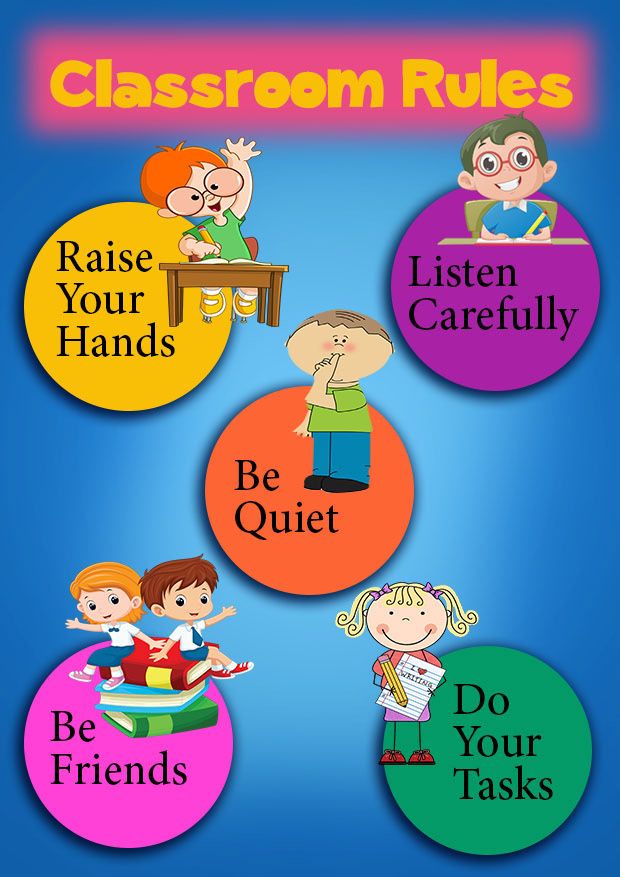
5 Classroom Rules Posters That Every Teacher Needs

Creating a positive and productive learning environment is crucial for any teacher, and the use of classroom rules posters can play a significant role in promoting good behavior and cooperation among students. In this article, we present five must-have classroom rules posters that every teacher should consider utilizing.

1. Be Respectful, Responsible, and Safe

This poster focuses on three core values that are essential for maintaining a well-behaved classroom environment. By reminding students to be respectful of others, take responsibility for their actions, and make safe choices, teachers can foster a sense of mutual understanding and cooperation among their pupils.

2. Raise Your Hand Before Speaking

One essential element of creating an orderly classroom is managing discussions in a way that prevents chaos and provides all students with an equal opportunity to participate. By placing emphasis on raising hands before speaking, this poster encourages students to listen to their peers with patience and respect.

3. Follow Directions the First Time They Are Given

Acquiring the ability to follow instructions is vital for success not only in the classroom but also in life. This poster helps cultivate this skill by encouraging students to pay close attention to directions they receive from their teacher or other authority figures. As a result, class lessons can progress smoothly and efficiently without delays caused by repeated explanations.

4. Be Kind and Help One Another

Promoting kindness within the classroom not only encourages positive interactions among students but also fosters a general sense of community and support. This poster highlights the value of helping fellow classmates, reminding students that they are part of a larger team working towards similar objectives.

5. Keep Your Work Area Clean and Organized

A clutter-free work area is essential for maintaining focus and limiting distractions during class time. This poster asks students to take responsibility for their personal space, ensuring that materials are organized and easy to find when needed. Encouraging cleanliness also contributes to creating a pleasant environment for everyone within the classroom.

In conclusion, these five classroom rules posters provide simple yet effective guidelines for students of all ages. By incorporating these rules into daily instruction, teachers enhance their classroom environment and promote healthy interactions among classmates, contributing to a successful learning experience for all involved.


27 All-Star Ideas for a Sports-Themed Classroom

1. Trophy Display Shelf: Showcase student achievements with a trophy display shelf in the classroom.

2. Team Banner Display: Hang team banners on the walls to celebrate school sports teams and their accomplishments.

3. Locker Room Cubbies: Implement locker room-style cubbies for students to store their supplies and personal items.

4. DIY Stadium Seating: Build stadium-style seating to encourage collaboration and communication among students during group activities.

5. Sports Field Rug: Add comfort and style to your classroom with a sports field rug.

6. Coach’s Corner: Set up a space for one-on-one meetings, resembling a coach’s office with sports memorabilia.

7. Sports Equipment Storage Rack: Create an organized storage spot for recreational sports equipment used during breaks or physical education activities.

8. Scoreboard Attendance Tracker: Design a scoreboard-style attendance tracker to encourage punctuality and daily engagement.

9. Game Plan Whiteboard: Utilize a large whiteboard as a game plan for upcoming lessons, activities, and assignments.

10. Jersey Number Seating Chart: Use jersey numbers on the desks or chairs to assign seating arrangements.

11. Inspirational Sports Quotes Posters: Hang motivational posters with famous sports quotes to inspire students daily.

12. Personalized Locker Tags: Have personalized locker-themed name tags for each student on their desk or cubby area.

13. Classroom Cheerleaders Board: Recognize classroom helpers and leaders with designated cheerleader spots on a bulletin board.

14. Fitness Breaks: Integrate short exercise breaks during class time to encourage movement, focus, and energy rejuvenation.

15. Team Mascot Reading Corner: Set up a reading corner with beanbag chairs, books, and other resources dedicated in honor of the school’s mascot or team colors.

16. PE Warm-Up Activities Cards Deck: Create an activity card deck filled with quick warm-up exercises for students to get their minds and bodies moving into learning mode.

17. March Madness Math: Engage students with sports-related math activities, like collaborative bracket-building to practice probability skills.

18. Writing Prompts on Sports: Incorporate writing prompts related to sports topics, motivatonal stories or student role models.

19. Sports-Themed Word Wall: Create a word wall decorated with sports imagery to display vocabulary words, sport jargon and terminology.

20. Athletic Team-Building Activities: Implement team-building activities that encourage communication, collaboration, and confidence among students.

21. Hall of Fame Athlete Biographies: Dedicate a bulletin board to short biographies of famous athletes who have excelled in academics and sports.

22. Sideline Snack Area: Set up a snack zone in the classroom decorated like a game-day concession stand stocked with healthy snacks for brain fuel.

23. Classroom Olympics: Organize a year-round series of educational games and activities based on Olympic events.

24. Growth Mindset Sports Psychology Lessons: Teach students about the power of growth mindset through sports psychology concepts like resilience, grit, and determination

25. Goal-Setting Huddle: Allow students to write down their goals periodically throughout the year in a designated Goal-Setting area in the classroom

26. Sports Movie Fridays: Show motivational sports films that promote positive messages on Fridays or as reward for meeting classroom goals collectively.

27. Memorabilia Wall Gallery: Invite students to bring in their own sports memorabilia or souvenirs, such as autographs or event tickets, to contribute to an ever-growing wall gallery in the classroom.

Teachers who integrate these 27 All-Star ideas into their sports-themed classrooms will foster engaging learning environments that teach teamwork, drive and perseverance; attributes predominant amongst great athletes.

The Big List of Classroom Jobs for PreK-12

Introduction

As educators, we understand the importance of teaching our students responsibility and cooperation. One effective way of achieving this is through assigning classroom jobs. Delegating various tasks to students not only reduces the workload for teachers, but also instills a sense of responsibility and pride in a job well done. The following is a comprehensive list of classroom jobs suited for students from PreK-12.

PreK-6 Classroom Jobs

1. Line Leader: The line leader’s job is to lead the class in an orderly fashion during transitions.

2. Door Holder: This student holds the door open while classmates enter or exit.

3. Calendar Keeper: Helps manage the class calendar, including updating days, dates, and special events.

4. Attendance Monitor: Records who is absent or tardy each day.

5. Weather Reporter: Observes the daily weather and shares it with the class.

6. Board Eraser: Ensures the whiteboard or chalkboard is cleaned after use.

7. Paper Passer: Distributes worksheets, assignments, or handouts to their classmates.

8. Pencil Patrol: Sharpens pencils and maintains their supply as needed.

9. Table Captain: Ensures group tables are neat and clean before and after using them.

10. Class Librarian: Organizes and maintains the books in the classroom library.

Middle School (Grades 7-8) Classroom Jobs

11. Technology Manager: Helps set up and troubleshoot classroom technology, such as projectors or computers.

12. Peer Tutor: Assists classmates with difficult concepts or offers help with assignments.

13. Classroom Messenger: Delivers messages from the teacher to other classrooms or administrative staff.

14. Recycling Coordinator: Oversees proper recycling procedures within the class.

15. Class Scribe: Takes notes about discussions or lessons to share with absent students.

High School (Grades 9-12) Classroom Jobs

16. Class President: Represents the class during school events and coordinates with other class leaders.

17. Assignment Tracker: Monitors the completion of group projects or individual assignments, assisting peers to stay on schedule.

18. Classroom Decorator: Adds a creative touch to classroom displays and bulletin boards.

19. Event Coordinator: Plans, organizes, and executes classroom events, such as guest speakers or parties.

20. Social Media Representative: Manages the class’s social media accounts, highlighting events and happenings.

Conclusion

By assigning these classroom jobs, teachers empower students by entrusting them with essential responsibilities. This not only brings a sense of pride and accomplishment but also fosters an environment where teamwork is valued. Consider implementing some or all the suggested jobs above to create a cohesive learning community within your classroom, where students are engaged with each other and the teacher in a harmonious way.

If You’re Still Calling Your Class These 3 Things, It’s Time to Reconsider

In the fast-paced world of education, it’s important to evolve and adapt to the ever-changing needs of both students and teachers. However, many educators find themselves using outdated terminology when referring to various aspects of their classrooms. This article will discuss three terms that may no longer be relevant and provide alternative suggestions for a more inclusive and modern classroom environment.

1. Computer Lab

In the past, computer labs were designated areas filled with desktop computers where students went for technology-related classes or projects. Nowadays, with the widespread use of laptops, tablets, and personal devices, this term may not accurately represent the modern classroom. Instead of “computer lab,” using terms like “technology center” or “digital workspace” can better capture the fluid nature of tech in today’s educational settings.

2. Special Education Students

The phrase “special education students” once referred to those who required additional resources and accommodations due to learning disabilities or exceptionalities. However, this term can carry negative connotations and evoke a sense of otherness among students who may already feel isolated or excluded from their peers. To promote inclusivity, consider using terms such as “students with learning differences,” “students with diverse abilities,” or simply addressing them as individual students with unique needs.

3. Classroom Management

While “classroom management” was traditionally used to emphasize a teacher’s role in maintaining control and order in the classroom, this term may also be limiting. It implies a top-down approach where teachers dictate behavior without fostering student agency and self-regulation. A more current and empowering approach involves using language like “community building” or “classroom culture” to signify cultivating a positive environment where students learn social-emotional skills alongside academic content.

By reconsidering and updating these three terms in your educational practice, you demonstrate your commitment to staying current in your profession and creating an inclusive and forward-thinking classroom. Implementing new language helps ensure your teaching practices align with the changing needs of today’s students, ultimately contributing to a more successful and collaborative learning environment for all.

My Top 5 Organizational Hacks for Teaching High School

As a high school teacher, staying organized can make a tremendous difference in both your stress levels and your ability to effectively manage your classroom. With so much on our plates, from lesson planning to assessing student progress, every little hack that keeps us organized is a welcome relief. In this article, I will share my top 5 organizational hacks for teaching high school that have helped me keep my sanity in check.

1. The Power of Color-Coding

Color-coding materials and resources can be a game-changer for teachers. Designate specific colors for each subject or class you teach, and use these colors consistently across all materials related to that subject. For instance, you could use binders, pens, highlighters, and sticky notes in the assigned colors. This not only adds visual appeal but makes it much easier to locate the necessary materials when you’re in a hurry.

2. Create an Efficient Grading System

Grading assignments can quickly become time-consuming if you don’t have an efficient system in place. One useful technique is to take advantage of digital grading tools such as Google Classroom or other Learning Management Systems (LMS) to track assignments and monitor student progress. Additionally, consider breaking down your grading sessions into smaller chunks instead of trying to tackle everything at once. This will help reduce stress and make grading feel less overwhelming.

3. A Digital Calendar is Your Best Friend

Keeping track of all your planned activities, student birthdays, faculty meetings, and deadlines can be quite daunting. Transitioning from a paper planner to a digital calendar can save you time and give you the ability to access your schedule from anywhere. Google Calendar or Apple Calendar are excellent options for creating shared calendars with colleagues or setting reminders for important tasks.

4. Establish Clear Classroom Routines

Having clear and consistent classroom routines is crucial for maintaining an organized learning environment. Establish routines for everything from entering the classroom to handing in assignments, and make sure to communicate these expectations to your students regularly. This will help minimize disruptions and maximize learning time.

5. Utilize Storage Solutions

Finally, take advantage of storage solutions that will help organize the physical space in your classroom. This can range from something as simple as labeled bins for classroom materials to investing in furniture like bookshelves or rolling carts for paperwork. The more organized your classroom is, the easier it will be to create a productive learning environment for your students.

In conclusion, staying organized as a high school teacher requires some strategic planning and purposeful adjustments. By implementing these organizational hacks into your teaching practice, you’ll find that you’re not only saving time but also providing a more conducive environment for student growth and success.

7 Teacher Phrases That Can Change Your Classroom Culture

A classroom culture sets the tone for learning and can significantly impact the success of students. Teachers play a vital role in fostering a healthy classroom environment where students feel comfortable, supported, and empowered to create meaningful connections with their peers and educators. The language used by teachers greatly influences the classroom culture and students’ overall attitude towards learning. Here are seven powerful phrases that, when used interchangeably, can create a positive change in your classroom culture.

1. “We are a team.”

By communicating to your students that you are all in this together, you promote collaboration and ensure that everyone feels included. This message fosters a sense of unity and encourages students to help one another, ultimately leading to successful learning experience for all.

2. “I believe in you.”

When a teacher expresses confidence in their students’ abilities, it boosts their self-esteem and motivates them to take on challenges. A simple phrase like “I believe in you” reinforces the idea that educators have faith in the students’ potential to achieve great things, leading to higher aspirations and improved performance.

3. “Mistakes help us learn.”

Reassuring your students that their errors are part of the learning process can create an atmosphere where they feel comfortable sharing their ideas without fear of failure or judgment. This approach promotes resilience and ultimately allows for deeper understanding as learners experience trial-and-error moments.

4. “Let’s celebrate our successes.”

Recognizing accomplishments within the classroom is fundamental in building camaraderie among students. By celebrating achievements collectively, teachers inspire confidence and emphasize the importance of teamwork while acknowledging progress.

5. “How can I support you?”

This compassionate phrase demonstrates empathy while offering assistance to struggling learners in need of extra guidance. It shows that the teacher is invested in their student’s success and they’re willing to provide resources or strategies tailored to individual needs.

6. “Let’s think about this together.”

Fostering an environment of collective problem-solving empowers students to engage more deeply with the subject matter. A teacher who encourages shared thinking is also more likely to inspire open communication among their students, leading to a thriving classroom dynamic.

7. “What do you think?”

This inquiry not only encourages students to think critically but also conveys that their opinions and perspective are valued by the teacher. By genuinely considering student responses, educators can foster meaningful dialogues that empower learners and stimulate creativity.

In conclusion, incorporating these seven phrases into your teaching practices can make a significant difference in shaping a healthy and successful classroom culture. Being aware of your language as an educator is a small yet powerful way to positively influence the lives of your students and create a supportive environment where everyone can thrive.

Deck Your Classroom With Shiny, New Tech!

As schools and educators continue to adapt to the ever-evolving world, incorporating new technology into the classroom has become paramount. “Decking out” your classroom with shiny, new tech promises to enhance the learning experience, stimulate students’ minds and prepare them for success in a rapidly advancing digital landscape. Below, we will explore various affordable and innovative gadgets that can help create a more immersive educational environment.

1. Interactive Whiteboards

Improving upon the traditional whiteboard, interactive whiteboards will introduce a touch of technological sparkle to your class. These advanced displays enable teachers to project presentations, write notes digitally and easily share information with students via a connected laptop or tablet. The hands-on interactivity will encourage students to engage actively in their learning.

2. Document Cameras

Gone are the days of overhead projectors and transparencies! Document cameras allow teachers to display real-time images of objects, documents or writing on a screen for all to see, offering an effective way to demonstrate tasks up close or further delve into specific topics.

3. Virtual Reality Headsets

Virtual reality headsets have become increasingly popular as an engaging teaching tool. They offer immersive experiences that transport students to places they would otherwise be unable to visit or provide hands-on learning experiences through simulations. These devices can be used across many subjects and create unforgettable educational moments.

4. 3D Printers

The world of 3D printing offers endless possibilities for students and educators alike. By bringing this state-of-the-art technology into your classroom, you foster creativity, collaboration and problem-solving skills. Students can design projects ranging from simple objects to complex mechanical structures, encouraging an understanding of design processes and innovation.

5. Educational Tablets

Tablets have rapidly become a staple in both personal and professional spaces due to their portability and versatility. Equipping your students with educational tablets aids in note-taking, independent research and collaboration on projects. Many educational apps can be installed to provide tailored, interactive learning experiences.

6. Classroom Sound Enhancement

An often-overlooked piece of tech is classroom sound enhancement. By equipping your classroom with microphones and speakers, you ensure that every student can hear the lesson, even in larger spaces or noisy environments. This small investment has a significant impact on students’ ability to absorb information.

Incorporating new tech doesn’t have to be overwhelming or expensive – with some research and resourcefulness, you can find affordable solutions that will effectively enhance your classes. So, take the plunge and deck your classroom with shiny, new tech; it will inspire a love for learning and maximize educational potential in students of all ages.

5 Ways to Build Equity into Your Math Lessons

Introduction

In today’s diverse classrooms, it is essential for educators to implement equitable practices that engage every student and promote a positive learning environment. Building equity in math lessons ensures that all students have access to the same opportunities to succeed, regardless of their background or personal challenges. Here are five effective ways to build equity into your math lessons, foster inclusivity, and create a thriving learning environment for all students.

1. Incorporate Varied Teaching Strategies

Using varied teaching strategies is essential for accommodating different learning preferences and creating an inclusive classroom. For example, include hands-on activities, multimedia presentations, group work, and individual exercises in your math lessons. By varying your instructional methods and allowing students multiple ways to access the material, you will be more likely to reach all students effectively.

2. Differentiate Instruction

Differentiated instruction involves tailoring the curriculum and teaching methods to cater to individual students’ needs, interests, and learning styles. When planning your math lessons, consider the diverse strengths and weaknesses of your students. Provide additional support or scaffolding for those who need it while offering others more challenging tasks when appropriate.

3. Utilize Real-World Contexts

Connecting mathematical concepts with real-world contexts can make them more engaging and relevant for students of diverse backgrounds. Use real-life examples when introducing new topics or problem-solving exercises. Encourage your students to explore how these concepts apply in their own lives and find connections with their unique experiences.

4. Foster a Growth Mindset

Creating a classroom culture that embraces growth mindset can help students overcome challenges and build self-confidence in their mathematical abilities. Encourage your students to see mistakes as opportunities for growth rather than a sign of failure. Praise effort over achievement and offer constructive feedback on how they can improve without being overly critical.

5. Promote Collaboration and Inclusivity

Fostering a collaborative environment can help build equitable practices in your classroom. Encourage students to work together, share ideas, and learn from each other. This approach not only enhances the learning experience but also supports students in developing social skills and empathy. To promote inclusivity, be aware of potential biases and ensure that all students feel welcomed and valued.

Conclusion

Building equity into your math lessons is an important step in creating an inclusive and supportive classroom environment where all students can thrive. By incorporating varied teaching strategies, differentiating instruction, utilizing real-world contexts, fostering a growth mindset, and promoting collaboration and inclusivity, you can help empower your students to reach their fullest potential in the world of mathematics.

I Gave My Students My Cell Phone Number. Here’s What Happened.

Introduction

Being an educator today means navigating a constantly changing world, full of challenges, rewards, and unexpected situations. In my quest for improving my relationship with my students and fostering a more open line of communication, I decided to take an unconventional route – giving every one of my students my personal cell phone number. This decision led to many surprises, insights, and learning opportunities for both my students and me.

The Rationale

The idea for sharing my phone number came from several multi-tasking faculty members who swore by its effectiveness in breaking down communication barriers. I noticed that the traditional routes like office hours and email weren’t always suitable for every situation. There were times when quick feedback on a homework assignment or clarification on instructions needed to be conveyed in real-time. By offering a direct line of immediate contact, students had a more created a more open dialogue between us.

The Initial Shock

As expected, when I announced my decision in class, some students were surprised and skeptical. The idea of having their teacher’s phone number stored in their contacts was unusual and unheard of for most of them. I explained the guidelines: only use it for academic-related questions or emergencies and respect appropriate messaging hours with the understanding that I might not respond immediately.

The Positive Outcomes

Once normalized, this unconventional approach brought various benefits. Many students began to reach out with academic questions they wouldn’t have asked otherwise – since we had shattered the perceived hierarchies. This helped clarify their concerns in no time without waiting for the next scheduled class.

I even found myself going beyond simply answering subject-specific questions towards general career guidance and mentorship. The easy accessibility made students feel more comfortable discussing issues they would typically bring to a school counselor if they dared mention it at all, building their confidence through open discussion.

Unexpected Situations

While the results were mostly positive, there were occasional moments when the boundaries were tested. Late-night texts unrelated to academic matters or during school breaks came up. It was a learning opportunity for me and the students, as we clarified boundaries and ensured that they understood the purpose of that line of communication.

The Verdict

Ultimately, sharing my cell phone number with my students was an eye-opening experience that brought several pros and cons. For me, it enhanced my relationship with them, improved communication, and allowed me to extend support beyond the walls of the classroom. On the other hand, setting boundaries was crucial for a healthy work-lifestyle balance.

Would I do it again? As an educator passionate about relationships and communication, I’d say yes – as long as I have guidelines in place to protect both parties’ well-being while promoting open and supportive interactions.

14 Nature Themed Classroom Ideas To Create a Soothing Space

Creating a nature-inspired classroom can promote a sense of peace and calmness, helping students to concentrate and engage more effectively. If you’re considering adding a touch of nature to your classroom, here are 14 ideas to help you create a soothing and welcoming environment.

1. Plants: Bring the outside in by incorporating various plants throughout your classroom. Choose low-maintenance plants such as succulents, snake plants, or spider plants that can thrive indoors with minimal care. Plants can improve air quality and foster a connection to nature.

2. Natural Lighting: Take advantage of natural light sources if possible. Allow sunlight to pour into your classroom by keeping blinds open and arranging seating areas near windows.

3. Nature Wallpapers: Cover one or more walls with nature-themed wallpapers depicting tranquil landscapes, forests, or meadows to create an immersive atmosphere.

4. Classroom Pets: Having a small aquarium or terrarium in the classroom connects students with nature and teaches responsibility through caring for live creatures.

5. Earth Tones: Use calming earth-tone colors such as browns, greens, and blues for furniture, rugs, curtains, and other décor items.

6. Eco-Friendly Materials: Choose furniture and décor made from sustainable materials like reclaimed wood or bamboo for an environmentally responsible touch.

7. Nature Artwork: Display student art projects inspired by nature or showcase professional artwork depicting scenic landscapes and flora/fauna.

8. Rock Collections: Start a collection of interesting rocks, minerals, or fossils for students to explore and study during free time or as part of lessons.

9. Indoor Water Feature: Consider adding a small water feature such as a tabletop fountain to provide ambient sounds and create a soothing atmosphere in the classroom.

10. Wooden Furniture: Select wooden chairs and tables instead of plastic ones to add warmth to your space while remaining durable.

11. Nature Sounds: Play soft nature sounds or calming music during quiet work periods, promoting relaxation and focus.

12. Nature Walks: Arrange regular nature walks with students to nearby parks or outdoor spaces, followed by discussions or activities based on observations made during the walk.

13. Garden Area: Create a small outdoor garden area where students can grow plants, learn about the life cycle of plants, or simply enjoy some fresh air.

14. Classroom Library: Include a section in your classroom library with books about nature, animals, and the environment, encouraging students to explore and appreciate the natural world through reading.

By implementing these nature-themed ideas into your classroom design, you’ll create a space that encourages relaxation, concentration, and creativity. An inviting environment inspired by the beauty of the natural world will help students feel a sense of belonging and appreciation for their surroundings.