Classroom Management

17 Bright Ideas for Using Tap Lights in the Classroom

Innovative teaching methods have the power to engage students and create an interactive, vibrant learning environment. Incorporating simple, cost-effective tools like tap lights in the classroom can make a significant impact on student learning and enthusiasm. Here are 17 bright ideas for using tap lights in your classroom:

1. Signal System: Place colored tap lights on your desk to signal specific actions, like red for quiet work time, yellow for group discussion, and green for collaboration.

2. Attendance Tracker: Assign each student a tap light to tap on when they arrive at the classroom to track attendance quickly and efficiently.

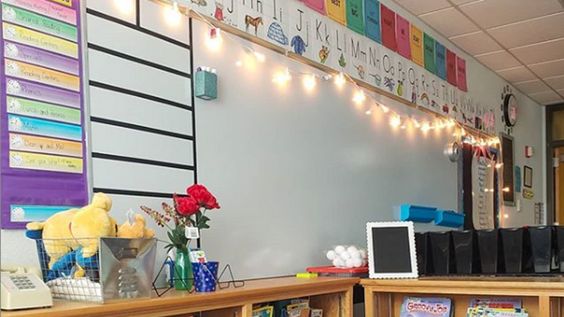
3. Interactive Whiteboard: Attach tap lights to your whiteboard to visually display class goals or key concepts.

4. Timers: Use a tap light as a countdown timer during group activities, independent work time, or debates.

5. Vocabulary Review: Write vocabulary words on tape and stick them to the tap lights for students to review and turn on when they know the answer.

6. Centers Rotation: Assign different color tap lights to various centers, providing a visual signal for students to rotate when it’s time.

7. Student Encouragement: Tape encouraging messages or images underneath the tap lights so students can reveal positive messages when they’re feeling overwhelmed or need motivation.

8. Classroom Management: Use the tap lights as buzzers during quizzes or competitions to provide immediate feedback and excitement.

9. Guided Reading Groups: Assign tap lights to differentiating reading groups as a visual cue for group switches during guided reading sessions.

10. Exit Ticket Station: Set up exit ticket stations with prompts written on cards next to tap lights for quick self-assessments or end-of-day reflections.

11. Math Problems Display: Write math problems on cards and attach them next to corresponding color-coded tap lights for students to solve in small-group games or competitions

12. Display Student Work: Illuminate students’ work by having a tap light above exceptional projects or assignments to highlight excellent achievements.

13. Silent Pick-Me: Use tap lights to randomly select students during class discussions or group activities.

14. Noise Level Indicator: Combine tap lights with noise level cards, with green as the calmest and red as the loudest, to help students monitor classroom volume.

15. Brain Break Station: Use tap lights to signal when it’s time for a quick brain break in the classroom for students to recharge and refocus.

16. Comprehension Checkpoints: Assign a tap light for comprehension checkpoints during reading or listening activities, signaling when students can pause to discuss new insights.

17. Debate Indicator: In debates or class discussions, use tap lights to track which side has the most compelling arguments and watch as opinions evolve during the discussion.

By incorporating these 17 bright ideas for using tap lights in your classroom, you’ll create an engaging, interactive learning environment that boosts student enthusiasm and motivation. Give them a try and watch your classroom light up with excitement!

How to Set Up a Sound Wall in Your Classroom

Introduction:

A sound wall is an invaluable tool for educators to help their students learn and understand phonics and the different ways that sounds are represented in letters. By displaying different letter-sound combinations on a classroom wall, students can easily reference them during reading and writing activities. In this article, we’ll provide a step-by-step guide on how to set up a sound wall in your classroom.

Step 1: Choose a Space

Find a suitable space on one of your classroom walls, ideally near the front of the room and easily visible to all students. Ensure that there is enough room for all of the various letter-sound combinations you wish to display.

Step 2: Gather Materials

Materials you will need for your sound wall include:

– Posterboard or cardstock paper

– Scissors

– Markers or colored pencils

– Tape or adhesive strips

In addition, gather materials that showcase examples of each letter sound, such as pictures, word cards, or student-created visuals.

Step 3: Organize the Sounds

Instead of organizing the letters alphabetically, organize them based on their phonetic sounds. For instance, arrange consonants by manner (such as stops and fricatives) and place (such as bilabial or dental). Arrange vowels according to their articulation (long or short) and quality (tense or lax).

Step 4: Create Visuals

For each letter-sound combination, create a visual representation on cardstock paper. Be sure to use large and clear print so that students can easily see them from their desks. Include related sounds for each visual; for instance, write “c” with both hard /k/ and soft /s/ pronunciation examples.

Step 5: Add Examples

Next to each visual representation, attach examples of words containing that specific letter sound. You can either print out pictures of objects or have students create their own visuals to represent words. By doing so, you will help students associate the letter sound with real-life examples and improve their understanding of phonics.

Step 6: Display the Sound Wall

Once you have created all of your visuals and gathered examples, display them on the chosen wall space using tape or adhesive strips. Ensure that the arrangement is logical and easy to follow, allowing students to use it as a reference during lessons.

Step 7: Teach and Refer to the Sound Wall

Introduce the sound wall to your class and explain how it works. Encourage students to refer to the sound wall during reading and writing activities, especially when they are unsure about a particular letter sound. Regularly review the sounds on the wall with your class to reinforce learning.

Conclusion:

Setting up a sound wall in your classroom can significantly enhance your students’ phonics skills and overall literacy development. Although it may take some time to assemble, the benefits of this learning tool are well worth the effort. By following these steps and consistently incorporating the sound wall into your lessons, you can create an engaging and supportive learning environment for your students.

Effective Classroom Management for Teachers

Introduction

Effective classroom management is a crucial component for successful teaching. With a well-managed classroom, teachers can create an environment that fosters learning and maintains discipline, while also empowering students to take ownership of their education. This article will discuss ideas that teachers can use to create effective classroom management practices, from building positive relationships to setting clear expectations and utilizing technology.

1. Build Positive Relationships

Strong relationships between teachers and students are the foundation of successful classroom management. Teachers should make an effort to get to know each student on an individual level, understanding their likes, dislikes, and any challenges they may face. By showing genuine interest and empathy in the lives of their students, teachers can build trust and rapport, which will make managing the classroom easier.

2. Establish Clear Expectations

Teachers should set clear expectations for classroom behavior and learning activities from the beginning of the school year. This can include outlining specific rules, routines, and consequences for inappropriate behavior. Keeping these expectations consistent throughout the year will help students understand what is expected of them and promote a structured environment conducive to learning.

3. Create a Safe Learning Environment

A critical aspect of effective classroom management is creating a safe space where students feel comfortable expressing themselves without fear of ridicule or judgment. Teachers can promote a positive atmosphere by encouraging open communication between themselves and students, as well as among peers.

4. Offer Choices and Encourage Responsibility

By providing students with options in their learning process, teachers can help them take responsibility for their education. This can include choices on how they complete assignments or projects or offering different methods for solving problems. The more autonomy students have in their learning journey, the more invested they become in their academic success.

5. Stay Organized

A well-organized teacher creates a more efficient learning environment for students. Teachers should regularly update lesson plans, assignments sheets, and maintain an organized physical space within the classroom. By modeling organizational skills, teachers can better manage instructional time and help students develop their own time management abilities.

6. Utilize Technology

Technology can play a significant role in enhancing classroom management. For example, by using learning management systems or educational applications, teachers can track student progress, communicate with parents, and create engaging lesson plans. Additionally, digital tools can assist with behavioral incidents logging and communication between teachers and administrators.

7. Be Consistent with Discipline

Enforcing discipline is an essential aspect of classroom management, but it should be done consistently to be most effective. Teachers should treat all students equitably when addressing disciplinary issues and try to use consequences that align with the severity of the behavior. This sends a clear message that disruptive or disrespectful conduct will not be tolerated and provides students with a reliable structure they can follow.

Conclusion

In summary, effective classroom management for teachers requires the establishment of trusting relationships, clear expectations, maintaining organization, and consistent discipline, among other strategies. By implementing these ideas in their teaching practice, educators can create a supportive environment conducive to learning and academic success. With diligence and dedication, every teacher has the potential to influence positive change in their students’ lives.

10 Truths About This Teacher Who Went a Little Crazy With Her Harry Potter Classroom Theme

1. Passion for Potter: The teacher who created this magical classroom has a deep passion for Harry Potter and all things related to the wizarding world, which clearly translated into this fascinating teaching environment.

2. Captivating Setting: The classroom’s decorations and design elements were inspired by various locations from the books and movies, such as the Great Hall, Diagon Alley, and Hogwarts’ infamous moving staircases.

3. Student Enrichment: This thematic learning environment captivated students’ imagination and encouraged engagement with the class materials like never before.

4. Academic Boost: The infusion of Harry Potter concepts in daily class activities proved to be an innovative teaching method that improved students’ understanding of complex subjects.

5. Creative Curriculum: To further develop this theme, the teacher incorporated Harry Potter-themed assignments and projects that brought a fresh perspective to traditional classroom subjects.

6. Parental Support: Parents of students were impressed and supportive of the teacher’s creativity, noticing a boost in their child’s motivation and enthusiasm towards learning.

7. Media Interest: Once word spread about this awe-inspiring classroom transformation news outlets took an interest, as they featured stories about this extraordinary teaching endeavor.

8. Local Community Engagement: Many community members volunteered their time and resources to help maintain and further develop the Harry Potter-themed classroom atmosphere – proof that it took teamwork to make this dream work!

9. J.K. Rowling Approval: J.K. Rowling herself caught wind of the teacher’s efforts and expressed her admiration on social media platforms, commending the educator for her creativity and dedication to engaging young minds.

10. Lasting Impact: The memories and experiences formed in this Harry Potter-themed classroom will undoubtedly have a strong impact on these students’ education, fondly recalling their enchanting time spent in this imaginative environment for years to come.

13 Ways to Bring Some Calm to Your Classroom Decor This Year

Introduction:

As a new school year begins, it’s important to create a calm and inviting classroom environment that promotes learning and reduces stress. Implementing these 13 strategies in your classroom decor can help bring some peace and tranquility to your educational space.

1. Color palette: Choose calming, soothing colors such as soft blues, greens, and taupes for the walls, floor, and furniture. Avoid overly bright or bold colors that may cause unease or hyperactivity among students.

2. Natural lighting: Allow plenty of natural light to fill your classroom by using sheer curtains or blinds. This not only improves the mood but also helps regulate students’ biological clocks, which is crucial for learning.

3. Greenery: Incorporate plants into your classroom decor. Plants have been scientifically proven to reduce stress levels and improve air quality, creating a healthier environment for both teachers and students.

4. Soft textures: Use soft textiles such as rugs, cushions, and throw blankets to create a cozy and relaxing classroom environment where students feel more at ease.

5. Minimal clutter: Ensure there’s a place for everything in the classroom, with designated areas for materials, supplies, and students’ belongings. Having an organized space will aid concentration and help avoid unnecessary distractions.

6. Ambient sound: Play soft ambient music or nature sounds in the background at a low volume during work time to help create a peaceful atmosphere while reducing noise-related stress.

7. Visual aids: Utilize calming visual aids such as posters featuring nature scenes or items promoting positive affirmations and mindfulness practices.

8. Flexible seating arrangements: Give students options when it comes to seating arrangements – bean bags, yoga balls, or cushioned stools allow for greater comfort while maintaining focus on tasks at hand.

9. Guided breathing exercises: Post reminders around the room encouraging students to engage in mindful breathing exercises during stressful moments or transitions.

10. Aromatherapy: Use diffusers or scented candles (if allowed) to bring calming aromas such as lavender, chamomile, or eucalyptus into the classroom.

11. Signage and labels: Implement clear, concise signage and labels throughout the room to reduce feelings of confusion and anxiety for students while also promoting a clean, organized space.

12. Comfort corners: Set up small relaxation areas featuring cozy seating, soft lighting, and calming activities where students can take a short break to destress and regain focus.

13. Student artwork: Encourage your students to create artwork that promotes relaxation and positivity. Display these pieces throughout the classroom to provide an ongoing sense of pride and accomplishment among the students while fostering a peaceful environment.

Conclusion:

Implementing these 13 strategies in your classroom decor this year can help promote a calm and inviting environment that encourages growth, learning, and well-being for both students and teachers alike.

16 Clever and Cozy Ways to Use Stuffed Animals in the Classroom

Introduction:

Stuffed animals are not just fluffy, cuddly playthings. They hold great potential to become a versatile, educational, and fun addition to any classroom! In this article, we will explore 16 clever and cozy ways to use stuffed animals in your teaching practices.

1. Reading Buddies

Encourage independent reading by assigning a stuffed animal as each student’s reading buddy. These cuddly friends can boost students’ confidence while providing a comforting presence during reading time.

2. Classroom Mascots

Designate a stuffed animal as the class mascot to promote unity and a sense of belonging. It can represent your class during events or special occasions, fostering teamwork and camaraderie among students.

3. Visual Storytelling Props

Use stuffed animals to bring stories to life by using them as visual aids during read-aloud sessions or storytelling time. This can stimulate students’ imagination and enhance their interpretation of the story.

4. Math Manipulatives

Incorporate stuffed animals into math lessons by using them as counting tools, grouping items, or even creating word problems that feature the cuddly characters.

5. Foreign Language Vocabulary Practice

Teach new vocabulary in foreign languages using stuffed animals as visual aids. Label each animal with a word that correlates to its characteristics, like “rápido” for a cheetah in Spanish.

6. Creative Writing Inspiration

Inspire creative writing assignments by asking students to write stories that feature their stuffed animals as the main characters.

7. Improve Communication Skills

Practice verbal communication skills by having students give speeches or presentations on their favorite stuffed animal, promoting public speaking confidence and expressive language skills.

8. Ice Breakers & Team Building Activities

Stuffed animals can facilitate team-building activities and icebreakers by creating an approachable atmosphere for shyer students while engaging everyone in collaborative tasks or discussions.

9. Sensory Tools

For students with sensory sensitivities, stuffed animals can provide a calming influence and safe space to self-regulate emotions.

10. Behavior Management

Introduce a “Stuffy Star” award for students who demonstrate exceptional behavior or academic achievements. The honored student can keep the chosen stuffed animal at their desk for a day as a reward.

11. Teach Empathy and Responsibility

Use stuffed animals to teach students empathy, kindness, and responsibility by giving them the task to care for their furry friends during class activities.

12. Puppet Shows

Turn stuffed animals into puppets for imaginative retellings of stories or student-created plays. This promotes creativity and public speaking skills while entertaining the class.

13. Science Lessons

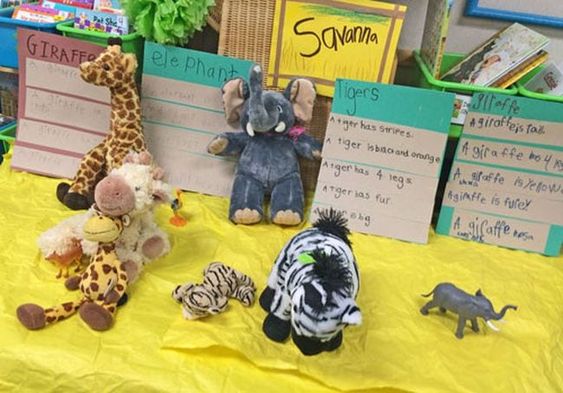
Incorporate stuffed animals into science lessons by teaching about animal habitats, adaptation, or classification.

14. Role Playing & Social Skills

Utilize stuffed animals in role-playing scenarios to help reinforce social skills, problem-solving, and conflict resolution—particularly useful for younger students beginning to navigate peer relationships.

15. Memory Games

Create memory games featuring an assortment of stuffed animals. Have students match pairs based on characteristics like color, size, or type of animal.

16. Calm Down Corner

Designate a cozy “Calm Down Corner” in your classroom filled with stuffed animals where students can take a moment to de-stress and self-soothe.

Conclusion:

Stuffed animals are an invaluable tool that can be used creatively in various classroom activities to engage students, foster learning, and build important social and emotional skills. With these 16 clever and cozy ways to use stuffed animals in your classroom, you’ll create an inviting environment that truly supports student growth and development.

6 Tricks to Get the Most Out of Your Classroom Volunteers

As a teacher, one of the most valuable resources at your disposal is the help of classroom volunteers. These dedicated individuals are eager to help you create a positive and productive learning environment for your students. However, it’s essential to maximize the benefits of their presence to ensure a successful collaboration. Here are six tricks to get the most out of your classroom volunteers.

1. Communicate Your Expectations Clearly

Before any volunteer sets foot in your classroom, it’s essential to communicate your expectations clearly. Provide them with guidelines on their role, tasks they will be undertaking, and how they can support you best in the classroom setting. This will not only make them feel more comfortable but also enable them to engage effectively with students.

2. Match Volunteers with Appropriate Tasks

No two volunteers are alike, each possessing their unique skills, experiences, and interests. Make an effort to learn more about your volunteers and assign tasks that match their strengths. Doing so will not only result in work being done efficiently but also ensure that they enjoy their time volunteering in your classroom.

3. Provide Training and Ongoing Support

To set your classroom volunteers up for success, offer training sessions or workshops geared towards their specific roles and responsibilities. This will allow them to familiarize themselves with best practices and provide ongoing support throughout the year. Additionally, be available for any questions or concerns they may have while volunteering.

4. Create a Collaborative Environment

Encourage collaboration amongst all members of your classroom team – teachers, students, and volunteers alike – by establishing a positive, inclusive atmosphere. This will promote open lines of communication, facilitate problem-solving, and foster a sense of community within your class.

5. Show Appreciation for Volunteers’ Efforts

Showcasing genuine appreciation for your volunteers’ hard work is crucial in retaining dedicated individuals who invest time and energy into supporting your students’ education. Recognize their contributions, thank them personally, and consider hosting a special event or appreciation luncheon to make them feel valued.

6. Periodically Evaluate Volunteer Performance

To ensure that your classroom volunteers are delivering maximum impact and operating at peak efficiency, schedule periodic evaluations throughout the year. Discuss their performance, gather feedback on areas of improvement, and explore opportunities to enhance their experience in your classroom.

By applying these six tricks in managing classroom volunteers, you are sure to get the most out of their valuable assistance. Building strong volunteer relationships will not only lead to a more efficient classroom environment but also foster a sense of community amongst students, teachers, and helpers alike.

These Fourth Grade Classroom Management Ideas Will Make Your Teacher Life Easier

Introduction

Teaching fourth grade can be both exciting and challenging, especially when it comes to classroom management. Keeping control of your students while fostering a love of learning is crucial in helping them reach their full potential. Here are some proven classroom management ideas that will make your life as a teacher much easier.

1. Establish clear routines and expectations

From the very first day of school, set clear routines and expectations for your students. Explain the importance of being on time, raising hands before speaking, and completing assignments promptly. Consistently reinforce these expectations, praising those who adhere to them and providing gentle reminders as needed.

2. Utilize visual aids

Visual aids like charts and posters can be incredibly helpful in reinforcing expectations and routines. For example, a behavior chart can track students’ progress in following class rules. A homework tracker can keep everyone informed about upcoming assignments and due dates.

3. Create a safe learning environment

A safe learning environment is one where students feel comfortable sharing their ideas and asking questions without fear of ridicule or negative reactions. Encourage open communication by modeling respectful behavior, such as active listening and offering positive feedback to student contributions.

4. Trimming transition times

In fourth grade classrooms, transitions between subjects have the potential to become chaotic quickly. Develop routines for transitions that are efficient and easy for students to understand so that you maintain control during these shifts in focus.

5. Promote responsibility & ownership

Help your students develop a sense of responsibility by assigning classroom chores or roles for each student on a rotating basis (e.g., materials manager, line leader). Encourage ownership over their work by setting specific goals for improvement (e.g., improving handwriting or time management skills).

6. Build positive relationships with your students

Take time to get to know your students individually, learning about their interests and strengths. By building positive relationships with them, you’ll be better equipped to understand their needs and address behavior issues more effectively.

7. Implement engaging educational activities

Interactive and engaging lessons are more likely to keep students focused and well-behaved. Incorporate hands-on activities, group work, and technology to promote collaboration and active learning.

8. Use rewards & recognition systems

Positive reinforcement goes a long way in encouraging good behavior. Create a reward system that recognizes students for a job well done or for consistently following expectations. This can help motivate students and reinforce desired behavior.

Conclusion

Effective classroom management is essential for creating an environment where your fourth graders can thrive. By implementing these ideas, you’ll be set up for success in your classroom and make your life as a teacher much easier.

8 Nonverbal Cues for the Classroom That Really Work

In the bustling environment of a classroom, nonverbal cues play a crucial role in enhancing communication between teachers and students. These cues not only provide structure and set expectations but also help maintain a positive and focused atmosphere, all while ensuring minimal disruption. Here are eight nonverbal cues for the classroom that really work:

1. The “Quiet Coyote” Signal

Popular among teachers, the “Quiet Coyote” hand signal is an effective way to gain students’ attention and ask for silence. To do this, create the shape of a coyote head by extending the pinky and index fingers (like ears) and connecting the thumb with the middle and ring fingers (as its snout). When students see this signal, they know it is time to stop talking.

2. Finger Countdown

Counting down from five using your fingers can be an excellent way to grab your students’ attention. As you show each passing number with your fingers, students will realize they have limited time remaining for their current task or conversation before they need to refocus on you.

3. Proximity

Simply moving closer to a student who is off-task or acting disruptively can be an effective nonverbal cue for them to correct their behavior. This tactic helps avoid singling out a student verbally and allows them to self-reflect on how they can improve their conduct.

4. Raised Hand

Classic yet practical, raising your hand indicates that you seek silence and attention from your class without having to raise your voice or interrupt student discussions unnecessarily.

5. Facial Expressions

Facial expressions can be powerful nonverbal communication tools, especially when used effectively by educators in the classroom. Maintaining eye contact with students, furrowing your eyebrows when you disapprove of something, or giving a warm smile when you approve are subtle yet impactful ways of communicating with your class.

6. Timeout Signal

By forming a “T” shape with your hands, you can create an effective nonverbal cue that signals a student to take a brief timeout from their current activity, thereby allowing them to regroup and refocus before rejoining the class.

7. Nonverbal Praise or Approval

Offering praise or approval through subtle gestures such as nodding, giving a thumbs up, or patting a student on the back can work wonders in reinforcing positive behaviors and boosting their confidence.

8. Establishing Routine Signals

Create a set of nonverbal cues that students can associate with particular routines or activities. For example, clapping in a specific pattern or flashing the lights could indicate that it is time to transition to the next task, while twirling your finger overhead might signal students to start packing up.

Incorporating these eight nonverbal cues in the classroom can significantly improve communication, class management, and overall atmosphere. With consistent implementation, both teachers and students will find that these subtle yet effective tactics transform classroom dynamics for the better.

Organizing Your Classroom Library by Level? Here’s Why You Might Reconsider

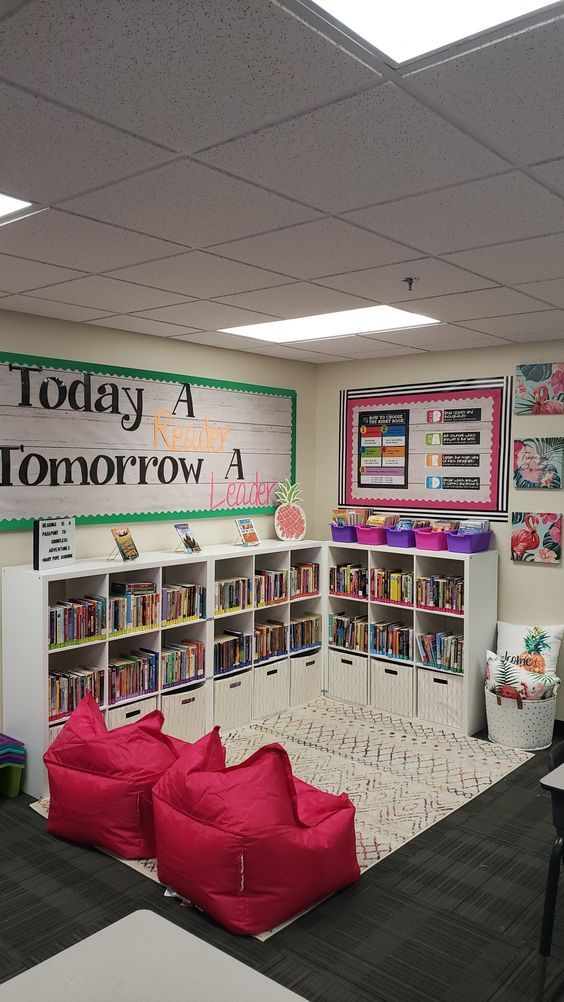
Creating an engaging and dynamic classroom library is an essential part of fostering a love for reading in our students. Traditionally, teachers have been advised to organize their classroom library by reading level to ensure students can easily find books they can comfortably read. However, this approach has come under scrutiny in recent years by educators who believe it may be more beneficial for students to choose books based on interest rather than reading level.

In this article, we will explore the reasons why you might want to reconsider organizing your classroom library by level and instead focus on grouping books by genres, themes, or authors.

1. Encourage a Love for Reading: One of the main reasons to reconsider organizing by level is the desire to help students develop a passion for reading. When books are organized primarily by level, the focus may shift from enjoyment of literature to achieving a specific skill set. By grouping books based on interests or topics, students will be more likely to explore diverse themes and genres that capture their imagination.

2. Foster Independence and Decision-Making Skills: Allowing students to choose books based on their interests rather than their perceived abilities helps develop crucial decision-making skills. When faced with the task of selecting a book that appeals to them, students must consider plot, characters, and writing style – all while overcoming any initial challenges that may arise from unfamiliar vocabulary or text complexity.

3. Promote Growth and Resilience: By not placing limitations on the books that students can select based on their reading level, you are providing opportunities for them to challenge themselves and build resilience. By taking on more complex texts, students learn how to persevere through difficult passages and build confidence in their ability to tackle new challenges.

4. Reduce Labeling and Stereotyping: Labeling children as “low-level” or “high-level” readers can unintentionally limit their potential progress. Organizing books by interest rather than level helps to break down these labels and encourages an inclusive educational environment. Furthermore, students may feel less self-conscious about their reading abilities if they can freely browse a wide range of titles without feeling constrained by their reading level.

5. Enhance Exposure to Diverse Perspectives: Organizing your classroom library by themes or genres can encourage students to explore texts that broaden their worldviews and expose them to new authors, cultures, and ideas. This diversity of literature will enrich your students’ reading experiences and promote critical thinking skills as they engage with multiple viewpoints within a single topic.

In conclusion, while organizing your classroom library by reading level has traditionally been viewed as a helpful way to support student literacy development, reconsidering this approach in favor of one that is centered around interest and choice can offer substantial benefits—such as nurturing a love of reading, promoting independence, and exposing students to diverse perspectives. By thoughtfully organizing your library with these considerations in mind, you can create an inclusive and dynamic space that fosters literacy development for all students.