Classroom Management

How to Make an Over-the-Door Organizer for Your Classroom

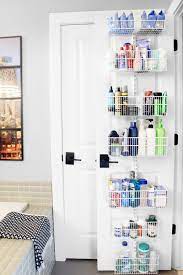
In a busy classroom, storage solutions are essential for keeping your space organized, clean, and clutter-free. An over-the-door organizer can provide additional storage without taking up valuable floor space. This article will guide you through the process of making a simple yet practical over-the-door organizer for your classroom.

Materials Required:

1. A large, sturdy piece of fabric (such as canvas or upholstery fabric) or an old curtain

2. Measuring tape

3. Scissors

4. Fabric marker or tailor’s chalk

5. Sewing machine or needle and thread

6. Plastic or metal grommets

7. Over-the-door hooks

Step 1: Measure the available space

Measure the width and height of your classroom door, subtracting any windows or other hardware present. Keep in mind that the organizer should not obstruct the door’s function or be too wide that it interferes with any adjacent walls.

Step 2: Cut and prepare the fabric

Using these measurements, cut out a piece of fabric that is slightly larger than the targeted dimensions – add 2 inches to both width and height for seam allowances. Fold over a half-inch on each edge of the fabric and iron flat to create clean seams before sewing.

Step 3: Design your pockets

Based on your classroom’s organizational needs, sketch out how many pockets you would like to have in your organizer and their desired sizes using a fabric marker or tailor’s chalk. Consider factors such as what items you want to store (books, craft supplies, stationery), and plan accordingly.

Step 4: Create and attach pockets

To create pockets, cut rectangles from the remaining fabric, making them slightly larger than required for seam allowance. Fold over the edges as you did in step two, ironing them flat before sewing each pocket onto the main fabric panel along three sides. Leave the top edge open to form the pocket.

Repeat this process using your design as a guide, attaching each pocket to the main fabric panel as evenly and securely as possible.

Step 5: Install grommets and hooks

Starting from the top edge of the fabric panel, measure and mark even intervals for installing grommets along the width of your organizer. The number of grommets required depends on the width of your door and the weight of your intended storage items.

Following the instructions provided with your grommet kit, install each grommet securely in place. After all grommets are attached, slide over-the-door hooks through them, ensuring that they fit firmly onto the door.

Hang your new over-the-door organizer on your classroom door, filling it with items according to their designated pockets. Adjust the hooks as needed for a snug and secure fit. Your classroom now boasts an additional storage solution that not only keeps things organized but also maximizes space utilization. With this simple DIY project, you’ve made a functional and stylish addition to your learning environment!

Why I Start With an Empty Classroom

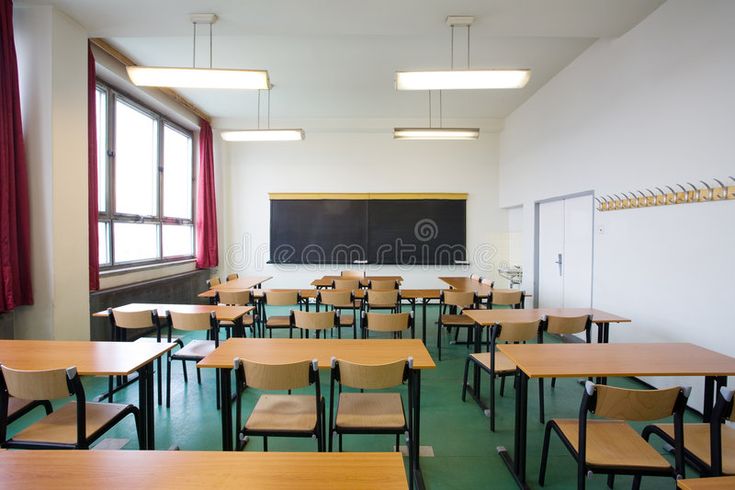
In today’s fast-paced world, we are constantly surrounded by distractions that compete for our attention. Our educational institutions are no exception, and the typical classroom has become increasingly cluttered with decorative items, a multitude of teaching tools, and excessive technology. However, I have found that starting with an empty classroom can lead to numerous benefits both for the teacher as well as the students.

Creating a Blank Canvas

An empty classroom acts as a blank canvas that allows both teachers and students to focus on what truly matters – learning. A minimalist environment is free from distractions, which helps students concentrate on their lessons and reduces the chance of wandering minds.

Additionally, a bare classroom also encourages teachers to be more intentional about their instructional strategies. They become more conscious of the materials they choose to use and display in the room. This careful selection process ultimately leads to a more efficient use of time spent in planning and providing meaningful learning experiences.

Fostering Creativity

An empty classroom doesn’t mean there is no room for creativity; rather, it promotes it. When students begin with a blank slate, they are presented with an opportunity to actively interact with their surroundings and personalize their space.

As lessons progress, students may engage in creative projects that slowly fill in the empty walls with their own work. This not only allows them to take pride in their accomplishments but also showcases their individuality and unique contributions to the class community.

Promoting Collaborative Learning

The absence of clutter contributes to an open layout wherein students can freely navigate without restrictions. This encourages them to collaborate more closely with their peers as they engage in group activities and problem-solving tasks.

A well-organized and minimalistic classroom is conducive to discussions about topics at hand or related issues. As such, students learn from one another and develop essential soft skills such as teamwork, conflict resolution, and effective communication.

Establishing a Sense of Calm

The simplicity and cleanliness of an empty classroom establish an atmosphere of calmness. This can help alleviate anxiety and stress, allowing students to approach their learning with a more relaxed mindset.

In this environment, both teachers and students can more easily maintain focus, resulting in increased productivity. The sense of order and tranquility within the classroom helps to promote mental clarity and overall well-being.

Teaching Valuable Life Lessons

Lastly, opting for minimalist classrooms teaches the valuable lesson that it’s possible to thrive with less. It reinforces the ideas of resourcefulness, adaptability, and mindfulness, which are essential traits that students can carry with them beyond the confines of their classroom.

In conclusion, starting with an empty classroom doesn’t mean depriving students or limiting their learning experiences. Instead, it offers a unique opportunity to prioritize meaningful instruction, foster creativity and collaboration, and create a calming environment. Embracing minimalism has the potential to make a significant impact on the teaching and learning process – perhaps it’s time we gave it a try.

7 Simple Ways to Give Students More Control in the Classroom

Introduction:

As educators, it’s crucial to encourage student autonomy and foster an environment where they feel empowered. By giving students more control in the classroom, we can help them develop essential life skills such as decision-making, problem-solving, and self-regulation. Here are seven simple ways to give your students more control in the classroom.

1. Offer Choices:

One of the most simple yet effective ways to give students control in the classroom is by providing them with choices. Allow students to choose their seat, assignment topics, group members, or even the order in which they complete tasks. This promotes decision-making skills and fosters a sense of ownership over their learning experience.

2. Encourage Goal Setting:

Invite students to set personal and academic goals for themselves at the beginning of each semester or unit. Encourage them to monitor their progress and update their goals accordingly. This gives them control over their growth and creates increased motivation for success.

3. Guide Independent Learning Projects:

Designate time for independent learning projects that encourage exploration and self-directed research. Allow students the freedom to select topics that pique their interest within your curriculum guidelines. This fosters autonomy and promotes a love for learning.

4. Use Student-led Discussions:

Facilitate peer-led discussions on relevant topics, allowing students to share opinions and ideas openly. This encourages critical thinking, active listening skills, and promotes collaborative problem-solving by tapping into collective intelligence.

5. Support Student Initiatives:

Actively support student-initiated projects or clubs that align with classroom goals or educational objectives. Encourage collaboration, creativity, and leadership as they explore these endeavors.

6. Implement Self-Assessment:

Provide opportunities for students to assess their progress through self-evaluation forms or reflection activities regularly. Integrating self-assessment practices into your curriculum develops self-awareness about strengths and areas needing improvement.

7. Foster a Growth Mindset:

Encourage students to view challenges as opportunities for growth rather than insurmountable obstacles. Recognize and praise effort, perseverance, and improvement over time instead of just focusing on specific achievements or outcomes. This helps to create an environment where students feel empowered and capable of taking control of their own learning.

Conclusion:

Incorporating these simple strategies into your classroom can help foster an engaging atmosphere where students feel a sense of belonging, autonomy, and control over their learning experiences. By empowering students with more control in the classroom, we prepare them for a lifetime of successful decision-making and problem-solving.

14 Glow-Ups for Classroom Filing Cabinets

Introduction:

Classroom filing cabinets often become cluttered, outdated, and dull over time. To transform your classroom’s filing cabinet into a functional and visually appealing storage solution, consider these 14 glow-up ideas.

1. Paint Makeover

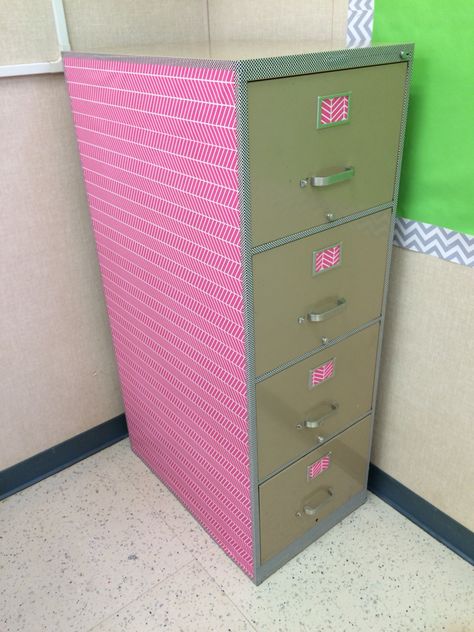
Give your filing cabinet a fresh coat of paint in a vibrant color to brighten up your classroom. You can even get creative with patterns or designs using stencils or painter’s tape.

2. Chalkboard Surface

Cover the surface of your filing cabinet with chalkboard paint, allowing students and teachers to write messages, notes, or quotes.

3. Fabric Covering

Add some personality by covering the exterior with fabric. Choose a pattern that complements your classroom décor and simply attach it with spray adhesive or hot glue.

4. Wallpaper Upgrade

Use peel-and-stick wallpaper to give your filing cabinet a modern and stylish look. There are countless designs available for an easy, commitment-free update.

5. Magnetic Surface

Make your filing cabinet multifunctional by painting it with magnetic primer before applying your chosen topcoat color. This creates an additional space for displaying student work or important notes using magnets.

6. Label Makeover

Replace the old labels with new ones that match your freshly revamped filing cabinet. Use attractive fonts on colorful label sheets to make it easier to locate files.

7. Decorative Handles

Swap out the standard handles with decorative knobs or pulls. You can find unique and eye-catching options at hardware stores or online retailers.

8. Rolling Cart Conversion

Add casters to the bottom of the filing cabinet to turn it into a mobile storage solution. Customize with paint in colors that coordinate with the rest of the classroom furniture.

9. Organizer Insert

Improve organization by adding dividers or trays inside each drawer to help keep supplies, files, and documents in their proper place.

10. Custom Stencils

Design custom stencils to create unique patterns or inspiring quotes on the surface of your filing cabinet. This adds a touch of personalization and motivation to the classroom.

11. Decoupage Decor

Use decoupage to apply images or patterns from magazines, newspapers, or printed materials onto the exterior of the filing cabinet. Finish with a layer of clear varnish to protect your work.

12. Whiteboard Transformation

Cover one or more sides with adhesive whiteboard sheets, providing a convenient spot for brainstorming sessions, reminders, or lessons.

13. DIY Calendar

Create a dry-erase calendar on the side of your filing cabinet by using washi tape or paint markers. This helps keep track of important dates and events in an accessible location.

14. Photo Gallery Display

Attach photos, artwork, or messages from students on the filing cabinet’s exterior using removable adhesive strips or magnets, creating a dynamic and ever-changing display.

Conclusion:

By implementing any of these 14 glow-up ideas for your classroom filing cabinets, you can enhance organization while also breathing new life into an otherwise standard piece of furniture. Your students and colleagues will appreciate the creative effort put into making the space more functional and visually appealing.

12 Sanity-Saving Tips for Managing Large Class Size

As a teacher, one of the most challenging aspects of your job can be managing a large class. It’s easy to feel overwhelmed when your classroom is filled to capacity, and ensuring that all students receive an adequate level of attention amidst the chaos can be tough. But fear not, teachers! Follow these 12 sanity-saving tips to effectively manage your large class size and create an engaging learning environment for everyone.

1. Establish clear expectations: Start off the year by setting clear expectations for behavior and classroom procedures. Make sure your students understand what is expected of them at all times.

2. Build positive relationships: Develop strong connections with your students by learning their names quickly, finding common interests, and nurturing a positive classroom culture.

3. Utilize seating charts: Assign seats strategically to reduce distractions and encourage collaboration. Update seating arrangements periodically to keep the environment fresh and dynamic.

4. Implement rules and routines: Consistently enforce classroom rules and daily routines so students understand the expected standard of conduct.

5. Use visuals: Create and display visual aids (posters, charts, etc.) with important information to help students stay organized and focused on their tasks.

6. Assign group projects: Encourage collaboration by assigning group work that requires students to rely on one another’s strengths and contributions.

7. Be proactive with discipline: Address misbehavior promptly before it escalates or becomes disruptive.

8. Differentiate instruction: Cater to diverse learning needs by employing various teaching methods, including hands-on activities, technology integration, and individual instruction when necessary.

9. Foster student ownership: Encourage students to take responsibility for their behavior and learning by setting goals together as a class, regularly reviewing progress, and celebrating achievements.

10. Design effective transitions: Plan seamless transitions between activities to minimize downtime, which can lead to boredom or off-task behavior.

11. Incorporate quick formative assessments: Frequently check students’ understanding through short, informal assessments, such as exit tickets or quick quizzes, to inform future instruction.

12. Seek support from your colleagues: Don’t be afraid to ask for help from other teachers or administrators. They can provide valuable advice and resources for managing your large class size effectively.

Managing a large class size can be exhausting, but by implementing these 12 tips, you’ll create an engaging learning environment where both you and your students will thrive. Stay organized, proactive, and adaptive in your teaching approach, and remember that you’re responsible for shaping their educational experience in positive ways.

Get This Free Guide on Building Community in the Classroom

As educators, we understand the importance of fostering a sense of community and belonging within our classrooms. A strong classroom community has been linked to improved student engagement, performance, and overall well-being. With this in mind, we are pleased to announce our free guide on building community in the classroom – an invaluable resource for teachers looking to nurture a positive learning environment.

This comprehensive guide covers essential topics such as:

1. The Benefits of Classroom Community: Discover why building a strong classroom community should be a top priority for every educator. From increased student motivation to improved social-emotional development, we explore the many advantages of fostering a sense of community in your classroom.

2. Establishing a Culture of Respect and Inclusivity: Learn effective strategies for promoting respect and inclusivity among your students. We provide practical tips on setting expectations for behavior, modeling appropriate conduct, and encouraging students to celebrate their individuality while respecting differences.

3. Fostering Positive Relationships: Understand the importance of building healthy, positive relationships between students and educators, as well as among students themselves. Our guide will walk you through various relationship-building activities aimed at cultivating trust, empathy, and cooperation within your classroom.

4. Encouraging Collaboration and Teamwork: Maximize student success by embracing collaborative learning approaches that encourage teamwork and communication. We offer numerous techniques and ideas for implementing productive group work in your lesson plans.

5. Engaging Families in the Classroom Community: Strengthen the connection between home and school by involving families in your classroom community efforts. We share best practices for effective parent-teacher communication, as well as strategies for engaging families in school events and activities.

6. Monitoring Progress and Adapting Strategies: Regularly assess the state of your classroom community by using our featured tools and checklists designed to measure progress and identify areas for growth.

Our free guide on building community in the classroom is specifically designed to provide educators with the tools and insight necessary for creating a supportive, collaborative, and inclusive learning environment. By embracing the strategies outlined in this comprehensive resource, teachers can ensure their students enjoy a nurturing, engaging educational experience.

Download your free copy of our guide today and start building a thriving community within your classroom!

This “Secret Student” Strategy for Classroom Management Has Us Taking Notes

Introduction

Classroom management is at the heart of creating a positive and engaging learning environment. Today, we’re exploring the innovative “Secret Student” strategy teachers are using to encourage proper classroom behavior and foster a cooperative atmosphere. As the name suggests, this strategy involves selecting a secret student each day, monitoring their behavior, and potentially rewarding them if they meet expectations.

The Premise of the Secret Student Strategy

The Secret Student strategy is straightforward in its approach. Teachers choose a student at random, keeping their identity a secret from the rest of the class. The teacher observes this student throughout the day, taking notes of their behavior and adherence to classroom rules. At the end of the day, if the Secret Student has maintained good behavior, their identity is revealed to the class, and they receive a reward. If not, the teacher simply announces that today’s Secret Student didn’t meet expectations without revealing their identity.

Most importantly, this process is repeated each day with a new Secret Student chosen – meaning all students have equal opportunities to be rewarded for good conduct.

Benefits for Classroom Management

1. Encourages Positive Behavior: The secretive nature of this strategy keeps students accountable as they don’t know who’s being watched on any given day. This sense of uncertainty encourages everyone to display model behavior consistently.

2. Enhances Focus on Learning: When distractions are minimized, students can focus more effectively on lessons and activities. By improving overall classroom management, teachers create an environment where academic success can thrive.

3. Promotes Peer Accountability: As students work together in groups or participate in activities, having a potential Secret Student among them makes them more likely to support positive group dynamics and remind each other to stay on track.

1. Reduces Teacher Stress: The Secret Student method gives teachers another tool in their arsenal for managing classroom behavior effectively while maintaining focus on learning objectives.

2. Fosters Intrinsically Motivated Students: This approach engages students on an emotional level. By working towards a mystery reward without the immediate gratification of recognition, students learn to value their own achievements and internalize positive behavior.

Incorporating the Secret Student Strategy into Your Classroom

Successfully implementing the Secret Student strategy in your classroom hinges on a few key steps:

1. Prepare a reward system: Use personalized rewards like extra computer time, homework passes, or small tangible items to make it more appealing for students.

2. Randomly assign each day: Select the Secret Student either at the beginning of each day or after lunchtime to monitor their behavior consistently.

3. Give feedback: Encourage the student by praising their efforts or giving specific feedback when the reward is earned. If unearned, use this as an opportunity to address and improve negative behaviors without singling anyone out.

4. Keep records: Track which students were selected and who received rewards to ensure all students have equal opportunities to be acknowledged and motivated.

Overall, the Secret Student strategy helps drive positive habits and betters classroom management across various grade levels. By leveraging its simple premise, teachers can create an environment where all students can flourish academically and personally.

Tips to Help Teachers Stop Classroom Chatter

Introduction:

Classroom chatter can be a difficult challenge for teachers to handle. While some level of conversation is important for students’ social development, excessive chatter can disrupt the learning environment and prevent students from focusing on their work. Here are several effective strategies for minimizing classroom chatter, maintaining a positive atmosphere, and promoting active learning.

1. Establish Expectations Early On:

Set clear expectations regarding classroom behavior at the beginning of the school year. Make sure the students understand what is expected of them in terms of talking and participation. Reinforce these rules throughout the year to ensure that students remain aware of your expectations.

2. Implement a Quiet Signal:

Create a non-verbal signal, such as raising your hand or using a visual cue like flipping on the lights, to help you restore classroom quiet when necessary. Teach your students this signal’s meaning early on, and consistently use it to remind them when it’s time to settle down and focus.

3. Utilize Seating Arrangements:

Place students who are prone to chatting away from one another, using strategic seating arrangements to minimize distractions. Additionally, consider implementing group activities that require collaboration so noisy students channel their energy into productive discussions.

4. Active Monitoring:

An actively monitoring teacher who moves around the room can reduce idle chatter by maintaining a physical presence near potential disruptions. This proximity management helps reinforce proper behavior expectations without directly calling out individual students.

5. Encourage Active Listening:

Teach your students active listening techniques that make them more attentive during classroom discussions. Encourage them to make direct eye contact with the speaker and use prompts like nodding their head or saying “I understand” when appropriate.

6. Set Time Limits for Group Work:

Encourage efficient work habits by setting specific time limits for group activities or discussions. This will motivate your students to focus on academic tasks while helping to limit unnecessary chatter resulting from unrelated topics.

7. Positive Reinforcement:

Acknowledge and reward positive behavior to encourage students to practice good listening skills and self-control. Use praise, small incentives, or class-wide rewards like extra recess time when you see an improvement in the class’s ability to minimize chatter.

8. Address the Issue Directly:

Sometimes, teachers need to confront excessive chatter directly by addressing it with the individual student(s) causing the disruption. Clearly communicate that such behavior will not be tolerated and may result in consequences if it continues.

Conclusion:

Implementing these tips can help establish a productive learning environment with less classroom chatter. While it’s important for students to engage in social interaction and develop interpersonal relationships, ensuring a balance between conversation and academic focus is essential for a successful education experience. With patience and consistency, teachers can find ways to manage chatty classrooms effectively while maintaining an atmosphere that encourages growth and learning.

Positive Behavior Posters for the Classroom and School: Encouraging a Supportive Learning Environment

Introduction

Positive behavior posters have become an essential tool in schools and classrooms to encourage a supportive, inclusive, and nurturing learning environment. These posters are visually engaging tools designed to reinforce positive behaviors, promote teamwork, and teach essential social skills. They serve as constant reminders to students about how they should behave and interact with their peers in a respectful manner.

Benefits of Positive Behavior Posters

1. Instill Values: Positive behavior posters help instill core values like respect, responsibility, integrity, and kindness in students. By consistently displaying these values on posters around the school and classroom, they become ingrained in students’ everyday routines.

2. Encourage Accountability: Visual reminders of expected behaviors help students understand their responsibilities within the school community. They learn how their actions affect others and are encouraged to be accountable for their decisions.

3. Enhance Social-Emotional Learning: Besides academics, positive behavior posters help develop essential social-emotional learning skills such as empathy, emotion management, problem-solving, teamwork, and relationship building. These skills are crucial for students’ personal growth and adaptation to different real-life situations.

4. Reduce Behavior Issues: Studies suggest that positive behavior reinforcement by appropriately communicating expectations can decrease incidents of disruptive or inappropriate behavior in schools.

5. Foster Inclusivity: The messages conveyed through positive behavior posters promote diversity and inclusivity by encouraging students to appreciate individual differences and treat everyone equally with respect.

Tips for Creating Effective Positive Behavior Posters

1. Use Simple Language: Ensure that the language used is clear, concise, and easy for students to understand.

2. Include Eye-Catching Imagery: Students are more likely to notice and remember visual cues than text alone; hence incorporate bright colors and engaging images related to the intended message.

3. Display Them at Strategic Locations: Place the posters where students frequently gather or interact – like hallways, classrooms, libraries, cafeterias, and bulletin boards.

4. Provide Specific Examples: Posters should depict specific examples of positive behaviors that relate to school or classroom rules.

5. Update and Rotate Posters: To maintain their impact and effectiveness, regularly rotate posters or create new ones that focus on different aspects of positive behavior.

6. Involve Students in Poster Creation: Engage students in crafting the posters to instill ownership and empowerment. This collaborative approach can deepen their understanding of positive behavior expectations.

Conclusion

Incorporating positive behavior posters in the classroom and around the school is a powerful way to establish good habits and create a synergistic atmosphere that supports optimal academic growth for all students. They reinforce essential values and provide an opportunity for students to collaborate, learn social skills, and practice empathy. Through these visual aids, schools contribute to the development of well-rounded individuals equipped with the tools they need to succeed both academically and emotionally.

18 Must-Have Items for an Emoji Classroom Theme

In today’s digital age, emojis have become a universal language to express emotions, thoughts, and ideas. Why not bring all that fun into your classroom with an emoji-themed learning environment? Here are 18 must-have items to create a vibrant and engaging emoji classroom theme.

1. Emoji Bulletin Board Set: A colorful and attractive bulletin board set featuring different emojis will catch your students’ attention in no time.

2. Emoji Welcome Banner: Greet your students with a warm welcome by adding an eye-catching emoji-themed banner at the entrance of the classroom.

3. Emoticon Bean Bags: Comfortable and fun, emoticon beanbags are perfect for creating a cozy reading corner or flexible seating area.

4. Emoji Stress Balls: These stress-relieving balls are not only adorable, but they can also be helpful during break times or when your students need calming down.

5. Emoji Wall Decals: Create an engaging learning environment with removable and reusable emoji wall decals placed strategically around the classroom.

6. Emoji Curtains: Add some privacy or simply enhance the overall look of your classroom with emoji-themed curtains at the windows.

7. Emoji Desk Name Tags: Personalize each student’s desk with their name surrounded by cute emojis for a fun touch.

8. Subject Area Labels: Emoji-themed subject area labels can help your students identify materials for various subjects efficiently, making it easier for them to find what they need.

9. Group Color Coding Signage: Differentiate groups in your class using emoji signs to represent each team colorfully and memorably.

10. Emoji Classroom Calendar: Help your students keep track of the days, months, and important events with an interactive emoji calendar in your room.

11. Emoji Plush Pillows: These charming plush pillows can serve as decorative accents or provide extra comfort during quiet reading time.

12. Emoji Classroom Rules Posters: Establish classroom expectations with unique emoji-themed rule posters that your students can easily relate to.

13. Emoji-themed Pencils and Erasers: Emoji pencils and erasers can be a quirky addition to your students’ stationery collection and serve as conversation starters.

14. Emoji Stickers: Stickers are always a hit with students, so why not add some fun emoji stickers to your teacher toolbox for reinforcing good behavior or achievements?

15. 3D Emoji Bookmarks: Encourage reading with these delightful three-dimensional emoji bookmarks that students will love using.

16. Emoji Reward Chart: Encourage positive behavior in your classroom using a fun and interactive emoji-themed reward chart.

17. Emoji Magnetic Whiteboard Eraser: Make cleanup easy and enjoyable with a quirky emoji-shaped magnetic whiteboard eraser.

18. Emoji Backpack Hooks: Keep your classroom organized by providing designated spaces for students’ backpacks with cute emoji hooks.

Incorporating emojis into your classroom décor can make learning fun and keep students engaged, creating a positive atmosphere each passing day. With these 18 must-have items, you’ll have an appealing and enjoyable emoji-themed environment that both you and your students will love!