Classroom Management

6 Insanely Clever Repurposed Chalkboard Ideas You Can DIY

Are you looking for creative and practical ways to incorporate chalkboards into your home? Look no further! Here are six insanely clever repurposed chalkboard ideas that you can easily DIY!

1. Chalkboard Serving Tray

Transform an old or unused serving tray into an attractive and functional chalkboard serving tray. Simply paint the interior portion with chalkboard paint, let it dry, and voila! Write cute messages or easily label the snacks on your tray for your next get-together. This works great for parties, brunches or just a fun family dinner.

2. Reclaimed Door Chalkboard

Give a new life to an old door by transforming it into a large, vertical chalkboard. Remove any handles or hardware, sand it down, and coat with chalkboard paint. Attach to a wall or lean against it for a trendy chalkboard option perfect for writing down shopping lists, meal plans or scheduling appointments.

3. Chalkboard Cabinet Makeover

Breathe new life into dated kitchen cabinets by giving them a quick chalkboard makeover. Paint the cabinet doors with non-toxic chalkboard paint, and then use decorative knobs or pulled to add charm. Not only does this give your kitchen a stylish update, but it also lets you keep track of inventory inside each cabinet!

4. Chalk Mug Design

Upgrade your morning coffee routine with this simple DIY project! Grab some plain mugs and ceramic-chalkboard paint from your local craft store, then let your imagination run wild! Customize each mug with cute sayings, drawings or initials of family members, making each one unique to its user.

5. Chalk Paint Vases

Revamp your plain glass vase collection by giving them a fresh coat of chalk paint! Apply multiple layers until the glass surface is completely covered. Once dried, embellish your vases with personalized messages or fun doodles. They make perfect, customizable centerpieces for any dining table.

6. Upcycled Window Frame Noticeboard

Turn an old window frame into a rustic chalkboard noticeboard! Simply remove the glass panes and paint the frame with your desired color. Then, cut a piece of plywood to fit within each empty pane space and coat with chalkboard paint. Secure the wooden chalkboards inside the frame, and hang it in your family room or entryway to create a central hub for communication.

With these six repurposed chalkboard ideas, you’ll be able to bring creativity and functionality into your home effortlessly. Give these DIY projects a try and amaze yourself with just how easy it is to transform ordinary items into beautiful chalkboard masterpieces!

Best of HELPLINE: Using a House System in the Classroom

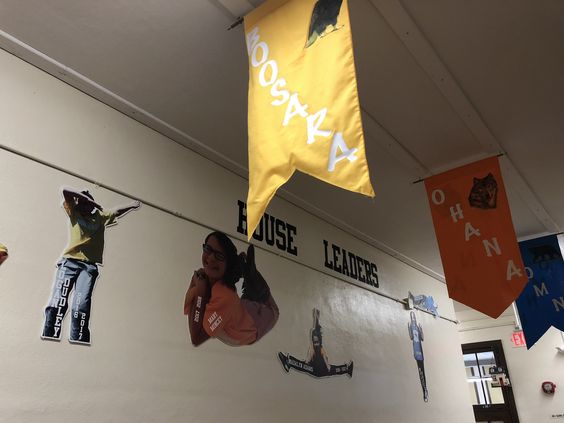
In recent years, the idea of implementing a house system in a classroom has gained considerable attention, all thanks to successful fictional portrayals, such as Harry Potter. But what exactly is a house system, and how can educators use this concept to improve the educational experience for learners? This article will explore the benefits of implementing a house system in the classroom and provide insights into how teachers can optimize this approach.

What Is a House System?

A house system is an organizational structure designed to cultivate camaraderie, team spirit, and healthy competition among students. Students are divided into smaller groups or ‘houses,’ which typically have their colors, symbols, mascots, or motto. The members of each house work together throughout the school year to achieve common goals. Points or rewards are awarded to individual students based on their performance in academic achievement, participation in extracurricular activities, and adherence to rules and expectations.

Benefits of Using a House System in the Classroom

1. Fosters Healthy Competition – When students have a common goal and shared pride for their house, it encourages them to perform better academically. They strive for individual success to contribute towards collective accomplishments.

2 Builds Collaboration and Teamwork – The house system promotes collaborative learning as students work together on projects, activities, and assignments across grade levels and disciplines.

3. Encourages Leadership – Older students often take on mentorship roles within their houses, developing valuable leadership skills as they support younger members.

4. Enhances School Identity – A well-designed house system can create a strong sense of belonging among students. This helps improve student engagement and makes school culture more inclusive and supportive.

5. Increases Positive Behavior – Allocating points or rewards for good behavior within houses can contribute significantly in encouraging positive behavior among students.

Implementing a House System in Your Classroom

6. Determine Your House Structure: Decide whether you will have a large school-wide system or implement it within a single classroom or grade level. Consider the number of houses, their names, and designs.

7. Establish Clear Expectations and Rules: Clearly define academic and behavioral expectations that will apply to all students within the house system. Establish guidelines for points allocation that includes both academic achievements and positive behavior.

8. Design Reward System: Establish an appropriate way to allocate points for various achievements of your students. Then, determine how to distribute rewards based on accumulative points or other cr

9. Inclusivity: Make sure that the house system is inclusive, welcoming, and approachable to every student in your classroom or school, avoiding any form of discrimination or exclusion.

10. Engaging Activities: Plan engaging activities, challenges, competitions, and events that cater to different interests and skills of your students, continuously encouraging participation in the system.

11. Regular Evaluation: Periodically review the effectiveness of the house system by measuring academic improvements, changes in behavior, and overall student satisfaction.

In conclusion, implementing a house system in the classroom has undeniable benefits from promoting healthy competition to improving student behavior. Teachers who are interested in using this method should keep inclusivity at the core of their design and regularly evaluate its impact on their students’ educational experience. Launching a successful house system could very well elevate both the academic performance and school community connections in ways educators have always envisioned.

21 Teacher-Tested Ways to Find Free or Cheap Stuff for Your Classroom


As an educator, you’re always looking for new ways to engage your students and enhance their learning experience. One of the best ways to do that is by finding affordable and free resources for your classroom. In this article, we’ll share 21 teacher-tested ways to find free or cheap stuff for your classroom.

1. DonorsChoose.org: This education-focused crowdsourcing platform lets you post classroom project needs, allowing individuals and businesses to donate funds or items directly.

2. Freecycle: Join your local Freecycle group to find free items donated by people in your community.

3. Craigslist: Check the “free” section of Craigslist for second-hand items that people are giving away.

4. Garage sales: Visit local garage sales for inexpensive furniture, books, and other items.

5. Facebook Marketplace: Browse the Marketplace for discounted or free supplies in your area.

6. Thrift stores: Look for deeply discounted items at thrift stores, such as Goodwill or Salvation Army.

7. School supply drives: Participate in community-led school supply drives to receive free supplies for your classroom.

8. Teacher discounts: Some stores offer special discounts to educators – just show your teacher ID.

9. Educational grants: Apply for educational grants through organizations like AdoptAClassroom.org or Teacher.org.

10. Reach out to companies: Contact businesses directly and ask if they have any excess supplies they could donate to your classroom.

11. PTA-sponsored events: Request support from your school’s PTA when hosting events that require supplies or equipment.

12. Swap with other teachers: Organize a teacher swap event where everyone brings spare supplies to exchange with others.

13. Public libraries: Use public libraries as a resource for free books and materials.

14. Free digital resources: Explore free online tools, such as Google Classroom and Khan Academy, which offer educational content.

15. YouTube and TED Talks: Utilize free videos on YouTube and TED Talks for engaging, visual learning materials.

16. Online forums: Join online teaching communities like Teachers Pay Teachers – where you can find affordable or free lesson plans and resources.

17. Government programs: Research government programs like Title I, which may provide additional funding for your classroom.

18. Local businesses: Partner with local businesses to see if they’d be willing to sponsor your classroom or donate resources.

19. Retiring teachers: Ask retiring teachers if they have any leftover supplies they would be willing to donate.

20. Parent donations: Enlist the help of parents by asking for supply donations at the beginning of the school year.

21. Ask for support on social media: Use your personal network on social media to share your classroom needs and ask for donations or leads on inexpensive resources.

By being resourceful and tapping into a variety of networks, you can find affordable and free items that will allow you to create a vibrant learning environment without breaking the bank. Happy hunting!

20 Creative K-5 Classroom Incentives Your Students Will Love

As an educator, you know how important it is to keep your K-5 students motivated and engaged in learning. Creative classroom incentives can play a vital role in encouraging positive behavior and boosting motivation. Here are 20 imaginative incentives that will make your young students love the learning process even more.

1. Art Supplies: Reward well-behaved students with colorful and exciting art supplies. This will not only inspire creativity, but also encourage self-expression.

2. Pajama Day: Students who meet academic or behavioral goals can enjoy a cozy day reading or learning in their PJs.

3. Fun Seating Options: Offer young achievers comfortable alternative seating options like bean bags, floor cushions, or exercise balls.

4. Treasure Box: Design a treasure box filled with small trinkets, stickers, or toys that students can choose from as rewards for their efforts.

5. No Homework Pass: Free your top-performing students from one night of homework with this popular incentive during special occasions or after a long project.

6. Class Store: Create a selection of useful supplies and fun items that students can purchase with hard-earned classroom currency.

7. Special Snacks: Organize gourmet popcorn days or ice cream socials to celebrate group achievements or successful class projects.

8. Class Jobs: Elevate responsible students to prestigious roles like teacher’s assistant, line leader, or calendar manager to foster leadership skills and responsibility.

9. Outdoor Learning Sessions: As a reward for good behavior, switch up the classroom environment by holding a lesson outdoors on sunny days.

10. Positive Phone Call Home: Notifying parents of student achievements provides lasting positive reinforcement that encourages continued dedication to learning.

11. Preferred Activity Time (PAT): Dedicate blocks of time where students can participate in their favorite class activities as incentives for consistently good performance.

12. Lunchtime Pals: Reward well-behaved students with lunch alongside their teacher or a favorite staff member.

13. Personalized Certificates: Create custom certificates for students who excel in academics, character, or other aspects of classroom life.

14. Show and Tell: Offer enthusiastic learners the opportunity to share their favorite items or experiences with the class.

15. Class Dojo Points: Utilize digital reward systems like Class Dojo to reward positive behavior and track student progress.

16. Sticker Charts: Design colorful charts featuring stickers as visual representations of individual achievements and goals accomplished.

17. Extra Recess: Encourage physical activity and socialization by offering extra recess time as a reward for hardworking students.`

18. Reading Corner Pass: Allow top readers to relax in a comfortable reading corner filled with cushions, blankets, and an array of engaging books.

19. Classroom Library Checkout: Grant enthusiastic readers the privilege of borrowing extra books from the classroom library.

20. Special Talent Showcase: Set up an event where students can showcase their unique skills or talents in front of the class, boosting self-confidence and developing interpersonal skills.

In conclusion, using creative incentives doesn’t have to mean expensive rewards or empty praise; it’s about recognizing student success and fostering growth through imaginative activities that align with individual interests. By employing these inventive ideas in your K-5 classroom, you’ll create a supportive learning environment where your students feel motivated to reach their full potential.

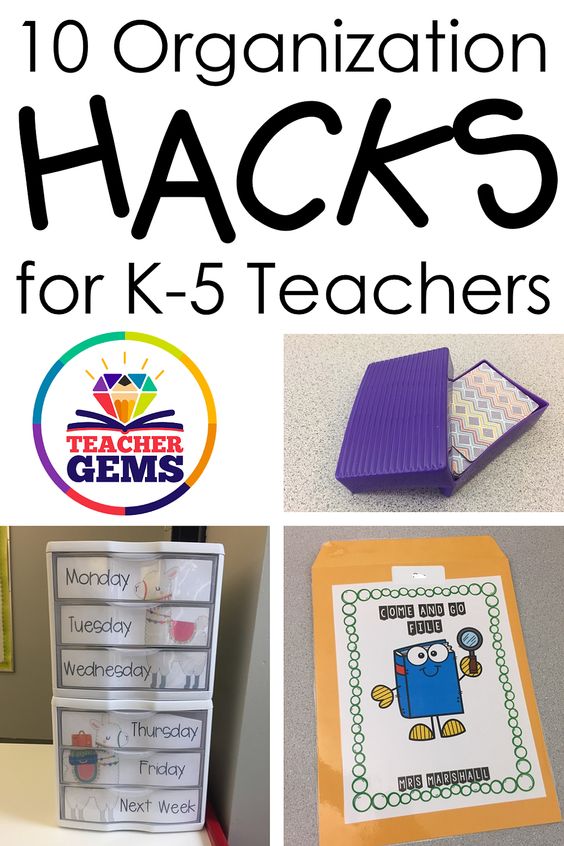
10 Teacher Organization Hacks to Save Your Sanity

Teaching is a rewarding profession, but managing a classroom, students, and piles of paperwork can be overwhelming. In order to maintain your sanity, it is essential to stay organized. Here are ten teacher organization hacks that will help you keep everything in check and save your sanity

1. Color Code Your Classroom

Choose different colors for each subject or class period and use colored folders, labels, and binders to keep your materials organized. This way, you can quickly grab what you need without wasting time searching through stacks of paper.

2. Create a Homework Drop-Off Station

Set up a designated area in your classroom for students to submit their homework assignments. Label it clearly and have separate trays or bins for each subject or class period. This will help you avoid misplaced homework and save time organizing papers.

3. Utilize Wall Pockets for Extra Storage

Don’t let clutter take over your desk. Install wall pockets or hanging file organizers on the wall near your desk to store important documents within easy reach.

4. Schedule Weekly Planning Time

Setting aside dedicated time each week for lesson planning and grading will help prevent some of the stress that comes with teaching. Use this time to coordinate activities, prepare materials, and grade assignments without distractions.

5. Consider Rotating Seating Charts

To minimize disruptions within the classroom, consider using rotating seating charts. This will give you an opportunity to monitor student behavior closely and help students get acquainted with everyone in the class.

6. Keep Extra Supplies Ready

Always have extra supplies like pencils, pens, erasers, and paper available for when students inevitably forget their own or run into a surprise need during class.

7. Invest in Rolling Carts

Rolling carts offer portable storage and organization solutions by keeping frequently used teaching materials easily accessible while saving counter space.

8. Use Assignment Checklists

Create checklists for assignments and projects that require multiple steps or have various deadlines. This not only helps students manage their workload more efficiently, but also aids in your own organization.

9. Utilize Online Tools and Apps

There are numerous online tools and apps designed specifically for teachers, such as class management apps or online lesson planners. Explore these resources to assist you in streamlining your organizational process.

10. Prep for The Week Ahead

Spend time on the weekend or Friday afternoon preparing materials for the upcoming week’s lessons. Having everything in place ahead of time will make the school week go smoother and help reduce anxiety.

By implementing these organization hacks, you’ll not only save time and reduce stress, but also create a more enjoyable teaching experience for both you and your students. Maintaining an organized workspace will give you the clarity needed to focus on what really matters: guiding your students toward success.

15 Easy Solutions for Messy Classroom Spaces

As an educator, maintaining order in your classroom can be challenging, especially when juggling lesson plans and classroom management. A clutter-free environment creates space for learning and enhances students’ focus. Here are 15 easy solutions to help declutter and organize your messy classroom spaces.

1. Label Everything: Clearly label storage bins, shelves, and folders according to subject or purpose. This makes it easy for students to find materials and return them to the designated spots after use.

2. DESIGNATE ‘HOME SPACES’: Assign a specific spot for students’ belongings such as bags, jackets, and other personal items. This will minimize the amount of clutter on desks and around the room.

3. Utilize Wall Space: Install shelves, hooks, or pegboards on walls to store frequently used items like scissors, rulers, or materials for art projects.

4. Re-purpose Old Items: Think creatively about repurposing old storage solutions such as shoe organizers, magazine holders, or over-the-door hooks.

5. Develop a Cleaning Schedule: Designate one day per week as ‘cleaning day,’ when students take responsibility for tidying up the classroom under your supervision.

6. Use Clear Storage Containers: Transparent bins allow you and your students to see what is inside easily, reducing both clutter and time spent searching for items.

7. Color Code Subjects: Assign folders and supplies a color according to subject or project type, making it easier to identify necessary materials at a glance.

8. Create Zones: Designate separate areas in the classroom for specific activities such as group workstations, library corners, technology zones, etc.

9. Limit Desk Items: Encourage students to keep only essential items on their desk surfaces to avoid unnecessary clutter.

10. Filing System: Create a streamlined filing system for completed assignments and paperwork in an accessible location.

11. Use Stacking Trays: Stackable trays are perfect for organizing student papers, artwork, or graded assignments.

12. Declutter Regularly: Make it a habit to declutter the classroom as needed to maintain order and cleanliness.

13. Maximize Vertical Space: Consider installing tall cabinets or shelves to limit the amount of floor space your storage occupies.

14. Involve Students in Organization: Encourage students to take an active role in maintaining classroom organization by assigning them daily, weekly, or monthly tasks.

15. Be Mindful of Excess: Remember that an organized classroom doesn’t mean having an overabundance of materials. Evaluate your supplies and pare down when necessary.

By implementing these quick and easy organization strategies, you can transform your chaotic, messy classroom space into a clutter-free environment that promotes productivity and learning.

Curb Classroom Chatter! 6 Practical Ways to Deal With a Talkative Class

Intro: Keeping students focused and engaged in the classroom can be a challenging task for teachers, especially when faced with a talkative class. Addressing this issue effectively will improve the learning environment, boost student success, and minimize classroom disruptions. Here are six practical ways to curb classroom chatter and quiet down those talkative students.

1. Set clear expectations: Communicate the behavioral expectations and class rules to your students from the start. Make sure they understand what is expected of them and the repercussions of violating these rules. You can even involve them in setting these guidelines so they feel accountable for maintaining discipline.

2. Create seating arrangements: Arrange students’ desks strategically to minimize excess chatter among those inclined to socialize. You may consider grouping talkative students with quieter ones, or positioning them front and center so it’s easier to monitor their conversations. These seating arrangements can be regularly rotated to encourage new dynamics.

3. Be proactive: Walk around the classroom frequently to keep an eye on developing conversations and intervene swiftly when necessary. Eliminate common distractions like phones or side accessories that may trigger unnecessary discussions by having a designated spot for such items.

4. Establish non-verbal cues: Designing non-verbal cues like raising your hand or using a specific signal can quickly remind chatty students to quiet down without interrupting your lessons. Ensure that all students understand these cues and their significance.

5. Implement engagement strategies: Utilize various teaching methods that foster active engagement, such as group projects, pair work, or hands-on activities that keep students focused on learning objectives instead of being distracted by conversations. Additionally, allow for designated break times where they can engage socially.

6. Reinforce positive behavior: Offer praise, rewards, or privileges for those who consistently demonstrate appropriate behavior in class. Recognizing their efforts will motivate them to maintain orderly conduct and serve as an example for other students.

Conclusion: Effectively managing a talkative class can be challenging but is essential in maintaining a conducive learning environment. Implement these six practical strategies to curb classroom chatter, keep your students engaged, and promote positive behavior throughout the school year.

Best of HELPLINE: Creative Student Storage Ideas

Students everywhere know the perennial challenge of storing their belongings in a limited space. Whether you live in a cramped dorm room or a tiny apartment, finding innovative storage solutions can be both functional and fun. Welcome to the Best of HELPLINE, where we’ve curated our top picks for creative student storage ideas.

1. Bed Risers with Storage Compartments

Maximize the space under your bed with the help of bed risers that double as extra storage compartments – perfect for organizing shoes and other small items.

2. Over-the-Door Shoe Organizers

An over-the-door shoe organizer isn’t just for footwear anymore! Swap out the shoes and use these handy compartments to hold anything from toiletries to snacks, study materials, or craft supplies.

3. Multi-purpose Furniture

Make your furniture work double duty by investing in pieces that offer added storage options, such as an ottoman with hidden compartments or a coffee table with built-in shelves.

4. DIY Crate Bookshelf

Get creative by repurposing wooden crates into a customized bookshelf tailored to your space. You can paint and arrange them as you desire, creating an eye-catching statement piece with added functionality.

5. Tension Rods

Utilize tension rods in various spaces throughout your home to create additional storage – hang them in closets for extra shelving or under sinks to store cleaning supplies.

6. Stackable Storage Bins

Kick clutter to the curb with stackable storage bins, which make it easy to organize belongings while taking up minimal space. Opt for clear bins with labels to easily identify what’s inside without rummaging through them.

7. Magnetic Strips

Add magnetic strips to any wall space – including inside cabinet doors – to create extra storage for lightweight items like makeup, kitchen utensils, or tech gadgets.

8. Pegboards

A pegboard is a versatile addition to any student living space, providing customizable storage for everything from kitchen gadgets to art supplies. Design your layout and change it up as needed.

9. Over-the-Bed Shelving

Increase your bed’s storage capacity by adding shelving above it. Ideal for books, decorative items, or a cozy reading nook, this solution makes the most of unused vertical space.

10. Rolling Storage Carts

A rolling storage cart is perfect for students who need a mobile and adaptable storage solution. With options that include multiple shelves and drawers, you can effortlessly move your belongings from room to room as needed.

With these creative student storage ideas in hand, you can live comfortably and clutter-free in any small space. Experiment and adapt these tips to suit your specific needs for an organized lifestyle that supports your academic success.

20 Books About Autistic Kids for All Students

Introduction:

Autism is a neurodevelopmental disorder that affects communication, social interaction, and behavior in varying degrees. Understanding autism and promoting inclusivity are crucial to building a more empathetic and diverse society. One effective approach to achieving this is through literature. Children’s books can provide insightful perspectives on the subject and help readers develop a deeper appreciation for autistic individuals.

In this article, we present 20 children’s books about autistic kids that cater to all students, regardless of their neurodiversity. These books are not only heartwarming and educational but can also act as a starting point for meaningful classroom discussions.

1. The Reason I Jump by Naoki Higashida

2. Uniquely Wired by Julia Cook

3. A Friend Like Simon by Kate Gaynor

4. Can You See Me? by Libby Scott and Rebecca Westcott

5. The Girl Who Thought in Pictures: The Story of Dr. Temple Grandin by Julia Finley Mosca

6. It’s an Autism Thing — I’ll Help You Understand It by Emma Dalmayne

7. All My Stripes: A Story for Children with Autism by Shaina Rudolph and Danielle Royer

8. Andy and His Yellow Frisbee by Mary Thompson

9. Different Like Me: My Book of Autism Heroes by Jennifer Elder

10. The Out-of-Sync Child Has Fun: Activities for Kids with Sensory Processing Disorder by Carol Stock Kranowitz

11. Understanding Sam and Asperger Syndrome by Clarabelle van Niekerk and Liezl Venter

12. Isaac and His Amazing Asperger Superpowers! by Melanie Walsh

13. A Boy Called Bat by Elana K Arnold

14. The Goldfish Boy by Lisa Thompson

15. The London Eye Mystery by Siobhan Dowd

16. Waiting for Benjamin: A Story about Autism by Alexandra Jessup Altman

17. Inside Asperger’s Looking Out by Kathy Hoopmann

18. Mockingbird by Kathryn Erskine

19. Rules by Cynthia Lord

20. The Someday Birds by Sally J Pla

Conclusion:

These 20 books showcase the diverse experiences, challenges, and strengths of autistic children, which can help students develop empathy, understanding, and appreciation for their autistic peers. Whether read independently or shared in a classroom, these books demonstrate that embracing neurodiversity enriches all lives and contributes to a more inclusive world.

Tried-and-True Teacher Secrets to Stop Students from Blurting Out

Overcoming the challenge of students who constantly blurt out can be an incredibly frustrating experience for any teacher. In a classroom environment, it is essential for each student to have the opportunity to participate and express their thoughts without disrupting the learning environment. As teachers, managing students who regularly blurt out is a common problem that requires tried-and-true strategies. Below are some effective techniques to help you put a stop to blurting out in your classroom.

1. Establish clear expectations

At the beginning of the school year or semester, clearly outline the expectations and etiquette in your classroom. Teach your students how to raise their hands, wait patiently and take turns. Emphasize the importance of respecting others by listening when someone else is speaking and waiting for their turn without interrupting.

2. Give positive reinforcement

Positive reinforcement works wonders in shaping desirable behavior. When students follow proper procedures for participating in class discussions or asking questions, immediately reward them with praise or points towards a class incentive system. This will make them more likely to repeat this appropriate behavior in the future.

3. Implement “Talk Tokens”

One practical strategy for managing blurters is by using “Talk Tokens.” Each day, give each student a certain number of tokens (e.g., three). They must exchange one token every time they make an approved contribution during discussions. Once they use up their tokens, they cannot speak until the next day. This way, students learn to monitor and ration their participation.

4. Practice self-control techniques

Utilize quiet signals like putting a finger on one’s lips or closing one’s mouth as self-control cues. Teach students to use these cues themselves to help silence the urge to blurt out answers or interrupt others.

5. Implement wait time

The “wait time” technique involves pausing for several seconds after asking a question before calling on a student to answer. This gives every student an opportunity to think and prepare their response, reducing the chances of impulsive blurting.

6. Employ the 3B strategy

Teach students to consider the “Three Bs” before they blurt out: “Is it Before me? Is it Better? Is it Briefer?” Students should only speak up if their response fits these criteria, encouraging thoughtful participation.

7. Schedule regular “blurter’s meetings”

Hold meetings with frequent blurters to help them identify specific situations where they are more likely to interrupt, and develop personalized coping strategies to prevent blurting out. For example, they can learn to take deep breaths or squeeze a stress ball when feeling impulsive.

8. Use non-verbal cues

For students who struggle with blurting out, establish a non-verbal cue, such as a gentle tap on the shoulder or raised eyebrows, that communicates they need to wait for their turn. This helps them understand the expectation without drawing attention from the entire class.

In conclusion, consistent implementation of these tried-and-true teacher secrets can effectively curb the issue of students blurting out in class. It is important to create an environment where every student can actively participate without fear of interruption or distraction. Empowering students with the tools and techniques for respectful participation will contribute to their growth as responsible learners and citizens.