EdTech & Innovation

These Google Hacks Can Help You Create a More Inclusive Learning Environment

Introduction

In today’s rapidly evolving world, creating an inclusive learning environment is essential for empowering every student and fostering a sense of belonging. Google provides a variety of powerful tools and features that can be harnessed to promote inclusivity and accessibility in the classroom. This article discusses some of these innovative hacks and how educators can put them into practice to champion diversity and equality.

1. Google Translate

Language barriers can prevent students from fully participating in class discussions or understanding course materials. Google Translate can help break down these barriers by enabling real-time translations between various languages. Teachers can use this tool to translate instructions, assignments, and other resources for non-native speaking students. Moreover, students can use it to communicate with their peers or teachers in a language they feel most comfortable with.

2. Voice Typing in Google Docs

For students who struggle with writing due to physical disabilities, dyslexia, or other challenges, voice typing can be a game-changer. It’s a feature available in Google Docs that allows users to dictate their thoughts and ideas directly into the document. By simply enabling the voice typing feature through the tools menu, they can access an alternative and more inclusive way of taking notes, drafting essays, or completing assignments.

3. Closed Captions in Google Slides

Presentations are a common teaching method in most classrooms. To ensure that every student can access the content, educators should consider using closed captions during their presentations. By turning on closed captions in Google Slides, teachers can provide real-time captions during their live presentations. This feature benefits not only hearing-impaired students but also those who may benefit from visual reinforcement of auditory information.

4. Read & Write for Google Chrome Extension

The Read & Write extension for Google Chrome offers comprehensive support for students with learning disabilities or those who simply benefit from additional assistance in reading and writing. This extension offers text-to-speech, picture dictionaries, and highlighting tools that enable students to interact with digital content more effectively.

5. Explore Panel in Google Sheets

Students who struggle with math concepts or have difficulty visualizing data can gain immense support from the Explore panel feature in Google Sheets. This tool helps users understand and analyze data more efficiently by generating charts and providing insights based on the data available. This not only promotes inclusivity and accessibility for students struggling with numeracy but also fosters curiosity and exploration for every student in the classroom.

Conclusion

Creating an inclusive learning environment is essential to ensure the success of all students, regardless of their individual challenges or backgrounds. By leveraging these powerful Google hacks, educators can cultivate a safe, supportive, and accessible space that nurtures growth and self-achievement for each student. Take advantage of these tools to make a significant difference in your learners’ experience, empowering them to thrive academically and personally.

Are You Ready for the Hour of Code™? Prepare With Our STEAM Giveaway!

Introduction:

The Hour of Code™ is fast approaching, and it’s the perfect time to inspire a love for computer science and technology in individuals across all ages! As part of this global event, we are excited to announce our STEAM (Science, Technology, Engineering, Art, and Math) Giveaway, aimed at helping you prepare and make the most of this incredible opportunity.

The Importance of The Hour of Code™:

The Hour of Code™ is an annual event held during Computer Science Education Week. It aims to spark interest in computer science and programming among individuals worldwide by offering a range of self-guided tutorials that make coding more approachable. As technology’s influence on society continues to grow, nurturing technological literacy is critical for personal development and future career prospects.

Our STEAM Giveaway:

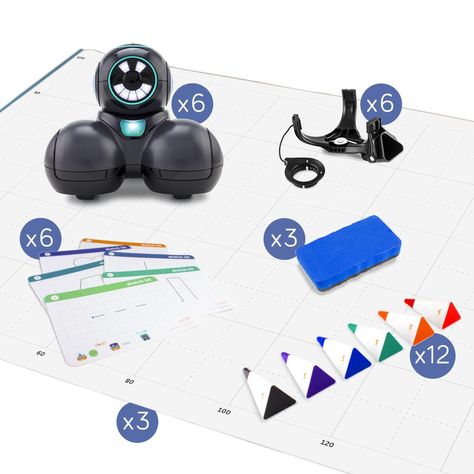
To celebrate the upcoming Hour of Code™ and help you get ready for this year’s event, we are excited to offer our amazing STEAM Giveaway. This giveaway includes a range of educational resources such as coding software subscriptions, books on programming languages, STEAM-focused games, and interactive learning kits that cover subjects like robotics and 3D design.

How to Participate:

Participating in our STEAM Giveaway is easy! Simply follow these steps:

1. Like and share this article on social media platforms using the hashtag #STEAMGiveaway.

2. Tag friends or family members who might also be interested in participating.

3. Fill out our online entry form with your full name, email address, and a short description of why you’re excited about the Hour of Code™.

We will randomly select winners from all valid entries received before the deadline. Be sure to complete these steps by midnight on [DATE] to be eligible!

Tips for The Hour of Code™ Success:

While awaiting the results of the giveaway, here are some tips to help you make the most of your Hour of Code™ experience:

1. Don’t be intimidated: Remember that the Hour of Code™ is designed for everyone, regardless of their coding or computer science background. Approach the activities as a fun and engaging learning experience.

2. Explore multiple activities: With various tutorials available, try different coding languages and environments to see which you find most enjoyable.

3. Engage with others: Use this event as a chance to collaborate with classmates, co-workers, or family members. Share your excitement and triumphs in learning something new.

Conclusion:

The Hour of Code™ is an engaging way to introduce yourself or someone you know to computer science and programming. Don’t miss out on your opportunity to participate in our STEAM Giveaway and enhance your Hour of Code™ experience. Good luck, and happy coding!

Enter to Win STEAM Projects for Every Student In Your Class!

Encouraging creativity, critical thinking and problem-solving abilities are vital in today’s fast-paced world. One excellent way to foster these skills in your students is by incorporating STEAM projects into your classroom curriculum. STEAM stands for Science, Technology, Engineering, Arts, and Mathematics – fields that are crucial for nurturing a well-rounded education.

We are thrilled to announce the “Enter to Win STEAM Projects for Every Student In Your Class!” contest, which aims to promote the importance of these disciplines and empower teachers with the resources they need.

Why Participate?

Entering this contest provides you with the chance to win exciting STEAM projects designed exclusively for your students. The winners will receive complete hands-on kits that spark creativity, collaboration, and innovation amongst students while covering essential educational standards.

How to Enter

Taking part in this contest is easy! Follow these simple steps:

1. Provide your full name, email address, and school information.

2. Share why you believe STEAM education is important and how it can benefit your students.

3. Submit a short proposal outlining a unique STEAM project you’d like to implement in your classroom.

Once submitted, our panel of expert judges will review all entries and select the most inspiring and impactful ideas. Winners will be notified via email and announced on our social media platforms.

Benefits of STEAM Education

By integrating STEAM projects into your classroom, not only will you foster a more engaging learning environment but also help prepare students for future success by:

1. Developing critical thinking: As students work through various STEAM projects, they learn to analyze situations before formulating solutions based on reason and logic.

2. Building resilience: Creating solutions through trial-and-error processes teaches kids to be persistent and embrace failures as an opportunity for growth.

3. Nurturing creativity: By incorporating arts into STEM subjects, students can think outside the box and use their imagination to solve problems.

4. Inspiring innovation: Students gain confidence in their abilities as they explore new ideas and real-world applications, leading them to envision and create possible advancements in the fields.

Conclusion

Participating in the “Enter to Win STEAM Projects for Every Student In Your Class!” contest is a fantastic opportunity to enhance the learning experiences of your students while spotlighting the importance of STEAM education. Don’t miss out on this chance to empower your students with invaluable skills that will serve them well throughout their lives. Enter now and ignite their passion for learning!

Win a 3D Printer for Your Classroom

Introduction:

The integration of 3D printing technology in education has opened up enormous possibilities for enhancing creativity, innovation, and problem-solving skills among students. With this remarkable tool, you can now bring your classroom to life and elevate the learning experience to new heights. That’s why we’re offering you a chance to win a 3D printer for your classroom!

How 3D Printing is Changing Education:

1. Enhancing Creativity: 3D printing allows students to transform their ideas into tangible creations. They can design and print anything they can imagine, fueling creativity and promoting hands-on learning.

2. Developing Problem-Solving Skills: Working with 3D printers pushes students to think critically about designs, troubleshoot errors, and optimize solutions – essential skills for today’s rapidly-evolving job market.

3. Increasing Engagement and Motivation: By providing an immersive, hands-on experience, 3D printing makes lessons more engaging and relevant. Students become more invested in their learning when they see their ideas coming to life.

4. Encouraging Collaborative Learning: 3D printing projects often involve teamwork and collaboration among students, teachers, and even professionals from different fields.

5. Facilitating Customized Learning Tools: Teachers can create tailored resources such as models, manipulatives, or games that cater to the unique needs of their students.

How to Win a 3D Printer for Your Classroom:

To offer educators a chance to transform their classrooms with a state-of-the-art 3D printer, we are hosting a contest! Here are the steps you need to follow to participate:

1. Create an original lesson plan that incorporates the use of a 3D printer in any subject area of your choice.

2. Write an essay (500 words max) explaining how integrating a 3D printer in your classroom would enhance learning outcomes and benefit your students.

3. Submit the lesson plan and essay to our platform (details below) by the deadline indicated on our website.

The judging panel will evaluate submissions based on how well participants demonstrate the impact of 3D printing technology on teaching and learning, creativity and originality, scalability, and feasibility. The winning educator will receive a top-of-the-line 3D printer for their classroom.

Conclusion:

A 3D printer can revolutionize education by nurturing creativity, fostering critical thinking, improving engagement, encouraging collaboration, and supporting differentiated instruction. Don’t miss your chance to bring this cutting-edge technology into your classroom – enter the contest today! Good luck!

10 Best Apps for Principals and Other School Leaders

In this digital age, principals and other school leaders must stay up-to-date with the latest technological advancements to keep their schools running efficiently and effectively. With countless apps available, it can be overwhelming to decide which ones are worth devoting time and energy to. To help you out, here are the top 10 best apps for principals and other school leaders.

1. Evernote

This powerful note-taking app enables principals to keep track of meetings, conferences, and other important school-related activities. With the ability to sync across multiple devices, Evernote ensures that your notes are always easily accessible.

2. Google Drive

Google Drive allows school leaders to easily save, share, edit, and collaborate on documents, spreadsheets, and presentations with their staff members. By providing a centralized storage location for all necessary information, it significantly streamlines communication among team members.

3. Trello

Trello offers a project management tool that simplifies task organization and collaboration among team members. Departments or teams can create boards for various projects, such as curriculum planning or school safety initiatives, making Trello an essential app for delegating tasks and keeping everyone on track.

4. Slack

Slack is a messaging platform that improves communication within your entire school staff. It allows you to organize conversations into channels for specific subjects or groups and even integrate with external apps like Google Drive or Trello.

5. Remind

Remind enables administrators and teachers to communicate directly with parents via text alerts, emails, or app notifications about important information like schedule changes or upcoming events. This ensures parents remain up-to-date with their child’s educational experience.

6. Bloomz

Bloomz is another excellent communication app that connects teachers with parents by providing a secure space to share updates about classroom activities, schedule parent-teacher conferences, and discuss any concerns related to students’ academic progress.

7. Edmodo

Edmodo provides an online platform where administrators, teachers, and students can collaborate, share resources, and stay organized. Principals can monitor progress across different classes and departments, while also accessing valuable teacher resources to support their staff.

8. ClassDojo

ClassDojo helps build a positive school culture by allowing principals and teachers to recognize and reward students for demonstrating good behavior or achieving academic milestones. This app fosters a sense of community among students, parents, and educators.

9. TeacherKit

TeacherKit is an all-in-one classroom management tool that allows teachers to manage attendance, assignments, behavior reports, and more. Principals can access detailed reports on each class to better understand their school’s performance.

10. Dropbox

Dropbox is another cloud storage solution that enables users to securely save and share essential files without needing physical copies. This helps school leaders keep important documentations, such as staff evaluations or budgets, safely stored and accessible from anywhere.

By adopting these 10 essential apps, principals and other school leaders can improve communication with their staff, students, and parents while streamlining daily tasks to create a more organized and efficient learning environment.

It Might Be Time to Reconsider Your School’s Retake Policy

Introduction:

In an ever-evolving educational landscape, schools constantly strive to meet the needs of diverse learners. One area where policies may need reevaluation is in the approach to retakes and assessments. As educators seek to uphold both academic rigor and provide opportunities for mastery-based learning, retake policies can be a cornerstone issue. In this article, we will explore the merits of reconsidering your school’s retake policy and the potential benefits of doing so.

Understanding the Retake Policy:

A retake policy refers to a school or district’s guidelines on allowing students to redo assignments or assessments for improved scores or understanding. This policy varies greatly from school to school, with some offering unlimited retakes and others enforcing strict no-retake rules.

The Need for Reevaluation:

Schools across the nation are reevaluating traditional grading methods and instructional practices, seeking ways to mitigate the impact of failures on students’ overall success. As educators adopt more growth-based models, pursuing mastery learning and personalized support for students, it becomes essential to consider how retake policies fit into this evolving paradigm.

Benefits of a Flexible Retake Policy:

1. Encourages mastery-based learning: By allowing students multiple attempts at mastering content, schools reinforce the value of truly understanding material rather than memorizing information for short-term success. Students are motivated to dive deeper into subjects and continually improve their skills, benefiting their long-term academic growth.

2. Promotes a growth mindset: By providing opportunities for retakes, educators communicate that mistakes are part of the leaning process, promoting resilience and perseverance among students. This growth mindset can alleviate academic anxiety while fostering constructive feedback loops between teachers and students.

3. Reduces achievement gaps: A flexible retake policy can help bridge achievement gaps, as disadvantaged students often require additional time and resources to grasp complex concepts or overcome unique struggles. Offering retakes contributes towards creating a more equitable learning environment for all students.

4. Enhances collaboration between students and teachers: Flexible retake policies encourage communication between students and educators, as students seek guidance to improve on their weaknesses. This can strengthen relationships and bolster collaborative efforts in the classroom.

Best Practices for Implementation:

1. Establish clear guidelines: A comprehensive retake policy requires transparent guidelines on eligibility, deadlines, and overall expectations. This clarity ensures consistent practice among teachers while minimizing confusion for students and parents.

2. Encourage reflection and improvement: Before allowing retakes, ask students to submit reflections on their initial performance and develop improvement plans to better prepare for the second attempt. This fosters critical thinking and self-assessment skills among learners.

3. Limit the number of retakes: While offering opportunities for growth, it’s essential to still maintain a balance between flexibility and academic rigor by minimizing repeated retakes of the same assessment or assignment.

4. Communicate with all stakeholders: Ensure that the revised policy is well-communicated to parents, teachers, and students. Transparency will garner buy-in from all stakeholders and facilitate a smoother rollout of any changes to policy.

Conclusion:

The prospect of revisiting a school’s retake policy may seem daunting; however, adopting a more flexible approach that promotes mastery-based learning can be transformative for both student growth and classroom culture. By tailoring these recommendations to your school’s unique context, you can provide equitable opportunities for success while fostering resilience, collaboration, and overall academic achievement.

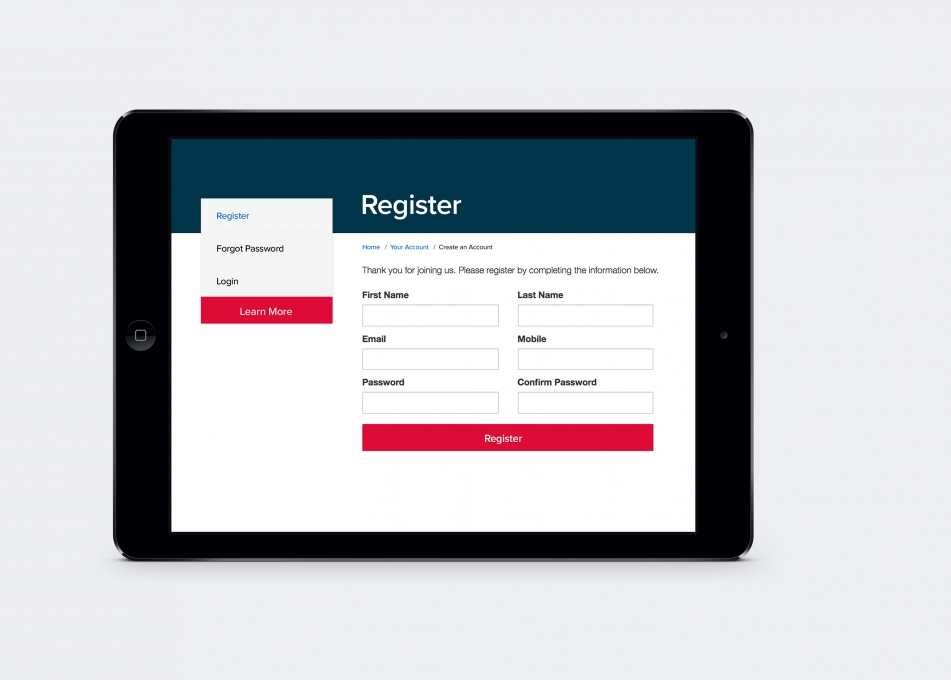
Please Register to Join Our Site

Introduction:

Welcome to our thriving online community! We are delighted that you have decided to join us and become a part of our rapidly growing network. Our website offers a wide range of features and benefits for our members, and we are confident that you will enjoy your experience here. To fully take advantage of everything our site has to offer, we would like to request that you please register as a member.

Why Register?

By registering on our site, you will gain access to exclusive content, features, and tools that are only available to registered members. This includes:

1. Personalized user experience: Customize your profile, create threads, and make connections with like-minded individuals.

2. Access to exclusive content: Enjoy premium articles, videos, webinars, and other valuable resources specifically tailored for our members.

3. Networking opportunities: Engage with experts in your field and like-minded professionals through forums, direct messaging, and virtual events.

4. Special promotions: Receive exclusive promotional offers and discounts on products and services.

5. Community support: Contribute to discussions or seek assistance from fellow members.

How to Register:

1. Visit our registration page: Find the “Register” button on the homepage or the top right-hand corner of any other page on our website.

2. Fill in your details: Provide accurate information about yourself including full name, email address, desired username, password, and any other required information.

3. Confirm your account: Check your email inbox for an activation link sent by us; it may take a few minutes for the email to arrive (don’t forget to check your spam folder). Click on it to verify your account.

4. Customize your profile: Upload a profile picture, write a brief bio of yourself, add links to your social media profiles or website, etc.

5. Explore the site: Get acquainted with our platform by browsing the various sections, engaging with the content, and interacting with other members.

In Conclusion:

Registering on our site is a seamless and straightforward process that unlocks a wealth of benefits for our members. We are committed to providing you with an enriching experience, valuable resources, and endless opportunities for professional growth. So, please register today and become an integral part of our thriving community!

Search results powered by academicsltd.co.uk

Introduction:

In today’s fast-paced digital world, access to relevant and useful information is crucial. With an endless number of web pages accessible at our fingertips, search engines play a significant role in connecting users with valuable content. Academicsltd.co.uk is striving to revolutionize search results by utilizing the expertise of knowledgeable professionals to create a more reliable and enriching user experience.

Academics-Powered Search Results:

Understanding the potential of combining academic insights with advanced technological innovations, Academicsltd.co.uk aims to deliver superior search results. Using a database curated by experts from various fields, the platform ensures that the information provided is accurate, up-to-date and caters to users’ specific needs.

The Value of Expertise:

The integration of expert advice in formulating search results helps eliminate the biases often found in traditional search engines. It also allows for a precise, context-aware understanding of each query, ultimately improving the overall accuracy of search results.

Efficient Navigation for Students and Professionals:

For students and professionals seeking academic material, navigating through countless research articles can be daunting. Academicsltd.co.uk simplifies this process by quickly connecting users to scholarly resources vetted by specialists.

Collaborating with Institutions:

Academicsltd.co.uk collaborates with numerous educational institutions and researchers worldwide. This collaboration allows the platform to build a robust database and ensure that users have access to top-notch research papers, case studies, and other academic resources.

Enhanced Accessibility:

Recognizing the importance of easy access to academic research, Academicsltd.co.uk ensures that its platform is user-friendly for researchers and passionate learners alike. The easy-to-navigate interface allows users to efficiently find what they are looking for without any technical barriers.

Continuous Improvement:

Committed to fostering a culture of continuous improvement, Academicsltd.co.uk actively seeks user feedback for refining and expanding its search capabilities. With a focus on robust, academically verified content, the platform is continually enhancing its service to better serve users.

Conclusion:

The rise of Academicsltd.co.uk signifies a transformative moment in the world of search engines. By harnessing the power of academic expertise, this platform is poised to change how people locate and use information online. With unparalleled accuracy, depth, and usability, Academicsltd.co.uk is paving the way for future search platforms that prioritize knowledge-driven results.

Should You Add Esports to School Programming This Year?

In recent years, competitive gaming, or esports, has skyrocketed in popularity. As a result, a growing number of schools and educational institutions are considering incorporating esports into their curricula. If you’re an educator or school administrator deliberating whether to introduce esports to your school programming this year, this article will help you weigh the pros and cons.

Pros of Adding Esports to School Programming:

1. Enhances cognitive skills

Participating in esports reportedly enhances cognitive abilities such as critical thinking, problem-solving, and decision-making. By incorporating esports into school programming, students can practice and improve these vital skills while engaging in an enjoyable activity.

2. Encourages teamwork and collaboration

Competitive gaming requires players to work together as a team toward a common goal. Integrating esports into the classroom can encourage students to collaborate more effectively and hone other essential social skills.

3. Career opportunities

The rapidly growing esports industry offers numerous career opportunities in areas such as game design, marketing, and event management. By exposing students to esports early on, schools can help prepare them for potential future careers in this exciting field.

4. Increases student engagement

Incorporating esports into school programming can engage students who might not be interested in traditional sports or extracurricular activities. By catering to diverse interests, schools can create inclusive environments where different hobbies are valued and celebrated.

Cons of Adding Esports to School Programming:

1. Limited resources

Implementing an esports program may require substantial investment in equipment like gaming computers, peripherals, and network infrastructure. Moreover, some schools might not have access to sufficient resources or funds to establish a high-quality program.

2. Screen time concerns

Adding esports to school programming could exacerbate concerns regarding excessive screen time for children. Balancing the benefits of esports with the potential risks associated with increased screen time is an important consideration for educational institutions.

3. Potential exclusion of students

Not all students may have access to gaming devices at home or adequate practice opportunities on school equipment. As a result, some students could feel excluded from participating in school esports programs.

4. Stigma attached to gaming

There is still a societal stigma associated with gaming and an ongoing debate about its effects on mental health. Introducing esports in schools could generate conflict among parents, educators, and community members who hold opposing views on the matter.

In conclusion, there are both pros and cons to adding esports to school programming this year. Educators and administrators should carefully consider factors like budgets, resources, student interests, and parental concerns before making a decision. If implemented responsibly, an esports program can provide an engaging platform for students to develop crucial skills while having fun.

6 Steps School Leaders Can Use to Build a Solid EdTech Infrastructure

Introduction:

In today’s rapidly evolving educational landscape, technology plays a pivotal role in enhancing learning experiences and bolstering the efficiency of school systems. For school leaders, the development and integration of a solid edtech infrastructure are essential to promote successful, technology-driven education. Here are six steps that school leaders can follow to build a robust edtech infrastructure:

1. Assess the current state of technology in your school

Begin by conducting a thorough review of your existing technological systems and resources. Identify strengths, weaknesses, and potential opportunities for improvement. Gather feedback from teachers, administration, and students to develop a comprehensive understanding of the current situation.

2. Establish clear goals and objectives

Armed with information about your current tech setup, set clear goals that align with your overall vision for the school. For example, you might aim to increase student engagement through personalized learning or improve communication among stakeholders using technological tools.

3. Develop a strategic implementation plan

With objectives in place, develop an implementation plan that outlines actionable steps for achieving your goals. This should include the appropriate allocation of resources such as funding, staffing, and hardware/software purchases. Keep in mind the importance of phased implementation – start small with pilot programs before scaling up.

4. Allocate necessary resources

Reflecting on the information collected during your assessment phase; dedicate time, money, and personnel to support your plan’s success. Seek out grants and partnerships with edtech companies or local businesses to secure funding; invest in training teachers on how to effectively use technology; and establish effective support systems such as tech helpdesks.

5. Monitor progress regularly

A successful edtech infrastructure will require ongoing assessment, as well as support for iterative improvements to strategies and adaptations to meet changing needs. Regularly evaluate progress towards goals and adjust strategies accordingly, making sure always to listen closely to users’ feedback.

6. Foster a culture of innovation and collaboration

Encourage experimentation and a growth mindset among your staff members, which can help create a positive environment that embraces the integration of new technologies. Organize professional development programs focusing on edtech, facilitate cross-departmental collaboration to share best practices, and celebrate successes in technology-driven education.

Conclusion:

Building a solid edtech infrastructure can enhance learning experiences for students and improve overall school performance. By following these six steps, school leaders can establish a robust foundation for integrating technology into their educational environment seamlessly – setting the stage for sustained success in the digital age.