EdTech & Innovation

20 Awesome Educational Subscription Boxes for Teens

In today’s fast-paced and technology-driven world, it’s essential for teens to engage in learning experiences that hold their interest and encourage curiosity. Educational subscription boxes are the perfect solution for parents looking to challenge their teenager and broaden their knowledge, all while having fun. Here are 20 awesome educational subscription boxes designed specifically for teens.

1. KiwiCo: A STEAM-focused educational subscription box with specially curated projects catering to different age groups, encouraging creativity, and critical thinking.

2. Tinker Crate: Aimed at enhancing engineering and scientific skills, Tinker Crate offers hands-on challenges that bring technology concepts to life while promoting problem-solving.

3. Science Expeditions: This engaging science-themed box offers monthly experiments for teens to explore topics like chemistry, physics, and forensic science.

4. Creation Crate: Perfect for tech-savvy teens with an interest in electronics, programming, and engineering projects.

5. BrainyBox: Combining fun activities with a strong focus on learning, BrainyBox makes healthy brain development an enjoyable experience.

6. National Geographic Explorer: Full of fascinating stories and ridiculously cool facts about our planet and its mind-blowing wonders, this box is perfect for curious teens.

7. OwlCrate: Specifically designed for young adult book lovers who enjoy exploring new genres while receiving cool, bookish goodies along the way!

8. WonderWorks STEM Club: Promoting a diverse range of scientific fields through hands-on experiments, this monthly box lets teens tackle challenging projects independently or together with friends.

9. The Curiosity Box by Mel Kids: Boost scientific literacy by delving into topics such as chemistry, physics, astronomy, robotics, and more with this comprehensive subscription box!

10. History Unboxed: Explore the intriguing world of history by taking part in hands-on activities and receiving exciting historical artifacts every month.

11. Green Kid Crafts: Focused on STEM and sustainability, these eco-friendly boxes offer innovative projects that combine learning about science, technology, engineering, art, and math with caring for the environment.

12. Girls Can! Crate: Celebrating female role models and women’s contributions to society, this box empowers teenage girls with inspiring stories, activities, and educational lessons.

13. BookRoo: Fuel your teen’s love for reading with monthly shipments of hand-picked books—perfect for any young bookworm.

14. LitJoy Crate: Offering a novel experience by combining literature-based items alongside a young adult book, making it more interactive and fun.

15. Muse Monthly: A great choice for teens interested in both literature and tea; each month delivers a thought-provoking novel plus a specialty tea blend.

16. ArtSnacks: For aspiring artists, ArtSnacks provides premium art supplies to experiment with different techniques and inspire creativity every month.

17. Bitsbox: A computer programming subscription box that teaches kids and teens the world of coding through engaging projects and fun apps.

18. The Chef’s Table: Transform your teen into an amateur chef with these monthly culinary challenges designed to sharpen their kitchen skills.

19. Supply Pod by Outer Places: This one-of-a-kind science fiction subscription box dives into the realm of science fact by combining themed sci-fi gadgets with intriguing experiments.

20. Groovy Lab in a Box: Another exceptional STEM-focused educational subscription box that allows teens to engage in hands-on projects while learning scientific principles behind them.

These 20 awesome educational subscription boxes offer diverse topics for teenagers; there’s truly something for everyone. Harnessing their fascination while fostering learning, they can ignite teens’ intellectual curiosity and make a lasting impact on their development.

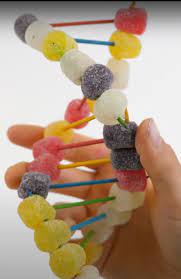
19 Engaging DNA Replication Activities

Introduction

DNA replication is a critical process in the life of every living organism. It is through this process that the genetic information contained in DNA is duplicated, ensuring that it is passed on to subsequent generations. Understanding this complex molecular mechanism can be challenging for students and educators alike, but these 19 engaging activities can help make learning about DNA replication both enjoyable and educational.

1. Model Building

Have students create their model of DNA using pipe cleaners or straws as the backbone, and cardboard or foam pieces for the base pairs.

2. Animating Replication

Challenge students to design an animation or stop-motion video illustrating the process of DNA replication.

3. DNA Origami

Teach students how to fold paper into a DNA helix using origami techniques. This hands-on activity will help them visualize its structure.

4. Replication Role Play

Assign roles to students (e.g., helicase, polymerase) and ask them to act out the process of replication.

5. DNA Puzzle

Create a puzzle representing a section of DNA, giving students the task of assembling complementary base pairs and matching them according to their sequence.

6. Enzyme Hunt

Organize a scavenger hunt where students identify key enzymes involved in DNA replication and explain their function within the process.

7. Broken Helix Game

In this game, students race to repair a damaged DNA helix by locating missing nucleotides and reassembling them in the correct order.

8. Replication Rap Battle

Hold a rap battle where students create rhymes and verses related to DNA replication, incorporating scientific terms and concepts.

9. Online Simulations

Utilize online resources such as interactive simulations that allow students to manipulate virtual models of DNA and observe replication processes in real-time.

10. Replication Art

Encourage learners to illustrate key concepts of DNA replication through creative mediums such as painting, drawing or collage.

11. DNA Cuisine

Plan a lesson around creating edible models of DNA using pantry staples like marshmallows and licorice sticks.

12. Base Pair Memory Game

Design a memory game incorporating the four nucleotide bases (adenine, thymine, guanine, cytosine) and challenge students to find matching pairs based on their complementary sequences.

13. DNA Slideshow

Assign student groups to create PowerPoint presentations explaining different aspects of the DNA replication process.

14. Replication Debates

Hold debates on ethical implications surrounding DNA replication, such as genetic engineering and cloning.

15. Journaling Reflections

Incorporate journaling activities into lessons where students write reflections on their understanding of replication concepts and relate them to real-world applications.

16. DIY Lab Experiments

Supervise students as they conduct simple lab experiments that replicate DNA with home materials like fruit juice, detergent, and salt.

17. Research Presentations

Have pupils research seminal scientific figures related to genetics and DNA replication, presenting their findings to the class in engaging oral presentations.

18. Guest Speakers

Invite professionals in the field of genetics and molecular biology to speak about their experiences working with DNA replication processes.

19. Field Trips

Organize a field trip to a local science museum or research facility with exhibits or demonstrations focused on genetics and DNA replication.

Conclusion

By incorporating these 19 engaging activities into your lessons on DNA replication, you will not only enrich the learning experience for your students but also instill in them a lasting appreciation for the incredible world of molecular biology.

The Critical Skills Programme: Rising Above Critical Levels

Introduction

In today’s fast-paced, competitive world, staying updated and acquiring new skills has become more critical than ever. The Critical Skills Programme (CSP) is an initiative designed to help individuals rise above critical levels of skills shortages and boost their career prospects by providing them with the necessary knowledge and expertise required to thrive in the modern workforce.

The Importance of the Programme

The job market is constantly evolving, and it demands a workforce equipped with not only technical skills but also soft skills such as communication, leadership, and problem-solving capabilities. The Critical Skills Programme bridges this gap by offering targeted, industry-specific training programs that empower individuals to stay competitive and steadily climb the ladder of success. The program addresses skill shortages in various industries like technology, healthcare, finance, and more.

Key Components of the CSP

The Critical Skills Programme comprises several key components that make it an effective tool for driving individual and organizational growth:

1.Skill Assessments: Before embarking on the learning journey, participants undergo rigorous assessments to identify their current skill level and pinpoint the areas they need improvement. This process enables them to devise personalized learning plans tailored to their specific needs.

2.Tailored Training: The training module is meticulously crafted to address industry-specific gaps and challenges. Recognizing that each industry has unique requirements, CSP focuses on delivering relevant content that aligns with real-world situations participants may encounter in their respective fields.

3.Practical Application: CSP emphasizes hands-on learning experiences through simulations, case studies, internships, etc., thus enabling participants to apply their newfound knowledge in real-world scenarios.

4.Continuous Support: The programme offers continuous support throughout the learning journey with the help of experienced trainers and mentors. These industry experts provide guidance at every step of the way to ensure successful skill acquisition.

5.Networking Opportunities: CSP connects participants with like-minded people from diverse backgrounds and industries, fostering collaboration and idea-sharing. This sense of community helps individuals build lasting relationships, which can be instrumental in their professional and personal growth.

The Impact of the Critical Skills Programme

The Critical Skills Programme has made a significant impact on individual and organizational growth, evidenced by the numerous success stories shared by participants. As a result of this program, individuals have been able to secure better job opportunities, earn promotions, and ultimately improve their quality of life. Organizations can also see tangible benefits by investing in CSP, including improved employee engagement, reduced turnover, and increased productivity.

Conclusion

The Critical Skills Programme is a stepping stone to success in the ever-evolving job market. It offers a comprehensive solution for professionals to stay ahead in their careers by continually updating their skillsets and staying relevant to industry needs. By investing time and resources into robust skill development programs like CSP, individuals can ensure they remain competitive and seize new opportunities for growth.

Embracing Guy Claxton’s Character Curriculum for The Learning Age

In today’s fast-paced world, education goes beyond textbooks and traditional classroom learning. It demands a broader approach to prepare students for the challenges they will face in life. This is where Guy Claxton’s Character Curriculum for The Learning Age comes into play, providing a framework for nurturing essential life skills in our children.

The Character Curriculum, developed by renowned British psychologist and educator Guy Claxton, focuses on instilling values, habits, and attitudes that promote successful lifelong learning. The goal is to cultivate adaptability, resilience, and curiosity in students while fostering the development of intellectual and emotional intelligence.

Guy Claxton’s Character Curriculum involves four key domains:

1.Cognitive development: Rather than rote memorization of facts and figures, teachers encourage students to develop critical thinking skills, problem-solving abilities, and meta-cognitive strategies.

2.Practical skills: Students are taught essential skills such as time management, planning, teamwork, financial literacy, and technical competence to better navigate various aspects of their daily lives.

3.Ethical qualities: Emphasis is placed on developing virtues like empathy, integrity, honesty, fairness, and respect for self and others.

4.Social-emotional growth: Nurturing emotional intelligence helps students manage stress, build healthy relationships, and acquire a sense of belonging.

To implement this holistic educational approach in the classroom successfully:

– Teachers need to create a supportive learning environment where mistakes are viewed as opportunities for growth.

– Assignments should be designed to promote collaboration among students and foster creative problem solving.

– Self-reflection exercises should be incorporated into the curriculum to enable students to assess their progress periodically.

– Schools must actively engage parents and community members in the learning process by sharing information about students’ social-emotional development.

In conclusion, Guy Claxton’s Character Curriculum offers a comprehensive framework that empowers students to navigate the complexities of modern life. By fostering cognitive, practical, ethical, and emotional intelligence, this approach ensures our children are well-equipped to face the challenges and opportunities of the evolving world. Together, let us embrace this transformative educational philosophy to guide our learners toward resilience, adaptability, and lifelong success in The Learning Age.

9 Brilliant Activities To Practice Balancing Chemical Equations

Introduction:

Balancing chemical equations is an essential skill in chemistry. Understanding the conservation of mass and charge enables students to predict the products of chemical reactions accurately. To help make this skill accessible and enjoyable, here are 9 brilliant activities to practice balancing chemical equations.

1. Equation Bingo

Transform the traditional Bingo game into a fun way to practice balancing chemical equations by replacing numbers with chemical equations on the Bingo cards. Have students solve the equations as they are called out, and the first person to balance all their equations in a row wins!

2. Chemical Equation Jigsaw Puzzle

Create unique jigsaw puzzles by cutting printed, balanced chemical equations into pieces. Students can work individually or in groups to reassemble the puzzle pieces and solve the equation.

3. Equation Card Game

Design a card game for balancing chemical equations using equation cards representing different elements or compounds. Players must balance their “hand” by trading or drawing cards from a central pile until they have a balanced equation.

4. Chemical Equation Relay Race

Divide your class into two teams and have them race against each other in a relay style format. Each student gets a chance to balance an equation at the board before passing the marker to their teammate.

5. Online Simulator

There are several online simulators, such as PhET’s “Balancing Chemical Equations” tool, which allow students to practice balancing equations in a fun and interactive way.

6. Matching Game

Create a matching game where students draw lines connecting unbalanced equations on one side of a paper to their balanced counterparts on the other side.

7. Equation Treasure Hunt

Hide balanced chemical equation clues around your classroom or other designated area. Studentsthen search for these clues and use them to balance given unbalanced chemical equations.

8. Chemical Equation Battleship

Adapt the classic game of Battleship into an educational tool by having students balance chemicalequations to sink their opponents’ ships. Each correct equation sinks a “ship” on the opponent’sboard.

9. Flashcards

Create a set of flashcards, each featuring an unbalanced chemical equation on one side and itsbalanced counterpart on the other. Students can use these cards to quiz themselves or a partner,helping them quickly identify which equations need balancing.

Conclusion:

These engaging activities will not only make balancing chemical equations more enjoyable for students but will also improve their grasp of fundamental chemistry concepts. By incorporating these activities into your lesson plans, you’ll witness an increase in understanding and retention among your students.

17 Useful Article Sites for Students

As a student, you’re constantly looking to expand your knowledge and stay ahead in your academic career. Having access to informative, well-written articles can make a significant difference in your understanding of various subjects. Here’s a list of 17 useful article sites that can help students find reliable content on a wide range of topics.

1. Wikipedia: The well-known online encyclopedia offers countless articles on diverse subjects. Though not always recommended as a primary source for academic research, it is an excellent starting point for getting familiar with new topics.

2. JSTOR: A digital library that gives access to thousands of academic articles, book reviews, and primary sources on various topics. It is an excellent resource for conducting research and enhancing your knowledge.

3. Google Scholar: This search engine allows you to find scholarly literature – articles, theses, books, conference papers, and technical reports. Google Scholar covers multiple disciplines and sources.

4. ResearchGate: With over 135 million publications, ResearchGate is a popular site where researchers and academics share their work on different subjects. It’s particularly useful for students who want to explore publications by experts in their field.

5. Academia.edu: This website connects academics worldwide and allows them to share research papers, book chapters, and conference papers across various disciplines.

6. ScienceDirect: Owned by Elsevier publishing group, ScienceDirect provides access to articles published in scientific journals across disciplines like physical sciences, life sciences, health sciences, social sciences, and humanities.

7. Project MUSE: A reliable source for research in the areas of humanities and social sciences, Project MUSE offers full-text articles from scholarly journals.

8. ERIC (Education Resources Information Center): Sponsored by the US Department of Education’s Institute of Education Sciences (IES), ERIC is a comprehensive database providing access to education-related articles, books, conference papers, and more.

9. PubMed: A reputable resource for life sciences and biomedical research, PubMed comprises over 30 million citations and abstracts.

10. SSRN (Social Science Research Network): An interdisciplinary site that offers articles on topics related to economics, humanities, law, and social sciences.

11. arXiv: A platform for sharing research papers related to physics, mathematics, computer science, and other fields.

12. PhilPapers: A comprehensive index of philosophy journal articles, books, and open-access archives, covering a wide range of philosophical topics.

13. The Directory of Open Access Journals (DOAJ): An online directory providing access to high-quality peer-reviewed open-access journals across subjects.

14. PsychARTICLES: Provided by the American Psychological Association (APA), this database offers access to full-text articles within the field of psychology.

15. BioMed Central: A publisher of peer-reviewed open access scientific articles in the fields of biology and medicine.

16. MathSciNet: A searchable database offering access to mathematics-related journal articles and books provided by the American Mathematical Society (AMS).

17. National Bureau of Economic Research (NBER): A leading provider of research papers by renowned economists on a wide range of economic issues.

These 17 article sites offer comprehensive resources for students looking to expand their knowledge and conduct thorough research across numerous disciplines. Be sure to bookmark these websites and explore their vast collections for your academic success and personal growth.

Effective Learning and Teaching Expertise

Introduction

In today’s fast-paced world, effective learning and teaching have become essential skills for both students and educators. As the need to process and adapt to large amounts of information grows, so too must our education techniques transform. This article will explore various strategies for effective learning and teaching, demonstrating that a successful education is the product of a synergistic relationship between a knowledgeable instructor and engaged learners.

Section 1: Characteristics of Effective Learning

1.Growth Mindset: Encouraging learners to develop a growth mindset – the belief that intelligence is malleable, and growth can be attained through hard work and perseverance – helps create an environment where students feel confident in their abilities to overcome challenges.

2.Active Learning: Students should be actively involved in the learning process by questioning, discussing and applying concepts taught in class. This hands-on approach aids understanding and retention.

3.Self-Regulation: Developing self-regulation skills allows students to plan, monitor, evaluate, and adapt their learning strategies based on their progress.

4.Interconnectedness: As learners progress in their education, they should be able to connect concepts from different subject areas. Interdisciplinary thinking fosters both creativity and a deeper understanding of complex subjects.

5.Collaboration: Working in diverse groups enables students to share ideas, approach problems from different perspectives, and improve communication skills.

Section 2: Strategies for Effective Teaching

1.Active Engagement: Teachers should actively involve students by incorporating multimedia resources, hands-on experiences, group discussions, or problem-solving tasks into lessons.

2.Clear Expectations: Setting clear goals and standards for each lesson helps manage students’ expectations and promotes motivation.

3.Differentiated Instruction: Tailoring instruction based on individual student needs allows for greater access to learning opportunities.

4.Formative Assessment: Regularly assessing students’ understanding during instruction helps educators adapt their teaching to better address gaps or misconceptions in knowledge.

5.Professional Development: Lifelong learning enables educators to remain informed about the latest teaching research and trends, ultimately benefiting their students’ education.

Conclusion

Effective learning and teaching are vital for navigating the complex world we live in and for promoting personal and professional growth throughout our lives. By fostering a growth mindset, active learning, self-regulation, interconnectedness, and collaboration among students while providing clear expectations, differentiated instruction, formative assessment, and continuously pursuing professional development, educators and learners can work collaboratively for success in the classroom and beyond.

Grouping Pupils by Ability

Introduction

Grouping pupils by ability has long been a subject of debate among educators and researchers. This practice, also known as ability grouping or streaming, refers to the process of dividing students into groups based on their perceived cognitive abilities. Schools have implemented various forms of this system for decades. However, there is still much controversy surrounding its effectiveness and impact on students’ education. In this article, we will explore the advantages, disadvantages, and potential alternatives to grouping pupils by ability.

Pros of Grouping Pupils by Ability

1.Efficient learning: By placing students with similar intellectual abilities in the same group, educators can target their teaching methods accordingly. This allows teachers to hone in on specific teaching strategies designed for a particular ability group, potentially improving students’ learning outcomes.

2.Focused instruction: In ability-grouped classrooms, teachers can design curricula suited to the unique needs and capabilities of their students. This can result in more in-depth exploration of subjects at a pace that better aligns with students’ abilities.

3.Motivation: Some proponents argue that grouping pupils by ability encourages high-performing students to push themselves further, as they are surrounded by equally capable peers.

Cons of Grouping Pupils by Ability

1.Stigmatization: Critics argue that one significant drawback to ability grouping is the potential for negative labeling and stigmatization of lower-achieving students. These pupils may internalize these labels and develop low self-esteem, affecting their motivation and academic performance.

2.Inequality: Research suggests that dividing students into separate ability groups may perpetuate social and academic inequalities. Often, low-income or minority backgrounds disproportionately populate lower ability groups leading to an achievement gap between these groups and their higher-performing counterparts.

3.Limited interaction: Grouping pupils by ability might impede opportunities for diverse interaction among students with different abilities and perspectives. This could limit exposure to valuable collaborative and social learning experiences.

Alternatives to Grouping Pupils by Ability

1.Mixed-ability grouping: Instead of separating students based on ability, mixed-ability grouping includes pupils with a diverse range of skills and knowledge in one classroom. This approach promotes cooperative learning, allowing students to learn from one another while benefiting from individualized instruction.

2.Differentiated instruction: Instead of focusing the curriculum on a single ability group, teachers can implement differentiated instruction strategies within a mixed-ability classroom. This method tailors instruction to meet the diverse needs of students, utilizing varied teaching materials and methods.

3.Mastery-based learning: An approach where pupils progress through subjects at their own pace, only advancing once they have demonstrated mastery of a particular skill or concept. This enables schools to prioritize individual learning needs without resorting to fixed ability groups.

Conclusion

The practice of grouping pupils by ability has both advantages and disadvantages, as well as potential alternatives. While it may streamline academic delivery for some students, it may also result in stigmatization, inequality, and reduced diversity in student interactions. Schools should carefully consider these factors when deciding whether to implement ability grouping or seek alternative strategies such as mixed-ability grouping, differentiated instruction, or mastery-based learning to help their students succeed academically without compromising their self-esteem or access to quality education.


Learning logs to encourage reflective learning

Introduction:

Reflective learning has always been an important aspect of personal and professional growth. It involves analyzing experiences, thoughts, reactions and ideas related to learning activities to improve knowledge retention and build critical thinking skills. One of the most effective tools for promoting reflective learning is the use of learning logs. This article will discuss the significance of learning logs and how they can encourage reflective learning among individuals.

What is a Learning Log?

A learning log is a tool that allows individuals to record their thoughts, reflections, experiences, and impressions during and after a learning activity. It’s a space where learners can document their progress, set learning goals, note achievements, and acknowledge areas for improvement. By consistently engaging with their learning logs, students can develop self-awareness, resilience, and adaptability.

Benefits of Learning Logs:

1.Enhanced self-awareness: Writing in a learning log helps to identify personal strengths and weaknesses. It provides an opportunity for learners to examine their thinking process, which is crucial in fostering self-awareness.

2.Clear identification of difficulties: Through writing what they’ve learned and what challenged them most, students can easily identify obstacles as they arise. This will enable them to adopt strategies to overcome these challenges more effectively.

3.Improved problem-solving skills: Reflecting on previous experiences enables learners to tap into their ability to solve problems independently by recalling similar situations and resolutions.

4.Goal-setting and progress tracking: Learning logs allow students to set educational goals for themselves. They can then track their progress by analyzing how well they’re meeting those objectives.

5.Builds resilience: Reflective writing encourages perseverance, as learners become more accustomed to critiquing their own work and identifying opportunities for growth.

Strategies for Using Learning Logs Effectively:

1.Consistency: To reap the benefits associated with reflective learning, it’s vital that students maintain consistency in using their learning logs. This could mean setting aside a specific time each day or week to update and review their experiences.

2.Encourage honest reflection: Instructors should emphasize the importance of honesty when completing learning logs. They can create a safe and supportive atmosphere that allows students to truthfully express their thoughts and feelings.

3.Provide prompts or guiding questions: For learners who may struggle with reflection, teachers can provide some prompting questions to help them start writing. These questions can be tailored to specific learning experiences or subjects.

4.Combining group discussions with individual reflection: Group discussions provide multiple perspectives on a topic, while individual reflection helps learners internalize the insights they gained from those conversations. Encouraging these two activities alongside learning logs maximizes their benefits.

5.Feedback and review sessions: Periodic feedback from instructors can be extremely beneficial for students developing reflective writing skills. Reviewing learning logs in one-on-one sessions allows teachers to provide constructive advice and encouragement tailored to individual needs.

Conclusion:

Learning logs serve as a valuable tool for promoting reflective learning, which is crucial for personal growth and academic success. By consistently using these logs, learners improve self-awareness and develop important critical thinking skills that will benefit them throughout their lives. By implementing the suggested strategies, educators can introduce learning logs effectively into their teaching methods and create an environment that supports continual improvement for everyone involved.

The Importance of Internet and Mobile Technology Security

Introduction:

In today’s digital era, the internet and mobile technology have become integral parts of our lives. From online shopping to sharing personal information on social media, we rely on these technologies to stay connected. As much as these advancements offer unparalleled convenience, they also expose us to potential security threats. This article delves into the importance of securing our internet usage and mobile devices in an ever-evolving digital landscape.

The Emergence of Internet-based Security Threats:

As the internet has expanded, so too has the number of potential security risks. Cybercriminals employ various tactics such as phishing attacks, hacking, malware attacks, and ransomware to trick unsuspecting users into disclosing sensitive information or allowing unauthorized access to their devices.

Mobile Technology Security Risks:

Mobile devices are becoming increasingly popular targets for cybercriminals. These devices contain a vast amount of personal data, including financial information, personal photos, and contact information. Attackers use methods like cloning, SIM-swapping, and malicious apps to compromise smartphones and tablets.

Key Measures to Secure Your Online Presence:

1.Use Strong Passwords:

Ensure you use strong passwords combining uppercase letters, lowercase letters, numbers, and symbols. Avoid using easily predictable words such as names or birthdates for a more secure access to your accounts.

2.Enable Two-Factor Authentication (2FA):

2FA offers an additional layer of security by requiring both your password and an authentication code sent to your registered device in order for you to access your account.

3.Keep Software Updated:

Regularly update your operating system and applications on both desktops and mobile devices for enhanced protection against new security threats.

4.Watch Out for Suspicious Emails:

Always be cautious when opening emails or clicking on links from unknown senders to avoid falling victim to phishing scams.

5.Set Up a Firewall:

A firewall can help create a barrier between your device and unauthorized incoming connections, thereby preventing cyberattacks.

Safeguarding Mobile Devices:

1.Install a Mobile Security App:

These applications scan your mobile device for malicious files or even track your device if it gets lost or stolen.

2.Use Encryption:

Encryption conceals the data stored on your phone, making it much more difficult for attackers to access your information without the proper encryption key or password.

3.Avoid Public Wi-Fi:

Public Wi-Fi networks are often unsecure and can be susceptible to hackers who intercept data transmitted over the network.

4.Disable Bluetooth When Not in Use:

When left enabled, Bluetooth technology can open a doorway for cybercriminals to access your personal data on your mobile device.

Conclusion:

As technology continues to advance at a rapid pace, the importance of internet and mobile security cannot be overstated. By employing strong passwords, updating software regularly, and taking precautionary measures on both our desktop and mobile devices, we can significantly reduce the risk of falling victim to cyberattacks. It is crucial that we remain vigilant in protecting our digital assets, ensuring that our personal information remains secure in this new era of constant connectivity.