EdTech & Innovation

Tackling the Myth of the Rock Star Teacher

Education is a field rife with misconceptions and stereotypes. One of the most pervasive and potentially damaging is the myth of the “rock star teacher.” This archetype portrays educators as natural-born heroes, capable of single-handedly saving struggling schools or transforming underprivileged students’ lives. While no doubt inspiring, such expectations can demoralize both new and experienced teachers alike. In this article, we will explore the origins of this myth, its implications in everyday classrooms, and seek to minimize its influence in contemporary education.

The rock star teacher’s roots can be traced back to various forms of popular media. Inspirational teacher-centric films like “Dead Poets Society,” “Stand And Deliver,” and “Freedom Writers” often depict underdog stories where one heroic educator steps in to change their students’ fates. The glorification of these real-life figures may inspire many to enter the profession but can also create unrealistic expectations.

What’s more, those aforementioned stories are not universally applicable. Each case involves a unique context and a specific set of circumstances that cannot be replicated in every classroom—nor should they be. Teaching is a team effort; it demands collaboration among educators, administrators, parents, and students themselves for sustained, growth-centered learning experiences.

The myth perpetuates an unfair measure of teacher performance. As individuals chase the elusive dream of becoming a rock star, they may subconsciously believe their worth is judged solely by how many students they can save from dire situations. This cultivates a warped sense of success—a dangerous game that exhausts teachers and could ultimately hamper their growth.

In reality, only a minority of educators faces such dire straits or dramatic moments. Most teachers manage classrooms where children experience incremental academic and personal progress over time. Inevitably, this means acknowledging that genuine victories—though perhaps less cinematic—are rarely solitary endeavors but rather a network’s collective efforts.

To counter the myth, it’s essential to focus on nurturing supportive educational communities. Emphasize collaboration, sharing of ideas and resources, and an open dialogue about what works and understanding the challenges that each educator faces—thereby fostering a culture that uplifts rather than measures them against impossible standards.

Furthermore, we must celebrate small victories in the classroom, recognizing those unsung heroes who make countless little differences in their students’ lives. These quieter triumphs reflect countless passionate educators’ commitment to shaping better futures for youth.

Ultimately, dismantling the rock star teacher myth necessitates viewing educators as multifaceted individuals with diverse strengths, weaknesses, and accomplishments. While it’s tempting to rely on inspiring stories of individual heroism for motivation or guidance, the best way forward is collaborative, acknowledging that success includes failure and a network of support. By embracing the realistic—and resilient—face of contemporary education, we can avoid perpetuating pressures that may discourage otherwise phenomenal teachers from further refining their craft or entering this noble profession altogether.

This Student Saw Her Teacher in Shorts, and it Blew Her Mind

Introduction:

In a world of well-defined roles, the image we have of our teachers often comes with unwritten dress codes. Teachers are expected to maintain a certain level of formality and respectability, shaping their appearance to fit the mold of authority within the school environment. But what happens when a student spots their teacher outside that structured setting, wearing something as casual as shorts? The story of Maria, a high school student who saw her teacher in shorts at a local park, might give us some insight into the fascinating discord between expectations and reality.

The Encounter:

Maria was enjoying her Saturday stroll through Maplewood Park when she noticed a familiar face. To her amazement, she realized it was Mrs. Anderson, her favorite high school teacher. Mrs. Anderson was dressed in a summery outfit, wearing denim shorts and a bright tank top. Seeing her in such casual attire made Maria understand how deep-rooted her assumptions about Mrs. Anderson’s “normal” wardrobe were.

Breaking Stereotypes:

This whole situation was an eye-opener for Maria. She had never imagined that someone as diligent and sophisticated as Mrs. Anderson would ever dress so casually or reveal so much skin outside the classroom. The encounter stripped away the mental image that Maria held on to, revealing that Mrs. Anderson is indeed human and capable of stepping out of her professional persona.

The Friendly Exchange:

Still amazed by the sight before her, Maria hesitated but eventually approached Mrs. Anderson and nervously said hello, half-expecting her teacher to react critically for being ‘caught’ in casual wear. However, contrary to Maria’s fears, an engaging conversation ensued between them. They discussed hobbies, outdoor adventures, and Netflix shows they enjoyed during weekends.

Lessons Learned:

What may have initially appeared to be an awkward encounter actually turned into an enriching moment for both Maria and Mrs. Anderson. The exchange allowed them to break out of the conventional student-teacher mold and build a foundation of mutual respect and trust. Maria learned that teachers, too, have lives outside the classroom, embracing unique passions, hobbies, and interests.

Mrs. Anderson’s casual appearance at the park also became a learning opportunity for Maria about humanizing her mentors and role models while maintaining respect for their professional image. Furthermore, she realized that these experiences eventually contribute to her teacher’s wisdom and emotional intelligence, which make Mrs. Anderson an even better educator.

Conclusion:

While it might come as a significant surprise to see our teachers as humans with everyday lives beyond their classrooms, remembering their humanity helps students understand them better. Maria’s encounter with Mrs. Anderson has encouraged her to let go of rigid preconceptions about authority figures walking among us in casual attire and appreciate their multifaceted lives instead. Maria’s story serves as a reminder that the people who teach us are so much more than just educators – they are individuals with rich layers of personality and their stories may help us appreciate them even more.

Developing the “I Can” Attitude

Introduction

Have you ever faced a challenge or a goal and thought, “I can’t do this,” or “This is beyond my capabilities”? If so, you’re not alone—many individuals wrestle with self-doubt and limiting beliefs. However, adopting an “I can” attitude can unlock your inner potential and enable you to overcome hurdles that might have been hindering your progress. This article explores the benefits of developing an “I can” attitude and offers tips on how to nurture this empowering mindset.

The Power of an “I Can” Attitude

An “I can” attitude is more than just a positive thought; it’s a belief in yourself and your abilities to tackle challenges and achieve your goals. When you embrace this attitude, you cultivate the following traits:

1. Resilience: By believing in your ability to overcome obstacles, you develop perseverance and mental toughness.

2. Confidence: As your self-image strengthens, you become more assertive and willing to take risks.

3. Motivation: Knowing that you’re capable of achieving success encourages sustained effort and determination.

4. Adaptability: Believing that you can handle change helps you stay flexible when faced with new situations.

Tips for Developing an “I Can” Attitude

Building an “I can” attitude takes time and consistent effort, but with practice, it can become second nature. The following strategies can help in transforming your mindset:

1. Adjust Your Self-Talk: Monitor the way you speak to yourself, particularly during challenging times. Replace negative thoughts with positive affirmations to instill greater confidence in your abilities.

2. Set Achievable Goals: Establish realistic objectives that are aligned with your current skills and strengths. Meeting these targets will encourage continued growth and reinforcement of the “I can” mindset.

3. Surround Yourself With Positivity: Seek out people who are supportive and have a growth-oriented outlook on life. Their enthusiasm and belief in your potential will inspire you to see the world through an “I can” lens.

4. Embrace Challenges: Maintain a proactive approach to life, and don’t shy away from difficult situations. By facing challenges head-on, you’ll strengthen your resilience and develop a deeper belief in your capabilities.

5. Reflect on Past Successes: Pay attention to moments when you’ve displayed competence or overcome adversity. These past experiences can serve as reminders of your potential and fuel the fire of self-belief.

Conclusion

Developing an “I can” attitude is vital for personal and professional success. By cultivating this mindset, you’ll build resilience, confidence, motivation, and adaptability—all essential traits for overcoming obstacles and reaching your full potential. Through consistent practice and effort, you can replace self-doubt with an unshakable belief in your abilities and unlock the limitless possibilities that lie within you.

How to Get Your Whole School On Board With a Recycling Program

Introduction:

More than ever before, it is of utmost importance that we incorporate sustainable habits and waste management practices into our daily lives. One of the best places to start promoting such efforts is at schools. Introducing a recycling program in educational institutions can teach children the importance of environmental conservation. However, the success of these programs requires the commitment and participation of the entire school community. Here are some steps to get your whole school on board with a recycling program.

1. Get approval from school administration:

Initiating a recycling program will require official approval from the school’s leadership. Present your plan to them, explain its significance, and outline its impact on school operations and budget. Garnering support from the top ranks can help you smoothly implement your plan.

2. Form a green committee:

Create a group of volunteers from teachers, students, staff, and parents with an interest in environmental concerns. This green committee will be responsible for planning, organizing, and overseeing the recycling program. Encourage participation by promoting the committee or holding an information session.

3. Assess your school’s waste generation:

Conduct a waste audit to understand what type of waste your school produces and in what quantities. This will help you determine which materials can be recycled and formulate strategies for effective waste segregation.

4. Educate the school community:

To ensure active participation, you must educate everyone about how to use the recycling program properly. Organize special sessions for students and staff to help them understand the importance of recycling, waste segregation, and how they can contribute.

5. Set up an efficient infrastructure:

Place clearly labeled recycling bins at strategic locations throughout your campus, such as in hallways, classrooms, cafeterias, etc., making it convenient for people to dispose of recyclable materials properly.

6. Monitor progress:

Track the program’s success by measuring how much recyclable material has been collected over time. Communicate these figures to the entire school community to instill a sense of accomplishment and inspire them to continue their efforts.

7. Motivate and reward participants:

Appreciate, acknowledge, and reward students, teachers, and staff for their active involvement in the recycling program. Give out certificates or awards for those who consistently participate. Share success stories and showcase the positive impact that the program has had on the environment.

8. Seek participation in local competitions:

Some organizations conduct recycling competitions among schools to generate enthusiasm for reducing waste. Participating in these events can further motivate your school community.

9. Engage with local recyclers:

Establish connections with local recycling centers for efficient waste management. Coordinate with them on collection schedules and other logistics related to disposing of recyclable materials.

10. Continuously evaluate and improve:

Periodically assess the effectiveness of your school’s recycling program and seek ways to improve it. Regularly update your strategies by incorporating feedback from students, teachers, staff, and parents.

Conclusion:

Implementing a school-wide recycling program not only fosters environmental consciousness among students but also allows them to play an active role in preserving our planet’s resources. By engaging everyone at your school in this noble cause, you will create a lasting impact that goes beyond the classroom walls.

5 Moments When “Stranger Things” Weirdly Paralleled Life at Your School

Introduction:

“Stranger Things”, the thrilling Netflix series, has continued to captivate audiences with its nostalgic 80s setting, relatable characters, and supernatural mysteries. While it might seem far-fetched to some, believe it or not, there have been instances where our very own school-life has eerily paralleled scenes from the show. Here’s a look at five such moments.

1. The First Day of School:

Remember the first day of school when Mike, Lucas, Dustin, and Will awkwardly roamed the halls together? The scene closely resembled the way freshmen navigate their new surroundings at our school. Transitioning to a new environment can be challenging, but these protagonist groups show that staying close to your friends helps alleviate the fear of new experiences.

2. Solving Mysteries in Science Class:

There were several instances when Mr. Clarke provided the kids with crucial information about alternate dimensions and scientific theories during their science classes. Similarly, while conducting experiments in our chemistry or physics lessons, we’ve encountered situations that sparked our curiosity and led us down a rabbit hole of intriguing discoveries. Science isn’t just limited to textbooks; it’s the quest for unraveling real-life mysteries.

3. Teaming Up for a Cause:

Remember how everyone in Hawkins banded together to find Will when he disappeared? As a school community, we have also demonstrated unity in various situations – coming together for charity events or supporting fellow students during difficult times. Strong friendships and support systems are integral parts of both the “Stranger Things” universe and our school life.

4. Bullies vs. Nerds:

The clashes between Steve’s group of bullies and our favorite group of nerds showcased an age-old conflict commonly found in schools around the world. While no one at our school is armed with creepy powers or mind-controlling monsters, standing up for each other and embracing our unique qualities helps to teach valuable lessons about perseverance and self-confidence in the face of adversity.

5. School Dances:

Who could forget the iconic moment when Mike asked Eleven to the Snow Ball Dance? Whether it’s our annual Homecoming or Prom, dressing up and dancing with friends while facing awkward moments is a universal experience shared by both Hawkins Middle School and our own educational institution. As seen in “Stranger Things”, these events teach us about love, friendship, and hearty doses of teenage embarrassment.

Conclusion:

Even though “Stranger Things” takes place in a fictional world filled with supernatural events, there are numerous moments throughout the series that remind us of our own school experiences. The friendships, challenges, and spirit of adventure found within Hawkins Middle School wonderfully captured the essence of life within any average school—except for those creepy Demogorgons, of course!

The USPS Pen Pal Project

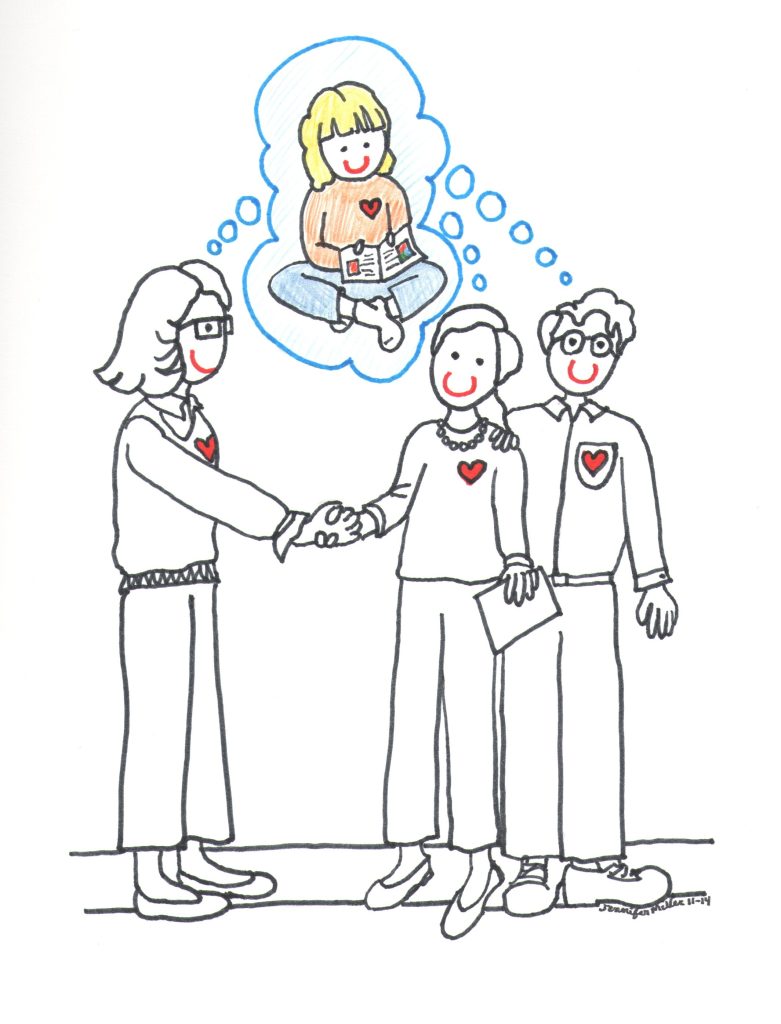
In today’s fast-paced, technology-driven world, the art of letter writing may seem like a relic from a bygone era. But thanks to the United States Postal Service (USPS) Pen Pal Project, an initiative designed to encourage meaningful connections and promote the forgotten beauty of handwritten letters, this age-old tradition is enjoying a heartwarming resurgence.

Launched in response to the increasing isolation experienced by countless individuals during the global pandemic, the USPS Pen Pal Project perfectly marries old-world charm with 21st-century sensibilities. This remarkable program not only fosters friendships and camaraderie among participants but also bolsters support for the nation’s postal service amid challenging times.

The premise of the USPS Pen Pal Project is refreshingly simple: participants register with the program and provide basic information about their interests and preferences. They are then paired with another keen letter writer, ideally one who shares their enthusiasm for the written word and their affinity for specific topics.

Once paired, pen pals commence a journey of discovery; they craft thoughtful, engaging, and delightful letters in which they share fascinating snippets of their lives with one another. Trading stories, anecdotes, book recommendations or even recipes, these eager correspondents quickly find that writing a heartfelt letter can be just as rewarding as receiving one.

Apart from sparking friendships between strangers who may have otherwise never crossed paths, participating in the USPS Pen Pal Project brings a number of unexpected benefits. For many, writing longhand offers a welcome escape from our reliance on screens and devices. Moreover, penning lengthy epistles requires sustained concentration and focus – two valuable skills that are easily overlooked in today’s multi-tasking environment.

Furthermore, exchanging letters encourages self-expression and provides an opportunity for reflection, offering pen pals much-needed perspective on more consequential matters in their lives. Finally, for many participants, the anticipation that accompanies awaiting a response from their newfound friends adds a unique sense of excitement and delight that simply cannot be replicated via email, text or instant messaging.

Despite its relatively recent inception, the USPS Pen Pal Project has already made a tangible impact on the lives of many grateful participants. It has inspired people from diverse backgrounds to rediscover their love for writing and showed them that, in some cases, all it takes is just one letter to forge a long-lasting, meaningful connection.

In conclusion, the USPS Pen Pal Project exemplifies how simple acts can yield immense rewards. By reigniting the lost art of letter writing, this admirable initiative promotes authentic human connection in an increasingly disconnected age. So why not give it a try? The joy of putting pen to paper and the exhilaration of forging new friendships await – all you need is an open heart and a postage stamp.

5 Alternatives to Detention That Promote Positive Change

Introduction:

Detention has long been a staple in schools’ disciplinary systems. However, research has shown that detention can be counterproductive in promoting positive behavior change. Instead of fostering healthy development and providing much-needed support, detention can instigate feelings of resentment and disengagement. To combat these negative effects, educators have explored different alternatives to detention that focus on empowering students and supporting their growth potential. Here are five alternatives to detention that have shown promise in rehabilitating student behavior and strengthening relationships between students, their peers, and teachers.

1. Restorative Justice Practices

Restorative justice practices prioritize conflict resolution through communication and the rebuilding of trust between the involved parties. Rather than focusing on punitive measures, restorative justice aims to address the root causes of misbehavior and repair any harm done. This can involve facilitated conversations or circles where students speak openly about their experiences, listen empathetically to others’ perspectives, take responsibility for their actions, and collaborate to identify solutions or reparations.

2. Mindfulness and Meditation Programs

Mindfulness and meditation programs have been gaining popularity in educational settings as a way to curb impulsive or disruptive behavior. These practices help students develop self-awareness, emotional regulation, empathy, and resilience – all crucial skills in managing conflicts effectively without resorting to negative behaviors. By introducing regular mindfulness sessions as an alternative to detention, schools can equip their students with the tools needed for long-term success both academically and socially.

3. Service Learning Projects

Involving students in meaningful service learning projects could be another effective alternative to detention. It teaches valuable life skills while emphasizing empathy, engagement with the community, and restoration of any harm caused by previous behavior. By working on projects that give back to the community or school environment directly affected by students’ actions, they can take ownership of their mistakes while making positive contributions that foster personal growth and a sense of responsibility.

4. Peer Counseling Programs

Peer counseling programs allow students to connect with their peers in providing support, guidance, and mentorship around behavioral and emotional issues. By partnering with trained student counselors, the individuals in need can benefit from relatable perspectives, increased trust, and an understanding that they are not alone in their struggles. Replacing detention with peer counseling sessions can also contribute to de-stigmatizing mental health issues while encouraging open conversation about their challenges.

5. Personalized Behavior Intervention Plans

When misbehavior is a recurring issue for a student, it might indicate underlying difficulties that need to be addressed in a more individualized way. Working with the student, teachers, and school counselors develop a personalized behavior intervention plan tailored to address specific needs and provide relevant support strategies. These plans focus on long-term solutions, helping students understand consequences while guiding them toward more productive ways of meeting their goals or expressing emotions.

Conclusion:

The traditional disciplinary approach centered around detention has proven to be insufficient in promoting lasting positive changes within students. By adopting alternatives like restorative justice practices, mindfulness programs, service learning projects, peer counseling initiatives, and personalized behavior intervention plans, schools can holistically support their students’ well-being while fostering a more compassionate and understanding environment conducive to healthy development.

Reddit Teachers Share Their Favorite Handy Phrases to Say to Kids, And… They’re Amazing

Introduction:

Teaching is a challenge, and it takes skill, creativity, and lots of patience for a teacher to effectively manage and inspire their students. One essential tool every teacher needs in their arsenal is a repertoire of handy phrases. During a recent Reddit thread, teachers shared their favorite sayings to use in the classroom, highlighting the wit and wisdom that comes with experience. In this article, we will explore some of these amazing phrases that not only help keep kids engaged but also impart valuable life lessons.

1. “Your effort determines your outcome.”

This simple phrase emphasizes that success is directly linked to the amount of effort put into a task. It reminds students to always strive to do their best and demonstrates the importance of persistence and hard work.

2. “Make it work or make it better.”

Teachers often turn the spotlight on problem-solving skills by encouraging students to find solutions themselves. This phrase motivates kids to take responsibility for their work and fosters creativity by challenging them to think critically and improve upon initial attempts.

3. “Mistakes are proof that you are trying.”

This phrase reassures students that making mistakes is a natural part of learning. It encourages them not just to accept failure but view it as an opportunity to grow, reinforcing the idea that trial and error are crucial in both education and life.

4. “Choose kind.”

When conflicts arise between classmates or friends, this powerful reminder helps foster empathy by urging children to put themselves in others’ shoes and choosing kindness over negativity.

5. “A question asked is never a foolish one.”

Occasionally, children might be reluctant to ask questions out of fear they’ll appear foolish or uninformed in front of their peers. By encouraging curiosity and exploration, this saying reinforces that learning comes from asking questions without judgment.

6. “Everyone’s got something to teach, and everyone’s got something to learn.”

This phrase highlights the importance of valuing the diverse strengths and abilities each person brings into the classroom. It emphasizes that no one has all the answers and encourages an open-minded attitude towards learning from our peers.

7. “Do the right thing, even when no one is watching.”

Teachers use this phrase to instill a strong moral compass in their students. It emphasizes the importance of personal integrity, self-discipline, and making wise choices even when no one else knows.

8. “You can agree to disagree politely.”

With combined personalities in any classroom, disagreements are bound to occur. This phrase promotes open communication and understanding while maintaining respect for others’ opinions.

Conclusion:

These amazing phrases shared by Reddit teachers are more than just catchy lines – they represent essential life lessons and strategies to navigate the complex world of education. By weaving them into daily conversations, teachers inspire young minds, shaping them into responsible, compassionate individuals equipped for success. Next time you hear one of these nuggets of wisdom, pause for a moment and appreciate its powerful impact on education and beyond.

8 Creative Alternatives to Boring Bathroom Passes

Tired of the mundane bathroom passes that have been used in schools for ages? It’s time to shake things up and make these necessary hall passes both fun and functional. In this article, we’ll explore eight creative alternatives to typical bathroom passes.

1. Custom Laminated Badges

Personalize your bathroom passes by designing custom laminated badges with your school’s colors, mascot, or even students’ names. This option adds personality and pride to an otherwise boring pass, while also being easy to clean and disinfect.

2. Decorative Keychains

Who said bathroom passes have to be plain? Colorful and unique keychains make for eye-catching alternatives that students will enjoy carrying with them. Choose keychains that represent your school or class theme, such as sports team mascots or characters from popular books.

3. Upcycled Toilet Paper Rolls

Teach students the importance of sustainability by using upcycled toilet paper rolls as bathroom passes. Decorate them with colorful paints, fabrics, or even glitter to make these eco-friendly options fun and noticeable.

4. Plush Toys

Adopt a class mascot in the form of a cute plush toy that students can carry as their bathroom pass. Not only will this make trips to the restroom more entertaining, but it will also create a sense of attachment to the class and strengthen students’ bonds.

5. Reusable Water Bottles

Promote hydration and encourage eco-conscious habits by using reusable water bottles as bathroom passes. Students can fill their bottles on their way back from the restroom while ensuring they stay hydrated throughout the day.

6. Hallway Trivia Passes

Transform your bathroom pass into a learning opportunity by creating hallway trivia passes featuring different subjects or topics. When students use these passes, they can learn a new fact or answer a question while excusing themselves from class.

7. Whimsical Lanyards

Another fun and functional option, whimsical lanyards can be used as bathroom passes. Choose lanyards with cute designs or inspirational quotes to add a touch of excitement to students’ restroom breaks.

8. DIY Bathroom Pass Tokens

Get your students involved in creating their own unique bathroom pass tokens. Designate a craft day where they can decorate wooden or plastic tokens with beads, stickers, paint, or even clay. These personalized tokens will add an extra sense of ownership and responsibility for students using the restroom during class time.

In conclusion, these creative alternatives to traditional bathroom passes not only serve to make restroom breaks more enjoyable but can also promote learning and sense of belonging among students. Say goodbye to boring passes and welcome these exciting alternatives into your classroom.

Stop Waiting for Your Inspiration. Go Find It.

Introduction:

Inspiration is a fickle mistress – the kind that’s undoubtedly vital for creative pursuits, but often elusive when you need it the most. Some might even go as far as to say that their artistic skill depends on her ephemeral visits. While it is true that inspiration can significantly impact one’s creative output, it’s time to stop waiting for her to knock on your door and instead go out and find it.

Discover New Experiences:

The belief that inspiration always comes to you in a moment of clarity is inherently flawed. Instead, consider seeking out unique and exciting experiences that can broaden your horizons. Traveling, attending cultural events, meeting new people, or trying unorthodox activities can provide you with plenty of raw material to spark your imagination.

Expose Yourself to Different Creative Mediums:

Whether you’re a writer, painter, or musician, immersing yourself in other creative mediums can be just what you need to kickstart your inspiration. Go to art galleries, visit musical performances, or read up on poetry and literature from different cultures. Exploration not only triggers creativity but also helps develop an appreciation for various art forms.

Revisit Past Works:

Sometimes looking back at the work you’ve already done can be all the motivation you need. Reflecting on how far you’ve come and the progress you’ve made over time enables you to remember why you started in the first place and reignites your passion.

Pay Attention to Your Surroundings:

Keep your eyes open and take in the world around you with an open mind and heart. You never know when an interesting conversation on public transport or a bird perching itself on a tree branch might become your next muse.

Collaborate with Other Creatives:

Creativity feeds off other creativity. Working alongside like-minded individuals or exchanging ideas with fellow artists can breathe new life into your vision.

Create An Idea Bank:

An idea bank is an ever-growing repository of concepts, images, or words that resonate with you. Begin curating snippets of your observations and keep them close at hand for later perusal. Building this resource over time will make it easier to access and retrieve those moments of inspiration when you need them most.

Embrace Routine:

If you wait for the perfect moment to create, there’s a good chance that moment may never come. Establishing a routine for your creative practice not only allows you to dedicate time regularly but reinforces the habit and discipline needed to progress as an artist.

In conclusion, ditch the idea that inspiration must come to you in a lightning bolt moment and instead, actively seek it out. Engage with the world around you, expose yourself to new experiences, art forms, and people – and watch as your creativity blossoms.