EdTech & Innovation

Student Support and Teacher Self-Care in a Free eBook

Introduction

Education is the cornerstone of personal and societal growth. A thriving educational ecosystem requires healthy students and teachers who are calm, centered, and in sync with their surroundings. To ensure this, effective student support systems and teacher self-care practices are essential. The new free eBook on Student Support and Teacher Self-Care delves into these crucial themes to provide guidance for educators around the globe.

Student Support Systems

Every student is unique, with individual strengths and challenges, making it vital to create a supportive environment within which diverse learners can flourish. The eBook examines various aspects of student support, including:

1. Building Trusting Relationships – Developing strong connections with students to foster a safe environment that encourages open communication.

2. Promoting Emotional Well-being – Addressing mental health concerns by implementing mindfulness exercises, stress management techniques, and emotional regulation strategies.

3. Encouraging Peer Support – Fostering an atmosphere of collaboration and respect among students through group activities and peer mentoring initiatives.

4. Implementing Academic Accommodations – Adapting teaching styles and requesting modifications to accommodate students’ unique learning needs.

5. Establishing Effective Feedback Loops – Assessing students regularly, providing constructive feedback, and creating dialogues to help adjust teaching methods based on learner outcomes.

Teacher Self-Care

For teachers to cultivate flourishing students, they must prioritize their own well-being as well. The self-care section of the eBook covers essential aspects like maintaining work-life balance, managing stress, practicing mindfulness, reflecting on one’s teaching practice, seeking professional development opportunities, connecting with fellow educators through professional networks, and setting realistic goals.

Highlighting the importance of self-compassion by acknowledging one’s achievements while also recognizing areas needing improvement. Practicing self-care strategies will help educators to sustain their passion for teaching over time.

Conclusion

Empowering students and facilitating educators’ well-being are central to the success of the education system. The Student Support and Teacher Self-Care Free eBook provides a comprehensive guide to help cultivate an atmosphere where learners and educators can thrive. Both new and experienced teachers will find invaluable insights within its pages to enhance their professional journey and foster a high-quality educational experience for their students.

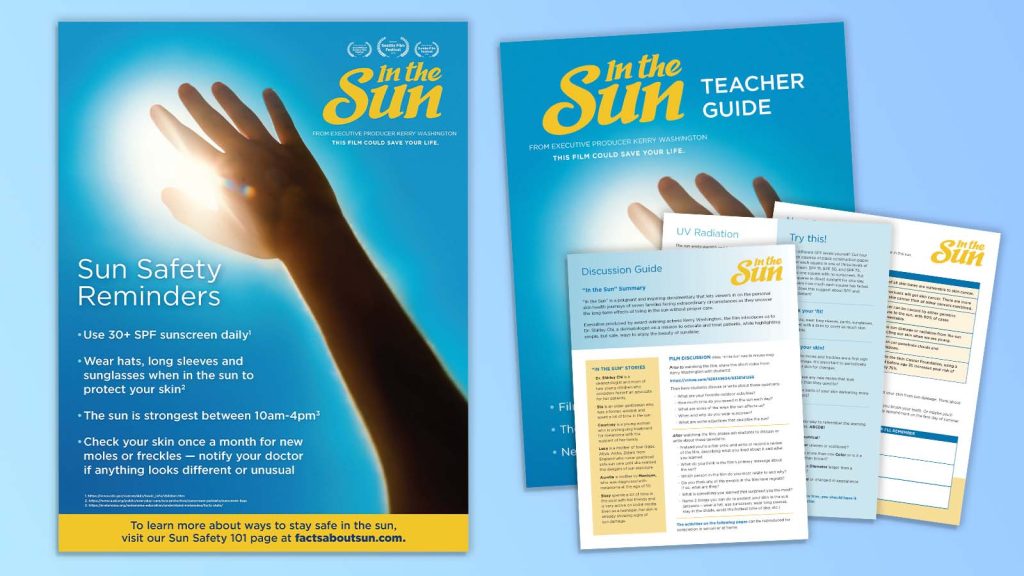
Free Digital Screening Kit for Sun Safety Film

Introduction:

As the world becomes more environmentally conscious, people are continuously seeking innovative ways to protect themselves and their homes from the sun’s potentially harmful rays. It is imperative to raise awareness about the effects of overexposure to the sun and its impact on our health. With this in mind, we introduce the Free Digital Screening Kit for Sun Safety Film – a game-changing solution for both residential and commercial applications.

The Importance of Sun Safety:

Overexposure to the sun can lead to numerous health issues, including premature aging of the skin, the formation of wrinkles, sunburns, and an increased risk of skin cancer. Long-term exposure can also contribute to eye damage like cataracts. Therefore, it’s crucial to take measures that limit unprotected sun exposure and protect your skin and eyes from harmful ultraviolet (UV) rays.

How Sun Safety Film Works:

Sun safety film is a thin, transparent layer applied to windows or other glass surfaces. Its primary purpose is to reduce the amount of solar radiation that can pass through the glass without compromising visibility. This technology offers multiple benefits such as reducing heat buildup, thereby lowering energy costs; protecting your skin and eyes from UV radiation; shielding your home furnishings from fading; and maintaining privacy.

The Free Digital Screening Kit:

In an effort to promote sun safety education and facilitate access to reliable protective methods, the Free Digital Screening Kit for Sun Safety Film has been developed. The kit comprises various components like informational guides on how sun safety film works, as well as details about its application process.

With this digital kit in hand, users will be guided through selecting films suitable for their needs, understanding installation techniques, affordable pricing options for both homeowners and business owners alike, and more.

Accessing & Using the Digital Screening Kit:

To access this user-friendly toolkit, simply download it from our website at no cost. You will receive in-depth information about sun safety film, including its benefits to and tips for successful installation. The kit serves as a comprehensive resource to guide you through the process of making an informed decision.

Furthermore, you can easily share this digital screening kit with family, friends, or colleagues by forwarding the download link to them. This way, you can help spread valuable knowledge and aid others in their quest for sun safety.

Conclusion:

The Free Digital Screening Kit for Sun Safety Film ensures that crucial information about sun protection is readily accessible. By opting for sun safety film installation and encouraging others, we can all contribute to a more conscious society and maintain a healthy living environment. So, don’t wait – get your free kit today and take the first step towards a more sun-safe lifestyle.

Send Positive Notes and Encouragement When You Print on Post-Its

Introduction:

We live in an incredibly fast-paced world full of countless distractions and responsibilities. Amid the chaos, it’s easy for people to overlook the importance of spreading positivity and encouragement to those around them. One simple, yet effective, way to bring a smile to someone’s face is by using the ever-so-handy Post-It notes. In this article, we will explore the benefits and impact of sending positive notes and encouragement through printed messages on these beloved adhesive paper squares.

The Benefits of Sending Positive Notes:

1. Boosts motivation and self-esteem: Receiving compliments and words of encouragement has been proven to boost self-esteem and overall motivation. Sharing uplifting messages can help people find that extra push they need to achieve their goals.

2. Promotes a sense of belonging: Leaving positive notes for colleagues, friends, or family members can create a sense of community where everyone feels welcome, accepted, and appreciated.

3. Reduces stress: Acts of kindness can lower stress levels for both the giver and receiver. Encouraging words on Post-It notes can serve as gentle reminders that someone cares about our well-being.

4. Increases happiness: Studies have shown that receiving compliments activates the same region in our brain as when we get material rewards. Sending positive notes can make someone feel rewarded without spending any money.

Getting Creative with Post-It Notes:

  1. Personalize notes by including names or specific details about the receiver’s qualities or achievement you want to appreciate.
  2. Use different colors and styles of Post-Its for various occasions or emotions you want to convey.
  3. Consider adding small drawings, emojis, or inspirational quotes to enhance your message further.
  4. Place your encouraging Post-It notes in locations where they’ll be easily noticed – on a computer monitor, mirror, refrigerator door, or even tucked inside a book.

How to Print Messages on Post-Its:

  1. Choose the appropriate printer settings and ensure your printer can accommodate the size of Post-It notes you’re planning to use.
  2. Design a template in a word processing or graphic design program, leaving spaces for your messages.
  3. Adhere your Post-It notes onto a blank sheet of paper within the template grid you’ve created.
  4. Load the sheet of paper with attached Post-Its into the printer’s input tray and ensure it’s aligned correctly.
  5. Print your messages onto the Post-It notes while carefully monitoring to avoid any jams or printing issues.

Conclusion:

In today’s world, people are yearning for genuine connections and communication. By sending positive notes and encouragement when you print on Post-Its, you not only brighten someone’s day but contribute to a kinder, more empathetic, and supportive environment. So start spreading love and happiness with your choice of words printed on these colorful little squares!

Our Favorite Teacher Pajamas for Pajama Day: A Cozy Celebration

Teachers, it’s time to embrace your inner child and get ready for one of the most fun-filled days of the school year – Pajama Day! You deserve a break too, and what better way to celebrate this fun day than by donning your favorite pair of jammies? In this article, we’ll take a look at some of our favorite teacher pajama options perfect for Pajama Day festivities.

1. Classic Plaid Flannel Pajamas

Nothing says relaxation quite like a soft, cozy pair of classic flannel pajamas. Available in various colors and patterns, these pajamas are perfect for teachers who love timeless style. The warm flannel material will keep you comfortable during chilly months, making it the ideal choice for your upcoming Pajama Day.

2. Onesies for the Win!

If you’re feeling playful and want to stand out, why not try a fun onesie? Choose from numerous designs – from animals and popular characters to seasonal themes. These one-piece wonders will keep you warm all day and add an entertaining element to the school day as students guess who or what you’re dressed as.

3. Personalized Pajama Sets

Show off your unique personality with personalized pajama sets tailored with your name or initials. Choose from various fonts and colors to match your style perfectly. These custom-designed pajamas are not only adorable but also create an intimate connection with the material, making them extra special for your Pajama Day celebration.

4. Literary-themed Loungewear

Calling all English teachers! Why not flaunt your love for literature with literary-themed loungewear? From shirts featuring quotes by famous authors to pajama pants printed with iconic book covers, there’s something for every bookworm to cherish.

5. School Spirit Sleepwear

Demonstrate your dedication and love for your school by wearing pajamas in school colors or featuring your school’s mascot. School spirit sleepwear is an excellent way to represent your workplace while enjoying the comfort and fun of Pajama Day.

Conclusion

Choosing the perfect pair of teacher pajamas for Pajama Day can greatly enhance your enjoyment of this special event. From classic flannel sets and onesies to personalized and themed options, there is something out there for every teacher to love. So, get ready to kick back, relax, and enjoy a day of comfort and style with your students!

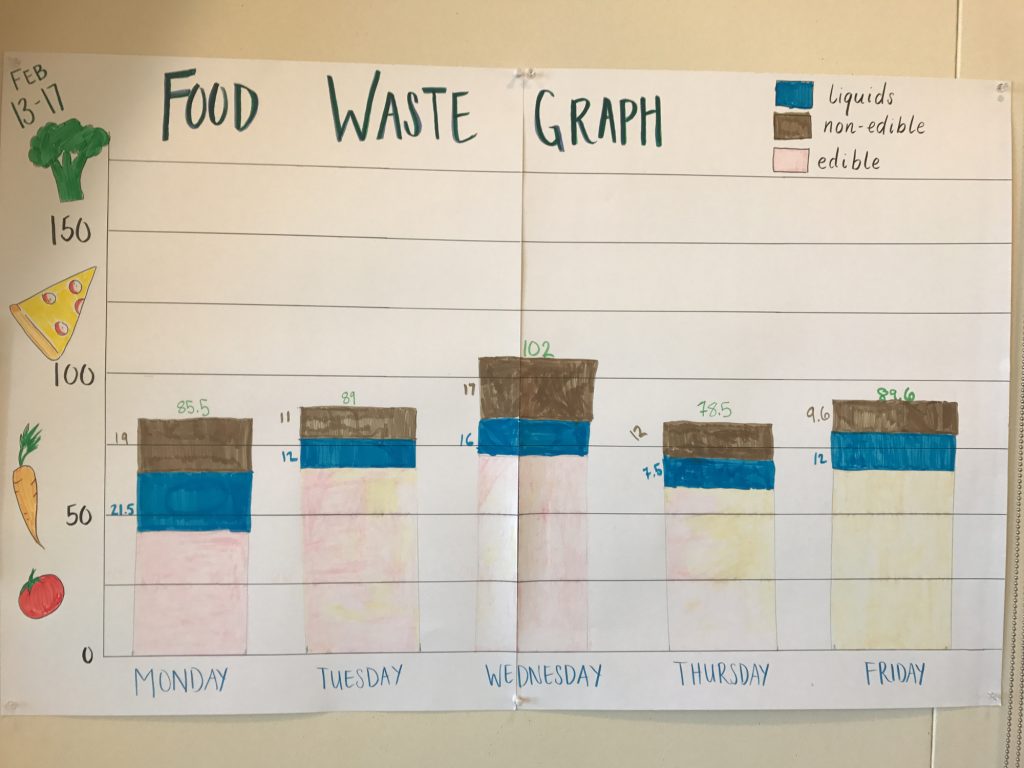
13 Tips for Bringing Cafeteria Recycling to Your School

Introducing recycling in your school’s cafeteria can have a significant impact on waste reduction and environmental sustainability. Here are 13 tips to help you successfully implement cafeteria recycling in your educational institution.

1. Raise Awareness: Begin by educating students, teachers, and staff about the importance of recycling and how it benefits the environment. Promote your initiative through posters, presentations, and videos.

2. Obtain Support from Administration: Getting approval and support from school administrators is crucial for the success of your recycling project. Present them with a well-prepared plan, including expected costs and benefits.

3. Plan Your Recycling Program: Determine what materials will be recycled (paper products, plastics, aluminum cans, etc.) and whether your school will implement single-stream or multi-stream recycling systems.

4. Evaluate Cafeteria Waste: Perform a waste audit in the cafeteria to understand the types and volumes of waste currently being generated.

5. Develop Clear Guidelines: Create straightforward rules for sorting recyclable items. Make sure these guidelines are accessible to all students, teachers, and staff members.

6. Involve Students: Encourage students to take an active role in the planning and implementation of the recycling program, which can foster a sense of ownership and responsibility.

7. Set Up Proper Recycling Bins: Place clearly labeled recycling bins throughout the cafeteria to make recycling easy and convenient for students and staff.

8. Opt for Reusable Items: Whenever possible, replace disposable plates, cups, and utensils with reusable alternatives to further reduce waste production.

9. Train Cafeteria Staff: Ensure that cafeteria workers fully understand how the recycling system works so they can guide students in sorting their waste correctly.

10. Monitor Progress: Regularly assess the success of your recycling program by tracking key performance indicators such as waste diversion rates and participation levels among students.

11. Celebrate Successes: Recognize individual students or classrooms that demonstrate outstanding recycling behavior with certificates or small rewards, and share their achievements to encourage others.

12. Adjust and Improve: Continuously evaluate the effectiveness of your recycling program and make adjustments as needed to improve its efficiency and adoption rate.

13. Be Persistent: Implementing a successful cafeteria recycling program takes time and persistence. Stay committed and maintain open communication with all stakeholders to ensure ongoing support for your initiative.

By implementing these 13 tips, your school can make a meaningful difference in reducing waste production, promoting sustainability, and fostering environmental stewardship among students, teachers, and staff alike.

8 Fun Activities to Celebrate the Release of the Movie Ferdinand

The much-awaited animated movie, Ferdinand, is finally here! This heartwarming film tells the story of a gentle bull who must find his way home after being separated from his family. To celebrate the release of this touching and entertaining movie, here are eight fun activities that you and your family can enjoy doing together.

1. Create Your Own Flower Crowns

Ferdinand loves flowers and even wears a flower crown at one point in the movie. Make your own flower crowns using colorful craft paper or real flowers. It’s a simple yet enjoyable activity that everyone can participate in.

2. Have A Picnic in a Flower-filled Park

Channel Ferdinand’s love for nature by organizing a picnic in a park with beautiful flowerbeds. Prepare sandwiches, fruit salad, and other easy-to-carry food items and enjoy your lunch surrounded by blooming flowers.

3. Watch a Bullfighting Documentary

Ferdinand’s story is set against the backdrop of bullfighting culture. To better understand this tradition, watch a documentary about bullfighting with your family to gain valuable insights into its history and significance.

4. Organize A Spanish-themed Dinner

Spain is known for its mouthwatering cuisine, so why not create a Spanish-themed dinner? Try making popular dishes like paella, tapas, or churros for dessert to bring Spanish flair into your celebration!

5. Learn About Different Types of Bulls

There are many breeds of bulls across the globe. Spend some time researching different types of bulls with your family to learn more about these strong yet gentle animals and their many unique characteristics.

6. Host A “Ferdinand” Trivia Night

Test your knowledge of Ferdinand’s story by organizing trivia questions based on the book or movie. This is not only a fun way to engage with the characters but also an opportunity to see who can remember the most details!

7. Visit a Local Animal Sanctuary

Ferdinand’s story is all about love, acceptance, and the importance of finding one’s true self. Visiting an animal sanctuary or a farm can help you experience this firsthand, as well as teach children about the beauty of nature and animal rescue efforts.

8. Create Your Own “Ferdinand” Character Art

Unleash your creativity and draw or paint your favorite scenes and characters from Ferdinand. This activity allows you to express your appreciation for the movie and its heart-melting characters while creating memorable keepsakes.

Celebrate the release of Ferdinand with these fun activities that perfectly capture the magic and wonder of this irresistible tale. By exploring different aspects of salsa music, hosting lively parties, visiting local neighborhoods, or diving into Cuban culture, there’s truly something for everyone to enjoy!

10 Mistakes Teachers Make When They Start a Tutoring Business

Starting a tutoring business is a promising and lucrative venture for many teachers. However, with the excitement of launching a new business, it can be easy to make common mistakes that could impact your success. Here are 10 mistakes teachers make when they start a tutoring business and tips to avoid them.

1. Not researching the market: Before jumping into any business, it is crucial to understand the market’s demand and competition. Market research will help you gauge the need for your service and determine your target audience.

2. Undervaluing their services: Many new business owners tend to undervalue their services, setting prices too low in an attempt to attract more clients. Understand your worth and charge your clients accordingly.

3. Not creating a clear business plan: A solid business plan is essential for any successful venture. It will serve as your roadmap and help you identify your goals, strategies, and necessary resources.

4. Not creating systems for organization: From scheduling to billing, there are several administrative tasks involved in running a tutoring business. Develop systems to keep track of paperwork, finances, and client information.

5. Overbooking themselves: New tutors might be tempted to take on too many clients initially. Balance your clients with high-quality teaching to provide better results and satisfaction.

6. Neglecting marketing: Just because you are great at teaching doesn’t guarantee that people will find you. Invest time in marketing your services through word of mouth, social media, professional networks, or even creating a website.

7. Lack of specialization: Instead of trying to teach multiple subjects or age groups, focus on areas where you have expertise and passion. This will allow you to provide higher-quality instruction and make you stand out from competitors.

8. Forgoing contracts or agreements: Establishing agreements or contracts with clients will protect both parties’ interests by covering expectations around payment terms, scheduling policies, and more.

9. Not investing in professional development: An excellent tutor constantly updates their teaching methods and skills. Attend conferences, enroll in courses, and join professional associations to enhance your knowledge and credibility.

10. Insufficient record-keeping: Keeping records of each session and maintaining notes on student progress is crucial not only for the effectiveness of future tutoring sessions but also to monitor your business performance.

Avoiding these common mistakes when starting a tutoring business will set the foundation for success. Always remember that while excellent teaching skills are essential, a successful business also involves market understanding, strategic planning, expert organization, and attentive marketing efforts.

Help Students Track Their Own Data and Goals With These Free Worksheets

Introduction

As educators, we understand the importance of encouraging students to take control of their own learning. One powerful way to help them achieve this is by guiding them to track their own data and goals. In this article, we will discuss a few free worksheets that can be implemented in the classroom to engage students in the process of goal-setting and monitoring their progress.

1. Goal Setting Worksheet

This simple yet effective worksheet helps students set realistic goals for themselves in various domains such as academics, extracurricular activities, and personal growth. Students write down the goals they want to achieve and list specific steps they need to undertake to reach those goals.

Download link: [Goal Setting Worksheet](insert-link-here)

2. Weekly Progress Tracker

The weekly progress tracker is a useful tool that enables students to reflect on their successes and challenges at the end of each week. It prompts them to consider the actions they have taken towards achieving their goals and encourages them to identify areas where improvement is necessary.

Download link: [Weekly Progress Tracker](insert-link-here)

3. Academic Performance Tracker

For students aiming to improve academically, this worksheet helps them keep track of their performance in each subject area throughout the semester or year. By noting down grades, test scores, and any notable achievements or setbacks, students can analyze trends in their performance and better understand strengths and weaknesses.

Download link: [Academic Performance Tracker](insert-link-here)

4. Habit Tracker

Developing good habits is crucial for personal growth and success, both inside and outside the classroom. This habit tracker worksheet enables students to choose up to five habits they want to work on each month and monitor their daily consistency in practicing those habits.

Download link: [Habit Tracker](insert-link-here)

5. Project Planner

Projects are an integral part of learning across subjects and grade levels. A project planner helps students break down their projects into smaller tasks and assign deadlines for completion. This worksheet promotes organization, time management, and self-directed learning in students.

Download link: [Project Planner](insert-link-here)

Conclusion

Helping students track their own data and goals can lead to increased ownership of their learning and greater self-awareness about their areas of strength and opportunities for growth. By introducing these free worksheets to your classroom, you empower students with practical knowledge and tools that will not only help them succeed academically but also become better equipped for future challenges.

This DIY Paint From Dried-Out Markers is Genius

Introduction:

Have you ever been frustrated by dried-out markers? Of course you have – we’ve all been there. But don’t throw them away just yet! Get ready for a game-changing solution: creating DIY paint out of dried-out markers. In this article, we’ll show you how to transform those seemingly useless markers into vibrant and eco-friendly paint.

Benefits:

1. Environmentally friendly: By recycling dried-out markers, you reduce waste and give them a second life.

2. Cost-effective: Save money on traditional paint by using resources you already have at home.

3. Creative outlet: Unlock your potential by experimenting with various colors and mixing your own shades.

Materials Needed:

– Dried-out markers

– Small containers or jars (for dividing your paint)

– Water

– A knife or pair of scissors

– Tweezers or pliers

– A strainer or cheesecloth

– Optional: small funnel

Step 1: Gather Your Supplies and Materials

Collect all the dried-out markers you have at home. Clear out some workspace where you can safely cut open the marker casings.

Step 2: Disassemble the Marker

Using a knife or pair of scissors, carefully cut open the casing of the marker and remove the inkwell – a long, thin, sponge-like reservoir that holds the ink. Be cautious not to puncture it accidentally as it may lead to ink spills.

Step 3: Extract the Ink

Hold the inkwell with tweezers or pliers over a container and squeeze out as much ink as possible into it. If needed, use a strainer or cheesecloth to separate any solid particles from the liquid.

Step 4: Add Water

Add water to your extracted ink in small increments until it reaches your desired consistency – more water for a thinner consistency, less water for a thicker paint. Mix well with a spoon, toothpick, or small brush.

Step 5: Transfer the Paint

If the opening of your container is too small, use a small funnel to pour the paint inside. Then, close the container tightly and store it away from direct sunlight to prevent color fading.

Step 6: Create More Colors

Repeat the process with different colored markers to create a variety of shades. Don’t be afraid to mix colors together to generate new and unique hues.

Final Thoughts:

Revamping your dried-out markers into DIY paint is not only genius but also an environmentally friendly and cost-effective way to continue fueling your creativity! Have fun experimenting with colors and rediscovering those markers you thought were long gone. Happy painting!

What Do People Google Most About Teachers? (Plus the REAL Answers!)

Introduction:

The teaching profession is one of the most important and admired professions in the world, as teachers hold the key to knowledge and wisdom. Out of curiosity, and sometimes out of genuine concern or need, people search online about teachers. In this article, we’ve compiled a list of some of the most common questions that people Google about teachers and provided accurate answers.

1. What do teachers make in a year?

One of the most googled questions about teachers is about their salary. The average teacher salary varies from state to state and country to country, but typically, it ranges from $40,000 to $60,000 a year in the United States. Keep in mind that this figure changes depending on factors like the teacher’s education level, years of experience, and specific school or district policies.

2. Why do teachers quit?

There are various reasons why teachers might quit their jobs. Some common reasons include low salary, lack of appreciation or respect, job-related stress, inadequate resources or facilities, and bureaucracy within school systems.

3. How can I become a teacher?

Becoming a teacher typically requires a bachelor’s degree in education or a related field followed by state-specific licensure or certification. Additional coursework may be necessary if you intend to teach specialized subjects like art or music. There are alternative routes available for those who have a bachelor’s degree in other fields as well.

4. Are there job opportunities for teachers?

Yes! Teaching remains one of the most in-demand professions globally. However, specific job opportunities vary depending on your area of expertise and location.

5. What qualities make a good teacher?

A good teacher should possess excellent communication skills, empathy towards students’ needs, classroom management abilities, flexibility and adaptability to change, knowledge of their subject area, commitment towards continuous professional development, and passion for inspiring student growth.

6. Why do teachers give homework?

Homework helps reinforce the concepts taught in class and provides opportunities for students to apply their understanding of a topic independently. It gives students the chance to develop essential academic skills like time management, self-discipline, and setting priorities.

7. How much time do teachers spend on lesson planning?

The time spent on lesson planning varies from teacher to teacher, with less experienced teachers usually spending more time on planning. It is estimated that a teacher spends approximately 1-2 hours per day on lesson planning, sometimes even more.

Conclusion:

This article has shed light on some of the most frequently googled questions about teachers. Teachers are crucial to our society; they inspire generations of young minds while often working under challenging circumstances. By understanding more about their profession and the challenges they face, we can forge a deeper appreciation for their invaluable work in shaping our world.