EdTech & Innovation

Help! I Hate Sharing My Lesson Plans!

Introduction

Teaching can be a demanding and time-consuming profession, with planning lessons often being an important yet laborious aspect. Many educators put great effort into designing engaging, creative and well-thought-out lesson plans, which can make sharing them with colleagues a daunting proposition. In this article, we’ll explore the reasons behind the reluctance to share lesson plans, the benefits of doing so, and ways to overcome this common issue.

Why We Hate Sharing Our Lesson Plans

1. Fear of criticism: Educators may fear that their lesson plans will not be well-received or that their hard work will be criticized by their peers. This can cause anxiety and create hesitation in sharing their ideas.

2. Sense of ownership: Teachers often invest significant amounts of personal time and effort into creating unique lesson plans tailored to their students’ needs. Sharing them can sometimes feel like giving away a part of themselves or surrendering their intellectual property.

3. Competitive environment: Some schools foster a competitive atmosphere rather than a collaborative one. Teachers may feel that sharing their lesson plans would give other educators an unfair advantage or lessen their own value as professionals.

The Benefits of Sharing Lesson Plans

1. Improved teaching quality: When teachers share lesson plans, they expose themselves to new ideas, strategies, and approaches, thereby improving the overall quality of teaching within a school.

2. Time-saving: Sharing lesson plans means other teachers can build upon your work rather than having to start from scratch every time they plan a new unit or activity. This leads to better use of time for all educators involved.

3. Collaboration benefits everyone: By working together and sharing resources, teachers become a supportive community that encourages learning and growth among fellow educators.

4. Student success: Sharing best practices helps ensure that students receive the most effective education possible, leading to increased success both academically and personally.

Tips for Overcoming the Reluctance to Share Lesson Plans

1. Be open-minded: Understand the benefits of sharing lesson plans and be receptive to new ideas or constructive feedback from colleagues.

2. Start small: Consider sharing a single lesson or activity with a trusted colleague to ease your way into the process.

3. Use shared platforms: Utilize online platforms such as Google Drive, Dropbox, or specialized teacher-sharing websites to create a more comfortable environment for sharing resources.

4. Maintain a sense of ownership: Establish boundaries for how your lesson plans can be used by others, such as requiring attribution or requesting that they not be directly copied and presented as someone else’s work.

5. Cultivate collaboration: Foster open lines of communication with colleagues and promote the value of teamwork and collaboration within your teaching community.

Conclusion

Sharing lesson plans can be an intimidating experience, but understanding the reasons behind this reluctance and exploring strategies for overcoming your fears can make it a transformative process for both you and your fellow educators. By sharing and collaborating, we can all contribute to more engaging and effective educational experiences for our students.

6 Ways to Use Bluelight Specials to Spark Innovation

In this fast-paced and competitive world, sparking innovation has become a crucial aspect for businesses and individuals alike. One unique avenue for inspiration is the concept of Bluelight Specials. Originally implemented by the discount retail chain Kmart, Bluelight Specials were a limited-time, in-store offer for customers to access and purchase marked-down items. By adopting this marketing strategy, businesses can successfully ignite creativity while driving growth. Read on to explore six ways to use Bluelight Specials to spark innovation.

1. Unexpected Promotions

Just like the original Bluelight Specials at Kmart, create a sense of urgency by offering unexpected promotions on various products or services. This can lead to innovative thinking as you work on discovering new strategies to generate excitement among customers and encourage impulse purchases.

2. Cross-Functional Collaboration

Take advantage of the temporary nature of Bluelight Specials by forming cross-functional teams that will develop ideas together for a limited time. These diverse teams will bring fresh perspectives as they collaborate, exchange ideas, and tackle challenges head-on.

3. Time Constraints

Set strict deadlines for innovation projects as part of your Bluelight initiatives. This can fuel creative thinking under pressure, leading your team to develop unconventional solutions that surpass expectations.

4. Gamification

Incorporate gamification into your promotional events by hosting contests or rewarding top-performing employees based on their innovative ideas during limited-time promotions. This adds a fun and engaging element to your business culture while motivating team members to embrace creativity.

5. Limited-Edition Products

Launch exclusive or limited-edition products and services as part of your Bluelight Special campaign. This not only generates buzz around your brand but also encourages your team to think outside the box when creating new offerings that cater to varying customer preferences.

6. Adapt & Iterate

Monitor the effectiveness of each Bluelight Special you implement and use the insights gained to improve your approach. Constantly adapting to customer feedback will enable your team to identify successful strategies and iterate upon them for future promotions.

In conclusion, Bluelight Specials can be a powerful catalyst for innovation when combined with creative promotional strategies, cross-functional collaboration, and time constraints. By leveraging these techniques, you can encourage a culture of innovation within your organization that drives growth and creates lasting success.

7 Ways to Engage Students With bulb

Introduction:

One of the most significant challenges for educators is keeping students engaged and excited about learning. One effective tool to achieve this is bulb, a digital portfolio platform that allows teachers, students, and schools to build engaging learning experiences both in and outside the classroom. In this article, we will explore seven ways to engage students with bulb.

1. Encourage Creativity:

Using bulb, students can express their creativity by designing unique portfolios that showcase their learning journey. Encourage learners to experiment with different layouts, visual elements, and styles that reflect their interests and personality.

2. Promote Collaboration:

With bulb’s collaboration features, students can work together on group projects or share feedback on each other’s work. This collaborative environment fosters a sense of teamwork and shared responsibility among learners as they engage in peer-to-peer learning.

3. Incorporate Multimedia Content:

Incorporate multimedia elements such as images, videos, audio files, and interactive content to make learning experiences more dynamic and engaging. These components not only support various learning styles but also pique the interest of students as they navigate through content.

4. Facilitate Reflection and Metacognition:

bulb’s digital portfolio structure provides an excellent opportunity for students to reflect on their learning, enabling them to develop metacognitive skills. Encourage students to add reflections to their portfolios and discuss these insights during one-on-one conferences or class discussions.

5. Individualize Learning Experiences:

Personalize each student’s educational experience by assigning unique projects or tasks that cater to individual interests and strengths, using bulb’s platform to provide tailored feedback on submissions.

6. Showcase Student Work:

Regularly showcase the exceptional work of your students by sharing their digital portfolios with parents or the school community. Not only does this inform others about what’s happening in your classroom but also fosters a sense of pride among learners for their accomplishments.

7. Collect and Track Progress Over Time:

One of the key strengths of digital portfolios is the ability to collect and track student progress over time. Use bulb to manage and monitor student work throughout the semester, identifying trends in performance and areas for improvement.

Conclusion:

By incorporating bulb’s versatile features into your teaching practices, you can create engaging learning experiences that keep students motivated and actively involved in their own growth. Encourage creativity, collaboration, and reflection while leveraging the power of multimedia content and personalized learning approaches to make the most of this powerful digital portfolio platform.

15 Apps That Will Make Math Your Students’ Favorite Subject!

Introduction:

Mathematics can often be seen as a challenging and intimidating subject for many students. However, with the integration of technology in education, various apps are now available to boost your students’ engagement and make math their favorite subject. Here are 15 apps to help your students excel in mathematics:

1. Photomath: Photomath allows students to scan printed or handwritten math problems using their device’s camera and get instant step-by-step solutions. It also provides them with detailed explanations to understand the concepts better.

2. DragonBox Algebra: A game-like app that helps students learn algebra while having fun. DragonBox Algebra covers concepts such as addition, division, multiplication and simplification.

3. Prodigy: Prodigy is an engaging, curriculum-aligned math platform where students can practice math skills through adaptive, game-based activities.

4. Khan Academy: Khan Academy offers comprehensive instructional videos and practice exercises on multiple subjects, including math topics from basic arithmetic to calculus.

5. GeoGebra: GeoGebra pairs interactive geometry, algebra, calculus, and statistics tools with an active user community for students to explore mathematical concepts visually.

6. Mathspace: Mathspace is a versatile app that allows students to work on customizable math problems aligned with their curriculum while receiving step-by-step feedback.

7. MathPapa: MathPapa provides students with instant algebra solutions and explanations through its comprehensive algebra calculator.

8. Brainly: Brainly is a collaborative learning platform where millions of users help each other with homework problems on various subjects – including math.

9. Duolingo Math: Duolingo Math offers personalized learning experiences that adapt to individual student needs while covering essential math standards.

10. Socratic by Google: Socratic helps students find answers to their questions using AI technology – explaining complex math problems along with providing examples and related resources.

11. Mathletics: Mathletics is an award-winning online platform providing immersive math activities, challenges, and adaptive learning resources tailored to each student’s level.

12. Wabbitemu: Wabbitemu is a graphing calculator emulator app that allows students to perform various calculations and visualize graphs on their devices.

13. Math Games: With over 100 interactive games across several math topics, Math Games helps students practice various skills in a fun and engaging manner.

14. Number Line: Number Line is an app intended for younger students learning arithmetic and offers interactive number lines to solve problems involving addition, subtraction, and multiplication.

15. Cymath: Cymath helps users solve math problems ranging from basic arithmetic to calculus – providing comprehensive solutions with step-by-step explanations.

Conclusion:

Integrating these math apps into your teaching arsenal can make mathematics more approachable, engaging, and enjoyable for your students. By utilizing technology in the learning process, you can pique their interest in math and set them on the path to success.

Win a Digital Library That Comes With All the Extras

Introduction:

Imagine having access to a vast collection of ebooks, audiobooks, and other digital materials at your fingertips, all while enjoying exclusive features and perks. This dream can become a reality with the exciting opportunity to win a digital library that includes all the extras you’ve always dreamed of. Join us as we dive into the world of digital libraries, exploring their benefits and giving you an insight into how you can win one for yourself.

Benefits of a Digital Library:

1. Accessibility: With a digital library, you can access your favorite books from anywhere in the world using your computer, smartphone, or tablet. No more carrying heavy books around or worrying about finding space for your ever-growing collection.

2. Searchability: Advanced search functions allow you to locate specific titles or authors instantly. You can also explore similar genres, subjects, or book series with ease.

3. Customization: You can tailor your reading experience by adjusting font styles and sizes, background colors, or even adding bookmarks and highlights.

4. Immersive Experience: The all-inclusive digital library comes with additional features like audiobooks and interactive eBooks that bring stories to life with animated visuals and sound effects.

5. Eco-Friendly: Opting for a digital library significantly reduces paper usage and waste in landfills, making it an environmentally friendly choice for avid readers.

How to Win Your Own Digital Library with Extras:

Participating in this exciting competition involves completing simple tasks that will ultimately put you in the running to win a fully-loaded digital library. Here’s how to enter:

1. Register: Start by signing up on our website using your email address to receive contest updates and instructions.

2. Complete Tasks: Complete various engaging tasks such as reviewing books, referring friends to join the contest, or sharing designated posts on social media platforms.

3. Earn Points: The more tasks you complete, the more points you accrue. These points will boost your chances of winning.

4. Keep an Eye on Your Inbox: Stay up to date with contest information and look out for your name in the draw announcements.

5. Win Big: With a little luck and some hard work, you may soon find yourself with a fantastic digital library containing all the extras that make reading enjoyable and engaging.

Conclusion:

Winning a digital library complete with all the sought-after extras can revolutionize the way you read, giving you access to the world’s knowledge at the touch of a button. Don’t miss your chance to participate in this exciting opportunity that merges convenience and entertainment into one seamless experience. Register today, begin earning points, and one day, you might just be celebrating as the proud winner of a top-notch digital library!

Win a Set of Tech Accessories for Every Student in Your Class

Introduction:

A classroom full of innovative technology tools is a dream for every teacher and student. Tech accessories not only make learning more engaging, but they also pave the way for a future-ready generation. Imagine how thrilled your students would be if they had access to the latest tech gadgets! Well, now here’s your chance to win a set of tech accessories for every student in your class. Read on to find out how.

Winning Tech Accessories for Your Classroom:

As a teacher, you always strive to provide the best resources, experiences, and opportunities for your students. Sometimes, however, it can be challenging to keep up with the rapidly evolving and ever-expanding world of technology. That’s why this incredible competition offers you the chance to upgrade your classroom with essential tech accessories.

Entering the contest is easy – all you need to do is participate! The rules are simple: write a small report on how these state-of-the-art tech accessories would benefit your students and improve their learning experiences.

Tech Accessories You Can Win:

Winning this competition will equip each of your students with fantastic tech accessories that promote creativity, critical thinking, collaboration, and problem-solving skills. Some of these prizes include:

1. Wireless Headphones: Audio is an integral part of digital learning. High-quality headphones would allow students to participate in immersive online learning experiences without causing noise disruptions.

2. Smart Keyboards: These innovative keyboards should make typing easier and more comfortable for students as they complete various tasks using computers or tablets.

3. Portable Power Banks: Keep devices charged and ready to go during field trips or long class hours with portable power banks that ensure no student will run out of battery power.

4. Adjustable Laptop Stands: Good posture is crucial while working on laptops or tablets; adjustable stands can help alleviate strain on students’ necks and backs by creating an ergonomic setup.

5. Styluses: Touchscreen devices have become a staple in modern classrooms. High-quality styluses will help students work more accurately and efficiently on their devices, especially when performing creative tasks such as drawing or writing.

Submitting Your Entry:

Now that you’re excited about what you can win for your classroom, it’s time to submit your entry! Write a brief report (500 words or fewer) on how these tech accessories would benefit your students and enhance their learning experience. Explain how these tools would resolve challenges faced by your students in today’s digital age. Be prepared to showcase specific examples, and don’t forget to bring out your creativity!

Deadline for submission is [insert date].

Final Words:

With this once-in-a-lifetime opportunity, you could transform your classroom into a haven for next-generation thinkers, creators, and leaders. So, don’t waste another moment – get your creative juices flowing and submit that winning report for a chance to upgrade your teaching experience with these fantastic tech accessories.

10 Signs You Teach in the South

1. Sweet Tea in the Teachers’ Lounge: It’s not surprising to find sweet tea as a staple beverage option in the teachers’ lounge. In the South, sweet tea is practically its own food group and a classic refreshment for those hot days.

2. Southern Drawl: You’re likely to experience a linguistic phenomenon known as the Southern Drawl among your students and colleagues. The elongated vowels and relaxed speech patterns are distinctive traits of Southern conversation.

3. Football Fridays: Fridays are sacred during football season in the South. Students and teachers alike dress up in their team colors and show off their school pride while eagerly anticipating the big game.

4. Outdoor Classrooms: With its warm climate, it’s not uncommon for teachers in the South to take their classes outside. Whether it’s reading beneath a shady tree or teaching a lesson in an outdoor amphitheater, learning moves outdoors whenever possible.

5. Potluck Dinners: Your school functions might be just as well known for their food as they are for their activities. Potluck dinners bring out delicious Southern dishes like fried chicken, cornbread, and collard greens, making every event a delectable gathering.

6. Manners Matter: You’ll quickly notice how important manners are in the South. From ‘sir’ and ‘ma’am’ to holding doors open and being polite, there’s a heavy emphasis on teaching respect and courtesy to both youngsters and adults.

7. Critters on Campus: Expect to find more than just students attending your school – various creatures like lizards, frogs, turtles, and sometimes even snakes may make an appearance on campus.

8. The Heat: One of the primary challenges in Southern schools is combating high temperatures on sweltering summer days without central air conditioning. Teachers may rely on open windows, fans, or strategically placed coolers to help students stay focused during these hot days.

9. Community Involvement: You’ll quickly become a part of the community as a teacher in the South. Parents and local businesses offer support in many ways, be it volunteering their time or donating supplies to ensure the success of their neighborhood school.

10. Outdoor Adventures: Teachers in the South have unique opportunities to teach students about different ecosystems and environments through field trips and outdoor explorations. From marshlands and beaches to forests and farms, there’s no shortage of engaging environments to enrich learning experiences.

If you recognize some or all of these signs, congratulations – you’re definitely teaching in the South! Embrace the region’s charm as it offers you the chance to impact the lives of your students in ways that are both unique and rewarding.

Boosting Education with The #ClassroomTechGoals Giveaway

Introduction:

The era of technology has made significant advancements, and its integration into our education system has transformed the way we educate our students. To further encourage innovation in classroom technology, we are proud to announce The #ClassroomTechGoals Giveaway! This exciting initiative aims to empower teachers and schools by providing them with essential technology tools to better shape the future of education.

About the #ClassroomTechGoals Giveaway:

The #ClassroomTechGoals Giveaway is a collaborative effort between leading educational technology companies focused on improving teaching and learning experiences. This giveaway provides an opportunity for teachers and schools to win valuable resources and tools needed for today’s increasingly tech-savvy classrooms.

How to participate:

To participate in The #ClassroomTechGoals Giveaway, follow these simple steps:

1. Share your classroom technology goals: Tell us how you envision integrating modern technology into your classroom or school. What challenges do you wish to overcome? How do you hope to enhance student learning?

2. Post on social media using the hashtag #ClassroomTechGoals: Share your goals on any major social media platform (Twitter, Instagram, Facebook, etc.) Don’t forget to use the hashtag so we can find your entry!

3. Fill out the entry form: Visit our website and complete the entry form with essential details like your name, contact information, and a brief description of your technology goals.

Submit your entries before the deadline for a chance to win the latest educational tools and resources designed to enhance student learning.

Prizes up for grabs:

The #ClassroomTechGoals Giveaway offers several amazing prizes that will significantly contribute towards achieving your technology-driven educational objectives. These include:

1. Advanced interactive whiteboards

2. Virtual Reality headsets and equipment

3. High-speed internet solutions

4. Cutting-edge classroom management software

5. State-of-the-art laptops and tablets

6. Innovative STEM products

7. Online subscriptions to educational resources and platforms

Winners will be selected based on the innovation, impact, and feasibility of their technology goals. The grand prize winner will receive a comprehensive classroom makeover, equipped with the latest technology tools to foster a modern learning environment.

Conclusion:

The #ClassroomTechGoals Giveaway is an incredible opportunity for teachers and schools to revolutionize their classrooms and adapt to the ever-changing technological landscape. By equipping educators with the necessary resources, we can nurture future generations of creative thinkers capable of solving complex problems and emerging as leaders in their respective fields. Submit your goals today and get ready to redefine education with The #ClassroomTechGoals Giveaway!

QUIZ: Which European Country Should You Visit?

Introduction:

Are you dreaming of a European vacation but unsure which country will perfectly fulfill your travel desires? Fear not, our fun and insightful quiz is here to help! Answer the following questions to pinpoint your dream European destination and start planning the trip of a lifetime.

Question 1: What type of cuisine do you enjoy the most?

a) Seafood and Mediterranean flavors

b) Hearty meals with flavorful meats

c) Pastries, chocolates, and waffles

d) Fresh and simple dishes with organic ingredients

Question 2: Which historical era fascinates you the most?

a) Ancient civilizations

b) Medieval times

c) The Renaissance period

d) World Wars era

Question 3: What’s your favorite way to explore a city?

a) By boat, coasting along canals and rivers

b) Walking through winding cobblestone streets

c) Biking around parks and historical landmarks

d) Taking public transport to visit eclectic neighborhoods

Question 4: Which landscape are you most drawn to?

a) Gorgeous beaches with crystal-clear water

b) Snow-capped mountains and lush valleys

c) Vibrant urban areas with historic buildings

d) Serene countryside dotted with quaint villages

Question 5: What activity excites you the most on vacation?

a) Touring ancient ruins and archaeological sites

b) Attending lively festivals or carnivals

c) Visiting world-class museums and art galleries

d) Wine tasting while admiring scenic views

Results:

Mostly A’s – Greece:

Bask in the sun, explore ancient ruins, or indulge in fresh seafood while you experience all that Greece has to offer. With its beautiful coastlines, legendary history, and exceptional cuisine, Greece is calling your name!

Mostly B’s – Germany:

From magical castles nestled in the mountains to lively traditional festivals, Germany will captivate your heart and soul. Explore historical cities by foot and have a warm meal at a cozy beer hall surrounded by Germany’s rich culture.

Mostly C’s – Belgium:

For lovers of history, culture, and delectable food, Belgium is the right choice. Discover medieval architecture, world-class museums, and treat yourself to heavenly chocolates, waffles, or fries in this charming land.

Mostly D’s – France:

The picturesque countryside of France awaits you. With its elegant cuisine, artistic heritage and stunning landscapes, France offers a wide range of experiences that cater to every kind of traveler. Indulge in wine tours, visit impressionist galleries or enjoy an intimate moment at a quaint bistro in Paris.

Now that you’ve discovered your dream European destination, it’s time to start planning and packing your bags! Bon voyage!

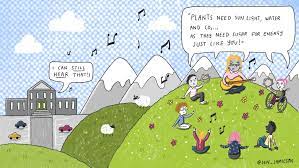
Help! My Principal Banned Singing in the Classroom

Introduction

Educators have long recognized the many benefits that singing can bring to the learning environment of a classroom. From improving language skills and memory retention to developing team spirit and creativity, singing has always been a powerful tool in teaching. However, due to various reasons, some school authorities are taking steps to restrict or eliminate singing from the classroom. What happens when such a situation arises? How can we, as educators and concerned individuals, address this issue?

The Ban and Its Implications

In an unexpected turn of events, Principal Johnson announced a ban on singing in the classrooms at Elmwood Elementary School. Teachers and students were dismayed and protested the decision, arguing that it was depriving them of an essential educational tool. Let’s explore some of the reasons behind such bans, along with their potential consequences.

Reasons Behind the Ban

1. Noise regulations: In some cases, local noise regulations may require schools to limit or ban certain activities that generate high levels of sound, particularly if they are disruptive to neighboring residents or other classrooms.

2. Health concerns: Amidst global pandemics like COVID-19, health experts suggested that singing could increase the risk of respiratory infections. This has led some administrators to enforce blanket bans on singing activities.

3. Educational priorities: Some school administrators may believe that focusing solely on core academic subjects is more crucial than incorporating arts and music into their curriculum.

The Consequences of Banning Singing

It’s important to recognize that banning singing from classrooms can have several negative consequences:

1. Loss of holistic education: Singing helps children develop a range of skills beyond academics – emotional intelligence, personal confidence, social interaction abilities, etc. Banning this activity may hamper their overall development.

2. Diminished motivation: Engaging students through song can be an excellent way to make learning fun, motivating, and captivating. Removing this element may reduce the interest in academic subjects.

3. A threat to cultural preservation: Singing can act as a vital tool for teaching children about cultural heritage and preserving traditional songs or techniques. Banning singing might result in cultural loss.

Addressing the Issue

When faced with a ban on singing, educators should consider the following:

1. Understand the rationale: Speak to the administration to better understand their concerns behind implementing such a ban and try to find common ground of mutual agreement.

2. Propose alternatives: If singing has been banned due to health concerns or noise issues, offer alternative solutions such as having soft singing sessions with a smaller group or using sign language in place of vocal expressions.

3. Advocate for importance: Emphasize the benefits of singing for students’ overall growth, and encourage discussions on how music contributes significantly to their development.

4. Seek parent support: Garner the support of parents and encourage them to discuss with administrators why they believe singing should be allowed in their child’s education.

5. Leverage technology: Consider implementing virtual choir sessions or using music software if physical singing is not an option due to legitimate concerns.

Conclusion

Singing has long been viewed as an essential part of education that transcends mere academics and aids in the comprehensive development of young minds. While it’s essential to address any genuine concerns related to health, noise regulations, or education priorities, it’s crucial not to let such bans deprive children of a well-rounded educational experience. By understanding the administration’s point of view, proposing alternatives, advocating for the importance of singing, and seeking support from parents and technology, we can work towards ensuring that future generations are nurtured through song in classrooms worldwide.