EdTech & Innovation

Get Ready For An Unforgettable Summer: 16 Awesome Activities For High Schoolers

Summer is finally here, and high school students are looking forward to making the most of their break. It’s a time for exploration, adventure, and learning beyond the classroom. Here are 16 awesome activities for high schoolers to ensure an unforgettable summer.

1. Community Service: Give back to your community by volunteering at local non-profits, shelters, or environmental organizations. Not only will you make a positive impact on those around you, but you’ll also gain valuable skills and experiences.

2. Internship: Pursue an internship opportunity in your field of interest. You’ll gain real-world work experience and expand your professional network.

3. College Prep Programs: Brush up on your college readiness by attending workshops or courses focused on topics such as writing essays, study skills, SAT/ACT preparation, and career planning.

4. Language Courses: Learn a new language or improve your existing language skills through local classes or online resources.

5. Art & Music Workshops: Join summer workshops that focus on enhancing your artistic or musical abilities – from painting and pottery to playing an instrument or songwriting.

6. Science & Technology Camps: Attend camps that help you explore areas like coding, robotics, astronomy, or other STEM-related fields.

7. Sports Activities: Stay active and healthy by joining sports clubs or participating in intramural leagues with friends.

8. DIY Projects: Channel your inner creativity by taking on fun DIY projects like woodworking, sewing, cooking/baking, or photography.

9. Travel Abroad Programs: Expand your horizons by joining a travel abroad program for high schoolers to explore new cultures and lifestyles while learning about international issues.

10. Outdoor Adventures: Spend time in nature with activities like hiking, camping, rock climbing, or white-water rafting,

11. Job Shadowing: Explore potential career paths by job shadowing professionals in your desired field and learn about their daily tasks, responsibilities, and skills needed.

12. Reading Challenge: Set a goal to read a specified number of books, form a book club with friends, or participate in local library events.

13. Fitness Challenges: Participate in fun fitness challenges like 5K runs, dance classes, or yoga sessions to stay healthy and active during summer.

14. Cultural Festivals: Attend local cultural festivals to learn more about your community’s diverse traditions and heritage while enjoying food, music, and entertainment.

15. Film & Theater Performances: Support the arts by attending local film festivals or live theater productions in your area.

16. Networking Events: Attend career fairs or networking events where you can make connections with professionals in various fields and learn about different career paths.

This summer is yours to create lasting memories and explore new possibilities. High schoolers have an abundance of opportunities at their fingertips – so don’t let this precious time slip away. Jump into these activities and make the most of your summer break!


7 Amazing Back-To-School Printers For College Students

As the new academic year begins, college students are often faced with the challenge of selecting the perfect printer to meet their needs. From handling lengthy assignments to producing high-quality graphics, there are a wide range of printers available on the market today. To help make your decision easier, we have compiled a list of 7 amazing back-to-school printers for college students.

1. HP ENVY 6055

The HP ENVY 6055 is an all-in-one inkjet printer that offers wireless connectivity and mobile printing capabilities. Equipped with dual-sided printing and compatibility with HP Instant Ink, this printer makes it easy for students to save on ink costs while producing high-quality prints.

2. Canon PIXMA TR4520

The Canon PIXMA TR4520 is an affordable all-in-one inkjet option, offering wireless and mobile printing capabilities, as well as compatibility with Amazon Alexa for voice-activated touch-free printing. With its compact design, this printer is ideal for small dorm rooms or shared living spaces.

3. Epson EcoTank ET-3760

This all-in-one inkjet printer features an innovative cartridge-free design that allows users to refill the ink tanks rather than replace cartridges. The Epson EcoTank ET-3760 offers wireless connectivity and boasts fast print speeds, making it perfect for college students in need of a reliable and cost-efficient printer.

4. Brother HL-L2350DW Compact Laser Printer

For those who prefer a monochrome laser printer, the Brother HL-L2350DW is an excellent choice. With its compact size and wireless connectivity, this efficient printer delivers fast print speeds at an affordable price point.

5. HP OfficeJet 250 Mobile All-in-One Printer

Need a compact and portable solution? The HP OfficeJet 250 Mobile All-in-One Printer allows you to print, copy, and scan documents on-the-go. With wireless connectivity and a long-lasting battery, this printer is ideal for college students who need to print assignments quickly, regardless of their location.

6. Canon PIXMA G4210 MegaTank

The Canon PIXMA G4210 MegaTank is an all-in-one printer designed for high-volume printing. Equipped with refillable ink tanks that can last thousands of pages before needing a refill, the G4210 offers crisp and clear color prints. Additionally, it supports wireless connectivity for seamless printing from a variety of devices.

7. Xerox B215 Monochrome Multifunction Printer

For those in need of a durable and reliable option, the Xerox B215 Monochrome Multifunction Printer is the perfect choice. This laser printer offers built-in Wi-Fi connectivity for easy printing from mobile devices and features a user-friendly touch screen display for hassle-free operation.

In conclusion, these 7 amazing printers offer college students versatile and cost-effective options tailored to their needs. From compact designs to high-volume ink tanks, these back-to-school printers are sure to make your academic year a breeze.

Education Articles

Education is the foundation upon which our society is built; it shapes our understanding, worldviews, and our abilities to adapt to the constantly changing world. Education articles play a crucial role in this process by providing insights, research, and real-life experiences that inspire us to learn more about ourselves and those around us. This article delves into the importance of education articles and their impact on society.

Education articles cover a broad range of topics, from methods and strategies for teaching and learning to new developments in education technology. They also offer perspectives on educational policies, psychological theories, and cultural differences that influence how we learn.

One key function of education articles is to facilitate knowledge sharing. Educators and researchers from all over the world publish their findings in these articles so that others can benefit from their experiences, observations, and ideas. These connections create an international community that fosters growth in both individual educators and the field of education as a whole.

Aside from promoting professional development among educators, education articles serve as sources of inspiration for learners. They provide valuable tips and ideas on how individuals can improve their study habits or master new skills. By sharing relatable stories of personal growth or challenges overcome by others in similar situations, these articles empower readers with motivation and confidence to achieve their own goals.

Education articles are also essential for cultivating critical thinking skills among readers. By exploring complex issues that face our educational systems and societies globally, they encourage readers to examine various viewpoints thoroughly, analyze evidence objectively, and reach informed conclusions. This promotion of analytical skills not only enhances our educational experiences but also enables us to more effectively address pressing issues affecting our world.

An often-underestimated function of education articles is their ability to shape public policy. Through their dissemination of cutting-edge research, sound methodologies, and innovative ideas, these articles can contribute significantly to inform policymakers’ decisions about education reform efforts. This influence has the potential to transform the future of education for entire generations and, as a result, promote positive societal change.

In conclusion, education articles play a vital role in expanding our knowledge, enhancing critical thinking skills, and inspiring us to grow as individuals. They foster collaboration among the global educational community, showcase innovative ideas that can improve our teaching and learning practices, and contribute to informed policymaking that promotes prosperous societies. Regardless of our roles – whether educators, learners, researchers, or policymakers – education articles enable us to keep abreast of new developments in education and work together to create a brighter future for all.

Protecting Children Update

Introduction

Protecting children has always been a crucial responsibility for parents, guardians, and society as a whole. As the world continues to evolve, it is vital that we understand and adapt to new challenges our children face in this modern era. This article will provide an update on protecting children in today’s society, encompassing digital safety, mental health, and physical security.

Digital Safety

In the age of the internet and technology, educating our children about online safety is critical. Some key points to consider when discussing digital safety with your children include:

1. Social Media: Educate your child about privacy settings on social media platforms, emphasizing the importance of only sharing information with those they trust.

2. Cyberbullying: Teach your children how to recognize cyberbullying, report it to appropriate authorities, and how to deal with hurtful comments online.

3. Online Predators: Discuss the dangers of chatting with strangers online and the importance of never sharing personal information or making arrangements to meet someone they’ve only encountered on the internet.

4. Screen Time: Encourage healthy boundaries with technology by setting limits on screen time and promoting regular breaks from devices.

Mental Health

As awareness about mental health issues increases, parents must be mindful of potential signs that their child may need help. This may include:

1. Mood Changes: Sudden changes in mood or behavior could signal stress or mental health concerns.

2. Social Isolation: If your child starts to withdraw from friends and social activities, monitor them for any additional signs or symptoms of emotional difficulties.

3. School Performance: A decline in academic performance could indicate a struggle with mental well-being.

4. Communication: Maintain open lines of communication with your child and listen without judgment if they express feelings of sadness, anxiety, or other emotional concerns.

Physical Security

Ensuring that your child remains safe in their physical surroundings is an ongoing responsibility that encompasses various aspects, such as:

1. Safe Environment: Provide a hazard-free home environment and closely supervise any actions that could pose a risk to your child’s safety.

2. School Safety: Stay up-to-date on your child’s school protocols regarding bullying and emergency situations. Encourage open dialogue with school staff about any concerns you have for your child’s well-being.

3. Childcare Providers: Thoroughly vet any babysitters, nannies, and daycare facilities to ensure they are reputable, licensed, and align with your values and expectations.

4. Stranger Danger: Teach your children about the importance of not talking to strangers or accepting anything from them without parental consent.

Conclusion

Protecting the modern child requires parents, guardians, and community members to be aware of the ever-evolving risks they face and proactively address these challenges. By equipping our children with the necessary tools and knowledge for navigating the complexities of digital safety, mental health awareness, and physical security, we can foster a safer environment in which they can learn and grow.

Search Results Powered by Academicsltd.co.uk

Introduction:

In today’s fast-paced world, academic research has become more pertinent than ever. The ability to access quality information quickly and efficiently can greatly impact the outcomes of scholarly studies and professional research projects. One avenue that has transformed the process of discovering valuable information is the emergence of search engines backed by powerful algorithms. An excellent example of this innovation is the search engine provided by Academicsltd.co.uk.

About Academicsltd.co.uk:

Academicsltd.co.uk is a platform designed to provide comprehensive and relevant search results for academic researchers worldwide. By utilizing advanced technologies, the search engine has been tailored to cater to the needs of scholars and professionals seeking high-quality, peer-reviewed articles for their research projects.

Key Features of Academicsltd.co.uk Search Engine:

1. User-friendly Interface: The platform incorporates a clean, intuitive design, making it simple for users regardless of their technological proficiency.

2. Advanced Filtering Options: Users can choose from various filters, including publication dates, author names, and keyword relevance, enabling them to narrow down results for optimal accuracy and efficiency.

3. Cognitive Rankings: The search algorithm ranks results based on advanced criteria such as relevance, credibility, and recency.

4. Peer-Reviewed Publications: Academicsltd.co.uk prioritizes sources that have undergone rigorous peer-review processes, ensuring that users have access to reliable and academically sound content.

5. Rich Repository: The platform boasts an extensive database comprising thousands of articles spanning various academic disciplines and industries.

6. Integrated Citation Tool: The citation tool automatically generates formatted citations in popular styles like APA, MLA, Harvard, and Chicago/Turabian when selecting an article.

Benefits of Using Academicsltd.co.uk:

– Saves Time: By providing accurate and relevant results quickly, Academicsltd.co.uk streamlines the research process, allowing users to devote more time to analyze data and draw important conclusions.

– Enhances Content Quality: By delivering credible and verifiable sources for reference, Academicsltd.co.uk promotes the creation of high-quality research papers, essays, and projects.

– Supports Academic Integrity: The search engine reduces the likelihood of unintentional plagiarism through its integrated citation tool and access to verified scholarly materials.

– Improves Research Impact: By enabling researchers to find pertinent articles quickly and easily, Academicsltd.co.uk accelerates the development of new insights, thereby contributing to a broader impact on academic and professional spheres alike.

Conclusion:

Search engines powered by advanced algorithms like those at Academicsltd.co.uk have revolutionized the landscape of academic research. Providing unrivaled access to trustworthy sources, customizable filters, and efficient citation tools, these platforms are indispensable resources for scholars and professionals across all fields. In an era where information is abundant yet time remains a precious commodity, investing in reliable search engines such as Academicsltd.co.uk is indeed vital for achieving academic and professional success.

Gimkit “How To” Tips and Tricks for Teachers

Introduction:

Gimkit is a versatile and engaging educational platform for both teachers and students. It combines elements of popular games with learning to spark interest and make the process enjoyable for everyone involved. In this article, we will discuss various tips and tricks to help you use Gimkit effectively in your classroom.

1. Set up your class:

To begin using Gimkit, create an account and then set up your class. You can add students either by importing them from Google Classroom or by using a unique class code that they input when joining the class.

2. Choose a kit:

Gimkit offers a vast collection of pre-built kits covering different subjects. Browse or search for one suitable for your lesson, or create a custom kit using the questions you’ve prepared.

3. Set gameplay options:

Customize the settings to make the most out of each Gimkit session. Choose game modes like ‘Classic,’ ‘Team,’ or ‘Boss Battle.’ You can also set time limits, randomized question orders, and even add power-ups.

4. Accelerate learning with Power-ups:

Power-ups are beneficial as they keep students engaged throughout the session. Students can purchase power-ups using virtual currency gained while answering questions correctly in the game. Encourage students to strategize on when to use power-ups most effectively.

5. Use Streaks to promote retention:

Students can earn streaks when they answer multiple questions correctly in a row. Implementing streaks in your game is an excellent way to foster healthy competition among students and help reinforce material.

6. Enable student-created kits:

Allow students to create their own kits as part of a project or collaborative activity. It promotes active engagement and empowers them with ownership over their learning experience.

7. Utilize analytics:

Gimkit provides detailed reports on each student’s performance in individual sessions. Use these analytics to identify areas where students may need more practice, gauge overall class mastery, or adjust the pacing of your lessons.

8. Connect with other teachers:

Join Gimkit’s vibrant community of educators to find and share tips and best practices. Engaging with others will inspire new ideas on how to use the platform more effectively and enhance classroom learning experiences.

Conclusion:

Gimkit is an invaluable tool for teachers, promoting student engagement in an exciting  way. By implementing these tips and tricks, you can ensure that all students learn while having fun. Give it a try and discover the endless possibilities that await your classroom!

Creating and Using Bitmoji in Your Virtual Classroom

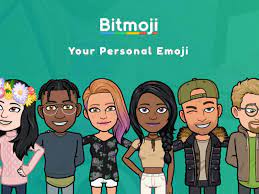
As educators adapt to new teaching models due to the ongoing pandemic, virtual classrooms have become an essential tool for engaging students and delivering lessons effectively. One way to bring creativity and fun into the online educational environment is by using Bitmoji, a smartphone app that allows you to create personalized digital avatars. So how can you use Bitmoji in your virtual classroom? Let’s explore the integration of this innovative platform into your curriculum.

What is Bitmoji?

Bitmoji is a popular digital avatar application that allows users to create personalized caricatures of themselves for use in a wide variety of contexts. Users can choose from hundreds of outfits, accessories, and facial expressions, which can be edited at any time. These avatars can be inserted into numerous platforms such as social media, chat platforms, and virtual classrooms, providing an interactive visual element.

Creating Your Bitmoji

First things first – you’ll need to create your very own Bitmoji. To get started:

1. Download the Bitmoji app on your smartphone (available for both Android and iOS devices)

2. Sign up using your email or connect it to your existing Snapchat account

3. Start customizing! Follow the prompts to design your dream avatar

Using Bitmoji in Your Virtual Classroom

Once you’ve created your avatar, it’s time to implement it within the context of your online learning environment.

1. Interactive Google Slides: Use your Bitmoji as part of interactive slide decks. By incorporating these personalized additions, you offer a sense of familiarity and initiate engaging conversations with students.

2. Classroom Announcements: Improve the significance of routine announcements or updates by including a snapshot with your Bitmoji waving, giving advice, or even offering motivation on a difficult day.

3. Add Personality to Feedback: When grading assignments or providing feedback on student work, including a positive or constructive Bitmoji might soften the blow of critical evaluation and create a more encouraging atmosphere.

4. Video Chat Platforms: In some video conferencing applications, such as Zoom or Microsoft Teams, you can replace your live video feed with your Bitmoji, giving students a visual representation of yourself while reducing privacy concerns or interruptions from your home environment.

5. Virtual Classroom Decorations: By including a Bitmoji in the design of your virtual classroom, you create a personalized space that is more inviting and visually engaging for students. Examples include Bitmoji banners, posters, or bulletin boards within your Learning Management System.

In conclusion, incorporating Bitmojis into your virtual classroom can significantly enhance the online learning experience, making it more entertaining and engaging for both you and your students. By integrating these personalized avatars, you not only add a fun element to your lessons but also foster a more approachable and relatable learning environment.

8 Captivating Context Clue Activity Ideas

In order to improve reading comprehension, it is essential for students to develop their ability to use context clues. Context clues are hints within the text that help readers determine the meaning of unfamiliar words and phrases. Here are eight captivating context clue activity ideas to engage and challenge students in the classroom.

1.Word Detectives

In this game, students take on the role of word detectives, using context clues to identify the meaning of an unknown word in a sentence. Provide each student with a list of sentences containing unfamiliar words, and have them work individually or in pairs to determine the definitions using clues from the text. To make the game more challenging and fun, consider offering small prizes for correctly identifying a specified number of words.

2.Context Clues Match-Up

Create index cards with an unfamiliar word on one side and its definition on the other. Mix up the cards and distribute them evenly among students or groups. The objective is for students to find the matching pairs by examining nearby words in a sentence or consulting their knowledge of synonyms, antonyms, and homophones.

3.Word Webs

Students create a word web by placing a tricky vocabulary word at the center of a sheet of paper or whiteboard. Then, they add context clues from the text and brainstorm possible meanings for the word based on those hints. This activity encourages critical thinking and can be done individually or as a collaborative group effort.

4.Fill in The Blanks

Provide students with texts that include blank spaces where important vocabulary words appear. Have students examine contextual hints around each blank and guess what should go there based on their understanding of the passage.

5.Swap Stories

In this activity, students write a short story using several unfamiliar vocabulary words throughout. Once complete, they swap stories with a partner who must decipher the meanings of those new words through context clues within their peer’s narrative.

6.Visual Clues

Boost your students’ skills with the use of visual aids. Present an image related to a word they need to decipher, along with some text containing the unfamiliar term. As a group or individually, students can analyze the picture and text, connecting the two elements to determine the word’s meaning.

7.Playing Taboo

Model this activity after the popular game “Taboo,” providing students with vocabulary cards that list prohibited words related to the term they must define. In pairs or groups, have students take turns giving clues without using prohibited words—thus relying on context details—to describe the target word.

8.Mad Libs-Style Worksheets

Create a worksheet with several passage blanks where key vocabulary is missing. Provide a list of vocabulary words that fit in those slots but keep their order mixed up. Have students work together to infer which vocabulary words match each blank based on context clues.

In conclusion, these eight activities will help build essential reading comprehension skills by engaging students in using context clues effectively. Implementing these strategies will lead to more confident readers who have the ability to determine the meaning of unknown words and phrases independently.

20 Activities to Teach Trustworthiness

Trustworthiness is an essential quality that fosters positive relationships and enables individuals to thrive in social, educational, and professional settings. Teaching trustworthiness can be challenging, but by engaging in exercises and activities aimed towards building this quality, it becomes easier. Here are 20 activities to help teach trustworthiness.

1.Trust fall: Have one person stand with their back to a partner and fall backward while the partner catches them. This classic activity builds trust through physical support.

2.Blindfold walk: In pairs, one person wears a blindfold while the other guides them through obstacles using only verbal cues.

3.Promise jar: Have participants write personal promises on a slip of paper and place it in a jar. Throughout the next few weeks, encourage them to fulfill these promises and reflect on the process.

4.Two truths and a lie: Participants take turns sharing two true statements and one false statement about themselves. Others must identify the lie and discuss the significance of honesty.

5.The “trust me” game: In pairs or small groups, give participants different scenarios that require trust. They must come up with solutions that demonstrate trust between team members.

6.Word association: Have participants take turns saying words related to trustworthiness (e.g., honesty, reliability, integrity). Discuss the importance of these qualities.

7.Trust circle: Form a circle with each person holding hands. Gradually lean backward as a group, relying on one another for support.

8.Designing a trustworthy mascot: In groups or individually, have participants create a mascot that represents trustworthiness and discuss its characteristics.

9.Charades with honest feedback: Participants play charades while others give constructive comments on their performance, promoting open communication built on trust.

10.Building a human knot: Participants form a tight circle standing shoulder-to-shoulder then grab hands at random. They must work together to untangle the knot without letting go of any hands.

11.Trustworthy pair interviews: In pairs, participants interview each other about past experiences where they demonstrated trustworthiness and what made them feel trusted.

12.Secret keeper: Divide participants into pairs and have each one share a secret with their partner. The partners promise to keep these secrets confidential, fostering mutual trust.

13.Role-playing ethical dilemmas: Participants act out scenarios in which trustworthiness is tested, such as keeping a friend’s confidence or making an honest decision under pressure.

14.Trust walk relays: Blindfolded participants rely on their partners’ verbal guidance to navigate a relay course, fostering strong communication and trust.

15.Developing a trustworthiness code: In groups, participants create a set of guidelines for being trustworthy and discuss how to apply them.

16.Evaluating trusted sources: Participants research and discuss the credibility of different information sources, emphasizing the importance of honesty and reliability.

17.Letter to future self: Ask participants to write letters to their future selves detailing their intentions for becoming more trustworthy individuals over time.

18.Trust-building scavenger hunt: Organize a team-based scavenger hunt that requires players to practice trust as they work together towards shared goals.

19.Reading trustworthy role models: Assign books or articles featuring characters who demonstrate trustworthiness and discuss why these traits are important in life.

20.Trust reflection journal: Encourage participants to keep a journal reflecting on acts of trust they’ve witnessed or practiced daily, promoting personal growth in trustworthiness.

Incorporating these activities into routine interactions will foster an environment where trustworthiness thrives, ultimately leading to happier, healthier relationships at home, in school, and at the workplace.

SEAL Coordinator, Inspirational SEAL Coordinator Resources

Introduction

The role of a SEAL (Social Emotional Academic Learning) Coordinator is critical in fostering a supportive and nurturing environment for students. As a SEAL Coordinator, you are responsible for creating programs, organizing activities, and facilitating discussions that enhance your students’ social, emotional, and academic growth. Given the crucial nature of this role, it’s essential to find resources that educate and inspire you to excel in your position. In this article, we will explore various channels and materials that are invaluable resources for SEAL Coordinators.

1. Books on Social Emotional Learning

There is a wealth of literature available on the topics of social emotional learning and how to implement it effectively within educational settings. Some popular titles include:

– “Promoting Social and Emotional Learning: Guidelines for Educators” by Maurice Elias et al.

– “Building Resilience in Students Impacted by Adverse Childhood Experiences” by Victoria E. Romero et al.

– “The 7 Habits of Highly Effective Teens” by Sean Covey

– “Collaborative for Academic, Social, and Emotional Learning (CASEL) Guide” by Search Institute

These books offer comprehensive insights into the importance of social emotional learning while providing practical tips and strategies that can be implemented directly in your role as SEAL Coordinator.

2. Blogs and Websites

The following blogs and websites contain articles, interviews, case studies, and other resources that cover different aspects of social emotional learning:

– Edutopia (www.edutopia.org)

– Inside SEL (www.insidesel.com)

– SEL4MA (www.sel4ma.org)

– RULER Program from Yale Center for Emotional Intelligence (www.rulerapproach.com)

These websites regularly update their content with relevant materials that can help enhance your skills as a SEAL Coordinator.

3. Webinars and Online Workshops

Attending webinars and online workshops can provide continued professional development and help you stay current with the latest trends in social emotional learning. These interactive sessions often feature experienced educators and industry experts who share valuable insights and proven strategies. Some platforms that offer such events are:

– Learning Policy Institute (www.learningpolicyinstitute.org)

– Collaborative for Academic, Social, and Emotional Learning (CASEL) (www.casel.org)

– Social Emotional Learning Alliance for New York (www.selany.org)

4. Professional Networks and Conferences

Joining networks of other SEAL Coordinators or attending conferences helps you connect with like-minded professionals, engage in meaningful discussions, exchange ideas and experiences, and develop a deeper understanding of your role. Significant events related to social emotional learning include:

– Annual SEL Exchange Conference

– International Summit on SEL in Education

– American Educational Research Association: Division E – Human Development and Counseling

Conclusion

Staying informed is vital for SEAL Coordinators looking to make a difference in their students’ lives. By using the resources mentioned above, you can gain valuable insights, strategies, and tools necessary to excel as an inspirational and supportive leader in your school community. Continuously learning allows you to continuously grow, making you an even more effective advocate for the social emotional wellbeing of your students