EdTech & Innovation

25 Sustainability Activities for Kids That Support Our Planet

Introduction:

As a parent or educator, it’s essential to teach children the value of caring for our planet. By engaging kids in sustainability activities, you not only foster their creativity but also instill eco-friendly habits that will last a lifetime. Below are 25 fun and easy activities that your children will love while supporting our planet at the same time.

1. Plant a tree: Choose a native variety and plant it in your garden or local community space to promote biodiversity and improve our air quality.

2. Start a vegetable garden: Teach children how to grow, care for, and harvest their produce while promoting healthy eating habits.

3. Recycle creatively: Turn old containers, junk mail, or magazines into art projects or new storage solutions.

4. Upcycle clothing: Repair or repurpose old clothing items instead of buying new ones. You can also organize clothing swaps with friends.

5. Create a backyard habitat: Provide a sanctuary for birds and other wildlife by supplying food, water, and shelter.

6. Collect rainwater: Use collected rainwater to water plants or clean around the house.

7. Make homemade bird feeders: Create bird feeders from recycled materials to attract birds to your yard.

8. Participate in clean-up events: Join local clean-up efforts at parks, beaches, or forests.

9. Reduce paper usage: Encourage children to use both sides of paper and digital copies when possible.

10. Save energy at home: Teach kids to turn off lights, appliances, and electronic devices when not in use.

11. Take shorter showers: Set a timer and challenge kids to take shorter showers to save water.

12. Walk or bike: Encourage children to use non-motorized transportation for short-distance travels whenever possible.

13. Learn about composting: Teach kids how composting works and its benefits by starting a compost pile or bin in your garden.

14. Make a solar oven: Create a simple solar oven using a cardboard box, aluminum foil, and plastic wrap to teach kids about renewable energy.

15. Use cloth napkins: Replace disposable paper napkins with reusable cloth ones.

16. Ban plastic bags: Encourage children to use reusable shopping bags instead of single-use plastic carriers.

17. Create an upcycled craft: Use recyclable or discarded items to make unique crafts like tin can lanterns or paper roll animals.

18. Dispose of waste responsibly: Teach kids how to separate household waste into different categories for recycling and composting.

19. Shop at secondhand stores: Teach the value of reusing items by buying used clothing, toys, and books.

20. Learn about endangered animals: Educate kids on endangered species and talk about ways to help protect them.

21. Calculate your carbon footprint: Use online calculators to determine your family’s carbon footprint along with steps to reduce it.

22. Write letters to local representatives: Encourage kids to express their concerns about environmental issues and suggest changes in the community.

23. DIY natural cleaners: Create homemade cleaning solutions using eco-friendly ingredients like vinegar, baking soda, and lemon juice.

24. Support local eco-friendly businesses: Shop at businesses that prioritize sustainability in their practices and products.

25. Raise awareness: Encourage children to share what they’ve learned about sustainability with friends and family members, spreading the message for future generations.

In conclusion, teaching kids about sustainability is vital for creating a greener future for our planet. By engaging in these simple yet effective activities, you can spark an interest in environmental stewardship among young minds, preparing them for a lifetime of eco-friendly habits.

Mind Mapping – The Key to Unleashing Your Brain Power

Introduction:

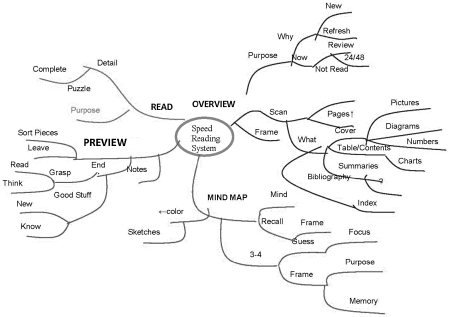
Mind mapping is a visual note-taking technique that helps individuals to better organize their thoughts and ideas. Through the use of symbols, images, colors, and concise words or phrases, individuals can make connections between concepts, identify relationships, and foster creativity. Invented by British author Tony Buzan in the 1970s, mind mapping has gained popularity across various fields, including business, education, and personal development.

The Benefits of Mind Mapping:

1. Enhance Creativity: Mind mapping aids in stimulating the imagination and fostering creative thinking. By starting with a central topic and branching out with related ideas, individuals can discover new perspectives and unique solutions.

2. Increase Memory Retention: Visual associations in mind maps help individuals to retain more information compared to linear note-taking methods. Colors, symbols, and images make it easier for the brain to recall concepts and facts.

3. Improve Organization: Mind maps enable categorization of ideas under different branches, allowing for better organization of thoughts. This helps in breaking down complex information into smaller, more manageable parts for easy understanding.

4. Boost Productivity: As mind maps are created quickly and efficiently with minimal distractions, individuals can save time while brainstorming and put their focus on the task at hand.

5. Effective Communication: Mind maps can be used as effective communication tools in presentations or during group discussions by providing clear visual representations of complex information.

Creating a Mind Map:

Step 1 – Identify the Central Theme: Start your mind map with a central idea or topic. Write your central idea in the middle of a blank page and circle it.

Step 2 – Add Main Branches: From the central topic, create branches representing main subtopics or categories related to your central theme. Use lines to connect them to the center.

Step 3 – Add Sub-branches: Continue creating branches that link to subcategories or specific ideas within each main branch. Use different colors, images, or symbols to distinguish between themes and topics.

Step 4 – Review and Revise: Once the initial mind map is created, review and revise the structure and connections between branches. This may involve rearranging ideas, adding more elements, or eliminating unnecessary information.

Conclusion:

Mind mapping is an efficient and versatile technique that can help individuals to better grasp complex information, stimulate creative thinking, and improve communication skills. By taking advantage of the brain’s natural preference for visual stimuli, mind mapping offers an innovative way to unlock your brain’s potential and maximize your intellectual capabilities.

16 Engaging Anticipatory Activities To Spark Student Excitement

Introduction:

It’s essential to captivate your students’ attention right from the start of a lesson to maintain their interest throughout. This not only helps create a positive learning environment but also ensures that students fully absorb the material being presented. To help you achieve this goal, we’ve compiled a list of 16 engaging anticipatory activities that will spark student excitement.

1. Bell Ringers:

Begin each class with a bell ringer activity that gets students thinking immediately. This can be anything from a thought-provoking question to a short review quiz related to previous lessons.

2. Think-Pair-Share:

Have students think independently about a topic for a few minutes, pair up with a classmate to discuss their thoughts, and finally share their ideas with the entire class, fostering collaboration.

3. Concept Mapping:

Provide students with key concepts or vocabulary words and have them create visual representations of how these words relate to one another.

4. Brainstorming Sessions:

Encourage creativity and critical thinking by facilitating group brainstorming sessions on specific topics before diving into the lesson content.

5. Four Corners Debate:

Pose an open-ended question or controversial statement and assign a corner of the room for each possible stance on the issue. Students must physically move to their chosen corner, promoting movement and engagement.

6. Picture Prompts:

Display an image related to the lesson topic and have students make predictions or ask questions about what they see to generate curiosity.

7. KWL Charts:

Utilize KWL charts (What I Know, What I Want to Know, What I Learned) at the beginning of your lesson to assess prior knowledge and engage students in setting learning goals.

8. Jigsaw Activity:

Divide your class into small groups, assign each group different portions of reading material or concepts, have each group become experts in their respective area, and then regroup to share their knowledge with the class.

9. Inquiry-based Learning:

Foster an environment where students’ natural curiosity leads them to seek out answers by asking questions, investigating claims, and engaging in hands-on activities.

10. Interactive Polls:

Create polls using online platforms like Kahoot! or Socrative to assess student opinions, understanding, or recall before starting a lesson.

11. Mindful Moments:

Incorporate brief meditation or mindfulness exercises to help students clear their minds, focus on the present moment, and prime themselves for learning.

12. Music Connection:

Play music related to the lesson topic or a piece that evokes specific emotions you’d like your students to explore during the lesson. Discuss the connections afterward.

13. Exit Tickets:

End each class with an exit ticket activity that helps students summarize their learning and gives you valuable feedback on their understanding of the material.

14. Speed Debating:

Arrange quick rounds of mini-debates where students rotate partners and argue for or against the given statement related to your lesson, stimulating critical thinking in a fun way.

15. Two-Minute Countdown:

Ask students to summarize what they’ve learned in just two minutes during a partner conversation or written form at the end of a lesson.

16. Gallery Walk:

Transform your classroom into an interactive learning space where groups of students create visual representations of key concepts on chart paper and then have others walk around providing feedback or adding insights.

Incorporating these engaging anticipatory activities into your teaching repertoire will not only spark student excitement but create opportunities for deeper and more meaningful learning experiences. With creativity, enthusiasm, and careful planning, you can transform your classroom into a space where students are excited to learn every day.

Using ICT with Able Classes

Introduction

In today’s fast-paced world, Information and Communication Technology (ICT) plays a crucial role in almost every aspect of our lives. With advances in technology continuing to shape the educational landscape, integrating ICT in able classes has become increasingly important. This article will explore the benefits of using ICT with able classes, as well as provide guidance for teachers on effective implementation strategies.

The Benefits of Using ICT with Able Classes

1.Enhanced Engagement and Motivation: Integrating ICT in teaching can help create engaging and interactive lessons for students. Able students often require more challenging and stimulating material to stay motivated, and ICT tools can offer that extra level of challenge they need.

2.Increased Accessibility to Learning Resources: The internet offers an abundance of resources that cater to various learning styles, making it easier for teachers to provide differentiated instruction tailored to each student’s needs. Students can access these resources independently, allowing them to delve deeper into subjects they excel in or explore topics not covered in the curriculum.

3.Greater Collaboration Opportunities: Collaboration tools such as online forums, video conferencing, and collaborative documents allow students to work together on projects, even when they are physically apart. This type of environment fosters teamwork skills and exposes students to different perspectives from their peers.

4.Improved Assessment and Feedback: ICT allows teachers to monitor progress more effectively through tracking software, providing immediate feedback on students’ performance. Teachers can then use this data to adjust their teaching strategies accordingly.

5.Development of ICT Skills: Engaging with technology in the classroom helps students become adept at using various tools, which is crucial for their future success in a digitally-driven world.

Implementation Strategies

1.Start Small: Begin by incorporating easy-to-use technologies into your teaching practice, such as online quizzes or digital presentations. As you become more comfortable with using these tools, gradually introduce more complex applications.

2.Incorporate a Mix of Tools and Platforms: Utilize different types of technologies that cater to various learning styles. This can include multimedia presentations, online discussion forums, or gamification software.

3.Encourage Student Participation: Empower students to take responsibility for their learning by involving them in the decision-making process when choosing which tools or platforms to use for specific activities or projects.

4.Provide Training: Ensure that both teachers and students have access to necessary training on how to use the chosen ICT tools effectively. Encourage peer support and collaboration, as well.

5.Continuously Evaluate and Update: Regularly review the effectiveness of the ICT tools being used in your classroom. Reflect on their impact, make improvements if needed, and stay informed about up-to-date developments in educational technology.

Conclusion

Incorporating ICT into teaching can significantly improve the learning experience for able students by offering greater engagement, accessibility to resources, collaboration opportunities, and better assessment approaches. By following the implementation strategies outlined above, educators can establish a digital environment that nurtures students’ abilities while equipping them with the essential skills needed for success in a highly-digitized world.

The Innovative World of Chris Kington Publishing

Introduction

Chris Kington Publishing has been steadily gaining recognition in the world of publishing due to their dedication to providing literary enthusiasts with quality content. Their commitment to innovation and creativity, matched with a drive to support talented authors, is fostering a unique environment that caters to the ever-evolving needs of readers.

Pioneering Publishing Strategies

One of the defining characteristics of Chris Kington Publishing is their willingness to embrace new technologies and strategies for delivering content. By exploring the potential of digital platforms, they have broadened their reach and made their publications accessible to diverse audiences worldwide. This has enabled them to establish a strong presence in various niche markets and cater to varied reader preferences.

Expanding Genres and Supporting Authors

Chris Kington Publishing specializes in publishing a wide range of genres, from fiction and non-fiction works, to scholarly articles and poetry collections. They recognize the importance of celebrating diversity in literature and strive to give equal opportunities for authors from different backgrounds to share their stories. By investing time and effort into selecting high-quality manuscripts, editing, and marketing the final products, they have built a solid reputation as a supportive ally for both established and aspiring authors.

Encouraging Reader Engagement

The company also understands that building a loyal readership is crucial for long-term success in publishing. To foster reader engagement, Chris Kington Publishing frequently collaborates with bookshops, libraries, schools, literary festivals, and book clubs. They organize events like book readings, signings, workshops, panel discussions, contests, and virtual chats with authors. These initiatives help create a sense of community among readers and facilitate lively discussions surrounding their publications.

Environmental Responsibility

In addition to providing fresh content for readers across different genres, Chris Kington Publishing takes environmental responsibility quite seriously. They are committed to using sustainable practices in printing as much as possible by choosing eco-friendly paper materials and recycling surplus copies. This conscious effort reflects a growing awareness of the need to minimize the industry’s environmental impact and emphasizes their role as responsible corporate citizens.

Conclusion

Chris Kington Publishing is carving out a distinctive niche in the publishing industry with innovative strategies, diverse genres, and a supportive approach to authors. By leveraging technology, fostering reader engagement, and implementing eco-friendly practices, they are setting a high standard for others to follow. As they continue to grow, there is little doubt that they will be a force to be reckoned with within the literary world.

17 Engaging Taxonomy Activities for Enhanced Learning

Taxonomy is a fundamental concept in education that involves the classification and organization of learning objectives. It helps students build a strong foundation for understanding complex subjects. Incorporating engaging and interactive taxonomy activities into the classroom can significantly improve students’ learning experiences. Here are 17 engaging taxonomy activities that both educators and students will enjoy.

1.Concept Mapping: Ask students to create visual representations of topics by organizing related concepts into hierarchical structures.

2.Vocabulary Sort: Have students sort a list of vocabulary terms into categories based on their relationships or properties.

3.Flashcard Quizzes: Develop flashcards with a term on one side and its definition, example, or category on the other. Students can use these to quiz themselves or their peers.

4.Compare and Contrast: Encourage students to compare and contrast two similar concepts or items while identifying their unique features.

5.Classification Stations: Set up various stations with items to classify, such as plants, animals, rocks, or shapes, and have students rotate through each station.

6.Taxonomy Puzzles: Create puzzles in which students must match terms to definitions or examples within specific categories.

7.Charades: Organize a game where students must act out assigned concepts without using any words, while their peers guess the term.

8.Skit Creation: Ask student groups to create short skits demonstrating different terminology within specific taxonomic categories.

9.Memory Matching Game: Create cards with related terms and definitions, then have students play a memory matching game to find corresponding pairs.

10.Graphic Organizer Sort: Provide graphic organizers with spaces for various categories, and have students sort terms or items accordingly.

11.Concept Sorting Relay Race: Organize student teams to sort terms or items within allotted time limits in a relay race format.

12.Interactive Online Resources: Utilize technology to access interactive games, quizzes, and other digital resources for engaging taxonomy practice.

13.Classification Bingo: Develop a custom bingo card with different categories or properties, and have students identify items that fit each category as you call them out.

14.Mystery Box Classification: Place different objects in a box and have students blindly select items, then classify them into appropriate categories.

15.Concept-Based Crossword Puzzle: Create a crossword puzzle with clues related to specific taxonomies for students to solve.

16.Sorting Challenge: Have students work together to create an original way of classifying and organizing items or concepts within a given topic.

17.Gallery Walk: Display different examples of taxonomy within a subject area and allow students to explore, discuss, and pose questions as they walk through the gallery.

Incorporating these engaging taxonomy activities not only sparks student interest but also enhances their understanding of classification systems and relationships among concepts. By making learning fun and interactive, educators can motivate students to delve deeper into various topics and achieve greater academic success.

The Munro Review and Its Impact on Schools

Introduction

The Munro review, commissioned in 2010 by the UK government and conducted by Professor Eileen Munro, aimed to examine and propose improvements to the child protection system. This comprehensive review covered various aspects of the system, including early intervention, bureaucracy reduction, and professional judgment and practice. As schools play a crucial role in safeguarding children, the Munro review has a significant impact on them. This article will explore what the Munro review means for schools and discuss its implications on their practices.

Early Intervention

One of the key aspects of the Munro review is promoting early intervention to identify and address potential risks before they escalate. Schools are a primary setting where children’s wellbeing can be assessed regularly. The report emphasizes the need for school staff to identify signs of abuse or neglect as early as possible so that timely support can be provided.

To achieve this, schools must continue developing robust safeguarding policies that include training staff members to recognize these signs effectively. Moreover, fostering a culture of openness and collaboration within schools encourages children to report concerns and ensures that staff members can act on any issues promptly.

Reducing Bureaucracy

Another central theme of the Munro review is reducing unnecessary bureaucracy to allow professionals to focus more on their core tasks: helping children. The report highlights that excessive paperwork and procedures can hinder social workers from spending quality time with families they serve.

For schools, this means reassessing their documentation requirements to eliminate administrative burdens. More emphasis should be given to direct work with children and families rather than working through cumbersome administrative processes. Additionally, sharing information between agencies in a more streamlined manner allows for well-informed decision-making.

Promoting Professional Judgment

The Munro review recognizes that professionals must be empowered to use their own judgment in assessing risk accurately while considering individual circumstances. For schools, this involves trusting teachers’ expertise in identifying whether a situation requires further intervention.

Supporting professional judgment in schools requires ongoing training and development for school staff. Staff members must feel confident in their ability to assess risk and make informed decisions. Furthermore, a culture that supports non-blaming reflection on practice can contribute to better decision-making in safeguarding situations.

Collaboration between Agencies

Finally, the Munro review highlights the importance of collaboration between various agencies involved in child protection. Schools play a significant role in working alongside other organizations, such as healthcare providers, police, and social workers.

Efficient partnerships benefit from improved communication channels and shared responsibilities. Schools must actively participate in local forums, share information with relevant agencies, and maintain open lines of communication to ensure the best possible outcomes for children.

Conclusion

The Munro review has far-reaching implications for schools in safeguarding children. By embracing early intervention, reducing bureaucracy, promoting professional judgment, and fostering collaboration among agencies, schools can enhance their ability to protect children effectively. The Munro review serves as a guiding light for schools to reflect on their current practice and make necessary improvements that prioritize children’s safety and wellbeing.

Crafting Decision Letters for Exclusion

Introduction

In an academic or professional setting, decision-makers often face the challenging task of crafting exclusion letters. These are letters that communicate the decision to exclude a candidate from a certain position, project, or opportunity. This article aims to provide guidance on how to write clear, concise, and compassionate decision letters so that individuals can understand the reasons for their exclusion and move forward with grace.

1. Begin with a Polite Opening

Decision letters should begin by thanking the individual for their interest and time invested in the application process. Mention their contributions and the efforts they have put into this particular opportunity. By extending a polite opening, you set a positive tone for the rest of the letter.

2. Clearly Communicate the Decision

It’s crucial to be clear and straightforward when conveying the decision to exclude someone from an opportunity. Use clear language and avoid making vague statements that leave room for misunderstanding. It is important to give recipients an explicit message so they are not left questioning whether there is still hope for their application.

3. Provide Rationale for Exclusion

Craft your letter in such a way that decision recipients can understand why they were excluded from consideration. Offer specific reasons for rejecting their application without resorting to overly critical language. Remember that while your decision may be legitimate, recipients can still feel discouraged; providing rationale can ease their disappointment by helping them understand the process.

4. Offer Constructive Feedback (When Appropriate)

In some cases, it may be appropriate to offer constructive feedback in a decision letter, particularly if you believe there is potential for growth or improvement in future applications. Ensure feedback is specific and actionable so that candidates can reflect on it as they seek new opportunities.

5. Mention Possible Future Opportunities

If your organization or institution offers alternative opportunities that might suit an individual better, it is worthwhile to mention these possibilities in your decision letter as well. This demonstrates that you value their talent and potential and encourages them to consider applying for future opportunities.

6. Extend Appreciation and Encouragement

In the closing of your letter, thank the candidate again for applying and express appreciation for their interest in your organization or program. Offer words of encouragement to continue applying for similar opportunities in the future. This can help soften the blow of exclusion and provide hope for their future endeavors.

7. Proofread Your Letter

Before sending out decision letters, ensure you’ve proofread them carefully to check for errors and inconsistencies. A well-written letter communicates professionalism on behalf of your organization or institution, while typos or errors may reflect poorly on you.

Conclusion

Writing an exclusion decision letter can be challenging, primarily when dealing with sensitive decisions that impact people’s lives and emotions. By adopting a respectful, clear, and encouraging approach in your writing, you can effectively communicate the rationale behind your decision while maintaining a sense of empathy towards recipients. By crafting a compassionate decision letter, you’ll demonstrate your commitment to treating each candidate fairly and with dignity throughout the selection process.

20 T.H.I.N.K. Before You Speak Classroom Activities

1. T.H.I.N.K. Acrostic: Have students come up with an acrostic for the word “think,” using phrases or words related to thoughtful communication.

2. Role-Play Conversations: Divide students into groups and give them different scenarios where they’ll need to practice mindful speaking.

3. Discussion Circles: Organize students into small groups where they’re encouraged to listen carefully and think before speaking on a given topic.

4. Pause Before Speaking: Teach students to take a moment to breathe and reflect before responding, emphasizing the importance of mindfulness in communication.

5. Daily Affirmations: Encourage students to share a positive affirmation with a classmate each morning, promoting healthy and supportive communication.

6. T.H.I.N.K. Journaling: Have students maintain a journal where they record instances of mindful communication or moments when they could have applied the T.H.I.N.K. method.

7. Conflict Resolution Exercise: Use role-play scenarios involving conflicts and teach students how to effectively resolve them using the T.H.I.N.K. principles.

8. Empathy Building: Guide students through activities designed to help them put themselves in other people’s shoes, fostering empathetic communication.

9. Active Listening Skills: Emphasize the importance of active listening in conversations by pairing up students for an activity requiring effective listening and understanding.

10. Communication Games: Incorporate engaging games like telephone or Taboo that help develop verbal and non-verbal communication skills.

11. Weekly Mindfulness Practice: Designate a specific time each week for mindfulness practice, including guided meditations or yoga, encouraging a mindful attitude towards all aspects of life.

12. Class Debates: Arrange debates on various topics, promoting respectful discourse where everyone considers the thoughts and feelings of others before speaking.

13. Public Speaking Practice: Provide opportunities for students to present speeches or perform in front of classmates, boosting their confidence and communication abilities.

14. T.H.I.N.K. Spot: Create a classroom space designated for reflection, providing students with a quiet place to process their thoughts before engaging in conversation.

15. Communication Scavenger Hunt: Organize an activity where students must identify examples of effective communication in books, movies, or even real-life scenarios.

16. Movie Analysis: Use films or TV shows to analyze dialogue and character interactions, providing opportunities for students to discuss T.H.I.N.K.-worthy moments.

17. Pen Pal Program: Coordinate a pen pal program with another school, allowing students to practice T.H.I.N.K. principles through written communication.

18. Whisper Challenge: Have students try to guess what a partner is saying without using sound, emphasizing the importance of clear non-verbal communication.

19. Guided Conversations: Provide students with conversation starters designed to foster thoughtful dialogue and require the application of T.H.I.N.K. principles.

20. Reflective Practice: Encourage continuous growth by regularly reviewing progress on T.H.I.N.K.-based communication during class discussions or in writing assignments.

These engaging and diverse activities not only help students develop critical thinking skills but also learn how to be more mindful and empathetic communicators in their everyday lives.

Teaching Primary Literacy with ICT: Harnessing Technology to Enhance Learning

Introduction

In the 21st century, information and communication technologies (ICT) have become increasingly important in shaping almost every aspect of daily life. As a result, education must adapt, incorporating ICT into teaching and learning practices to ensure that students develop the skills and knowledge necessary to thrive in today’s world. Teaching primary literacy with ICT is an effective way to engage students, improve learning outcomes, and better prepare them for the digital age.

Why Incorporate ICT in Primary Literacy Education?

There are several reasons why incorporating ICT in primary literacy education is beneficial:

1. Improved student motivation and engagement: Multimedia tools, audiovisual presentations, interactive games, and online resources can make learning more enjoyable for students. This increased interest boosts their motivation to learn and can lead to improved literacy skills.

2. Development of essential digital skills: By using technology in literacy lessons, students develop essential digital skills such as using computers, navigating websites, using search engines, creating documents or presentations, keyboarding, and understanding online safety.

3. Differentiated instruction: ICT makes it easier to provide personalized learning experiences for each student. Teachers can use digital resources to tailor lessons according to individual needs while still covering the required curriculum.

4. Collaboration opportunities: ICT tools like chat rooms, forums, social media platforms, and online document sharing enable students to collaborate with classmates or even people around the world.

Practical Ways to Integrate ICT into Primary Literacy Education

Here are some practical ways teachers can integrate ICT into primary literacy education:

1. eBooks and e-readers: Teachers can use e-readers like Kindles or iPads to provide a wide range of books suitable for different reading levels. With features like adjustable font sizes or text-to-speech capabilities, students can customize their experience.

2. Educational websites: Websites such as Starfall and Reading Eggs offer interactive reading games and activities to help children build their literacy skills.

3. Creative software: Enable students to create digital stories or presentations using tools like Microsoft PowerPoint, Google Slides, or Scratch.

4. Online writing platforms: Encourage students to practice writing with blogs and online writing platforms, providing an authentic audience for their work.

5. ICT assessment tools: Use digital assessment tools like quizzes and polls to gauge student progress. Platforms like Kahoot! or Google Forms allow teachers to create customized assessments quickly and efficiently.

Conclusion

Teaching primary literacy with ICT is an essential part of modern education, enabling teachers to engage and motivate students while they develop essential digital skills. With the right resources in place, integrating technology into primary literacy lessons can enhance learning experiences and better prepare children for the demands of the digital age.