EdTech & Innovation

Discovering Chesham Park Community College

Introduction

Chesham Park Community College, a prestigious educational institution nestled in the heart of a thriving community, has been nurturing young minds and shaping future leaders for decades. Known for its strong academic programs, extracurricular activities, and state-of-the-art facilities, Chesham Park Community College represents an ideal environment for students to develop their talents to the fullest. This article offers an insight into the college’s history, academic and extracurricular programs, and its commitment to excellence and personal growth.

History

The inception of Chesham Park Community College traces back to the early 20th century when it first opened its doors in response to growing demand for quality education within the community. Over time, the college has constantly evolved in consonance with contemporary educational needs and stood unwaveringly by its pledge to provide students with world-class education. Today, it stands tall as a prominent institution that builds on traditional values while embracing innovative approaches and cutting-edge resources.

Academic Programs

At Chesham Park Community College, education is designed to stimulate intellectual curiosity, foster creativity, and encourage critical thinking. The college offers a comprehensive curriculum that caters to the diverse learning needs of students through an array of subjects spanning science, arts, technology and social studies. The accomplished faculty members emphasize practical application of knowledge through project-based learning methodologies that enable students to connect theoretical concepts to real-world situations.

Students can select from a range of advanced courses including Advanced Placement (AP) classes that challenge them intellectually and pave the way for higher education prospects. Moreover, the college provides robust support systems such as tutoring services and academic counseling to ensure every student receives ample guidance throughout their educational journey.

Extracurricular Activities

Complementing its academic prowess, Chesham Park Community College boasts an extensive repertoire of extracurricular activities that provide students with numerous avenues to explore their passions. The college’s athletic programs encompass a variety of sports, such as football, basketball, swimming and track & field, offering the opportunity for students to develop teamwork and discipline while staying physically active.

Furthermore, various clubs and organizations cater to a wide array of interests including languages, robotics, music and theatre. Participation in these extracurricular pursuits equips students with valuable skills such as leadership, problem-solving, communication and creativity – honing them into well-rounded individuals prepared for life beyond academia.

Facilities

Chesham Park Community College prides itself on having top-notch facilities that foster an ideal learning environment. The sprawling campus features modern classrooms equipped with Smart Boards and multimedia setups to facilitate dynamic teaching practices. Additionally, cutting-edge science and technology labs allow the students to dive into hands-on learning experiences that cement their knowledge.

The college also boasts state-of-the-art sporting facilities that cater to various athletic disciplines. A well-stocked library and resource center complete the picture, offering a conducive atmosphere for research and independent learning.

Conclusion

Chesham Park Community College stands as a beacon of scholarship, growth and success within the community it serves. With its extensive academic programs, plethora of extracurricular opportunities and unparalleled amenities, this esteemed institution provides an unparalleled platform for students to hone their skills and set sail towards a promising future.

20 Cool Compound Word Games for Kids

Playing with compound words is a fun and effective way to develop a child’s vocabulary and language skills. Introducing kids to the wonderful world of compound words through engaging games can be both educational and entertaining. Here are 20 cool compound word games for children:

1.Compound Word Match: Create flashcards with halves of compound words written on them. Mix them up, and let kids find the matching pairs to form complete words.

2.Balloon Pop: Inflate balloons with one part of a compound word written on each balloon. Have the kids pop a balloon and match it with another balloon to form a complete word.

3.Compound Word Puzzles: Cut out pictures representing common compound words and then cut each picture into two pieces. Mix the pieces up and have the kids find the correct halves to make the right words.

4.Compound Sequence: Arrange half-compound word cards in a sequence where each card connects with the previous one, making a compound word. Kids have to rearrange the cards in order.

5.Flip-and-Find Memory Game: Create pairs of cards representing half of a compound word each. Place all cards face down on a table, and let kids take turns flipping over two cards at a time to find matches.

6.Compound Word Scavenger Hunt: Make a list of compound words, and let your child search around the house or garden for objects that represent these words.

7.Charades: Have your child act out a compound word while other players guess what it is.

8.Online Games: Check out websites such as ABCya or PrimaryGames that offer fun compound word games for children.

9.Smartphone Apps: Download apps offering interactive compound word games such as Little Writer or Smarty Pants School.

10.Compound Word Bingo: Create custom bingo cards featuring compound words, and play bingo using these cards.

11.Storytelling Time: Include compound words in your storytelling sessions with children, reinforcing their meaning and usage.

12.Hangman with Compound Words: Play the classic hangman game using compound words as the secret words.

13.Compound Word Dominoes: Write compound words on dominoes, splitting them between two pieces. Have kids connect the matching halves together.

14.Visual Art Collages: Encourage your child to create unique collages using images representing compound words.


15.15. Sidewalk Chalk Game: Set up a game of chalk hopscotch outdoors, where kids hop to complete compound words written on the ground.

16.Obstacle Course: Create an indoor obstacle course where kids must collect hidden cards containing half-compound words and match them together.

17.Compound Word Crossword Puzzles: Create crossword puzzles using compound words as the answers for some clues.

18.Word Ladders: Challenge your kids to create word ladders that include compound words in their solution.

19.Board Games: Modify classic games like Scrabble or Boggle to focus on creating compound words.

20.Comic Strips: Have your child create comic strips using characters whose names are compound words, thus encouraging creativity and improving vocabularies.

By incorporating these 20 cool compound word games into your child’s playtime, you’ll spark their interest in language while providing hours of entertainment and learning opportunities!

10 Free Plagiarism Checking Sites for Teachers

Introduction:

Plagiarism is an act of academic dishonesty that is becoming increasingly common in education. Teachers must ensure that the work submitted by their students is original and avoid this fraudulent practice. In this article, we will review 10 free online plagiarism checking sites that can help teachers identify duplicate content in students’ work.

1.Copyscape (www.copyscape.com)

Copyscape is a well-known plagiarism checking site used by millions of content creators, educators, and writers worldwide. It compares the text to an extensive database of web content to quickly detect instances of copied or duplicate content.

2.Grammarly (www.grammarly.com)

Grammarly is a popular writing assistance tool that also features a built-in plagiarism checker. It searches over 16 billion pages on the internet to find any duplicated text in your student’s work.

3.Plagscan (www.plagscan.com)

Plagscan allows you to upload documents directly or copy and paste text to determine if it has been plagiarized from another source. It uses advanced algorithms to detect copied content by comparing it with its large database of academic articles, web content, and other sources.

4.Quetext (www.quetext.com)

Quetext provides a simple and user-friendly interface that helps teachers detect duplicates in students’ work and check for proper citation. It uses DeepSearch technology to find instances of unoriginal text.

5.DupliChecker (www.duplichecker.com)

DupliChecker is a free online tool catering mostly to students, teachers, and bloggers looking for an effective way to check for plagiarism. It allows users to copy and paste text or upload documents to identify duplicate content.

6.PaperRater (www.paperrater.com)

PaperRater not only checks for plagiarized content but also provides grammar analysis and style feedback. With its free proofreading and plagiarism checker, this site helps teachers detect duplicate work while improving the overall quality of their students’ writing.

7.Plagiarism Checker (www.smallseotools.com/plagiarism-checker)

Plagiarism Checker by SmallSEOTools is a free online service that helps teachers detect copied work by comparing it to millions of web pages, blogs, and scholarly articles. It’s relatively easy to use, allowing users to upload documents or type in the text directly.

8.Plagium (www.plagium.com)

Plagium offers various types of searches for your query, including Quick Search, Deep Search, and File Comparison. This tool searches for plagiarized work across the internet as well as social media platforms.

9.PlagTracker (www.plagtracker.com)

PlagTracker is an effective plagiarism detection tool that checks documents against more than 20 million academic papers to find any matching content. It provides teachers with comprehensive reports detailing the percentage of copied content within a given document.

10.Search Engine Reports (www.searchenginereports.net/plagiarism-checker)

Search Engine Reports offers a free Plagiarism Checker with a user-friendly interface that checks work for potential plagiarism by comparing it against its database of web content and academic articles.

Conclusion:

In today’s digital age, teachers must ensure the integrity of their students’ submitted work. The internet makes it increasingly easy to plagiarize; however, these ten free plagiarism checking sites can help identify duplicate content and promote academic honesty in the classroom.

Shaping Young Minds: Dissecting The Influence Of 49 Children’s Book Characters

1.Harry Potter (Harry Potter Series): Harry’s journey from an underdog to a hero has inspired millions to believe in the power of courage and friendship.

2.Matilda (Matilda): Matilda challenges authority and demonstrates the value of intelligence and standing up for oneself.

3.Charlotte (Charlotte’s Web): This compassionate spider teaches empathy and the importance of friendship.

4.Peter Rabbit (The Tale of Peter Rabbit): Peter’s adventurous spirit and mischievousness have captivated young readers for generations.

5.Willy Wonka (Charlie and The Chocolate Factory): A character who demonstrates the power of imagination and epitomizes creativity.

6.Alice (Alice’s Adventures in Wonderland): Alice pushes young minds to question reality and embrace curiosity.

7.Paddington Bear (A Bear Called Paddington): Paddington teaches listeners about kindness, empathy, and accepting those who are different.

8.The Little Prince (The Little Prince): This timeless character reminds us of the importance of love, human connection, and preserving our inner child.

9.Pippi Longstocking (Pippi Longstocking): Pippi embodies strength, independence, and fearlessness in the face of adversity.

10.Eloise (Eloise at The Plaza): Last but not least, Eloise encourages confidence, adventure, and embracing one’s individuality.

These 49 iconic characters not only entertain but also leave a lasting impact on how children perceive the world around them. By examining their influence, we better understand how literature can significantly impact childhood and help create future generations of empathetic, creative, and open-minded individuals. The power of these characters shows that it is essential to nurture young minds through storytelling, enabling them to learn and develop crucial life skills while exploring a world beyond their own reality.

How a Digital Environment Can Raise School Performance

Introduction

In a world that is continuously being transformed by advancing technology, it is essential for schools to adapt and embrace a digital environment to prepare students for the future. A digital learning environment has numerous benefits that can enhance school performance, engage learners effectively, and equip them with relevant skills required in the modern world. This article explores various ways in which integrating technology into classrooms can raise school performance and foster students’ academic growth.

Boosting Student Engagement

Implementing digital tools in education can result in increased student engagement due to the interactive nature of these tools. For instance, the use of multimedia content, including videos, animations, and interactive simulations, can keep students more focused and invested in their learning process. Engaged learners are typically more motivated, leading to better academic performance.

Personalized Learning

A digital environment enables educators to provide tailored learning experiences for each student based on their individual strengths, weaknesses, interests, and needs. Utilizing intelligent algorithms and adaptive learning platforms allows teachers to monitor students’ progress accurately and make real-time adjustments to the curriculum or lesson plans. By meeting each student’s unique needs and catering to their preferred learning styles, personalized learning has the potential to improve overall school performance.

Enhanced Collaboration

Digital platforms foster collaboration between students by providing them with virtual spaces where they can work as a team, exchange ideas, provide feedback, and learn from each other. This collective peer interaction not only develops critical communication skills but also results in a deeper understanding of complex concepts that may otherwise be challenging for students when working alone. The development of these crucial life skills positively impacts school performance.

Ease of Access to Learning Resources

An extensive range of educational resources becomes easily accessible through digital platforms. These resources span from articles and research papers to tutorials and educational games that cater to different age groups and subjects. By leveraging the power of technology, students can access high-quality supplemental materials to reinforce what they learn in the classroom and bridge any knowledge gaps, ultimately leading to better academic outcomes.

Monitoring and Tracking Progress

Digital learning environments streamline the process of monitoring, tracking, and evaluating student progress. Teachers can quickly collect data on students’ performance through online assessments and quizzes, enabling them to identify areas needing improvement and adapt their teaching methods accordingly. The timely detection of potential issues helps improve school performance as students receive immediate feedback and support.

Conclusion

Incorporating a digital environment into classrooms not only elevates school performance but also ensures that students are equipped with essential 21st-century skills needed to succeed in a technologically-driven world. Embracing digital tools in education creates an engaging, personalized, collaborative learning experience that offers targeted support as students work towards achieving academic excellence. By seamlessly integrating technology into the educational landscape, we pave the way towards a brighter and more innovative future for our students.

8 Unique Ways To Prevent Cheating On Your Google Forms Quiz

In an increasingly digital world, it’s essential to ensure the integrity of online assessments. Google Forms is a popular tool used for quizzes and tests, but cheating remains a significant concern. In this article, we will explore eight unique ways to prevent cheating on your Google Forms quiz.

1. Limit the Time Available for the Quiz

Set a time limit for your quiz by configuring the “Quiz Settings.” Shorter windows can discourage students from searching for answers online since they won’t have enough time to cheat effectively.

2. Shuffle Questions and Answers

Randomize the order of questions and answer choices by enabling the “Shuffle” option in your Google Form. This feature prevents students from sharing their screens or discussing answers easily, as their quiz forms will likely have different sequences.

3. Use Captcha Verification

Add a captcha element in your form to prevent bots from attempting to fill out the quiz automatically. This ensures that real students are participating and reduces any potential tampering or cheating attempts.

4. Create Multiple Versions of the Quiz

Develop several variants of your quiz with alternative questions or question formats. You can then randomize which version each student receives, making it more difficult for them to discuss and share answers with one another.

5. Restrict Access with Email Requirements

Ensure that only authorized users can access your quiz by requiring a valid email address within your domain (e.g., school or organization). This not only prevents unauthorized access but also helps you monitor student activities more effectively.

6. Monitor IP Addresses

Keep track of the IP addresses used during quiz submissions. Unusual activity, such as multiple submissions from the same IP address, may indicate potential cheating and warrants further investigation.

7. Enable Locked Mode on Chromebooks

If your students use Chromebooks, enable “Locked Mode.” This feature restricts students from opening other browser tabs or applications during the quiz, significantly reducing the opportunity for cheating.

8. Utilize Respondus LockDown Browser

For a more secure web-based testing environment, consider using tools like Respondus LockDown Browser in combination with Google Forms. This software prevents students from accessing other websites, applications, or messaging services during the quiz, further ensuring a fair assessment experience.

In conclusion, taking proactive measures such as randomizing questions, limiting time, and employing additional security features can significantly reduce cheating attempts on your Google Forms quizzes. Keep testing environments more secure by implementing these strategies and provide fair assessments for all students.

Revolutionizing Search Results: A Look at Academicsltd.co.uk

Introduction

The rapid growth of the internet and digital technologies has drastically transformed the way we access information today. With countless resources available online, finding relevant and reliable search results can be a daunting task for users. Enter Academicsltd.co.uk, an innovative platform that leverages academic expertise to provide better, more reliable, and targeted search results for users around the globe. This article delves into how Academicsltd.co.uk is revolutionizing the search experience and explores its impact on both users and academic experts.

A New Approach to Search Results

Academicsltd.co.uk breaks away from traditional search engines by utilizing a network of passionate academic experts specializing in various fields of study. This collaborative approach ensures that users receive accurate and trustworthy information relevant to their inquiries.

Upon entering a search query into Academicsltd.co.uk, a specially designed algorithm efficiently matches the user’s inquiry with the appropriate expert(s). This process not only allows users to be connected with subject-matter experts in real-time but also significantly transforms conventional search engine models favoring speed at the expense of quality.

Benefits for Users

Academicsltd.co.uk offers several advantages over conventional search engines. Firstly, by collaborating with academic experts, it eliminates the risk of accessing misleading information or unreliable sources. Users can trust that they are receiving top-notch content from professionals who specialize in those subject areas.

Secondly, as Academicsltd.co.uk provides focused search results, users save valuable time that could have otherwise been wasted sifting through irrelevant material. This makes research more efficient and enhances overall productivity.

Lastly, an added benefit is that users can receive personalized assistance from experts who can clarify concepts or provide guidance on specific subjects. This interactive aspect establishes a deeper connection between users and academic authorities, fostering learning on a whole new level.

Benefits for Academic Experts

Academicsltd.co.uk not only benefits users but also creates an opportunity for academic professionals. By participating in the platform, experts can share their knowledge and expertise with a wider audience, thereby enhancing their reach and impact on various fields of study.

Additionally, this platform helps academics stay up-to-date on recent developments in their respective areas by constantly engaging with users’ inquiries. This ongoing interaction encourages learning and sustains the growth of academic expertise.

Conclusion

Academicsltd.co.uk is redefining the way users access information online by harnessing the power of academic collaboration. By connecting people to subject-matter experts, this platform ensures reliable, high-quality search results while fostering a comprehensive learning experience. As more people discover the transformative nature of Academicsltd.co.uk, we can expect to see a shift in how search engines deliver information, ultimately leading to a more knowledge-driven society.

20 Effective And Engaging Nearpod Activities

In today’s digital age, Nearpod is an innovative platform that enables teachers to create interactive lessons and assessments to engage students effectively. With a plethora of Nearpod activities to choose from, teachers can tailor their instruction to meet the diverse needs of their classroom. In this article, we will explore 20 effective and engaging Nearpod activities that can transform your classroom into an interactive learning environment.

1. Virtual Field Trips: Take your students on a virtual adventure with Nearpod’s Virtual Field Trips. These immersive experiences provide students with the opportunity to explore new places and cultures without leaving their seats.

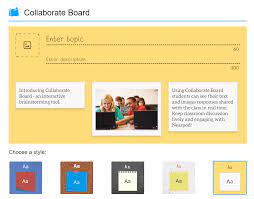
2. Collaborative Boards: Encourage collaboration and communication among students with this feature. Students can contribute ideas and work together in real-time.

3. Interactive Videos: Enhance videos by adding questions, quizzes, or polls that provide immediate feedback to students.

4. Matching Pairs Game: Challenge students’ memory and critical thinking skills by having them match related terms or concepts.

5. Draw It: Allow students to express their thoughts visually by drawing on a virtual canvas.

6. Time to Climb: Propel friendly competition among students with this customizable game where they race against time to answer questions correctly.

7. Mind Maps: Have your students organize their thoughts and ideas using this collaborative mind mapping tool.

8. Fill in the Blanks: Assess student comprehension of a text passage by creating a fill-in-the-blank activity for them to complete.

9. Open-Ended Questions: Stimulate higher-order thinking by posing open-ended questions for your students to answer.

10. Polls & Surveys: Gather immediate feedback from your students through polls and surveys, enabling you to better tailor your instruction based on their responses.

11. Quizzes: Assess student understanding through customizable quizzes with various question formats, such as multiple-choice or true/false.

12. Vocabulary Flashcards: Reinforce new vocabulary by introducing students to flashcards that provide definitions and examples of new words.

13. Self-Paced Lessons: Empower students to progress through lesson content at their own pace by giving them control over their learning journey.

14. 360 Images: Captivate your students with 360-degree images, allowing them to explore and interact with the content.

15. Memory Test: Challenge students’ attention and memory skills by presenting them with images or text for a short period before questions related to the content appear.

16. Puzzles & Riddles: Engage students with brain-teasers that involve critical thinking and problem-solving skills.

17. Goal Setting: Encourage your students to set SMART goals and track their progress throughout the course.

18. Audio Clips & Podcasts: Integrate audio content such as podcasts or excerpts from speeches to enhance auditory learning opportunities for your students.

19. PhET Simulations: Explore science concepts through interactive simulations that allow students to visualize, manipulate, and investigate scientific phenomena.

20. Debate & Discussion: Create opportunities for debate, fostering conversations among your students as they analyze and explore diverse perspectives on various topics.

In conclusion, Nearpod offers a wide array of activities designed to engage and support learners across all subject areas and grade levels. By incorporating these effective and engaging activities into your lesson plans, you can foster a truly interactive learning environment in which students are not only stimulated but also feel empowered in their educational journey.

Strategies for Learning

Introduction:

Teaching is an art that evolves with time; educators must continually improve their skills to cater and adapt to a diverse group of learners. The key to effective teaching lies in the adoption of various strategies to optimize learning. This article will explore some proven learning strategies that enhance teaching expertise and maximize students’ intellectual development.

1. Active Learning:

Encourage students’ participation by assigning tasks and activities that stimulate critical thinking and problem-solving abilities. Active learning techniques include brainstorming, group discussions, case studies, and project-based assignments. These opportunities foster student engagement while allowing educators to gauge their comprehension levels.

2. Differentiated Instruction:

Every student has a unique learning style. Understanding and catering to these individual needs can significantly improve learning outcomes. Differentiated instruction involves altering the pace of teaching, presenting the content differently, or offering varied assessment methods to accommodate various student preferences.

3. Understanding Prior Knowledge:

A fundamental aspect of effective teaching lies in understanding students’ prior knowledge. Start new lessons by connecting them with what students already know; assess their preconceived notions and bridge the gaps in understanding.

4. Collaboration Between Students:

Promote cooperative learning through the formation of study groups, projects, or discussions that require teamwork among students. This collaborative setting enhances communication skills, promotes critical thinking, and allows learners to negotiate their understanding with peers.

5. Incorporate Technology-Assisted Teaching:

Integrating technology into the classroom opens up opportunities for a dynamic and personalized learning experience. Utilize digital platforms like interactive whiteboards, educational software or online tools that can facilitate both remote and in-person classes, making education accessible to all learners.

6. Assessment and Feedback Strategies:

Incorporating formative assessment techniques like quizzes, self-assessment, peer evaluation, or teacher feedback helps identify areas where learners may need improvement or reinforcement. Supportive guidance from instructors can positively influence a student’s motivation and engagement levels.

7. Encourage Reflective Learning:

Promote self-reflection by asking students to analyze their learning process, identify strengths and weaknesses, and set personal improvement goals. This metacognitive approach fosters independent thinking, self-awareness, and growth-driven mindset.

Conclusion:

Implementing these learning strategies can dramatically enhance an educator’s teaching expertise by catering to the diverse needs of learners in a comprehensive manner. Ensure that your teaching environment is conducive to learning by offering flexibility and being receptive to feedback from both students and educators. In the constantly evolving education landscape, adapting to innovative strategies can result in significant gains for students’ overall development.

Improving Teacher Effectiveness with Natural Language Processing

Introduction

In today’s fast-paced and technology-driven world, education has evolved leaps and bounds. Innovative technological tools are constantly being developed to facilitate teachers’ professional growth and help them better cater to their students’ needs. One such cutting-edge development in educational technology is Natural Language Processing (NLP). This article will highlight the significance of NLP and its potential impact on improving teacher effectiveness.

What is Natural Language Processing?

Natural Language Processing is a field of Artificial Intelligence that focuses on interactions between computers and humans through natural language. It deals with the engineering aspect of crafting algorithms and systems to understand, interpret, generate, and derive useful information from human languages. By leveraging machine learning and deep learning techniques, NLP has the potential to revolutionize teaching methodologies.

Role of NLP in Improving Teacher Effectiveness

1. Feedback Analysis: Providing quality feedback on students’ work is one of the most crucial aspects of effective teaching. With NLP, teachers can swiftly analyze and assess written assignments using tools like grammar checkers or readability analyzers that gauge sentence structure complexity. This saves valuable time for teachers, allowing them to focus on personalized feedback and tailor instruction for individual student needs.

2. Curriculum Customization: NLP-powered tools can analyze students’ learning styles, strengths, and weaknesses by assessing patterns in speech or writing. Teachers can use this information to design customized curricula that address each learner’s unique attributes while ensuring comprehensive coverage of required topics.

3. Sentiment Analysis: Emotions play a critical role in students’ academic success. By paying attention to social cues embedded in students’ text or verbal communications, NLP can detect emotional states surfacing from frustration, confusion, or lack of motivation. This insight enables teachers to provide timely support addressing learners’ motivational needs.

4. Identifying Struggling Students: NLP can determine if a student struggles with specific language comprehension issues like dyslexia or issues related to second language acquisition. This information allows teachers to adopt appropriate teaching techniques that accommodate learners’ requirements, fostering equitable inclusion in the classroom.

5. Communication Efficacy: Communication is vital for connecting with students and cultivating a positive learning environment. NLP can help teachers improve their communication skills by analyzing their speech or written text for clarity, coherence, and potential linguistic pitfalls. This empowers educators to convey their ideas more coherently and captivate students better.

Conclusion

The various applications of Natural Language Processing present an exciting opportunity for educators to enhance their teaching strategies, foster personalized learning, and ultimately improve teacher effectiveness. As NLP technology continues to evolve, it is essential for teachers to embrace it and harness its benefits in shaping the future of education. With progressive initiatives like NLP being integrated into teacher practice, students will be better equipped to excel in a world that demands adaptability and critical thinking.