
Education

which category should the following blog should lie oin : “

The digital age has brought forth several advancements in the realm of education, one of which is virtual learning. As teachers search for innovative ways to engage their students and provide meaningful learning experiences, they can turn to the concept of virtual “stations.” These online spaces create opportunities for students to explore different aspects of a topic, work collaboratively, and develop vital skills.

Planning Virtual Stations

1. Set clear learning objectives: Begin by identifying the goals of your virtual station activities. Determine what knowledge and skills you want your students to gain from these stations and select relevant content accordingly.

2. Distinguish essential resources: Select the materials needed for each station. This may include videos, articles, images, or interactive simulations. Ensure that all resources are accessible online and age-appropriate for your students.

3. Organize stations with various formats: To maintain student interest and cater to diverse learning styles, incorporate a mix of activity types in your virtual stations. These may include discussion threads, quizzes, project-based tasks, or creative art assignments.

4. Determine student groupings: Decide whether you want students to work individually, in pairs, or in small groups. Be mindful of students’ diverse abilities when grouping them together.

5. Prepare instructions and rubrics: Develop clear instructions for each station along with any necessary rubrics or evaluation criteria. This will help guide students during their activities and allow them to understand what is expected of them.

Using Virtual Stations

1. Introduce the concept: Before diving into the virtual stations, introduce the idea to your students by explaining how they work and discussing their benefits.

2. Model navigation & expectations: Demonstrate how students should navigate through the stations and review any behavioral expectations so they can focus on learning rather than addressing technical difficulties.

3. Offer choice & flexibility: To accommodate learners’ unique needs and interests, offer options within each virtual station. For example, provide a choice of topics, resources, or activity formats.

4. Monitor progress and offer support: While students navigate the virtual stations, monitor their progress, provide feedback, and offer assistance as needed. Keep track of participation and evaluate student engagement to ensure all are actively involved in the learning process.

5. Reflect on the experience: After completing the virtual stations session, encourage students to reflect on what they learned, challenges they encountered, and any suggestions for improvement.

In conclusion, virtual stations are a valuable tool that teachers can incorporate into their online classroom as they continue to adapt to the ever-evolving world of remote learning. By planning and using these interactive spaces strategically, educators can foster an engaging learning environment while empowering their students with the necessary skills for success in today’s digital age

16 Hands-on Science Kits for Middle and High School

Science is an ever-growing and fascinating field that piques the curiosity of people of all ages. For middle and high school students in particular, hands-on experience with scientific concepts can not only boost their understanding but also fuel their passion for learning. In this article, we highlight 16 hands-on science kits designed to engage young minds in scientific exploration.

1. Snap Circuits Electronics Exploration Kit: This versatile kit allows students to explore the world of electronics by building more than 300 projects. The easy-to-use snap-together components make it perfect for both beginners and advanced users.

2. Thames & Kosmos CHEM C3000 Chemistry Set: Equipped with a professional-grade lab equipment set and manual, this comprehensive kit helps students conduct a wide range of chemistry experiments.

3. Lego Mindstorms EV3 Robotics Kit: Robotics is a fast-growing area of science, and with this kit, students can create and program their very own robots using LEGO building blocks.

4. National Geographic Earth Science Kit: With this kit, students can study Earth’s natural processes through experiments on volcanoes, earthquakes, and weather.

5. ThinkFun Gravity Maze Marble Run: A combination of logic games and physics principles, this engaging kit challenges students to arrange the towers so the marbles follow the correct path through the maze.

6. Discover With Dr. Cool Geology Rock Science Kit: Ideal for aspiring geologists, this kit provides everything needed to perform seven different rock-related experiments.

7. Crime Scene Detective Forensic Science Kit by Innovating Science: Future crime scene investigators can use this kit to analyze evidence from simulated crime scenes using forensic techniques such as fingerprinting, blood typing, and fiber analysis.

8. 4M Tin Can Robot: This kit teaches basic mechanics by allowing students to convert an empty soda can into a functional robot.

9. SmartLab Toys Squishy Human Body: With this kit, students can explore human anatomy by reconstructing a model of the human body with removable organs.

10. Celestron 21024 FirstScope Telescope: Budding astronomers can take a closer look at the stars and planets with this easy-to-use telescope designed for beginners.

11. SpiceBox Books Simple Machines Kit: Introduce students to the principles of mechanics with this kit featuring six hands-on projects based on simple machines.

12. Learning Resources Beaker Creatures Bubbling Volcano Reactor: Young chemists can learn about chemical reactions as they watch their Beaker Creatures go through a fizzing transformation in this explosive lab setup.

13. LittleBits Gizmos & Gadgets Electronics Kit: This kit allows budding inventors to create and customize their very own electronic gadgets.

14. NeuLog Sensors Physics Starter Lab Kit: Explore the principles of physics with this comprehensive lab kit featuring experiential activities on motion, force, energy, and more.

15. OWI Solar Robot Building Kit: With clear instructions and the pieces needed to build 14 different types of robots, this solar-powered kit provides a fun introduction to renewable energy resources and mechanics.

16. My First Lab Duo-Scope Microscope: Perfect for budding biologists, this high-quality microscope comes with prepared slides, blank slides, and all the necessary tools for specimen study.

These science kits offer a diverse range of experiments and activities that are sure to captivate middle and high school students’ imaginations while providing valuable hands-on experience in scientific discovery. By incorporating these kits into their learning journey, students will gain a deeper understanding of the exciting world of science.

Bitmoji Lockers Are the New Bitmoji Classrooms—and a Great Icebreaker for Students!

Introduction:

In recent years, technology has greatly impacted the education system, leading to the emergence of new and innovative ways to engage students. One of these exciting developments is the use of Bitmoji Lockers in the virtual learning space. These virtual lockers have taken over from Bitmoji Classrooms as an entertaining and useful tool in keeping students engaged, functioning as an excellent icebreaker for both teachers and students.

What are Bitmoji Lockers?

Bitmoji Lockers are virtual representations of a student’s locker, which can be customized with various items, decorations, and their personal Bitmoji avatar. They serve as a platform for students to express themselves creatively while fostering a sense of belonging within the online community. Similar to Bitmoji Classrooms that were widely used during remote learning, these lockers help bridge the gap between traditional and virtual schooling.

Why are Bitmoji Lockers effective icebreakers?

1. Personalization: Bitmoji Lockers allow students to showcase their interests, hobbies, and personalities by selecting different items and designs. This personal touch helps break down barriers between students, encouraging them to engage in conversations about their shared interests or unique choices.

2. Simplicity: Creating a Bitmoji Locker is easy and accessible for both teachers and students. With user-friendly platforms such as Google Slides or PowerPoint at their disposal, they simply need to insert images and props onto their locker’s background.

3. Creativity: Designing a virtual locker provides an opportunity for students to unleash their creativity without any physical limitations.

4. Interaction: With interactive elements like Zoom or Google Meet interactions built into the lockers’ designs, Bitmoji Lockers help foster real-time communication in a fun manner between students or student-teacher pairs.

5. Community Building: As every student contributes their Bitmoji Locker to a shared virtual space, the sense of belonging to a community is strengthened, diminishing the social distance often felt in online environments.

Best Practices for Creating Bitmoji Lockers:

1. First, choose a suitable platform for your locker, such as Google Slides or PowerPoint. Begin with a basic background template before layering on any personalized elements and your Bitmoji avatar.

2. Use clear photographs or illustrations to represent personal items. Keep in mind that these objects should be school appropriate and reflect each student’s genuine interests.

3. Integrate interactive elements such as Zoom or Google Meet links, encouraging real-time communication within the class.

4. Ensure that privacy settings are enabled when sharing lockers with the class to prevent unauthorized access.

5. Finally, foster engagement and discussion by setting aside time for students to showcase their lockers and share details about their chosen items.

Conclusion:

With students around the globe adapting to new learning formats, tools like Bitmoji Lockers help bridge the gap between traditional physical classrooms and online learning spaces. As an engaging icebreaker for students, these easily customizable lockers create a sense of community while enabling teachers to learn more about their students through personal expression and interaction.

What Questions Should I Include on My Student Classroom Surveys?

Introduction:

Student classroom surveys are an essential tool for teachers to gauge the effectiveness of their teaching methods and gather feedback that can be used to improve the learning experience. They provide valuable insights on students’ level of engagement, understanding, and satisfaction in the classroom. But what questions should you include to ensure that you obtain accurate and actionable information from your surveys? Here are some questions to consider.

1. Learning Environment Questions

– How comfortable do you feel in the classroom, both physically and emotionally?

– Is the classroom well-equipped for effective learning?

– Are there sufficient resources available (e.g., books, technology) to support your learning?

2. Course Content Questions

– Is the course content relevant and interesting to you?

– Do you find the course material presented at a reasonable pace?

– How well do you understand the concepts being taught?

3. Teaching Method Questions

– Are the instructional methods used in class effective for your learning style?

– Are the teacher’s explanations clear and easy to understand?

– In what ways could the teacher change their teaching style to better suit your learning needs?

4. Assessment and Grading Questions

– Do you feel that assessments fairly measure your understanding of the course material?

– How useful is the feedback provided by your teacher on assignments and tests?

– What changes could be made to improve how assessments are conducted?

5. Classroom Engagement Questions

– How engaged do you feel during class discussions or group work activities?

– Are there opportunities for you to ask questions or seek clarification during class?

– What strategies do you think could increase overall student engagement in class?

6. Teacher Interaction Questions

– How approachable is your teacher when you need help or have concerns about an assignment or concept?

– Are they open to receiving feedback from students about their own teaching methods or class experiences?

– What could be done to better facilitate communication between you and your teacher?

7. Time Management Questions

– Do you feel that you have adequate time to complete assignments and study for tests?

– Are the due dates for assignments and tests clearly communicated in advance?

– What strategies could be implemented to help students better manage their time within the course?

Conclusion:

Including these questions on your student classroom surveys can provide valuable insights into your students’ perspectives on their learning experiences. Take the time to analyze the responses and identify areas for improvement to ensure that you are providing the best possible education for your students. Remember, surveys should be anonymous and conducted regularly to adapt as needed throughout the school year.

23 Items Every Middle School English Classroom Needs

In today’s fast-paced educational landscape, middle school English teachers play a pivotal role in molding the minds of young students. To foster a dynamic and engaging learning environment, there are several essential items that should be present in every middle school English classroom. Here are 23 must-have items for creating a productive and effective learning space.

1. Classroom Library: A variety of age-appropriate books, including novels, short stories, plays, and anthologies to accommodate different reading levels and interests.

2. Word Wall: A visually appealing display of high-frequency vocabulary words and subject-specific terms.

3. Writing Center: A place where students can brainstorm, draft, revise, and edit their work with access to writing utensils, paper, and other resources.

4. Grammar Posters: Visual aids that illustrate grammar rules and concepts for easy reference.

5. Anchor Charts: Displays that guide students in understanding complex ideas, such as plot structure, literary devices, and essay organization.

6. Teacher’s Desk: A well-organized workspace containing lesson materials, stationery supplies, and personal belongings.

7. Student Desks or Tables: Comfortable seating arrangements that promote collaboration and discussion among students.

8. Bulletin Board: An area dedicated to displaying student work, announcements, and upcoming events.

9. Technology Devices: Computers or tablets with necessary software and internet access to support research and educational applications.

10. Whiteboard or Smart Board: An interactive display where teachers can write notes or project visuals during lessons.

11. Audiovisual Equipment: A projector or speaker system for multimedia presentations and lessons.

12. Storage Cabinets: Organized spaces for storing books, supplies, student work samples, and other classroom materials.

13. Classroom Decorations: Inspiring quotes, artwork or posters that create an inviting atmosphere for learning.

14. Flexible Seating Options: Alternative seating choices like bean bags or floor cushions to provide students with different seating preferences.

15. Dictionary and Thesaurus: Print or digital resources that students can use during reading and writing tasks.

16. Classroom Laminator: A handy tool for protecting important documents or teaching aids from wear and tear.

17. Document Camera: A device for projecting images of texts, student work, or other materials onto a screen for group viewing and analysis.

18. Timer or Stopwatch: Useful for time-bound activities like debates, quizzes, or presentations.

19. Attendance System: A method for recording daily attendance, whether in a physical log, app, or spreadsheet.

20. Grading System: An efficient way to track assignments, assessments, and academic progress throughout the year.

21. Class Rules & Expectations Poster: A clear outline of classroom norms and guidelines for maintaining a positive learning environment.

22. Pencils, Pens & Erasers: Ample supplies of essential writing tools readily available for student use.

23. First Aid Kit: A safety precaution containing items like band-aids, pain relievers, and disinfectant wipes to handle minor injuries or health concerns.

By providing these 23 essential items in your middle school English classroom, you can create a comfortable, organized, and conducive learning environment that supports both your instructional goals and the unique needs of your students.

6 Ways to Make Civics Learning Come Alive

Civics education is critical for fostering informed and engaged citizens. In a world where fake news and disinformation permeate the media landscape, it is more important than ever to educate young people about the workings of our government, political system, and the responsibilities of citizenship. Here are six ways to make civics learning come alive in the classroom:

1. Interactive Simulations

Simulate real-life government scenarios by having students assume roles such as legislators, judges, executive officials, or lobbyists. Offer them situations requiring cooperation and compromise. Simulations like Model United Nations and mock trials provide enriching experiences for students and immerse them in practical aspects of government systems.

2. Engage in Local Politics

Encourage students to attend city council meetings or organize visits with local politicians. Having students interact directly with policymakers helps demystify politics and fosters their understanding of the impact each citizen can have in shaping their community.

3. Analyze Current Events

Introduce discussions regarding current events at different levels – local, national, or global. Breaking down topics like legislation, elections, or conflicts will deepen students’ comprehension of civics concepts while keeping them informed about current affairs.

4. Explore Historical Documents

Provide opportunities for students to read and analyze foundational texts like the Constitution or influential court cases such as Brown v. Board of Education. Encourage them to explore how they relate to present-day issues by facilitating debates or discussions on various interpretations of these documents.

5. Utilize Multimodal Resources

Incorporate films, documentaries, podcasts, and virtual reality experiences that engage different learning styles and offer new perspectives on civics concepts. These resources can spark curiosity and stimulate discussion among students while fostering a deeper understanding of subjects matter.

6. Promote Civic Engagement

Challenge students to become active citizens by participating in civic projects such as voter registration drives or environmental initiatives within their communities. Educate them about ways they can make a positive impact and encourage them to volunteer, intern, or join community-based organizations. This hands-on approach builds civic skills and nurtures a sense of responsibility in young people.

In conclusion, fostering an exciting and engaging atmosphere for civics learning is paramount for creating well-rounded, responsible citizens. By using interactive simulations, exploring historical documents, engaging with local politics, discussing current events, incorporating multimodal resources, and promoting civic engagement, educators can bring civics education to life and empower future leaders.

When the Problem is the Kindergarten Standards (Not Your Kid)

Introduction

In today’s highly competitive educational environment, there is an emphasis on early learning and achievement. To keep pace with this trend, kindergarten standards have become more rigorous, with children experiencing increased academic stress. However, it begs the question – are the issues faced by young learners due to personal challenges or unrealistic expectations set by the kindergarten standards themselves?

The Evolution of Kindergarten

Historically, kindergarten focused primarily on socialization and play-based learning, fostering creativity and curiosity among young minds. However, over time, the focus has shifted more towards formal education and meeting specific benchmarks, which led to high academic pressure on children just starting their educational journey.

The Burden of Unrealistic Expectations

1. High-Stress Environment: Today’s rigorous kindergarten standards can create a high-stress environment for young learners who are expected to master skills they may not be developmentally ready for yet. This pressure can result in stress, anxiety, and negative feelings associated with learning.

2. Diminished Creativity: Strict guidelines stipulating what a child should know and learn often leave little room for creativity and exploration in the classroom. Creativity is critical in nurturing problem-solving skills, innovation, and flexibility – vital for success in future endeavors.

3. Delayed Social-Emotional Development: The excessive focus on academic outcomes frequently leads to less emphasis on children’s social-emotional development – a key aspect of holistic growth.

Identifying the Real Problem

When parents notice that their child is struggling to meet kindergarten standards, they should consider these factors before assuming the fault lies with their child:

1. Are the Standards Developmentally Appropriate? Research indicates that children develop at different rates. Kindergarten standards based on rigid age norms fail to account for this variability in development.

2. Is the Classroom Environment Conducive to Learning? A supportive learning environment that accounts for varying levels of readiness is crucial. The classroom should provide opportunities for all children to grow at their own pace, combining academic expectations with ample room for play and social interaction.

3. Are Teachers Well-Supported? Educators need resources and time to cater effectively to individual student needs and development, accommodating diverse learners within the classroom while teaching a broad curriculum.

Reevaluating the Kindergarten Standards

It’s crucial that education systems around the world thoroughly reevaluate kindergarten standards and take relevant factors into account for comprehensive growth. When forming policies, stakeholders should consider:

1. Flexibility: Allow for flexibility in implementing standards, as children differ in their developmental state, ready to learn at different paces.

2. Balance: Find a balance between academic rigor and essential aspects of childhood development. This holistic approach fosters a positive attitude towards learning and resilience against setbacks.

3. Support: Provide ample resources to educators to enable them to meet students’ varied needs effectively, focusing on individualized interventions without compromising learning quality.

Conclusion

In conclusion, it’s essential not to label children as problematic when they might merely be struggling due to inadequate or overly demanding kindergarten standards. By promoting flexibility, balance, and support in kindergarten education policies, we can foster growth in our young learners without sacrificing their well-being or inhibiting their overall development.

7 Essential Discussion Questions for “13 Reasons Why”

1. How does “13 Reasons Why” portray mental health and its impact on teenagers?

The Netflix series “13 Reasons Why” generated much conversation about mental health in its depiction of teen suicide. How do you feel the show portrays mental health issues, particularly among young people?

2. How does the series depict the role of bullying in modern schools?

Bullying features prominently in the events leading up to Hannah’s tragic decision. What messages does the series send about the various forms of bullying and their potentially harmful effects on individuals targeted?

3. In what ways does “13 Reasons Why” address parental involvement and communication?

Parents appear in the series as central figures who navigate complex relationships with their children. To what extent do you think “13 Reasons Why” demonstrates effective communication between parents and their teenage children?

4. How does the show portray accountability and responsibility for one’s actions?

Throughout the series, different characters are held accountable for their involvement in Hannah’s life. In your opinion, how effectively does “13 Reasons Why” explore the importance of taking responsibility for your actions?

5. How is grief and loss addressed in “13 Reasons Why”?

Each character in the series deals with grief differently after losing Hannah. Discuss the various ways these individuals cope with their emotions and what messages the show provides about processing grief.

6. Do you believe “13 Reasons Why” effectively sparks conversation about mental health and suicide prevention?

One purpose behind the creation of this controversial show was to generate discussions around difficult topics such as mental health and suicide prevention. Do you feel that it achieves this goal—and if so, why or why not?

7. What impact do you believe shows like “13 Reasons Why” may have on viewers’ attitudes towards mental health awareness?

Thought-provoking series like “13 Reasons Why” can inspire debate about significant social issues. What do you think may be the lasting implications of such shows on raising awareness and understanding of mental health?

10 Awesome Ideas for Anchor Chart Organization and Storage

Introduction:

Anchor charts are essential learning tools that provide visual reinforcement and help students understand key concepts. As teachers create more and more of these charts, it’s important to have an efficient system to organize and store them. In this article, we’ll explore 10 awesome ideas for anchor chart organization and storage that will make your classroom more tidy, functional, and visually appealing.

1. Chart Hanging Racks

Invest in a chart hanging rack that allows you to display multiple anchor charts at once. This makes it easy to quickly switch between them during lessons or discussions.

2. Binder Clips and Command Hooks

Use binder clips to attach your anchor charts to command hooks placed strategically around the classroom. This allows for easy access when needed and helps keep the classroom clutter-free.

3. Pocket Chart Stands

Utilize a pocket chart stand to store your anchor charts easily. The stand provides multiple pockets to hold various-sized charts and can be moved around as needed.

4. Rolling Carts

Invest in a rolling cart with multiple shelves that are capable of holding various-sized anchor charts. This provides an easy way to transport your charts from one area of the classroom to another.

5. File Folder Storage

Organize your anchor charts according to themes or subjects by using file folders as storage units. Label each folder with the theme or subject for easy identification and organization.

6. Magazine Racks

Repurpose magazine racks as a storage solution for your anchor charts. These racks can hold numerous charts, allowing you to keep them organized and easily accessible.

7. Wall Organizers

Create a designated wall space for anchor chart organization using hanging wall organizers with several compartments that can hold various chart sizes.

8. Storage Tubs

Invest in large, durable storage tubs or containers specifically designed for storing poster- or chart-sized materials. Label each tub with its contents for easy reference and organization.

9. DIY Hanger Storage

Using hangers and a closet rod, create your own anchor chart storage system. Simply clip the charts onto the hangers and hang them on the rod for convenient and space-saving storage.

10. Vertical File Organizers

Utilize vertical file organizers as an alternative storage option for your anchor charts. They can be easily stacked or placed on a shelf, allowing you to keep charts organized without taking up too much space.

Conclusion:

Finding the perfect organization solution for your anchor charts can make all the difference in creating a functional and visually appealing classroom environment. By exploring these 10 awesome ideas for anchor chart organization and storage, you’ll be well on your way to an organized and efficient classroom that supports student learning.

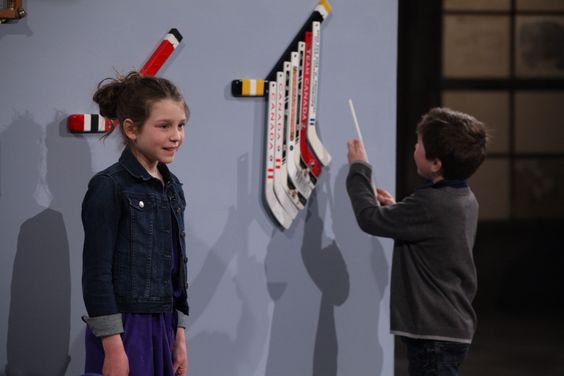
Dragon’s Den for G&T students

Introduction

Gifted and Talented (G&T) students often exhibit an innate aptitude for thinking beyond the normal scope of their age group. These natural innovators possess the potential to excel in various areas, including entrepreneurship. One popular television program has consistently provided fledgling entrepreneurs the chance to pitch their ideas to a panel of successful investors – Dragon’s Den. In this article, we will explore the world of Dragon’s Den and its potential benefits for G&T students.

What is Dragon’s Den?

Dragon’s Den is a reality television series where budding entrepreneurs pitch their business ideas and concepts to a panel of wealthy investors, known as “Dragons.” The show originated in Japan in 2001 and has since been adapted in various countries, including the United Kingdom, Canada, and the United States (Shark Tank).

How Does Dragon’s Den Work?

Each episode features entrepreneurs presenting their ideas to the Dragons, who then decide whether or not to invest in the projects. The entrepreneurs ask for a specific amount of money in exchange for a percentage stake in their business. The Dragons must determine if they can work well with the entrepreneurs while also assessing if their investment will likely yield substantial returns over time.

Why is Dragon’s Den Relevant to G&T Students?

1. Innovation and Creativity

Dragon’s Den encourages creative problem-solving and innovative thinking, two strengths that are prevalent among G&T students. Watching episodes or participating in simulated activities based on the show allows these talented minds to develop their entrepreneurial skills further.

2. Presentation and Communication Skills

One essential aspect of being successful on Dragon’s Den is effectively communicating your vision and persuading others to invest in it. This necessitates clear presentation skills and articulating compelling arguments – vital life skills that G&T students should foster early on.

3. Real-world Business Insights

G&T students can gain invaluable insights into the realities of running a business by observing the entrepreneurs’ trials and tribulations and learning from various exchanges on Dragon’s Den. This exposure to real-world business situations allows for a deeper understanding and application of classroom learning concepts in economics, finance, and management.

4. Promotes Resilience and Adaptability

As students witness entrepreneurs’ ability to cope with high-pressure situations, accept criticism, or handle rejection on Dragon’s Den, it may help solidify the importance of resilience and adaptability in their own lives.

How can G&T Students Apply What They Learn from Dragon’s Den?

1. Develop Their Own Business Ideas

G&T students can create their own business plans, inspired by the various ideas they’ve seen on Dragon’s Den. This activity encourages critical thinking, market analysis skills, and healthy competition.

2. Participate in Entrepreneurship Programs and Competitions

Many schools offer entrepreneurship programs or competitions that can provide G&T students with an opportunity to test their ideas, learn from experienced mentors, and gain invaluable business experience – an ideal platform for applying insights gained from watching Dragon’s Den.

3. Find a Mentor

By connecting with local entrepreneurs or participating in mentorship programs, G&T students can obtain guidance from experts who possess a wealth of experience in navigating the business world similar to what is seen in Dragon’s Den.

Conclusion

Dragon’s Den offers G&T students an incredible opportunity to learn valuable entrepreneurial skills while being entertained by the excitement of innovative ideas pitched before seasoned investors. By engaging with the show’s content or participating in related activities, G&T students can foster essential life skills that contribute immensely to future success.
