Elementary Education

20 Ideas To Make Your 3rd Grade Classroom A Homerun!

1. Creative Seating Arrangements: Ditch the traditional rows of desks and opt for flexible seating options like bean bags, floor cushions, or stability balls. This encourages different learning styles and collaboration among students.

2. Class Mascot: Have your students create and vote on a class mascot to foster an inclusive and supportive classroom environment.

3. Reading Corner: Set up a cozy reading nook with comfortable seating, inviting bookshelves, and colorful decorations to encourage a love for reading.

4. Daily Brain Teasers: Challenge your students with riddles, puzzles or brainteasers each day to inspire critical thinking and problem-solving skills.

5. Interactive Whiteboards: Invest in interactive whiteboard technology or a smartboard to engage students in interactive lessons and activities.

6. Thematic Units: Plan thematic units that tie various subjects together, such as space exploration, ancient civilizations, or ecosystems, to better engage students in their learning.

7. Give Students Choices: Allow students to choose their learning activities within the curriculum to increase ownership of their education and foster autonomy.

8. Encourage Teamwork: Implement collaborative activities like group projects or team-based competitions to promote teamwork and build social skills.

9. Guest Speakers: Invite a variety of guest speakers from the community to share their expertise with students in engaging presentations or workshops.

10. Outdoor Classroom: Occasionally hold class outdoors to allow for hands-on exploration of the natural world while teaching relevant subject matter.

11. Real-Life Math Application: Incorporate real-life scenarios when teaching math concepts to make it more relatable for students.

12. Celebrate Successes: Acknowledge student achievements throughout the school year by displaying their work on a “Wall of Fame” or holding mini award ceremonies.

13. Science Exploration Stations: Set up science stations around the room with various materials that let students perform hands-on experiments and research.

14. Student-Led Conferences: Encourage students to take ownership of their learning by leading conferences with parents and teachers to discuss their progress.

15. Creative Writing Opportunities: Introduce exciting and open-ended writing prompts that allow for creativity and self-expression while practicing composition skills.

16. Historical Perspectives: Bring history to life with fun activities, such as dressing up as historical figures or re-enacting significant events.

17. Connection to the Arts: Integrate the arts into your curriculum, providing opportunities for students to express themselves through drawing, painting, music, and dance.

18. Emphasize the Importance of Kindness: Develop and maintain a positive learning environment where kindness is reinforced through random acts of kindness and discussions about empathy.

19. Global Connections: Use technology like Skype or Google Hangouts to connect students with other classrooms around the globe, broadening their perspectives on different cultures, traditions, and environments.

20. Fostering Independence: Encourage independence in your learners by providing them with tools to problem-solve, set personal goals, and manage their time and resources effectively.

By incorporating these 20 ideas into your 3rd-grade classroom, you can create an engaging and dynamic learning environment that will foster success for every student.

20 Imaginative Pantomime Games for Kids

Introduction: Pantomime games involve expressing ideas and emotions through body language and facial expressions without using verbal communication. These games can boost children’s creativity, cognitive skills, and teamwork abilities. Here are 20 imaginative pantomime games your kids will love playing.

1. Invisible Objects: Players pretend to interact with everyday objects that are not actually there, such as opening a door, pouring a cup of tea, or reading a book.

2. The Mime Train: Kids form a line with one child as the leader who starts miming an action. The others in the line must follow the mime, changing actions as the leader.

3. Mirroring: Children work in pairs, imitating each other’s movements like looking in a mirror.

4. Freeze Dance Pantomime: Play music while kids dance around wildly. When the music stops, they must freeze in their positions and act out a scene based on those poses.

5. Emotion Charades: Children take turns acting out specific emotions (happy, sad, angry) while others try to guess the emotion portrayed.

6. Animal Kingdom: Participants emulate different animals using only body language and facial expressions (no sounds!). Others must guess the animal being portrayed.

7. Parents At Work: Kids mimic their parents or other adults they know while performing typical job tasks.

8. Classic Charades: Write down various actions on slips of paper. Children take turns acting out the phrases while others guess what they are miming.

9. Gradient Emotions: Divide children into small groups, have them act out an emotion that gradually intensifies over a short duration like happiness turning into hysterical laughter.

10. Body Letters: Each participant creates letter shapes using their bodies while others guess the letters being formed.

11. Moving Statues: Players move like statues across a room while trying to avoid making any sudden or unexpected movements.

12. Express Train: Kids line up and start a slow exaggerated walk, gradually speeding up until they reach a sprint, then slow back down.

13. Opposite Day: Have children perform actions that are the opposite of what they say (e.g., “I’m so tired,” while energetically jumping around).

14. Slow Motion Race: Players have a race while performing every action in slow motion.

15. Mime Stuck in a Box: One child pretends to be trapped inside an invisible box, trying to find ways to escape without making a sound.

16. Pantomime Telephone: Have children line up and pass along a message using only mime. The last person attempts to relay the final message, discovering how much it changed during the process.

17. Alien Arrives: Kids pretend they are aliens on Earth for the first time attempting to figure out everyday human activities.

18. Copycat Game: Participants work in pairs with one child miming actions, like opening an umbrella or eating. The other must copy the action and then add their own new mime for their partner to perform.

19. Silly Sports: Ask children to invent ridiculous sports using exaggerated actions and then act them out without speaking.

20. Invisible Orchestra: Each kid becomes a member of an imaginary orchestra with invisible instruments and performs a concert using only gestures and facial expressions.

Conclusion: These imaginative pantomime games offer endless opportunities for fun, creativity, and learning. Encourage your kids to use their bodies and facial expressions in new ways while building essential social and communication skills. Happy miming!

Third Grade Seed Experimentation: Adapting a Popcorn Kernel

Introduction

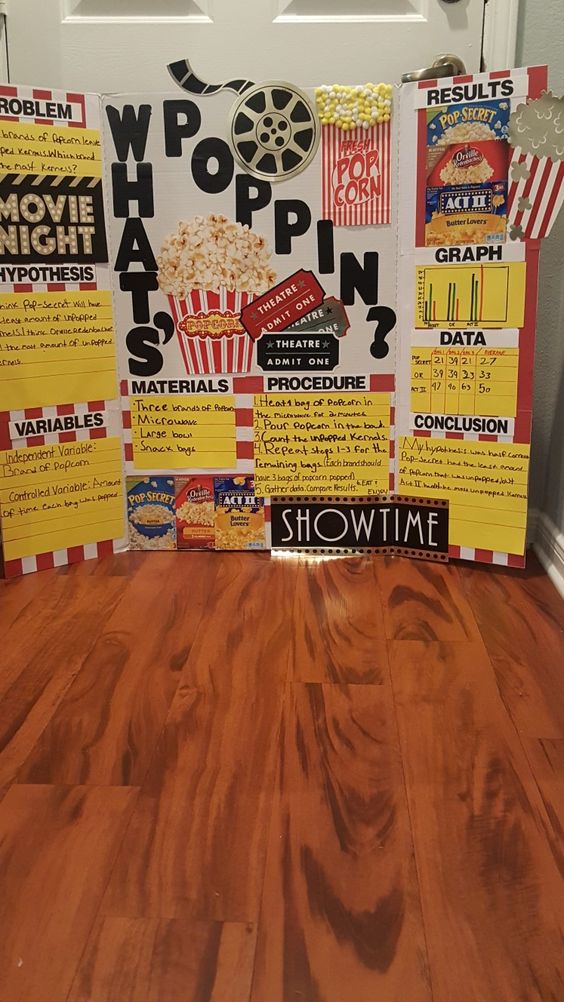
Encouraging scientific curiosity at an early age is essential to sparking a lifelong passion for learning. One engaging way to achieve this in the classroom is through experimentation. Third-grade educators can utilize a fun and interactive seed experimentation project, such as adapting a popcorn kernel, to provide students with a hands-on learning experience in plant science.

The Science Behind Popcorn Kernels

Popcorn kernels are seeds of the maize plant (Zea mays), just like the regular corn that we eat. The unique characteristic of popcorn lies in its starchy endosperm that contains a small amount of water. When heated, this water transforms into steam and eventually causes the kernel to pop open, releasing the soft, fluffy product we enjoy snacking on.

The Experiment: Adapting the Popcorn Kernel

Objective:

The goal of this experiment is to determine whether popcorn kernels can be adapted or manipulated to germinate and grow into small maize plants.

Materials:

– Popcorn kernels (unpopped)

– Regular corn seeds (for comparison)

– Small containers (e.g., plastic cups)

– Soil or potting mix

– Water

– Ruler

– Notebook for observation and recording results

Procedure:

1. Begin by discussing with students the differences between popcorn kernels and regular corn seeds. Ask them whether they believe popcorn kernels can also grow into plants.

2. Divide students into small groups and provide them with both types of seeds – popcorn kernels and regular corn seeds.

3. Guide each group to fill their containers with soil or potting mix.

4. Instruct students to plant their seeds about 1 inch deep, placing one type of seed in each container.

5. Have students water their newly-planted seeds and place them in a sunny location or under artificial light.

6. Encourage students to observe, measure, and record their plants’ growth in their notebooks. Remind them to water the containers regularly and take notes on factors such as size, color, and plant health.

7. After several weeks of monitoring the plants’ progress, facilitate class discussions about the differences between the plants grown from popcorn kernels and those from regular corn seeds.

Conclusion:

This experiment will provide students with a better understanding of seed germination and adaptation. As they track the growth of their plants, they will also have the chance to discover similarities and differences between popcorn kernels and regular corn seeds. The learning derived from the hands-on experience serves as a powerful method for fostering both student engagement and scientific thinking. Ultimately, these lessons will inspire future scientists to investigate and understand the natural world around them.

The National Parks: From the New Deal to a Big Deal for Fourth Graders

There’s a rich history behind America’s National Parks, and it’s a history that should be celebrated and treasured by people of all ages. From their early development under President Franklin D. Roosevelt’s New Deal to their current status as treasured destinations for families and outdoor enthusiasts alike, our National Parks are national treasures waiting to inspire the next generation.

The foundation of our National Parks can be traced back to FDR’s New Deal, which sought to combat the Great Depression through various relief, recovery, and reform efforts. Among these was the establishment of the Civilian Conservation Corps (CCC) in 1933. The CCC employed millions of young men who built roads, bridges, trails, park facilities, and more across America. Through this initiative and other like-minded conservation efforts, numerous parks were created, expanded, and enhanced.

One of the most iconic examples from this period is the stunning Great Smoky Mountains National Park – an expansive landscape spanning two states that now draws millions of visitors each year. At its inception in 1934, organizations such as the National Park Service and CCC were instrumental in transforming this area into a symbol of resilience and natural beauty. Activities like planting trees and building trails not only fostered environmental conservation but also provided much-needed employment opportunities during tough economic times.

Fast forward to today, and our National Parks have become coveted destinations for adventure-seeking families with children of all ages. For fourth graders especially, these parks present a particularly exciting opportunity thanks to the Every Kid Outdoors program. Launched in 2015 by President Barack Obama as part of an effort to get more kids outside and connected with nature, this program entitles every fourth grader in America to free access to over 2,000 federally managed parks, lands, and waters for an entire year.

By placing such a unique emphasis on fourth graders, the Every Kid Outdoors initiative encourages children at a critical stage in their development to explore and appreciate their natural surroundings. This not only boosts their physical activity and mental well-being but also fosters a profound connection to America’s rich natural heritage.

So why fourth grade? According to education specialists, this age group is particularly suited to this kind of educational outdoor adventure, as they have an innate sense of curiosity, and their cognitive abilities are fast-developing. Through this special park access, fourth graders can discover America’s breathtaking landscapes while simultaneously building valuable knowledge and critical thinking skills.

As we reflect on the evolution of our National Parks – from the hard work of struggling young men during the New Deal era to their present-day allure for millions of fourth graders across the nation – it’s crucial that we continue fostering a love for these cherished spaces in future generations. After all, it’s our collective responsibility to safeguard these natural wonders for years to come while inspiring a sense of wonder and learning in our nation’s youth.

20 Exciting Earth Science Activities

Earth Science is a fascinating field that encompasses the study of our planet’s natural processes and features. It provides a unique opportunity to learn about the earth’s dynamic systems, such as its geology, atmosphere, oceans, and ecosystems. To spark interest and inspire people of all ages, here are 20 exciting Earth Science activities to enjoy!

1. Crystal Growing Experiment – Create your own crystals and observe how they form over time.

2. Erupting Volcano – Construct a simple homemade volcano and witness a colorful eruption modeled after the real thing.

3. Create a Sundial – Learn about solar time by creating and using a sundial.

4. Soil Layer Study – Examine the different soil layers in your backyard or at a local park.

5. Edible Plate Tectonics – Use food items to demonstrate plate tectonics and understand earthquakes and volcanic eruptions.

6. Water Cycle in a Bag – Create a mini water cycle demonstration using just a plastic bag, water, and sunlight.

7. Rock Testing – Identify various rock types through research and hands-on testing methods.

8. Homemade Barometer – Craft your own barometer to analyze changes in air pressure to predict weather patterns.

9. DIY Seismograph – Construct a basic seismograph using household items to record simulated earthquake movements.

10. Ocean Currents Experiment – Create an experiment to visualize ocean currents using everyday kitchen supplies.

11. Cloud Formation Experiment – Observe cloud formation using just a clear container, water, ice, and a source of heat.

12. Rock Scratch Test – Determine mineral hardness by comparing the effects of different minerals when they scratch or are scratched by other materials.

13. Fossil Imprints – Make your own fossil imprints with clay or plaster for an in-depth understanding of how fossils form over time.

14. Glacial Slime – Make slime to simulate glacial movement and learn about the forces that shape our landscapes.

15. Earthquake Safe Structure – Build a structure that can withstand simulated earthquakes and understand the principles of earthquake-safe engineering.

16. Geodesic Dome Construction – Construct a geodesic dome with straws or sticks to learn about strong geological structures.

17. Weather Station – Assemble your own weather station and study meteorological data to better understand weather patterns.

18. Mini Terrarium – Create a small ecosystem in a jar to explore the concept of biospheres and ecosystems.

19. Air Pollution Experiment – Investigate the effects of air pollution by observing how various substances affect plant growth and health.

20. Space Geodesy – Learn about Earth’s shape, rotation, and gravity with homemade experiments related to space geodesy.

These activities offer an exciting way to engage both children and adults in Earth Science, fostering curiosity, creativity, and understanding of our planet’s processes. So gather some friends or family members and enjoy these fun, hands-on experiences that will leave you with a greater appreciation for the world we live in!

Teaching Young People to Love Learning

Introduction

In a world filled with distractions, fostering a genuine love for learning in young people is both essential and challenging. Encouraging children to embrace education helps develop informed, curious, and confident individuals who are better equipped to navigate life’s challenges. This article aims to share some insightful tips on teaching young people how to appreciate and enjoy the process of learning and growing academically.

Understanding Different Learning Styles

It is crucial to understand that every child has a unique learning style. Some learners may excel in traditional classroom settings, while others might prefer hands-on experiences or group projects. Take the time to identify each young person’s preferred learning style and incorporate it into their educational journey—igniting their enthusiasm and making education enjoyable.

Intrinsic vs. Extrinsic Motivation

A love for learning must stem from within a child; intrinsic motivation far outlasts efforts made purely for rewards or approval. Encourage children to explore topics they genuinely find intriguing and emphasize accomplishments that stem from curiosity rather than an obligation. This deliberate focus on a learner’s internal drive will foster a lifelong love for knowledge.

Passion vs. Performance

Cultivate an atmosphere where the thirst for knowledge outweighs the pressure to achieve high grades. While academic success is crucial, instilling an enthusiasm for learning should take precedence over an obsession with performance. Encourage young people to focus on deepening their understanding instead of zeroing in on flawless report cards.

Providing Support & Encouragement

There is an undeniable correlation between support, encouragement, and increased receptiveness towards education among young people. Identifying what ignites each person’s curiosity will aid in providing appropriate support. Offer words of encouragement at pivotal moments and also during challenging times. By creating a positive environment for growth, young people are more likely to cherish their academic achievements.

Fostering Independent Inquiry

Expose young learners to various subject areas without restricting them. Allow them to question, explore, and discover on their own. This independent inquiry encourages self-driven learning and establishes a strong foundation for critical thinking skills. As young people find answers to their questions and overcome hurdles, they’ll develop resilience and self-confidence in their academic pursuits.

Balancing Technology & Traditional Learning

In today’s digital age, it is essential to incorporate technology into the learning process. However, do not let it overshadow the value of traditional educational methods. Introducing young learners to an assortment of books, field trips, group projects alongside virtual resources gives them a comprehensive learning experience that fosters curiosity and engagement.

Conclusion

Igniting a love for learning in young people requires dedication and patience but yields remarkable results. Cultivating intrinsic motivation, recognizing different learning styles, and offering support will undoubtedly empower children to embrace education with enthusiasm and confidence. It is through these carefully nurtured environments that we create lifelong learners contributing positively to the world they inherit.

20 Great Ideas for Grade 3 Morning Work

As educators, we understand the importance of starting the day on the right foot with morning work. Grade 3 students need engaging, educational, and enjoyable activities to help them ease into their day. Here are 20 great ideas for morning work activities for your third graders.

1. Cursive Writing Practice – Provide worksheets or exercises that allow students to practice their cursive writing skills.

2. Daily Math Problem – Give students a math problem each day to help build problem-solving skills and confidence in mathematics.

3. Journal Writing – Encourage students to write daily in their journals, sharing their thoughts, emotions, or experiences.

4. Vocabulary Builder – Introduce new vocabulary words each day and have students use them in sentences or illustrate them through drawings.

5. Silent Reading Time – Allow time for students to silently read books they choose from the classroom library.

6. Growth Mindset Exercises – Help students develop a growth mindset through short daily activities or discussions on positive thinking and perseverance.

7. Creative Storytelling – Have students create a story using a provided theme, image, or prompt to engage their imagination.

8. Brain Teasers – Offer various puzzles and riddles for students to sharpen their critical thinking skills.

9. Art Station – Set up an art station with materials for coloring, drawing, and painting to inspire creativity.

10. Science Experiment Discussion – Start a conversation about possible experiments that could be done in class or share facts about scientific discoveries.

11. Morning Movement – Incorporate physical exercises such as yoga or stretching to energize students for the day ahead.

12. Current Events Discussion – Share articles or news stories suitable for third graders and hold a guided discussion about the topic.

13. Map Skills Practice – Provide maps of different places and have students identify countries, continents, landmarks, or directions.

14. Spelling Games – Boost spelling skills with fun games that encourage students to practice their spelling words.

15. Grammar Practice – Use short worksheets or mini-lessons to reinforce grammar concepts, such as punctuation, capitalization, and parts of speech.

16. Music Appreciation – Introduce students to various music genres and have them listen to a short piece each morning.

17. Weather Forecast Review – Discuss the daily weather forecast and its implications for attire, activities, and classroom learning.

18. Community Building – Conduct team-building exercises or games that foster friendship and cooperation among classmates.

19. Mindfulness Activities – Teach mindfulness techniques such as deep breathing or visualization to help students develop focus and relaxation skills.

20. Goal Setting – Encourage students to set daily or weekly goals for themselves in academics or personal growth and share their progress with the class.

By incorporating these engaging morning work activities into your Grade 3 classroom routine, you’ll set your students up for success both academically and socially throughout the day.

20 Preschool-Level Activities to Teach the Letter “B”

1. Bumblebee Craft: Create a cute bumblebee using construction paper or cardstock, and have your child practice tracing or writing the letter “B” on the bee’s body.

2. Bubble Painting: Mix water, dish soap, and paint to create colorful bubbles, then have your child blow them onto paper to make unique art while saying the letter “B.”

3. Ball Toss: Write the letter “B” on several plastic balls or balloons and have the children toss them into a container while saying “B.”

4. Butterfly Stamping: Use a butterfly-shaped stamp or stencil with paint or ink to create beautiful butterfly prints while reinforcing the letter “B.”

5. Bean Bag Boogie: Throw bean bags into containers labeled with “B” words, such as bag, box, and basket.

6. Block Building: Encourage your child to build with blocks while focusing on words that begin with the letter “B,” like bridge or barn.

7. Banana Bread Baking: Bake banana bread together as a delicious – and memorable – way to teach the letter “B.”

8. Button Sorting: Provide various buttons for children to sort by size, shape, or color while introducing “B” words like big, blue, and bright.

9. Bubble Wrap Stomp: Lay out bubble wrap on the floor and let your child stomp on it while yelling out, “Boom! Boom! Boom!”

10. Bead Stringing: Practice fine motor skills by threading beads onto a string while reciting the letter “B” aloud.

11. Balancing Act: Have children walk across a balance beam while repeating words that start with “B.”

12. Blowing Bubbles: Blow bubbles together, encouraging your child to say “bubble” each time one is formed.

13. Bear Hunt: Hide toy bears around your home or classroom and send the children on a bear hunt, repeating the phrase, “I see a ‘B’ on the bear!”

14. Paper Bag Puppets: Create simple puppets from paper bags, decorating them with facial features that emphasize the mouth saying “B.”

15. Bunny Hop: Practice hopping like a bunny and saying words that start with “B,” such as bounce, bound, and boing.

16. Butterfly Life Cycle: Explore the lifecycle of butterflies while discussing words that start with “B,” like caterpillar, chrysalis, and butterfly.

17. Beach Ball: Play a game of catch with a beach ball indoors or outdoors while saying words that start with “B” each time the ball is tossed.

18. Bicycle Drawing: Draw a bicycle together on paper while labeling its parts and associating them with words that begin with “B.”

19. Blueberries for Sal: Read Robert McCloskey’s classic book “Blueberries for Sal,” emphasizing all the B words in the book as you go along.

20. Body Tracing: Have your child lay down on a large piece of paper, trace their body, then decorate it using art supplies to create a colorful outline while emphasizing the letter “B.”

Enjoy these exciting activities to help your preschooler learn and love the letter “B!”

100 Sight Words for Fluent 5th Grade Readers

Developing fluency in reading is a crucial milestone for young learners as they progress through elementary school. One way to help students achieve this goal is by incorporating sight words into their vocabulary. Sight words are common words that children should be able to recognize instantly without sounding out. In this article, we will discuss 100 sight words that can help 5th-grade students become more fluent readers.

1. About

2. Across

3. After

4. Ago

5. Air

6. Almost

7. Along

8. Also

9. Always

10. Another

11. Answer

12. Anything

13. Away

14. Beautiful

15. Because

16. Before

17. Behind

18. Believe

19. Both

20. Bought

21. Busy

22. Cannot

23. Chance

24. Chose

25. Climbed

26. Different

27. Dispose

28. Does

29. Eager

30. Euler

31. Everyone

32. Finally

33. Finished

34. Forward

35. Friend

36. Great

37. Happened

38. Heard

39. However

40. Idea

41. IMportant

42. Interesting

43. Knew

44. Laughed

45. Listen

46. Little

47. Many

48. Move

49. Nearby

50. Never

51. Nobody

52. Of course

53. Passed

54. Perhaps

55. Powerful

56. Probably

57. Question

58. Rather

59. Remember

60. Round

61. Scientist

62. Search

63. Seemed

64. Single

65. Sometimes

66. Speak

67. Stronger

68. That’s why

69. These

70. Thought

71. Throughout

72. Together

73. Tomorrow

74. Trouble

75. Usually

76. Until

77. Visiting

78. WaitFor

79. Whenever

80. Which

81. Wonderful

82. World

83. Worried

84. Would

85. Year

86. Yesterday

87. You’re

88. Achieve

89. Attend

90. Believe

91. Choose

92. Community

93. Contribute

94. Determine

95. Encourage

96. Familiar

97. Gather

98. Inspire

99. Observe

100. Participate

These 100 sight words are essential for 5th-grade students to continue building their reading fluency and comprehension skills. By incorporating these words into their daily reading, practicing through flashcards or fun games, and using them in sentences, students will be on their way to becoming fluent readers and successful learners. Encourage the young readers in your life to master these sight words and watch as their confidence and abilities grow.

Tune in To Our Favorite Panda Cams for Kids

Introduction:

There’s nothing quite as magical and heartwarming as watching pandas up close. And now, with technology at our fingertips, you can do just that from the comfort of your own home! Panda cams provide an excellent opportunity for kids to observe these magnificent creatures in their natural habitats, learn about their behaviors, and foster a love for wildlife. We’ve rounded up some of the best panda cams on the internet for you and your children to enjoy.

1. Chengdu Research Base of Giant Panda Breeding

Located in China’s Sichuan province, the Chengdu Research Base is home to over 50 pandas. You can access their Panda Cam through their official website. Watch these adorable animals as they play, eat bamboo, and nap in their enclosures. With multiple live cameras available throughout the center, you’ll be able to observe different groups of pandas at any time.

Link: http://www.panda.org.cn/english/Live/Show/

2. Smithsonian’s National Zoo

The Smithsonian’s National Zoo in Washington D.C., USA, is home to Mei Xiang and Tian Tian, two beloved giant pandas. Through their Panda Cam, you can watch them explore their outdoor habitats or relax indoors. The live stream is accessible through the zoo’s website and provides endless entertainment for young panda enthusiasts.

Link: https://nationalzoo.si.edu/webcams/panda-cam

3. San Diego Zoo

The San Diego Zoo in California is another great destination to spot spectacular panda action. With its HD quality Panda Cam, you can have a clear view of Bai Yun and Xiao Liwu as they climb trees and play together in their lush habitat.

Link: https://animals.sandiegozoo.org/live-cams

4. Zoo Atlanta

Zoo Atlanta is home to Lun Lun, Yang Yang, and their adorable cubs – Ya Lun and Xi Lun. Tune into the Panda Cam and witness these charming creatures as they eat, play, and interact with each other. Their live stream provides two camera angles, allowing you to catch the pandas’ every move.

Link: https://www.zooatlanta.org/panda-cam/

5. Adventure World Shirahama

Located in Japan, Adventure World Shirahama offers an incredible opportunity to observe Eimei, Rauhin, and their cubs. With its user-friendly interface, you can switch between multiple cameras to gain different perspectives of these captivating pandas.

Link: https://panda.adventureworld.jp/webcamera/pandadayori.php

Conclusion:

Panda cams are a fun and educational way to encourage children’s interest in wildlife and conservation. These live streams offer memorable experiences that will instill an appreciation for these gentle giants in your kids. So go ahead and share the joy of panda watching with your family!