Elementary Education

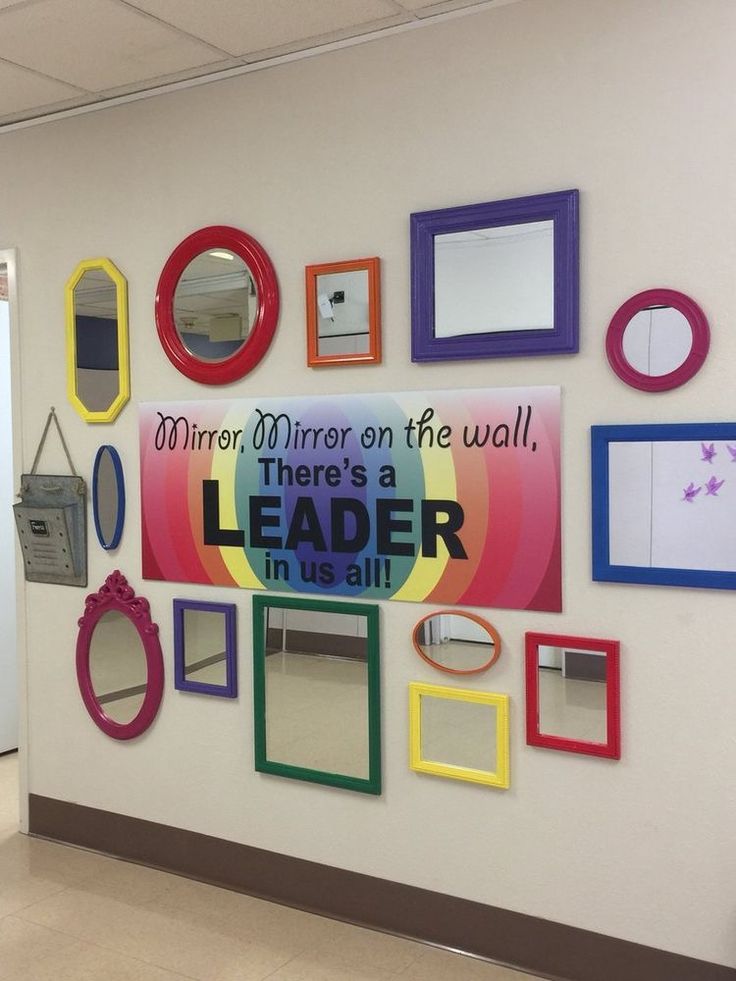
15 Leader in Me Activities for Elementary Schools

Introduction:

Leadership skills are crucial for the personal and professional growth of individuals. Nurturing these skills from an early age can set the stage for children’s future success. Elementary schools play a vital role in fostering leadership qualities amongst students. Here are 15 Leader in Me activities that can be implemented in elementary schools to help students reach their full potential.

1.Classroom Jobs

Assign each student a specific responsibility in the classroom, such as being a line leader or door holder. Rotate the jobs regularly so that everyone gets an opportunity to practice various leadership roles.

2.Collaborative Group Projects

Encourage teamwork and collaborative problem-solving by assigning group projects. Monitor each group to ensure that every member is participating and contributing their ideas and skills.

3.Student-led Conferences

Allow students to take charge of their parent-teacher conferences by presenting their academic progress, goals, and achievements. This activity promotes self-reflection, communication skills, and accountability.

4.Goal Setting and Tracking

Teach students to set SMART goals (Specific, Measurable, Achievable, Relevant, Time-bound) for themselves and track their progress throughout the school year.

5.Peer Mentorship Programs

Pair older or more experienced students with younger or less experienced ones to provide guidance, support, and encouragement.

6.Public Speakers Club

Create a space where students can practice speaking in front of an audience to improve their public speaking skills, increase self-esteem, and build confidence.

7.Leadership Library

Include books about leadership skills and real-life inspirational leaders in the school library or your classroom collection for students to explore.

8.Service-Learning Projects

Integrate service-learning projects into the curriculum to teach students about community service while also addressing academic standards.

9.Morning Meeting Greetings

Have students greet each other at the beginning of each day by shaking hands and maintaining eye contact – promoting respect, inclusion, and a positive classroom environment.

10.Conflict Resolution Role-Plays

Guide students through role-playing exercises that help develop skills in effective communication, active listening, and empathy when dealing with conflicts.

11.Classroom Meetings

Hold regular classroom meetings where students can discuss their feelings, ideas, and concerns while practicing their listening and speaking skills.

12.The Leadership Wall of Fame

Create a dedicated space to recognize the achievements and positive behaviors of students. Encourage students to nominate their peers for their leadership qualities.

13.Daily Leadership Quotes

Share a daily quote or proverb about leadership with the class to spark reflection and discussion.

14.The 7 Habits Student Journal

Introduce a journaling activity where students reflect on their actions in light of the 7 Habits of Highly Effective People (by Stephen Covey).

15.Debate Club

Establish a debate club to teach students about critical thinking, persuasive communication, listening, and research skills by defending a viewpoint on various topics.

Conclusion:

Incorporating leadership-building activities into an elementary school curriculum teaches children essential life skills that pave their way for future success. These activities offer engaging ways to inspire today’s elementary students to become inclusive, accountable, and exceptional leaders of tomorrow.

20 Friction Science Activities and Lessons to Inspire your Elementary Students

Introduction

Friction is an essential concept in science for elementary students to grasp. These 20 engaging friction science activities will inspire your students and foster a deeper understanding of this fundamental force.

1.Rubber Band Car Race: Combine the study of friction with a creative hands-on activity. Have students design and build rubber band-powered cars and race them on various surfaces to observe the effects of friction.

2.Sliding Shoes: Let your students compare how different shoe materials slide across various floors, such as wood, tile, and carpet. They’ll physically experience how changing the material can affect friction.

3.Sandpaper Art: Introduce the concept of roughness as it relates to friction by having students create art using sandpaper, crayons and paper.

4.Static Electricity Experiment: Explore the connection between static electricity and friction through rubbing a balloon on hair or cloth and watching how it attracts other objects.

5.Classroom Ice Rink: Create a makeshift ice rink in the classroom using a large plastic sheet or garbage bags and soapy water. Have students slide objects or themselves to observe how less friction leads to faster motion.

6.Walking on Eggs: Demonstrate how evenly distributed pressure reduces the effect of friction through walking on raw eggs without breaking them.

7.Gravity-Defying Beads: Explore kinetic energy and friction by letting gravity pull a string of beads out of a container, causing it to “defy” gravity temporarily.

8.Marble Runs: Build slopes from different materials like cardboard, wood, and plastic; then have students roll marbles down each slope to measure the impact of friction on speed.

9.Rope Climbing Challenge: Students attempt to climb a rope without using their feet, experiencing firsthand how greater friction leads to increased difficulty in movement.

10.Tug-of-War Tournament: Teach about opposing forces by organizing a tug-of-war tournament between teams on different surfaces like grass, concrete, and gym flooring.

11.Homemade Hovercrafts: Design and construct hovercrafts using a balloon, CD, and a bottle cap. Discuss how hovercrafts reduce friction by riding on a thin layer of air.

12.Spinning Tops: Make and spin different types of tops on various surfaces to see firsthand how their materials and shapes affect the amount of friction being created.

13.Bubble Soccer: Have students play “bubble soccer” using balloons while comparing the experience to regular soccer and discuss the role of air resistance and friction.

14.Friction Magic Tricks: Teach students simple magic tricks that rely on friction to work, like moving a coin with static electricity or balancing a soda can.

15.Spaghetti Bridges: Allow students to design bridges using straws, spaghetti, or other materials and discuss the importance of managing friction for stability.

16.Rolling Pin Derby: Experiment with rolling pins made from various materials (wood, metal, plastic) to better understand how material affects friction.

17.Glue Stick Races: Launch glue sticks across a table using rubber bands and measure the distance they travel to explore the relationship between force and friction.

18.DIY Zip lines: Create zip lines using string and plastic cups to teach about friction’s effect on objects moving through the air.

19.Book Dragging Race: Have students race one another while dragging books attached to strings across the floor; they’ll observe how increased weight results in greater friction.

20.Pulley Rescue Mission: Lastly, use pulleys to teach about mechanical advantage and reducing friction for more efficient lifting.

Conclusion

These 20 activities offer diverse and interactive ways for elementary students to explore friction science concepts in the classroom. By engaging in these activities, your students will develop a comprehensive understanding.

15 Inspiring Journalism Activities For Elementary Students

Introduction:

Journalism is an essential skill for children to develop as they grow up in a digital world of ever-changing news and perspectives. Integrating journalism activities into the elementary curriculum can help students learn critical skills such as research, critical thinking, and communication. Here are 15 inspiring journalism activities for elementary students that can be used in the classroom or at home.

1.School Newspaper

Encourage students to create their own school newspaper where they can report about school events, conduct interviews with teachers and classmates, and write opinion pieces about important topics.

2.Create a Blog

Have the students collaborate on a class blog where they can share their thoughts, ideas, and experiences related to various subjects being discussed in school.

3.Photography Journal

Guide the students in creating photo journals of their daily lives or special events in their community.

4.Podcasting

Introduce students to podcasting by helping them create a short audio series discussing a topic they are passionate about.

5.News Scavenger Hunt

Provide a list of news-related items for students to search for within their local newspaper or online news sources.

6.Interview Role-Play

Students can engage in role-playing exercises by taking on the roles of journalists, interviewees, and editors.

7.Write Letters to the Editor

Encourage students to write letters expressing their opinions on relevant issues to local newspapers or online publications.

8.Create Infographics

Teach students how to analyze data and create interesting visual representations (infographics) of information on a specific topic.

9.News Report Viewing and Reflection

Ask students to watch or read news reports and reflect on what they find appealing or unappealing about the presentation of information.

10.Comic Strip Journalism

Challenge students to create comic strips that tell a factual story or depict important historical events.

11.Classroom Debate

Organize debates in which students discuss current events, consider opposing viewpoints, and learn how to defend their opinions.

12.Fact or Fiction

Students can examine headlines and news stories to distinguish between credible sources and fake news.

13.News Writing Prompts

Provide students with daily or weekly news writing prompts to practice their journalism and writing skills in an engaging format.

14.Local Heroes

Ask students to research and write articles featuring local community members who have made a positive impact.

15.Create a Press Release

Teach students about press releases by having them write one about a fictional or real event that is happening within the school or community.

Conclusion:

Integrating these journalism activities into the elementary curriculum can help students gain important life skills while having fun in the process. By participating in these activities, they will not only develop their creativity and critical thinking but also enhance their understanding of how information is gathered and shared in our society.

15 Thanksgiving Activities for Elementary Schools

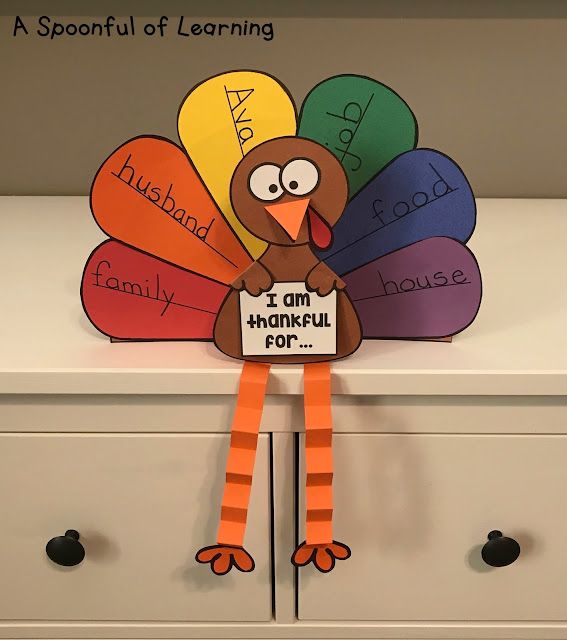
1.Thanksgiving Handprint Turkeys: Give each student a piece of construction paper and some colored paint to create their own handprint turkey. They can then use markers or crayons to add details and write what they’re thankful for on the turkey’s feathers.

2.Native American and Pilgrim Storytelling: Assign students to research and retell stories about the first Thanksgiving between the Native Americans and the Pilgrims, either through written reports or oral presentations.

3.Mayflower Model Building: Provide students with basic materials like popsicle sticks, glue, and fabric to build a small replica of the Mayflower ship.

4.Gratitude Journals: Encourage each student to keep a daily gratitude journal during November, in which they record something they’re thankful for each day.

5.Thanksgiving Skits: Divide students into small groups to perform short skits based on scenes from the first Thanksgiving or stories related to the holiday.

6.Harvest Festival: Organize a mini harvest festival for your class, complete with games, crafts, and snacks made from seasonal fruits and vegetables.

7.Thankful Trees: Display a large paper tree on your classroom wall, with each student creating a leaf where they write what they’re thankful for, then adding it to the tree.

8.Classroom Potluck: Have students bring in a favorite Thanksgiving dish along with a note explaining why it’s special to their family, then enjoy a delicious meal together as a class.

9.Wampum Jewelry Craft: Teach students about wampum beads used by Native Americans during trade and ceremonies, then have them create their own mock wampum jewelry using beads and string.

10.Turkey Feather Math: Turn math practice into a fun game by attaching turkey feathers with numbers written on them to a felt board; students can then create addition, subtraction, multiplication, or division problems using the feathers.

11.Thankful Acrostic Poems: Instruct students to write an acrostic poem using the word “THANKFUL” or “GRATEFUL,” where each letter begins a line describing something they’re thankful for.

12.Thanksgiving Bingo: Create a Thanksgiving-themed Bingo game using images of turkey, pumpkins, Pilgrims, Native Americans, and other seasonal items.

13.Letter to a Pilgrim: Students can write letters to a fictional Pilgrim or Native American child, describing their lives today and asking questions about life in the early 1600s.

14.Turkey Trot Races: Organize a series of relay races or an obstacle course for students to participate in while wearing silly turkey hats or costumes.

15.The Great Thanksgiving Debate: Engage students in a classroom debate about topics related to the history and meaning of Thanksgiving, such as whether the holiday is still relevant today or if it should be replaced with another celebration.

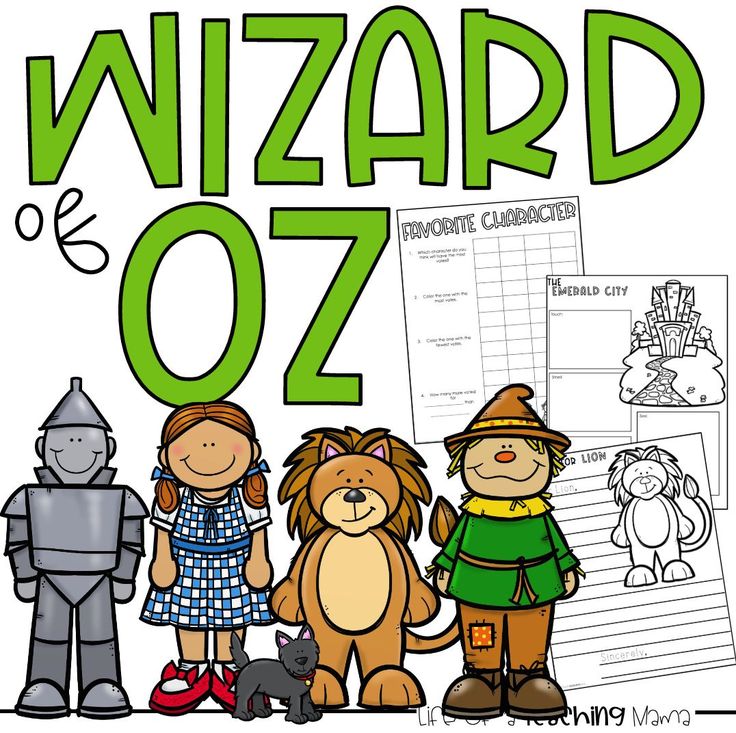
24 Wizard Of Oz Activities for Elementary School

1.Character Dress-Up Day: Encourage students to come to school dressed up as their favorite Wizard of Oz character. This will spark conversations about the characters and their roles in the story.

2.Yellow Brick Road Relay: Create a relay race where students follow a yellow brick road in the schoolyard. They can use teamwork and strategize to reach the end together.

3.Scarecrow Craft: Have students create their own scarecrow using hay, old clothes, and other materials. They can work together in groups to build their scarecrow while learning about teamwork and cooperation.

4.Tin Man Robots: Teach students about simple machines by building a Tin Man robot using recyclable materials, such as cans and bottle caps.

5.Cowardly Lion Courage Exercises: Encourage students to share stories about times when they had to be brave like the Cowardly Lion. Practice bravery by having them face small fears, such as presenting in front of the class.

6.Tornado in a Bottle: Teach students about tornadoes using plastic bottles with water and food coloring – called tornado tubes.

7.Ruby Slippers Dance Lesson: Teach students how to tap dance like Dorothy or Freddie! Dancing is a great way to get kids moving and learning new skills.

8.Oz Map Creation: Task each student with creating their own detailed map of Oz from their imagination, including favorite landmarks from the film or book.

9.Group Read-Aloud: Assign different characters from the story to individual students and read The Wizard of Oz aloud as a group.

10.Emerald City Slime: Create green “Emerald City” slime for students to play with during recess or free time!

11.Character Analysis Worksheets: Guide students through analyzing and describing various characters from The Wizard of Oz.

12.Plot Diagram Puzzle: Have children cooperate in teams to rearrange plot events in correct order on a pre-made puzzle.

13.Munchkin Skits: Divide the class into groups and have them create short skits based on different scenes from the Munchkinland part of the story.

14.Create Your Own Oz Adventure: Encourage students to use their imaginations and create their own continuation or twist on the tale.

15.Lollipop Guild Musical Chairs: Play traditional musical chairs, but with a Wizard of Oz twist by using lollipops as props.

16.Wicked Witch Broom Races: Organize a broom race relay where students have to pretend they are the Wicked Witch on her broomstick!

17.Glinda’s Magic Wand Craft: Teach students how to make their very own Glinda the Good Witch wand using craft materials.

18.Somewhere Over the Rainbow Sing-Along: Lead a sing-along of the classic tune “Somewhere Over the Rainbow” with all students participating!

19.Tornado Safety Lesson: Educate students on what to do in case of a tornado using safety tips and resources.

20.Oz-Themed Word Search: Challenge students’ vocabulary skills with a Wizard of Oz-themed word search activity.

21.If I Only Had A… Writing Prompt: Use this prompt to inspire creative writing about what they would ask for if they met the Wizard.

22.Watch The Wizard of Oz Movie: Reward students with a movie day! Watch the classic film together and discuss key plot points afterward.

23.Wizard of Oz Board Game Hour: Bring in a variety of Wizard of Oz-themed board games for students to play together during free time!

24.Act Out Climactic Scene: Finally, assign roles and have children act out the climactic scene where Dorothy confronts the Wizard and learns there’s “no place like home.”

10 Women’s History Books for Kids in Elementary, Middle, or High School

Empowering the next generation starts with inspiring them through stories of strong women from history. Introducing children to these trailblazers through engaging books allows them to see the world through the eyes of resilient women who have changed it for the better. Here are 10 women’s history books perfect for kids in elementary, middle, or high school.

1. “I Dissent: Ruth Bader Ginsburg Makes Her Mark” by Debbie Levy

This picture book biography of Supreme Court Justice Ruth Bader Ginsburg teaches young readers about the importance of standing up for what they believe in and offers an engaging look into her early years as a judge and activist.

2. “Hidden Figures: The True Story of Four Black Women and the Space Race” by Margot Lee Shetterly

This middle-grade adaptation of the bestselling adult book tells the inspiring story of Katherine Johnson, Dorothy Vaughan, Mary Jackson, and Christine Darden, four black women whose mathematical skills were instrumental in helping NASA launch into space.

3. “The Diary of a Young Girl” by Anne Frank

This classic autobiography details the harrowing experiences of Jewish teenager Anne Frank during World War II as she and her family hid from persecution in a secret annex.

4. “Code Girls: The True Story of the American Women Who Secretly Broke Codes in World War II” by Liza Mundy

In this middle-grade adaptation, young readers will learn about the brave women who cracked codes during World War II and played a significant role in winning the war.

5. “Shaking Things Up: 14 Young Women Who Changed the World” by Susan Hood

This picture book features poems about 14 extraordinary young women throughout history who defied conventions and made significant contributions to their fields.

6. “Sonia Sotomayor: A Judge Grows in the Bronx” by Jonah Winter

This bilingual picture book recounts the life of Supreme Court Justice Sonia Sotomayor, from her upbringing in the Bronx, New York, to her appointment to the highest court in the United States.

7. “Rad American Women A-Z: Rebels, Trailblazers, and Visionaries” by Kate Schatz

This book introduces readers to 26 American women who have made history in various fields, from artists to athletes and scientists.

8. “Malala: My Story of Standing Up for Girls’ Rights” by Malala Yousafzai

Malala’s story of fighting for her education against the Taliban is an inspiration to young readers everywhere. This middle-grade adaptation is perfect for kids looking to learn about contemporary heroines.

9. “Amelia and Eleanor Go for a Ride” by Pam Muñoz Ryan

This picture book tells the story of a remarkable friendship between Amelia Earhart and Eleanor Roosevelt as they embark on a nighttime flight above Washington D.C., breaking societal norms and showcasing their determination.

10. “Warrior: The World-Famous War Horse” by General Jack Seely

This middle-grade adaptation of General Seely’s biography tells the inspiring story of Warrior, a war horse who played a significant role during World War I. The book also explores the bond shared between animals and human beings as they face difficult circumstances together.

These books can help young readers understand and appreciate the experiences and achievements of women throughout history. As educators and parents nurture curious minds with such inspirational stories, they can instill in children a sense of empowerment that will guide them as they navigate life’s challenges.

These Hands-On, Self-Checking Centers Are a Must for Elementary Teachers

Introduction:

Elementary school teachers often struggle to find innovative ways to keep their students engaged. One popular solution is the use of hands-on, self-checking centers. These engaging and interactive learning stations offer students the opportunity to not only learn new concepts but also practice and improve upon them. In this article, we will explore a few must-have hands-on, self-checking centers which are essential for every elementary classroom.

1. Math Manipulatives

Math manipulatives are physical tools that help children explore and understand mathematical concepts through hands-on play. By utilizing these tools, students can experiment with different strategies and problem-solving techniques while receiving instant feedback on accuracy. Examples of math manipulatives include base ten blocks, Cuisenaire rods, pattern blocks, and unifix cubes.

2. Sentence Building Stations

Sentence building stations are a fantastic way for young learners to practice forming complete sentences while improving their grammar skills. Here, students manipulate pre-cut words and phrases or use magnetic letters to construct sentences before checking their results against correct examples provided at the station.

3. Phonics Matching Centers

Phonics matching centers help develop essential reading skills by reinforcing phonological awareness in young learners. These centers typically involve tasks where students match letter sounds with corresponding pictures or words – an effective way of improving their sound-letter recognition and early reading abilities.

4. Puzzle Centers

Puzzles are not only entertaining but also educational. By incorporating puzzles into center-based learning experiences, teachers can encourage critical thinking, problem-solving skills, and spatial awareness in young learners. Puzzle centers often include activities such as jigsaw puzzles or tangrams, which can be completed independently or collaboratively with peers.

5. Science Exploration Centers

Science exploration centers provide young learners with a hands-on approach to science-based concepts and lessons. Students get the chance to experiment, observe, and investigate the world around them. Popular center activities include growing plants, observing life cycles or exploring magnetism using various materials.

6. Art & Creativity Stations

Creativity and self-expression are crucial components of childhood development. Art centers offer students a safe space to explore their imaginations and creativity by providing them with a diverse array of materials. Teachers can incorporate self-checking aspects to these centers by providing examples, step-by-step instructions, or guided projects.

Conclusion:

Elementary teachers looking to create active and independent learners should consider integrating hands-on, self-checking centers in their classrooms. These useful learning stations provide students with engaging ways to develop essential academic skills while offering them the opportunity to work at their own pace. Consequently, these centers promote autonomy and confidence in elementary students, preparing them for future challenges inside and outside the classroom.

5 Things I Learned Going From Teaching Middle School to Elementary

Introduction:

Transitioning from teaching middle school to elementary can be an eye-opening and transformative experience. As educators, we continuously learn and grow alongside our students, and making this change brings about new insights and perspectives on education. In this article, I will share five valuable lessons I learned during my transition from teaching middle school to elementary students.

1. The Importance of Patience:

One significant lesson I learned while teaching elementary students is the importance of patience. Younger students require more time to understand concepts that might seem easier for older children, and as a teacher, you must be able to adapt your approach accordingly. Embrace their curiosity and individual learning styles while gently guiding them through the learning process.

2. The Power of Play-Based Learning:

Elementary students benefit greatly from incorporating play into their education. Play-based learning stimulates creativity, encourages teamwork, and fosters problem-solving skills essential for future academic success. As a teacher transitioning from middle school to elementary, it’s crucial to harness the power of a play-based curriculum to make learning fun and engaging for younger children.

3. The Value of Emotional Intelligence:

Teaching younger children places a greater emphasis on being attentive to their emotional needs and helping them develop emotional intelligence. By understanding their emotions, we can help improve their adaptability, boost their empathy skills, and teach them ways to manage stress and anxiety in a healthy way.

4. The Power of Positive Reinforcement:

Positive reinforcement plays a vital role in motivating younger learners. The transition from middle school to elementary unveiled the significance of using praise and rewards in maintaining young students’ enthusiasm for learning. Simple words of encouragement can profoundly impact children’s self-confidence as they overcome challenges in class.

5. Flexibility in Lesson Planning:

Lesson planning for an elementary classroom differs considerably from that of a middle school setting due to the varying attention spans of younger learners. The more flexible and adaptable your lesson plans are, the better you can engage students in the learning process. Integrating hands-on activities, interactive learning stations, and collaborative projects will provide opportunities for all learners to thrive.

Conclusion:

Shifting from teaching middle school to elementary allows educators to explore new methods and adapt their teaching styles to cater to younger students’ unique needs. This change also reveals critical lessons that ultimately shape and enhance the educational experience for both teachers and students alike. Embrace the journey and cherish every opportunity to learn from these bright young minds while honing your own skills as a versatile educator.

How to Handle the Death of a Class Pet

A class pet is more than just an animal that lives in the classroom – it is a friend, an entertainer, and an educational tool that teaches children about responsibility, life cycles, and empathy. The death of a beloved class pet can be a sad and challenging experience for students and teachers alike. Here are some helpful tips on how to handle the emotional fallout and turn the situation into a learning opportunity.

1. Address the situation directly: It’s important that you don’t shy away from discussing the death of the class pet with your students. Be upfront and honest about what happened, which will help them begin to process their emotions.

2. Encourage open discussion: Allow children to express how they feel about the loss of their class pet. By creating a safe space for them to share their thoughts and feelings, you enable them to ask questions, express their sadness or confusion, and show empathy towards each other.

3. Validate their emotions: Let your students know that feeling sad, angry, or confused is normal when dealing with loss. It’s important not to minimize or dismiss their feelings but to provide reassurance that these emotions are natural.

4. Provide opportunity for closure: Create a meaningful way for students to say goodbye to their class pet. This could include holding a memorial service, creating a memory book with pictures and stories about the pet, or making small keepsake crafts such as clay paw prints.

5. Teach them about the grief process: Use this opportunity as a teachable moment by explaining how grief works – that it comes in stages and is unique for each person experiencing it.

6. Introduce age-appropriate literature: Reading books about loss can help children better understand their feelings and provide comfort through relatable stories. Choose age-appropriate literature dealing with themes of death, grief, and healing.

7. Emphasize life lessons: Discuss what students learned from their class pet over its lifetime and how it impacted their classroom experience. This will help them focus on the positive memories and remember the lessons they gained from their furry or scaly friend.

8. Transitioning to a new pet: After an appropriate period of mourning, consider getting another class pet. Make it a collaborative process by involving children in the decision-making. But remember, always ensure that the new pet is introduced and cared for correctly.

The death of a class pet is undoubtedly a challenging event but make sure to handle it with sensitivity and care. By addressing students’ feelings, providing closure, and focusing on lessons learned, you turn the difficult situation into an invaluable learning opportunity and help your students grow emotionally.

15 Amazing Third Grade Blogs and Teachers to Follow

1. Mr. Colvin’s Third Grade – Mr. Colvin shares his classroom experiences, student accomplishments, and creative lesson plans on his blog that encourages new ideas and inspiration for third-grade teachers.

2. The Educated Teacher – Ms. Anderson’s blog is focused on providing helpful resources like lesson plans, classroom management tips, and engaging activities for third-grade teachers.

3. Third & Bliss – Mrs. Bliss shares stories from her third-grade classroom along with teaching strategies and resources that promote creativity and critical thinking in students.

4. Teachable Moments with Ms. T – This blog is filled with practical teaching tips, student work examples, and glimpses into the daily life of a third-grade teacher who aims to empower young learners.

5. 3rd Grade Thoughts – Christine shares her ideas on integrating technology into the third-grade curriculum while also offering support to teachers by sharing resources like printable worksheets and activity ideas.

6. Teaching Trio – Three third-grade teachers collaborate to share their passion for education through engaging lesson plans, teaching resources, and entertaining stories from their classrooms.

7. Room 314 Teachings – Mrs. Johnson’s blog focuses on innovative teaching strategies that help students develop self-efficacy while learning essential third-grade skills.

8. Live, Love, Learn, Teach – Mr. Yamashita offers insights into his third-grade classroom where hands-on learning experiences abound using a project-based approach.

9. Adventures In Third Grade – Follow Mrs. Smith as she shares her experiences in embracing diversity, promoting collaboration, and developing well-rounded educational experiences for her students.

10. The Thoughtful Terrier- Ms. Anand’s blog showcases her unique perspective on teaching as she combines original activities that foster creativity with lessons centered on mindfulness and emotional awareness in the classroom.

11. Learning at the Lake – Mrs. Carson offers a window into her lakeside third-grade classroom experience and provides teaching tips, techniques, and resources to create a learner-centered environment.

12. Rockin’ Third Grade – Mrs. Garcia shares her passion for teaching through informative blog posts about effective approaches to engaging students in meaningful learning experiences.

13. Miss Resig’s Radical Thinkers – Journey into Miss Resig’s third-grade classroom where she champions social justice and equity, encouraging learners to think critically about the world around them.

14. Wild About Third Grade – Ms. Fox shares her love for outdoor education and her integration of nature-based lessons into her third-grade class curriculum.

15. Thriving in Third – Mrs. Grant offers advice and resources on fostering a healthy balance between academic achievement and socio-emotional growth in third-grade classrooms.

Explore these amazing third grade blogs and teachers to gain inspiration, broaden your teaching strategies, and learn from their experiences!