Elementary Education

My Favorite Activities for Teaching Fire Safety in the K-2 Classroom

Teaching fire safety to young children is crucial, as it can help them develop good habits and necessary skills that could save their lives in case of emergencies. Engaging K-2 students in fun and interactive activities can have a lasting impact on their understanding of fire safety. Here are some of my favorite activities that teachers can use to teach fire safety in the K-2 classroom:

1. Storytime with Firefighters: Invite local firefighters to your classroom for a storytime session. Firefighters can read age-appropriate books on fire safety, share their personal experiences, and discuss ways to stay safe in case of a fire. This event not only teaches students about fire safety but also helps build trust between children and firefighters.

2. Stop, Drop, and Roll Game: The classic “Stop, Drop, and Roll” technique is essential for children to remember if their clothes ever catch fire. Turn this vital lesson into a game by having students practice the technique while pretending they’re wearing different types of outfits or costumes.

3. Smoke Detector “I Spy” Game: Bring in a smoke detector for students to explore and learn how it works. Add a bit of excitement by hiding it somewhere in the classroom and have the children play “I Spy” to locate it throughout the day.

4. Fire Escape Plan Art Project: Teach your students about creating a fire escape plan for their home by having them draw or illustrate a floor plan. Students will use crayons or markers to show which exits their family should take during an emergency and where they need to go when they are outside.

5. Firefighter Obstacle Course: Set up an obstacle course that mimics tasks firefighters might perform during a call, such as crawling under tables as if there were low smoke levels or climbing over equipment dealing with obstacles in a building. Have students participate in 7. groups and time them to add a competitive element to the exercise.

6. Fire Safety Songs and Rhymes: Introduce fire safety through catchy songs and rhymes that children can easily memorize and sing. Some examples include “Be Cool About Fire Safety,” “Stop, Drop, and Roll,” and “Get Out, Stay Out.”

7. Puppet Show: Set up a fire safety-themed puppet show where students can learn about the importance of smoke alarms, making an emergency plan, and what to do when they hear a fire alarm. Students can even create their puppets out of paper bags or socks.

These engaging activities will help students quickly learn the importance of fire safety, how to remain calm during emergencies, and how to use potentially life-saving procedures. Integrating these exercises into the K-2 curriculum is a powerful way to educate young children about fire safety in an enjoyable manner that they will remember throughout their lives.

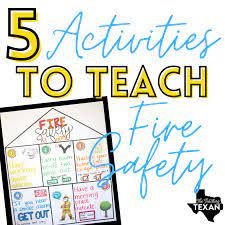
My Top 5 Resources for Teaching Fire Safety in Grades 3-5

Introduction:

Teaching fire safety to young children is critical to help them understand the risks and learn essential skills for prevention and emergency response. As an educator, it can be challenging to find engaging resources that effectively convey these important messages to your students. To assist you in your quest for finding the best resources, here are my top five recommendations for teaching fire safety in grades 3-5.

1. National Fire Protection Association (NFPA) – Sparky School House

The NFPA’s Sparky School House (https://www.sparkyschoolhouse.org/) is a comprehensive source of engaging fire-safety educational materials for children in grades K-5. Apart from videos, games, and lesson plans, this resource offers printable activities like “Sparky’s Birthday Surprise” and “Sparky’s Home Fire Safety Checklist”. These tools give an interactive learning experience suitable for various learning styles.

2. Scholastic’s Fire Safety Teaching Guide

Scholastic’s Fire Safety Teaching Guide (https://www.scholastic.com/teachers/sponsored-content/fire-safety/) provides essential fire-safety documents specifically designed for teachers. This resource features lesson plans, printables, and interactive whiteboard activities that encourage students to think critically about fire safety. The activities in this guide can be easily incorporated into your existing curriculum and adapted to various grade levels.

3. American Red Cross – Prepare with Pedro Disaster Preparedness Activity Book

This activity book from the American Red Cross (https://www.redcross.org/content/dam/redcross/get-help/pdfs/pdf_Disaster/Prepare-with-Pedro_Book.pdf) features Pedro the Penguin who teaches children about fire safety and disaster preparedness in a fun, engaging manner. The book includes a variety of activities like crossword puzzles, word searches, coloring pages, and connect-the-dots games that teach valuable fire-safety tips while keeping students entertained.

4. U.S. Fire Administration – Kids’ Firetruck Foldup Activity Sheet

Another engaging resource for students in grades 3-5 is the Kids’ Firetruck Foldup Activity Sheet provided by the U.S. Fire Administration (https://www.usfa.fema.gov/downloads/pdf/publications/fire_truck_activity_sheet.pdf). This printable sheet includes important fire safety messages and instructions, as well as a template for children to build their own paper fire truck. By incorporating a hands-on activity, this resource educates students about fire safety while stimulating their creativity and fine motor skills.

5. Safe Kids Worldwide Share – Home Fire Drill Lesson Plan

Safe Kids Worldwide’s Home Fire Drill Lesson Plan (https://www.safekids.org/lesson-plan/) is a helpful tool for teaching students how to create and practice an effective home fire evacuation plan. This step-by-step exercise encourages a detailed discussion about fire-safety practices and the importance of communication with families about potential risks at home.

Conclusion:

These resources offer an excellent starting point for teaching fire safety in grades 3-5. Remember, it’s important to engage your students in interactive activities that allow them to absorb essential knowledge while enjoying the learning process. By utilizing these tools, you can help your students develop lifelong fire-safety habits that will keep them safe both at home and school.

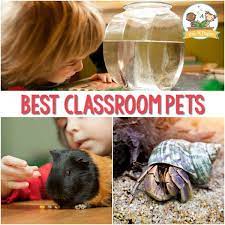
38 Classroom Pets You’ll Want to Take Home

Introduction:

Classroom pets have become an increasingly popular teaching tool that promote responsibility, empathy, and learning in a fun and interactive way. With so many students falling in love with the animals they care for at school, it’s no wonder that some of these small critters find their way into our hearts and homes. Here are 38 classroom pets that you’ll want to take home after just one day of learning together!

1. Guinea Pigs

2. Hamsters

3. Gerbils

4. Mice

5. Rats

6. Rabbits

7. Ferrets

8. Hedgehogs

9. Chinchillas

10. Sugar Gliders

11. Bearded Dragons

12. Leopard Geckos

13. Corn Snakes

14. Ball Pythons

15. Milk Snakes

16. Turtles (e.g., Painted Turtles)

17. Tortoises (e.g., Russian Tortoises)

18. Frogs (e.g., African Dwarf Frogs)

19. Toads (e.g., American Toads)

20. Salamanders (e.g., Axolotls)

21. Newts (e.g., Fire-Bellied Newts)

22. Hermit Crabs

23. Fiddler Crabs

24.Sea Monkeys (Artemia)

25.African Cichlid Fishes

26.Rosy Red Minnows

27.Guppies

28.Betta Fish

29.Goldfish

30.Planted Aquariums with Shrimp (e.g., Cherry Shrimp)

31.Ants (Ant Farm)

32.Fruit Flies (Fruit Fly Culture)

33.Butterflies (Butterfly Garden Kit)

34.Prey Mantis (Praying Mantis Egg Case & Habitat Kit)

35.Ladybugs (Ladybug Land)

36.Earthworms (Worm Farm)

37.Water Bears (Tardigrades)

38.Honeybees (Observation Hive)

Conclusion:

With so many different classroom pets to choose from, it’s easy to find the perfect fit for your class and teaching style. Not only do these pets provide an engaging and interactive way for students to learn about responsibility, empathy, and biology, they’ll also make you the most popular teacher in school! So go ahead, pick one of these fantastic creatures to bring some excitement and wonder into your classroom – you might just find yourself wanting to take them home with you.

27 Ways to Use Magnets in the Classroom

1. Display student artwork: Use magnets to display students’ artwork on magnetic surfaces like whiteboards or filing cabinets.

2. Organize materials: Attach magnets to bins, boxes, and trays to help students keep their materials organized.

3. Create a calendar: Use magnets to create a customizable calendar on a magnetic board.

4. Name tags: Create magnetic name tags for student desks or cubbies.

5. Attendance chart: Use magnets to track attendance by moving students’ name magnets as they arrive at school each day.

6. Visual schedules: Create daily or weekly visual schedules with magnetic images representing each activity.

7. Magnetic poetry: Encourage creativity and literacy by providing students with magnetic words for poetry creation on a magnetic board.

8. Sorting activities: Sort objects by their magnetic properties – those that are attracted to magnets and those that are not.

9. Magnetic letters and numbers: Practice literacy and numeracy skills using magnetic letters and numbers on a magnetic surface.

10. Science experiments: Introduce basic principles of magnetism with hands-on experiments involving magnets and various materials.

11. Magnet maze: Create a maze using a magnet and paperclips or other small metallic objects for students to navigate using a magnet wand.

12. Map study: Use small magnets to indicate locations on a large classroom map for geography lessons.

13. Labeling activity: Attach labels with magnets to various classroom objects, helping students learn new vocabulary words.

14. Anchor charts: Use magnets to easily display anchor charts for reference during lessons.

15. Guided reading groups: Organize guided reading groupings with easily adjustable magnetic name cards.

16. Team building games: Create games that encourage team building and problem-solving using magnets as tools or game pieces.

17. Interactive storytelling: Create interactive storyboards with characters, locations, and plot elements attached with magnets for students to rearrange and create their own stories.

18. Musical notation: Use magnets to practice musical notations on a staff board.

19. Data collection and graphing: Collect data and display graphs using magnets and magnetic bars or strips representing data points.

20. Timeline creation: Use magnets to create customizable historical timelines in social studies lessons.

21. Sentence building: Combine individual words on magnetic cards to create sentences, promoting language and grammar skills.

22. Bulletin board management: Manage and update announcements or important information on bulletin boards using magnets for easy content change.

23. Classroom jobs chart: Use magnets to assign and rotate classroom responsibility among students.

24. Mystery object exploration: Hide a small magnetic object inside a non-transparent container, and let students use a magnet wand to discover and identify the hidden object.

25. STEM building challenges: Provide magnetic building materials such as blocks, tiles, or rods for students to explore engineering concepts.

26. Seating chart: Create easily adjustable seating charts with magnet name tags.

27. Magnetic bookmarks: Craft colorful magnetic bookmarks for students to use during independent reading time, helping them keep their place in their books.

How I Teach Kids to Be Kind on the Playground and Beyond

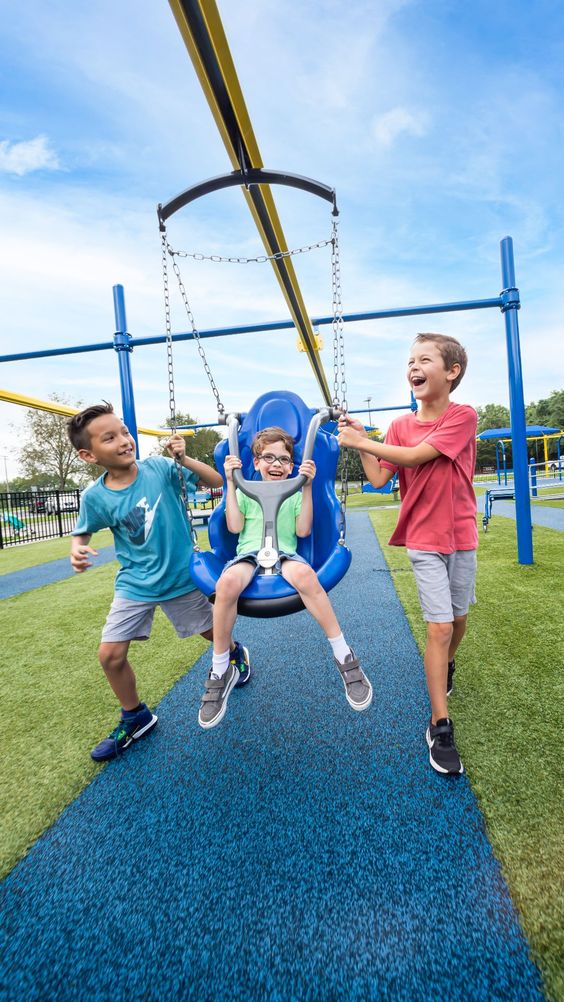
As a dedicated educator and parent, I’ve come to realize the importance of teaching children about kindness not only within the confines of a classroom but also in their everyday environment. From the playground to their homes, fostering kindness is crucial for their development and social interactions. Here’s how I teach kids to be kind on the playground and beyond.

1. Lead by example: Children learn a lot from observing the people around them, especially adults. As an educator and a parent, I believe it is essential to model kindness in my daily interactions. By treating others with respect, empathy, and compassion, I can effectively demonstrate what kindness looks like to my young learners.

2. Encourage sharing: In a play setting or at home, I encourage kids to share not only their toys but also their experiences and feelings. Promoting an atmosphere where they feel comfortable opening up fosters trust and connection between peers.

3. Reinforce positive behavior: Praising acts of kindness can help reinforce that behavior in children. When I observe a child being kind on the playground or helping another student in class, I make a point to highlight their actions verbally and sometimes even offer small rewards as incentives.

4. Teach empathy: Recognizing that other people have feelings is an essential component of kindness. Through activities like reading books with diverse characters or role-playing scenarios that depict different emotions, children learn about empathy and how it helps build stronger relationships.

5. Integrate kindness into daily routines: In class or at home, integrating acts of kindness into daily routines helps create an environment where they are encouraged and expected as part of everyday life.

6. Collaborative play: Encouraging children to engage in group activities can teach them about teamwork and cooperation while improving their social skills. This is also an excellent opportunity to demonstrate how they should treat others when playing together.

7. Establish clear expectations: Setting clear expectations for kind behavior helps children understand what is expected of them. Explicitly explaining the importance of kindness and how it positively impacts others can motivate kids to embrace compassionate actions.

8. Discuss real-life situations: Holding regular discussions with children about real-life scenarios where kindness can be displayed can help them understand the impact their actions have on others and strive to be kinder in their responses.

9. Encourage self-reflection: Regularly prompting kids to reflect on their behavior and interactions helps enhance their self-awareness, making them more mindful of the role they are playing in creating a kind environment.

10. Offer guidance and support: As an educator and parent, offering guidance, understanding, and support when a child is struggling or facing challenges helps foster a sense of security and encourages kindness in return.

In closing, teaching kindness on the playground and beyond involves consistent modeling, fostering empathy, reinforcing positive behavior, and setting clear expectations. By instilling these values in young children, we can create a foundation for lifelong compassion and understanding within our communities.

All Your 1st Grade Resources for Teaching

As a first-grade teacher, it’s essential to have a variety of resources at your disposal to create engaging, lively, and educational classroom experiences. With so many options out there, it can be tough to know where to start. That’s why we’ve compiled this comprehensive guide of 1st-grade resources for teaching. Dive in and discover the materials you need to set your students up for success.

1. Reading and Writing Resources

Strong reading and writing skills serve as the foundation for a successful educational journey. To foster early literacy, consider incorporating these resources:

a) Sight-word flashcards: Introduce high-frequency words that your students will encounter frequently throughout their academic career.

b) Phonics and decoding workbooks: Practice sounding out letters, word families, and other phonics patterns.

c) Reading comprehension worksheets: Encourage critical thinking with short texts followed by questions.

d) Story starters: Creative prompts can inspire students to write their first stories.

e) Cursive tracing sheets: While digital communication continues to rise, cursive handwriting still deserves a place in the 1st-grade curriculum.

2. Math Resources

In 1st grade, students build a strong foundation in basic math skills. Incorporate these resources to make learning fun and engaging:

a) Counting games: Reinforce number sense with physical or digital games that strengthen counting abilities.

b) Math manipulatives: Enhance understanding by using objects like blocks or rods to physically represent mathematical concepts.

c) Math worksheets: Cover addition, subtraction, place value, measurement, shapes, and more through printable or online activity sheets.

d) Number line exercises: Help students grasp the concept of the number line system.

3. Science Resources

Nurture your students’ curiosity about the world with these first-grade science resources:

a) Science experiments: Simple, hands-on activities can demonstrate everyday scientific principles.

b) Observation journals: Prompt students to observe their surroundings and record their findings.

c) Themed units: Dive deep into individual topics like weather, plants, or space.

d) Videos and animations: Multimedia presentations can appeal to audio-visual learners.

4. Social Studies Resources

First-graders begin to develop an understanding of the world around them. To enrich their knowledge, incorporate these resources:

a) Maps and globes: Teach geographic awareness and basic map navigation skills.

b) Cultural activities: Celebrate global diversity by studying – and experiencing – various cultures’ traditions, foods, and music.

c) Field trips: Local historical sites, museums, or community events can make social studies concepts come to life.

d) Timeline projects: Visual representations help students understand historical progression.

5. Classroom Management Tools

Finally, to ensure a smoothly functioning classroom environment, consider using these tools:

a) Class rules posters: Clearly display expectations for student behavior.

b) Reward systems: Motivate students with positive reinforcement for good choices or achievements.

c) Visual schedules: Keep the class on track by displaying the daily routine.

d) Seating charts: Mix things up to encourage collaboration or focus, depending on your students’ needs.

Arming yourself with a range of top-notch teaching resources can make your lessons engaging and enjoyable for both you and your students. With this comprehensive guide in hand, you’re well-equipped to create a dynamic learning environment that sets your 1st graders on the path towards academic success.

Kids Are Never Too Young to Talk About Race

Introduction:

In today’s diverse and multicultural society, it is essential to educate children about race and ethnicity from an early age. Parents and educators might shy away from addressing these sensitive topics, fearing that it might lead to confusion or misunderstanding. However, research suggests that kids are never too young to talk about race. Engaging in open and honest conversations about race can help children develop an inclusive mindset, understand the beauty of diversity, and foster empathy in their relationships with others.

Teaching Children About Race:

Children start noticing physical differences such as skin color at a very young age. This natural curiosity provides a perfect opportunity to teach them the importance of embracing diversity. Here are a few ways to talk about race with young children:

1. Start Early: Don’t wait for kids to bring up the topic; instead, actively engage them in conversations about race from an early age. Regularly discuss racial diversity within your family, community, school, or in the media.

2. Use Age-appropriate Language: Keep the conversation simple and straight-forward for younger kids. For example, you can explain that people have different shades of skin color due to melanin – a pigment that protects our skin from the sun.

3. Expose them to Diverse Media: Watch TV shows and movies that include diverse characters, read multicultural books, and attend various cultural events. This will help children understand and appreciate different cultures and lifestyles.

4. Emphasize Similarities: While celebrating uniqueness and differences is important, also focus on human similarities that go beyond race. Help your child recognize shared values like kindness, respect, love, and friendship.

5. Display Cultural Pride: Encourage your child to take pride in their own culture while also appreciating the beauty of other cultures.

6. Address Stereotypes and Prejudices: Explain to your child that not everyone acts or thinks the same way just because they belong to a certain racial or ethnic group. Encourage them to challenge biases and stand against stereotypes.

7. Teach Empathy: Help children understand feelings and perspectives of others regardless of their race or ethnicity. Empathizing can reduce prejudice, break stereotypes, and promote understanding.

Benefits of Discussing Race with Children:

Talking about race from an early age has numerous benefits for kids:

1. Develops an Inclusive Mindset: Children become more open-minded and less likely to develop biases or prejudices.

2. Fosters Multicultural Understanding: Teaching kids about various cultures will help them appreciate the richness of human diversity.

3. Reduces Racial Stereotyping: Engaging conversations about race can help challenge stereotypes and differentiate between cultural traits and individual choices.

4. Encourages Empathy: Discussing race helps develop empathy for others’ experiences, resulting in better interpersonal relationships.

Conclusion:

Kids are never too young to talk about race. By addressing the topic openly, parents and educators can help create a more harmonious and inclusive society where respect, understanding, and empathy are valued above all else. Start the conversation today; it’s never too late to make a difference in your child’s life.

Thanksgiving Science: 6 Experiments You Can Do With Food

Introduction:

Thanksgiving is not only a time to gather with loved ones and enjoy a delicious feast but also an opportunity to explore the wonders of science. With all the food on the table, it becomes an excellent platform for conducting simple yet fascinating experiments. Let’s dive into six amazing Thanksgiving-inspired science experiments you can conduct using readily available food items.

Experiment 1: Dance of the Raisins

– Items needed: Raisins, a clear glass, soda (i.e., Sprite or club soda)

– Procedure: Fill the glass halfway with soda, drop in a handful of raisins and watch them bob up and down. This happens because carbon dioxide bubbles attach to the rough surface of the raisins, causing them to float to the surface. Once they reach the surface, the gas is released, and they sink back down.

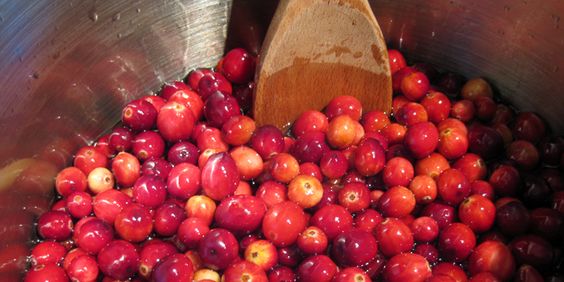
Experiment 2: Cranberry Color Changes

– Items needed: Fresh cranberries, baking soda, vinegar, three clear glasses

– Procedure: Fill one glass with water, another with a mixture of water and baking soda (1 teaspoon per cup), and the last one with a mixture of water and vinegar (1 teaspoon per cup). Drop some fresh cranberries into each glass and observe how their colors change based on acidity levels.

Experiment 3: Making Butter

– Items needed: Heavy cream, a jar with a lid

– Procedure: Pour heavy cream into the jar until it is half full. Tightly close the jar and shake vigorously for approximately 10 minutes or until butter forms. The agitation separates butterfat from the liquid, eventually forming solid butter.

Experiment 4: Pineapple Enzyme Magic

– Items needed: Fresh pineapple, gelatin powder, water

– Procedure: Prepare gelatin according to package instructions but add crushed fresh pineapple before letting it set in the fridge. Observe that the gelatin doesn’t set as it typically would. This is due to an enzyme called bromelain present in fresh pineapple that breaks down gelatin.

Experiment 5: Sweet Potato Propagation

– Items needed: Sweet potato, toothpicks, a jar with water

– Procedure: Suspend the sweet potato in the jar of water with toothpicks, pointed end down. Over time, watch out for roots and shoots emerging from the potato. This demonstrates how new plants can grow from vegetative propagation.

Experiment 6: Disappearing Marshmallow Experiment

– Items needed: Marshmallows, microwave-safe plate, microwave

– Procedure: Arrange several marshmallows on a microwave-safe plate, leaving space between them. Microwave on high for approximately 30 seconds and observe how they expand due to the air inside the marshmallows heating up and causing them to puff up.

Conclusion:

Thanksgiving provides a unique opportunity to turn your dining table into a makeshift science lab. These six fun and easy experiments help demonstrate various scientific principles while simultaneously fostering curiosity and learning. So go ahead, gather your family around and enjoy a Thanksgiving feast that feeds both your stomachs and your minds!

Kindergarten Teacher Gifts

As the school year comes to a close, many parents start thinking about how they can show their appreciation for their child’s kindergarten teacher. There’s no denying that teaching has been even more challenging in recent years, so it’s especially important to find meaningful and practical gifts that will truly make an impact. To help you out, we compiled this list of what kindergarten teachers really want as thank-you gifts.

1. Gift Cards

A gift card might seem impersonal, but it allows teachers to choose something they really need or want. Some popular options are Amazon, Target, or local teacher supply stores. Teachers also appreciate gift cards for coffee shops or restaurants so they can treat themselves during their limited downtime.

2. Classroom Supplies

Kindergarten classrooms go through supplies quickly, and replenishing those supplies can get expensive for teachers. Consider donating items such as markers, crayons, glue sticks, construction paper, or age-appropriate books – these are all extremely helpful to the teacher and their students.

3. Personalized Items

Teachers love receiving personalized gifts that remind them of their students. This could be a class collage made up of student artwork, a monogrammed tote bag, an engraved nameplate for their desk, or a custom photo album with pictures of the school year.

4. Relaxation Treats

Teaching is undoubtedly a stressful job, so give your child’s teacher something to help them unwind during their breaks or when they’re off-duty. Scented candles, essential oils, bath bombs, cozy blankets – any item that says “you deserve some relaxation” will be greatly appreciated.

5. Handwritten Notes

One of the most heartfelt and meaningful gifts you can give your child’s teacher is a handwritten card or note expressing your appreciation for the hard work and dedication they’ve shown throughout the year. Encourage your child to write their own message as well – teachers love to see the progress their students have made.

6. Professional Development Contributions

Continuing education is essential for teachers to stay well-informed and up-to-date in their field. A donation towards professional development courses, workshops, or conferences is a gift that keeps giving back to the teacher and their future students.

7. A Thoughtful Surprise

Sometimes, surprising your child’s teacher with a spontaneous treat can make all the difference. Bring in breakfast or a special lunch for them one day, or present them with fresh flowers to brighten up their desk – these thoughtful gestures won’t go unnoticed.

Remember, it’s the thought that counts. Whether you choose one of these suggestions or come up with your own unique idea, showing appreciation for your child’s kindergarten teacher is important and rewarding for both you and the educator who has helped shape your child’s educational journey.

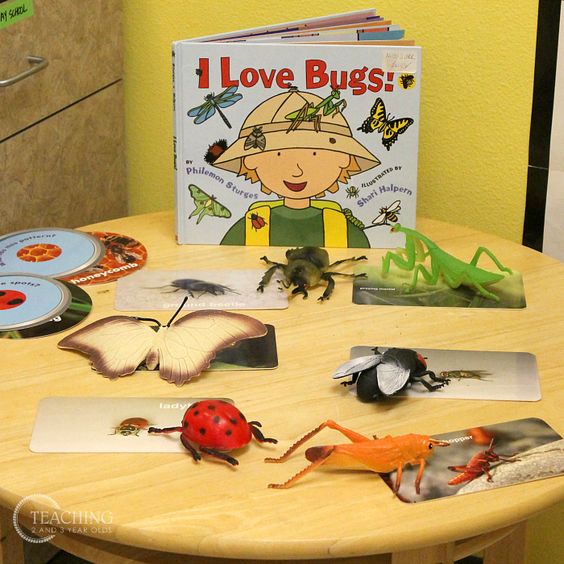
Critters in the Classroom: Bugs, Insects and Other Creepy Crawly Kits

Introduction

For many children, their first encounter with insects and bugs is often characterised by fear or disgust. But, educators are now introducing critters into the classroom as an effective way to pique curiosity among students and use their natural interest to engage in hands-on learning. In this article, we will explore the advantages of using creepy crawly kits in the classroom, and discuss some popular programs that can enhance students’ understanding of these fascinating creatures.

Benefits of Using Critter Kits in the Classroom

1. Boosts Curiosity: Insects and bugs capture students’ attention due to their unique appearances, characteristics, and habitats. This curiosity acts as a driving force for exploring biology, ecology, and environmental studies.

2. Encourages Hands-On Learning: Creepy crawly kits provide the opportunity for students to interact with live specimens, enabling meaningful connections between theory and practical experiences.

3. Develops Empathy: By studying these creatures more closely, students can develop empathy and respect for all living beings regardless of size or appearance.

4. Enhances Problem Solving Skills: Students must learn how to care for and manage these delicate habitats, which enhances critical observation skills as well as problem-solving strategies essential for success in STEM fields.

Popular Creepy Crawly Classroom Programs

1. Butterfly Kits: Students can observe the captivating metamorphosis process from caterpillar to butterfly with these kits. The hands-on experience helps students understand insect growth cycles while creating memorable lessons about life science.

2. Ant Farms: With ant farms, children observe a colony’s social hierarchy, tunnel digging habits, and collaborative community efforts that can lead to discussions about cooperation and teamwork.

3. Earthworm Habitats: These eco-friendly habitats provide a safe environment for earthworms while illustrating decomposition processes that are vital for soil health – a key element in owning a successful garden.

4. Preying Mantis Kits: With these kits, students witness the predatory behavior and adaptive camouflage skills that make mantises a fascinating subject for studying adaptation and natural selection.

5. Ladybug Life Cycle Kits: Students learn about the complete life cycle of ladybugs from larvae to adults. By exploring their role as natural pest controllers, children appreciate the importance of beneficial insects in our ecosystem.

Conclusion

Incorporating bugs, insects, and other creepy crawly kits into classrooms can offer students unparalleled opportunities for direct engagement with the natural world. This exciting approach to teaching science can inspire curiosity, empathy, and respect among the students while simultaneously reinforcing important lessons about life cycles, ecosystems, and biodiversity. After all, our tiniest neighbors on this planet have plenty to teach us – if we’re willing to invite them into our classrooms.