Elementary Education

My Class Is Happier When One Student Is Absent: An Examination of Classroom Dynamics

Introduction:

It’s no secret that the classroom environment plays a significant role in the educational and personal development of students. A harmonious and supportive atmosphere is essential for fostering learning, curiosity, and empathy. Although every individual is unique and contributes to the overall dynamic of a classroom, there are instances when the absence of one student can notably affect the collective mood and energy. In this article, we will delve into why certain situations may arise where an entire class might seem happier when one student is absent, exploring the importance of social interactions, power balances, and communication.

Factors contributing to discord in classrooms:

1. The Impact of Dominant Personalities – The presence of a dominant personality in the classroom can inadvertently create a power imbalance within the group. Assertive and self-centered behaviors may leave others feeling unsettled or even stifled, which can manifest as tension or frustration. The temporary absence of such an individual may provide other students with an opportunity to open up without fear of being overshadowed or ignored.

2. Bullying or Harassment – Sadly, bullying remains prevalent in school settings globally. A disruptive student who engages in harassing or ridiculing their peers undermines the collective sense of safety and trust within the classroom. When this individual is absent, it allows for breathing space where targeted students can feel more at ease and less vulnerable to unwanted attention.

3. Attention-seeking behavior – Attention-seeking behavior can interrupt lesson flow and distract from learning in classroom settings when one student persists in seeking validation or praise from others around them with little regard for established norms or rules. When this attention-seeking student is absent, it allows for smoother lesson delivery without interruption.

4. Lack of Constructive Communication – Students who frequently shut down lines of discussion with dismissive comments or display excessively argumentative behavior create roadblocks for conversation and inhibit constructive discourse within the classroom environment. The temporary absence of a student who employs these tactics can encourage otherwise hesitant students to approach debate and inquiry with more confidence.

The importance of finding balance:

It can be a challenging task for educators to navigate and address these factors contributing to discord in the classroom. However, it is essential to work towards creating an inclusive, equitable, and collaborative learning environment by encouraging open communication, fostering empathy, and promoting teamwork amongst all students. This may involve providing support to not just the student at the heart of the issue but also those affected by their presence.

Conclusion:

A thriving classroom ecosystem values all students and respects their distinct attributes and backgrounds. When on occasion, one student’s absence may positively influence a class atmosphere, it should serve as an opportunity for introspection and proactive steps taken by educators so that every learner can fully experience a safe and supportive environment.

We must remember that education is a collective endeavor where communication, empathy, and collaboration prevail. Ultimately, the goal is not to remove the troubled individual but rather to develop strategies that bring out the best in everyone involved – teachers, students, and yes, even that one student whose absence seems to make all the difference.

5th Graders Learn Powerful Life Lessons by Writing Letters to Cancer Survivors

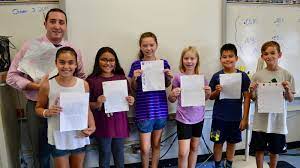
In an inspiring educational initiative, a group of 5th graders embarked on a unique journey to learn valuable life lessons by writing heartfelt letters to cancer survivors. This activity not only expanded their understanding of empathy and resilience but also shed light on the importance of offering moral support to those who have persevered through tough times.

The 5th-grade students from a local elementary school were introduced to the concept of writing letters as a means of communication with cancer survivors. The task allowed them to connect with real-life stories, fostering a sense of appreciation for the challenges that others face in life. The children were encouraged to be creative, genuine, and empathetic in their approach.

Initially, the students had little knowledge about the struggles faced by cancer survivors, but as they conducted research and discovered personal anecdotes, their interest grew exponentially. They came across numerous awe-inspiring stories that showcased the strength and courage required to overcome such a devastating illness. This offered them an opportunity to understand perseverance and fortitude in the face of adversity.

As they drafted their letters, the 5th graders conveyed appreciation for the valiant efforts made by cancer survivors and offered words of encouragement for continued recovery. In doing so, they learned the value of empathy – placing themselves in someone else’s shoes and relating to their emotions and experiences.

Through this project, participating students realized that life is full of different perspectives, thus nurturing tolerance for others’ difficulties. Writing letters turned out be cathartic for many young participants as they poured out their emotions while conveying supportive thoughts.

When their letters reached the intended recipients – the cancer survivors – they brought joy, hope, and motivation. Many expressed deep gratitude for being considered as role models and remarked on how these heartfelt messages had brightened their days during ongoing battles with cancer.

In conclusion, this innovative activity allowed 5th-grade students to learn invaluable life lessons while emotionally uplifting cancer survivors. Such initiatives can be an excellent way for the education system to harness kindness, empathy, and resilience in students while promoting a meaningful connection with critical societal issues.

Mysteries Unfold: Books Like Encyclopedia Brown for Young Sleuths

Introduction:

For generations, Encyclopedia Brown has captured the hearts and minds of young readers with his remarkable skills in solving brain-teasing mysteries. If your child loves unraveling puzzles and following clues, there are plenty of books besides Encyclopedia Brown that can keep their inner detective engaged. In this article, we’ll explore some wonderful mystery novels for kids who just can’t get enough of Encyclopedia Brown’s adventures.

1. The Boxcar Children Series by Gertrude Chandler Warner

Beginning with “The Boxcar Children,” this long-running series follows the adventures of four orphaned siblings who work together to solve various mysteries. With over 150 books in the series, these whodunits are perfect for children who enjoy lighthearted, age-appropriate mysteries and lovable characters.

2. Nancy Drew Mysteries by Carolyn Keene

These classic novels focus on a skilled teen detective as she investigates numerous mysteries in her hometown and beyond. Aimed at slightly older readers than the Encyclopedia Brown fanbase, the Nancy Drew series is great for kids who are ready to tackle more complex puzzles.

3. The Hardy Boys by Franklin W. Dixon

Similar to Nancy Drew’s adventures, The Hardy Boys series follows teenage brothers Joe and Frank Hardy as they solve crimes and mysteries with their deductive skills. These books also cater to kids looking for challenging puzzles while delivering thrilling and suspenseful storylines.

4. Cam Jansen Series by David A. Adler

For younger readers craving simple yet engaging mysteries, Cam Jansen’s photographic memory helps her crack various cases in her neighborhood and school. Readers will also enjoy solving each mystery alongside Cam, making it an interactive experience.

5. The Mysterious Benedict Society by Trenton Lee Stewart

This delightful series follows four talented children as they embark on a life-changing adventure under the guidance of their eccentric mentor, Mr. Benedict. With intricate challenges, puzzles, and mysteries to decipher, children will love unraveling the clues in these novels.

6. Nate the Great by Marjorie Weinman Sharmat

Recommended for younger readers (about 6-9 years old), the Nate the Great series stars a boy detective who solves mysteries with the help of his trusty dog, Sludge. These easy-to-read stories combine humor, adventure, and puzzles that are sure to keep young readers entertained.

7. A-Z Mysteries by Ron Roy

Each book in this series represents a letter of the alphabet and follows three fifth-grade detectives—Dink, Josh, and Ruth Rose—as they solve exciting mysteries. With 26 books in total, this collection is not only engaging but helps build literacy skills as well.

Conclusion:

This list of books similar to Encyclopedia Brown offers young mystery enthusiasts a wide array of detective stories featuring engaging characters and puzzling adventures suitable for different age groups. Not only do mystery novels enhance critical thinking skills, but they also encourage children to think creatively and exercise their natural curiosity. So grab a few books from the list above for your young sleuth and let the mystery-solving begin!

How I Used Research Tools with My Second Graders

As a second grade teacher, I’m always seeking new and innovative ways to engage my students in the learning process. One area I wanted to focus on was introducing them to research skills. In today’s technology-driven world, teaching young students how to effectively search for information and become discerning consumers of content is vital. This article details how I incorporated various research tools into my classroom and encouraged my second graders to embrace the power of knowledge discovery.

Step 1: Introducing Research Skills

To kick off our research journey, I began by conducting a brainstorming session where we discussed what research means and why it’s essential. We talked about how researching helps us learn new things and answer questions that arise during our everyday lives. Creating an atmosphere of curiosity and wonder was critical in fostering their enthusiasm for the process ahead.

Step 2: Finding Age-Appropriate Research Tools

One challenge while teaching second graders how to conduct research is finding age-appropriate tools. Fortunately, there are several kid-friendly search engines like Kiddle, Kidtopia, and Safe Search Kids that filter out unrelated or inappropriate content. Introducing these search engines provided a safe platform for my students to explore the internet.

Step 3: Organizing Research Notes

Once I introduced the appropriate tools for conducting research, we moved on to organizing their findings effectively. Teaching students to take notes using main points and keywords helped them understand the essence of the information they gathered. I also introduced visual note-taking methods such as concept mapping, which allowed students to make connections between ideas more easily.

Step 4: Evaluating Sources

A crucial aspect of research training is teaching students how to evaluate sources for accuracy and credibility. With their newfound skills, my second graders could determine if a website or article was trustworthy or not by checking for author credentials, publication date, and other reliable source indicators.

Step 5: Collaborative Learning

Research doesn’t have to be a solitary task. I encouraged my students to work together in small groups, sharing their findings and building upon each other’s ideas. Collaborative learning fosters teamwork, communication, and critical thinking skills, which contributed to their overall research experience.

Step 6: Research Presentations

To close out our research unit, each student created a brief presentation to summarize their findings on a topic of their choice. This not only allowed them to showcase their hard work but also gave them the opportunity to practice speaking, listening, and presenting in front of an audience.

Implementing these various research tools into my second-grade classroom was transformational. Although it required careful planning and incorporation into our daily lessons, witnessing the growth in my students’ curiosity and confidence made the effort worthwhile. The foundation of research skills we built will benefit them for years to come as they continue their educational journey.

11 Research Project Strategies for Second Graders

Engaging second graders in research projects can be a rewarding experience for both students and teachers. It provides an opportunity for young minds to develop critical thinking, creativity, and problem-solving skills. In this article, we will explore 11 strategies to help second graders succeed in research projects.

1. Choose age-appropriate topics: Select topics that are interesting and relevant to second graders’ lives. This will help them stay engaged and excited about the project.

2. Break the project into smaller tasks: Breaking the research project into smaller tasks makes it more manageable for young learners. Assign specific tasks like choosing a topic, gathering information, and creating a presentation.

3. Use visuals aids: Visual aids such as posters, illustrations, and multimedia presentations can help second graders better understand complex concepts and make their research more engaging.

4. Teach note-taking skills: Encourage students to take notes while conducting research. This skill will not only help them in their current project but also prove valuable throughout their academic career.

5. Encourage group work: Divide students into small groups to work on the research project. Working in teams will promote collaboration and teach them how to work together toward a common goal.

6. Provide access to age-appropriate resources: Offer a variety of age-appropriate resources like books, websites, videos, and articles that cater to different learning styles and preferences.

7. Integrate technology: Introduce students to educational apps or websites that can support their research projects. Tech tools can make learning more interactive, accessible, and fun.

8. Teach citation skills: Teaching second graders how to cite their sources is crucial for understanding plagiarism and giving credit where it is due.

9. Guide with questions: Encourage students to ask questions throughout the research process. Ask guiding questions that lead them to developing their ideas and discovering new information independently.

10. Celebrate achievements: Recognize and celebrate the effort and accomplishments of students as they work on their research projects. This will help boost their confidence and motivation.

11. Reflect and learn: After the project is completed, discuss what went well and what could have been improved. This reflection will help students learn from the experience and apply it to future projects.

Incorporating these strategies into your second-grade research projects can inspire a love for learning, improve their research skills, and lay a strong foundation for their future education.

9 Free Decodable Worksheets Perfect for K-2

Introduction:

Teaching young students in kindergarten through second grade to read is a critical part of their development. Decodable worksheets are an excellent resource to help solidify foundational reading skills. These free, printable worksheets are designed to give students the practice they need to become proficient readers. Below are nine amazing decodable worksheets perfect for K-2 learners.

1. Short Vowel Sounds Worksheet

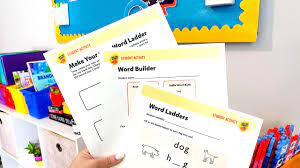
This engaging worksheet focuses on short vowel sounds, a building block of early reading. Students practice identifying and matching words with their corresponding short vowel sounds, enhancing their phonemic awareness.

2. CVC Words Worksheet

CVC (consonant-vowel-consonant) words are an excellent way for children to begin blending sounds together. This worksheet provides practice with CVC words by illustrating the words and prompting students to write the correct letters.

3. Sight Words Practice

Sight words are commonly used words that don’t always follow typical phonetic rules. This worksheet offers an array of activities like word tracing, coloring, and sentence writing to familiarize K-2 children with essential sight words.

4. Phonics Consonant Blends Worksheet

Twenty-six consonants make up the English alphabet, and consonant blends occur when two-or-more of these letters appear together in a word. This worksheet helps children practice recognizing and pronouncing these blends in common blend combinations.

5. R-Controlled Vowels Worksheet

An r-controlled vowel is when a vowel precedes the letter “r.” Students will engage with words containing r-controlled vowels and strengthen their understanding through activities like filling in the blanks, word matching, and more.

6. Digraphs Practice Worksheet

Digraphs are combinations of two letters pronounced as one sound (e.g., ‘sh’, ‘th’, ‘ch’). This worksheet exposes students to a variety of digraphs and provides practice in identifying, matching, and writing words with digraphs.

7. Syllable Counting Worksheet

Dividing words into syllables helps make reading more manageable for young learners. In this worksheet, students count the syllables present in various words and develop important decoding skills.

8. Word Families Worksheet

Word families consist of groups of related words that share a common base or pattern (e.g., ‘-at’ family: cat, rat, mat). Students practice identifying and creating words within specific word families to enhance their reading ability.

9. Nonsense Word Fluency Worksheet

Lastly, this worksheet introduces children to nonsense words – made-up words that help assess a student’s ability to decode accurately. By blending unfamiliar letter combinations, students improve their overall reading fluency.

Conclusion:

Using these nine free decodable worksheets can positively impact K-2 reading proficiency by reinforcing essential literacy skills. Parents and educators alike will find these resources invaluable as they work together to create confident readers ready for future academic success.

PreK-5 Teachers: Win a Core Knowledge Starter Kit

Attention all PreK-5 educators! We have some exciting news for you – here’s your chance to win a Core Knowledge Starter Kit. This comprehensive package of educational materials will provide an exceptional boost to your curriculum, enriching your students’ learning experience and helping you cultivate a foundation of knowledge in their young minds.

What is the Core Knowledge Starter Kit?

The Core Knowledge Starter Kit is a collection of resources designed to help teachers supplement their existing curriculum with research-based, content-rich lessons that engage students and foster a lifelong love of learning. This kit includes lesson plans, activity guides, printable worksheets, and multimedia materials that are aligned with the Core Knowledge approach.

Benefits of the Core Knowledge Starter Kit

1. Comprehensive Curriculum: The Core Knowledge Starter Kit offers a well-rounded curriculum that covers language arts, history, geography, mathematics, science, art, and music for PreK-5 students.

2. Research-Based Content: Developed by experts in the field of education, the Core Knowledge approach is founded on evidence-based principles that support effective teaching and learning practices.

3. Engaging Lessons: The starter kit provides teachers with creative and engaging lesson plans that encourage active participation and critical thinking among students.

4. Easy Integration: With materials that align easily with state standards and other curricula, you can incorporate the Core Knowledge approach into your existing teaching methods seamlessly.

5. Teacher Support: The Core Knowledge Foundation offers professional development workshops and webinars for educators looking to implement this approach in their classrooms effectively.

How to Enter

To enter for a chance to win the Core Knowledge Starter Kit, simply follow these steps:

1. Fill out an application form providing details about your school and current teaching methods.

2. Submit a short essay explaining why you believe the Core Knowledge approach would benefit your students’ education.

3. Share the contest with fellow teachers through social media using the hashtag #CoreKnowledgeGiveaway.

The deadline for entries is on [insert deadline date], so don’t miss your chance to secure this valuable teaching resource for your classroom. Winners will be selected based on the quality of their essay and how effectively they demonstrate their dedication to education.

Don’t wait any longer—enter the contest today, and you could be one of the lucky PreK-5 teachers to receive a Core Knowledge Starter Kit. This is an extraordinary opportunity to enhance your students’ education and help them build a solid foundation for future academic success. Good luck!

Win an Entire Collection of Award-Winning Titles from Penguin Random House Elementary Education

Introduction

Imagine having a treasure trove of award-winning books lining the shelves of your classroom or home library, inspiring young readers and igniting their passion for literature. Fortunately, this dream can become a reality thanks to the incredible opportunity presented by Penguin Random House Elementary Education. They are offering one lucky individual the chance to win an entire collection of their award-winning titles! Here’s everything you need to know about this exciting event and how you can participate.

About Penguin Random House Elementary Education:

Penguin Random House Elementary Education is committed to providing high-quality books and resources that engage, educate, and inspire children. Their catalogue includes an extensive range of titles from beloved authors and illustrators in fiction, nonfiction, picture books, and graphic novels. By collaborating closely with educators and industry experts, they ensure that their materials meet the unique needs of young learners while fostering a love for reading that lasts a lifetime.

The Award-Winning Collection:

The prize at stake in this giveaway is nothing short of impressive. The lucky winner will receive a complete collection of award-winning titles from Penguin Random House Elementary Education’s catalogue. These highly acclaimed books have been recognized by prestigious institutions such as the Newbery Medal, Caldecott Medal, Coretta Scott King Award, and many more. Not only do these titles provide endless hours of entertainment for young readers, but they also serve as invaluable resources for educators who aim to broaden the literary horizons of their students.

How to Participate:

If you’re eager to take part in this fantastic opportunity, here are the steps you need to follow:

1. Visit the Penguin Random House Elementary Education website

2. Look for any announcements regarding the contest

3. Follow the instructions provided on how to enter

4. Keep an eye on your email and social media accounts for updates and winning announcements

Don’t miss out on this extraordinary chance to enhance your classroom or home library with an entire collection of award-winning titles from Penguin Random House Elementary Education. By embracing the art of storytelling and engaging with diverse literary voices, you’ll be nurturing a lifelong love for reading in young learners and strengthening their critical thinking skills.

Conclusion:

Winning this incredible collection can truly transform the reading experiences for children in your life, so don’t hesitate to enter the giveaway. As you explore the captivating worlds created within these award-winning titles, you will undoubtedly inspire a future generation of readers, writers, and dreamers. Good luck, and happy reading!

7 Fast-Growing Seeds for Classroom Gardens

Introduction:

Classroom gardens are an excellent way to teach students about nature, responsibility, and the importance of nurturing living things. One fantastic way to create enthusiasm in children is to choose fast-growing seeds, allowing students to quickly observe the growth and development of plants. In this article, we will explore seven varieties of seeds that are perfect for cultivating classroom gardens.

1. Radishes:

Radishes are an excellent choice for a classroom garden due to their rapid growth rate—taking just 25-30 days from planting to harvest. This colorful root vegetable is not only easy to grow but also helps in teaching children about parts of a plant as both leaves and roots are edible.

2. Lettuce:

Leaf lettuce varieties like Buttercrunch or Romaine typically grow relatively fast, taking around 30-50 days from sowing to harvest. Lettuce is an adaptable plant that can be grown in containers or small garden spaces, making it ideal for classrooms with limited space.

3. Sunflowers:

Sunflowers are wonderful plants for classroom gardens because of their majesty and rapid growth rate. Dwarf sunflower varieties can mature in just 45-60 days, providing a spectacular display of vivid colors while teaching kids about pollination and seed production.

4. Green Beans:

Green beans, specifically the bush bean variety, quickly produce harvestable pods within 45-55 days after sowing. Easy to grow and maintain, green beans encourage students to learn about plant structure and can be an excellent ingredient in healthy cooking activities.

5. Cress:

Cress seeds are some of the fastest germinating seeds available, with sprouts appearing as early as three days after planting! These seeds require minimal care and can even be grown on a windowsill or paper towels, making them perfect for classrooms with little-to-no gardening space.

6. Spinach:

Spinach is a hardy, cool-season crop that can grow in as little as 4-6 weeks. Rich in nutrients and easy to grow, spinach will teach students about the importance of healthy food while providing them with fresh greens for consumption.

7. Cherry Tomatoes:

Cherry tomatoes are an excellent addition to your classroom garden, taking approximately 60-75 days to produce fruit after planting. Growing these small fruits is an enjoyable experience for children, helping them learn about the stages of plant growth while providing them with delicious tomatoes to enjoy.

Conclusion:

Incorporating a classroom garden into the school curriculum provides numerous learning opportunities for students while encouraging healthy eating habits. The seven fast-growing seeds mentioned in this article will ensure a successful and engaging gardening experience for children of any age. Planting these seeds is not only a fun activity but also an effective way to foster an appreciation for nature and cultivate essential life skills.

20 Fun Bone-Themed Activities for Elementary Students

Introduction:

Bring the fascinating world of bones to life in your elementary classroom with these 20 engaging and educational bone-themed activities. These hands-on exercises will introduce your students to the skeletal system, its vital functions, and the different bones that make up our body.

1. Bone Bingo

Create a bingo card with illustrations of different bones, and have kids try to identify and mark off the ones you call out.

2. Skeleton Puzzle

Print out a large diagram of the human skeleton, cut it into separate bone pieces, and ask your students to assemble it correctly.

3. Q-tip Skeleton Craft

Using Q-tips as tiny bones, have the children create their own miniature skeleton artwork.

4. Bone Scavenger Hunt

Hide pictures or plastic models of bones throughout the classroom, and give your students clues to locate them.

5. X-ray Vision Art

Have kids trace their hands on black paper using white chalk, then create x-ray-inspired artwork by connecting the traced lines with white crayon “bones.”

6. Bone Guessing Game

Invite children to feel different objects through a bag (such as a toothpick, pencil, pen) and have them guess if they are feeling a bone or not.

7. Chopstick Relay Race

Using only chopsticks as “finger bones,” teams race each other while transferring small items from one end of the room to the other.

8. Edible Spine Project

Create a candy spine model to teach about vertebrae by threading gummy Lifesavers and marshmallows onto string licorice.

9. Broken Bone Storytelling

Encourage imaginative storytelling by asking your students to come up with tales about characters who have broken various bones.

10. Skeleton Dance Party

Teach some funky dance moves to your class while highlighting key bones in those moves.

11. Bone Origami

Have students create simple origami pieces to represent bones and connect them to create their own paper skeleton.

12. Marshmallow Bone Tower

Using mini marshmallows as connectors, challenge your class to build towers using toothpick “bones.”

13. Bone Anatomy Spelling Bee

Test your students’ spelling and memorization skills by having them spell the names of different bones.

14. Funny Bone Jokes

Encourage your class to share or create humorous bone-related jokes or puns.

15. Connect the Bones Game

Draw bone shapes on index cards and challenge your students to connect matching pairs using yarn or string while blindfolded.

16. LEGO Skeleton Laboratory

Create a human skeleton model using LEGO bricks, emphasizing the importance of bone structure and support.

17. Bone Charades

Assign each student a particular bone, and have them act it out without speaking, while classmates try to guess the correct answer.

18. Dem Bones Sing-along

Teach your class the classic “Dem Bones” song, focusing on the connections between various bones.

19. X-ray Analysis

Provide copies of real x-rays for your students to examine and analyze, encouraging critical thinking about bone structure and injury.

20. Skeleton Museum Field Trip

Organize a field trip to a museum with skeletal exhibits for hands-on learning and exploration of bones in various animals or ancient humans.

Conclusion:

These 20 fun bone-themed activities will provide your elementary students with hours of educational entertainment while introducing essential information about the skeletal system. Your classroom will soon be buzzing with excitement as kids learn about what lies beneath their skin!