Elementary Education

Classroom Resources and Tips to Address Anti-Asian Discrimination

Introduction:

In recent times, there has been an alarming increase in anti-Asian discrimination. As educators, we have a responsibility to address this issue in our classrooms. Promoting understanding, empathy, and inclusiveness is integral to creating a healthy environment for all students. This article provides resources and tips for addressing anti-Asian discrimination in the classroom.

Resources for Educators:

1. Asian Americans Advancing Justice (AAAJ): AAAJ offers resources for teachers, including lesson plans and activities that encourage understanding of AAPI history and the issues faced by Asian Americans today.

Website: https://www.advancingjustice-aajc.org/resources-educators

2. Teaching Tolerance: This organization provides free resources and tools to help teachers cultivate a safe and inclusive classroom environment. Their materials cover a wide range of topics, including anti-racism, allyship, and equity.

Website: https://www.tolerance.org/

3. The Anti-Defamation League (ADL): ADL offers lesson plans, webinars, and other educational resources to help teach students about bias, discrimination, and hate.

 Website: https://www.adl.org/education/resources/tools-and-strategies

4. Stop AAPI Hate: This organization tracks incidents of hate/microaggressions towards AAPI individuals. They also provide resources for teaching students about the impact of such incidents.

Website: https://stopaapihate.org/

Tips for Addressing Anti-Asian Discrimination in the Classroom:

1. Create a Safe Space: Foster an environment where students feel comfortable speaking up about their experiences related to discrimination or identity.

2. Encourage Discussion: Provide opportunities for open dialogue about racism, prejudice, and microaggressions in class discussions or assignments.

3. Educate Students on AAPI History: Incorporate lessons on the rich history and achievements of AAPI communities into your curriculum.

4. Promote Representation: Use diverse materials and stories that represent various cultures, including Asian cultures, in your lessons.

5. Teach Empathy: Encourage students to identify and understand the feelings and perspectives of others, fostering a caring community within the classroom.

6. Model Allyship: Show students how to be an ally to AAPI individuals by standing up against bias, offering support, and actively listening to others’ experiences.

7. Provide Resources: Share resources (like those listed above) with your students to encourage further learning on their own time.

Incorporating these resources and tips into your teaching approach will play a significant role in addressing anti-Asian discrimination. By fostering an understanding, inclusive atmosphere in the classroom, we can help create a more just and equitable society for all.

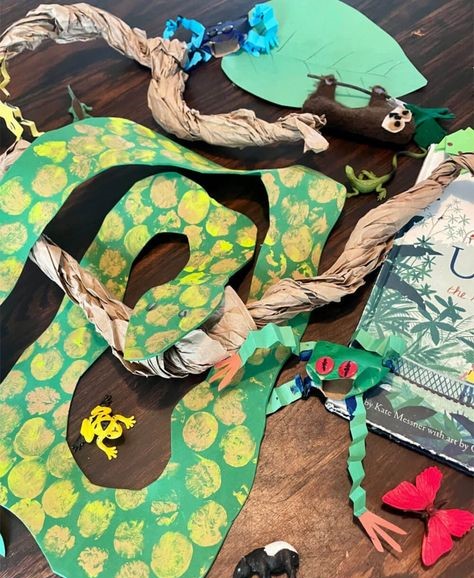
This Rainforest Animal Flipbook is Filled with Crazy Facts (and It’s Free!)

Introduction:

The enchanting world of the rainforest is home to millions of unique and captivating animal species. From colorful birds to agile monkeys and mysterious big cats, the diversity in this exotic habitat is simply astounding. Enter the realm of these fascinating creatures through this incredible Rainforest Animal Flipbook, now available for free! Dive into its pages filled with crazy facts that will leave you amazed at the wonders that our planet holds.

Unraveling Creature Mysteries:

Explore the hidden depths of the rainforest as you flip through the pages, unveiling fascinating facts about some of its most remarkable inhabitants. Did you know the poison dart frog carries enough venom to kill ten grown men? Or that sloths only descend from their tree-top homes once a week to do their business? The Animal Flipbook offers countless stories about these little-known wonders waiting around every leaf and branch.

Colorful World of Birds:

The rainforest is a bird lover’s paradise with over 1,200 species residing in this delicate ecosystem. Catch a glimpse of birds like the resplendent quetzal, known for its mesmerizing plumage, or the diminutive yet vibrant hummingbirds that flit from flower to flower. Prepare to be awestruck by these avian marvels as you learn about their unique adaptations and critical roles in maintaining ecological balance.

Rainforest Royalty: Big Cats

Few inhabitants of the rainforest command as much respect as its regal big cats. Discover untold tales about jaguars, who stalk their prey silently under the cover of darkness, or learn how ocelots climb trees with grace and ease though it seems impossible for the size. With vivid images and comprehensive explanations, our Animal Flipbook presents an in-depth look at these majestic feline royalty.

Conclusion:

This free Rainforest Animal Flipbook is a treasure trove of incredible facts and stories about the amazing creatures that inhabit one of Earth’s most diverse ecosystems. Perfect for children and adults alike, this resource is a must-have for nature enthusiasts or anyone curious about the captivating world around them. Don’t miss this unique opportunity to explore and learn about the wonders hidden within the enchanting rainforest.

14 Awesome First Grade Blogs and Teachers to Follow

Introduction:

First grade is a crucial year for both students and their teachers. It’s when children begin to develop fundamental skills in reading, writing, and math. To help educators stay informed and inspired, we’ve compiled a list of 14 must-follow blogs and teachers who focus on first grade learning. These resources are sure to provide you with new ideas and strategies to add to your teaching toolkit!

1. The First Grade Parade: Run by first-grade teacher Cara Carroll, The First Grade Parade is filled with creative ideas and resources for engaging young learners. With her passion for education and years of experience, Cara’s blog is a treasure trove of lesson plans, printables, and classroom inspiration.

2. One Extra Degree: Amanda Nickerson is at the helm of this inspiring blog that offers an abundance of teaching strategies, resources, and motivation for first-grade teachers. One Extra Degree covers literacy, math, social studies, science, and more.

3. Proud to be Primary: Created by Elyse Rycroft, Proud to be Primary focuses on developing social-emotional learning skills in early elementary students – an essential component of first-grade education.

4. First Grade Blue Skies: Jennifer White shares her expertise in creating engaging lessons that cater to different learning styles through her First Grade Blue Skies blog. You’ll find plenty of ideas pertaining to arts integration and hands-on learning here.

5. First Grade Schoolhouse: Michele offers lots of freebies through her blog, focusing on fun activities that help build reading comprehension, math fluency, and writing skills.

6. First Grade Fanatics: This collaborative blog features multiple first-grade teachers who specialize in various areas such as math stations, writing workshops, guided reading groups, technology integration, and more.

7. Julie’s Lifestyle: Julie Baltz shares her passion for teaching first grade on her eponymous blog. Through her heartfelt stories and advice, teachers will find encouragement in their own professional journeys.

8. Learning in Wonderland: Maribel is the creative mind behind Learning in Wonderland, where she shares her experience teaching first-grade students. Her blog features innovative ideas for classroom décor, organization, and engaging activities that are both educational and enjoyable.

9. Mrs. Richardson’s Class: Amanda Richardson offers a wealth of resources on her blog, including guided reading, math centers, and literacy centers for first-grade teachers.

10. Mrs. Wheeler’s First Grade Tidbits: Megan Wheeler’s blog is a one-stop-shop for first-grade teachers seeking inspiration with her mix of literacy and math workstations, classroom management tips, and printables.

11. The Measured Mom: Anne Marie provides an array of high-quality resources related to phonics, fluency, guided reading instruction, and more in her comprehensive website dedicated to early literacy development.

12. Tunstall’s Teaching Tidbits: Reagan Tunstall creates teaching resources to help educators simplify their instruction while maximizing student engagement in first grade classrooms.

13. Simply Skilled in Second – First Grade Edition: While Anna DiGilio is primarily a second-grade teacher, she maintains a section dedicated specifically to first grade in her Simply Skilled in Second blog.

14. The Moffatt Girls: Annie Moffatt offers resources for teaching early readers and writers on her dedicated first-grade section on The Moffatt Girls’ website.

Conclusion:

These 14 first-grade bloggers and teachers provide an invaluable resource for educators looking to enhance their teaching techniques and engage students more successfully. Make sure you follow them on their blogs or social media accounts to stay up-to-date with the latest best practices and innovative learning strategies!

15 Videos That Bring Kids to the Farm

Introduction:

Discover the joy of farm life through these 15 educational and entertaining videos that transport children to the countryside. These virtual farm visits offer a fantastic way for kids to learn more about agriculture, farm animals, and how food is produced.

1. Living on a Farm – Learn about the daily routines and tasks that keep a farm running, from feeding animals to maintaining machinery.

2. Meet the Animals – This fun video lets kids get up close and personal with pigs, cows, chickens, horses, sheep, goats, and more.

3. The Life of a Dairy Cow – Follow the journey of a dairy cow on a working farm, including milking processes and producing delicious dairy products.

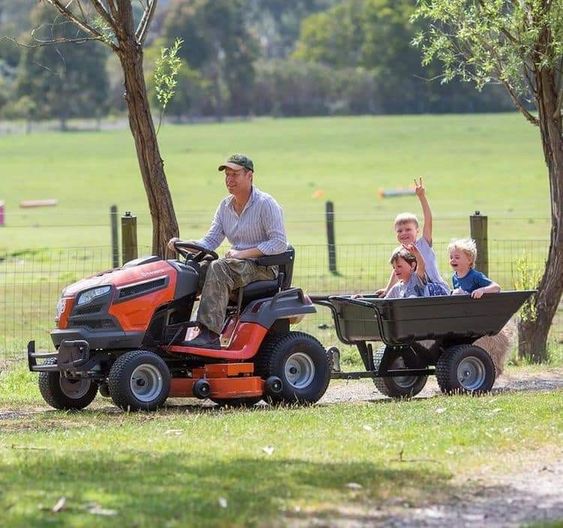
4. Tractors & Machinery: A Kid’s Guide – A visual tour of various tractors and machines used on farms worldwide.

5. Planting and Harvesting – Explore how crops are planted, nurtured, harvested, and eventually reach our tables.

6. A Day in the Life of a Farmer – Experience life on the farm from sunrise to sunset with this day-in-the-life video featuring engaging visuals and information about animals, crops, and machinery.

7. Sustainable Agriculture – Learn about different approaches to farming that reduce waste and environmental impacts while maintaining productivity.

8. The Amazing World of Bees – A fascinating look at bees’ essential role in pollination and honey production on farms worldwide

9. Farm-to-Table: The Food Journey – Follow your favorite fruits and vegetables from their growth on the farm to their arrival at your local grocery store or farmers market.

10. The Science of Farming – Explore modern farming techniques and advances in technology that help make agriculture more sustainable.

11. Hands-On Farm Activities for Kids – Try out these fun DIY activities that allow children to explore farming concepts using everyday materials found at home.

12. Organic Farms vs Conventional Farms – Compare and contrast the differences between organic and conventional farming practices.

13. A Tour of a Homestead Farm – Get an inside look at a family-run farm focused on small-scale, self-sufficient agriculture.

14. How to Start Your Own Urban Garden – Learn about the growing trend of urban farming, including how to create and maintain your own garden in limited space.

15. Careers in Agriculture – Teaching kids about the various job opportunities within the agriculture industry, from farmers and ranchers to scientists and engineers.

Conclusion:

These 15 videos provide a fantastic introduction to farming and its impact on our daily lives. Engaging visuals and educational content make them perfect for children curious about where their food comes from or who are simply interested in learning more about farm life. So grab some popcorn and dive into the world of agriculture together!

Your Questions About Small Groups Answered!

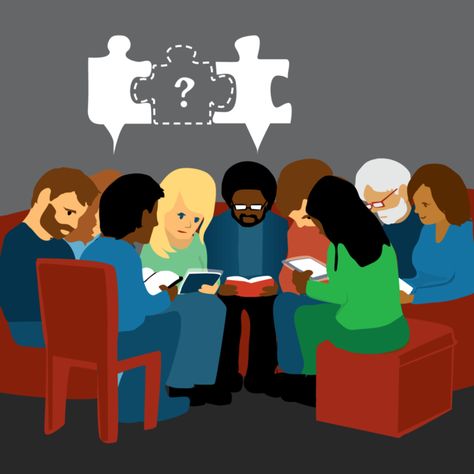
Small groups are an essential aspect of several social, educational, and work environments. They provide a setting for participants to engage in meaningful discussions, collaborate on projects, and build relationships with their peers. As small groups gain popularity as powerful tools for personal growth and professional success, you may find yourself brimming with questions about their structure and function. This article aims to address those key questions and provide you with profound insight about the dynamics of small groups.

Q: What constitutes a small group?

A: A small group typically consists of 3 to 12 people who come together with a common goal, such as learning a subject, engaging in discussions, tackling a project, or simply building relationships. The manageable size enables effective communication and ensures each member is able to contribute meaningfully to the group’s objectives.

Q: Why are small groups necessary?

A: Small groups facilitate better communication, promote bonding between participants, and provide a support system for self-improvement. They allow each member’s voice to be heard and encourage inclusive decision-making processes. Furthermore, small groups foster creative problem-solving as participants can share their diverse perspectives and work together to overcome challenges.

Q: How do small groups typically operate?

A: The operation of small groups varies depending on their purpose and the personalities of the participants. Many opt for democratic operations where each member has an equal say in decisions or the direction the group takes. Others may follow a structured hierarchy where specific individuals take on more prominent roles as leaders or facilitators. In many cases, group members rotate between various roles to ensure everyone has an opportunity to actively contribute.

Q: What are some principles to keep in mind when participating in a small group?

A:

1. Respect: Every member should show respect towards others’ opinions even if they disagree.

2. Active Listening: Listening carefully without interrupting allows for deeper understanding and highlights common ground.

3. Confidentiality: Privacy must be maintained, especially if personal or sensitive topics are discussed.

4. Open-mindedness: It is crucial to accept new ideas and information even if they challenge your pre-existing beliefs.

5. Sharing Responsibility: All group members should contribute to the workload and interactions rather than leaving it to a few individuals.

Q: How to deal with conflicts in small groups?

A: Conflicts can arise in any group setting, and regardless of size, it’s essential to address the issue and resolve it effectively. Some suggested methods for resolving conflicts include active listening, openly discussing concerns, finding common ground, and seeking mutually beneficial solutions.

In conclusion, small groups are vital tools for fostering collaboration, developing social bonds, and promoting growth in a variety of settings. By understanding the critical aspects of small group dynamics and how they operate, you can make the most of your small group experience. Remember to maintain an open mind, practice respectful communication, and embrace the opportunity to learn from diverse perspectives within your group.

50+ Things You Need For An Effective Classroom Literacy Center

Creating an engaging and effective classroom literacy center can be challenging, but with the right materials and resources, it can become an invaluable part of your students’ learning experience. Here is a comprehensive list of 50+ items that you will need for a successful literacy center.

1. Comfortable seating – beanbags, floor cushions, chairs

2. An appropriate table or desks for writing

3. Variety of books at different reading levels

4. Audio books or e-readers

5. Headphones or listening center

6. Pencils, pens, and markers

7. Journals or notebooks

8. Chart paper or whiteboard for shared writing

9. Erasers and whiteboard markers

10. Highlighters or colored pencils for annotating text

11. Graphic organizers or task cards to support reading comprehension strategies

12. Sticky notes for making in-text annotations or observations

13. Bookmarks with sentence starters for guided discussions about texts

14. Mini-lesson materials – anchor charts, teaching resources, lesson plans, etc.

15. Word walls – high-frequency words, academic vocabulary, word families

16. Pocket charts with cards for interactive activities

17. Educational games that target literacy skills – board games, card games, etc.

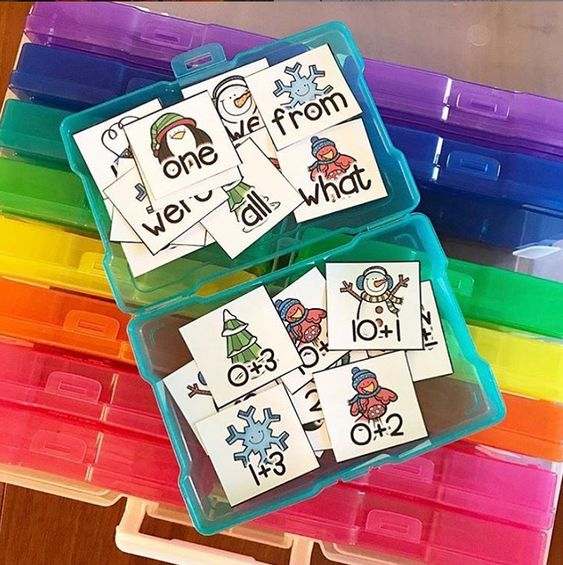
18. Sentence strips and word cards for sentence building activities

19. Letter tiles or magnets for word-building activities

20. Phonics workbooks and resources

21. Reading strategy posters or visual aids

22. Leveled readers for guided reading groups

23. Linear measurement tools like rulers.

24. Spelling workbooks to practice spelling patterns.

25. Picture books for read-alouds.

26. Online learning platforms (Raz-Kids, Freckle, etc.)

27. Activities such as rhyming/syllable sorting

28. Writing Prompts

29. Flashcards

30. Word sorts

31. Small whiteboards for individual writing practice

32. Poetry anthologies

33. Alphabet puzzles

34. Book bins for leveled texts

35. Dictionaries and thesauri

36. Resources for ELL support, such as bilingual dictionaries or translated texts

37. Nonfiction books for research and inquiry projects

38. Graphic novels

39. Magnetic letters and whiteboard

40. Reading Buddy Bags – paired texts and discussion questions

41. Large print books or adapted texts for students with visual impairments

42. Time timers to promote self-pacing

43. Materials for shared reading experiences – big books, pointers, etc.

44. Genre posters or signs to categorize texts in library

45. Reproducible reading passages with comprehension questions

46. Dry erase markers to write directly on laminated resources

47. Book-themed decorations and class incentives (book character posters, reward coupons, etc.)

48. Portable word processors for children who struggle with handwriting

49. Cue cards with sight words or common phrases to encourage fluency

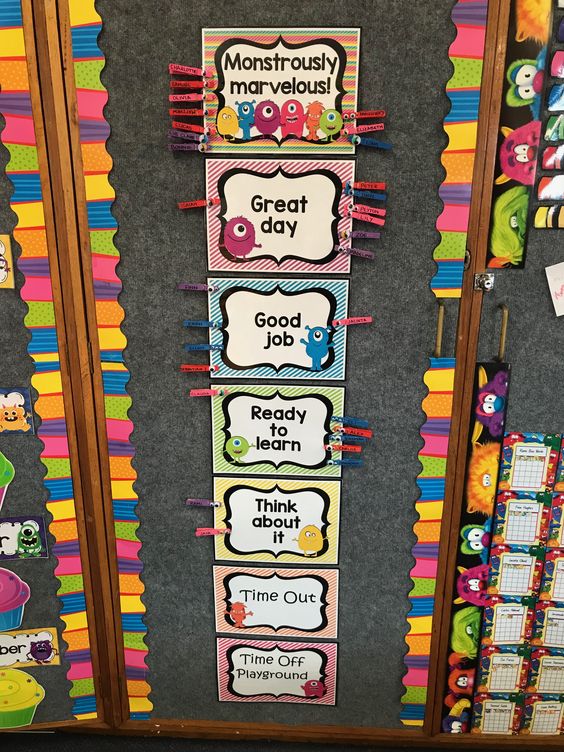
50. Literacy centers rotation chart to keep track of which activities students have completed

51. Storage solutions – crates, bins, shelves

With these materials on hand, your classroom literacy center will provide opportunities for your students to build vital reading and writing skills. Developing a strong foundation in literacy is critical for future learning success, so invest in the tools necessary to create an effective and engaging literacy center in your classroom.

25 Smart Ways to Use Paper Plates for Learning, Crafts, and Fun

Introduction:

Paper plates are inexpensive, versatile, and easily accessible items that can be used for a multitude of activities. In this article, we will discover 25 smart ways to use paper plates for learning, crafts, and fun.

1. Clock Craft: Teach children about time by creating a paper plate clock with number stickers and moveable hands made from pipe cleaners.

2. Alphabet Game: Write alphabet letters randomly around the edge of a paper plate, then have kids toss beans or small objects onto the plate to practice letter recognition.

3. Fraction Pizzas: Color different sections of a paper plate to represent fractions, enabling kids to visualize and understand the concept better.

4. Sundial: Use a paper plate as a base for a sundial and allow children to track the sun’s movement throughout the day.

5. Paint Palette: Turn paper plates into paint palettes for art projects, allowing kids to mix colors easily.

6. Masks: Encourage imaginative play by creating different animal or character masks using paper plates as the base.

7. Marble Maze: Cut strips from another paper plate to create paths within one plate for a marble to follow through a maze.

8. Solar System Model: Use different-sized paper plates as planets for teaching about our solar system.

9. Color Wheel: Use half-paper plates to make color wheels that help teach children about primary and secondary colors.

10. Ring Toss Game: Create a ring toss game at home; use upside-down paper plates as targets and rings made from cardboard.

11. Sorting Activity: Place small items such as buttons or LEGO bricks on a paper plate, asking kids to sort them into categories based on color, size or type.

12. Puppet Show: Create hand puppets or stick puppets using paper plates and various craft materials; afterward, put on a show!

13. Rain Stick: Turn a paper plate into a rain stick by attaching toothpicks or skewers to make noise when the plate is shaken.

14. Leaf Rubbings: Use paper plates to make leaf rubbings, teaching children about different types of leaves and tree species.

15. Lacing Cards: Cut shapes out of paper plates and punch holes around the edges for kids to practice their fine motor skills by lacing yarn or strings through them.

16. Collage Canvas: Let kids use paper plates as a base for creating collages with various materials such as tissue paper, beads, or glitter.

17. Weaving Activity: Cut slits in a paper plate and use them for weaving with yarn or string for a colorful creation.

18. Skeleton Model: Create a skeleton model with paper plates cut into different shapes for bones, attached together with brads or pipe cleaners.

19. Bird Feeder: Attach string to a paper plate rim, fill it with birdseed, and hang it outside as a DIY bird feeder.

20. Puzzles: Cut pictures or drawings into puzzle pieces using multiple paper plates, then challenge children to reassemble the image.

21. Easel Stand: Fold a large paper plate in half and use it as an easel stand for small paintings or drawings.

22. Holiday Wreaths: Create festive holiday wreaths using cutouts from paper plates and decorations like ribbons, beads, and pinecones.

23. Paper Plate Frisbee: Decorate and then toss around the ultimate kid-friendly Frisbee made from a sturdy paper plate.

24. Tabletop Basketball Game: Fold a modified cone shape out of a paper plate and secure it to form a hoop; shoot crumpled balls of paper through the hoop.

25. Alphabet Tree: Make an alphabet tree and help children practice letter recognition by finding all the letters hiding on leaves made from cut-out circles of paper plates.

The Best Fifth Grade Field Trips (Virtual and In-Person)

Introduction:

Fifth grade is an exciting time for children as they start to gain independence and explore their interests. Planning engaging and educational field trips is an excellent way to enhance their learning experiences. This article will highlight some of the best in-person and virtual field trip options for fifth graders that are both fun and enriching.

In-Person Field Trips:

1. Local History Museum: Museums provide an immersive learning experience, allowing students to have hands-on interactions with history, art, and science. A visit to a local history museum can help students understand and appreciate their community’s past while connecting it to the present.

2. Nature Preserve or Wildlife Sanctuary: Exposure to nature provides numerous benefits for children’s emotional, physical, and cognitive development. Nature preserves or wildlife sanctuaries give students the opportunity to learn about ecosystems, conservation efforts, and observe wildlife in their natural habitats.

3. Planetarium: A trip to a planetarium introduces students to astronomy concepts, sparking curiosity about the cosmos. They’ll learn about stars, planets, constellations, and space exploration through interactive exhibits and captivating shows in the planetarium dome.

4. Art Studio or Theatre Workshop: A visit to a local art studio or theatre workshop allows students the opportunity to explore creativity through various art mediums or learn about dramatic arts by participating in interactive workshops led by professionals.

5. Science Center: Science centers feature numerous interactive exhibits that cover a wide range of subjects including physics, chemistry, biology, and engineering. Children can participate in hands-on experiments that pique interest and foster deeper understanding of scientific concepts.

Virtual Field Trips:

1. Smithsonian National Air and Space Museum: Students can experience virtual tours of this popular museum’s aerospace exhibits which include iconic aircraft and spacecraft like the Apollo 11 Command Module or the Wright brothers’ first airplane.

2. The Louvre Museum: Through the museum’s online exhibitions, students can explore Egyptian antiquities, the world-famous Mona Lisa, and other notable artworks from the comfort of their homes.

3. San Diego Zoo’s Animal Cams: Bring the excitement of wildlife observation to your classroom with live cameras streaming on various animal habitats within the San Diego Zoo. The zoo is home to over 3,700 animals, offering children a unique opportunity to learn about different species and their natural environments.

4. Monterey Bay Aquarium’s Live Webcams: The Monterey Bay Aquarium’s webcams allow students to explore marine life through live streams featuring sea otters, penguins, sharks, and more. This virtual experience helps them understand ocean ecosystems and the importance of marine conservation.

5. Yellowstone National Park Virtual Field Trip: Students can explore this iconic national park virtually through interactive maps, videos, and photos that highlight its natural wonders like Old Faithful geyser or the Grand Canyon of Yellowstone.

Conclusion:

With a wide variety of in-person and virtual field trip options available for fifth graders, teachers and parents have numerous opportunities to engage their students in fun learning experiences that enhance classroom education. Whether it’s exploring local institutions or distant wonders of nature, field trips strengthen students’ knowledge and understanding while providing unforgettable memories.

Our Favorite Second Grade Teachers Pay Teachers Sellers

Introduction

Teachers across the globe know that Teachers Pay Teachers (TpT) is an amazing platform where educators can find, share, and sell teacher-created resources. Elementary school teachers especially enjoy discovering helpful materials from their fellow educators, as this assists in improving their curriculum and enriching their students’ learning experiences. In this article, we’ve compiled a list of our favorite second-grade TpT sellers who consistently create high-quality resources that make teaching a breeze.

1. Tracee Orman: Hunger Games Teaching Resources

Tracee Orman creates innovative resources with real-life applications, aiming to engage students and foster critical thinking. Some notable resources for second-grade classrooms include her Hunger Games-related teaching materials, which utilize the popular series to teach reading comprehension, character analysis, and other important language arts skills.

2. Laura Candler: Teaching Resources

As an experienced teacher and author, Laura Candler offers excellent resources for all elementary grades on TpT. Her creations are well-organized and focused on differentiating instruction to ensure success for every student. One of her most beloved materials is the “Math Stations by Standard” series, which features engaging math activities for second grade.

3. Cara Carroll: The First Grade Parade

Although her store title and primary focuses are on first grade, Cara Carroll’s high-quality products lend themselves wonderfully to second-grade classrooms as well! She provides a variety of engaging and creative materials; some favorites include her “Grammar Interactive Notebook” and the hands-on activities found in her “Math is Magical” unit.

4. Hope King: Elementary Shenanigans

Hope King’s passion for making learning fun shines through in all of her TpT resources! Her lively activities truly embody the spirit of “Elementary Shenanigans.” For second-grade teachers, her “Magic Tree House Book Companion Activities” are not to be missed!

5. Christina DeCarbo: Miss DeCarbo

Christina DeCarbo is a go-to resource for great reading and writing materials! Her store, Miss DeCarbo, offers wonderful resources such as “Word Work at Your Seat” and “Interactive Writing Notebooks” to keep your second-graders engaged while building their language arts skills.

Conclusion

These are just a few of our favorite second grade Teachers Pay Teachers sellers. Each of them excels in providing outstanding resources to equip teachers with the materials they need to create enriching and engaging classrooms for their students. Be sure to visit their TpT stores for even more exceptional resources!

25 Silly First Grade Jokes to Start The Day

Introduction:

Laughter is a powerful way to improve one’s mood, build social connections, and unwind after a long day. One of the best ways to introduce humor into your child’s daily routine is through silly first grade jokes. The joy of laughter will not only create lasting memories but also instill a sense of humor in your little one’s life. So, without further ado, here are 25 silly first grade jokes to kick-start your day with a smile.

  1. Why did the tomato turn red?

Because it saw the salad dressing!

  1. What do you call fake spaghetti?

An impasta!

  1. How do you catch a squirrel?

Climb a tree and act like a nut!

  1. What do cows do for fun?

Go to the moo-vies!

  1. How does a train eat?

It goes chew-chew!

  1. What did one ocean say to the other ocean?

Nothing, they just waved!

  1. How do you make a tissue dance?

Put a little boogie in it!

  1. What do you get when you cross an elephant and a fish?

Swimming trunks!

  1. Why don’t scientists trust atoms?

Because they make up everything!

  1. What musical instrument is found in the bathroom?

A tuba toothpaste!

  1. Why was the math book sad?

Because it had too many problems.

  1. What building has the most stories?

The library.

  1. Where do cows go on their summer vacation?

Moo York.

  1. Why don’t cats like online shopping?

They prefer cat-alogues.

  1. What time do ducks wake up at?

The quack of dawn.

  1. What has four wheels and flies?

A garbage truck.

  1. Why did the scarecrow win an award?

Because he was outstanding in his field.

  1. How do you stop an astronaut’s baby from crying?

You rocket!

  1. Why did the cookie go to the doctor?

Because it felt crummy.

  1. What do you get when you cross a snake and a pie?

A python.

  1. What animal is always at a baseball game?

A bat.

  1. Where do sheep go to get haircuts?

The baa-baa shop.

  1. What kind of shoes do mice wear?

Squeakers!

  1. Why did the golfer bring two pairs of pants?

In case he got a hole in one!

  1. Why did the bicycle fall over?

It was two-tired!

Conclusion:

Laughter truly is the best medicine, and starting your day with these silly first grade jokes will surely warm your heart and bring smiles to those around you. Enjoy using these light-hearted jests as part of your little one’s daily routine, and watch them embrace the gift of humor as they grow up!