Elementary Education

How I Use Simple Scripts to Do Reader’s Theater With Even My Youngest Students

Introduction:

Reader’s theater is an engaging method for building students’ reading confidence, fluency, and comprehension. By implementing simple scripts, even the youngest students can participate in this fun and educational activity. In this article, I will share how I use simple scripts to do reader’s theater with my early elementary education students.

1. Selecting Appropriate Scripts:

Choose age-appropriate and interest-driven scripts that are easy for your students to read and understand. It’s essential to select scripts with clear dialogue, a small number of characters, repetitive phrases, and an engaging storyline. You can find such scripts in children’s literature, create your own based on popular stories or adapt existing ones.

2. Prepare Students for Reading:

Before diving into the reader’s theater performance, take some time to teach your students about voice projection, tone variations, and expression. Help them understand how adding emotion to their voices can bring the story to life. Encourage them to practice reading their lines aloud so they become more comfortable with the script.

3. Cast Characters and Assign Roles:

Assign roles based on students’ reading levels, interests, or by giving students an opportunity to choose their preferred parts. Try to provide each child with an active part in the performance to keep everyone engaged. Some children might prefer non-speaking roles like a narrator or stagehand; also include these options during role assignment.

4. Rehearse and Practice:

Rehearse several times before performing in front of an audience or even other classmates. You can start with small group exercises where students read their lines out loud together or practice individually under your supervision. Encourage them to read slowly and clearly without rushing through their lines.

5. Create Simple Props and Backgrounds:

To make reader’s theater more engaging for young students, create simple props and backdrops that bring the story to life. Props can be as straightforward as paper cutouts or hand puppets, whereas backgrounds can be made using large construction paper or even whiteboards. Students will enjoy using their imagination and creativity to contribute to the formation of their performance.

6. Perform in Front of an Audience:

When students feel confident and well-prepared, invite other classes, teachers, or parents to watch the performance. Having an audience creates a sense of excitement and motivation for students to put their best effort into the execution of the reader’s theater.

7. Reflect on the Experience:

After the performance, discuss with your students what they learned from engaging in reader’s theater and how it helped improve their reading skills. Encourage them to share their thoughts and suggestions for future performances.

In Conclusion:

Reader’s theater is a fantastic way to encourage even your youngest students to become confident readers while also instilling a love for learning and storytelling. By selecting simple scripts, preparing the students, assigning roles, rehearsing, creating props, performing and reflecting on the experience, you can help your pupils develop essential reading skills that will stay with them throughout their academic journey.

Morning Meetings Provide the Ritual and Community Kids Need Right Now

Introduction:

In today’s fast-paced world, children are constantly exposed to various stressors and changes. More than ever, they need a sense of consistency, community, and connection. A morning meeting is a simple yet effective tool to provide that sense of stability for kids. Morning meetings establish daily rituals that cultivate a strong sense of community, belonging, and support among students.

1. The Importance of Daily Rituals

Daily rituals create predictability and structure, which many children crave. Starting the day with a morning meeting can make students feel secure, set clear expectations, and help children better cope with any challenges the day may bring. It also lays the groundwork for academic success by preparing them mentally for learning.

2. Building Community through Morning Meetings

Creating connections among students is essential to building a thriving learning environment. Morning meetings foster these connections between classmates and educators through collaborative activities that promote active listening skills, empathy, and respect. As a result, children learn how to work together more effectively while building valuable social skills.

3. Encouraging Emotional Expression

Morning meetings often include opportunities for children to express their feelings in a structured and supportive manner. By discussing feelings or issues in a safe environment—with peers who actively listen—students gain confidence in expressing themselves honestly and openly, promoting both emotional wellbeing and strong relationships.

4. Boosting Academic Performance

Taking part in a morning meeting has been proven to improve students’ academic performances as well. By establishing routines that encourage mental preparedness, engagement with peers through discussions or collaborative learning activities can lead to higher retention rates and problem-solving skills.

5. Strengthening Educator-Student Relationships

Morning meetings allow educators to build stronger relationships with their students outside the traditional classroom learning context. The relaxed atmosphere encourages interaction on personal levels which leads to better understanding of individual student needs.

6. Adapting Morning Meetings for Remote Learning

During periods of remote learning, maintaining morning meeting rituals becomes even more critical. Video calls, chat rooms, or audio messages can facilitate these meetings and continue the sense of connection between educators and students, as well as among peers.

Conclusion:

Morning meetings provide children with much-needed stability, social connections, and emotional support in our rapidly changing world. By making this ritual part of their daily routine, educators can build a strong sense of community among their students that promotes not only academic success but also emotional wellbeing. This is crucial to help kids flourish both inside and outside the classroom, whether the learning takes place in a traditional setting or through remote methods like video calls or online platforms.

4 Simple Experiments to Introduce Kids to Physics

Introduction

Physics can be an exciting subject for children, and getting them interested early on is essential for fostering a love of science. Introducing kids to physics through fun, simple experiments can help them develop a basic understanding of important concepts. Here are four easy and entertaining experiments that can encourage kids in the world of physics.

1. Paper Helicopter Experiment

Objective: To demonstrate air resistance.

Materials:

– A piece of paper

– Scissors

– A paper clip

Instructions:

1. Cut a strip of paper, approximately 2 inches wide and 8 inches long.

2. Fold the paper in half lengthwise.

3. Cut two slits at the folded end, about an inch apart and an inch deep.

4. Open the folded end to create two helicopter blades.

5. Attach a paper clip to the bottom of the paper strip for weight.

6. Hold the helicopter up high and drop it. Observe how it falls and rotates as it encounters air resistance.

Discussion:

Ask the kids why they think the helicopter spins as it falls and explain the concept of air resistance.

2. Jumping Frogs Experiment

Objective: To demonstrate the conservation of energy.

Materials:

– A small toy (preferably a lightweight frog or any jumping animal)

– A ruler (or surface to apply pressure)

Instructions:

1. Place the toy on a flat surface.

2. Press down on the toy using your finger or a ruler, applying pressure.

3. Quickly release the pressure and observe how high the toy jumps.

Discussion:

Explain how potential energy stored in the compressed spring transfers into kinetic energy, making the toy jump.

3. Spinning Coin Experiment

Objective: To demonstrate inertia and centrifugal force.

Materials:

– A coin

– A flat surface (table or floor)

Instructions:

1. Place the coin on a flat surface.

2. Flick the coin, causing it to spin in place.

3. Observe how the spinning gradually slows down and eventually stops.

Discussion:

Discuss the concepts of inertia, friction, and centrifugal force, explaining why the coin eventually stops spinning.

4. Balloon Rocket Experiment

Objective: To introduce Newton’s third law of motion.

Materials:

– A balloon

– A piece of string (about 10 feet long)

– A straw

– Tape

– Two chairs or poles

Instructions:

1. Inflate the balloon without tying a knot to close it.

2. Thread the string through the straw and stretch it between two chairs or poles. Secure it by tying knots at both ends.

3. Use tape to attach the inflated balloon to the straw, ensuring that the open end of the balloon points opposite to where you want it to move.

4. Release the air in the balloon and watch it propel along the string’s length like a rocket.

Discussion:

Talk about Newton’s third law – For every action, there is an equal and opposite reaction – and how it relates to the movement of the rocket.

Conclusion:

These four simple experiments are a perfect introduction to basic physics concepts for kids. Engaging them in hands-on activities will not only teach them about science but also pique their curiosity and inspire them to explore more about how things work in our universe.

The Best Thanksgiving Poems for Kids of All Ages

Thanksgiving is a special time for families to come together and give thanks for the blessings in their lives. It’s also a perfect opportunity to introduce kids to the warm, comforting world of poetry. This holiday season, we bring you a collection of the best Thanksgiving poems tailored for kids of all ages.

1. “A Thanksgiving Fable” by Oliver Herford

Ideal for young readers, this humorous poem tells the story of a turkey that’s so tired of hearing people say, “Eat, drink, and be merry” that it goes on a diet to slim down before Thanksgiving Day.

2. “The Turkey’s Lament” by Jack Prelutsky

A fun and engaging poem featuring the perspective of a worried turkey just before Thanksgiving Day. The repetition and rhyming pattern will hold kids’ attention as they consider the holiday from another point of view.

3. “A Child’s Thanksgiving” by Paul Laurence Dunbar

Recommended for elementary-aged children, this short poem highlights the simple joys that come with spending time with family during the holidays.

4. “Thanksgiving Day” by Lydia Maria Child

This classic American poem recalls fond memories of family gatherings on Thanksgiving Day and emphasizes the importance of appreciating generations past. Well-suited for older children or those with more advanced reading abilities, this piece can open up conversations about tradition and gratitude.

5. “Five Little Turkeys”

A fun fingerplay poem perfect for toddlers and preschoolers! It features five little turkeys and their entertaining escapades leading up to Thanksgiving Day.

6. “The First Thanksgiving” by Nancy Byrd Turner

Introduce elementary school children to an imaginative recounting of the history behind our Thanksgiving traditions with this delightful poetic narrative.

7. “Food Fight” by Kenn Nesbitt

A playful poem fit for middle schoolers that tells the tale of a massive food fight that erupts during a family’s Thanksgiving celebration. It’s a humorous and light-hearted piece perfect for kids who enjoy a good giggle.

8. “Gratitude” by Joseph T. Renaldi

This insightful poem will resonate with teenagers as they consider the importance of reflecting on one’s blessings and expressing gratitude throughout their lives.

There you have it! These Thanksgiving poems cater to kids of all ages, nurturing a love for poetry while creating memories they’ll treasure for years to come. Share these delightful verses with the little ones in your life and celebrate the warmth and joy that Thanksgiving brings.

10 Groovy Pete the Cat Activities Your Students Will Love

Are you looking for fun, engaging activities centered around the beloved children’s book character, Pete the Cat? Look no further! We’ve compiled a list of ten groovy Pete the Cat activities your students will absolutely adore.

1. Pete the Cat Shoe Decorating

Let your students unleash their creativity by having them design and decorate their shoe cutouts. Provide various craft supplies such as markers, glue, glitter, and stickers to give children an opportunity to personalize their own funky footwear, just like Pete’s.

2. Button Sorting Game

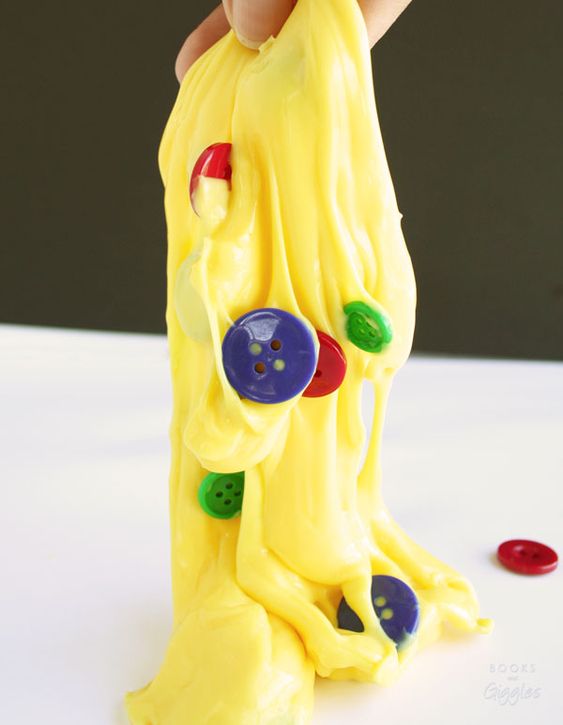
Inspired by “Pete the Cat and His Four Groovy Buttons,” this activity helps students improve their sorting and counting skills. Have children sort buttons based on color, size, or shape, and then count how many are in each group.

3. Musical Shoes

A twist on the classic game of musical chairs. Arrange shoe cutouts in a circle on the floor and play music while your students walk around them. When the music stops, they must find a shoe cutout to stand on.

4. Make a Pete the Cat Puppet

Give each child a paper bag, have them decorate it with Pete’s face and clothes using markers or crayons, attach pre-drawn templates for feet and arms using brads or glue. This simple puppet craft allows kids to bring Pete to life with fun storytelling sessions.

5. Rhyming Words Matching Game

Create a list of words from your favorite Pete the Cat book that rhyme with each other, then create matching cards for each set of rhyming words. Students will work in pairs to find matches and discuss why they think the words rhyme.

6. “I Love My White Shoes” Color Walk

After reading “I Love My White Shoes,” create a colorful walkway using colored paper or cloth squares representing different items from which Pete can clean his shoes. Encourage children to walk on the path and act out Pete’s colorful adventure.

7. Pete the Cat Glyph

Incorporate math skills and creativity by having your students create their own Pete the Cat glyph, a visual representation of data using symbols. Use simple questions, like “Do you prefer white shoes or red shoes?” to incorporate their preferences into a unique drawing of Pete.

8. School Tour with Pete

With the help of a teacher-made cardboard Pete figure, take your students on a school tour! Along the way, introduce your students to faculty and staff who can read a brief passage from one of the many groovy Pete the Cat books.

9. Rockin’ Storytelling Time with Pete

Dive into storytelling by choosing a favorite Pete the Cat book and having your students take turns reading aloud. Practice different voices and expressions as each student reads – everybody can add their own groovy spin to the story!

10. Cool Cat Sunglasses

Pete has some pretty awesome sunglasses, so why not have your students create their own funky pair? Provide each child with a template of sunglasses frames and encourage them to decorate with markers, glitter, stickers – let them get creative!

With these ten entertaining activities inspired by Pete the Cat at your disposal, you’ll be able to engage your students in a variety of inventive ways while exploring this cool cat’s unique journey together! Happy learning and stay groovy!

Take Your Students on a Dairy Farm Virtual Field Trip

Introduction:

In today’s increasingly technology-driven world, virtual field trips offer a unique and immersive way to engage students in learning. With the ongoing pandemic, virtual experiences have become more essential than ever, bringing distant and inaccessible locations within our digital reach. One such enriching educational opportunity is taking your students on a dairy farm virtual field trip. This article highlights the benefits of this innovative experience and how to incorporate it into your curriculum.

Why Choose a Dairy Farm Virtual Field Trip?

1. Connect with Nature: A virtual field trip to a dairy farm enables students to connect with nature through an interactive and engaging medium. It allows them to observe farm animals, learn about sustainable farming practices, and understand the importance of agriculture in our daily lives.

2. Nutrition Education: Dairy products are an essential part of a balanced diet, and understanding their production process will help students make informed dietary choices. They will learn about the nutritional value of milk and its byproducts while gaining an appreciation for local food sources.

3. Sustainability Practices: Visiting a dairy farm virtually empowers students with knowledge about sustainable agriculture, reducing waste and lowering the environmental impact. This understanding fosters earth-friendly habits essential to the planet’s future.

4. Accessibility: Virtual field trips are financially accessible to schools with limited budgets and physically accessible for special needs students or those with limited mobility.

5. Safety: The ongoing pandemic has made it challenging to undertake physical outings safely. Virtual field trips comply with social distancing guidelines without compromising educational opportunities.

How to Take Your Students on a Dairy Farm Virtual Field Trip:

1. Choose a Platform: Several websites and multimedia platforms offer virtual dairy farm tours for educators. Ensure that the chosen platform is easy to navigate and compatible with your school’s technology infrastructure.

2. Prepare Your Students: Before embarking on the virtual field trip, generate excitement among your students by providing background information about the dairy industry and its significance. Assign activities and discussions that help them build a foundation on the subject.

3. Schedule a Virtual Tour: Integrate the virtual field trip into your lesson plan, aligning it with your curriculum objectives. Ensure that each student can access the tour at the scheduled time and provide them with the necessary login credentials.

4. Interactive Learning: Encourage students to actively engage with the virtual experience by asking questions, discussing observations, and collaborating with their peers.

5. Post-Trip Activities: Reinforce learning through quizzes, presentations, or essays based on student experiences during the virtual field trip. Allow them to reflect on what they have learned and how this understanding benefits their lives and the environment.

Conclusion:

Taking your students on a dairy farm virtual field trip offers an unforgettable educational experience while fostering a deep appreciation for nature, agriculture, nutrition, and sustainability. Embrace this innovative teaching method to ensure your students gain valuable knowledge that extends beyond the classroom walls.

Earth Day Poems for Kids of All Ages and Grade Levels

Introduction

Earth Day is an annual event celebrated around the world on April 22nd, spreading awareness about the importance of protecting our environment and raising consciousness about sustainable living. One great way to teach children about the significance of Earth Day is through poetry. Poems can inspire creativity, spark imagination, and engage young minds in understanding the beauty of nature and our responsibility towards it. Here are some Earth Day poems suitable for kids of all ages and grade levels

Elementary School Poems (Grades K-2)

1. “Our Earth, Our Home”

Our Earth, our home, so big and round,

Touched by sky and sea abound,

Trees whisper hushed secrets wide,

And rivers sing as they glide.

Let’s care for Earth, this precious place,

As its wonders we embrace,

For Earth to keep us safe and sound,

Let love and kindness always be found.

2. “Tiny Actions”

A little seed, small as it seems,

Grows into a tree of dreams.

A small kind act, a gentle word,

Can change the world when it’s heard.

For just like seeds that turn to trees,

Our love for Earth spreads like a breeze.

With tiny actions every day

We’ll make sure Earth is here to stay.

Middle School Poems (Grades 3-5)

1. “The Colours of Earth”

Green with colors rich upon its skin,

A floating sphere on which we live in.

Blue like oceans wide and vast,

Earth’s heart where life began in the past.

Yellow fields under skies so blue,

Red sunsets paint a vibrant hue.

Brown for soil nurturing seeds we sow

Together let’s protect this rainbow.

2. “The Guardians”

Hand in hand we hold so tight

The future guardians shining bright

To keep Earth safe from shadowy bends

We’ll fight as one until the end

For every mountain, forest, and shore,

We raise our voice to protect what’s more,

To leave a world forever clean

For future generations, yet unseen.

High School Poems (Grades 6-8)

1. “A Plea for Preservation”

Nature’s bounty in colors rich and rare

The fragrance of earth on the evening air,

But danger arises as the seasons turn,

For careless hands may let it burn.

The trees shall weep, and rivers sigh,

With smoke that covers the azure sky.

So let us rise with hearts ablaze,

To land we will love through endless days.

2. “Earth’s Symphony”

We are the Earth’s song, high notes and low,

Together in harmony, we help it grow.

Nature’s orchestra plays its captivating tune

In the melodies of every season’s dune.

With love and care, like a gardener with a spade,

What we give to Earth shall not fade.

Creatures great and small, lend your ear,

Sing the Earth’s song; let everyone hear!

Conclusion

These poems provide an opportunity for children from kindergarten through middle school to learn about the beauty of our planet, understand its vulnerability, and realize their role in preserving it for future generations. Engaging in poetry on Earth Day allows young minds to develop a deep appreciation for nature while motivating them toward sustainable living practices. It is an excellent way to introduce environmental conservation concepts while promoting creativity and imagination in children.

10 Fun & Easy Fire Prevention Week Activities for Grades PreK-2

Fire Prevention Week is an annual event dedicated to raising awareness about fire safety and prevention. It’s an excellent time to teach young children about the importance of fire safety and engage them in fun, educational activities to help solidify these life-saving lessons. Here are 10 fun and easy Fire Prevention Week activities suitable for grades PreK-2.

1. Firefighter Dress-Up

Encourage kids to role-play as firefighters and practice putting on pretend fire safety gear such as helmets, jackets, gloves, boots, and masks. This activity helps familiarize them with the roles that firefighters play in keeping communities safe.

2. Stop, Drop, and Roll Relay

Teach children the iconic stop, drop, and roll technique for extinguishing clothing fires. Organize a relay race where they must stop, drop to the ground, roll around to “put out the fire,” and then pass the baton to the next participant.

3. Visit a Fire Station

Arrange a field trip to a local fire station where students can meet real firefighters and see fire trucks up close. This experience allows them to ask questions about fire safety while observing essential firefighting equipment firsthand.

4. Make a Home Fire Escape Plan

Have students draw their home layout and work with family members to create an escape plan in case of a fire emergency. Encourage them to share their plans with their classmates for discussion and learning.

5. Smoke Detector Testing

Teach kids about the purpose of smoke detectors and help them practice testing their detectors at home by pressing the test button. Explain the importance of changing batteries regularly as part of maintaining smoke detectors’ functionality.

6. Interactive Storytime

Read a picture book about fire safety or firefighters such as “Fire! Fire!” by Gail Gibbons or “A Day in the Life of a Firefighter” by Heather Adamson to provide kids with a narrative that they can relate to and learn from.

7. 911 Emergency Role-Playing

Help children understand when and how to dial 911 in case of a fire emergency. Use role-playing scenarios to practice calling, answering the dispatcher’s questions calmly, and providing accurate information.

8. Fire Safety Crafts

Create arts and crafts with a fire safety theme, such as firefighter puppets, paper fire trucks, or flame-shaped collages made of red, orange, and yellow tissue paper. Display these creations in the classroom or at home to reinforce fire safety lessons.

9. Fire Prevention Poster Contest

Encourage children to design their own fire safety posters that emphasize key prevention messages like “Don’t play with matches” or “Check your smoke detectors.” Organize a friendly contest and display the winners in the classroom or school hallways.

10. Fire Safety Songs

Sing catchy tunes about fire safety that kids can easily remember, like “Get Low and Go” (to the tune of “Row, Row, Row Your Boat”) or create your own fun jingles about essential fire prevention tips.

By incorporating these engaging activities into your Fire Prevention Week lessons, you can provide PreK-2 students with an enjoyable learning experience while teaching them critical fire safety skills that will last a lifetime.

The Best Halloween Poems for Kids and Students of All Ages

Introduction:

Halloween is a magical time of year that brings out the inner child in everyone. With costumes, trick-or-treating, and spooky stories, this holiday has something for everybody. One of the best ways to celebrate the season is by reading and sharing Halloween-themed poems with kids and students of all ages. This article brings you some of the best Halloween poems to delight and entertain kids while also introducing them to the wonderful world of poetry.

1. “Five Little Pumpkins” by Anonymous

“Five Little Pumpkins” is a popular classic that has been entertaining children for decades. The simple and catchy rhyme scheme makes it easy to remember and enjoyable for kids of all ages.

Five little pumpkins sitting on a gate;

The first one said, “Oh, my it’s getting late.”

The second one said, “There are witches in the air.”

The third one said, “But we don’t care!”

The fourth one said, “Let’s run and run and run.”

The fifth one said, “I’m ready for some fun!”

Ooooo went the wind, And out went the lights,

And the five little pumpkins rolled out of sight.

2. “Halloween Night” by Harry Behn

“Halloween Night” is a delightful poem that describes all the magic and mystery surrounding Halloween night. It’s perfect for younger kids who appreciate spooky stories but don’t want anything too scary.

Tonight is the night when dead leaves fly

Like witches on switches across the sky.

When elf and sprite flit through the night

On restless wings be lantern light.

3. “A Ghost Story” by Aileen Fisher

“A Ghost Story” offers funny wordplay and humorous imagery that will bring smiles to readers young and old. It’s perfect for those looking for something silly rather than scary this Halloween.

Outside my window on a Jet-black night,

A ghostly shiver gave my heart a fright,

For there in the moonlight, all yellow and green,

Was something I didn’t want to be seen:

A sheet with holes for eyes:

Was it a trick? A disguise?

Or was it a ghost no one could recognize?

4. “Double, Double Toil and Trouble” by William Shakespeare

For older students and those more experienced with poetry, “Double, Double Toil and Trouble” from William Shakespeare’s play “Macbeth” offers a thrilling and exciting Halloween adventure. This classic spooky incantation is sure to send shivers down any reader’s spine.

Double, double toil and trouble;

Fire burn, and caldron bubble.

Fillet of a fenny snake,

In the caldron boil and bake;

Eye of newt, toe of frog,

Wool of bat, tongue of dog,

Conclusion:

This Halloween season, entertain kids and students by sharing these fantastic poems that capture the magic and excitement of this much-beloved holiday. Each poem offers its unique charm and appeal while introducing children to the wonderful world of poetry. Happy Halloween!

The Best 2nd Grade Poems To Delight Your Students

As a teacher, it’s always a challenge to find materials that are engaging, age-appropriate, and educational. Poetry can be an excellent way to help your 2nd graders develop reading, comprehension, and writing skills. To help you in your search for the perfect poems, we’ve compiled a list of the best 2nd grade poems guaranteed to delight your students.

1. “A Light in the Attic” by Shel Silverstein

Shel Silverstein is beloved by children everywhere for his quirky illustrations and whimsical poetry. “A Light in the Attic” is no exception – it will spark your students’ imaginations as they tackle riddles and daydream about the mysterious light in the attic.

2. “The New Kid on the Block” by Jack Prelutsky

This entertaining poem uses humor and relatable experiences to tell the story of a new kid who moves into town. With simple language and fun rhymes, “The New Kid on the Block” is a great way to introduce your students to poetry.

3. “Stopping by Woods on a Snowy Evening” by Robert Frost

Considered an American classic, this poem paints a beautiful picture of silent snowfall in a wood. Students can easily visualize the scene with Frost’s enchanting imagery; it is sure to elicit lively discussions about nature and the elements that make up our world.

4. “Falling Up” by Shel Silverstein

Another great poem for 2nd graders from Shel Silverstein; this time focusing on defying gravity. Students will giggle as they read about various objects falling up instead of down, encouraging analysis of how things work from different perspectives.

5. “Be Glad Your Nose Is on Your Face” by Jack Prelutsky

A humorous poem filled with entertaining visuals, this poem emphasizes gratitude for our features and the way they are placed on our faces. It highlights the importance of being content with ourselves, sparking discussions on self-acceptance and embracing individuality.

6. “If Not for the Cat” by Jack Prelutsky

This haiku collection featuring various animals is perfect for 2nd graders’ introduction to this form of poetry. The short, descriptive poems are great for helping students recognize syllables, learn new vocabulary, and explore the art of brevity.

7. “Would You Rather Be a Bullfrog?” by Dr. Seuss

Dr. Seuss’s imaginative poem encourages children to unleash their creativity as they ponder what life would be like as different creatures – from bullfrogs to butterflies. With playful illustrations and rhymes, this poem is ideal for teaching students about choices and could spark fun class activities.

These seven gems are sure to engage your students and ignite their passion for poetry while developing essential literacy skills. From the silly rhymes of Shel Silverstein to the natural beauty captured by Robert Frost, these poems provide a wonderful variety that will captivate your 2nd graders and make learning an enjoyable adventure.