Elementary Education

The Best In-Person and Virtual First Grade Field Trips

In today’s world of technology and creativity, field trips have become an essential part of first-grade education. They provide children with unique learning experiences that are both interactive and engaging. Whether it’s an in-person adventure or a virtual excursion, these field trips help students explore new environments, concepts, and ideas. Here are some of the best in-person and virtual first grade field trips that will captivate young minds.

In-Person Field Trips

1. The Children’s Museum – Children’s museums offer hands-on learning experiences tailored to youngsters. These venues encourage exploration, curiosity, and creativity, making them perfect destinations for first graders.

2. The Zoo – A visit to the zoo enables kids to observe animals up close, fostering a love for nature and wildlife. Zoos often provide guided tours that teach children about animal habitats, diets, and behaviors.

3. Botanical Gardens – A botanical garden showcases the beauty and diversity of plant life. First graders can explore different ecosystems, identify various plant species, and learn about the importance of conservation efforts.

4. The Science Center – Science centers offer interactive exhibits related to physics, chemistry, biology, and other scientific disciplines. They can spark an early interest in science while nurturing logical thinking and problem-solving skills.

5. Planetarium – A trip to a planetarium will give first graders a captivating celestial experience. They can learn about stars, constellations, planets, galaxies, and the wonders of outer space.

Virtual Field Trips

1. Google Earth – Google Earth provides access to satellite imagery from all corners of the globe. This allows students to virtually visit famous landmarks such as the Grand Canyon or the Great Wall of China while remaining in their classroom.

2. The Louvre Museum Virtual Tour – This digital experience allows students to explore numerous artworks from different eras in history without leaving their desks. First graders can admire masterpieces such as the Mona Lisa, the Winged Victory of Samothrace, and the Ancient Egyptian collections.

3. Monterey Bay Aquarium Live Webcams – An up-close look at marine life from home, this virtual field trip offers live webcam feeds from Monterey Bay Aquarium exhibits. Students can observe otters, penguins, sharks, and other aquatic animals in their habitats.

4. The Smithsonian Museum Virtual Tours – Offering a suite of online resources and virtual tours, the Smithsonian Institution helps bring history to life for first graders. From natural history to aerospace exhibits, students can explore a wide range of fascinating subjects.

5. NASA’s Virtual Field Trip to Mars – Using augmented reality technology, NASA offers a “tour” of Mars based on data collected by Mars rovers. This virtual field trip is a great way to teach young students about space exploration and foster an interest in astronomy.

In conclusion, both in-person and virtual first grade field trips provide valuable educational experiences for students. By visiting different venues or using technology to bridge physical distances, these field trips encourage curiosity and broaden perspectives while supplementing traditional classroom learning.

What It’s Like to Teach Second Grade in a Yurt

Introduction:

Teaching second grade in a yurt may seem like an unconventional concept to many, but it is an increasingly popular alternative education setting for both educators and students alike. Transporting the classroom from traditional bricks and mortar buildings to circular, tent-like structures brings with it a plethora of unique experiences and challenges. Let’s dive into the world of teaching second grade students in a yurt and explore the ins and outs of this distinctive learning environment.

The Yurt Classroom:

A yurt is a portable, round tent, typically constructed with a combination of wood, canvas, and insulation. Its origins can be traced back to Central Asia, where it served as a primary dwelling for nomadic peoples. The flexible nature of these structures has made them adaptable for modern uses such as classrooms, providing an eco-friendly alternative to traditional building materials.

Unique Teaching Opportunities:

The yurt offers educational settings that are starkly different from the confines of typical classrooms. Its circular design promotes open communication among pupils while encouraging collaborative learning experiences. Class discussions and group work become more organic in this circular space where everyone faces each other naturally.

Additionally, yurts provide ample opportunities for incorporating nature into lessons. By taking advantage of surrounding outdoor environments, teachers can create dynamic learning experiences that deepen connections between students and nature. Experiences such as nature walks, observing local flora and fauna, or incorporating natural elements like rocks or leaves into art projects can foster curiosity and passion for environmental conservation.

Challenges of Teaching in a Yurt:

Teaching in a yurt also poses unique challenges that educators must adapt to. Temperature control is often more difficult to manage than in conventional school buildings due to their more basic infrastructure. Teachers need to plan accordingly with appropriate heating or cooling solutions based on weather patterns while ensuring students stay comfortable throughout the day.

Space constraints within the yurt may also force educators to get creative with storage and organizational solutions. Compact, multi-functional furniture and resources are often required to properly utilize the limited space available. Furthermore, teachers must be diligent in maintaining a clean and organized environment to minimize disruptions during lesson time.

Building Community Ties:

A yurt village creates an intimate sense of community unlike that found in traditional school settings. Parents and other community members often become more involved in school activities as they share a sense of ownership and pride in the innovative learning environment. Family involvement can range from volunteering in maintenance duties like keeping the yurt grounds clean, to participating in lesson plans or extracurricular activities. This strong bond between students, teachers, and parents produces valuable support networks that benefit the entire community.

Conclusion:

Teaching second-grade students within the distinctive setting of a yurt classroom provides incredible opportunities for innovation and connection with the natural world. While these alternative learning environments may test educators’ adaptability due to unique challenges, the benefits of fostering a tight-knit community with engaged students make it an equally rewarding endeavor for those who embrace it. The yurts offer us an opportunity to celebrate our connection with nature while rethinking traditional educational spaces – ultimately creating unforgettable experiences for educators and students alike.

6 Celebratory Ways to End the School Year with Students

As the school year comes to an end, it’s essential to find ways to celebrate the hard work and achievements of students. The following six celebratory methods can help educators and students alike enjoy a memorable conclusion to the academic year.

1. Host a virtual awards ceremony

Organizing an awards ceremony is an excellent way for teachers and administrators to acknowledge exceptional accomplishments by students throughout the year. Include categories such as best in academics, sports, or extracurricular activities. Ensure every student is celebrated through inclusive categories like ‘most improved’ or ‘best energy.’ For a more light-hearted touch, add some fun categories like ‘brightest smile’ or ‘biggest bookworm.’

2. Plan a class project presentation event

Give students the opportunity to showcase their best work from the year by hosting a class project presentation event. Students can display their projects in a gallery format or present them to the class, with parents and school staff also in attendance. This event allows students to discuss their work, demonstrate what they’ve learned, and enjoy recognition for their effort and growth during the past year.

3. Create a memory wall or digital collage

Invite students and staff members to contribute pictures, drawings, or messages about their favorite memories from the year. Construct a physical memory wall or create a digital collage that can be shared online. This activity offers students the chance to reflect on what they’ve learned while allowing everyone in the school community to view and appreciate their cherished memories together.

4. Organize a talent show

A talent show provides an opportunity for students and teachers alike to showcase their skills outside of academics and sports. Encourage individuals or groups to perform on stage using various skills like singing, dancing, playing musical instruments, stand-up comedy, or magic tricks. Including audience participation for voting on favorite acts adds a sense of excitement and camaraderie among classmates.

5. Host a class party or picnic

Celebrating the end of the school year can be as simple as hosting a class party or picnic where students can have fun and unwind. Activities like games, music, and dancing promote bonding and create lasting memories. Consider discussing with your students what they’d enjoy the most, providing them with creative control over the planning.

6. Write personal notes for each student

A heartfelt message from their teacher can leave a significant impact on students. Take the time to write individual notes expressing gratitude for each student’s contributions, acknowledging their efforts, and offering encouragement for their future endeavors. These messages can be kept as cherished mementos, reminding students how much they were valued during the school year.

In conclusion, there are many memorable ways to celebrate the end of an educational journey. These six methods can effectively come together to create a fun-filled and unforgettable finale for students and teachers alike. So, gather ideas, engage your students, and seize this opportunity to celebrate a fantastic year of learning, growth, and accomplishments!

An Elementary Teacher Designed a ‘Call in and Scream’ Hotline Because of Course They Did

In these trying times amidst the ongoing COVID-19 pandemic, stress has inevitably increased—especially for professionals working in the education sector. It is no wonder teachers have had to seek unconventional methods for managing their stress. One such example is an elementary school teacher who has come up with a brilliant yet unorthodox solution—a “Call in and Scream” hotline.

The anonymous teacher behind this idea has created a safe space for fellow educators or anyone else who needs an outlet to let out their frustrations, anger, and stress. This hotline provides an opportunity for its callers to scream their hearts out without any judgment or consequences.

Inspired by the endless challenges faced by educators during these unprecedented times, the Call in and Scream hotline was established as an unconventional yet efficient coping mechanism. With added complications such as remote learning, constantly changing guidelines, and decreased personal connection with students, educators bear immense pressure. Thus, the hotline aims to channel these negative emotions through the simple yet cathartic act of screaming.

The concept of freeing oneself from emotional burden through screams is not new. In fact, primal scream therapy—developed by American psychologist Arthur Janov in the 1970s—advocates for healing via releasing repressed feelings with non-verbal sounds like shrieking or yelling. In some cultures, people even practice collective screaming to create solidarity during turbulent times.

Launched few weeks ago, the Call in and Scream hotline operates 24/7 through an automated voice response system. No live person is at the receiving end of the call; hence callers can freely express themselves without having their privacy violated. The hotline’s number has circulated through various social apps and platforms within education communities, resulting in thousands of people using this resource every day.

The anonymous teacher who started it all hopes that this initiative resonates with not just teachers, but anyone who needs an emotional release during these trying times. By providing this outlet, our stressed-out friend is resiliently pursuing their passion for making a positive impact on others by embracing out-of-the-box solutions.

The Call in and Scream hotline has surpassed expectations and attracted calls from individuals outside of the teaching profession. As word spreads, it serves as a reminder that we are all navigating this challenging time together. Finding innovative ways to cope with stress and support one another is essential for our collective well-being.

So, next time life feels overwhelming, consider giving the Call in and Scream hotline a try—you might find relief in letting off steam from within the safety of your phone line.

The Best High-Low Books For Kids, Tweens, and Teens

High-Low books, also known as Hi-Lo books, are works designed to engage young or struggling readers by offering compelling storylines with simple language. They’re an excellent resource for kids, tweens, and teens looking to improve their reading skills while remaining engrossed in fascinating stories. Here are some of the best High-Low books for different age groups.

For Kids:

1. “Pete the Cat” series by James Dean and Kimberly Dean: These delightful books follow Pete the Cat’s adventures, which teach valuable life lessons in easy-to-understand language. With captivating illustrations and repetitive text structure, the series is perfect for building confidence in beginner readers.

2. “Fly Guy” series by Tedd Arnold: Featuring a unique friendship between a boy named Buzz and a fly named Fly Guy, this engaging series presents humorous stories fit for early readers. With vibrant pictures that support the text, even reluctant readers will be drawn into these adventures.

For Tweens:

1. “Hank Zipzer” series by Henry Winkler and Lin Oliver: Drawing inspiration from Winkler’s own childhood dyslexia experiences, the series follows Hank Zipzer’s ups and downs as he navigates school and familial expectations with learning difficulties. The lively dialogue and relatable scenarios make these books appealing to middle-grade readers.

2. “I Am Rosa Parks” by Brad Meltzer: This engaging biography narrates the inspiring story of civil rights icon Rosa Parks in accessible language. Through vivid illustrations and simple text, tweens can learn about her incredible courage while enhancing their reading skills.

For Teens:

1. “Zom-B” series by Darren Shan: This thrilling zombie apocalypse series offers strong characters battling moral dilemmas amidst gruesome settings. Perfect for teen reluctant readers who love dark adventure stories with high action but low language complexity.

2. “Bluford High” series by various authors: Set in the fictional urban Bluford High School, this series covers relatable topics for teens, like bullying, jealousy, and friendships. With diverse characters, real-life issues, and engaging storylines, teens will be engrossed while also improving their reading skills.

These High-Low books have all the elements that a young reader needs to stay engaged – interesting stories, appealing characters, and approachable language. In offering a variety of titles for kids, tweens, and teens, parents and educators can feel confident that they’re providing compelling options for readers at different skill levels.

14 Tips for Pairing Fiction with Nonfiction in Grades K-5

Introduction:

Pairing fiction with nonfiction texts is an excellent way to deepen understanding and engage students in the learning process. By connecting a fictional story to factual information, educators can help young learners develop critical thinking, reading, and comprehension skills. In this article, we will explore 14 helpful tips for successfully pairing fiction and nonfiction texts for students in grades K-5.

1. Choose age-appropriate texts: Select books that are suitable for your students’ age and reading level. Ensure that both the fiction and nonfiction texts are comprehensible and engaging for young learners.

2. Align with curriculum topics: Connect both the fiction and nonfiction texts to specific topics in your curriculum to reinforce learning concepts and make connections between subjects.

3. Identify common themes: Look for shared themes between the fictional story and the informational text, such as courage, friendship, or perseverance.

4. Introduce vocabulary: Use the nonfiction text to introduce new vocabulary words that relate to the story or topic.

5. Make use of illustrations: Utilize visual elements from both books to help students better understand new information.

6. Encourage predictions: Before beginning a paired reading session, ask students to predict how the two texts will connect or overlap.

7. Create text-to-text connections: Guide students in identifying similarities and differences between the fictional story and the nonfiction text.

8. Engage in discussions: Facilitate meaningful conversations about what was read, encouraging students to share their thoughts, opinions, and questions.

9. Develop comprehension skills: Encourage students to interact with the texts by summarizing key points, asking questions, making connections, visualizing images, or identifying main ideas.

10. Share personal experiences: Prompt students to make connections between their own lives and the content they have read.

11. Incorporate writing activities: Offer creative writing prompts that help students synthesize and respond to the paired texts.

12. Utilize technology: Incorporate digital resources and multimedia to enhance student understanding and engagement with the texts.

13. Track progress: Assess student comprehension of both the fiction and nonfiction texts, noting areas for improvement or growth.

14. Cultivate a love for reading: Pairing fiction with nonfiction not only promotes critical thinking but also nurtures a lifelong love of reading across various genres.

Conclusion:

Pairing fiction with nonfiction in grades K-5 is an effective method of promoting literacy skills, encouraging critical thinking, and enhancing subject matter understanding. By implementing these 14 tips in your classroom, you can provide an enriching learning experience while fostering a love for reading among your students.

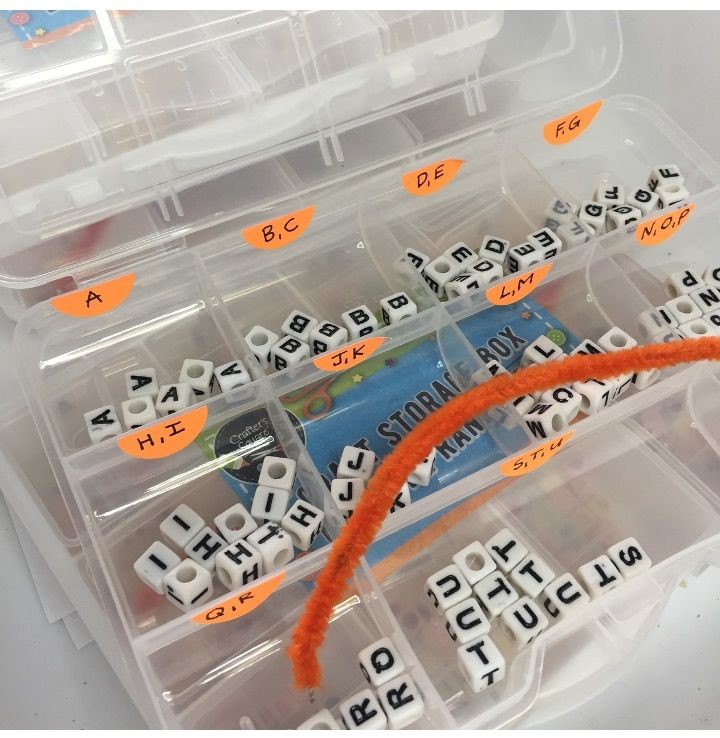
Practicing Spelling? Play Spelling Word Bingo!

Spelling is an essential skill that everyone should master, and one of the most engaging ways to improve it is by playing Spelling Word Bingo. This interactive game is not only fun but also highly effective in helping people of all ages practice spelling in an enjoyable manner. Let’s explore how this game works and why you should incorporate it into your learning routine!

How to Play Spelling Word Bingo

1. Prepare the materials: To get started, you will need a set of word cards with various words you wish to practice. You can create these cards yourself or download printable ones from numerous online resources. Additionally, you’ll need a few bingo cards containing the letters needed to spell each word, daubers or markers, and small prizes for the winners.

2. Distribute bingo cards: Each player receives a bingo card with a grid filled randomly with the letters required for the chosen words. Make sure all participants have unique cards.

3. Call out words: Designate one person as the “caller” who will draw word cards and read them out loud. Players must listen carefully and identify the presence of the called-out word’s letters on their bingo cards.

4. Mark your letters: Upon hearing the word, players search their cards for the corresponding letters and use daubers or markers to document them.

5. Declare “Bingo!”: When a player manages to mark off all letters horizontally, vertically, or diagonally across their card, they shout “Bingo!” The game pauses to check if the winning bingo card has been completed accurately.

6. Verify and announce winners: If a winner’s card contains all required groups of letters, they receive a small prize in acknowledgment of their victory.

Why Play Spelling Word Bingo

1. Active engagement: Spelling Word Bingo encourages active participation by allowing players to individually search for letter combinations while listening to the called-out words. This process enhances focus, attentiveness, and cognitive skills.

2. Teaching multiple skills: This game not only hones spelling abilities but also fosters letter recognition, vocabulary expansion, and pattern identification.

3. Adaptable to various levels: Spelling Word Bingo can be modified to suit different age groups and skill levels by simply changing the complexity of words and bingo card layouts.

4. Social interaction: The game promotes teamwork and friendly competition among players, creating a positive learning environment.

5. Encourages regular practice: With Spelling Word Bingo, the entertaining gameplay takes the drudgery out of practicing spelling. Over time, players can notice marked improvement in their spelling abilities.

In conclusion, Spelling Word Bingo is a highly beneficial and enjoyable way to practice spelling for people of all ages. By incorporating this game into your study regimen, you not only build essential language skills but also promote a fun learning experience that can last a lifetime.

25+ Meaningful Service Learning Projects for Kids and Teens

Service learning projects provide a unique opportunity for kids and teens to get involved in their community, develop new skills, and make a positive impact on the world around them. By participating in meaningful service learning activities, young people can grow their self-esteem, strengthen their leadership abilities, and gain valuable experience that can benefit them both personally and professionally. Here are 25+ meaningful service learning project ideas for kids and teens:

1. Plant trees to improve air quality and combat climate change.

2. Organize a neighborhood clean-up to clear trash and debris from local streets and parks.

3. Start a peer tutoring program at school to help younger students with homework and study skills.

4. Volunteer at a local animal shelter or pet rescue organization to care for animals awaiting adoption.

5. Create care packages for homeless individuals or families, including non-perishable food items, toiletries, and warm clothing.

6. Organize a canned food drive to help stock the shelves of local food banks.

7. Participate in a charity walk or run to raise awareness and funding for an important cause.

8. Offer computer literacy classes or technology support for seniors at a community center or assisted living facility.

9. Establish a school garden where students can learn about gardening, nutrition, and sustainable agriculture practices.

10. Host a clothing swap event to promote sustainable fashion choices and encourage recycling of gently used items.

11. Coordinate with local law enforcement to organize a child identification carnival offering fingerprinting services as well as bicycle helmet fittings and safety tips.

12. Plan an international fair at school to celebrate different cultures, sharing traditional foods, dance performances, cultural displays, and more.

13. Create handmade cards or write letters to send to military personnel serving overseas or hospitalized veterans in VA facilities.

14. Develop an anti-bullying campaign at your school through peer-led workshops, assemblies, posters, and social media content.

15. Collaborate with local organizations to spread awareness about mental health resources and solutions, or host a mental health week at your school.

16. Plant a butterfly garden to support the conservation of pollinators, educating others about the importance of biodiversity.

17. Collect school supplies and donate them to underprivileged students or classrooms in need.

18. Volunteer as a team at a local charity or non-profit organization, like a food bank, children’s hospital, or homeless shelter.

19. Partner with a library or bookstore to create reading buddies programs, where children read aloud to younger kids or senior citizens.

20. Help restore and beautify local parks by planting flowers, painting benches, repairing playground equipment, or installing birdhouses.

21. Organize a community blood drive in partnership with a local blood bank.

22. Establish an after-school program for younger students that focuses on homework help, mentoring, and recreational activities.

23. Create an environmental club and schedule activities such as building birdhouses or constructing rain barrels for water conservation.

24. Host fundraising events such as bake sales, car washes, or read-a-thons to raise money for a specific cause, like cancer research or disaster relief efforts.

25. Collect gently used toys and books to donate to children’s hospitals, foster care organizations, or low-income preschools.

By engaging in service learning projects like these, kids and teens will not only make meaningful contributions to their communities but also learn valuable lessons about teamwork, empathy, responsibility, and the power of positive change.

20 Growth Mindset Activities To Inspire Confidence in Kids

Introduction:

In today’s fast-paced world, a growth mindset has become vital for success. Instilling a growth mindset in children not only helps them develop resilience and persistence but also fosters confidence. These 20 growth mindset activities will inspire kids to believe in themselves and their abilities, encouraging them to embrace challenges and learn from setbacks.

1. Goal Setting:

Teach kids to set SMART (Specific, Measurable, Achievable, Relevant, Time-bound) goals that fuel their motivation and spark a sense of accomplishment.

2. Positive Affirmations:

Encourage children to write and recite positive affirmations daily as a powerful means of fostering self-belief.

3. The Power of Yet:

Highlight the importance of the word “yet” in their vocabulary, reinforcing the idea that they may not have mastered a skill “yet,” but they can improve with effort.

4. Growth Mindset Posters:

Create visual reminders of a growth mindset by designing posters with motivating phrases and quotes for display.

5. Reflective Journaling:

Introduce reflective journaling where kids document their progress and explore strategies for overcoming challenges.

6. The Learning Pit:

Demonstrate The Learning Pit concept to help kids visualize the learning process and understand that struggles are part of growth.

7. Collaborative Group Work:

Facilitate group work to teach cooperative problem-solving skills and cultivate adaptability.

8. Read Aloud:

Select books featuring characters who overcome obstacles through perseverance, resilience, and an open mind.

9. Role Models:

Invite local heroes or professionals to share their stories of overcoming challenges, embodying growth mindsets.

10. Daily Celebrations:

Designate specific times to share achievements and celebrate progress, fostering an environment that values effort over innate talent.

11. Encouraging Persistence Through Failure:

Organize activities where failure is expected, helping children understand that it’s through mistakes and failures that we grow and learn.

12. Brain Science:

Teach kids about their developing brains and the concept of neuroplasticity, which increases their sense of control over perso

13. Mindfulness and Relaxation Techniques:

Introduce techniques to manage stress, anxiety, and negative self-talk, promoting a healthy mental state for growth.

14. Embrace Challenges:

Promote activities that require critical thinking and problem-solving skills to encourage children to embrace challenges.

15. Growth-Focused Feedback:

Provide specific, constructive feedback that highlights effort, strategy, progress, and areas for improvement.

16. Encourage Risk-Taking:

Foster a classroom culture that embraces risk-taking, creativity, and innovation by providing opportunities for exploration and experimentation.

17. Problem-Solving Activities:

Incorporate games and puzzles that challenge children’s analytical thinking abilities while reinforcing the idea that there’s more than one way to solve a problem.

18. Fixed versus Growth Mindset Scenarios:

Role-play hypothetical scenarios to demonstrate the difference between fixing a mindset and a growth mindset in handling challenging situations.

19. Gratitude Journaling:

Encourage gratitude journaling to help children focus on their strengths, accomplishments, and positive aspects of life.

20. Discuss Successful Failures:

Explore real-life examples of successful individuals who achieved greatness through persistence despite initial setbacks or failures.

Conclusion:

By incorporating these 20 growth mindset activities into daily routines or lessons, you create an environment that fosters confidence in children. By teaching them the power of resilience, adaptability, and a positive attitude toward failure, you equip kids with the tools necessary for personal growth and success in all aspects of their lives.

15 Fun Pizza Facts Just In Time For Pi Day

1. The Origins of the Pizza: Pizza’s history can be traced back to ancient times. Egyptians, Greeks, and Romans all had their variations of this tasty dish, but it wasn’t until the late 18th century in Naples, Italy that pizza started to resemble the dish we know and love today.

2. The Margherita Pizza: Legend has it that the Margherita pizza was created in 1889, when a local pizza maker crafted a pizza representing the colors of the Italian flag for Queen Margherita – red tomatoes, white mozzarella, and green basil.

3. Pi Day Celebration: Pi Day is celebrated on March 14th (3/14), which happens to be Albert Einstein’s birthday as well. It’s a perfect day to indulge in some delicious pizza pie!

4. Most Popular Topping: Pepperoni reigns supreme as the most popular pizza topping in the United States, followed by sausage, mushrooms, and onions.

5. Word Origin: The word “pizza” is derived from the Latin word “pinsa,” meaning flatbread.

6. Largest Pizza Ever Made: The world record for the largest pizza ever made was set in Rome in 2012. This colossal pie measured 13,570 square feet (1,261 square meters) and was gluten-free!

7. Eating Habits: According to data collected by National Today, over 60% of people prefer thin crust pizza over deep dish or thick crust options.

8. World’s Fastest Pizza Maker: The world title for the fastest pizza maker is held by Bruno DiFabio – he can churn out a whopping 14 pizzas in just two minutes and 35 seconds!

9. How Much We Eat: On average, Americans consume approximately 350 slices of pizza per second or around 100 acres of pizza per day.

10. Most Expensive Pizza: The Louis XIII in Salerno, Italy, holds the record for the world’s most expensive pizza. This luxurious pie costs €8,300 (approx. $9,710) and includes toppings like lobster, caviar, and rare truffles.

11. First Pizzeria in America: The first pizzeria in the United States, Lombardi’s, was opened in New York City in 1905.

12. Frozen Pizza Revolution: The frozen pizza revolution began in 1957 when the first commercially available frozen pizza was launched by Celentano Brothers.

13. A Thriving Industry: Pizza is a $46 billion industry in the United States alone with over 75,000 pizzerias operating currently.

14. National Pizza Month: October has been designated as National Pizza Month since 1984, so mark your calendars and be sure to celebrate!

15. Popularity Around the Globe: Interestingly enough, pizza is consumed at a higher rate per capita in Norway than any other country – including Italy!

As Pi Day approaches, gather your friends and family for an unforgettable celebration with delicious pizza. After all, there’s no better way to learn fun facts than when you’re sharing a tasty bite!