Elementary Education

What is Interactive Writing & How Can I Really Make It Work?

Introduction:

Interactive writing is a dynamic process that combines the creativity of authors with the active participation of their audience. Not only does this innovative writing approach promote deeper engagement for readers, it also allows writers to gain valuable insights into their target audiences, thereby refining and evolving their content. In this article, we will explore the concept of interactive writing and share tips on how to make it work effectively for you.

What is Interactive Writing?

At its core, interactive writing refers to the act of creating content that solicits input, feedback, or collaboration from its readers. This can be achieved through various formats, such as quizzes, surveys, comment sections for discussion, or collaborative storytelling platforms. Regardless of the method, interactive writing seeks to foster a connection between the author and their audience, empowering readers to contribute in a meaningful way.

How Can I Really Make It Work?

1. Choose the right format: Consider your target audience and select the type of interactive writing that best suits their preferences as well as your intended goals. Are you looking for feedback on a specific topic or seeking ideas for your next story? Experiment with questionnaires, live polls or even ask readers to contribute stories on a shared theme.

2. Foster engagement: Encourage your readers to participate by presenting them with intriguing questions or thought-provoking statements. Be open to their opinions and ideas while actively acknowledging contributions made by members of your audience. This will create an inclusive community where individuals feel valued and heard.

3. Show appreciation: Regularly express gratitude for the input provided by your readers and celebrate shared accomplishments achieved through collaborative efforts. By recognizing their contributions, you strengthen relationships with your audience and instill loyalty in them towards your work.

4. Be responsive: The whole aim behind interactive writing is to involve your readers in shaping your content. Actively respond to questions or comments made by your audience and be open to dialogue about their input. Demonstrating your receptiveness is essential for maintaining the enthusiasm needed for successful interactive writing.

5. Consistently evolve: The beauty of interactive writing lies in its ability to adapt and grow. Continuously collect feedback, learn from it, and use it to refine your work or your techniques moving forward.

Conclusion:

Interactive writing offers a unique opportunity for authors and readers to collaborate, resulting in more engaging content that keeps audiences invested. By choosing the optimal format, fostering audience engagement, showing gratitude, being responsive, and constantly adapting to feedback; you will be able to successfully unlock the potential of interactive writing in your work. So go ahead – embrace this innovative approach and watch as an active community emerges around your creations!

Why I Leave Positive Post-It Notes for My Fourth Graders Every Morning

As a fourth-grade teacher, I believe it’s important to inspire my students and encourage them every day. One method I use to uplift their spirits and promote a positive learning environment is by leaving personalized, positive Post-It notes for each student every morning. These small acts of kindness have a big impact on both my students’ lives and my own, and here’s why.

1. Boosting Confidence and Self-Esteem

Young minds are impressionable, and self-esteem plays a crucial role in children’s motivation and resilience. When students receive a custom Post-It note with thoughtful words of encouragement every morning, they feel seen, valued, and respected. These notes boost their confidence in their own abilities and create a sense of personal pride.

2. Encourage a Growth Mindset

One of the primary goals of education is to help students develop critical thinking skills. Positive Post-It notes can help cultivate a growth mindset by praising specific efforts and hard work instead of solely focusing on outcomes. By acknowledging the journey towards improvement rather than achieving perfect results, I set my students up for long-term success.

3. Strengthening Relationships

Building strong relationships with my students is vital for creating an open and supportive learning environment. Personalized notes help foster connections by showing that I genuinely care about each student’s well-being. This strengthens trust, making them feel more comfortable asking me questions or opening up when they encounter challenges.

4. Spreading Positivity Throughout the Classroom

When kindness is modeled consistently, it becomes contagious, spreading throughout the classroom community. As students begin to experience the benefits of positive reinforcement daily, they are more likely to reciprocate this positivity with their peers. This creates an inclusive learning environment that values all perspectives and nurtures collaboration.

5. Personal Benefits

In addition to benefiting my students, taking the time to write these notes each morning is a powerful reminder of the purpose behind my work as a teacher. Reflecting on each student’s strengths and accomplishments re-energizes me and helps me maintain a positive perspective, even on the most challenging days.

In conclusion, leaving positive Post-It notes for my fourth graders every morning has numerous benefits that significantly impact their emotional well-being, our classroom culture, and my own outlook on teaching. This small yet meaningful gesture reminds us that kindness, encouragement, and connection are essential factors that contribute to a successful educational experience.


Book Series Kids in Grades 3-7 Will Love

Introduction:

Book series can create a lasting impact on young readers, encouraging them to read more and ignite their imaginations. For children in grades 3-7, we’ve compiled a list of captivating book series that will not only entertain but also help develop their reading skills and interests.

1. Harry Potter Series by J.K. Rowling

The Harry Potter series needs little introduction, as it has captured the hearts of millions worldwide. This magical adventure follows the young wizard Harry Potter and his friends through their years at Hogwarts School of Witchcraft and Wizardry. With themes of friendship, bravery, and self-discovery, this series is perfect for kids in grades 3-7.

2. The Chronicles of Narnia by C.S. Lewis

This classic fantasy series transports readers to the magical land of Narnia, where mythical creatures come to life, and adventures are abundant. With seven books in the series, children will enjoy exploring themes of courage, hope, and sacrifice as they follow siblings Peter, Susan, Edmund, and Lucy Pevensie on their journey.

3. Percy Jackson and The Olympians by Rick Riordan

This fast-paced adventure series introduces readers to a modern-day world where gods from Greek mythology still exist. Centered around a twelve-year-old boy named Percy Jackson who discovers he is a demigod, the son of Poseidon – this action-packed series combines mythology with everyday life.

4. The Land of Stories by Chris Colfer

A perfect blend of fairy tales and adventure awaits readers in The Land of Stories series. Twins Alex and Conner Bailey find themselves transported into their favorite childhood stories through a magical book given to them by their grandmother.

5. The Mysterious Benedict Society by Trenton Lee Stewart

In this thrilling series, four gifted children are brought together by the enigmatic Mr. Benedict to complete a top-secret mission. Combining mystery and adventure, this series encourages teamwork, critical thinking, and perseverance.

6. The Spiderwick Chronicles by Tony DiTerlizzi and Holly Black

When the Grace children move to their great-aunt’s rundown mansion, they discover a world of magical creatures living both within and outside the Spiderwick estate. The series captures the imagination with fantastic illustrations and a heart-racing storyline.

7. The Warriors Series by Erin Hunter

This captivating series introduces readers to a world of wild cats living in forest territories while following the adventures of Rusty, a house cat turned warrior. Filled with captivating characters and rich in life lessons, the Warriors series is perfect for any animal lover.

Conclusion:

These are just a few of the many wonderful book series available for kids in grades 3-7. Reading not only helps develop vocabulary and comprehension skills but also provides an avenue for children to explore new worlds, learn important life lessons, and improve their imagination. Encourage your young reader to dive into one of these magical book series today!

15 Cause and Effect Anchor Charts To Try In Your Classroom

As a teacher, it’s essential to identify learning techniques that will help students understand the underlying concepts being taught. One such tool is the Cause and Effect anchor chart. These visual aids can significantly enhance the learning experience by illustrating connections between actions, events, or situations and their outcomes. Here are 15 Cause and Effect anchor charts to try in your classroom.

1. Dominoes

Draw domino tiles on the chart illustrating how a single event causes a chain reaction of consequences and subsequent effects. This chart can help in teaching multiple subjects and illustrating real-life scenarios.

2. T-Chart

A simple two-column graphic organizer with ‘Causes’ listed on one side and ‘Effects’ on the other side, allowing students to quickly identify relationships between different factors.

3. Fishbone Diagram

This effective tool visually breaks down various cause-effect relationships into easy-to-understand sections resembling a fish skeleton.

4. Venn Diagram

A versatile diagram that portrays overlapping cause-effect connections within two or more different scenarios, helping students understand similarities and differences between situations.

5. Flowchart

Create flowcharts detailing sequential cause and effect relationships, teaching students how one event influences another through a chronological chain of events.

6. Iceberg Model

By drawing an iceberg, show how some causes are evident (above the surface) while others may remain hidden (underwater). The illustration helps students dig deeper to uncover hidden causality in complex scenarios.

7. Color-Coded Chart

Color-coded text on a whiteboard or large poster helps emphasize cause-effect relations by using different colors for each element in a scenario.

8. Comic Strip Panels

Draw comic strip panels with characters experiencing various situations leading to specific consequences—an engaging method ideal for explaining relatable stories or historical events.

9. Tree Diagram

Display multiple cause-effect relationships branching out from an initial event or situation through a tree-like diagram format.

10. Before & After

A straightforward comparison of situations before and after specific events or actions, allowing students to understand the extent of the impact created.

11. Mind Map

Create an interconnected web of ideas showcasing various cause-effect scenarios, which will help learners visually grasp complex concepts.

12. Road Map

Illustrate a timeline highlighting key cause-effect relationships occurring along the way of a historical event or personal narrative.

13. Weather Example

Show example scenarios of specific weather conditions leading to various chain reactions and effects on the environment and life.

14. Butterfly Effect

Visually display how one small action can lead to multiple and far-reaching consequences using the metaphor of a butterfly flapping its wings and causing a tornado halfway across the globe.

15. Mountain Climbing

Draw a mountain range representing challenges faced during a task or project, with the slopes reflecting sequential cause-effect relationships leading to successful completion.

Keep in mind that not every anchor chart is suitable for every topic or subject; be sure to choose the most appropriate one to facilitate learning effectively. Incorporate these 15 Cause and Effect anchor charts in your classroom and watch your students’ understanding flourish through this engaging, visual learning approach.

25 Fun Second Grade Jokes to Start The Day

Introduction:

Humor is a great way to start the day, especially in second grade! Jokes are not only entertaining, but they can also boost students’ morale and enhance communication skills. Here are 25 fun second grade jokes that will make your kids giggle and help brighten their days.

1. Why did the tomato turn red?

Because it saw the salad dressing!

2. What goes up when the rain comes down?

Umbrellas!

3. Why was the math book sad?

Because it had too many problems.

4. How can you get an astronaut’s baby to sleep?

You rocket!

5. What does a cloud wear under his raincoat?

Thunderwear!

6. What do you call fake spaghetti?

An impasta!

7. What has two hands but never claps in class?

A clock!

8. Why do seagulls fly over the ocean instead of flying over the bay?

Because if they flew over the bay, they would be called bagels!

9. What animal can you always find at a baseball game?

A bat!

10. What do you call a dinosaur that’s great at singing?

A Tyranno-sorus-Rex!

11. How does the ocean say hello to the shore?

It waves!

12. Why don’t scientists trust atoms anymore?

Because they make up everything!

13. How do you talk to a giant insect?

Use big-ant-syllables!

14. Why couldn’t the bicycle stand by itself?

Because it was two-tired!

15. How does a train eat food?

It goes chew-chew!

16. What does a noisy pepper do?

It gets jalapeño business!

17. What kind of key opens a banana?

A monkey!

18. Where do cows go on vacation?

Moo York City!

19. How do you make a tissue dance?

Put a little boogie in it!

20. What do you get when you cross a snowman and a dog?

Frostbite!

21. What kind of music are balloons scared of?

Pop music!

22. Why was 6 scared of 7?

Because 7, 8 (ate), 9!

23. Why don’t pirates ever finish the alphabet song?

Because they keep getting lost at “C”!

24. What did the nose say to the finger?

Stop picking on me!

25. Why did the scarecrow win an award?

Because he was outstanding in his field!

Conclusion:

These 25 fun second grade jokes are an excellent way to start your child’s day with laughter and joy. Engage with your kids, share these jokes, and create an environment filled with happiness and learning!

12 Leaf Projects to Teach Great Lessons in Your Classroom

Introduction

Leaves are not only a symbol of the changing seasons but also a great learning tool for various subjects in the classroom. Incorporating leaf projects into your lesson plans can keep your students engaged and foster a greater appreciation for nature. Here are 12 creative and educational leaf projects that you can incorporate into your curriculum.

1. Leaf Rubbings

Teach your students about the textures and details of leaves by having them create rubbings using crayons and paper. This hands-on activity promotes sensory exploration and artistic expression.

2. Sorting Leaves by Shape and Size

Develop your students’ observational skills by having them sort leaves based on their shape, size, and color. This activity teaches pattern recognition and strengthens critical thinking abilities.

3. Leaf Anatomy

Use large leaves to teach students about the anatomy of a leaf, including the veins, stem, and leaf blade. Encourage them to explore different types of leaves and compare their structures.

4. Leaf Chromatography

Teach chemistry concepts by conducting a simple chromatography experiment using leaves to separate pigments based on their molecular properties. This project helps students understand how chemical separation works in an engaging manner.

5. Leaf Symmetry Art

Explore symmetry in nature by having students create artwork using both halves of a symmetrical leaf as a template. This project combines math, art, and nature to inspire creativity.

6. Leaf Litter Decomposition Study

Create a long-term science project where students observe, record, and analyze the decomposition of leaf litter over time. This activity teaches ecology concepts such as decomposition, nutrient cycles, and soil health.

7. Leaf Stamping

Use leaves as natural stamps by dipping them in paint and pressing them onto paper or canvas. This art project promotes creativity while teaching about the various shapes and textures of leaves.

8. Homemade Leaf Press

Guide your students through constructing their own leaf press using cardboard, paper towels, and heavy books. Once their pressed leaves are dry, they can use them for further art or science projects.

9. Leaf Classification

Teach students about plant taxonomy by having them classify different types of leaves based on factors such as leaf margins, arrangement of veins, and leaf base shapes.

10. Photosynthesis Experiments

Conduct experiments to illustrate how leaves produce oxygen through the process of photosynthesis. These experiments can help students understand the importance of plants in our ecosystem.

11. Poetry Inspired by Leaves

Encourage your students to write poems inspired by the sight, sound, or feeling of leaves. This activity combines literary and nature appreciation and nurtures creativity.

12. Leaf Mobiles

Have your students create leaf mobiles by stringing together leaves of various shapes and colors using yarn or fishing line. Display these mobiles around your classroom for a stunning visual representation of fall’s beauty.

Conclusion

Integrating these 12 leaf projects into your lesson plans will not only teach important concepts across various subjects but also instill an appreciation of nature in your students. Engaging hands-on activities like these make learning fun and memorable for everyone involved.

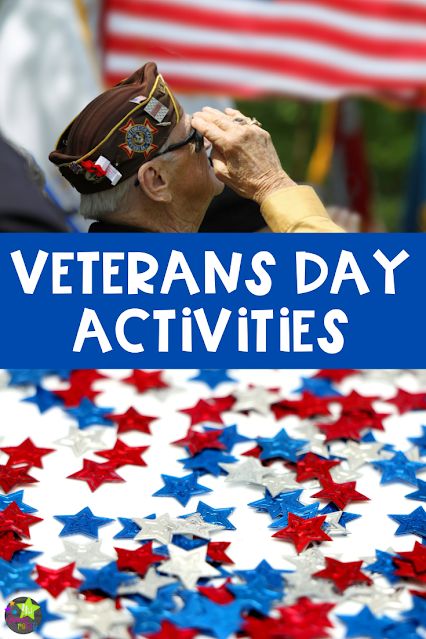
15 Inspiring and Informative Veterans Day Videos for Kids

Introduction:

Veterans Day is a special day set aside to honor and remember the brave men and women who have served our country. It’s an important occasion, and it’s vital to ensure our younger generations understand its significance. To help kids learn about this important holiday, we’ve compiled a list of 15 inspiring and informative Veterans Day videos that are perfect for children of all ages!

1. “What is Veterans Day?” by BrainPOP

This short, animated video explains the history and importance of Veterans Day in an entertaining way that’s perfect for kids.

2. “A Brief History of Veterans Day” by HISTORY

Through this engaging video, kids can learn about the origins of Veterans Day and why it’s observed on November 11th.

3. “Veterans Day Tribute: ‘Thank You for Your Service'” by Department of Defense

A moving tribute honoring veterans and their service to our country.

4. “Sesame Street – Salute to Military Families!” by Sesame Street

In this family-friendly episode of Sesame Street, your favorite characters introduce children to the sacrifices military families make during deployment.

5. “Real Life Heroes: American Veterans (Kids Meet)” by HiHo Kids

Watch kids meet American veterans for an inspiring exchange where both groups get to learn from one another.

6. “America’s White Table” by Reading Is Fundamental

This touching video is a read-aloud of America’s White Table book by Margot Theis Raven, which teaches children about honoring Veterans through the poignant symbol of the white table.

7. “Annie & Moby Talk About Veterans Day” by BrainPOP Jr.

This animated video teaches young children about the significance of Veterans Day through age-appropriate explanations and examples.

8. “Veterans Day Facts for Kids!” by Homeschool Pop

This fun video offers interesting facts about Veterans Day in an accessible and entertaining way for kids.

9. “Joining Forces: Thank You to Our Veterans” by DisneyJunior

This short video features popular Disney characters thanking veterans for their service in an enjoyable format that will resonate with kids.

10. “The Poppy Story: First World War Remembrance Day for Kids” by Education Quizzes

This informative video explains the history and meaning behind wearing a poppy on Veterans Day and other remembrance days.

11. “Veterans Day Honor – The Song” by Cherry Creek Schools

A beautiful tribute song that celebrates the bravery of our veterans.

12. “Kid President Talks to a Veteran!” by SoulPancake

Kid President interviews a U.S. Army veteran, discussing his experiences and the importance of honoring those who have served.

13. “Why Do We Celebrate Veterans Day?” by Learning Junction

This educational video breaks down the reasons we celebrate Veterans Day, along with a brief history lesson on its origins.

14. “Veterans Day Kids Song” by Have Fun Teaching

An enjoyable, catchy tune your kids will love singing along to as they learn about the significance of honoring veterans.

15. “Proud To Be An American | Read-Aloud for Children” by Grammy’s Book Nook

A wonderful read-aloud of the classic children’s book, Proud to be an American, which teaches kids about patriotism and the role of veterans in defending our freedom.

Conclusion:

While there may be different ways to teach children about Veterans Day, these 15 inspiring and informative videos offer a fantastic starting point for engaging young minds. These videos encourage children to appreciate the sacrifices made by veterans, understand the history behind this important celebration, and ultimately, cultivate a deep respect for those who have served our country.

8 Types of Learning Spaces to Consider Including in Your Elementary Classroom

Creating an optimal learning environment for elementary school students requires careful consideration and planning. One size does not fit all when it comes to learning spaces, as each child has unique needs, interests, and learning styles. To foster a diverse and engaging learning experience, educators should consider incorporating a variety of learning spaces within their classrooms. Here are eight types of learning spaces that can enrich the educational experience of your elementary students.

1. Traditional Learning Space:

This setup includes rows of desks or tables facing the front of the classroom. It works well for teacher-centered instruction, formal assessments, and lecture-style teaching. Providing a traditional space ensures a focused environment for lessons that require students’ undivided attention.

2. Collaborative Learning Space:

Encourage group work and collaboration by incorporating a designated area with larger tables or cluster seating arrangements where students can work together on projects and activities. This setup promotes teamwork and allows students to bounce ideas off one another, fostering creativity and critical thinking skills.

3. Technology-Integrated Learning Space:

Incorporate technology into your classroom by providing access to laptops, tablets, or computer stations. This type of space encourages digital literacy and allows students to take advantage of online resources during research projects or interactive learning experiences.

4. Quiet/Individual Learning Space:

Create a designated quiet area within the classroom where students can retreat for independent study, reading, or completing assignments without distractions. A proper quiet space helps foster concentration and allows students with different sensory needs to feel more comfortable in the learning environment.

5. ASCII Developmental Play/Creative Space:

Allow room for creativity and curiosity by having a dedicated space where your students can explore and learn through play. This area might include interactive displays, sensory materials, puzzles, building blocks, art supplies, or other age-appropriate resources that inspire creative problem-solving skills.

6. Outdoor Learning Space:

Whenever possible, consider utilizing outdoor spaces as opportunities for learning. Gardens, green spaces, or designated outdoor classroom areas can provide fresh, natural settings where students can explore and connect with nature while applying their knowledge and skills to real-world situations.

7. Flexible Learning Space:

Incorporate a variety of seating options in your classroom, such as bean bag chairs, rugs, balance balls, or standing desks. This flexibility encourages students to choose their preferred seating arrangement according to their learning style or comfort level.

8. Presentation Space:

Designate an area within the classroom specifically for student presentations and performances. This space might include a small stage, a projector screen, or simply an open area in the front of the room. Encouraging students to share their work with peers provides an opportunity to build confidence and develop public speaking skills.

By considering and incorporating these eight types of learning spaces into your elementary classroom, you will create a well-rounded environment that caters to the diverse needs and learning styles of your students. In doing so, you’ll help them unlock their full potential and enjoy positive educational experiences that promote lasting success.

All the Best Ways to Use Mini Erasers for Learning

Introduction

Mini erasers are not only cute and functional, but they can also be used in a variety of ways to create fun and engaging learning activities for children. In this article, we will explore all the best ways you can use mini erasers to encourage learning and foster creativity in your students or children.

1. Counting and Sorting Activities

One of the most basic yet effective ways to use mini erasers is for counting and sorting exercises. Children can practice counting by counting out mini erasers of the same or different shapes and sorting them into groups based on color, size, or shape. This can help develop their mathematical skills like addition, subtraction, and pattern recognition.

2. Patterning

Mini erasers come in various shapes, colors, and sizes, making them perfect tools for teaching patterning concepts. Students can create unique patterns by arranging the erasers in a sequence based on different attributes such as color or shape. Encourage students to identify the pattern rule and then extend or create their own patterns.

3. Fine Motor Skills Development

Using mini erasers in learning activities can help children develop their fine motor skills. Have your students grasp the mini erasers with tweezers or other small tools to strengthen hand muscles and improve coordination. You can also make a game out of transferring mini erasers from one container to another using precision tools.

4. Building Letters and Numbers

Practicing letter or number formation is another excellent way to use mini erasers for learning. Children can use the erasers to form letters or numbers on a flat surface or a tactile sensory tray. This is especially helpful for visual learners, as the colorful shapes make it more memorable than simply writing or tracing letters.

5. Graphing and Data Representation

Introduce basic graphing concepts by using mini erasers as data points. Provide students with an assortment of mini erasers and have them choose a specific attribute (e.g., color) to sort and graph the erasers accordingly. This exercise will help them understand data representation, counting, and comparison.

6. Art and Craft Activities

Unleash your children’s creativity by incorporating mini erasers into various art and craft projects. They can create beautiful mosaics or collages, use them as stamps for painting, or glue them onto popsicle sticks to create puppets for storytelling.

7. Storytelling Prompts

Another engaging way to use mini erasers is by utilizing them as storytelling prompts. Encourage children to pick a few erasers of differing shapes or characters and craft a story based on the selected items. This boosts their imagination, story sequencing skills, and language development.

Conclusion

Incorporating mini erasers into learning activities presents endless opportunities for both educators and parents to engage children in creative ways. They are versatile tools that can be used to develop crucial skills, such as fine motor skills, mathematical concepts, pattern recognition, and more. Give these ideas a try, and you might find that your students or children enjoy the learning process much more when mini erasers are involved!

Your Guide to Teaching 3rd Grade Online

In today’s fast-paced and technologically driven world, online education has become a popular mode for teaching and learning. Teachers are finding creative ways to engage with students in virtual classroom settings regularly. Here’s a comprehensive guide to help you teach 3rd-grade students online successfully.

1. Master the Technology

Before getting started with online teaching, it is essential to familiarize yourself with the tools and platforms necessary for this transition. Learn how to use video conferencing tools like Zoom or Google Meet, manage assignments through platforms like Google Classroom, and utilize other digital resources for interactive teaching.

2. Define Goals and Expectations

Once you have the technology in place, establish clear goals and expectations for your students. Set specific deadlines for assignments, clarify communication procedures, and outline attendance or participation requirements in the virtual setting. This will ensure that both you and your students are on the same page.

3. Develop Engaging Content

Third-grade students need engaging content to keep them interested in the lessons you present. Use videos, interactive quizzes, and hands-on activities so your students can actively participate in the learning process. You may also incorporate materials from various sources, such as educational websites or YouTube channels focused on 3rd-grade curriculum content.

4. Promote Interaction

Encourage class discussions, group projects, and peer collaboration. By doing so, you help strengthen social ties among students and improve communication skills critical for their development.

5. Establish a Support System

Online teaching can be overwhelming for some students, especially those with little prior experience or difficulty keeping up with technology advancements. Be available for one-on-one support via email or video calls to answer questions or provide guidance when needed.

6. Encourage Independent Learning

Give your students opportunities to explore new topics on their own or select materials that interest them within the core subject areas. Independent learning fosters curiosity and creativity while nurturing a love for knowledge.

7. Incorporate Scripted Lessons

Scripted lessons can serve as a valuable resource when teaching online. They provide a clear structure and allow instructors to maintain focus on content and pacing. Teachers can enhance these by adding their unique teaching styles through personal anecdotes, humor, and relevant examples.

8. Real-time and Asynchronous Sessions

Combine synchronous sessions where students actively participate during real-time classes with asynchronous sessions where students complete assignments independently. This approach provides the needed balance between structure and flexibility for 3rd-grade students in the online environment.

9. Evaluate Student Performance

Frequent assessments are crucial to evaluate student comprehension and make instructional adjustments if necessary. Use different assessment formats such as multiple-choice quizzes, written responses, or project-based activities to accurately measure their progress.

By following these tips, you can ensure that your online classroom becomes a productive and enjoyable educational environment for your 3rd-grade students. Continuously review and adapt your methods based on student needs and feedback to create the best learning experience for everyone involved.