Elementary Education

25 Activities To Boost Positive Attitudes In Elementary School

In the pursuit of encouraging positive attitudes in children, elementary schools play a crucial role. By engaging students in activities that foster self-esteem, resilience, and a sense of community, schools can help create a generation of well-adjusted and confident individuals. Here are 25 activities that can be incorporated into any elementary school setting to boost positive attitudes among students:

1. Circle time: Begin each day by gathering students in a circle to share their thoughts, feelings, and experiences.

2. Gratitude journal: Encourage students to keep a gratitude journal where they record things they are grateful for each day.

3. Goal-setting: Have each student set individual goals and track their progress throughout the year.

4. Acts of kindness: Establish a kindness board where students can write about or draw pictures of acts of kindness they have performed or witnessed.

5. Yoga and mindfulness: Introduce basic yoga poses and mindfulness exercises to encourage relaxation and stress management.

6. Team-building games: Organize fun team-building activities like sack races, three-legged races, or tug of war.

7. Art therapy: Provide time for creative expression through drawing, painting, or sculpting to promote emotional well-being.

8. Vision boards: Have students create vision boards to illustrate their dreams and aspirations.

9. Positive affirmations: Teach children to use positive affirmations as a way to build self-esteem and reinforce positive thinking habits.

10. Conflict resolution skills: Roleplay scenarios with students to teach them useful strategies for resolving conflicts peacefully and respectfully.

11. Cooperative learning: Organize group projects that require collaboration and communication between students.

12. Role modeling: Encourage older students to become positive role models for younger or struggling peers by creating mentorship programs.

13. Emotional literacy: Teach children about different emotions and how to identify and express them in healthy ways.

14. Volunteerism: Organize opportunities for students to volunteer in their community and give back to others.

15. Reading buddies: Pair older students with younger ones in a reading buddy system to foster friendships and develop a love for reading.

16. Peer recognition program: Create a program where students can nominate their peers for awards or acknowledgements based on character traits like generosity, kindness, or responsibility.

17. Brain breaks: Schedule regular breaks throughout the day for students to engage in activities that promote relaxation and stress relief.

18. Character education: Implement a character education curriculum that teaches important values such as respect, honesty, and perseverance.

19. Resilience training: Teach children strategies to cope with setbacks and challenges so they can bounce back more easily from adversity.

20. Growth mindset activities: Encourage children to adopt a growth mindset by emphasizing effort over results and focusing on the learning process.

21. Classroom jobs: Assign classroom jobs that allow students to feel responsible and take ownership of their environment.

22. Outdoor activities: Make sure students spend time outside every day, either during recess or through organized games and activities.

23. Interactive learning: Promote active learning through hands-on experiences and interactive lessons that encourage problem-solving skills.

24. Student-led clubs: Allow students to create their own clubs based on their interests, which can help them form strong social connections with like-minded peers.

25. Cultural celebrations: Host a variety of cultural events throughout the year to expose students to new customs, traditions, and perspectives.

By implementing these 25 activities in your elementary school curriculum, educators can nurture positive attitudes while cultivating essential skills for personal growth and social development.

20 Judicial Branch Activities for Elementary Students

Introduction

Introducing the concept of the judicial branch to elementary students is a great way to help them understand the importance of law in a democratic society. These 20 activities will spark their interest and give them a better understanding of the workings of the judicial system.

1. Mock Trials: Organize simple mock trials based on children’s stories or fictional scenarios. Assign roles such as the judge, jury, defendant, plaintiff, and attorneys.

2. Role-Play: Invite a local judge or attorney to imitate a courtroom setting and discuss their roles in detail.

3. Courtroom Vocabulary Game: Create flashcards with legal terms and play a game where students have to match the terms with their definitions.

4. Famous Court Cases: Research and discuss famous court cases, like Brown v. Board of Education, and analyze their impact on society.

5. Create Laws: Encourage students to create their own laws and explain the reasons behind their decisions.

6. Field Trip: Take a field trip to visit a nearby courthouse or watch an actual court proceeding.

7. Voting Rights Simulation: Simulate voting rights for various historical scenarios and ask students to justify why certain groups should be given the right to vote.

8. Write a Constitution: Assign groups to write a constitution for an imaginary country, focusing on the judicial branch’s role.

9. ‘What If’ Questions: Discuss hypothetical situations that would require legal intervention.

10. Balancing Scales Activity: Introduce the concept of justice using physical scales, illustrating how the judicial system seeks balance.

11. Judge for a Day: Allow students to take turns being “judge” for minor classroom rule infractions.

12. Jury Duty: Simulate jury selection by discussing criteria that should be considered for juror eligibility.

13. Bill of Rights Game: Create games that help students understand each amendment from The Bill of Rights.

14. Draw a Judge: Instruct students to draw a judge and write about their responsibilities and duties.

15. Compare Different Systems: Research various judicial systems and compare their differences and similarities.

16. Judicial Branch Crossword Puzzle: Create a crossword puzzle that introduces legal terms and facts related to the judicial branch.

17. Skits: Encourage students to stage short skits illustrating different court proceedings, such as civil or criminal cases.

18. Video Library: Collect educational videos that showcase courtroom dramas, documentaries, or informative content about the judicial branch.

19. Courtroom Exhibits: Assign students specific court cases and ask them to create visual exhibits demonstrating each case’s unique aspects.

20. Reflective Essay: Ask students to write an essay reflecting on what they learned about the judicial branch and its importance in a democratic society.

Conclusion

The activities mentioned above are designed to help elementary students grasp the concept of the judicial branch and its role in our society. With hands-on experience, engaging discussions, and creative projects, children will develop a strong foundation in understanding the importance of law within a democracy.

15 School Counseling Elementary Activities Every Teacher Must Know

Introduction:

School counseling is an integral part of the learning environment that allows students to thrive academically, socially, and emotionally. Elementary teachers must be aware of various counseling activities that help in the overall development of their students. In this article, we will explore 15 school counseling elementary activities that every teacher should know and integrate into their teaching practices.

1. Feelings Chart:

Creating a feelings chart allows students to recognize and name their emotions. This activity helps in building emotional intelligence and empathy among young learners.

2. Goal Setting:

Help young students understand the importance of setting goals by working together to create short-term and long-term personal and academic goals.

3. Role-Playing:

Role-playing challenging situations let students practice problem-solving skills, empathize with others, and learn how to communicate effectively.

4. Friendship Bingo:

This interactive game encourages socialization among students as they learn about each other’s likes, dislikes, hobbies, and more.

5. Gratitude Jar:

Encourage gratitude by providing a jar for students to place notes about things they are grateful for each day or week.

6. Mindful Moments:

Teach mindfulness exercises like deep breathing or body scans to help students develop self-awareness and manage stress.

7. Random Acts of Kindness:

Encourage students to perform random acts of kindness in their daily lives, both at school and home, as a way to foster compassion and empathy.

8. Career Exploration:

Introduce students to various career paths by inviting guest speakers or organizing field trips that showcase diverse professional opportunities.

9. Bullying Awareness:

Raise awareness about bullying through age-appropriate discussions and activities that promote understanding, prevention, and intervention strategies.

10. Conflict Resolution:

Equip your class with necessary conflict resolution skills by teaching them how to mediate disagreements calmly and respectfully.

11. Positive Affirmations:

Create positive affirmation cards or posters for the classroom to foster a growth mindset and encourage students to believe in their abilities.

12. Group Challenges:

Build teamwork and leadership skills by presenting your class with cooperative group challenges that require collaboration and effective communication.

13. Self-Esteem Building Activities:

Incorporate activities such as self-portrait drawing or writing positive statements about themselves to foster a healthy sense of self-esteem among students.

14. Yoga and Exercise:

Introduce simple yoga poses or physical activities in the classroom to promote physical health, reduce stress levels, and improve focus.

15. Cultural Awareness:

Celebrate different cultures, languages, and customs by organizing various cultural events, sharing stories, or trying different types of cuisine to encourage understanding, acceptance, and appreciation of diversity.

Conclusion:

Integrating these 15 school counseling elementary activities in the classroom equips teachers with effective tools to foster a positive learning environment. These activities not only help in the overall development of young minds but also lay a strong foundation for their personal growth and well-being throughout their academic journey.

10 Sorting Activities That Promote Safety Among Elementary Students

Introduction:

Elementary school is a critical time for children to learn and grow. It’s not just about academic achievement; it’s also about developing essential life skills, like understanding safety principles. To make learning fun and interactive, educators can incorporate sorting activities that promote safety among elementary students. Here are ten such activities to try in the classroom.

1. Color-Coded Emergency Drills:

Make emergency drills engaging by assigning a color to each type of emergency (e.g., fire, earthquake, lockdown). Ask students to sort and match objects or images representing each situation with its corresponding color.

2. Safe vs. Unsafe Items Sorting:

Gather a variety of items and pictures representing both safe and unsafe situations. Have students work in pairs or groups to identify and sort them into two categories: safe and unsafe.

3. Road Safety Signs Matching Game:

Print out images of common traffic signs and create flashcards with their meanings. Split students into groups or allow them to play individually, encouraging them to match the signs with their correct explanations.

4. Internet Safety Scenario Cards:

Create scenario cards that describe various online situations. Divide students into small groups and have them role-play the scenarios while sorting the cards into safe and unsafe situations, promoting awareness on internet safety.

5. Poison Control Mix-and-Match:

Make cards with pictures of hazardous substances found in homes and schools, along with separate cards showing safe alternatives. Challenge students to match each dangerous item with its safe counterpart.

6. Food Safety Card Sort:

Designate one area of the classroom as a “clean” kitchen and another as a “dirty” kitchen. Provide students with image cards of proper food handling techniques (e.g., washing hands, using gloves, etc.) and incorrect practices (e.g., leaving raw meat on the counter). Task students with sorting the cards into the appropriate areas.

7. Electrical Safety Object Sort:

Gather items and images representing electrical safety do’s and don’ts. Allow students to sort these objects into categories according to proper use and potential danger.

8. School Zone Traffic Sign Bingo:

Create bingo cards with images of traffic signs found in school zones. As the teacher shows signs one by one, students can mark off the matching signs on their cards until someone gets a bingo.

9. First Aid Kit Assembly Race:

Outline the components of a basic first aid kit (either with object cutouts or descriptions). Have students work in teams to collect, sort, and assemble the kits as quickly as possible while ensuring each item is correctly included.

10. Playground Safety Scenario Charades:

Write various playground situations (safe and unsafe) on slips of paper. Students can take turns picking a scenario, acting it out, and having their classmates determine whether the depicted situation is safe or unsafe.

Conclusion:

Sorting activities are an engaging way to promote safety among elementary students, keeping them interested and involved in learning important life skills. By incorporating these ten activities into your curriculum, you’re equipping children with essential knowledge that will serve them well in the future.

30 Super Spring Break Activities for Kids

Spring break is a time to relax and enjoy a break from school, but it doesn’t have to mean endless boredom for your kids! With these 30 super spring break activities, children of all ages will stay entertained and engaged throughout the week.

1. Visit a local park or playground for outdoor fun and games.

2. Create sidewalk chalk murals in the driveway.

3. Plant flowers or a vegetable garden in the backyard.

4. Go on a family bike ride to explore nearby nature trails.

5. Host a themed movie marathon with popcorn and cozy blankets.

6. Visit a local zoo or aquarium to learn about animals.

7. Set up an indoor scavenger hunt with hidden treasures and fun clues.

8. Build epic pillow forts in the living room for an at-home adventure.

9. Create your own pizzas with custom toppings for a homemade pizza party.

10. Try out new recipes together, such as baking cookies or crafting mocktails.

11. Paint rocks with bright, colorful designs and hide them around the neighborhood.

12. Test your skills with DIY science experiments at home, such as making slime or growing crystals.

13. Have a family game night with board games and friendly competition.

14. Visit a museum or art gallery for an educational day trip.

15. Explore your city’s tourist attractions and act like you’re on vacation.

16. Create tie-dye shirts, hats, or tote bags as unique keepsakes from your spring break experience.

17. Start a reading challenge by setting goals and diving into new books together.

18. Learn how to knit or crochet and craft cozy creations for friends and family.

19. Host an outdoor movie night with lawn chairs, blankets, and classic films under the stars.

20. Sign up for group classes at a local community center: painting, ceramics, pottery, sports clinics, etc.

21. Grab some plain white sneakers, fabric paint, and decorate your shoes with wacky and colorful designs.

22. Plan a backyard campout complete with marshmallow roasting and ghost stories around the fire pit.

23. Visit a nearby farmer’s market and create meals from locally sourced ingredients.

24. Spend the day at a lake or beach building sandcastles, playing in the water, and enjoying a picnic.

25. Get creative with homemade crafts: jewelry making, scrapbooking, or collages.

26. Download an educational app that helps kids learn while they play.

27. Try yoga or meditation together for relaxation and mindfulness.

28. Volunteer at a local animal shelter, food bank, or other community organizations to give back during the break.

29. Participate in after-school workshops or camps for coding, cooking, drama, etc., that align with your child’s interests.

30. Write letters to friends or family members who live far away to stay connected during school breaks.

With these activities available at your fingertips, ensure that your child’s spring break is filled with fun memories and endless learning opportunities. Mix and match your favorites to create a week that will keep boredom at bay!

20 Engaging Extension Activities for the Book: One Hundred Hungry Ants

Introduction:

“One Hundred Hungry Ants” is a fun and educational children’s book that has captured the imagination of young readers around the world. Its delightful story about ants trying to divide food among themselves in different configurations provides a unique opportunity to teach and explore mathematical concepts. Aside from its obvious appeal to math enthusiasts, the book also serves as a gateway to engaging activities for students of all interests and abilities. In this article, we share 20 extension activities that will further bring the world of “One Hundred Hungry Ants” to life.

1. Create your own ant hill with clay or play dough and place 100 small objects to represent ants.

2. Develop a play based on the story involving acting, costumes, and props.

3. Have a class discussion on teamwork and cooperation, drawing parallels from the story.

4. Write alternate endings for the story.

5. Have students draw or paint their favorite scene from the book.

6. Create ant puppets using craft sticks, paper, and additional art supplies. Use these to retell or expand upon the story.

7. Watch an educational video on ants and discuss their real-life habits compared to the fictional ants in the book.

8. Divide into groups of ten and create human ant lines, walking around the classroom while modeling different group formations from the story.

9. Conduct a child-friendly lesson on division, teaching students how numbers can be equally split into groups of various sizes (much like the ants in the book).

10. Explore more complex mathematical concepts like factors, multiples, and prime numbers using examples from “One Hundred Hungry Ants.”

11. Students can write letters or postcards from one ant in the story to another describing their journey home after finding food.

12. Make ant-shaped cookies or snacks and divide them into equal portions for a hands-on lesson in division.

13. Hold an ant-themed scavenger hunt, requiring students to find and answer math-related clues about ants along the way.

14. Compile a book of 100 different ways for the ants to divide their food, using drawings, diagrams, or written descriptions.

15. Invite a guest speaker knowledgeable about ants (entomologist, biologist, or naturalist) to speak to the class about real-world ants vs. fictional ants.

16. Use the book’s illustrations as inspiration for creating an ant-themed classroom bulletin board.

17. Have a writing contest where students create their own stories about insects working together to accomplish a goal.

18. Use “One Hundred Hungry Ants” as a springboard for discussing other children’s books that incorporate math or teamwork into their plotlines.

19. Make tiny ant hats with pipe cleaners and wear them while reading or discussing the story as a class.

20. Challenge students to find ant-related facts that connect to various subject areas, such as history, geography, literature, or science.

Conclusion:

“One Hundred Hungry Ants” is far more than just a charming story; it also serves as the perfect launching point for numerous enriching activities that help develop essential skills in reading comprehension, mathematics, and problem-solving. By incorporating these twenty engagingextension activities into your lesson plans when teaching this delightful book, you will not only deepen your students’ understanding of the story but also inspire their curiosity and creativity across multiple disciplines.

Up In The Sky: 20 Fun Cloud Activities For Elementary

Introduction

Clouds are an essential part of our daily weather system, often affecting how we prepare ourselves for the day. For elementary students, understanding clouds and their different types can be both educational and entertaining. This article explores 20 fun cloud activities that teachers and parents can use to introduce elementary kids to the world of clouds.

1. Cloud Identification Chart: Create a poster or handout featuring different types of clouds (cumulus, stratus, cirrus, etc.) along with pictures and descriptions for easy identification.

2. Cloud in a Jar: Demonstrate cloud formation by adding warm water and ice cubes in a glass jar, creating a temperature difference that causes condensation.

3. Cotton Ball Clouds: Have students recreate various cloud types using cotton balls on construction paper.

4. Cloud Storytelling: Write stories about different adventures involving clouds, such as meeting a cloud genie or discovering a new type of cloud.

5. Cloud Artwork: Paint or color a sky scene with varying types of clouds to encourage creativity and observation skills.

6. Cloud Shape Hunt: Encourage children to find shapes and objects within different cloud formations.

7. Weather Diary: Create a daily journal for students to record weather patterns and cloud formations they observe throughout the day.

8. Types of Clouds Word Search: Enhance vocabulary skills by searching for cloud-related terms in a word search puzzle.

9. Homemade Weather Station: Build simple weather stations using household items, such as thermometers and barometers, to observe changes in weather caused by different clouds.

10. Papier-Mâché Globe: Create a 3D Earth model with papier-mâché showcasing all the major global cloud formations.

11. Melting Ice Experiment: Investigate how different surface colors impact ice melting rates by placing colored surfaces beneath ice cubes under various sky conditions (clear sky, overcast, and partly cloudy).

12. Rain Cloud Experiment: Simulate rainclouds by placing shaving cream on top of water in a glass and then adding drops of food coloring with a pipette to see how the “rain” falls through the cloud.

13. Cloud Types Bingo: Encourage children to learn different cloud types by playing an educational game of bingo.

14. Kitchen Cloud Watching: Lie down on the floor in your kitchen or living area and use binoculars to observe clouds through your windows.

15. DIY Rain Gauge: Construct a simple rain gauge and measure precipitation after weather events involving clouds.

16. Cloud Formation Skits: Have students act out how various cloud formations come about, incorporating scientific concepts like evaporation, condensation, and precipitation.

17. Render a Meteorologist’s Report: Kids can pretend to be meteorologists by reporting on the day’s weather, focusing on cloud formations and their impact on local conditions.

18. Cloud Photo Journal: Take photographs of different clouds observed during various weather situations and create a collage or album for future reference.

19. Cloud Charades: Play charades with cloud-related terms or phrases for a fun way to learn about different types of clouds and their characteristics.

20. Interactive Weather Map: Use a large world map to plot real-time data on cloud cover, allowing students to visualize worldwide weather patterns and make predictions based on their observations.

Conclusion

Teaching kids about clouds can be engaging and fun when incorporating hands-on activities that capture their imagination. These 20 activities aim to make learning about clouds an enjoyable experience for elementary students while fostering their curiosity about our planet’s weather systems.

20 Get-To-Know-Me Activities for Elementary Students

Getting to know your students is an essential part of creating a positive and inclusive classroom environment. To help you break the ice and foster a sense of community among your elementary-aged students, here are 20 engaging get-to-know-me activities.

1. All About Me Bag: Ask each student to fill a paper bag with five items that represent who they are. Students can bring their bags to school and take turns sharing the contents with their classmates.

2. Classmate Scavenger Hunt: Give your students a list of questions or prompts such as, “Find someone who has a pet,” and have them move around the room to find classmates who match each statement.

3. Two Truths and a Lie: Have each student come up with two true statements and one false statement about themselves. The class will then vote on which statement they think is the lie.

4. Name Game: Ask students to think of an adjective that starts with the same letter as their first name (e.g., “Smiling Sara”).

5. Birthday Line-Up: Without talking, have your students line up in order according to their birthdates.

6. Circle of Friends: In a seated circle, toss a soft ball or beanbag to a student, who must then share something about themselves before passing the ball on to another classmate.

7. Student Surveys: Hand out age-appropriate surveys asking personal questions that students will answer anonymously; then discuss the results together as a class.

8. Guess Who?: Display anonymous pictures of your students as babies, and have the class try to guess who is who.

9. Acrostic Name Poems: Students create acrostic poems using the letters of their names as the starting point for each line.

10. Friendship Bingo: Create bingo cards filled with characteristics or hobbies, and ask students to mingle while marking off squares when they find a classmate who shares that trait.

11. Snowball Fight: Students write three facts about themselves on a piece of paper, crumple it up, and throw their “snowballs” across the classroom. Each student then opens a random snowball and reads the facts aloud for everyone to guess the author.

12. What’s in a Name?: Have students research the origins of their names and share their findings with the class.

13. Time Capsule: Each student writes a letter to their future self, describing who they are now and predicting what they’ll be like in several years. Seal the letters in a time capsule and open them at the end of the school year or during graduation week.

14. Show-and-Tell: Assign each student a day to bring an item that has special meaning to them and present it to the class.

15. I Wish You Knew: Provide students with an opportunity to share one thing they wish their classmates knew about them, either anonymously or aloud.

16. Talent Day: Allow students to take turns performing or demonstrating a unique skill or talent they possess.

17. My Favorite Things Collage: Students create visual representations of their favorite things using magazines, drawings, or printed images.

18. Class Promises: As a group, create a list of promises or agreements that everyone in the class will follow throughout the year to maintain a positive learning environment.

19. Our Classroom Quilt: Assign each student a fabric square to decorate with symbols representing their identity, then sew all squares together into a quilt showcased in your classroom.

20. Act It Out: In small groups, have students act out short skits showcasing scenarios focused on getting to know one another better, such as meeting new friends or discovering shared interests.

These activities will help you learn more about your students while promoting teamwork.

15 High Yield Activities for Elementary School

As an educator, it’s crucial to ensure that the time spent teaching is productive, engaging, and effective in promoting learning and skill development in young students. Implementing high yield activities in the elementary school setting can deliver tangible results and improve overall performance.

Here are 15 high yield activities for elementary school:

1. Collaborative Learning: Encourage group projects and teamwork. Assign tasks so that each team member must contribute to the final project to promote collaborative learning.

2. Problem-Based Learning: Introduce real-life problems for students to analyze and resolve, enhancing their critical thinking skills in the process.

3. Graphic Organizers: Utilize graphic organizers such as Venn diagrams or flowcharts to foster better understanding of complex topics.

4. Peer Tutoring: Pair up students with varying academic abilities, allowing the stronger student to assist the weaker one.

5. Interactive Games: Incorporate educational games into your lessons that target specific skills or subjects.

6. Gallery Walk: Display various pieces of information around the room related to a theme or topic, then have students walk around while discussing their observations and ideas.

7. Jigsaw Learning: Divide a topic or lesson into segments and have each group become an expert on one segment, later reconvening to present their findings to their classmates.

8. Think-Pair-Share: Students independently contemplate a question or problem, then pair up to discuss their thoughts before sharing them with the class.

9. Guided Reading: Work with small groups of students at similar reading levels, providing them with targeted support and guidance necessary for improvement.

10. Creative Writing Prompts: Inspire students’ imaginations by offering creative writing prompts in various formats like story starters or sentence challenges.

11. Vocabulary Activities: Utilize flashcards, word searches, crosswords, or other engaging activities to enhance vocabulary acquisition.

12. Active Listening Exercises: Teach students how to actively listen and take notes during discussions or lectures, increasing their retention of the material.

13. Skits and Role-Playing: Engage students in acting out scenarios, reinforcing understanding through physicality and collaboration.

14. Hands-On Science Experiments: Empower students to participate in hands-on science experiments that demonstrate principles and concepts.

15. Reflective Journals: Encourage students to maintain a reflective journal, prompting them with questions about their learning process and personal growth.

By integrating these high yield activities into your elementary school curriculum, you can maximize student engagement, learning efficiency, and develop essential skills that will benefit them throughout their education.

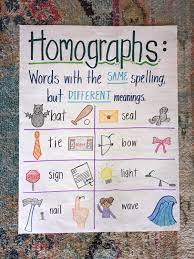
10 Highly Effective Homograph Activities For Elementary Learners

1. Homograph Show and Tell:

In this activity, students find homographs in the reading material then choose one to illustrate its multiple meanings using drawings or visual aids. They share their work with the class, explaining each meaning of the chosen homograph.

2. Homograph Memory Game:

Create a deck of homemade memory cards with matching pairs of homograph words (written or illustrated). Have students take turns flipping over two cards at a time, trying to find matching pairs. When a student matches a pair, they must also provide both meanings of the homograph.

3. Homograph Bingo:

Create Bingo cards with different homographs in each square. Teachers call out the definitions of the homographs one at a time, and students mark off corresponding squares on their Bingo card when they recognize the correct homograph.

4. Homograph Riddles:

Write riddles using the dual meanings of homographs and have students solve them individually or in groups. This activity will help learners understand how context can alter word meanings.

5. Homograph Charades:

Students act out the two meanings of a given homograph while their peers try to guess the word based on their actions. This not only helps with understanding homographs but also engages students in physical activity.

6. Homograph Journals:

Have students maintain a journal where they record new homographs they come across in their daily lives or readings, along with used context and definitions of each meaning.

7. Homograph Poems:

Challenge your students to write a poem or short story using various homographs throughout its content. This creative exercise encourages learners to explore homographs in more abstract ways while expanding their vocabulary.

8. Homograph Concentration Grids:

Similar to Sudoku grids but using words instead of numbers, concentration grids contain multiple instances of different homographs for students to figure out based on context clues within sentences.

9. Homograph Match-Up:

Create a set of index cards with homographs and their definitions separated. Students must match the homograph cards with their corresponding definition cards. This collaborative activity can be played in pairs or small groups.

10. Homograph Crossword Puzzle:

Design a crossword puzzle featuring homographs as answers, giving clues that indicate which meaning of the word is required. This activity helps students practice critical thinking skills and enhances their understanding of homographs in various contexts.

Incorporating these highly effective homograph activities into your elementary classroom will help students become more proficient readers and writers as they learn to distinguish between multiple meanings of words within different contexts.