Middle School Education

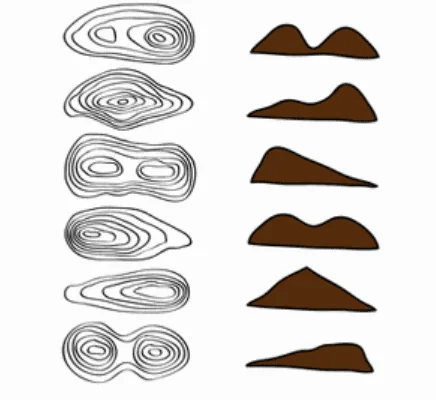
20 Topographic Map Activities for Middle School

1. Introduction to Topographic Maps: Introduce students to the concept of topographic maps by explaining contour lines, scale, and symbols used on these maps.

2. Creating Clay Models: Have students create 3D clay models of a landscape and then draw contour lines onto the model to create their own topographic maps.

3. Scavenger Hunt: Provide students with a list of features found on a topographic map, such as hilltops, valleys, and water bodies, and have them locate these features on a map.

4. Map Reading Skills: Teach students how to identify key features of a topographic map, such as contour intervals, benchmarks, and true north.

5. Create Your Own Island: Have students design and draw their own island using contour lines to indicate elevation changes, adding features like mountains, rivers, and forests.

6. Storytelling with Maps: Ask students to create a story or narrative using a topographic map as a setting for their characters’ adventures.

7. Learn about Earth’s Features: Use topographic maps to explore different natural formations such as volcanoes, canyons, or mountain ranges.

8. Map Hiking Trails: Use topographic maps to plan hypothetical hiking trips for specific elevation gains and terrain challenges.

9. Spot the Difference: Provide two slightly different versions of the same topographic map region and have students compare them to find the differences.

10. Topography and Climate: Help students understand how elevation can affect climate by examining the relationship between topography and climate zones on a map.

11. City Planning: Have students research their town’s geographical features using topographic maps and suggest improvements for infrastructure or emergency planning purposes.

12. Watershed Activity: Teach students about watersheds by having them trace the flow of water from higher elevations downwards on a topographic map.

13. Orienteering Basics: Introduce students to basic orienteering skills, such as using a compass and measuring distances on a topographic map.

14. Topographic Map Puzzles: Cut up a topographic map into puzzle pieces and have students work in groups to piece it back together.

15. Layered Maps: Combine different layers of maps, such as topographic maps and political maps, to help students understand how geography influences human settlement patterns.

16. Landform Matching Game: Create a matching game with cards featuring a landform image on one side and its corresponding contour lines on the other.

17. Topography Map Contests: Host a contest where students can submit their own hand-drawn topographic maps to be judged on accuracy and creativity.

18. STEM Obstacle Course: Design an obstacle course based on the features of a specific topographic map for students to navigate in teams.

19. Mystery Map Adventure: Give students a topographic map with parts missing or distorted, and have them work together to deduce what happened or reconstruct the missing information.

20. Virtual Field Trip: Use Google Earth or other virtual reality tools to explore a location’s topography before comparing it to its corresponding topographic map.

20 Activities to Teach Self-Regulation to Middle Schoolers

Self-regulation is a critical skill for young people as they navigate the challenges of adolescence. It enables them to manage their emotions, actions, and thoughts more effectively, leading to improved overall well-being and academic success. Here are 20 activities that can help middle schoolers develop and practice self-regulation skills.

1. Mindfulness meditation – Through mindfulness activities, students learn to increase awareness of their thoughts, emotions, and bodily sensations.

2. Deep breathing exercises – Deep breathing can help students manage anxiety and stress levels by activating the body’s relaxation response.

3. Yoga stretches – Yoga provides an opportunity for students to connect with their bodies and practice focusing on the present moment.

4. Guided imagery – Students can use guided imagery techniques to visualize themselves in calming situations, helping bring relaxation and focus.

5. Progressive muscle relaxation – This activity improves body awareness and helps release tension by systematically tensing and relaxing each muscle group.

6. Emotion check-ins – Encourage regular discussions about emotions, helping students recognize and express their feelings appropriately.

7. Goal-setting sessions – Supporting students in setting specific, achievable goals fosters accountability and motivation.

8. Time management exercises – Teach organization techniques such as creating schedules or prioritizing tasks to improve productivity.

9. Role-playing scenarios – Present students with various social situations that challenge self-regulation skills, allowing them to problem-solve through role-play.

10. Creative expression outlets – Offer opportunities for artistic expression through drawing, painting, music, or writing as a way to cope with emotions.

11. Journaling activities – Encourage daily journal entries that reflect on their thoughts, feelings, and experiences to promote self-evaluation and perspective-taking.

12. Collaborative team challenges – Design group activities that require cooperation and compromise, strengthening communication skills and emotional regulation in social interactions.

 13. Gratitude exercises – Teach students the practice of expressing gratitude for the positive aspects of their lives.

14. Growth mindset discussions – Encourage a growth mindset and emphasize the importance of effort and perseverance over innate talent.

15. Visual cues and reminders – Provide visual cues in the classroom, reminding students about self-regulation strategies and techniques.

16. Social story creation – Create stories that demonstrate social expectations, appropriate behaviors, and strategies for navigating challenging situations.

17. Emotional self-soothing activities – Prepare tools (e.g., stress balls, calming scents) that help students soothe themselves during challenging moments.

18. Structured breaks – Offer scheduled breaks that allow students to recharge and refocus during long academic periods.

19. Video or audio reflections – Have students record their own voices or videos discussing challenges, insights, or new strategies related to self-regulation they’re learning.

20. Mindful walks – Encourage mindful walks outside, where students can connect with nature, practice mindfulness, and build resilience in various environments.

These 20 activities can provide countless opportunities to integrate self-regulation development into daily academic routines for middle schoolers. By incorporating these strategies consistently throughout the school year, educators can foster improved emotional wellbeing and prepare students for greater success both inside and outside the classroom.

20 Beatitudes Activities for Middle School

1. Poster Creation: Encourage students to design posters that represent each of the eight Beatitudes. They can work individually or in pairs.

2. Skits and Role-Plays: Have students create skits or role-plays that depict real-life situations embodying one or more of the Beatitudes.

3. Poetry Writing: Allow students to express their thoughts and reflections on the Beatitudes through poetry.

4. Beatitude Bingo: Provide each student with a bingo card listing the Beatitudes in various arrangements. Call out descriptions of each Beatitude and have students mark off squares accordingly.

5. Matching Game: Create cards with the Bible verse reference for each Beatitude and its meaning. Students must match the references to their corresponding meanings.

6. Interactive Beatitude Model: Split the class into groups and assign each group a Beatitude to explore, discuss, and interpret collectively, creating a visual representation of their findings.

7. Beatitude Lab: Set up different stations around the room with activities related to specific Beatitudes, rotating students through each station.

8. ‘Living Out the Beatitudes’ Journal: Encourage students to keep a journal reflecting on how they’ve witnessed or practiced the Beatitudes in their everyday lives.

9. Art Collage Project: Using magazines, newspapers, and online resources, have students create a collage that represents their interpretation of one or more of the Beatitudes.

10. Songs and Hymns: Introduce your students to songs and hymns that emphasize themes within the Beatitudes and discuss how they relate to each one.

11. Memory Verse Challenge: Encourage students to memorize all eight Beatitudes with small rewards given for those who succeed.

12. Social Media Campaign: Have students create social media posts about each beatitude using hashtags like #BlessedAreThePoorInSpirit or #TheBeatitudeChallenge.

13. Guest Speakers: Invite local community leaders to discuss how they live out the Beatitudes in their work and personal lives.

14. Acts of Kindness: Have students perform acts of kindness in their daily lives and then write a reflection on how those acts relate to the Beatitudes.

15. Class Discussions: Periodically pause classwork for open discussions on various subjects related to the Beatitudes, and particular challenges faced by middle school students.

16. Movie Day: Show a movie that illustrates one or more of the Beatitudes in practice, and facilitate discussion and reflection afterwards.

17. Scavenger Hunt: Create a list of items or scenarios representing each Beatitude and develop a scavenger hunt around your school or local community.

18. Field Trip: Plan a trip to a local organization that exemplifies one or more of the Beatitudes in action. Allow students to interact with members of the organization and learn more about their work.

19. Visual Timeline: Create a visual timeline throughout the classroom using images, quotes, and artifacts to represent each Beatitude’s impact throughout history.

20. Final Assessment: Provide an end-of-unit assessment incorporating both written responses and creative projects relating to students’ understanding of, connection with, and application of the Beatitudes.

20 Ancient Greece Activities for Middle School

1. Greek Mythology: Explore Greek myths and legends by having students research and present their findings on famous gods and goddesses, heroes, and mythical creatures.

2. Olympic Games: Organize a mini Olympic Games, teaching students about the ancient athletic events such as chariot racing, discus throwing, and long jump.

3. Athenian Democracy: Introduce the concept of democracy by discussing the Athenian political system and hold a mock assembly where students can debate on different topics.

4. Greek Theater: Teach students about Greek tragedies and comedies, then have them write and perform their own plays based on ancient stories or modern topics.

5. Philosophy Discussion: Introduce famous philosophers like Socrates, Plato, and Aristotle, and set up a Socratic seminar where students discuss various philosophical questions.

6. Pottery Art Class: Show students examples of ancient Greek pottery designs and have them create their own pottery using clay or paper mâché.

7. Ancient Greek Architecture: Teach students about famous structures like the Parthenon and have them design their own buildings inspired by Greek architecture.

8. Greek Language: Introduce some basic Greek words and phrases to your students, allowing them to explore the origins of many English words and to write their names in the Greek alphabet.

9. Spartan Military Training: Discuss how Spartans were trained for battle from a young age, then create an obstacle course mimicking Spartan training exercises.

10. Feast Like the Greeks: Teach students about ancient Greek cuisine, then hold a feast with a variety of homemade or store-bought dishes.

11. Clothing and Fashion: Explore ancient Greek clothing styles; students can create their own togas or chitons using fabric or bed sheets.

12. Mosaics Art Project: Teach your students about mosaics in ancient Greece; they can create their own mosaics using colored paper or small tiles.

13. Math and Geometry: Discuss the contributions of famous Greek mathematicians like Pythagoras and Euclid, then incorporate some of their theories into a geometry lesson.

14. Astronomy Night: Talk about ancient Greek astronomers like Hipparchus and Ptolemy, then plan a stargazing night for students to observe the night sky.

15. Greek Music: Introduce students to traditional Greek music and instruments, then have them create their own melodies or learn to play an ancient Greek instrument.

16. Medicine and Health: Discuss the role of medicine and health practices in ancient Greece; students can research and share common ancient remedies for ailments.

17. Maps and Geography: Introduce students to the geography of ancient Greece; they can create their own maps highlighting important cities and landmarks.

18. The Iliad and The Odyssey: Teach your students about Homer’s epic poems, then have them create their own epic stories based on ancient Greek themes.

19. Dealing with Mythical Creatures: Students can participate in a problem-solving activity where they strategize how they would capture or outsmart a mythical creature from Greek mythology.

20. Ancient Greek Inventions: Explore different inventions that originated in ancient Greece, such as the water screw, gears, and catapults; students can attempt to build or draw replicas of these devices.

By engaging in these activities, middle school students will gain a deeper understanding of ancient Greece, its culture, innovations, and lasting influences on the modern world.

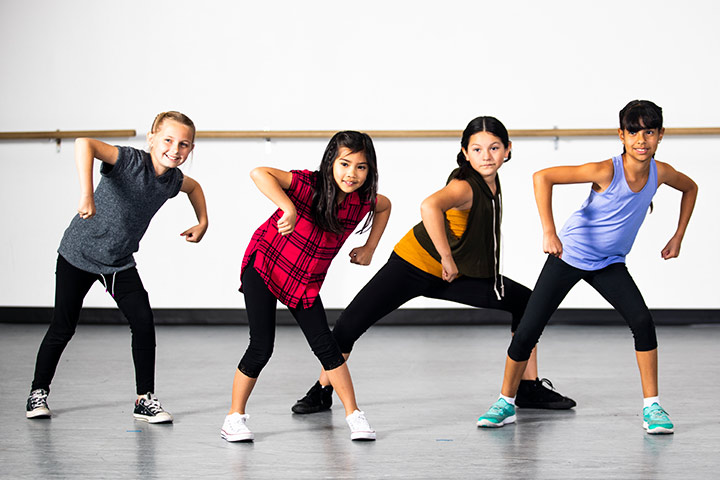
25 Awesome Activities For Your Middle School Dance

1. Photo Booth: Set up a photo booth with fun props and backdrops for students to take pictures with their friends.

2. Dance Competitions: Organize different dance contests like the limbo, freeze dance, or dance-offs.

3. Themed Dance: Choose a theme for the dance and have students dress accordingly.

4. Glow Party: Turn off the lights and provide glow sticks, necklaces, and bracelets for some neon fun.

5. Mystery Partners: Students draw names from a hat to find out who their mystery dance partner is for one song.

6. DJ Spinoffs: Invite school DJs or hire a local DJ to compete in a battle of rhythms and beats.

7. Karaoke Corner: Set up a karaoke system where students can showcase their singing talents to popular songs.

8. Trivia Challenges: Host trivia games based on current events, pop culture, or school-related topics.

9. Flash Mob Challenge: Teach students a choreographed dance routine that they can perform together as a flash mob during the event.

10. DIY Snack Station: Let students decorate their snacks with toppings like chocolate chips, sprinkles, or whipped cream.

11. Talent Show: Allow students to showcase their unique talents through performances like dancing, singing, magic tricks, or comedy acts.

12. Costume Contest: Encourage attendees to come in costume and vote on awards for categories like “Most Creative” or “Best Group Costume.”

13. Game Room: Set up an area with arcade games, board games, and giant versions of classics like Jenga and Connect Four.

14. Puzzle Corner: Offer collaborative puzzles for groups of friends to solve together throughout the night.

15. Giant Twister: Create a larger-than-life Twister game mat for an exciting twist on this classic party game.

16. Mural Wall: Encourage students to show off their artistic skills and decorate a mural wall for everyone to admire.

17. Slow Dance Songs: Allocate certain times throughout the event for couples to slow dance.

18. Scavenger Hunt: Hide items or clues around the venue that correspond to different aspects of the dance theme, then challenge students to solve the hunt.

19. Silent Disco: Provide wireless headphones and allow students to switch between different channels of music, dancing in their own groove.

20. Lip Sync Battle: Let students choose their favorite song and challenge them to a lip sync showdown.

21. Indoor Sports: Set up activities like mini basketball hoops, table tennis, or foosball for friendly competition.

22. Caricature Artists: Hire a caricature artist to draw fun portraits of students during the event.

23. Ice Cream Bar: Provide a build-your-own sundae station with a variety of toppings and flavors for a sweet treat.

24. Request Songs: Set up a request station where students can suggest songs for the DJ to play throughout the night.

25. Memory Capsule: Have students write messages or memories on cards and collect them in a time capsule to be opened at a future class reunion.

14 Of The Greatest Geologic Time Scale Activities For Middle School

Introduction:

Teaching geology to middle school students can be a daunting task, especially when it comes to making concepts like the geologic time scale engaging and relevant. However, there are plenty of activities that can help students visualize and understand the vast expanse of time that has passed in Earth’s history. Below are 14 great geologic time scale activities designed specifically for middle school students.

1. Timeline of Earth’s History:

Create a large, physical timeline on a long roll of paper or a classroom wall where students can add events, organisms, and key milestones of our planet’s history. This visual representation can help them grasp the immensity of geological time.

2. Fossil Dig Party:

Set up a simulated fossil dig site using small containers filled with sand and hidden “fossils” made from clay or other craft materials. Students can then pretend to be paleontologists as they excavate their finds.

3. Layered Sediment Jars:

Have students create a model of sedimentary rock layers using different colored sands or soil in clear jars. They can add labels to each layer representing different geologic time periods.

4. Geologic Time Scale Card Game:

Create a card game where students must match organisms or events with their corresponding geologic era, period, or epoch.

5. Edible Geologic Time Scale:

Using food items such as different types of candy or cookies, students can build an edible representation of the geologic time scale, with each type representing a specific era or period.

6. Earth Timeline Trivia Quiz:

Test your students’ knowledge on the major events in Earth’s history with a quiz-style game that requires them to place these events in their correct chronological order.

7. Geological Epoch Poster Project:

Assign each student an epoch from Earth’s history to research and create a poster illustrating its key features, organisms, and events.

8. Fossil Dating Activity:

Teach students about radioactive decay and how it’s used to date fossils by having them simulate the process using different colored beads or other items.

9. Index Fossil Matching Game:

Familiarize your students with the concept of index fossils by having them match images of various fossils to corresponding cards describing their associated geologic time period.

10. Geological Time Scale Jigsaw Puzzle:

Turn your classroom floor into a puzzle of geologic eras, periods, and epochs that students must work together to complete.

11. Geologic Time Scale Relay Race:

Set up a relay race where students must quickly arrange events or organisms in the correct chronological order on an oversized geologic time scale.

12. Geological Epoch Fact Exchange:

Have your class engage in a “speed-dating” activity where they discuss their assigned epoch with other students to learn more about different epochs and swap facts.

13. Create-Your-Own Fossil Activity:

Allow students to create their own unique fossil impressions using clay and various objects as a way to reinforce concepts learned about fossil formation.

14. Virtual Field Trips:

Utilize online resources like Google Earth and virtual museum exhibits to give your students a taste of what it would be like to explore the real-life sedimentary layers and fossils that tell Earth’s story.

Conclusion:

Using these captivating and hands-on activities, middle school students can better understand the vastness and significance of geological time. With an appreciation for our planet’s history in mind, they’ll be equipped with the knowledge necessary to appreciate the importance of Earth’s conservation for future generations.

Discussing Sexual Harassment in Middle School Matters

Introduction

In recent years, there has been a growing awareness surrounding the issue of sexual harassment, with movements like #MeToo shedding light on the prevalence of these incidents in various spheres of life. Much of the attention has been directed towards the workplace, college campuses, and Hollywood. However, one important area that requires equal attention is middle school.

Sexual harassment in middle schools is a pressing concern that affects the overall growth and well-being of adolescents. As young individuals navigate through their early teenage years, it’s crucial to address and educate them on sexual harassment so they can identify it, prevent it, and fight against it.

Why It Matters

1. Early exposure to harmful behaviors: Students in middle school are at a stage where they start exploring their identities, emotions, and interpersonal relationships. As they begin interacting with their peers and other individuals more closely, there’s a likelihood of experiencing or witnessing acts of sexual harassment. Addressing this issue early on helps students recognize what is appropriate or inappropriate behavior and creates an environment that fosters respect and empathy.

2. Mental health implications: Sexual harassment negatively impacts both victims and witnesses, leading to increased stress, anxiety, depression, lowered self-esteem, academic difficulties, etc. These issues have far-reaching consequences on the overall development and mental health of adolescents.

3. Prevention of future incidents: Educating students about consent, boundaries, and respect at this early stage could help prevent unhealthy behavior patterns from developing later in life.

Talking About Sexual Harassment in Middle Schools

1. Curriculum changes: Incorporating sexual harassment education as part of the middle school curriculum can foster a better understanding among students while promoting a more supportive school culture. It is essential to introduce age-appropriate content that discusses consent, boundaries, respectful communication skills in a way that resonates with adolescents.

2. Safe reporting mechanisms: Establishing centralized reporting mechanisms or offering anonymous helplines can encourage students to come forward and report incidents. This helps the school in being accountable for their students’ welfare and addressing harmful situations effectively.

3. Parental involvement: Parents play a crucial role in reinforcing the lessons taught in school. Encouraging open communication, discussing age-appropriate subjects related to sexual harassment, and supporting kids if they come across such incidents can help strengthen the impact of education received in schools.

4. Teacher and staff training: A well-trained staff can not only address incidents as they happen but also provide support and guidance to students affected by harassment. Regular training in these areas helps ensure that the entire school community works together to foster a respectful environment.

Conclusion

Addressing sexual harassment in middle schools is an essential aspect of creating healthy, respectful spaces for children to grow and learn. With better educational tools, appropriate resources, and concerted efforts by schools, parents, and the community at large, middle schools can become environments where students feel safe and valued.

20 Gratitude Activities for Middle School Students

Introduction:

Cultivating gratitude at a young age is critical for developing lifelong positive habits. Incorporating gratitude activities into the classroom has been shown to improve academic performance, emotional well-being, and overall happiness. Here, we offer 20 gratitude activities tailored specifically to middle school students.

1. Gratitude Journal

Encourage students to keep a daily journal where they can record at least three things they are grateful for each day.

2. Thank You Notes

Develop the habit of writing thank-you notes to friends, family members, and teachers for their kindness and support.

3. Gratitude Jar

Create and decorate a gratitude jar in the classroom where students can drop anonymous notes of thanks for each other or their teachers.

4. Gratitude Collage

Have students collect images of people, places, or items they are grateful for and form a collage on a poster board.

5. Gratitude Circle

Organize regular meetings where students sit in a circle and share something they’re grateful for with their peers.

6. Alphabet of Gratitude

Ask students to list something they are thankful for starting with each letter of the alphabet.

7. Themed Artwork

In art class or during free time, have students create artwork centered around the theme of gratitude.

8. Gratitude Scavenger Hunt

Organize a scavenger hunt in which students must find items symbolizing experiences they are grateful for and explain why.

9. Class Mural of Thanks

Paint a class mural consisting of many contributions from individual students showcasing their gratitude for various aspects of their lives.

10. Sharing Time

Allocate time each week where students can share positive stories with the class, focusing on moments of gratitude and kindness.

11. Daily Highlights

At the end of each school day, encourage students to reflect on their favorite moments from the day and what they’re most thankful for having experienced.

12. Gratitude Rocks

Have students paint rocks with messages of gratitude and leave them around the school as a reminder to be thankful for everyday events.

13. Gratitude Role Play

Create a scenario where students role play a situation that demonstrates gratitude, followed by a group discussion on the importance of expressing thankfulness.

14. Gratitude Speech

Give students a chance to prepare and present a short speech on someone or something they are grateful for, with positive feedback from their peers.

15. Kind Words Bingo

Play bingo using kind words and phrases from daily life to promote a culture of appreciation.

16. ‘Grateful-For’ Tree

Help your students create a class tree that features handwritten leaves expressing gratitude for people, experiences, or objects in their lives.

17. Chain of Gratitude

Use pieces of colored paper to create an ongoing chain representing things students are grateful for. Continue adding links throughout the school year.

18. Community Outreach

Encourage acts of kindness and community service, showing gratitude by giving back to the local community or helping others in need.

19. Thankful Thursdays

Set aside Thursdays as days where the focus is on expressing gratitude in the classroom through various activities and discussions.

20. Random Acts of Kindness

Organize random acts of kindness among students in the classroom to encourage an environment of gratitude and compassion.

Conclusion:

Incorporating these gratitude activities into your middle school classroom will not only foster positivity but will lay the foundation for emotional resilience and mindfulness throughout your students’ lives. As they learn to acknowledge, share, and embrace all they have to be thankful for, their outlook on life will continue to shine brighter.

25 Invigorating Music Activities for Middle School

Introduction:

Music education is an essential element in the curriculum for middle school students. Engaging in music activities can help students develop creativity, teamwork, self-expression, and critical thinking skills. Here are 25 invigorating music activities that can inspire middle school students and make their learning journey a memorable one.

1. Songwriting Workshops: Encourage students to write their songs to express their feelings through musical arrangements and lyrics.

2. Musical Chairs: Implement this classic childhood game by playing different genres of music to expose them to various styles.

3. Rhythm Circles: Have students create rhythmic patterns using body percussion, such as clapping, snapping, or stomping.

4. Lip Sync Battle: Organize a lip sync battle that allows students to mime along with their favorite songs while showcasing their performance skills.

5. Composition Showcase: Guide students through the process of composing original music pieces and then perform them for the class.

6. Improvisation Games: Provide opportunities for students to improvise melodies and rhythms using various instruments or voice.

7. Music Trivia: Engage students in a friendly competition testing their knowledge of music theory, history, and pop culture.

8. Movie Soundtrack Analysis: Analyze popular movie soundtracks and discuss how the music enhances each film’s emotional impact.

9. Concert Field Trip: Take your class to watch local symphony orchestras or bands perform live and later discuss the experience.

10. Music History Timeline: Assign each student a period from music history, and then have them create a timeline displaying significant events, composers, and pieces from that era.

11. Karaoke Day: Turn your classroom into a karaoke stage where students can sing popular songs and explore their vocal abilities.

12. Garage Band Practice: Form band groups within the class, allowing them to develop collaborative skills while practicing and performing together.

13. Instrument Demonstration: Invite professional musicians to demonstrate various instruments and their techniques.

14. Group Percussion Ensemble: Organize students into various percussion ensembles and have them create unique rhythms.

15. Digital Music Production: Introduce students to digital music software, teaching them the basics of creating electronic music or beats.

16. Music Bingo: Create a custom bingo sheet featuring musical terms, symbols, or composers for a fun, educational game night.

17. Choir Collaboration: Invite a local choir to perform with your students during a combined rehearsal or concert.

18. Music Careers Research: Encourage students to research possible careers in the music industry and present their findings through class presentations or posters.

19. Radio Show Production: Develop a classroom radio show allowing students to create segments on music education, new releases, interviews, and live performances.

20. Album Design and Review: Assign albums for students to listen to, design an album cover, and write a review providing their thoughts on the music.

21. Music Genre Exploration: Study various music genres from different time periods around the world through listening experiences and discussions.

22. Music Scavenger Hunt: Design scavenger hunts around the school based on musical clues or riddles relating to music theory and instruments.

23. Soundtrack Composition: Have students create original soundtracks for short video clips or animations using classroom instruments or digital tools.

24. Collaborative Songwriting Project: Pair with another class to compose new pieces using video chats or online platforms for remote songwriting collaboration.

25. Live Performance Review: Attend live performances as a group, then have the students compose critical reviews analyzing aspects like stage presence and musicianship quality.

Conclusion:

Implementing these engaging activities in your middle school music classroom can provide unique opportunities for exploration and growth in your students’ musical abilities.

20 Middle School Assembly Activities To Cultivate A Positive School Culture

Introduction

Middle school is a vital stage in a child’s life where they develop academically, socially, and emotionally. One way to effectively engage students and foster a positive school culture is through middle school assembly activities. In this article, we will explore 20 activities that can help promote a healthier, more inclusive, and inspiring environment for middle school students.

1.Icebreaker Games – Start the assembly with fun icebreaker games that encourage interaction among students and help them feel at ease.

2.Team-building Exercises – Divide the students into groups and have them engage in activities that improve collaboration, problem-solving, and communication skills.

3.Empathy Circles – Promote the development of empathy by forming small discussion circles where students share their thoughts and feelings on a given topic.

4.Guest Speakers – Invite inspiring guest speakers from varying professions to discuss their experiences, share valuable insights, and motivate students.

5.Diversity Celebrations – Organize cultural performances or presentations that celebrate the rich diversity within the school community.

6.Anti-bullying Workshops – Conduct sessions that aim to educate and empower students against bullying while promoting kindness and respect for one another.

7.Talent Showcase – Give students the opportunity to display their unique skills or talents through performances or exhibitions.

8.Gratitude Exercises – Have students take turns expressing gratitude towards their peers, teachers, or family members during the assembly.

9.Community Outreach Program Announcements – Introduce new or existing community outreach programs where students can collaborate for social initiatives outside of school hours.

10.Recognition Ceremonies – Appreciate individual achievements of outstanding students based on academic performance, character, and extra-curricular involvements.

11.Book Talks – Encourage reading by having book talks where students or guest authors can discuss their favorite books or recent literary works.

12.Inspirational Videos – Screen inspiring videos or short documentaries that evoke passion, perseverance, resilience, and determination.

13.Interactive Science or Art Demonstrations – Organize live science experiments or art projects that engage the students with hands-on learning opportunities.

14.Themed Days – Organize themed dress-up days to foster a sense of unity and camaraderie among students.

15.Student-Teacher Competitions – Encourage friendly competition through games or contests where students compete against teachers.

16.Environmental Awareness Presentations – Educate students about environmental issues and encourage them to be responsible citizens by taking part in various initiatives.

17.Meditation and Mindfulness Exercises – Introduce relaxation exercises that help students develop mindfulness and reduce stress.

18.Student Council Announcements – Provide a platform for the student council to present school updates, upcoming events, or share significant policy decisions.

19.Study Tips – Offer study and time-management tips applicable to middle schoolers as they navigate their academic journey.

20.Closing Ceremony – End the assembly with a captivating closing speech by the principal, vice-principal, or a popular teacher that inspires and prepares students for their future endeavors.

Conclusion

Incorporating these 20 middle school assembly activities can significantly impact the overall development of students by instilling essential life skills, nurturing a sense of belonging, and fostering an inclusive and positive school culture.